

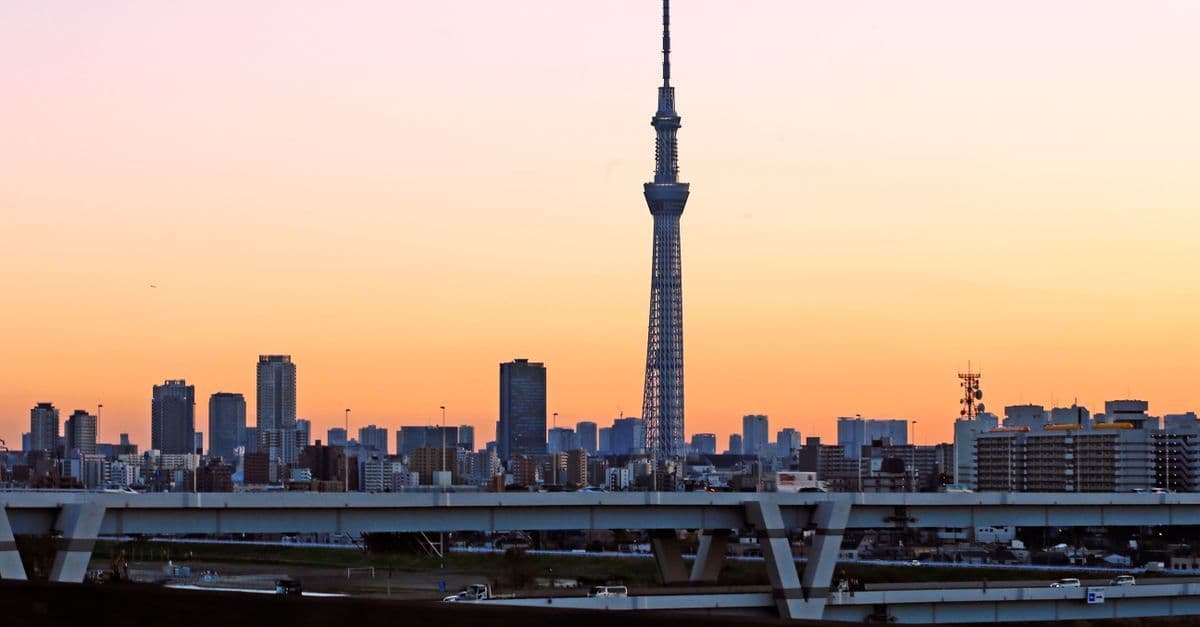
Tokyo Skytree at a Glance
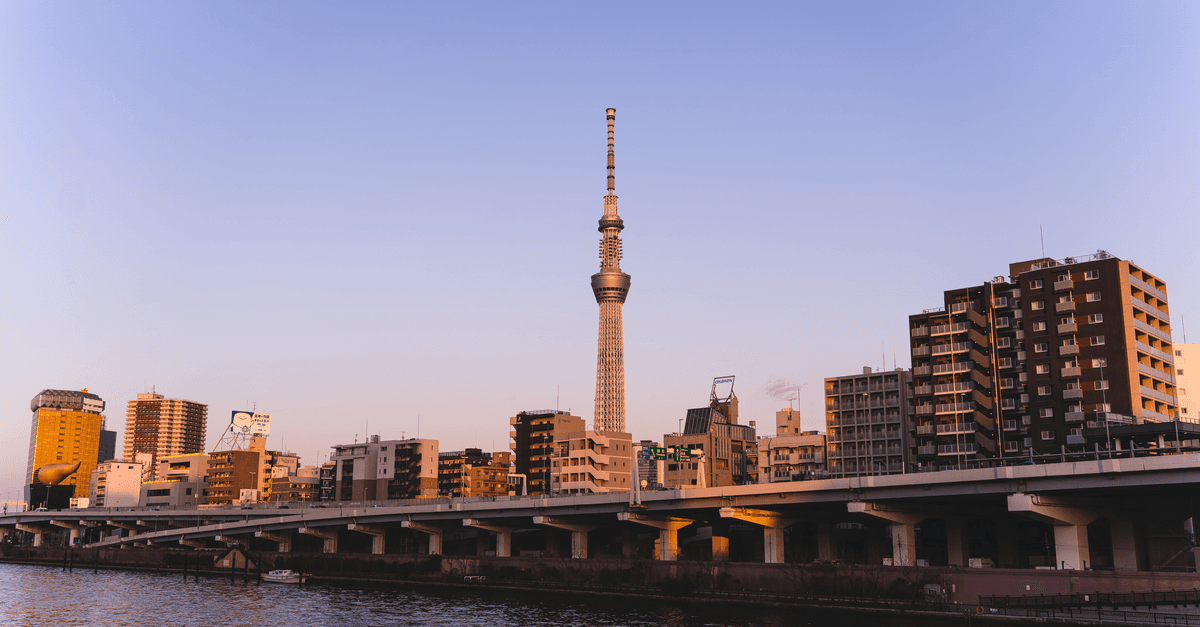
Tokyo Skytree stands 634 metres above Oshiage, making it the world's tallest broadcasting tower. Two observation levels define the experience: the Tembo Deck at 350 m and the spiralling glass-enclosed Tembo Galleria at 450 m.
Key fact: HelloRoam's eSIM for Japan starts at ~A$5.41 for 1 GB over 7 days on KDDI/au's 5G network.
That entry price holds up against any comparable city height experience globally. Compare it to the Sydney Harbour Bridge Climb at over A$300, and Skytree looks like a deal before you've stepped into the lift. Telstra's international day pass compounds fast across a full Tokyo week, so sorting data before the 20-plus-hour flight makes sense.
The Galleria is an add-on, not a bundled inclusion. Book the combo online, skip the walkup queue, and you're sorted. Oshiage station sits directly below the tower on both the Tobu Skytree Line and the Tokyo Metro Hanzomon Line.
Here's why it belongs on the itinerary.
What Makes Tokyo Skytree Worth the Trip?
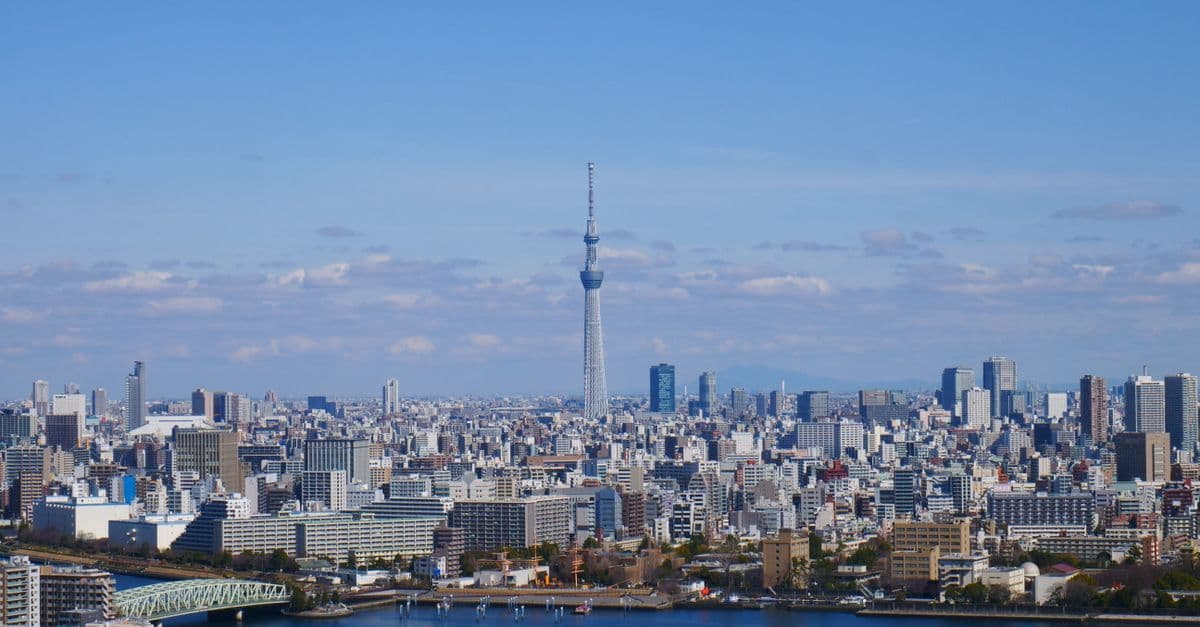
Tokyo Skytree delivers across multiple fronts: views that reach Mt Fuji on a clear day, a 312-shop complex directly below, a co-located aquarium and planetarium, and an origin story that rewards the curious. It's a full day's destination, not a single attraction.
The number 634 wasn't chosen at random. It maps directly to Musashi, the ancient region that once covered this part of Japan: む (mu) carries 6, さ (sa) carries 3, し (shi) carries 4. That kind of considered layering is distinctly Tokyo: the reference sits in plain sight and rewards anyone who looks for it.
Architect Nikken Sekkei drew on traditional Japanese aesthetics throughout the design. The silhouette echoes a shirasagi (white heron) and the spire references pagoda form. From the right distance on a clear morning, the tower reads differently from every angle.
The views hold up. On days when the visibility runs long, Mt Fuji appears to the west as a proper volcanic cone above the Tokyo skyline, not a vague atmospheric smudge. That sighting stops people mid-sentence.
Below the tower, Solamachi packs 312 shops and restaurants across multiple levels, from department store floors to lively ramen counters. The Sumida Aquarium and the Konica Minolta Planetarium Tenku both operate within the same precinct. Factor those in and a single visit fills a full day without stepping outside the Oshiage footprint.
The draw isn't lost on visitors. Annual numbers ran at around five to six million pre-COVID, with a spirited post-2023 recovery. That sustained traffic reflects genuine repeat appeal: the site delivers enough across food, culture, shopping, and views to bring people back.
For a first Tokyo trip, Skytree anchors the eastern side of the city around Asakusa and Senso-ji. Return visitors frame it differently: a clear-sky evening, dinner at Solamachi, the Galleria after dark.
Worth visiting, clearly. But what does entry actually cost?
Tokyo Skytree Tickets: What Australians Pay
Tokyo Skytree tickets start at around A$21 for the Tembo Deck alone at adult walkup rates. Add the Galleria and book online in advance, and the combo comes to ~A$30. By global landmark standards, those prices are genuinely surprising.
A few things that catch Australians out:
The walkup price isn't the same as the online price. The Tembo Deck plus Galleria combo runs ~A$34 at the door. Book the identical combo online with a date and time slot, and it drops to that advance rate. The ~A$4 saving isn't the main reason to pre-book. Skipping the walkup queue is.
The price is cheaper than most people expect. The Sydney Harbour Bridge Climb comparison from the overview above tells the story: Skytree's advance combo covers the world's tallest broadcasting tower from two separate heights at a fraction of comparable experience costs. That value takes a moment to land, usually when you're already in the lift.
Children don't pay adult rates. Kids aged 6 to 11 pay roughly half the adult price. Small children aged 4 to 5 receive a further reduction, and under-fours enter free. A family visit costs far less than most parents budget for.
The Galleria isn't a separate attraction. It's an add-on to the Tembo Deck ticket. The combo is the right call for most visitors: the Galleria's glass-enclosed spiral walkway at 450 m is a physically different experience from the open Deck below, and the extra outlay is modest.
Booking in Practice
Go directly to the official Tokyo Skytree website and select a date and time slot. Confirmation is immediate. Avoid third-party resellers: the official site carries the full inventory and the lowest advance rate.
A practical note on pricing: rates have adjusted upward several times since the tower opened in 2012. The figures above reflect data available at time of writing. Confirm current 2026 rates on the official site before booking, and factor in yen-to-AUD exchange movement across the year.
The Deck-only ticket at ~A$21 suits a tight itinerary. For most visits, the combo is the obvious call.
Tickets sorted. Now for getting there without the confusion.
How to Get to Tokyo Skytree from Anywhere in the City
Tokyo Skytree is reached via Oshiage (Skytree) Station, exit B3, served by the Tobu Skytree Line and the Tokyo Metro Hanzomon Line. The station sits directly below the tower, making the entrance a one-minute walk from the platform. The tower runs two distinct observation levels, priced separately and worth treating as different experiences. The Tembo Deck at floor 350 is the main event: a wraparound glass observation area with a café, souvenir shops, and a glass floor section suspended directly above the Sumida River. The Tembo Galleria at floors 445 to 450 spirals higher still, ending at the highest publicly accessible point in the structure.
What works in your favour
The glass floor section at the Deck is more compelling than photos suggest. Looking down at rooftops, river barges, and the Sumida waterway from 350 metres takes a genuine moment to absorb. Some visitors drop straight to their knees for a better angle; others give the panels a deliberate wide berth.
Visibility runs sharpest from November through February. Clear winter mornings bring Mount Fuji into view on the western horizon, and Tokyo's full spread from the bay to the Kanto Plain becomes legible in a way no street-level map can replicate. Night visits draw the most spirited crowds: the city grid turns into a dynamic lattice of lights from Sumida Ward to the towers in Shinjuku, with bridge reflections tracing the river far below.
Sunset and evening slots fill weeks ahead during Golden Week and cherry blossom season. Walk-up queues on busy weekend nights run past an hour.
What to plan around
The Galleria is a paid add-on requiring the Deck ticket first. Floors 445 to 450 aren't accessible without buying both levels.
Summer humidity cuts horizontal visibility sharply. The animated clarity of a crisp February morning is a genuinely different experience from a haze-blurred July visit.
Practical tip: indoor lighting at the Galleria reflects off the glass panels at night. Pressing the phone lens directly against the panel cuts the glare and gives a much cleaner result.
Views covered. How do you stay connected up there?
What to Expect at the Tokyo Skytree Observation Decks
How Do Australians Stay Connected Near Tokyo Skytree?
Japan eSIM plans cut roaming charges before your first Tokyo train ride. Telstra's international roaming, Optus Travel Packs, and Vodafone AU's day-pass add-ons all accumulate daily fees fast across a 10-day or two-week Japan trip. Activating a Japan eSIM before departure replaces that with a flat data cost and no daily meter clicking away in the background.
The Wi-Fi situation at Skytree Town
Free Wi-Fi covers parts of the Solamachi complex at the tower's base. In practice, it becomes patchy inside the tower and unreliable at height. Fine for a quick message at the ground-floor food hall. Not the plan for navigating Sumida Ward streets once you're back outside.
Download offline maps for the area before you leave Australia. Google Maps lets you cache Sumida Ward's street grid on home Wi-Fi, which takes about two minutes and pays off every time coverage gets spotty.
Choosing the right plan
For stays under a week, per-gigabyte budget plans cover basic navigation and messaging without overspending. HelloRoam's Japan plans access KDDI/au's 5G network across Tokyo's central wards, delivering solid coverage through Sumida Ward and beyond.
The 3GB 30-day plan at ~A$10.83 suits most two-week Japan itineraries. For solo travellers running heavy Google Maps use, video calls back to Australia, and streaming on long travel days, the 5GB plan at ~A$14.71 is the snappy pick. Both are available through Afterpay or Zip if splitting the cost across pay cycles works better for your travel budget.
Key fact: HelloRoam Japan plans run on KDDI/au (5G) and NTT Docomo (4G) networks across Tokyo and regional Japan.
Activate the eSIM at home over your own Wi-Fi before you board. Japan is a long haul from Australia whether you're flying direct from Sydney or connecting through a hub from further afield. Getting data sorted before departure means you step out of Narita arrivals with everything already live. No SIM kiosk queue, no convenience-store scramble mid-jet-lag.
eSIM for Japan activates before you board and is live at Narita Terminal 2 before your bags reach the carousel.
One more question most Aussies ask before they go.
How Do Australians Stay Connected Near Tokyo Skytree?
===SECTION 1===
A Japan eSIM cuts roaming charges from day one and goes live on KDDI/au's 5G network the moment you land at Narita International Airport.
That first signal ping arrives in the customs hall, before you've spotted the baggage carousel. While other passengers hunt for the airport Wi-Fi login, data's already running on your phone.
Carrier roaming from Telstra or Optus adds up fast across a week in Tokyo. An eSIM activated before departure sidesteps that entirely. Budget eSIM plans, priced per gigabyte, are built precisely for short stays.
Free Wi-Fi at Skytree Town: The Reality
Skytree Town provides free Wi-Fi across the ground-floor complex. It handles a lobby map check or a WhatsApp message without fuss. Up on the observation decks, though, the picture changes fast.
Coverage through the glass-encased Tembo Deck at 350 metres is patchy, and the Tembo Galleria's spiral walkway at 450 metres is worse for indoor signal. Don't count on uploading that panoramic photo to the family group chat from the top without cellular backup.
Download an offline map for Sumida Ward before you leave your accommodation. Both Google Maps and Apple Maps allow area saves in under a minute, covering every walking route from Oshiage Station through Solamachi and across to Asakusa. That runs without any data at all once you're on-site, saving your gigabytes for the moments that actually need a live connection.
eSIM Activation: Before the Cabin Crew Sits Down
HelloRoam Japan plans run on KDDI/au's 5G network and NTT Docomo's 4G infrastructure. Scan the QR code at the departure gate while the boarding queue shuffles forward. The profile installs in roughly 90 seconds.
No kiosk. No queue.
For a week covering Skytree and the surrounding Sumida Ward, the 3GB plan at ~A$10.83 gives enough headroom for navigation, messaging, and regular photo uploads. Travellers adding a day trip toward Nikko via the Tobu Railway network will find the 5GB option at ~A$14.71 more comfortable for the extra distance.
Is Tokyo Skytree Worth It for Australian Travellers?
Yes, and by some margin. Both entry options sit well under A$50, which places Tokyo Skytree in a completely different category to comparable urban height experiences back home. The Sydney Harbour Bridge Climb is a brilliant experience, but it costs roughly ten times the Skytree combo rate. For something that delivers 360-degree views across one of the world's great cities, that price-to-spectacle ratio is hard to beat.
One honest caveat before you book: cloud cover matters more here than at most city lookouts. Tokyo's weather can shift quickly, and a heavily overcast morning produces a white wall rather than a panorama. Check the forecast the night before. If the sky looks murky, push the visit back a day and spend that morning at Senso-ji or along the covered market alley of Nakamise-dori instead.
Skip the cloud. Don't skip the Galleria.
The Galleria upgrade is worth booking before you fly. The spiralling glass walkway sits above the main Tembo Deck and delivers a markedly different perspective, and locking in the advance rate saves money over the walkup price. Do it online, not at the ticket counter in Oshiage.
Key fact: Advance online tickets for the Tembo Deck and Galleria combined are priced below the walkup rate at the tower.
Pairing Skytree with Asakusa is the natural move. The two sites are a brisk ten-minute walk apart, and Senso-ji with its Kaminarimon gate and the surrounding market streets fills a full morning before you head to the tower in the afternoon. That combination produces a proper full-day itinerary through Tokyo's east side without a taxi or a backtrack. On overcast days, Asakusa holds its own entirely on its own terms.
Reviewed by HelloRoam's editorial team. Last updated: 06 July 2026.
Get Connected Before You Go


Frequently Asked Questions
Tokyo Skytree stands 634 metres tall, making it the world's tallest broadcasting tower. It has two observation levels: the Tembo Deck at 350m and the Tembo Galleria at 450m.
The Tembo Deck alone costs around A$21 at walkup rates. The Deck and Galleria combo is approximately A$30 when booked online in advance, or around A$34 at the door.
Online advance booking saves around A$4 compared to walkup rates. More importantly, pre-booking a date and time slot lets you skip the walkup queue, which is the main reason to book ahead.
Tokyo Skytree is open daily from 10:00 am to 9:00 pm, with last entry at 8:00 pm. It operates 365 days a year.
Take the Tobu Skytree Line or Tokyo Metro Hanzomon Line to Oshiage (Skytree) Station, exit B3. The station sits directly below the tower, making the entrance a one-minute walk from the platform.
Yes, on clear days Mount Fuji is visible to the west. Visibility is sharpest from November through February, when crisp winter conditions offer the best chance of a sighting above the skyline.
The Tembo Galleria is a glass-enclosed spiral walkway at floors 445 to 450, above the main Tembo Deck. It is a paid add-on to the Deck ticket and is the highest publicly accessible point in the tower.
Yes. Children aged 6 to 11 pay roughly half the adult price. Kids aged 4 to 5 receive a further reduction, and children under 4 enter free.
November through February offers the sharpest visibility and the best chance of seeing Mount Fuji. Sunset and evening slots book out weeks ahead during Golden Week and cherry blossom season.
Yes, cloud cover significantly impacts the experience. Heavy overcast produces a white wall rather than a panorama. Check the forecast the night before and consider rescheduling if conditions look poor.
Free Wi-Fi covers parts of the Solamachi complex at ground level. Coverage becomes patchy inside the tower and unreliable at observation deck heights, so cellular data is a better option up high.
The Solamachi complex at the tower's base includes 312 shops and restaurants. The Sumida Aquarium and a planetarium also operate within the same precinct, making it a full-day destination.
The number 634 references Musashi, the ancient region covering this part of Japan. In Japanese, the sounds mu, sa, and shi carry the values 6, 3, and 4 respectively, encoding local history into the height.
Yes. The advance combo ticket costs around A$30, delivering 360-degree views from 450m over one of the world's largest cities. That is a fraction of the cost of comparable urban height experiences back home.
Yes. Activating a Japan eSIM before departure gives you live data from the moment you land at Narita. This avoids daily carrier roaming fees and keeps navigation running through Sumida Ward without interruption.
Carrier roaming day passes from Australian providers accumulate fees quickly across a 10-day or two-week trip. A Japan eSIM plan replaces that with a flat data cost and no daily charges clicking away in the background.
A 3GB plan suits most week-long Tokyo itineraries covering navigation, messaging, and regular photo uploads. Travellers with heavier use or longer day trips may prefer a 5GB plan for extra headroom.
Activate your Japan eSIM at home over your own Wi-Fi before boarding. The profile installs in around 90 seconds, and data goes live as soon as you land so you arrive at Narita fully connected.
Skytree pairs naturally with Asakusa and Senso-ji, a brisk ten-minute walk away. Spending the morning at Senso-ji and its market streets then heading to the tower in the afternoon covers Tokyo's eastern side completely.
Yes. The spiralling glass walkway at 450m delivers a markedly different perspective from the Tembo Deck below, and booking the combo online in advance costs less than purchasing at the walkup counter.