

Quick answer: Fiji holiday packages at a glance
Fiji holiday packages bundle return flights, resort accommodation and airport transfers into a single booking. Budget options start around A$1,500 per person for a three-night stay; luxury all-inclusive packages run from A$5,000 per person scoopon.com.au. Direct flights depart Sydney, Melbourne and Brisbane, keeping Nadi within four hours of the east coast qantas.com.
Key Takeaways - Budget Fiji holiday packages start around A$1,500 per person, flights and resort included. - Luxury all-inclusive options reach A$5,000 per person or beyond. - Direct flights to Nadi serve Sydney, Melbourne and Brisbane. - A local data eSIM sidesteps Telstra and Optus roaming charges from the moment you land.
Key fact: HelloRoam's Fiji 1GB 7-day plan runs ~A$10.06 on Vodafone's 4G network, a workable option for a short resort stay.
The price spread is wider than most Aussie travellers expect. A three-night Coral Coast package for two can cost less than a ski weekend in the Snowy Mountains, while seven nights at a premium Denarau resort pushes comfortably past A$10,000 for two.
Getting data sorted before boarding saves genuine hassle. HelloRoam's eSIM for Fiji covers maps, messaging and the occasional photo upload without the Telstra International Day Pass markup, and activates before you clear customs at Nadi.
Package pricing locks in the headline rate, a sensible hedge when resort costs shift with the exchange rate. What those packages actually cover is worth unpacking before you commit.
What do Fiji holiday packages typically include?
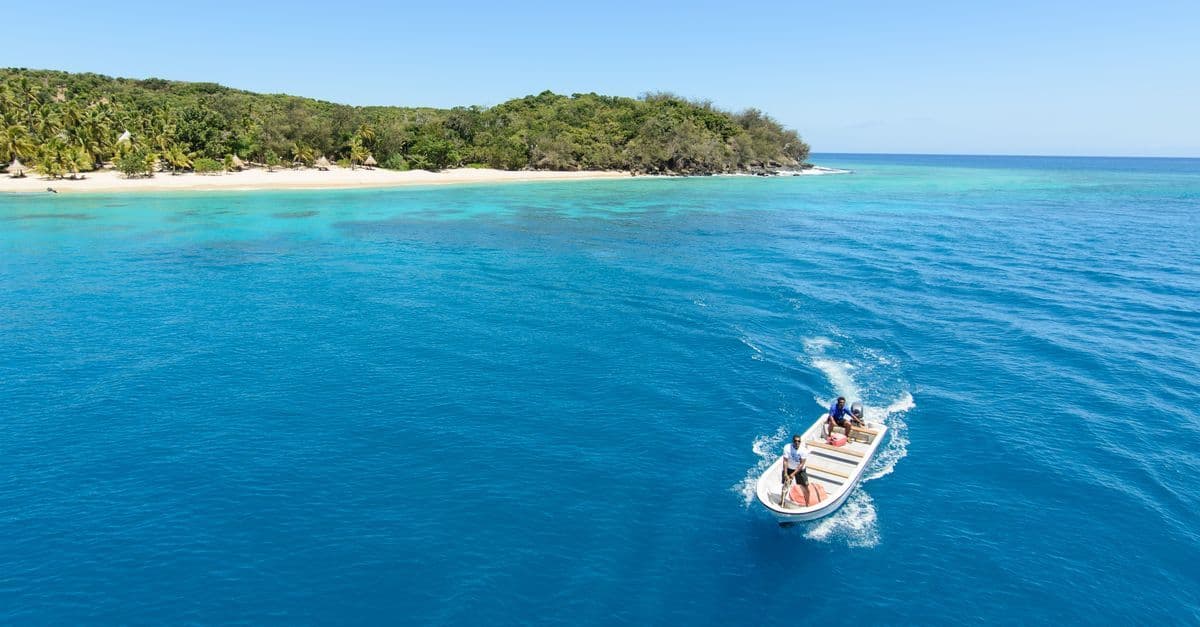
According to travelonline.com, most Fiji holiday packages cover return flights, airport transfers and resort accommodation as a baseline. Beyond that, inclusions diverge sharply. Some packages add daily breakfast; others go fully all-inclusive with meals, drinks and non-motorised water activities. Room-only deals keep the upfront price lower but shift most spending to arrival.
That distinction changes the maths considerably.
The Naviti Resort on the Coral Coast suits both families and couples, offering structured activity programmes alongside quieter beachfront options at a mid-range price point aldiholidays.com.au. Step up in budget and the Radisson Blu Resort Fiji on Denarau Island represents what premium packages deliver: direct marina access, polished resort facilities and enough on-site activity to make leaving genuinely optional for a day or two.
Specialist Fiji travel agents build itineraries that general booking platforms simply don't list. Exclusive resort deals, negotiated group rates and hand-crafted multi-island routes rarely surface on aggregator searches myfiji.com. If your trip stretches across more than one island cluster, or you want accommodation matched tightly to your travel style, a direct conversation with a specialist is worth having before you confirm anything.
The all-inclusive versus room-only question deserves careful thought. All-inclusive packages carry a higher sticker price, but they eliminate the daily spending decisions that accumulate fast in a resort environment. Cocktails, snorkel hire and poolside lunch land on your tab at a room-only property; all-inclusive folds those costs into the upfront figure. For families who want unrestricted beach time without a running tally, all-inclusive often represents the cleaner financial arrangement.
The best-value packages tend not to sit on page one of a search result. A dedicated Fiji specialist often surfaces resort combinations and inclusions that come in well under what you'd spend booking flights and accommodation separately.
Where in Fiji you stay shapes the entire trip, from the reef access within swimming distance to how many boat transfers your itinerary requires.
Fiji's best destinations for your holiday package
The right destination shapes the entire character of a Fiji holiday package. Four zones cover most traveller needs:
- Denarau Island: luxury hotels, marina access, five minutes from Nadi Airport
- Coral Coast: calm water, family resorts, good mid-range package value
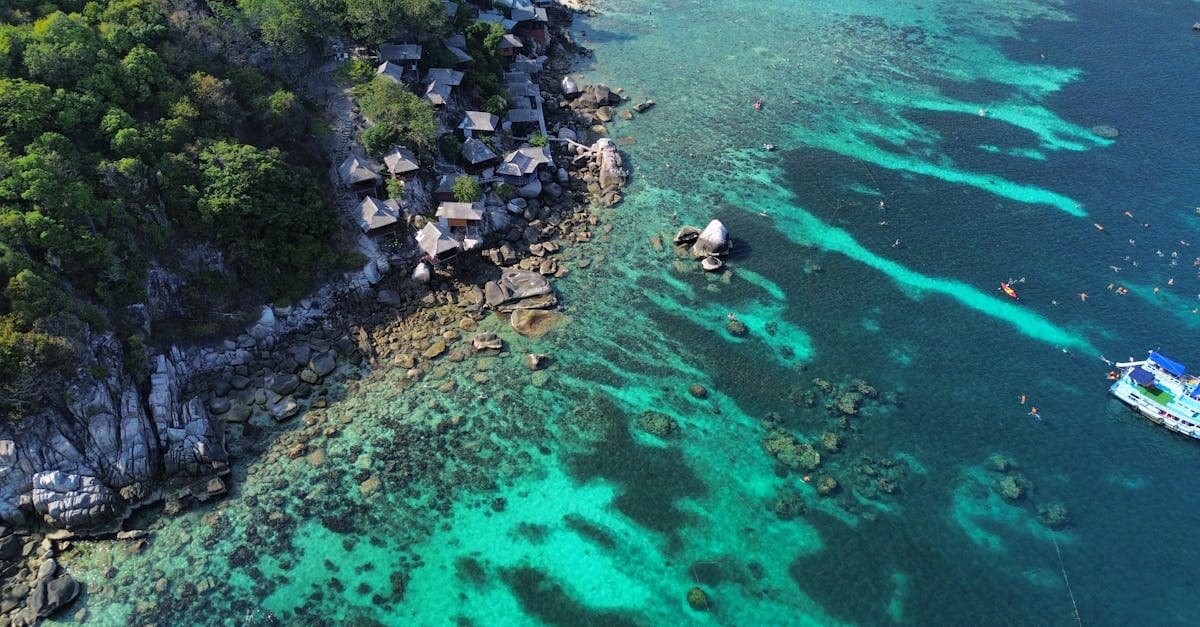
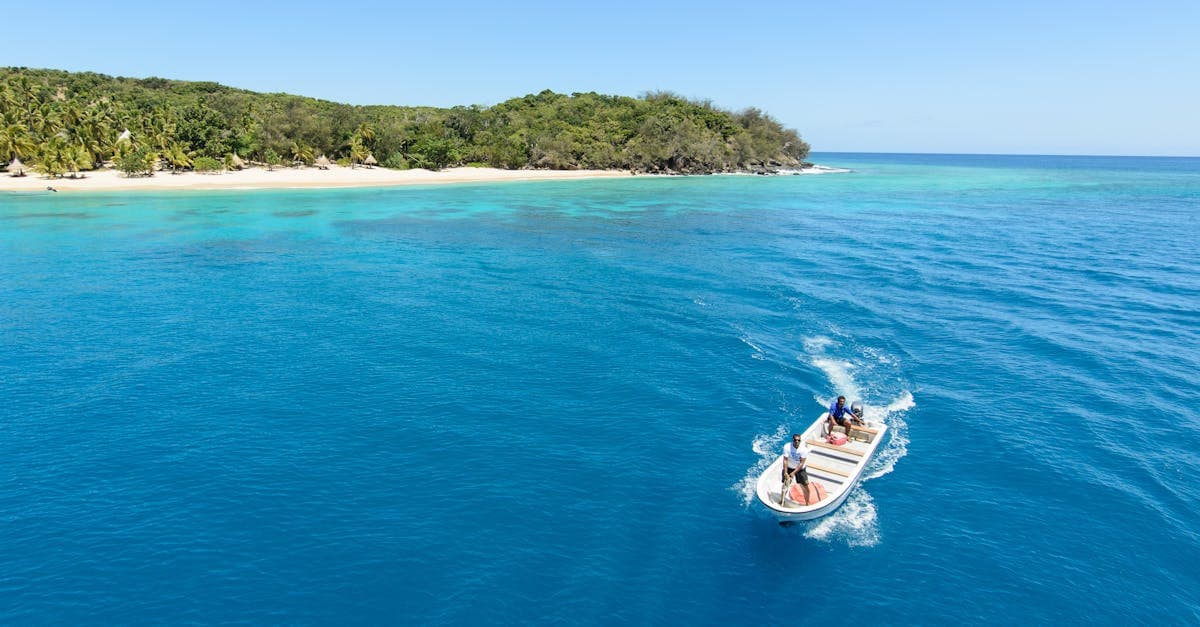
- Mamanuca Islands: snorkelling, island hopping, higher per-night rates
- Momi Bay: quieter setting, competitive rates, less trafficked
Most visitors choose Denarau as the default, and the convenience is real.
The Coral Coast suits families and couples who want calm water without the Denarau premium. Day trips to highland villages and local markets are straightforward from most Coral Coast properties, which adds some considered depth to what could otherwise be a purely beach-focused trip.
The Mamanucas tend to surprise first-timers who picture Fiji as a single island resort. Each island in the cluster has its own reef conditions and character; getting between them involves small boat transfers that add cost but make the itinerary far more layered than a mainland stay. For couples after something more active than a pool and a sunlounger, this is the obvious zone.
Key fact: HelloRoam's Fiji 3GB 30-day plan costs ~A$13.61 on Vodafone's 4G network, a nuanced choice for a fortnight trip with light streaming needs.
Momi Bay rewards travellers who research beyond the first page of results. The bay is genuinely picturesque, the packages that include it often compare favourably against the Denarau equivalent on price, and the foot traffic is a fraction of the busier resort precincts.
For first-time visitors, staying on Viti Levu provides the broadest access to Fiji's transport links, resort range and day-trip options. The outer islands can come on a second trip, once you know which part of Fiji you actually want to explore further.
Data coverage varies considerably between destinations. Outer Mamanuca islands have less reliable connectivity than the main Viti Levu resorts, making a dedicated mobile data plan worth sorting before you board.
Staying connected in Fiji: eSIM, SIM cards and resort Wi-Fi
Connectivity in Fiji runs through two networks: Vodafone Fiji and Digicel. Both carry 4G across the main resort areas. Resort Wi-Fi is available almost everywhere but ranges from dependable at Denarau Island properties to unreliable on outer Mamanuca and Yasawa islands. Three options cover most situations: resort Wi-Fi, a local SIM from Nadi Airport, or an eSIM sorted before you leave home.
Resort Wi-Fi: workable, not foolproof
Most resorts include Wi-Fi at no extra charge. Read the fine print before relying on it. Outer island properties with satellite-dependent connections drop out in heavy rain, and overwater bures often sit furthest from access points. On the Coral Coast or Denarau, resort connectivity is generally more dependable. If your whole trip stays on Denarau, resort Wi-Fi will likely see you through. For island-hopping, it won't.
Compare eSIM plans for Fiji — See 2026 pricing →
SIM card at Nadi Airport
Vodafone Fiji and Digicel both operate counters in the Nadi International Airport arrivals hall. Registration requires a passport, and the process takes roughly 15 to 20 minutes including any queue. The upside is straightforward local pricing. The catch is timing: this is the last thing you want to deal with after a nine-hour flight from Sydney or Melbourne.
eSIM: connected before you land
An eSIM activates at home, on your own Wi-Fi, before departure. Install the profile via QR code, and your phone connects to Vodafone Fiji's 4G network the moment you clear Nadi customs. No queue, no SIM swap, no hunting for a paper clip in your carry-on.
Knowing when to visit matters just as much as sorting your connectivity before you board.
What is the best month to holiday in Fiji?
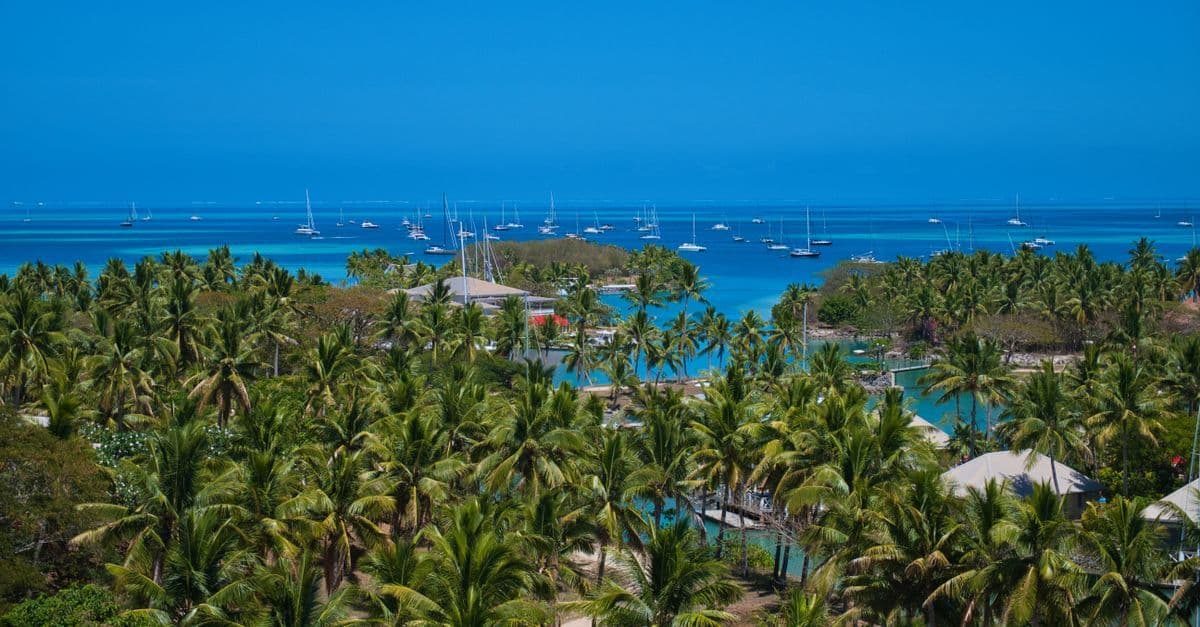
July to September is Fiji's dry season and the best overall weather window. Clear skies, lower humidity, and temperatures that won't flatten you after the long-haul from Sydney or Melbourne. For Australian travellers keeping cyclone exposure off the table, the broader May to October period is the practical guide.
May and June offer the most considered value. The wet season has wound down, school holidays haven't arrived, and resort rates sit at shoulder-season levels. Anyone with a flexible schedule gets considerably better value in this window than in peak July or September. The weather doesn't drop off noticeably in late May; the price does.
July and September align with Australian school holidays, pushing resort pricing up across Denarau, the Coral Coast and the Mamanucas. The conditions are excellent; you're paying the premium for them. Families with school-age children have limited flexibility here. Adult travellers without those constraints have a real choice worth making carefully.
Cyclone season: plan around it
December to April brings higher rainfall and genuine cyclone risk. The active period runs November through April, with December to February carrying the highest probability of severe weather. Travel insurance stops being optional during these months. Cyclones can close resorts and disrupt flights on short notice, and not all policies cover pre-existing weather warnings.
October extends the dry season's run: conditions stay clear, the school holiday premium has passed, and resort availability is generally solid.
Get the timing right, then put a realistic number on what the holiday will actually cost you.
How much does a typical Fiji holiday cost?
Fiji holiday packages typically cost under A$2,500 per person at the budget tier, around A$3,000 for mid-range options and A$6,000 or more for luxury. The perception swings between "budget Pacific getaway" and "luxury honeymoon destination," and neither extreme captures the full picture. Strong packages exist at every tier for Australian travellers.
Budget: under A$2,500 per person
Budget Fiji holiday packages covering return flights, airport transfers and a standard resort room run under A$2,500 per person for a week deals.flightcentre.com.au. Shoulder-season departures from Sydney or Brisbane tend to land closer to the lower end of that range. These packages use three and four-star properties in Denarau or Nadi, not outer islands, but they're a solid entry point.
Mid-range: from A$3,000 per person
Mid-range packages start around A$3,000 per person and include better resort properties, often with breakfast or half-board included luxuryescapes.com. The step-up is noticeable: quieter beaches, better pools, air conditioning that actually keeps pace with Fiji's humidity.
Luxury: A$6,000 and above
Private island resorts, butler service and overwater bures push packages past A$6,000 per person luxuryescapes.com. Fiji competes legitimately with the Maldives at this end of the market, at a considerably shorter flight time for Australians.
Flights and on-ground costs
Return flights from Sydney or Melbourne to Nadi run A$600 to A$1,200, depending on airline and booking lead time jetstar.com. Direct services operate from both cities. On the ground, local market meals and village-run day tours cost a fraction of resort dining. Eating outside the resort once a day makes a noticeable difference to the total spend, without compromising the holiday.
A few practical questions tend to trip up first-time Fiji visitors before they finalise the booking.
What do first-time Fiji travellers need to know before they go?
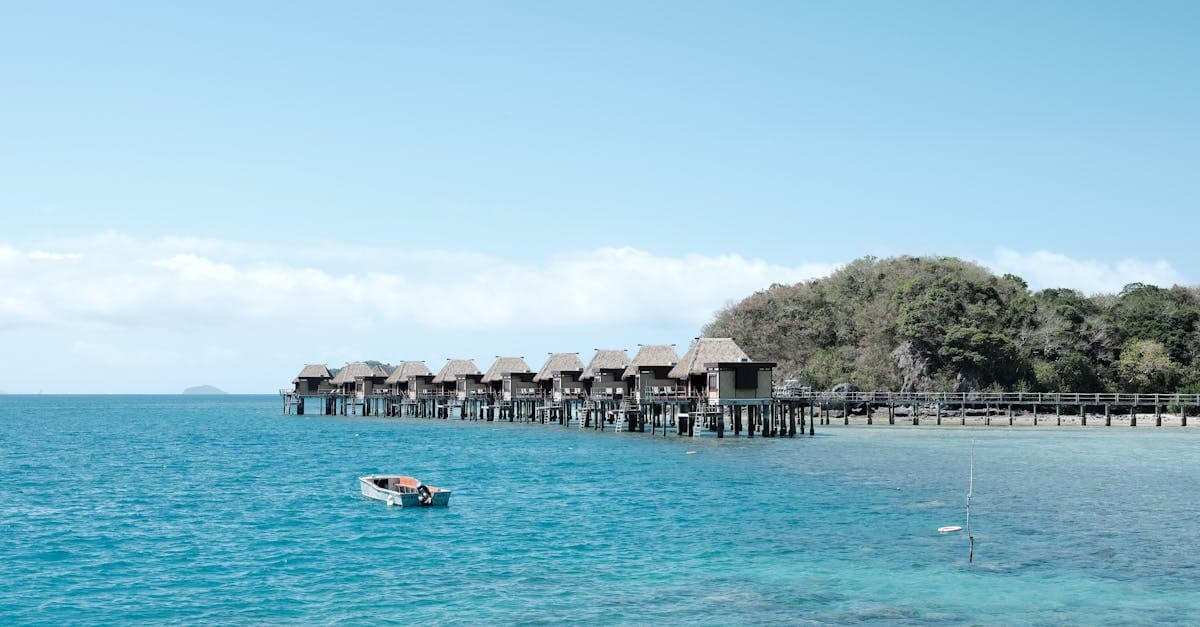
Australians travelling to Fiji need no visa for stays up to four months, and your passport must carry at least six months of validity on entry. That's the easy part sorted. The practical checklist that actually catches first-timers out is a little more layered.
Tap water outside major resort zones is not safe to drink. Stick to bottled water throughout your stay, including for brushing teeth if you're staying away from a well-serviced resort. Most mid-range and luxury properties supply filtered water, but once you venture beyond Denarau or a Coral Coast resort, infrastructure gets more basic. Road conditions outside the Queens Highway can be rough. Power supply is also less consistent in outer island villages.
Does travel insurance actually matter here? For Fiji, yes, more than most destinations. Medical evacuation from the outer Mamanuca or Yasawa Islands back to Australia is expensive without cover. A policy that explicitly includes medical evacuation is a considered investment, not an optional extra.
Pregnant travellers should seek specific medical advice before booking. Fiji has a documented history of Zika virus transmission, and Australia's Smartraveller service carries current health advisories for the region. Check those advisories before finalising travel dates, particularly for the wetter months from December through April.
The reassuring counterpoint: Fiji is a well-travelled destination for Australians, and the preparation required is modest compared to most long-haul journeys. Sort your insurance, carry bottled water, pack prescription medication in your carry-on, and the rest falls into place.
Reviewed by HelloRoam's editorial team. Last updated: 02 June 2026.
Get Connected Before You Go


Frequently Asked Questions
July to September is Fiji's dry season with clear skies and lower humidity. May and June offer shoulder-season rates with similar conditions, making them the best value window for flexible Australian travellers.
Budget packages run under A$2,500 per person, mid-range starts around A$3,000, and luxury options exceed A$6,000 per person. Return flights from Sydney or Melbourne to Nadi add A$600 to A$1,200.
Tap water outside major resort zones is unsafe to drink. Road conditions away from main highways can be rough, power supply is inconsistent on outer islands, and cyclone risk runs from December to April.
Pregnant travellers should seek specific medical advice before booking. Fiji has a documented history of Zika virus transmission, and current health advisories should be checked before finalising travel dates.
Most Fiji holiday packages include return flights, airport transfers and resort accommodation as a baseline. Some extend this to daily breakfast or fully all-inclusive meals, drinks and water activities.
All-inclusive packages have a higher upfront cost but fold in meals, drinks and activities. For families wanting unrestricted beach time, this often works out cheaper than accumulating daily charges at a room-only resort.
The Coral Coast offers calm water, family-friendly resorts and good mid-range package value. It suits families who want a relaxed beach setting without the premium pricing of Denarau Island.
Australians do not need a visa for stays up to four months in Fiji. Your passport must carry at least six months of validity remaining on the date of entry.
Tap water outside major resort zones is not safe to drink in Fiji. Use bottled water throughout your stay, including for brushing teeth, especially if staying beyond Denarau or Coral Coast resorts.
Travel insurance is strongly recommended for Fiji, particularly a policy that covers medical evacuation. Getting evacuated from outer islands back to Australia is expensive without adequate cover.
Three options cover most situations: resort Wi-Fi, a local SIM from Nadi Airport, or an eSIM activated before departure. Resort Wi-Fi is unreliable on outer islands, making a dedicated mobile data plan worth arranging in advance.
An eSIM can be activated at home before departure via QR code and connects to Fiji's 4G network as soon as you clear customs at Nadi. No queue or SIM swap is needed at the airport.
Direct flights from Sydney, Melbourne and Brisbane to Nadi International Airport take approximately four hours from Australia's east coast.
Cyclone season in Fiji runs from November to April, with December to February carrying the highest risk. Travel insurance is essential, as cyclones can close resorts and disrupt flights on short notice.
First-time visitors are best served by staying on Viti Levu, which provides the broadest access to transport links, resort options and day trips. Outer islands are better saved for a second visit.
Sources
- Perfectly Packaged Holidays — myfiji.com
- Fiji Holiday Packages — travelonline.com
- deals.flightcentre.com.au — deals.flightcentre.com.au
- Fiji Holiday Packages — qantas.com
- Fiji Holiday Packages — jetstar.com
- Fiji Family Friendly Holidays Packages & Deals 2026/2027 — luxuryescapes.com
- Fiji All-inclusive Holidays & Package Deals 2026/2027 — scoopon.com.au
- Fiji — aldiholidays.com.au