


Thailand Holiday Packages at a Glance
Thailand holiday packages rank among Australia's most competitive international options. A budget 7-night Phuket package starts from ~A$799 per person, covering return flights and hotel webjet.com.au. A mid-range 10-night Bangkok-plus-beach combination runs from ~A$1,499. Premium all-inclusive options stretch to ~A$5,500 for 14 nights.
Thailand consistently holds one of the top two spots for Australian overseas travel. The Bangkok corridor is among the busiest leisure routes out of Sydney and Melbourne.
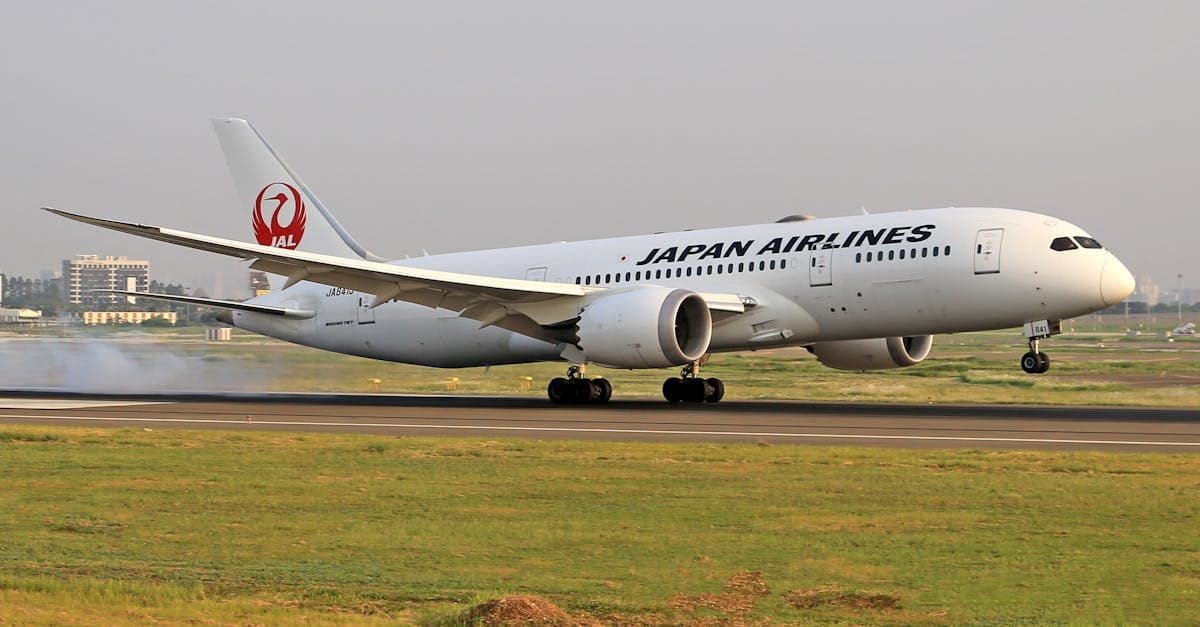
Direct flights from both cities reach Bangkok in about 9 hours. Perth has the shortest Australian connection, at around 8 hours. Jetstar, Qantas, and Thai Airways all operate the route.
Data connectivity rarely features in package inclusions. HelloRoam's eSIM for Thailand covers that gap, starting from ~A$5.41 for 1 GB over 7 days on the AIS 5G network.
Key fact: HelloRoam's Thailand eSIM starts from ~A$5.41 for 1 GB over 7 days on the AIS 5G network.
February and March are the best value window: dry weather, no Songkran surcharges, and prices well below peak-season levels. The details ahead fill in what the headline numbers miss.
What Does a Thailand Holiday Package Include?
Most Thailand holiday packages bundle return flights, accommodation, and airport transfers as the base offering jetstar.com. What comes beyond that varies sharply by price tier.
Entry-level packages cover flights and hotel only, no meals included. Mid-range tiers typically add daily breakfast and one airport transfer deals.flightcentre.com.au. All-inclusive packages fold in guided excursions, most meals, and structured activities.
Guided tour packages run on a different model. Operators like Intrepid and G Adventures price on a land-only basis: accommodation, intercity transport, and local guides. Flights are booked separately. That distinction trips up a lot of first-time buyers.
One gap persists across every tier. Visas, travel insurance, and data connectivity are almost never bundled. Telstra and Optus both offer international day packs that cover Thailand, but at daily rates that accumulate considerably over a 10-night trip. Package listings typically flag travel insurance as 'recommended' and leave it there.
Key fact: HelloRoam's Thailand 5 GB plan runs for 30 days at ~A$10.83 on the AIS 5G network, covering the typical 10-to-14-night Australian trip.
Knowing what a package excludes is how you budget the full trip. The flight question is worth settling first.
Flight Routes from Australia to Thailand
Direct services to Bangkok run from Sydney and Melbourne via Thai Airways, Qantas, and Jetstar. Both routes clock in at roughly 9 hours.
Perth wins the shortest Australian connection: Bangkok is around 8 hours away, making it one of the more accessible Asian capitals for West Australian travellers.
Connecting through Singapore Changi or Kuala Lumpur International adds 3 to 5 hours overall. The savings on connecting fares can be real, but the stopover adds hours to a route that's already a full night in the air from Sydney or Melbourne.
Routes sorted. Next is the resort-or-tour question.
Resort Stays vs Guided Tour Packages
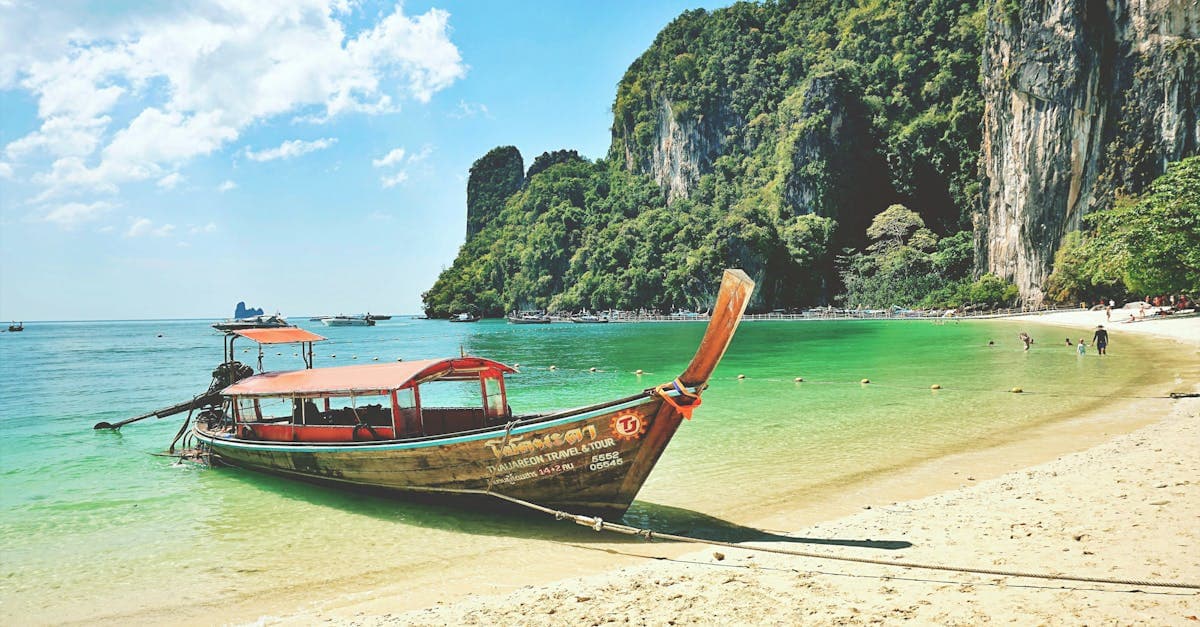
Resort packages suit families and couples wanting a fixed base: pool access, beach proximity, and transfers handled. Most anchor to Phuket, Koh Samui, or Krabi.
Guided tours focus on Bangkok and Chiang Mai, priced land-only. Costs run from ~A$1,800 to ~A$3,500 for 14 days, flights separate.
The most popular Australian format combines both: a couple of nights in Bangkok for temples and street food, then a transfer to a beach resort. Most operators now offer this hybrid as a default itinerary tripadeal.com.au.
Solo travellers tend toward cultural routes or island-hopping packages rather than a fixed resort. Pick the style first, and the price comparison follows naturally.
How Much Does a Thailand Holiday Package Cost?
Three price bands define the Thailand holiday package market, and the gap between them is wider than most comparison sites let on. Budget 7-night Phuket packages top out around A$1,299 per person; mid-range 10-night Bangkok-and-beach deals reach A$2,499; premium and all-inclusive trips of 10 to 14 nights start at A$2,800 webjet.com.au. The floor prices for each tier were covered in the overview above.
Peak season is the figure most Australians don't factor in upfront.
Book for late December, early January, or Songkran weekend in mid-April and add 20 to 40 percent to any of those figures automatically. A package that fits comfortably in mid-range territory during February can push squarely into premium pricing in January for the exact same itinerary.
The relief valve is shoulder season. February and March, as flagged in the opening section, consistently deliver dry weather across most coasts with none of the festival price spikes. Operators discount to fill seats in the lull between the post-Christmas rush and the wet season. September and October offer a comparable window if February doesn't fit the calendar.
If dates are flexible by even two or three weeks, that 20 to 40 percent swing is real money back in your pocket.
Costs locked. Now figure out when to go.
Budget, Mid-Range and Premium: What You Actually Get
Budget Thailand packages include 3-star beachside accommodation with basic transfers, at A$80 to A$150 per night. Mid-range packages add daily breakfast and transfers at A$150 to A$280 per night. Premium tier delivers full-board options with luxury hotels at A$280 to A$400 per night.
The gap within any single tier can be wider than expected. Two mid-range packages can differ by A$130 per night based on which property an operator has contracted. The property sets the tier. The timing sets the price within it.
What Is the Best Month for a Thailand Holiday?
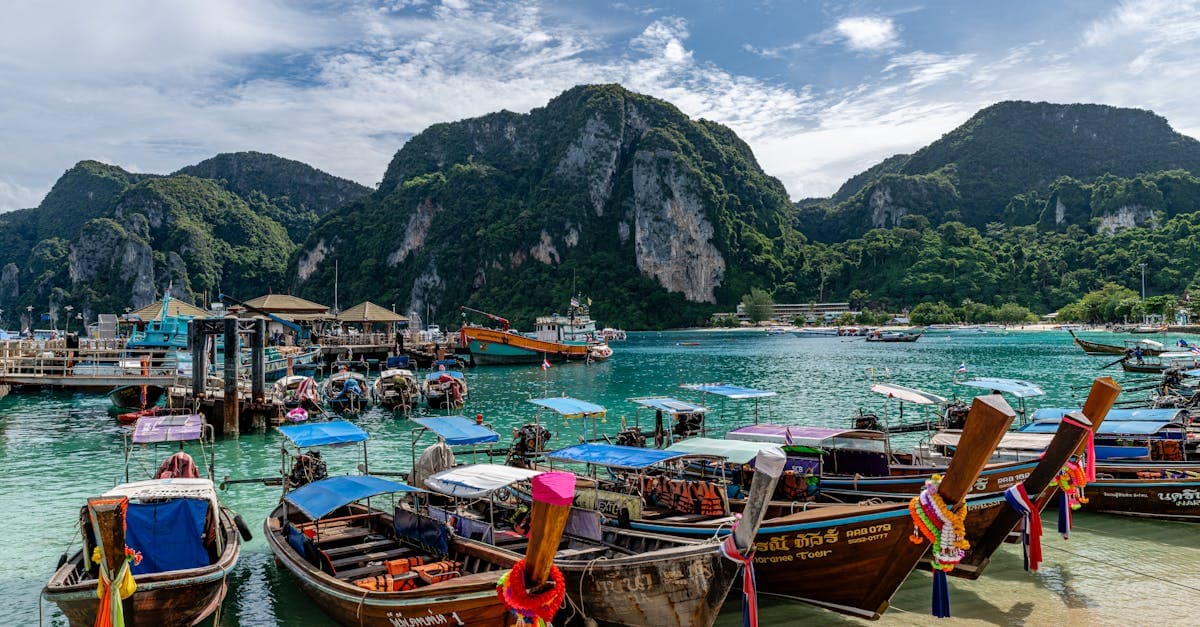
Compare eSIM plans for Thailand — See 2026 pricing →
November to February is Thailand's high season: cool, dry and reliable across Bangkok, Chiang Mai, Phuket and Krabi. Packages in this window fill fast, particularly for direct flights out of Sydney and Melbourne.
February and March slide into a window most Australian travellers underestimate. Weather on the Andaman coast holds dry into March, but the December pressure on pricing is long gone. Operators discount aggressively to fill seats in the lull between the Christmas wave and the wet season.
Here's the part that catches most people off guard: the wet season isn't uniform across Thailand.
June through August, the Andaman coast (Phuket, Krabi) gets significant rainfall, and packages during that window run around 30 percent cheaper than high-season rates. But the Gulf of Thailand coast, where Koh Samui sits, is at its driest during those same months. The two coastlines operate on opposite weather cycles, so "wet season" depends entirely on which part of the country you're heading to.
Songkran, the Thai New Year around 13 to 15 April, draws a large Australian crowd every year. It's also the most expensive booking window outside late December. Plan for it deliberately or give it a miss entirely.
September and October bring another shoulder window before high season restarts.
The month you book determines which coastline plays ball. The destination breakdown is next.
Bangkok, Phuket or Chiang Mai: Choosing Your Thailand Package Itinerary
Bangkok or the beach is a false choice. The dominant Australian itinerary combines both: two to four nights in Bangkok, then a short domestic flight to Phuket, Krabi or Koh Samui for the rest of the trip. This Bangkok-and-beach formula is what the majority of Australian package operators build around, and for good reason: it works tripadeal.com.au.
Myth two: Phuket is the only beach option. Krabi suits couples and families who want a quieter setting with easier island access. Koh Samui offers something different: calmer beaches, a more relaxed pace, and direct international flights that bypass Bangkok entirely.
The Chiang Mai assumption is worth addressing directly. Many travellers treat it as an add-on rather than a destination in its own right. Temples, trekking into hill regions and cooking classes make it the clear pick for culture-focused itineraries happytravels.com.au. Many operators package it as a standalone Northern Thailand trip, or pair it with Bangkok before heading south.
For travellers with three weeks and the appetite for a proper first-timer sweep, some specialist operators run itineraries threading Bangkok, Chiang Rai and Phuket together over 17 days.
Destination sorted. The detail most packages quietly skip is what comes next.
Family, Couples and Solo Thailand Package Options
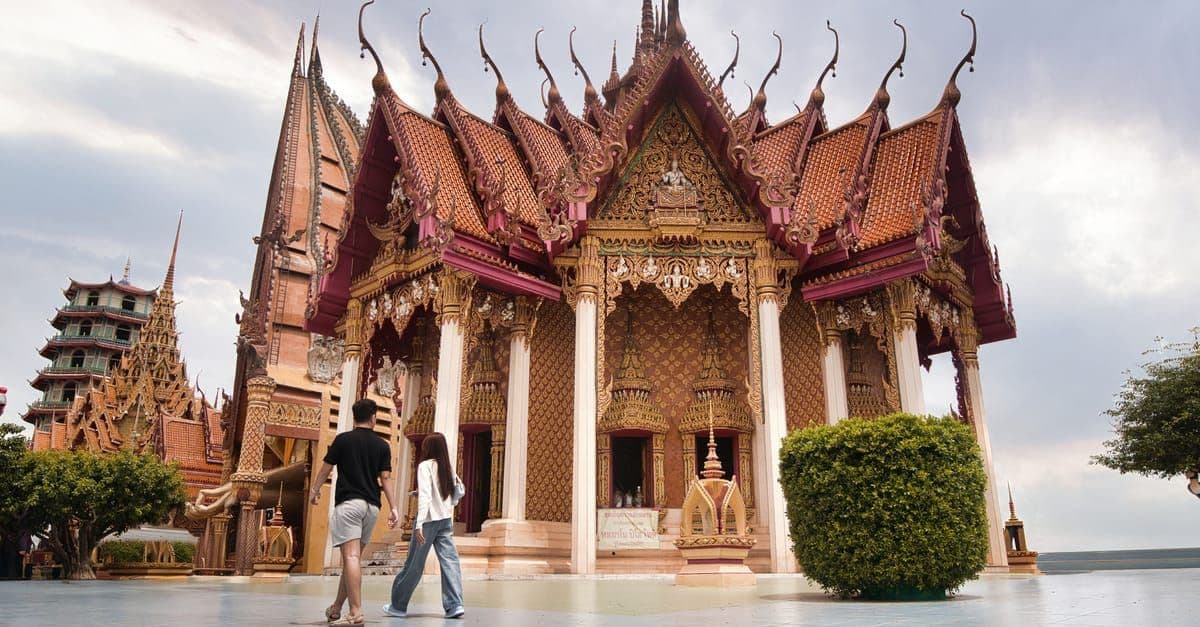
Families, couples and solos land in different corners of Thailand's package market, and the travel style usually makes the shortlist obvious.
Families book Novotel Phuket Kata Avista for the kids' club, pool and beach access under one roof travelonline.com. No evening logistics to figure out. Couples find properties like Avista Hideaway Phuket MGallery purpose-built for romance, with private pool villa options and spa credits standard in the package rate mythailand.com.au.
Solo travellers split between Chiang Mai's cultural circuit (temples, trekking, cooking classes) and Bangkok-based island-hopping itineraries happytravels.com.au. Group tours from Australia typically cover 14 to 17-night multi-city routes, which gives solos ready-made company.
Trip sorted. Now sort your phone before you board.
Staying Connected During Your Thailand Holiday: eSIM and Mobile Data Guide
Thailand has solid 4G LTE across Bangkok, Phuket, Chiang Mai and Koh Samui. AIS runs 5G in the major cities; TrueMove H covers 4G across the southern islands. You won't lose signal at any major destination on a standard Thai itinerary.
Two options cover most travellers.
Local Thai SIM card: AIS, DTAC and TrueMove H all sell tourist SIMs inside the arrivals halls at Suvarnabhumi (Bangkok's main international airport) and Phuket International. Prices run A$8 to A$20 for a week's data. The downside: you queue for them after 20-plus hours in the air, without data, before you can reach anyone waiting at the other end.
eSIM (a digital SIM profile built into your phone, activated via QR code): Buy before you leave Australia. The profile sits on your device before boarding. You step off the jetway already connected. For anyone flying in from Sydney or Melbourne, that's not a small thing after a long-haul flight.
eSIM also removes a practical headache on island-hopping legs. No physical card to juggle between Phuket and Koh Samui.
Telstra's international day pass and Optus roaming packs both work in Thailand. Both accumulate cost quickly on trips longer than four or five days. An eSIM plan covering a week or a full month undercuts them on almost any typical Australian itinerary.
Connected sorted. Two budget questions every Aussie asks before booking are up next.
Is $1000 Enough for a Week in Thailand?
A$1,000 covers a comfortable budget week in Thailand if your flights are prepaid as part of a package. As a standalone all-in total including airfares? It doesn't stretch.
With flights sorted, daily spend is the only variable. Budget travellers in Bangkok or Phuket sit comfortably in the A$60 to A$90 range. That covers a guesthouse room, meals from market stalls, local transport and the odd beer. Step up to sit-down restaurants, a day trip and a mid-range hotel and daily spend moves to A$100 to A$150.
Bangkok keeps costs lower by default. Or Tor Kor Market and the street food stalls along almost every soi (Thai side street) price meals well below anything comparable at home. Koh Samui and Phuket push higher, particularly at beachfront venues.
Three lines most travellers underestimate:
- Travel insurance: Private hospitals in Thailand are expensive and bill fast. Non-negotiable, especially if your itinerary includes diving or motorbike hire.
- Mobile data: A pre-paid eSIM or local SIM is a small upfront cost but sidesteps nasty surprises on a carrier roaming bill.
- Optional tours: Most packages don't cover day trips. Budget separately for anything you want to book on the ground.
A$1,000 as spending money on top of a prepaid package suits most travellers well. As an all-in total including flights? Only if you're booking in shoulder season and keeping accommodation basic.
Reviewed by HelloRoam's editorial team. Last updated: 02 June 2026.
Get Connected Before You Go


Frequently Asked Questions
A$1,000 covers a comfortable budget week in Thailand if flights are prepaid in a package. Daily spend of A$60-A$90 covers a guesthouse, street food and local transport. As an all-in total including airfares, it typically falls short.
February and March offer the best value: dry weather on the Andaman coast with no peak-season surcharges. November to February is high season with reliable weather, but packages fill fast and prices run 20-40% above shoulder rates.
A budget 7-night Phuket package starts from around A$799 per person, covering flights and hotel. Adding A$60-A$90 per day in spending money brings an all-in week to roughly A$1,200-A$1,500 per person.
Budget travellers in Bangkok or Phuket spend A$60-A$90 per day on accommodation, meals and local transport. A 7-night budget package including flights starts from around A$799, making Thailand one of the most affordable destinations for Australians.
Most Thailand packages bundle return flights, accommodation and airport transfers. Mid-range tiers add daily breakfast. Visas, travel insurance and mobile data are rarely included and should be budgeted separately.
Direct flights from Sydney and Melbourne to Bangkok take around 9 hours. Perth has the shortest connection at around 8 hours. Connecting via Singapore or Kuala Lumpur adds 3 to 5 hours of total travel time.
February, March, September and October are the best-value windows. These shoulder months avoid the 20-40% price surcharges of late December, January and Songkran, while still offering good weather across most destinations.
Phuket is the most popular Australian beach choice. Krabi suits couples and families wanting a quieter setting with island access. Koh Samui offers direct international flights and its own dry season from June to August.
Thailand eSIM plans start from around A$5.41 for 1 GB over 7 days. A 5 GB plan covering 30 days costs around A$10.83. Both run on the AIS 5G network and can be activated before departing Australia.
An eSIM activates before departure so you have data the moment you land. Local SIM cards from Thai carriers cost A$8-A$20 for a week but require queuing at the airport arrivals hall after a long-haul flight.
Budget packages offer 3-star hotels at A$80-A$150 per night. Mid-range adds breakfast and transfers at A$150-A$280 per night. Premium packages include luxury hotels and full-board options at A$280-A$400 per night.
Most Australian operators recommend combining both: two to four nights in Bangkok for temples and street food, then a short domestic flight to Phuket, Krabi or Koh Samui. This Bangkok-and-beach format is the most popular Australian itinerary.
Thailand has solid 4G LTE across Bangkok, Phuket, Chiang Mai and Koh Samui, with 5G in major cities. Most tourist destinations and resort areas maintain reliable data connectivity throughout a standard itinerary.
Travel insurance is strongly recommended for Thailand. Private hospitals bill quickly and costs escalate fast, especially if your itinerary includes diving or motorbike hire. Most packages flag insurance as essential but do not include it.
Songkran is Thailand's New Year festival, held around 13 to 15 April. It is one of the most expensive booking windows outside late December. Expect package prices to rise 20-40% over standard rates during that period.
Sources
- deals.flightcentre.com.au — deals.flightcentre.com.au
- Perfectly Packaged Holidays — mythailand.com.au
- Thailand Tours, Holiday Packages and Travel Deals — tripadeal.com.au
- Thailand Holiday Package Deals — jetstar.com
- Thailand Tour Packages | Book Now & Save with Happy ... — happytravels.com.au
- Thailand Holiday Packages — webjet.com.au
- Thailand Holiday Packages — travelonline.com