

Quick Answer: Carry-On Suitcase Sizes at a Glance
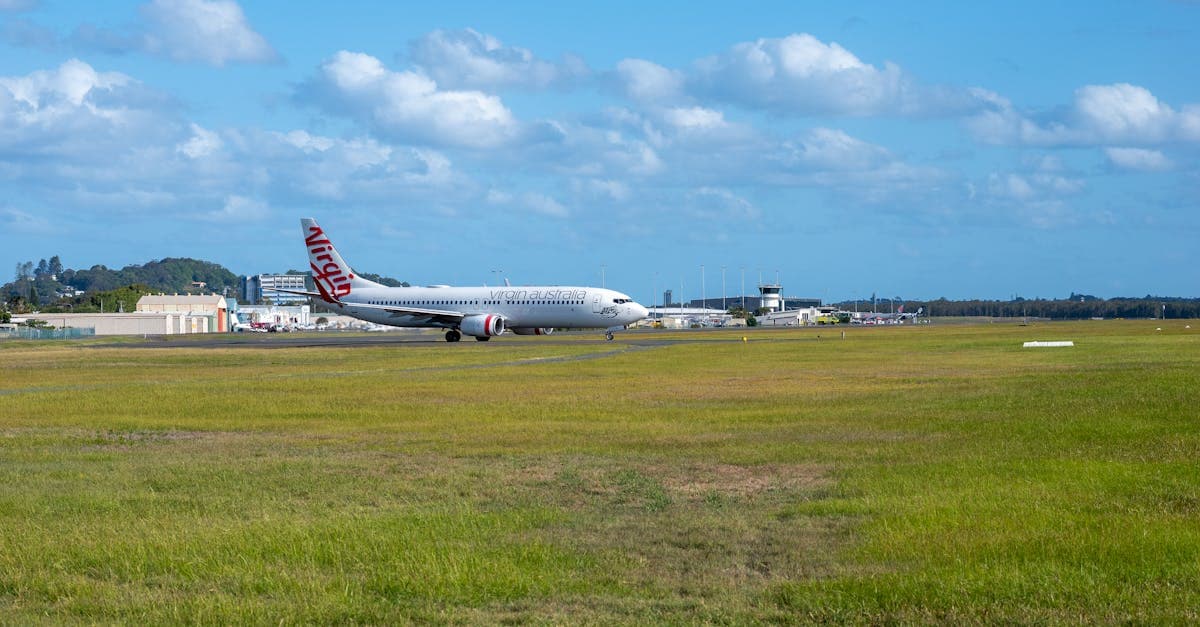
Most Australian airlines cap carry-on bags at 56 x 36 x 23 cm with a 7 kg weight limit. Qantas, Virgin Australia, and Jetstar all align on those numbers qantas.com. The personal item you carry separately must fit under the seat in front and has its own size rules, separate from your overhead allowance.
The practical safe size is 55 x 35 x 22 cm. Buy a carry-on suitcase right at the maximum and you're gambling on locker space and the gate agent's mood.
Rex is the trap most travellers miss. Regional aircraft run smaller overhead bins, and Rex enforces a tighter 48 x 34 x 23 cm limit because of it. A bag that passed in Sydney won't pass on your Rex connection to Tamworth.
One more detail the spec sheets rarely flag: wheels and handles count toward total dimensions. A hard shell measuring 56 x 36 x 23 cm to the outer body is already over limit once the extended handle height is factored in.
Size gets you through the door. What happens at the gate is a different problem entirely.
What Size Suitcase Is Allowed as a Carry-On?
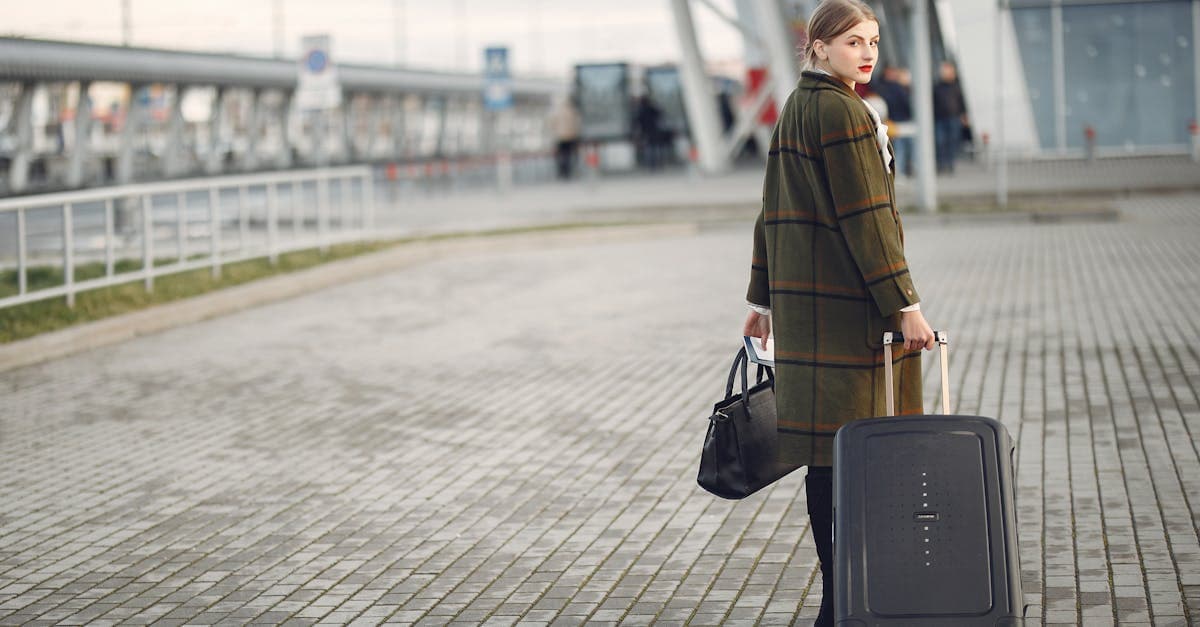
A carry-on is any bag stored in the overhead locker rather than checking into the hold. The International Air Transport Association (IATA) sets the global guideline at 56 x 36 x 23 cm, the same standard applied by Qantas, Virgin Australia, and Jetstar qantas.com. The weight check applies separately: your bag can pass the size gauge perfectly and still be gate-checked if it exceeds the 7 kg weight limit.
Two failure modes. Most travellers only plan for one.
Dimensions failure is what most people imagine: the bag doesn't fit the locker or won't slide through the overhead hatch. Weight failure is subtler, and more common than travellers expect. You can pass the visual gate check, board the plane, and then be told the bag needs to go in the hold because it's too heavy to stow safely. Both failures end the same way: an involuntary hold fee and a scrambled packing strategy at the gate.
Hard-shell polycarbonate suitcases, which now account for around 65% of carry-on unit sales in Australia, create a specific dimension risk that soft bags don't. A soft bag can be compressed and angled into a crowded locker. Polycarbonate doesn't flex. If the bin is already packed from the first boarding group, a hard shell either slots in cleanly or it simply doesn't go. Airlines know this, which is why gate staff pay closer attention to rigid cases on full flights.
The personal item allowance sits outside carry-on entirely. Most airlines define it as a smaller bag, a handbag, or a laptop bag that fits under the seat in front. That second slot is worth using deliberately: heavy items like your laptop and a jacket belong there, keeping your overhead bag lighter and well within the weight threshold.
What the IATA guideline doesn't capture is how each airline actually applies it. Same bag, same dimensions, different gate agent, different outcome. Knowing the standard is useful. Understanding which airlines hold to it firmly, and which ones exercise more discretion, is what determines whether your bag makes it to the overhead bin.
Carry-On Suitcase Rules for Australian Airlines in 2026
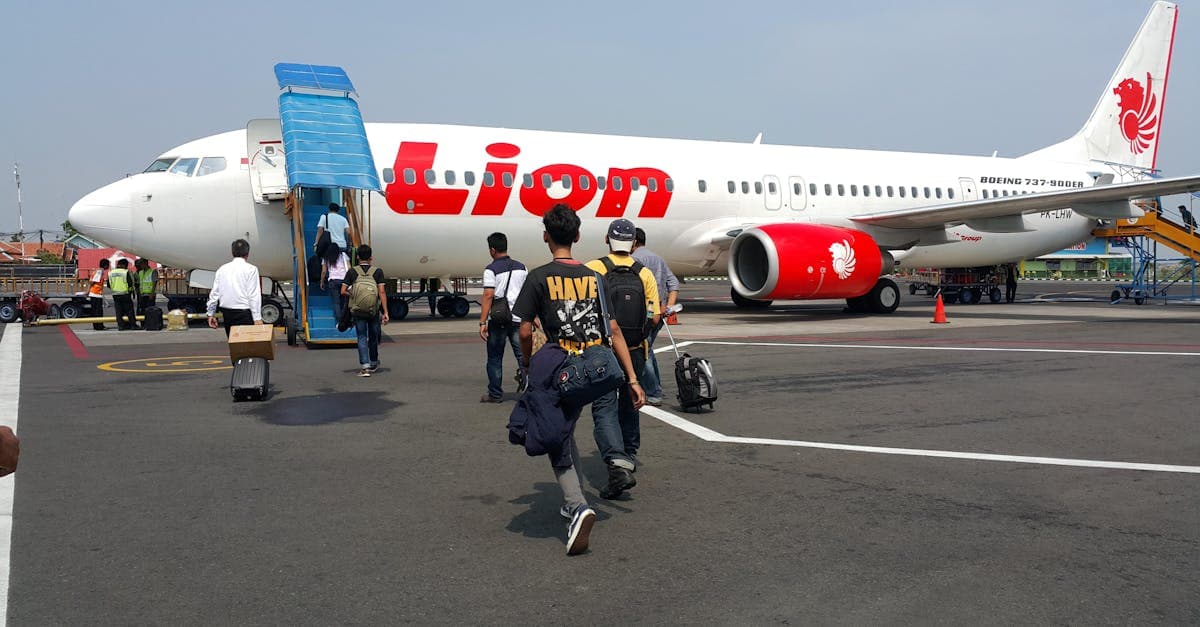
Jetstar enforces carry-on limits more strictly than any other major Australian carrier. Gate checks are routine on busy domestic routes, and staff actively assess bags that look borderline at the boarding door. If your carry-on suitcase is pushing the standard ceiling, Jetstar is where it becomes a real problem.
Gate checks don't come with refunds. You pay, or the bag goes.
Rex is the other airline that catches travellers off guard. Regional aircraft run tighter overhead bins, so Rex sets a noticeably smaller allowance than the full-service standard. A bag that cruised through Sydney with Qantas gets refused at the Rex counter for the connection to Albury.
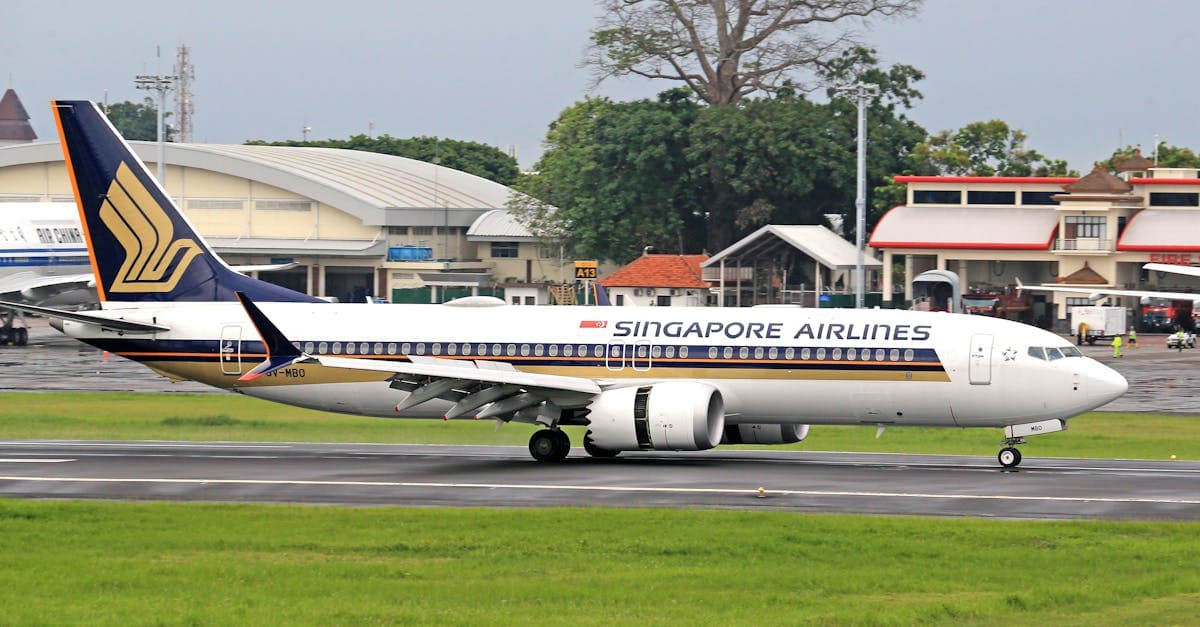
International carriers used by Australian travellers add further variation. Singapore Airlines allows 55 x 38 x 20 cm: that 20 cm depth is the tightest dimension, shallower than domestic Australian allowances. Qatar Airways narrows both length and width with a 50 x 37 x 25 cm maximum, a meaningful step down from the IATA standard.
Connecting flights inherit the strictest rule across the full itinerary. Flying Qantas from Sydney to Singapore, then Qatar Airways onward to London? Your bag must comply with Qatar's smaller allowance from the first check-in. Airlines don't always make this explicit at booking, and most travellers only discover it standing at the airport counter.
Going carry-on only also changes how you handle connectivity on arrival. A pocket WiFi device takes up real overhead space and needs daily charging. After a 20-plus-hour flight from Sydney to London, the last thing you want is to queue at an airport SIM counter. Travellers paring back to a single carry-on bag are increasingly using an eSIM for international data instead. An eSIM is a digital SIM profile embedded in your phone, activated before you land, with no physical card or device required. What Is an eSIM? covers how it works and whether your handset supports it.
Once your bag dimensions are matched to every leg of your itinerary, the next question is what it's actually made of.
Hard Shell vs Soft Shell: Which Carry-On Suitcase Works Best?
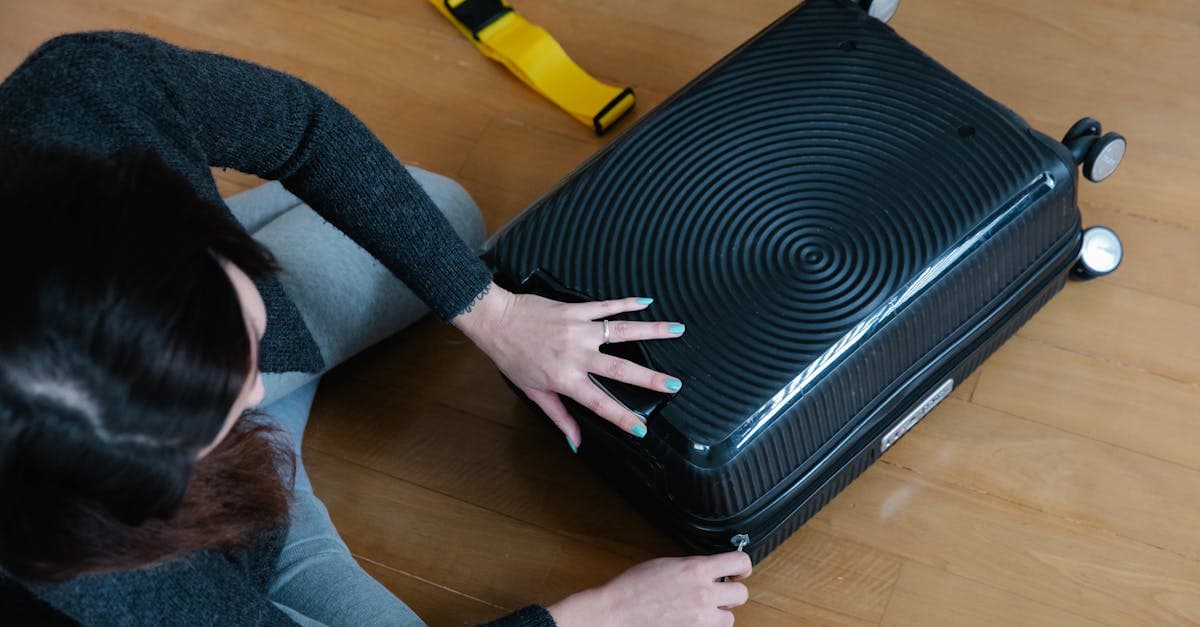
Hard shells protect fragile items better. Soft shells squeeze into tight overhead lockers more easily. That's the honest trade-off, and choosing wrong costs you either grams or grief, depending on what you're carrying and which route you're flying qantas.com.
Polycarbonate is the dominant carry-on shell material in Australian retail for a reason. The rigid exterior absorbs knocks that a soft bag transfers directly to your gear. Flying with a laptop, a camera body, or anything breakable, the difference between polycarbonate and soft nylon is the difference between a working device at your destination and an insurance claim. Hard shells also wipe clean in seconds after sitting on a wet tarmac at Cairns or Darwin.
Soft shells have one practical advantage no marketing copy can override: they compress. Pack a full overhead locker with hard-sided bags and there's nowhere for the last bag to go. A soft shell yields just enough to make space. Frequent flyers on packed domestic routes know this matters more than almost any other feature.
Four-spinner wheels matter more than most buyers expect.
Spinners roll alongside you without effort; two-wheel designs drag behind and catch on floor tiles between gates. The weight penalty for spinners is minimal. Four-wheel spinners are now standard on most polycarbonate carry-on bags at the mid-range price point.
The real decision comes down to the weight difference between shell types, which typically runs around 300 to 500 grams. On routes where every gram counts toward the carry-on limit, a lighter soft bag gives you more packing room before you've folded anything. Pack right up to the limit with a heavy hard shell and you're starting behind before your toiletry bag goes in.
What flight crew actually carry tells a different story.
Do Flight Attendants Prefer Hard or Soft Luggage?

Most flight attendants choose soft-sided bags. Given that hard shells dominate what Australians actually buy, that preference is worth understanding.
The answer comes down to overhead lockers. Crew watch bags go in and out of lockers hundreds of times a month. What they observe: hard shells fail at the hinges. Repeated compression under a stacked locker creates stress points that polycarbonate and ABS plastic handle poorly over time. A soft bag flexes under pressure; a hard bag develops hinge cracks along the frame.
Crew prioritise weight before shell material.
A lightweight frame matters more to cabin staff than the exterior finish. They're weighing their kit before every rotation, and an extra 400 grams for a polycarbonate shell is 400 grams they can't allocate elsewhere.
The spinner wheel finding surprises most people. Despite four-wheel spinners dominating consumer sales, many crew prefer two-wheel designs. Spinners add overall width to a bag, making them harder to angle into a narrow locker or slide alongside existing bags. A two-wheel bag stands vertically and slides in flat.
For travellers on packed routes, the practical lesson is clear: on regional aircraft or budget carrier flights where overhead space fills before boarding is complete, a soft-sided bag with two wheels gives you the same overhead flexibility that crew rely on every shift.
Weight limits are where most travellers actually come unstuck.
Is a 20kg Suitcase a Carry-On?
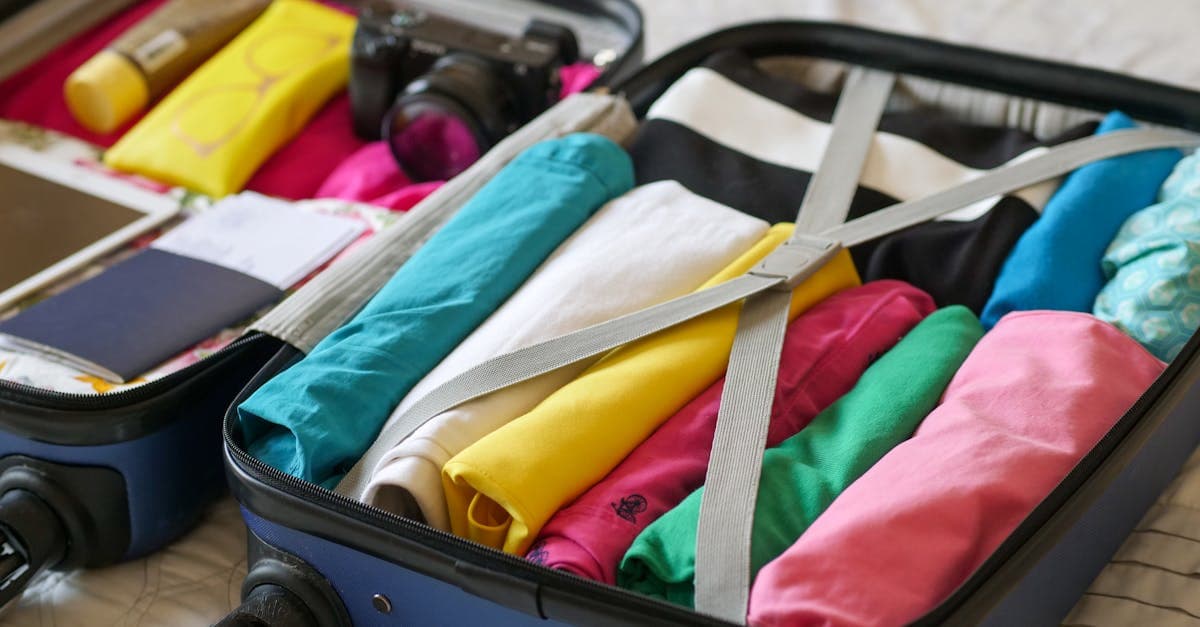
No. A 20 kg bag is checked luggage. Carry-on weight limits on Australian airlines cap at 7 kg; internationally, some carriers allow up to 10 kg, but 20 kg does not appear on any carry-on policy anywhere.
The weight category exists for overhead locker safety. A bag above the limit is a falling object risk if a locker latch gives under turbulence. Airlines gate-check overweight bags, and the fee typically matches checked baggage rates purchased at the airport: the most expensive way to pay for luggage.
Here's where the weight rule bites hardest.
A bag can meet every dimension requirement and still fail the weight check. "Carry-on size" on retail packaging refers to physical dimensions, not weight compliance. Pack a standard carry-on suitcase with 10 kg of gear and it fits physically in the overhead locker but gets rejected at the gate scale. The label tells you nothing about whether your packed bag will pass.
Cabin bag and personal item allowances are also counted separately. The 7 kg limit applies to the overhead bag alone. The under-seat personal item carries its own weight allowance, and airlines that enforce both limits simultaneously cut your effective packing room significantly.
The practical fix is straightforward: weigh your packed bag at home before you leave, not at the check-in queue.
Size and weight sorted; what actually fits inside is next.
Staying Connected Abroad with Just a Carry-On
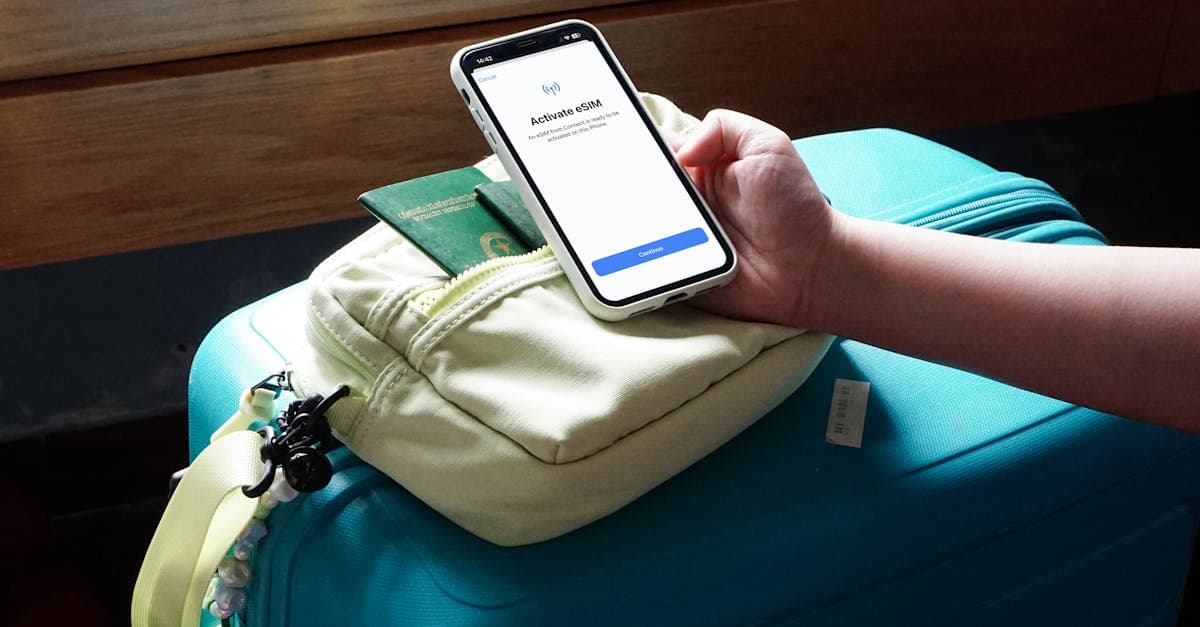
An eSIM (embedded SIM) is a digital SIM profile stored inside your device, replacing the physical plastic card. For carry-on-only travellers, that distinction is practical: no pocket WiFi device to pack, charge, or carry through customs. Your luggage list gets shorter by one item without losing any functionality.
Telstra International Day Pass and Optus Travel Pack both charge per day, regardless of how much data you actually use. A two-week stretch through South-East Asia turns those daily fees into a bill that catches most travellers off guard at checkout. An eSIM uses a prepaid data model instead: you buy what you need, the rest stays in your pocket.
Setup is quick. Scan a QR code and the eSIM profile installs in under two minutes. Do it at home before departure, and you land in Singapore or Madrid with data already running. After a 20-plus-hour Melbourne to London flight, that means heading straight to the taxi rank, not wasting time at an airport SIM kiosk.
No queue. No SIM tray. No roaming shock.
Modern iPhones and most recent Android handsets support dual SIM, running a physical Telstra or Optus card alongside the eSIM simultaneously. Your bank OTPs and calls still reach your Australian number. Data routes through the travel eSIM at local rates. That setup keeps everything running without juggling two devices or two different billing accounts.
HelloRoam supports tier-1 networks across major travel corridors spanning Asia, Europe, and the Americas, useful for itineraries that cross multiple countries. Coverage breadth and support hours vary considerably across comparable plans; both factors are worth checking before purchase. Some providers restrict support to email only, which isn't practical when you need help at a departure gate. What Is an eSIM? is a clear starting point for comparing what different plans offer.
Quick weekend trip with reliable hotel Wi-Fi? Your carrier's roaming add-on might do the job without the extra setup. Stretch that to ten days across three countries, though, and a dedicated eSIM plan almost always works out cheaper, simpler, and less reliant on the hotel's overloaded router.
Common carry-on questions answered below.
Reviewed by HelloRoam's editorial team. Last updated: 15 May 2026.
Get Connected Before You Go





Frequently Asked Questions
Most Australian airlines allow carry-on bags up to 56 x 36 x 23 cm with a 7 kg weight limit. Qantas, Virgin Australia, and Jetstar all follow this standard. Note that wheels and handles count toward total dimensions.
No. A 20 kg bag is checked luggage. Carry-on weight limits on Australian airlines cap at 7 kg, and some international carriers allow up to 10 kg. A 20 kg bag will be gate-checked with fees matching airport-rate checked baggage prices.
In 2026, major Australian airlines allow carry-on bags up to 56 x 36 x 23 cm and 7 kg. Rex enforces a stricter 48 x 34 x 23 cm limit on regional flights. Connecting international itineraries must comply with the strictest allowance across all carriers.
Most flight attendants prefer soft-sided bags. Hard shells develop hinge cracks from repeated locker compression, while soft bags flex under pressure. Many crew also favour two-wheel designs over spinners, as spinners add width that makes fitting into narrow lockers harder.
Rex Regional Express enforces a stricter carry-on limit of 48 x 34 x 23 cm with a 7 kg weight limit. Regional aircraft have smaller overhead bins. A bag that meets the Qantas or Jetstar standard may be refused on a Rex connection.
Yes. Wheels and handles count toward total carry-on dimensions. A hard-shell bag measuring 56 x 36 x 23 cm to its outer body may already exceed limits once the extended handle height is factored in.
The practical safe carry-on size is 55 x 35 x 22 cm, slightly under the 56 x 36 x 23 cm maximum used by most Australian airlines. Buying right at the limit risks rejection depending on locker availability and gate agent discretion.
Singapore Airlines allows carry-on bags up to 55 x 38 x 20 cm with a 7 kg weight limit. The 20 cm depth is shallower than most Australian domestic allowances, so check your bag measurements carefully before flying internationally.
Qatar Airways allows carry-on bags up to 50 x 37 x 25 cm with a 7 kg weight limit. This is smaller than the IATA standard, so travellers connecting from Australian carriers to Qatar Airways must ensure their bag complies from the first check-in.
Hard shells protect fragile items better, while soft shells compress into tight overhead lockers more easily. On packed flights where bins fill quickly, a soft shell's flexibility can be the difference between keeping your bag onboard or having it gate-checked.
Yes. A bag can meet all dimension requirements and still be rejected if it exceeds the 7 kg weight limit. Retail carry-on size labels refer only to physical dimensions, not weight compliance. Always weigh your packed bag before leaving home.
No. The personal item and carry-on overhead bag are separate allowances with their own weight limits. Placing heavy items like laptops in your under-seat personal item keeps your overhead bag lighter and reduces the risk of exceeding the 7 kg carry-on limit.
Overweight carry-on bags are gate-checked into the hold, with fees typically matching airport-rate checked baggage prices. Airlines do not offer refunds for gate checks. Weighing your packed bag at home before departure is the simplest way to avoid this cost.
Jetstar enforces carry-on limits most strictly among major Australian carriers, with routine gate checks on busy domestic routes. Rex Regional also actively enforces its tighter 48 x 34 x 23 cm limit. Full-service carriers may apply more discretion at the gate.
An eSIM is a digital SIM profile embedded in your phone, requiring no pocket WiFi device or physical card. Activated before departure with a QR code scan, it provides international data on a prepaid model that is typically cheaper than daily carrier roaming charges.