

Quick Answer: vietnam visa for australian
Australians need a visa to enter Vietnam. No visa-free access exists for Australian passport holders, and no bilateral exemption is in place. The eVisa, applied for at evisa.gov.vn, is the standard route in 2026. Single-entry costs USD 25 (around A$38). Multiple-entry costs USD 50 evisa.gov.vn. Both allow stays of up to 90 days, and processing runs around 3 working days under normal conditions.
One additional requirement: your passport must be valid for at least 6 months beyond your planned departure date from Vietnam.
That's the full picture. Apply online, receive approval, present it at the border. No embassy visit, no pre-arranged letter, no agent required.
Key fact: Vietnam's eVisa allows Australian travellers stays of up to 90 days per visit smartraveller.gov.au, a significant upgrade from the 30-day cap that applied before Vietnam's 2023 visa law reform.
The full breakdown of requirements and how to apply is directly below.
Vietnam Visa Requirements for Australians at a Glance
To enter Vietnam, Australian travellers need three things confirmed before flying: a passport valid for at least 6 months beyond your planned departure date from Vietnam, an approved eVisa from Vietnam's official government portal at evisa.gov.vn, and the application fee paid at time of submission. The portal is the only legitimate channel, with single-entry and multiple-entry options both available directly through it.
The three-month allowance is genuinely practical for Australians. Sydney to Hanoi is a solid 9 to 10 hours direct. Nobody flies that distance for a weekend break. Most Aussie itineraries in Vietnam run 2 to 3 weeks at minimum, and having a three-month ceiling means no pressure to rush an exit or organise an extension mid-trip.
Your eVisa is tied to designated entry and exit points. Hanoi's Noi Bai International Airport, Ho Chi Minh City's Tan Son Nhat International, and Da Nang International Airport are all on the approved list. Check your intended entry point against the official list before submitting your application.
Sorting your data alongside your visa is worth doing in the same sitting. HelloRoam's eSIM for Vietnam starts at ~A$5.41 for 1 GB over 7 days, running on Viettel Mobile's network across Vietnam on 4G and 5G. Activate before you board in Sydney or Melbourne, and you're pulling data before the seatbelt sign goes off at Noi Bai.
The requirements are sorted. What about the visa options themselves?
Do Aussie Citizens Need a Visa for Vietnam?

Yes, Australian citizens need a visa for Vietnam. Australia sits outside Vietnam's official exemption list vietnam-immigration.org.vn, which covers ASEAN member states and specific bilateral agreements. Smartraveller, the Australian Government's travel advisory, confirms this directly: all Australians must hold a valid visa before arriving in Vietnam smartraveller.gov.au.
Vietnam's 2023 visa law reform was the biggest shake-up to entry rules in years, expanding maximum stay lengths and broadening the exemption list for certain nationalities. Australians weren't added to it. The reform improved conditions considerably for approved visa holders; it just didn't remove the requirement.
The ASEAN confusion runs deep. Nationals from Thailand, Singapore, Malaysia, and the Philippines can enter Vietnam visa-free. That exemption is reciprocal between ASEAN member states only. A Bangkok layover or Bali stopover on your itinerary changes nothing about your Australian passport requirements.
No loophole, no workaround.
The eVisa comes in two formats. Single-entry suits a straightforward trip in and out; multiple-entry is worth considering if your itinerary crosses into Cambodia or Laos mid-trip and circles back. Both carry the same maximum stay of 90 days per visit.
Key fact: Smartraveller (smartraveller.gov.au) advises all Australian passport holders to obtain a visa before travelling to Vietnam. Australia is not among Vietnam's visa-exempt nationalities.
Visa on arrival keeps coming up in online forums and travel groups. Worth addressing directly.
Is Vietnam Visa on Arrival Still an Option for Australians?
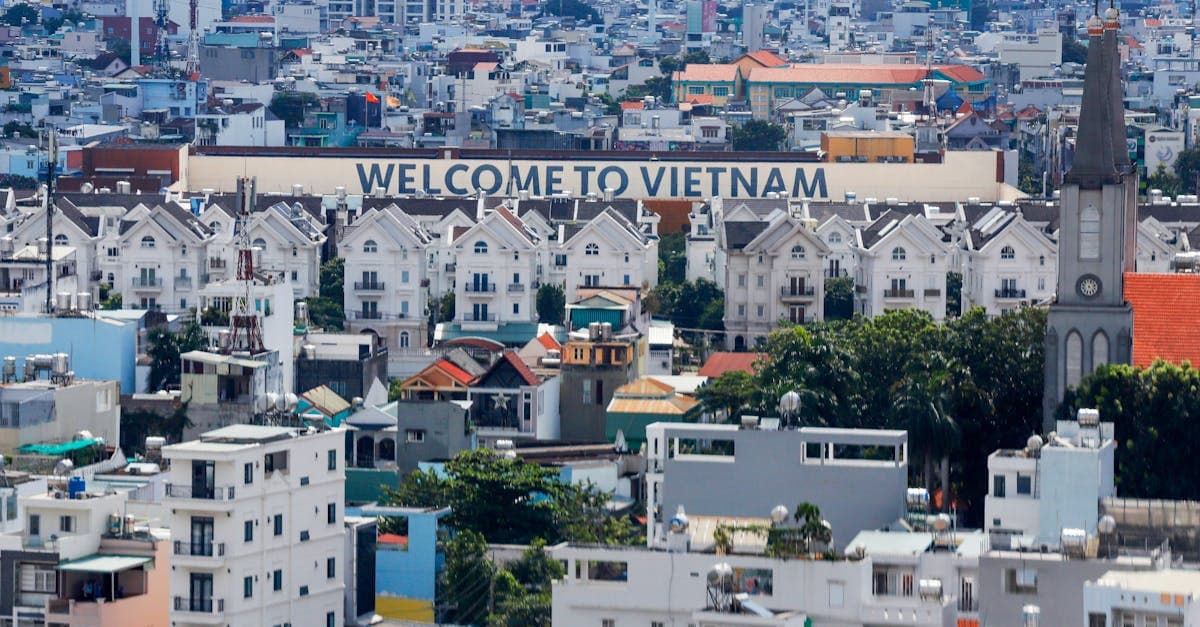
Vietnam visa on arrival remains technically available for Australians, but it requires a pre-approval letter arranged through a licensed Vietnamese travel agent before you leave home. Without that letter, airlines won't board you, and immigration at Noi Bai or Tan Son Nhat won't process your arrival. The eVisa removes that dependency entirely.
That pre-approval requirement is where the scams live.
Unlicensed websites advertising VOA approval letters are a documented problem. Markups are steep, documentation quality varies, and some operators take payment without delivering anything usable. Smartraveller flags unofficial visa services as a genuine risk for Australians travelling to Vietnam smartraveller.gov.au.
The decision framework is straightforward:
- eVisa is the right call if you have sufficient lead time before travel, access to the internet, and want to deal directly with the Vietnamese government portal at evisa.gov.vn.
- VOA makes sense only in a genuine last-minute emergency where a licensed agent can turn around documentation faster than the standard eVisa processing window.
The eVisa portal charges USD 25 (around A$38) directly to the Vietnamese government evisa.gov.vn. No agent margin, no uncertain documentation, no risk at the gate.
Scams aside, the application process is far simpler than most Aussie travellers expect.
How to Apply for a Vietnam eVisa as an Australian
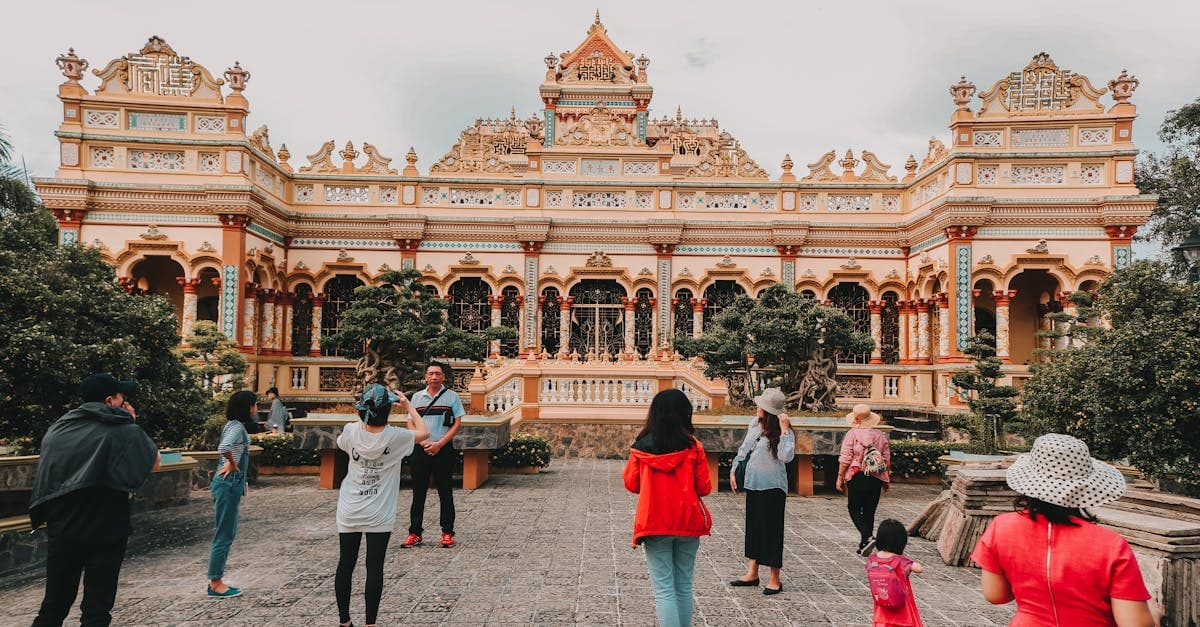
The Vietnam eVisa application runs entirely online, from account registration to PDF download, at evisa.gov.vn vietnamembassy.org.au. Budget around 20 minutes and a working credit or debit card.
Here are the six steps:
- Register an account at evisa.gov.vn using your email address
- Fill in your travel details: full name as printed on your passport, nationality, intended entry and exit points, and planned travel dates
- Upload your documents: a high-resolution colour scan of your passport bio-page and a passport-style photo with a white background
- Pay online: credit or debit card only. No cash, bank transfer, or PayPal accepted
- Wait for the approval email: an automated acknowledgement arrives first, but the actual eVisa PDF takes up to 3 working days
- Download and save the PDF: print a copy or save it offline on your phone before departure
One thing trips up a surprising number of first-time applicants. The automated confirmation email is not your eVisa. The approved document arrives separately as a downloadable PDF, sometimes days later.
Only use evisa.gov.vn. Third-party sites mimicking the official portal charge a significant markup for identical results. Smartraveller, the Australian government's travel advisory service, flags the risk of copycat sites explicitly smartraveller.gov.au.
Save that PDF somewhere accessible without mobile data. Hanoi and Ho Chi Minh City immigration officers check the document at arrival, either printed or on screen. Before you apply, gather the right documents.
What Documents Do You Need for the Vietnam eVisa?
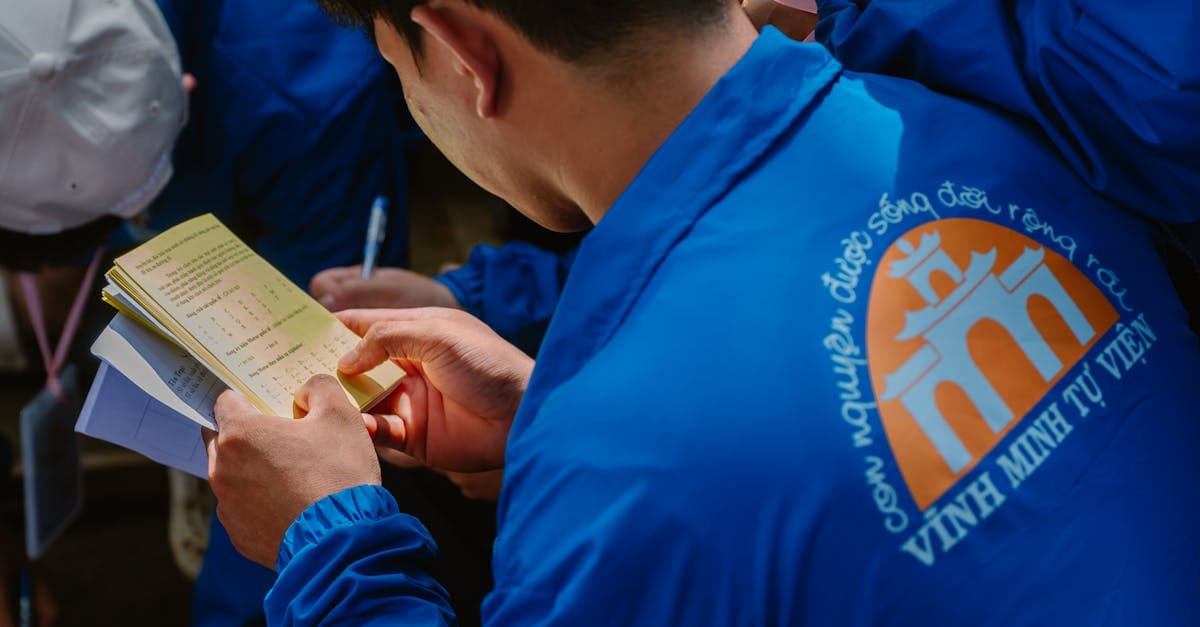
The Vietnam eVisa document list is shorter than most Australians expect. Two uploads are required: a colour scan of your passport bio-page and a passport-style photo with a white background. That is the complete requirement.
A common misconception is that Vietnam's immigration authority wants financial proof. It doesn't. Bank statements, travel insurance certificates, hotel bookings, and return flight confirmations play no part in the eVisa application. The form asks for travel intentions, not evidence.
The two documents that actually matter:
- Passport bio-page scan: colour, high resolution, all corners visible, no glare. A blurry or low-contrast scan is the most common reason for application rejection or delay.
- Passport photo: recent, white background, face forward. Standard passport photo specifications apply.
Two more details to complete the form: you'll need to nominate your intended entry and exit checkpoints (for example, arriving at Noi Bai International Airport in Hanoi and departing from Tan Son Nhat in Ho Chi Minh City), and your passport must be valid for at least 6 months beyond your intended departure date from Vietnam.
That last point catches Aussie travellers off guard more than any other. Check your passport expiry now, not at check-in.
Documents ready. Now factor in the processing timeline.
How Long Does Vietnam eVisa Approval Take?
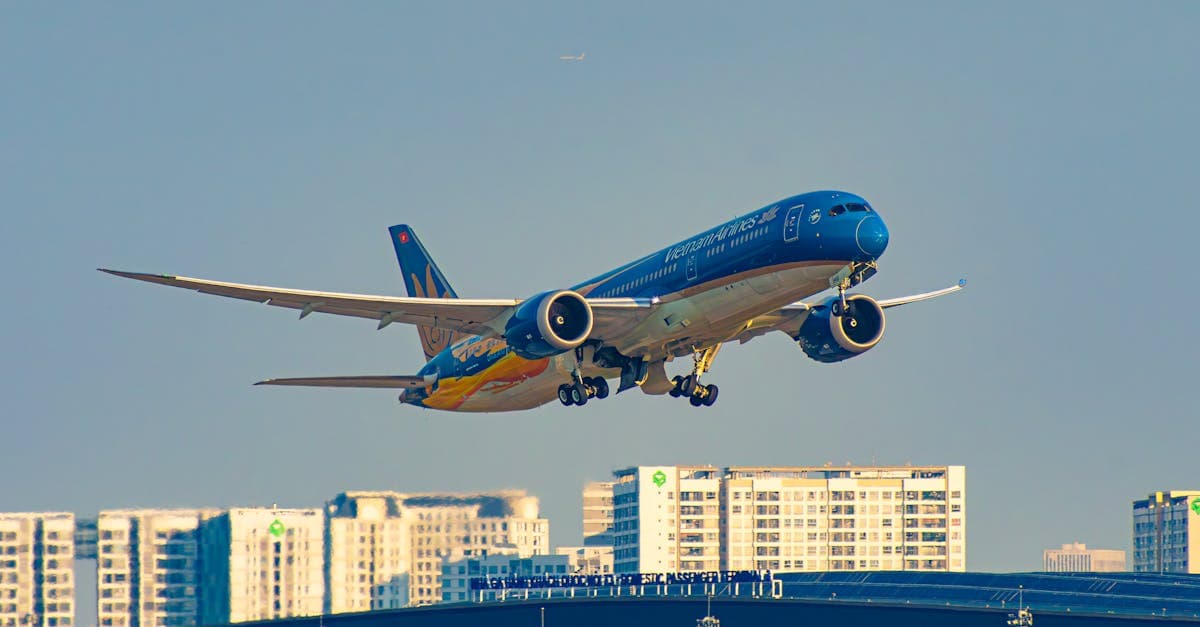
Standard Vietnam eVisa approval takes 3 working days from submission. Most applications processed through the official portal come back within that window during quieter travel periods. Apply at least 5 business days before your departure date to build in a sensible buffer.
The catch: there is no express processing option on evisa.gov.vn. No priority queue, no same-day turnaround, no fee to accelerate the application. If the standard window feels tight, applying earlier is the only lever available.
Peak periods stretch the timeline.
Tet (Vietnamese Lunar New Year) and the June to August school holiday period from Australia are the two busiest windows for eVisa applications. Processing runs longer during both. For trips falling in either peak, applying two weeks ahead beats the five-day minimum by a comfortable margin.
One detail that creates unnecessary stress: the first email after submitting is an automated acknowledgement, not your approved eVisa. The actual approval arrives in a separate email as a downloadable PDF once processing is complete. Don't act on the confirmation email as if the visa is cleared. Wait for the PDF.
The decision point is straightforward. Flying more than 5 business days out? Standard processing works fine. Cutting it closer? Submit immediately and check your inbox daily until the PDF lands.
Timeline clear. The cost question is next.
How Much Does a Vietnam Visa Cost in AUD?
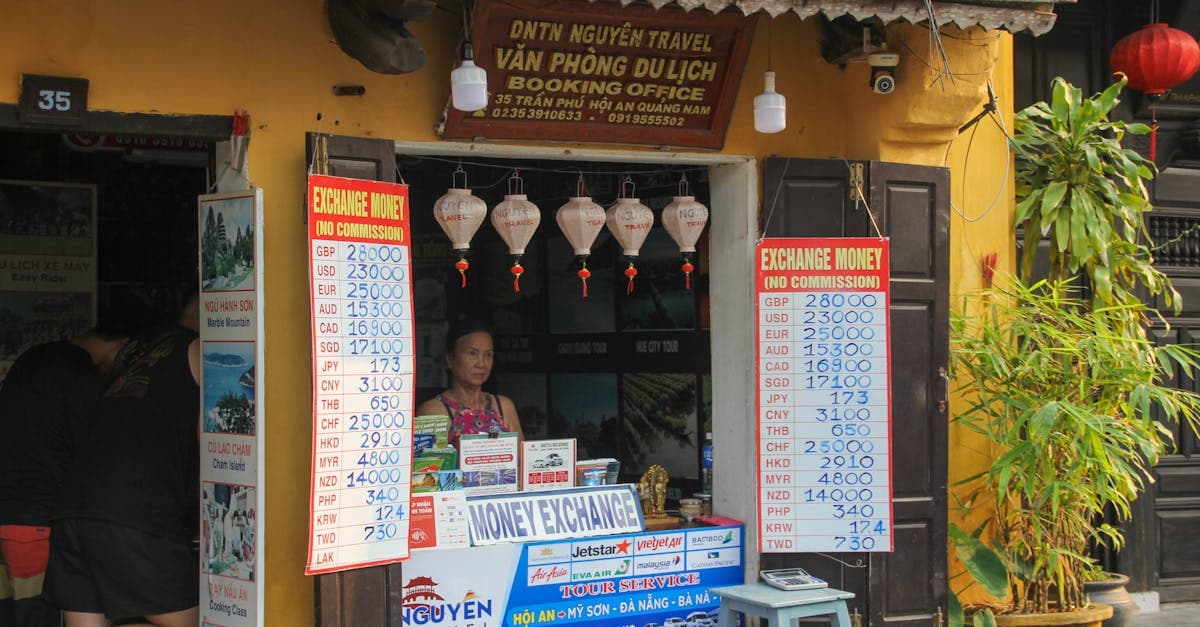
The official Vietnam eVisa carries two price points: USD 25 (around A$38) for single-entry and USD 50 (roughly A$76 at mid-2026 exchange rates) for multiple-entry evisa.gov.vn. Both are charged in USD through the official portal, so factor in your credit card's international transaction fee before submitting.
Here is where the costs diverge sharply.
A quick search for 'Vietnam visa Australia' surfaces dozens of third-party visa services charging A$50 to A$120. The form they process is identical to the one on evisa.gov.vn. The PDF you receive is the same government-issued document. The processing time is the same. The only variable is the price.
Visa on Arrival adds a different cost structure. A pre-approval letter from a licensed Vietnamese agent typically runs A$20 to A$60, not including the stamp fee collected at the airport on arrival. For a couple or a family group, that cost compounds quickly.
The official portal at evisa.gov.vn is always the cheapest route. Full stop.
If you're weighing single versus multiple entry, the multiple-entry option makes practical sense for anyone planning a side trip into Cambodia or Laos before returning to Vietnam. If there's any real chance of a land border crossing, two separate single-entry applications end up costing more than one multiple-entry fee.
Costs sorted. One more thing most travellers overlook.
Staying Connected in Vietnam: eSIM and Data Options for Australians
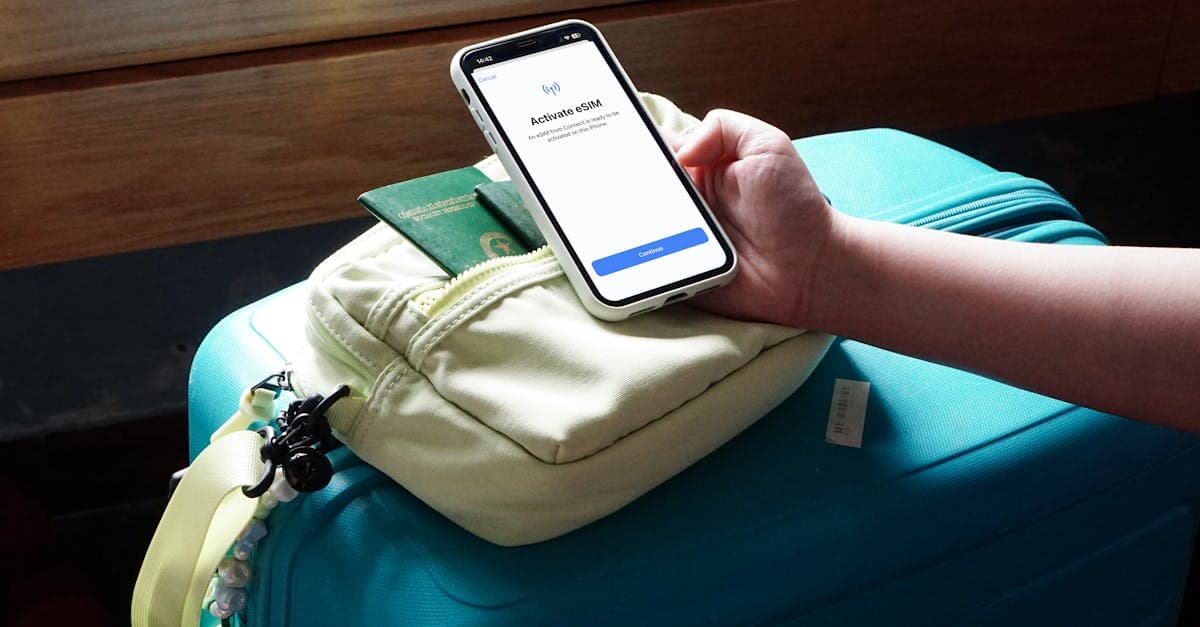
An eSIM is the most practical data option for Australians heading to Vietnam. Install the profile at home, step off the plane at Tan Son Nhat or Noi Bai, and your phone is already pulling data before you reach the arrivals hall. No queue. No kiosk.
Key fact: HelloRoam's Vietnam 5GB 30-day plan costs ~A$17.19 on Viettel Mobile's 5G network, covering Hanoi, Ho Chi Minh City, and the central coast.
Airport SIM counters exist at both major Vietnamese airports, but queues build quickly during peak arrivals and packages sold at international arrival terminals carry tourist-tier pricing well above street rates.
Carrier roaming from Telstra or Optus runs around A$10 to A$15 per day in Vietnam. A three-week trip at those rates becomes a significant line in the travel budget. An eSIM covering the same period costs a fraction of that figure.
Keep your Australian SIM in the physical slot alongside the Vietnam eSIM. Bank verification codes and two-factor authentication continue routing to your Telstra or Optus number, while mobile data flows through the eSIM. Most current iPhones and flagship Android handsets support this dual-SIM setup without any extra configuration.
Data covered. Check the entry formalities too.
Vietnam Entry Requirements Beyond the Visa

Your eVisa specifies the exact entry and exit checkpoints. Use a different airport from the one listed and Vietnamese immigration won't clear you through. Check the document against your actual itinerary before you fly.
Most Australian airlines confirm onward or return tickets before boarding in Sydney, Melbourne, Brisbane, or Perth. Vietnam immigration applies the same requirement at the border. A confirmed return flight or an onward booking to a third destination satisfies both checks.
Travel insurance is not a legal entry requirement for Vietnam, but the Australian government strongly recommends comprehensive cover for all overseas travel smartraveller.gov.au. Emergency treatment and hospital evacuation from regional Vietnam carry costs well beyond any insurance premium.
You'll complete a customs declaration form on arrival. Standard process, a couple of minutes at most. Restricted goods and cash amounts above certain thresholds must be declared before clearing customs.
Noi Bai International Airport in Hanoi and Tan Son Nhat International Airport in Ho Chi Minh City handle the bulk of direct flights from Australian capital cities and are both accepted eVisa entry points. Da Nang International Airport is also included and serves direct routes from several Australian cities.
Entry requirements clear. A few questions keep coming up.
Vietnam Visa FAQs for Australian Travellers
The Vietnam eVisa validity period runs from your date of first entry into Vietnam, not from the date of approval. Apply in May for a July trip and you still receive the full permitted stay duration from the day you cross the border.
Rejected application? Reapply straight away with corrected details. The Vietnamese immigration portal doesn't impose waiting periods between submissions. Most rejections trace back to three issues: passport data that doesn't match the application form exactly, a photo taken against the wrong background, or a scan below the minimum resolution requirement. Identify the problem, fix it, resubmit.
Single or multiple-entry is selected at the time of application and can't be changed after approval. Single-entry covers a direct trip in and out of Vietnam. Multiple-entry suits itineraries that cross into Cambodia or Laos with a return to Vietnam planned.
Overstaying is not a grey area. Vietnamese authorities issue fines for travellers who remain past the visa's expiry date, and repeat violations can result in entry bans for Australian passport holders.
For the latest travel advisories and any updates to Vietnam entry conditions, Smartraveller at smartraveller.gov.au is the Australian government's authoritative source.
One long-stay question deserves its own answer.
Can You Retire in Vietnam as an Australian?
Vietnam has no dedicated retirement visa category. The classification simply doesn't exist in Vietnamese immigration law, which catches many Australians off guard when researching a long-term move to Da Nang or Hoi An.
What many longer-term Australian residents use in practice is a recurring eVisa cycle. Enter on an eVisa, stay for the full visa term, depart before expiry (Cambodia and Laos are the common exit choices), then re-enter on a fresh eVisa. The approach works for now. It depends entirely on Vietnam continuing to permit multiple-entry eVisas and on the traveller departing precisely on schedule.
Business visas and investor visas exist for Australians who establish or invest in Vietnamese enterprises. These provide more formal long-term status but require genuine commercial engagement to qualify, not residency intent alone.
Permanent residency through accumulated tourist or eVisa stays is not available under Vietnamese law. Short-term visit cycles don't build toward any long-term status, regardless of how many consecutive eVisas a person holds.
Anyone planning a genuine extended arrangement in Vietnam should consult a registered Vietnamese immigration lawyer or a migration consultant with demonstrated experience in Vietnamese law. Rules shift, informal advice on expat forums carries real legal risk, and the consequences of getting this wrong are significant.
Reviewed by HelloRoam's editorial team. Last updated: 18 May 2026.
Get Connected Before You Go


Frequently Asked Questions
Yes, Australian citizens need a visa for Vietnam. Australia is not on Vietnam's visa-exempt list. The eVisa is the standard route, applied for online through the official government portal.
The official Vietnam eVisa costs USD 25 (around A$38) for single-entry and USD 50 (roughly A$76) for multiple-entry. Both are charged in USD through the official government portal.
The Vietnam eVisa allows stays of up to 90 days per visit, suited to tourism rather than long-term residency. Retirement in Vietnam requires different visa arrangements beyond the standard eVisa.
Visa on arrival is technically available but requires a pre-approval letter from a licensed agent before departure. Without it, airlines will not board you. The eVisa is the simpler and safer option.
Standard Vietnam eVisa processing takes 3 working days. Apply at least 5 business days before departure. During peak periods like Tet or Australian school holidays, allow up to two weeks.
You need a colour scan of your passport bio-page and a passport-style photo with a white background. No bank statements, hotel bookings, or return flight confirmations are required.
Australians can stay up to 90 days per visit on a Vietnam eVisa. This applies to both single-entry and multiple-entry options, upgraded from the previous 30-day cap before Vietnam's 2023 visa reform.
Your passport must be valid for at least 6 months beyond your planned departure date from Vietnam. Check your expiry well before applying, as this requirement catches many travellers off guard.
Apply online at the official Vietnamese government eVisa portal. Register an account, enter travel details, upload your passport scan and photo, pay by card, and download your approved PDF within 3 working days.
Single-entry suits a straightforward trip in and out of Vietnam. Multiple-entry is worth choosing if your itinerary includes side trips to Cambodia or Laos and you plan to return to Vietnam.
Yes, unlicensed websites mimic the official eVisa portal and charge high markups for the same government-issued document. Always apply only through Vietnam's official government eVisa portal.
No express processing option exists on the official Vietnam eVisa portal. There is no priority queue or same-day turnaround available. Applying well in advance is the only way to manage tight timelines.
The eVisa is valid at designated entry points including Noi Bai Airport in Hanoi, Tan Son Nhat in Ho Chi Minh City, and Da Nang International. Confirm your entry point against the official list before applying.
An eSIM is the most practical option for Australians visiting Vietnam. Install a travel eSIM profile before departure and connect immediately on arrival, with no queue or SIM kiosk needed.
Yes. The Vietnam eVisa is applied for entirely online with no embassy visit required. The process runs from account registration to PDF download through the official government portal.
Sources
- apply.joinsherpa.com — apply.joinsherpa.com
- Visa to Viet Nam — vietnamembassy.org.au
- Vietnam National Electronic Visa system — evisa.gov.vn
- Vietnam Travel Advice & Safety — smartraveller.gov.au
- Vietnam | Australian Government Department of Foreign ... — dfat.gov.au
- Vietnam visa for Australia citizens, passport holders, ... — vietnam-immigration.org.vn