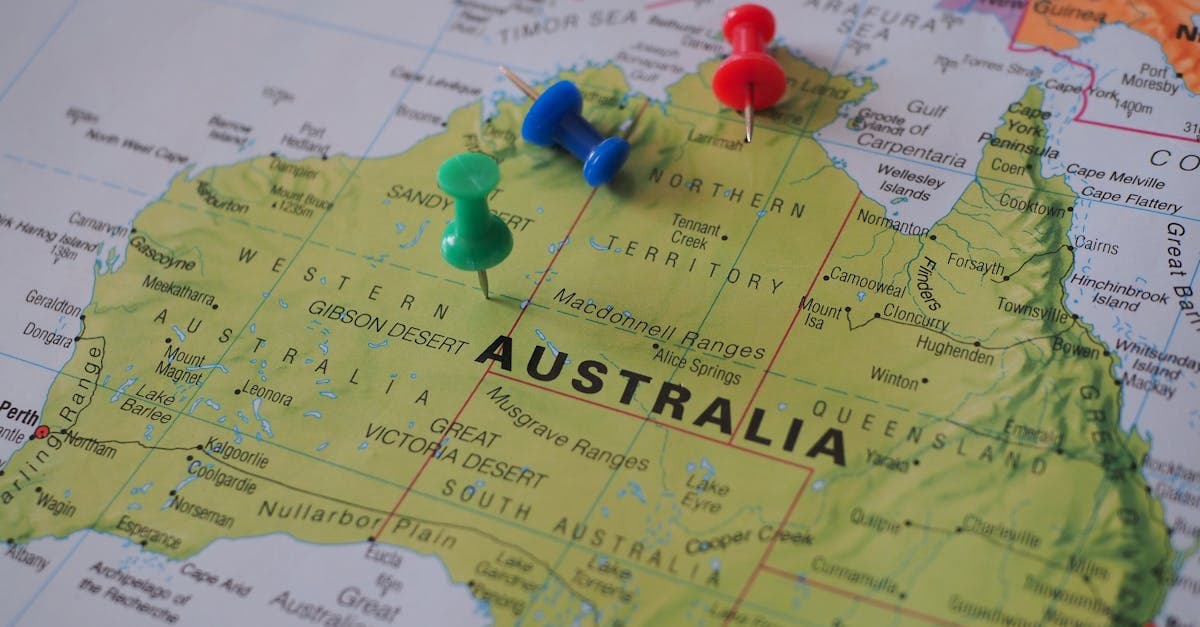



Thailand holiday packages at a glance

Thailand holiday packages bundle return flights, accommodation and airport transfers into a single upfront price. Budget 7-night Phuket options start around ~A$799 per person from Sydney, Melbourne, Brisbane or Perth. Mid-range 10-night itineraries combining Bangkok with a beach destination run ~A$1,499 to ~A$2,499 webjet.com.au. Thai Airways, Jetstar and Qantas operate the main routes jetstar.com.
The value case is strongest in shoulder season. Bundled packages regularly undercut DIY pricing in February, March, September and October, when flight seats and hotel inventory align at lower rates. That advantage shrinks in December and January.
Mobile data is the one thing no package covers. A eSIM for Thailand from HelloRoam starts at ~A$5.41 for 1 GB on AIS's 5G network. Activate it on the flight over from Australia and you're connected the moment you clear customs at Suvarnabhumi, no SIM counter queue required.
Key fact: HelloRoam Thailand eSIM plans start at ~A$5.41 for 1 GB over 7 days, running on AIS's 5G network.
Packages suit first-timers who want flights, accommodation and transfers handled in one booking. They're less compelling for repeat visitors with specific hotel preferences, travellers with fixed dates that don't match package departure schedules, and anyone planning to mix budget guesthouses with the occasional splurge.
But what do those packages actually cover?
What do Thailand holiday packages include?

Flights, accommodation and airport transfers form the baseline of any Thailand holiday package travelonline.com. The structure most Australian operators build around is a two-stop format: two to four nights in Bangkok, then a flight or transfer to a beach destination. Phuket, Krabi, Koh Samui and Chiang Mai are the most common second stops.
Bangkok anchors most packages because Suvarnabhumi Airport handles the majority of direct services from Australian cities. Domestic connections to the islands from Don Mueang Airport take under two hours. Chiang Mai features mainly in cultural or guided-tour packages rather than beach-focused deals.
Resort tiers span a serious range.
Guided-tour packages from adventure and cultural operators add a structured layer: coach travel between cities, most meals and a sightseeing itinerary are bundled together tripadeal.com.au. Flights are typically sold separately or as an add-on at checkout.
Meal inclusions vary more than the marketing suggests. Breakfast-only is the standard across budget and mid-range tiers. All-inclusive is far less common in Thailand than in Bali. Room-only rates appear at the budget end, which suits anyone happy to eat street food at a fraction of resort prices.
Inclusions are clear. The next question is always the price.
How much does a Thailand holiday package cost?

Thailand holiday packages split into three clear tiers. Budget 7-night packages start around ~A$799 per person, and mid-range 10-night itineraries run ~A$1,499 to ~A$2,499. The premium end, covering 10 to 14 nights all-inclusive at 5-star Phuket or Koh Samui resorts, reaches ~A$2,800 to ~A$5,500 per person deals.flightcentre.com.au. That top number surprises first-timers who assume Thailand sits permanently at the budget end of the travel market.
Timing is the single biggest cost variable after tier selection. Peak season (December, January and Songkran in mid-April) adds 20 to 40 percent to base prices across all package types. The same Bangkok-plus-beach itinerary costs materially less in a shoulder month.
February, March, September and October are the sweet-spot booking windows. Rates ease, airline seat inventory opens up, and Gulf coast destinations like Koh Samui hold reliable weather.
When to book a package versus when to reconsider:
- Book in shoulder season if you're a first-timer wanting transfers and hotels handled upfront; bundled deals consistently undercut DIY costs during these months, particularly for Bangkok-plus-beach combinations where the internal transfer is typically included
- Go DIY in peak season when package prices have already absorbed the December and January surcharges; independent bookings sometimes match or beat the bundled rate at that point
- A guided tour earns its cost over 14 to 17 days, where included coach travel, meals and structured sightseeing offset the higher headline price across a longer itinerary
The 7-day question comes up constantly, so it deserves its own breakdown.
How much will a 7-day trip to Thailand cost?

A 7-day Thailand trip, all in, runs A$1,200 to A$2,000 per person once return flights and accommodation are counted. The range reflects travel style more than destination choice; the same itinerary costs very differently depending on whether you're booking budget guesthouses or mid-tier resort rooms.
On-ground daily spend settles into two honest bands. Travellers working through street food stalls, shared local transport and inexpensive guesthouses spend A$60 to A$80 a day. Those who prefer air-conditioned restaurants, taxis and a proper resort pool run closer to A$100 to A$150.
That 50,000 Thai Baht figure? At mid-2026 exchange rates it converts to around A$2,100, and it comfortably covers a week of meals, activities and some shopping without much rationing.
Four costs worth building into your budget before confirming the booking:
- Travel insurance: get a quote before putting down any deposit; it's non-negotiable for Thailand
- Visa fees: Australians currently enter Thailand visa-free for stays up to 60 days, but verify current requirements before departure
- Airport transfers: not always bundled in package pricing; check the quote line by line
- Mobile data: Australian carrier roaming in Thailand costs A$10 to A$15 per day; eSIM plans undercut that substantially and are worth comparing before you fly
Good timing can trim these figures by a third or more.
What is the best month to go to Thailand?

November through February is Thailand's prime travel window: cool, dry conditions across most of the country and reliable beach weather on both the Andaman coast (Phuket, Krabi) and the Gulf of Thailand (Koh Samui). That said, blanket advice to "avoid wet season" undersells some real value. The timing picture is more nuanced than most guides suggest.
November to February delivers the conditions most travellers picture when booking Thailand. The trade-off: December and January school holiday surcharges push prices noticeably higher. Book early or budget accordingly.
March to May is shoulder season across most of Thailand, with one sharp exception. Songkran (Thai New Year, around 13 to 15 April) drives flight and hotel prices up significantly. Chiang Mai in April carries another reason to reconsider: controlled burns across northern Thailand create air quality issues from March through early April. Locals and regulars call it smoke season, and it's real enough to affect a holiday.
June to August is wet season on the Andaman coast, but Andaman-side packages typically run around 30% cheaper than high-season equivalents. Rain here tends to come in short, heavy bursts rather than sustained grey days. For travellers with flexible dates and a leaner budget, this window has genuine appeal.
September and October are the sleeper picks: quieter than peak season, with improving beach conditions on the Andaman side and prices that reflect the lower demand.
October to December is Koh Samui's wet season, which runs out of phase with the Andaman coast. Travellers choosing Samui as their beach base should factor this in; Phuket and Krabi are the cleaner choices during this stretch.
With dates sorted, staying connected throughout the trip is the next thing to nail.
How do you stay connected on a Thailand holiday?

4G LTE coverage in Bangkok, Phuket, Chiang Mai and Koh Samui is reliable for standard tourist use. AIS and TrueMove serve the main corridors well; signal thins in jungle terrain and on smaller outer islands, but the core tourist circuit is well covered.
Three practical data options, ranked by cost:
Australian carrier roaming through Telstra, Optus or Vodafone AU is the default for most Aussie travellers, but at A$10 to A$15 per day that charge compounds fast across a full week. Manageable for a 48-hour stopover; less practical for a 10-night Thailand holiday package.
Local tourist SIMs from AIS or TrueMove run 299 to 699 Baht at Suvarnabhumi Airport and major shopping centres. They're snappy value and available off the shelf, though you'll swap your physical SIM at the counter and temporarily lose your Australian number for the duration.
eSIM removes that friction entirely.
Activate a profile before boarding, keep your Telstra or Optus number live for banking OTPs, and move through Bangkok, Koh Samui and Krabi without touching the SIM tray. HelloRoam's Thailand eSIM runs on AIS's 5G network; the 5 GB plan covers 30 days for ~A$10.83, which handles a two-week itinerary comfortably with Google Maps, Grab and messaging running throughout.
Key fact: HelloRoam's Thailand 5 GB plan runs ~A$10.83 for 30 days on AIS's 5G network.
Before landing, download four apps: Google Maps (save offline areas before you fly), Grab (taxis and food delivery), LINE and Google Translate with the Thai language pack installed. These cover the bulk of on-ground navigation and communication, with or without mobile data running.
One budget question remains before you confirm the booking.
Is $1,000 enough for a week in Thailand?
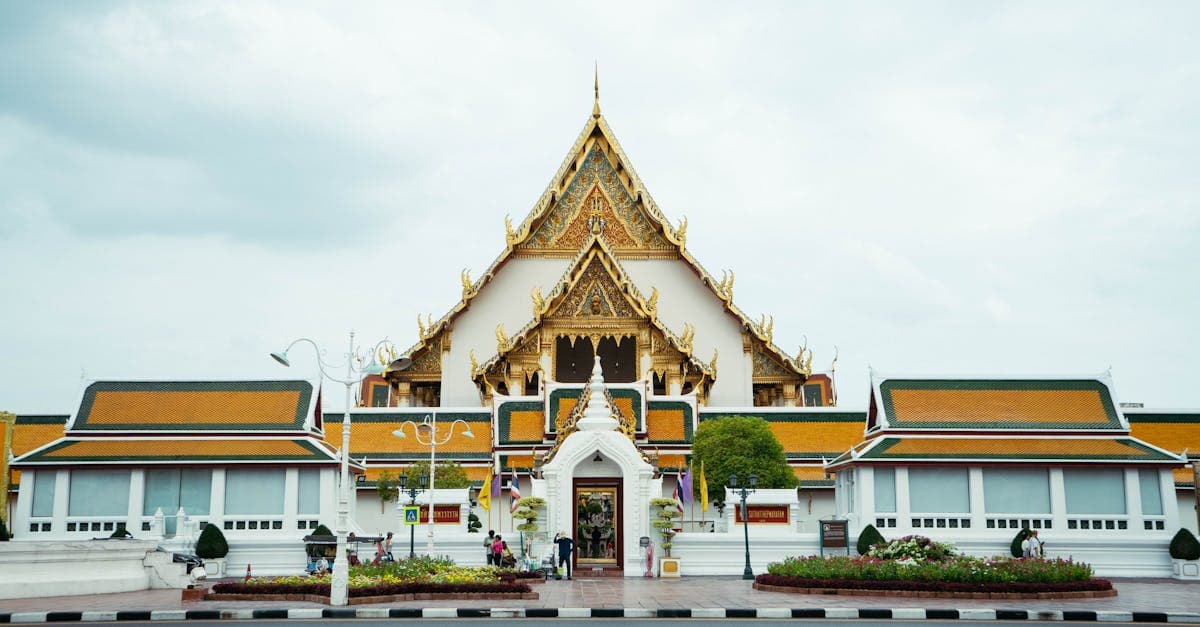
A$1,000 covers in-country spending for a week comfortably, provided your flights are already accounted for. Add return airfare from Sydney or Melbourne, and the real all-in cost for seven nights lands between A$1,800 and A$2,500, depending on where you stay and the month you fly.
Budget anxiety around Thailand is common and usually misplaced. Resort prices on booking sites look alarming before you understand the split: the flights are the expensive part. Once you land, Thailand is one of the most cost-effective long-haul destinations accessible to Australians, and the gap compared to, say, Europe or Japan is substantial.
Bangkok is the budget capital. Koh Samui is where the cushion compresses fast.
That roaming figure in the table deserves attention. At A$10 to A$15 per day for carrier roaming, seven days on Telstra or Optus data costs roughly the same as two nights in a Bangkok hostel. Sorting a local data plan before you board eliminates that drain entirely.
Booking three to six months ahead for shoulder season travel locks in the best package prices. September and October are strong value on the Gulf of Thailand coast: weather holds, crowds thin, and operators respond with lower rates. Those windows beat peak December on cost, almost without exception. Choosing them wisely keeps your on-ground A$1,000 doing the work it should.
Reviewed by HelloRoam's editorial team. Last updated: 09 May 2026.
Get Connected Before You Go


Frequently Asked Questions
A$1,000 covers in-country spending for a week comfortably once flights are accounted for. Add return airfare and the all-in cost lands between A$1,800 and A$2,500 depending on accommodation and travel month.
November to February is Thailand's prime travel window with cool, dry conditions and reliable beach weather. September and October offer strong value with lower crowds and prices, especially on the Gulf of Thailand coast.
A 7-day Thailand trip runs A$1,200 to A$2,000 per person including return flights and accommodation. On-ground daily spend ranges from A$60 to A$80 for budget travellers to A$100 to A$150 for mid-range comfort.
50,000 Thai Baht converts to around A$2,100 at mid-2026 exchange rates, comfortably covering a week of meals, activities and shopping without much rationing.
Thailand holiday packages include return flights, accommodation and airport transfers. Most feature two to four nights in Bangkok followed by a beach destination such as Phuket, Krabi or Koh Samui.
Budget 7-night packages start around A$799 per person. Mid-range 10-night itineraries run A$1,499 to A$2,499, while premium all-inclusive stays at 5-star resorts reach A$2,800 to A$5,500 per person.
February, March, September and October are the best booking windows. Bundled packages consistently undercut DIY pricing during these shoulder months, especially for Bangkok-plus-beach combinations.
Australians currently enter Thailand visa-free for stays up to 60 days. Always verify current entry requirements before departure as conditions can change.
An eSIM is the most convenient option — activate before boarding, keep your home number live for banking OTPs, and connect on arrival without queuing at a SIM counter. Budget eSIM plans start around A$5.41 for 1 GB.
Australian carrier roaming in Thailand costs A$10 to A$15 per day. Across a 7-night stay, that totals A$70 to A$105 — roughly equivalent to two nights in a Bangkok hostel.
All-inclusive packages are far less common in Thailand than in destinations like Bali. Most packages include breakfast only, while budget options often offer room-only rates suited to street food dining.
Download Google Maps with offline areas saved, Grab for taxis and food delivery, LINE for messaging, and Google Translate with the Thai language pack installed before you fly.
Andaman coast packages in wet season (June to August) run around 30% cheaper than high-season equivalents. Rain tends to arrive in short, heavy bursts rather than sustained grey days, making this window appealing for budget travellers.
Packages suit first-timers who want flights, accommodation and transfers handled in one booking. They are less compelling for repeat visitors with specific hotel preferences or those with highly flexible itineraries.
Factor in travel insurance, airport transfers if not bundled, and mobile data. Australian carrier roaming can add A$70 to A$105 across a week — comparing eSIM plans before departure can eliminate that cost.
Sources
- deals.flightcentre.com.au — deals.flightcentre.com.au
- Thailand Tours, Holiday Packages and Travel Deals — tripadeal.com.au
- Thailand Holiday Package Deals — jetstar.com
- Thailand Holiday Packages — webjet.com.au
- Thailand Holiday Packages — travelonline.com