

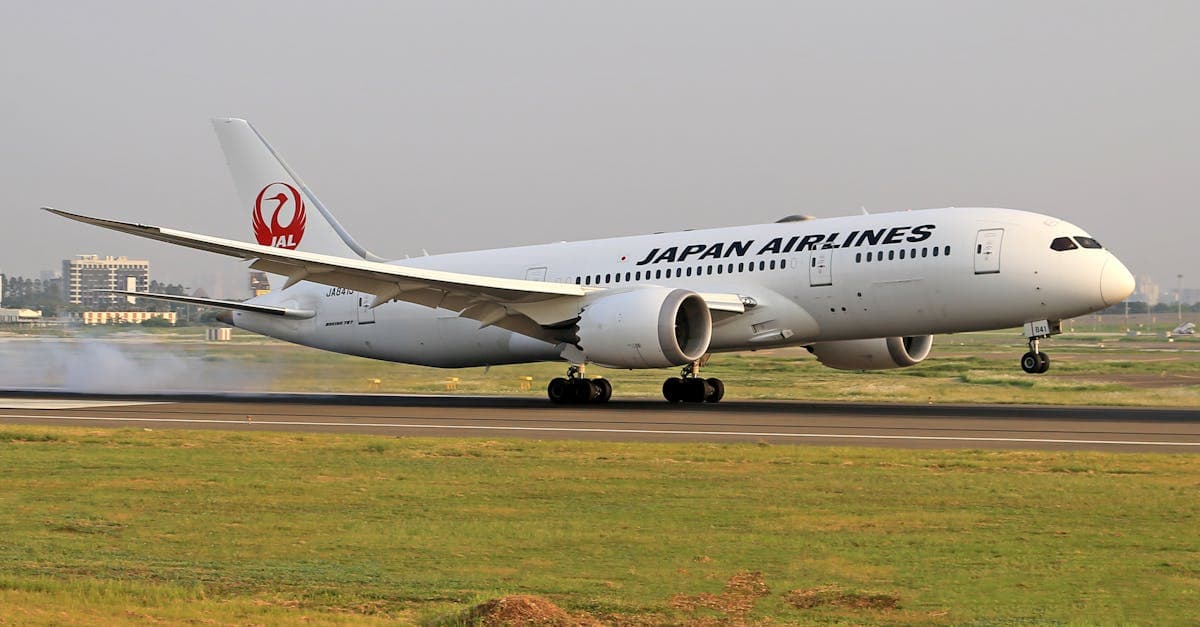
Quick Answer: Flights to Japan from Australia at a Glance
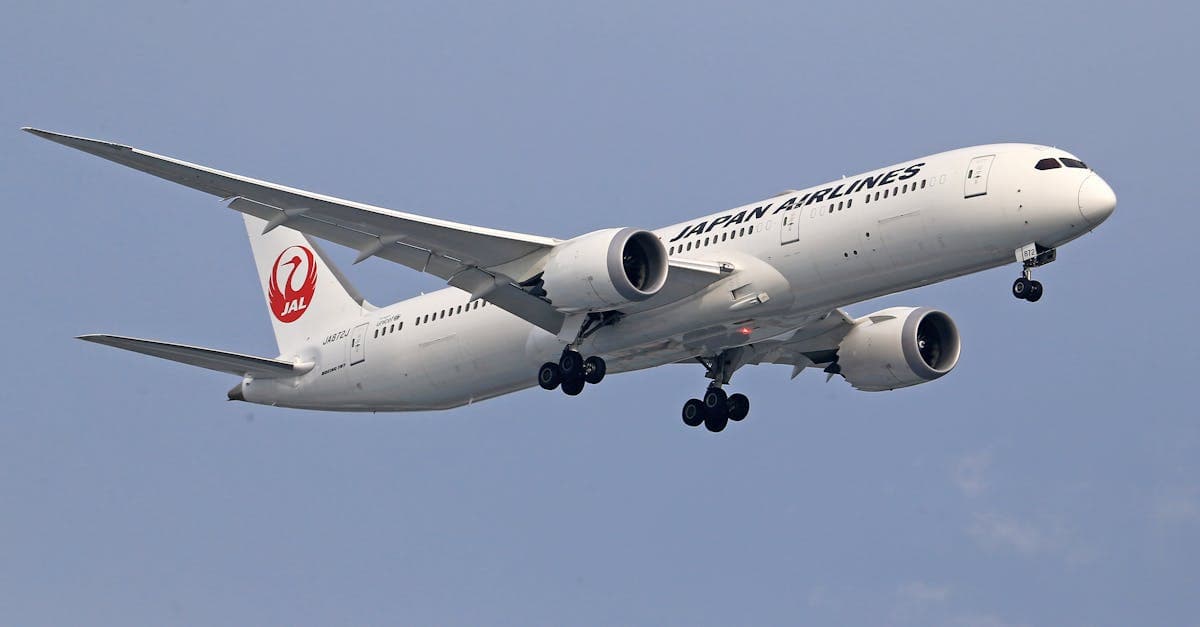
Return flights to Japan from Sydney start from around A$800 in economy skyscanner.com.au, with direct flying time sitting between 9 and 11 hours. Qantas, Japan Airlines, and ANA all operate nonstop services from Sydney (SYD) qantas.com. Melbourne (MEL) and Brisbane (BNE) also connect directly to Tokyo.
Key details at a glance:
- Flight time: 9 to 11 hours direct from Sydney or Melbourne to Narita (NRT) or Haneda (HND)
- Economy return: From around A$800, varying sharply by season
- Visa: Australians enter Japan visa-free for stays up to 90 days in 2026
- Cheapest months: January and February; shoulder season delivers solid value too
- Airlines: Qantas, Japan Airlines (JAL), and ANA fly direct from Australia jal.co.jp
- Connectivity: HelloRoam's eSIM for Japan starts from ~A$5.41 for 1 GB over 7 days, on KDDI/au's 5G network
Key fact: HelloRoam Japan plans run on KDDI/au 5G and NTT docomo 4G, with entry-level data from ~A$5.41 for 1 GB across 7 days.
Japan is one of Australia's most accessible long-haul destinations, with visa-free entry taking one layer of pre-trip admin off the list. After a 9-hour flight from Sydney, the last thing you want is to queue for a SIM card in Narita arrivals.
Timing your booking is where the real savings happen.
What Is the Cheapest Time to Fly to Japan from Australia?
January and February deliver the lowest fares for flights to Japan from Australia, year after year momondo.com.au. Demand drops sharply after New Year, school terms resume, and airlines respond with more competitive pricing across Sydney, Melbourne, and Brisbane routes. Shoulder season, the quieter stretches between Japan's major tourism peaks, also offers good value for travellers with date flexibility.
The avoidance calendar matters as much as the booking window. Golden Week, the cluster of Japanese public holidays running from late April into early May, pushes prices up noticeably. Cherry blossom season, typically late March through April, commands a considered premium because demand during that window is genuinely high. Summer from July through August adds another pricing pressure point, as Australian school holidays land squarely within Japan's peak tourist season.
Here's the decision framework, stripped to essentials:
Book for: January, February, and the post-Golden Week gap in late May through June Avoid: Late March to early May (cherry blossom and Golden Week); July and August (school holiday overlap)
Booking 6 to 8 weeks ahead of your preferred departure captures better inventory than booking six months out, in most cases. Airlines load discounted seats closer to departure when cabins have gaps, and Japan routes follow that pattern. The approach works particularly well for January and February travel, where lower demand gives airlines room to price competitively.
November also sits in a useful sweet spot: autumn foliage draws visitors, but fares haven't reached the levels of April or Golden Week.
The avoidance calendar is the easy part. The booking strategy is where more money sits on the table.
How to Book Flights to Japan and Save Money
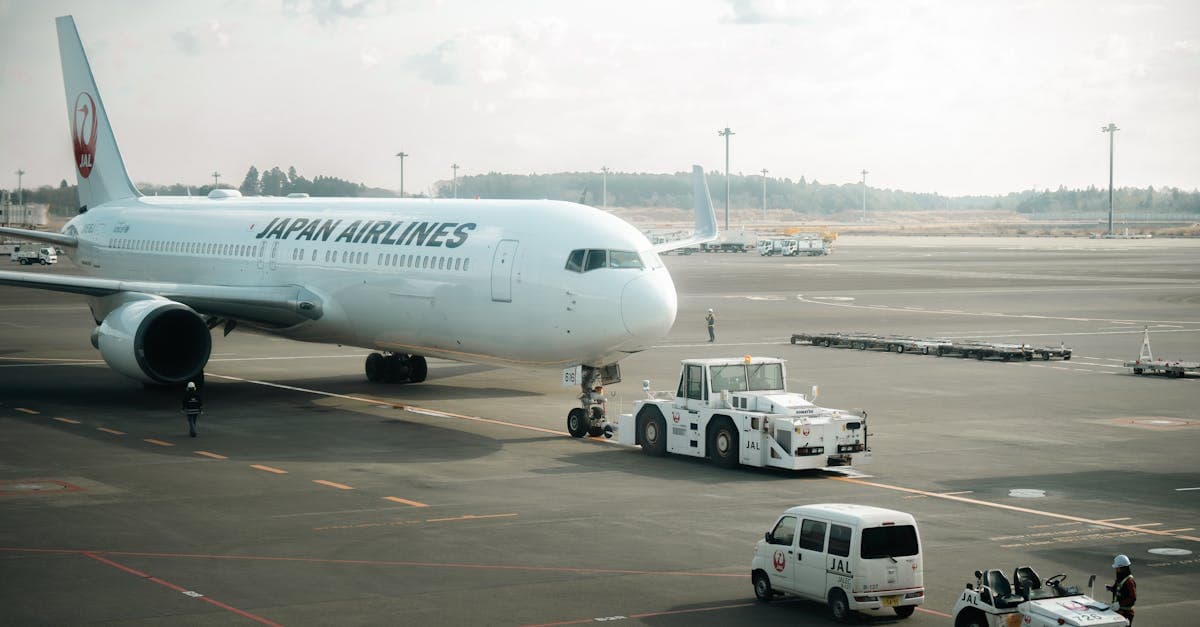
Start with Google Flights or Skyscanner to compare fares across carriers at once skyscanner.com.au. Both tools surface the cheapest dates using a calendar view, which is considerably faster than adjusting departure days manually. Sydney, Melbourne, and Brisbane all connect directly to Tokyo, so search from your actual departure airport first.
Set price alerts on whichever platform you use. Tracking Sydney to Narita, Melbourne to Haneda, and Brisbane to Narita as separate routes catches deals that a generic "Australia to Japan" search sometimes misses.
Open-jaw routing is worth pricing out. It's not a gimmick.
Flying into Tokyo and departing from Osaka, for example, removes the need to backtrack and can undercut a standard return fare on the same city pair. If your itinerary covers multiple Japanese cities, run the comparison before defaulting to a return ticket.
Qantas Frequent Flyer and Velocity points both apply on Japan routes qantas.com. Classic Qantas award seats are limited but do open with enough lead time, making Japan a measurable redemption target for points built on everyday spending.
Key fact: Tokyo is served by both Narita International Airport (NRT) and Haneda Airport (HND), with direct flights from Sydney, Melbourne, and Brisbane operating on Japan routes in 2026.
Travel gift cards and platform credit often stack with published fares. Some booking platforms also support buy-now-pay-later options like Afterpay for splitting costs across instalments, which can help manage a large upfront airfare webjet.com.au.
Flexible date search is the fastest tool available. Toggle the calendar view, set your rough travel month, and let the pricing display show where the deals sit. The cheapest week is usually one either side of your original target dates.
With the flight locked in, the next question is the visa situation.
Do Australians Need a Visa for Japan in 2026?
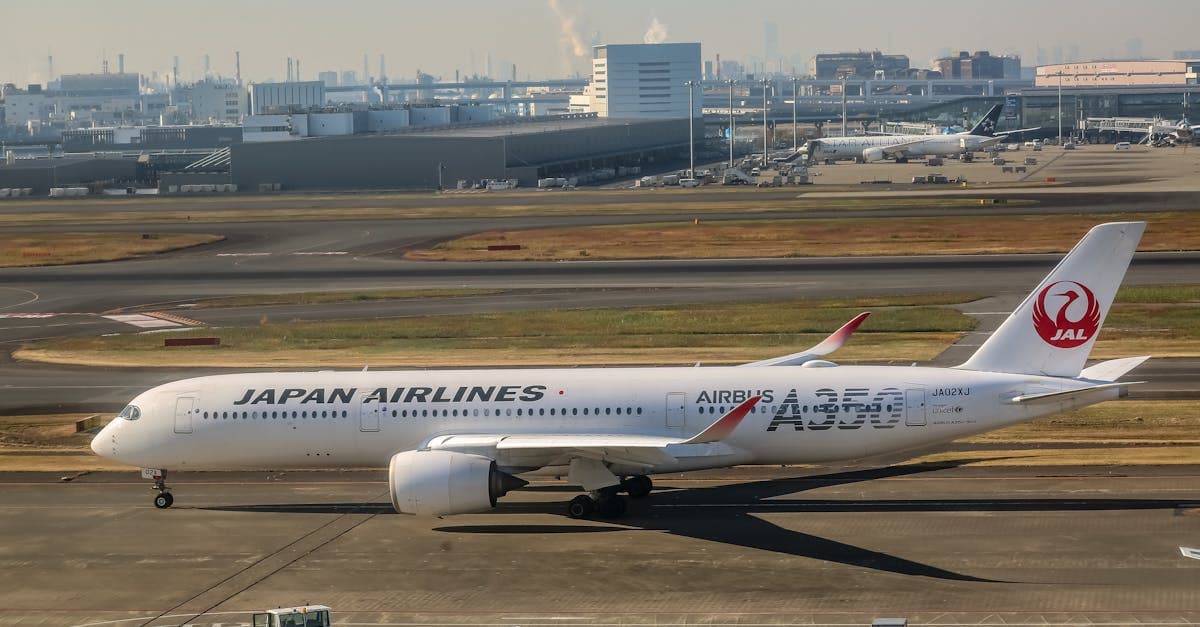
Australians don't need a visa for Japan. As of 2026, Australia sits within Japan's visa exemption framework: no formal application, no consulate fee, and no waiting on approvals. The exemption covers tourist and short-stay visits of up to 90 days per trip.
There's a passport validity rule worth understanding, though it's not the one most people assume.
Japan doesn't enforce the six-month validity requirement common across South-East Asia. Your passport simply needs to remain valid through your departure date from Japan. Valid until the day you fly home? That's sufficient.
No visa required doesn't mean zero admin.
Visit Japan Web, the official pre-arrival registration service run by Japan's Ministry of Justice, lets you complete immigration and customs declarations before you land. Registration isn't compulsory, but it shortens the arrival process considerably. After a long-haul flight from Sydney or Melbourne, skipping the paper-form queue at arrivals is worth ten minutes of upfront effort.
One more misconception to clear up: Japan doesn't collect a tourist tax at the border entry point. No visitor levy is charged at the immigration counter. Some municipalities impose a small accommodation tax (typically included in hotel billing), but that's a matter between you and the property, not customs.
The practical entry requirements are a valid return or onward ticket and funds sufficient for your stay. Travellers with confirmed accommodation and a return flight clear immigration without questions.
No paperwork. No consulate visit. Just a valid passport and you're cleared to go.
Entry sorted. What this trip actually costs is the more layered question.
How Much Do Flights to Japan and a 2-Week Trip Cost in AUD?
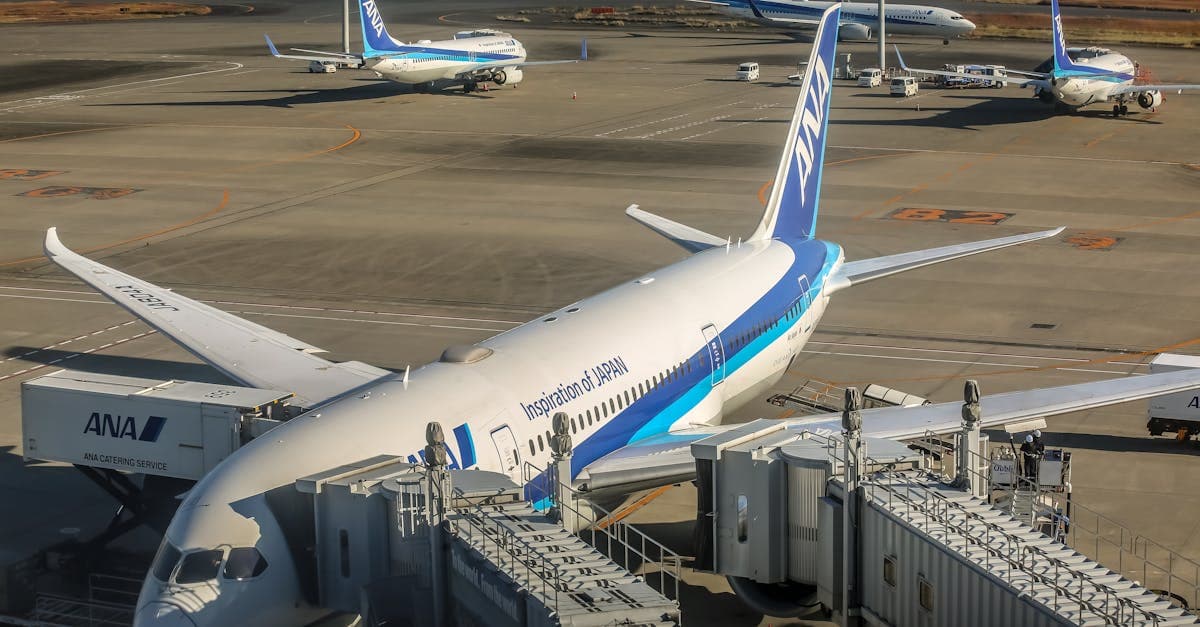
A fortnight in Japan runs roughly A$3,500 to A$6,500 all-in for most Australian travellers at 2026 prices. That estimate covers economy airfare from around A$800, mid-range accommodation, daily meals, a Japan Rail Pass for intercity travel, and data connectivity. Where you land within that range depends on accommodation standard more than almost any other variable.
It's where you sleep.
Mid-range hotels in Tokyo and Kyoto run approximately A$100 to A$200 per night. Budget capsule hotels and guesthouses come in around A$70 to A$100. Across a two-week trip, accommodation alone accounts for A$1,400 to A$2,800 of the total spend. The better-value mid-range properties in Shinjuku, Gion, and Namba fill months ahead during peak season; book early or pay the premium.
The JR Pass is the other fixed cost that catches first-timers off-guard. A 14-day pass runs approximately A$500 to A$700 depending on timing and the AUD/JPY exchange rate. For any itinerary linking Tokyo, Kyoto, Osaka, and Hiroshima, it more than pays for itself. Budget it from day one rather than as an afterthought.
Food is where the numbers work in your favour. Convenience stores (7-Eleven Japan, FamilyMart, Lawson) and neighbourhood ramen shops keep daily eating costs around A$20 to A$35. Sit-down restaurants and izakayas push that to A$35 to A$60 per day. At the current AUD/JPY exchange rate, Japan's food value runs considerably better than equivalent eating in Sydney or Melbourne.
Numbers in hand. Staying connected in Japan without paying Telstra's international roaming rates is the last piece to sort.
Staying Connected in Japan: eSIM, SIM Cards, and Data Options

Japan has complete 4G and 5G mobile coverage across its main islands, operated primarily by NTT Docomo and KDDI/au. For Australian travellers, three practical options exist: an eSIM activated before departure, a tourist SIM card purchased at the airport, or a pocket WiFi device rented on arrival.
An eSIM is a digital SIM profile embedded directly in compatible devices, activated by scanning a QR code rather than physically swapping a card. Most iPhones sold in Australia from the 14 series onward support eSIM, as do recent Samsung Galaxy and Google Pixel handsets.
Setup takes under two minutes.
Three options suit different trip styles:
- eSIM: Activate at home before boarding. HelloRoam's Japan eSIM runs on KDDI/au's 5G network, with plans covering 7-day and 30-day validity windows across multiple data tiers.
- Tourist SIM cards: Data-only cards sold at kiosks in Narita, Haneda, Kansai International, and New Chitose airports. No pre-activation needed, but queues run long on peak travel days.
- Pocket WiFi: Rental units available at major Japanese airports, practical for groups sharing data across multiple devices. You carry a physical unit and return it before you fly home.
Key fact: HelloRoam's Japan 5GB/30-day eSIM plan costs ~A$14.71, running on KDDI/au's 5G network.
Key fact: HelloRoam's Japan 10GB/30-day plan covers heavier usage at ~A$24.78, also on KDDI/au's network.
Before committing to any plan, confirm your handset supports eSIM. Phones purchased through Telstra, Optus, or Vodafone Australia may be carrier-locked and need unlocking before an overseas eSIM activates. Check this before you pack.
Telstra's international roaming carries a steep daily rate for Japan. An eSIM undercuts that for any trip longer than a few days, with no daily charges to watch. For a two-week Japan trip, eSIM for Japan locks in coverage before you leave the gate. A few common pre-travel questions are worth a quick look before you finalise plans.
Frequently Asked Questions About Flights to Japan
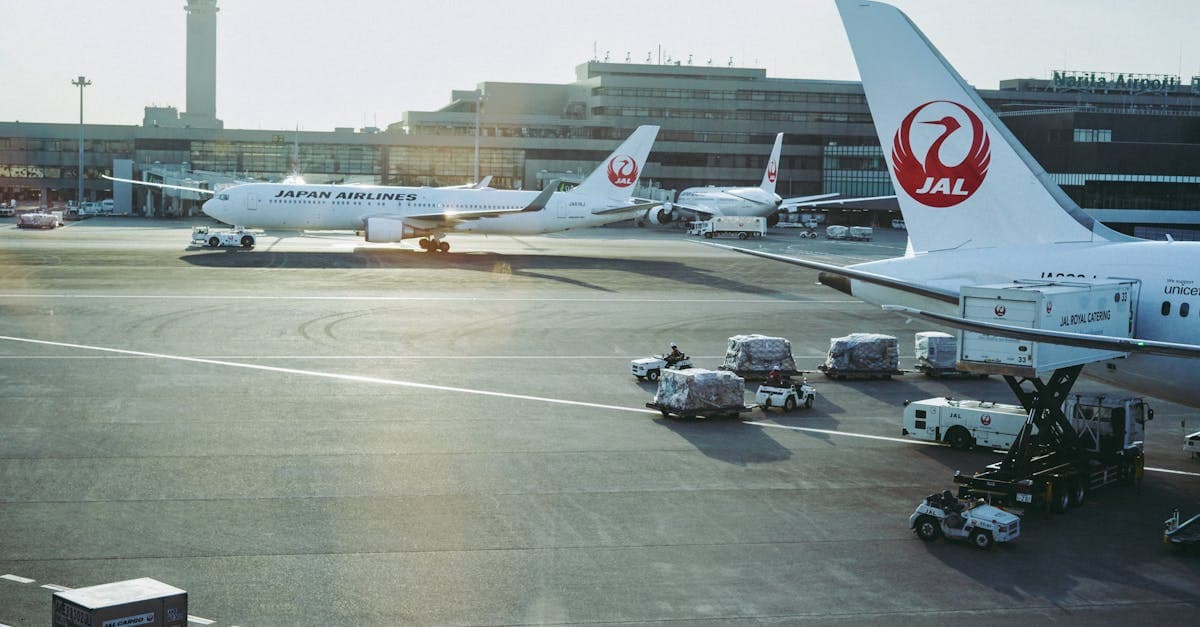
January and February remain the cheapest months for Australian travellers flying to Japan. The fares shift once cherry blossom season arrives in late March and carries into April, with demand pulling prices up. Golden Week, running from late April into early May, compounds the spike further. Travelling in either window isn't off the table, but fares rarely compete with the off-peak months.
The questions most Australian travellers have about Japan flights follow a familiar pattern: when to go, how long it takes, and whether there's a smarter way to use frequent flyer points. The answers are clearer than many guides let on.
Cherry blossom timing is notoriously unpredictable.
A late spring or an early warm year can shift peak bloom by one to two weeks, meaning travellers who pay the premium sometimes miss the display entirely. Shoulder periods on either side of the blossom window tend to be the more considered choice.
The direct flight from Sydney to Tokyo runs roughly nine to ten hours on Qantas or Japan Airlines services into Haneda or Narita qantas.com. Melbourne and Brisbane departures add a short margin on top of that.
On points: Japan Airlines is a Oneworld member, so Qantas Points are redeemable on JAL-operated routes covering Tokyo, Osaka, and connecting domestic legs jal.co.jp. Award seats require planning ahead, but Japan sits among the more achievable Qantas redemption destinations for Australian frequent flyers.
One option many travellers overlook is the open-jaw ticket. Flying into Tokyo and departing from Osaka removes the need to backtrack at the end of a trip. Japan's Shinkansen network connects the two cities in under three hours, making the logistics clean. Most booking platforms handle open-jaw itineraries without adding a meaningful fare premium.
Reviewed by HelloRoam's editorial team. Last updated: 08 May 2026.
Get Connected Before You Go


Frequently Asked Questions
January and February consistently offer the lowest fares for flights to Japan from Australia. Demand drops after New Year, school terms resume, and airlines price competitively on Sydney, Melbourne, and Brisbane routes.
January and February are the cheapest months to fly from Australia to Japan. Avoid late March through May (cherry blossom and Golden Week) and July through August when school holidays overlap with Japan's peak tourist season.
No, Australians don't need a visa for Japan in 2026. The exemption covers tourist and short-stay visits of up to 90 days, with no application, consulate fee, or approval process required.
A two-week trip to Japan typically costs A$3,500 to A$6,500 all-in for Australians. This covers economy airfare from around A$800, mid-range accommodation, daily meals, a 14-day JR Pass, and data connectivity.
The direct flight from Sydney to Tokyo takes approximately 9 to 10 hours, operating into Narita (NRT) or Haneda (HND). Melbourne and Brisbane departures add a short margin on top of that time.
Qantas, Japan Airlines (JAL), and ANA all operate nonstop services from Australia to Japan. Direct routes connect Sydney, Melbourne, and Brisbane to Tokyo's Narita and Haneda airports.
Return economy flights from Sydney to Japan start from around A$800, though prices vary sharply by season. Mid-range economy fares typically run A$1,200 to A$1,600 during busier travel periods.
Japan does not enforce the six-month passport validity rule common across South-East Asia. Your passport simply needs to remain valid through your departure date from Japan.
Booking 6 to 8 weeks before departure often captures better fares than booking six months out, as airlines discount seats to fill remaining cabin gaps. This works particularly well for January and February travel.
The three main options are eSIM, tourist SIM cards, and pocket WiFi rental. An eSIM activated before departure is the most convenient, avoiding airport queues and activating in under two minutes.
An eSIM is a digital SIM profile embedded in your device, activated by scanning a QR code. Most iPhones from the 14 series onward and recent Samsung Galaxy and Google Pixel handsets support eSIM.
Japan eSIM plans start from around A$5.41 for 1 GB over 7 days. A 5 GB/30-day plan costs approximately A$14.71, while a 10 GB/30-day plan runs around A$24.78, both on 5G networks.
A 14-day JR Pass costs approximately A$500 to A$700 and covers shinkansen travel between Tokyo, Kyoto, Osaka, and Hiroshima. For any itinerary linking these cities, it more than pays for itself.
Eating at convenience stores and local ramen shops keeps daily costs around A$20 to A$35. Sit-down restaurants and izakayas push that to A$35 to A$60 per day at the current AUD/JPY exchange rate.
Cherry blossom season runs late March through April and commands premium fares due to high demand. Peak bloom can shift by one to two weeks due to weather, so shoulder periods either side often offer better value.
Yes, Qantas Frequent Flyer points are redeemable on Japan routes. Japan Airlines is a Oneworld member, so Qantas Points apply on JAL-operated flights to Tokyo, Osaka, and other Japanese cities.
Visit Japan Web is the official pre-arrival registration service run by Japan's Ministry of Justice. Registration is not compulsory but lets you complete immigration and customs declarations before landing, shortening the arrival process.
Japan does not collect a tourist tax at the immigration counter. Some municipalities apply a small accommodation tax, which is typically included in hotel billing rather than collected at the border.
Sources
- Cheap Flights to Japan — skyscanner.com.au
- JAPAN AIRLINES (JAL) - Flights to Japan from Australia — jal.co.jp
- Compare Cheap Flights to Japan — webjet.com.au
- Cheap flights from Australia to Japan ... — momondo.com.au
- Flights to Japan | Find flight deals — qantas.com