

Flights to Japan from Australia at a glance
Return fares run from roughly A$800 to A$2,200 depending on the season flightcentre.com.au. Sydney to Tokyo clocks about 10 to 11 hours nonstop. No visa required for Australians on stays up to 90 days. Qantas, Japan Airlines, and ANA all operate direct routes from Australian cities, with February, June, and September consistently delivering the lowest fares.
Timing matters more than airline loyalty here. Book during cherry blossom season or Golden Week and the price picture shifts fast.
Key fact: HelloRoam's entry-level Japan eSIM is ~A$5.41 for 1GB over 7 days, running on the KDDI/au 5G network.
Ten-plus hours in the air, then landing at Narita or Haneda with tired legs and a phone scanning for a local network. An eSIM for Japan installs before you board and connects automatically on arrival. No SIM kiosk queue. No airport markup eating into your first day's budget.
Carrier roaming add-ons typically cost far more for equivalent data and lock you into a daily structure. A pre-loaded eSIM sidesteps both.
The seasonal pricing patterns behind those cheapest months are worth understanding in detail.
What is the cheapest time to fly to Japan from Australia?
February and June are the cheapest months for flights to Japan from Australia, not the school holidays most travellers assume. Cherry blossom season, running March to April, pushes fares 40 to 50 percent above off-peak rates skyscanner.com.au. Golden Week from late April into early May is the annual price ceiling: near-full loads, premium pricing across the board.
Most travellers get this completely backwards.
They plan around December or January school holidays, assuming those are the obvious peaks to avoid. They're expensive, but Golden Week consistently outprices them. Cherry blossom season catches people off guard every year because the photography looks so appealing and the marketing so relentless.
Shoulder seasons carry the real value. June offers post-blossom Japan: lower fares and crowds well below peak. Early September brings clear skies and the first hints of autumn colour in northern Honshu, at prices that typically sit below the summer surge. Two solid windows that most people overlook entirely.
Booking 3 to 6 months ahead consistently beats last-minute searches. Airlines use dynamic pricing, and fares tighten as departure closes in. Lock in early and you're more likely to catch the lower end of that pricing band before yield management kicks in.
Midweek departures, Tuesday and Wednesday in particular, tend to undercut weekend prices on the same routes. The saving is modest compared to getting the season right, but the two tactics compound well together.
Timing sorted. Now for the booking mechanics.
How to find cheap flights to Japan from Australia
Set fare alerts 3 to 6 months before your target travel dates. That single step outperforms most other tactics on this list. Google Flights, Skyscanner, and the airlines' own alert tools all support it. Check airline websites directly too: flash sales from Qantas, Japan Airlines, and Jetstar frequently skip the aggregators.
Direct vs. one-stop routes
A nonstop Sydney-to-Tokyo flight is fastest, but a one-stop via Singapore or Hong Kong can cut the fare noticeably. The trade-off is usually 3 to 5 extra hours. For budget-focused travellers, a layover at Changi or Hong Kong International often pays for the extra time.
Jetstar operates budget fares from Melbourne and Sydney to Osaka's Kansai Airport. Solid option if Osaka suits your itinerary or you're comfortable connecting onward to Tokyo.
Watch the total cost on budget carriers. Jetstar unbundles baggage: a carry-on-only fare looks sharp until you add a 20kg checked bag. At that point, the gap between Jetstar and a full-service carrier like Japan Airlines or ANA narrows considerably. Compare total out-of-pocket, not the headline price.
Points and upgrades
Qantas Frequent Flyer and Velocity Points both redeem on Japan routes. Japan Airlines and ANA loyalty programs allow accumulated points to convert toward seat upgrades, which matters more on a 10-hour international leg than a domestic hop.
Key fact: HelloRoam's 5GB Japan eSIM plan is ~A$14.71 for 30 days on KDDI/au 5G, covering most two-week trips without topping up.
Flights booked. Staying connected in Japan deserves the same planning attention as the airfare.
Staying connected in Japan: eSIM, SIM, and WiFi options
Three main options suit most Australian visitors to Japan: eSIM, airport SIM cards, and pocket WiFi rental. Japan's mobile infrastructure ranks among the world's best. NTT Docomo, KDDI au, and SoftBank together cover over 99% of Japan's population with 4G, and 5G has spread across Shinkansen corridors and major city centres as of mid-2026. Signal dropout in tourist areas is rare.
Airport tourist SIMs are the first thing you'll see past arrivals at Narita, Haneda, or Kansai International. Convenient, yes. Sharp value, no. Airport counters typically charge 30 to 50 percent above what the same data costs bought online beforehand.
Pocket WiFi rental suits groups of three or four splitting one device. The drawback is logistical: you must return the unit to a designated counter before check-in on departure day. After a red-eye from Sydney with the clock running, that's a genuine headache.
eSIM is the no-fuss choice for solo travellers and couples. Activate the profile at home, and you'll have a live connection on KDDI au or NTT Docomo the moment the wheels hit tarmac. Skip the counter. Skip the queue.
Australian carrier roaming through Telstra, Optus, or Vodafone AU typically runs between A$10 and A$15 per day. On a two-week trip, that stacks to between A$140 and A$210 in roaming charges before you've placed a single order.
Shinkansen services and most mid-range hotels offer complimentary WiFi. A prepaid mobile data plan covers the gaps.
Compare eSIM plans for Japan — See 2026 pricing →
A few common questions come up before booking Japan flights.
Frequently asked questions about flights to Japan
Australian passport holders can skip the visa process entirely: Japan allows visa-free entry for tourism stays of up to 90 days. You'll need a valid passport, a return or onward ticket, and a stated arrival purpose. Japan's Visit Japan Web platform lets you pre-register customs and arrival details before boarding. It takes roughly 15 minutes and cuts the immigration queue time noticeably.
How much does a two-week trip to Japan cost in AUD? Flights are the biggest variable, and the seasonal fare windows covered earlier in this guide anchor the range. Beyond that, Japan spans a wide accommodation spectrum: capsule hotels and guesthouses at the budget end, through to international-brand properties in central Tokyo or Osaka. The yen has stayed relatively favourable for Australian dollar holders through 2026, which moderates daily spending compared to most European destinations.
What's the cheapest time to book? February, followed by late June. Avoid the cherry blossom period in March and April if price matters more than the scenery. Golden Week in late April and early May is consistently the most expensive window from Australian departure cities.
Japan's entry process ranks among the more friction-free arrivals in Asia once you understand what's required. The hard part is usually finding the fare.
What is the cheapest month to fly to Japan?
February consistently delivers the lowest average fares from Australian cities to Japan skyscanner.com.au. That's where you'll find the yearly minimum for most departure routes, with cold weather and thin tourist crowds keeping demand low. If travel dates are flexible, February is the clear answer.
September is underrated. Japan's summer heat eases through the month, visitor volume drops after the July-August peak, and autumn foliage doesn't arrive until mid-to-late October. That stretch, between summer crowds and leaf-peeping season, is a reliably cheaper travel window that rarely gets the attention it deserves.
July and October both warrant caution. Australian school holidays in July lift demand noticeably from Sydney, Melbourne, and Brisbane. October brings autumn colour to Nikko and Kyoto, but it also brings higher prices as both domestic and international visitors chase the foliage.
One more variable to factor into the calculation: the yen exchange rate in 2026 continues to favour Australian dollar holders for on-the-ground spending. A cheaper airfare month amplifies those savings compared to, say, a euro-zone destination where the currency works against you.
February first. September second. Skip October if budget matters more than timing.
Cheap flights help. A hassle-free entry matters just as much.
Do Australians need a visa for Japan in 2026?
Australian passport holders don't need a visa for Japan. The bilateral visa-free arrangement grants Australians up to 90 days per stay, no application, no fee, no consulate approval required. As of June 2026, DFAT rates Japan at "exercise normal safety precautions", the lowest advisory tier on their scale, comparable to Switzerland or New Zealand.
There is one step to complete before you arrive.
Visit Japan Web registration is mandatory for all international arrivals. It's free, takes roughly 15 minutes online, and generates a QR code you'll use at immigration. Complete it 48 hours before departure and you'll clear Narita or Haneda without queuing twice.
The pre-departure checklist for Australian travellers:
- No visa required: stays up to 90 days are fully visa-free
- Visit Japan Web: register online before departure, free of charge
- Passport validity: must remain valid for your full stay (Japan skips the 6-month buffer rule required across most of South-East Asia)
- No restrictions: none apply to Australians as of June 2026
Japan is one of the more straightforward destinations for Australian passport holders. Entry sorted. Now the full budget picture for two weeks.
How much would a 2 week trip to Japan cost in AUD?
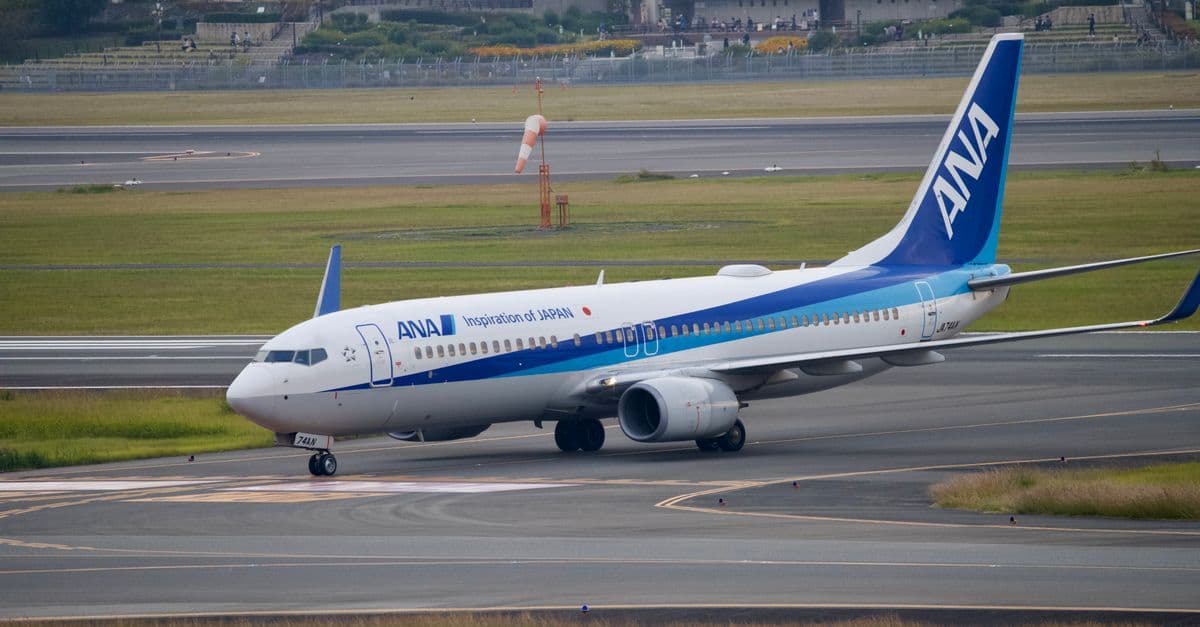
A two-week trip to Japan from Australia runs roughly A$3,500 to A$6,000 per person, all-in. That's the realistic spread: not the bare-minimum hostel run, and not the ryokan-and-Shinkansen splurge.
Here's how it breaks down.
Flights are the biggest fixed cost: roughly A$1,000 to A$1,500 return from Sydney, Melbourne, or Brisbane on economy fares in mid-season windows flightcentre.com.au. Shoulder season travel lands toward the lower end, as covered earlier in this guide.
Accommodation runs A$80 to A$200 per night depending on style. Capsule hotels and budget guesthouses sit at the lower end; mid-range business hotels in Tokyo and Kyoto push toward A$150 to A$200.
Food and local transport average A$40 to A$70 per day. Japan's convenience stores, ramen shops, and efficient city rail networks keep the daily spend surprisingly lean.
The 14-day Japan Rail Pass costs approximately A$750 to A$850 in 2026. For an itinerary covering Tokyo, Kyoto, Osaka, and Hiroshima, it pays for itself.
Data adds roughly A$11 to A$25 for a fortnight on a prepaid eSIM plan, a rounding error against the overall spend.
For most Aussies planning flights to Japan, A$4,500 per person is the practical midpoint: solid seats, comfortable rooms, and the freedom to eat and move without counting every yen.
Reviewed by HelloRoam's editorial team. Last updated: 02 June 2026.
Get Connected Before You Go


Frequently Asked Questions
February consistently delivers the lowest average fares from Australian cities to Japan, with cold weather and thin tourist crowds keeping demand low. September is a strong second option.
No visa is required. Australian passport holders can stay up to 90 days visa-free. Visit Japan Web registration is mandatory — it is free, takes 15 minutes, and generates a QR code for immigration.
A two-week trip to Japan costs roughly A$3,500 to A$6,000 per person all-in, with flights at A$1,000 to A$1,500, accommodation A$80 to A$200 per night, and food and transport A$40 to A$70 per day.
February and June offer the cheapest fares from Australia to Japan. Cherry blossom season in March and April pushes prices 40 to 50 percent above off-peak, and Golden Week in late April to early May is the most expensive window.
Sydney to Tokyo is approximately 10 to 11 hours nonstop. One-stop routes via Singapore or Hong Kong add roughly 3 to 5 extra hours but can noticeably reduce the fare.
Qantas, Japan Airlines, and ANA operate direct routes from Australian cities to Japan. Budget carrier options also serve Osaka's Kansai Airport from Melbourne and Sydney.
Golden Week from late April to early May is consistently the most expensive window. Cherry blossom season in March and April also pushes fares 40 to 50 percent above off-peak rates.
Booking 3 to 6 months ahead consistently secures lower fares before dynamic pricing tightens closer to departure. Midweek departures on Tuesdays and Wednesdays also tend to undercut weekend prices.
A prepaid eSIM is the most convenient option, activating before departure and connecting automatically on arrival. Airport SIM cards typically cost 30 to 50 percent more than plans purchased online in advance.
Australian carrier roaming in Japan typically runs A$10 to A$15 per day. Over a two-week trip that totals A$140 to A$210, far more expensive than a prepaid eSIM or local data plan.
Budget eSIM plans for Japan typically start around A$5 for 1GB over 7 days. A 5GB plan covering 30 days costs approximately A$15, a fraction of Australian carrier daily roaming rates.
Japan's mobile networks cover over 99 percent of the population with 4G, and 5G has spread across Shinkansen corridors and major city centres as of mid-2026. Signal dropout in tourist areas is rare.
For an itinerary covering Tokyo, Kyoto, Osaka, and Hiroshima, the 14-day Japan Rail Pass pays for itself. It costs approximately A$750 to A$850 in 2026 and covers most Shinkansen travel.
Australians need a valid passport (valid for the full stay), a return or onward ticket, and a free Visit Japan Web QR code obtained by pre-registering arrival details online before departure.
Yes. September offers lower fares and reduced crowds after the summer peak, with clear skies and early autumn colour in northern Honshu. It is a reliably cheaper window that many travellers overlook.
Sources
- Cheap flights to Japan — flightcentre.com.au
- Cheap Flights to Japan — skyscanner.com.au