


Thailand Holiday Packages at a Glance
Thailand holiday packages from Australia span a striking range. Budget 7-night Phuket trips sit at ~A$799 to ~A$1,299 per person webjet.com.au. Mid-range 10-night Bangkok-plus-beach packages run ~A$1,499 to ~A$2,499 tripadeal.com.au. Premium all-inclusive stays reach ~A$2,800 to ~A$5,500 for 10 to 14 nights deals.flightcentre.com.au.
Book in December or January and add 20 to 40 per cent to those base figures. Shoulder windows in February, March, September and October offer the same resorts at noticeably softer rates.
Telstra and Optus international roaming packs charge a daily flat rate that stings on a 10-day trip. An eSIM (a digital SIM activated by scanning a QR code) cuts that problem down. HelloRoam's eSIM for Thailand starts at ~A$5.41 for 1GB on AIS's 5G network, valid for 7 days. Activate on the plane, land with data running.
Key fact: HelloRoam's Thailand 1GB, 7-day eSIM costs ~A$5.41 and connects via AIS's 5G network.
Package prices vary this much for a reason. Here is why.
How Much Does a Thailand Holiday Package Cost per Person?
Packages beat DIY pricing most reliably on 7-night beach resort stays. Operators buy flights and hotel blocks in bulk, and that buying power flows through to the per-person rate in ways independent bookings rarely match.
Timing changes everything. Songkran in April and the Christmas-to-New-Year window push prices well above base rates. Those same weeks see flights from Sydney and Melbourne fill fast.
Three costs rarely appear in the headline quote: travel insurance, airport transfers, and mobile data. Roaming on a standard Telstra or Vodafone AU plan can cost more per day than a local eSIM would for the entire trip.
Price tells half the story. Contents tell the rest.
What Drives Package Prices Up?
Australian school holiday periods are the sharpest price lever in Thailand package pricing. The September-October break hits during Thailand's shoulder season, turning what should be a quiet window into a busy, expensive one.
Direct Jetstar flights from Sydney, Melbourne and Brisbane to Bangkok or Phuket undercut connecting itineraries jetstar.com. Routing via Kuala Lumpur or Singapore adds time and frequently adds cost.
Accommodation tier creates the biggest swing. A 4-star Phuket property might sit at a workable rate, but upgrading to a 5-star resort adds ~A$300 to ~A$500 per person per night. Across a 10-night stay, that restructures the entire budget.
Guided overland tours price differently altogether. A 14-day land package through Bangkok, Chiang Mai and the north runs ~A$1,800 to ~A$3,500 per person, flights not included tripadeal.com.au.
Costs mapped. Now what is actually inside the package?
What Do Thailand Holiday Packages Actually Include?
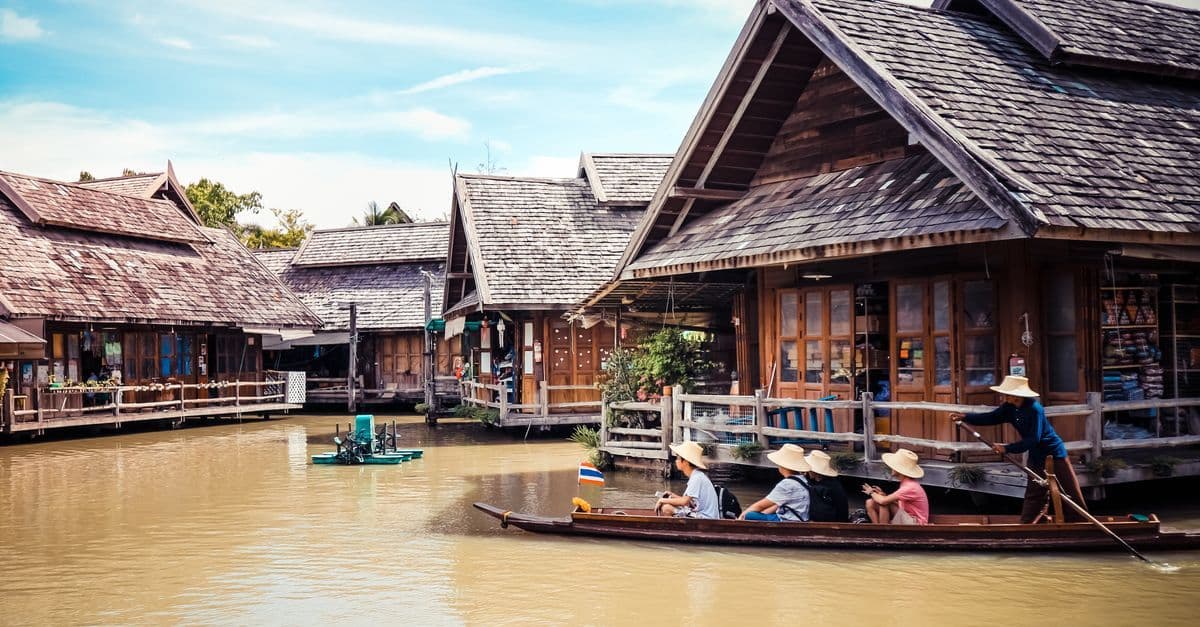
A Thailand holiday package at its most basic bundles return flights and hotel accommodation, nothing more. The headline price can look tidy until you realise how much sits outside it.
What you get depends on the tier:
- Budget (entry-level): Flights and hotel only. No meals, no transfers, no tours.
- Mid-tier: Airport pickups in both directions, plus two or three day tours included, typically a Bangkok city visit and a half-day excursion.
- Premium: Daily breakfast, guided multi-day excursions and often an internal flight between Bangkok and a beach destination.
The tier you choose reshapes how much you'll need to organise on the ground, and it affects which itinerary structures actually make sense for your trip.
The Bangkok and Beach Formula
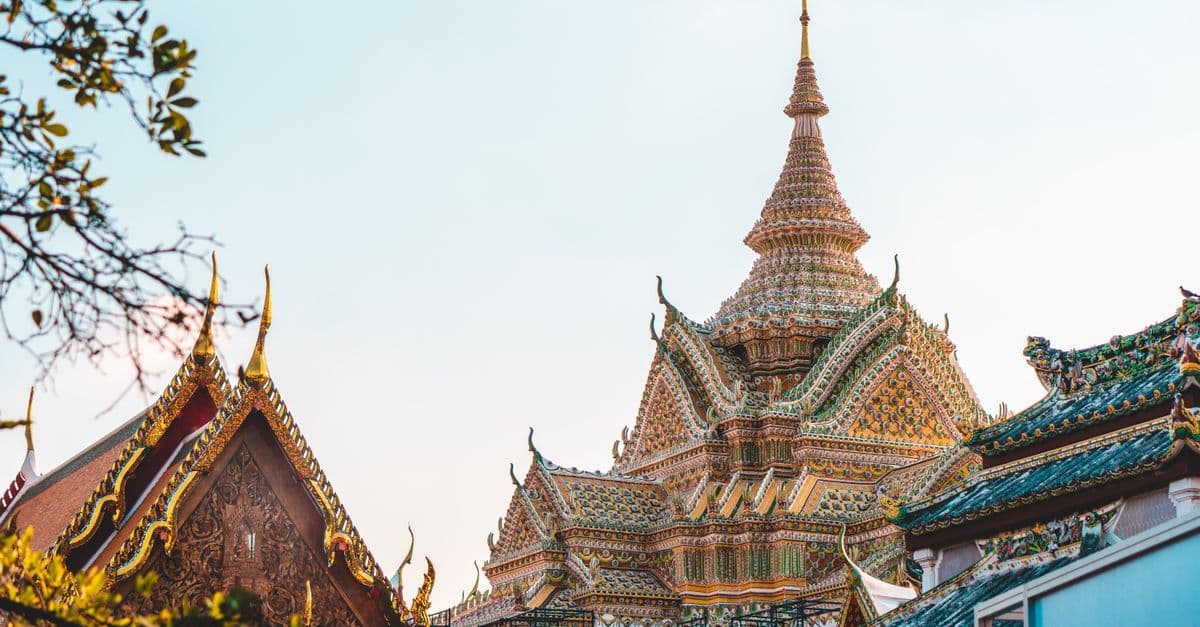
Most Australian Thailand packages follow a clear two-stop structure: two to four nights in Bangkok, then a domestic flight south to a beach destination. The connecting leg runs around A$80 to A$150 per person, which is why packages bundle it in rather than leaving it as a separate booking webjet.com.au.
Phuket takes the lion's share of beach finales. Krabi suits travellers who prefer quieter bays and limestone karst scenery over party strips. Koh Samui positions itself slightly upmarket, attracting a different crowd to Phuket's Patong area.
Here's what surprises most first-timers: the formula barely shifts by traveller type. Families swap cocktail bars for resort kids' clubs and splash pools travelonline.com. Couples book a hillside villa with a private plunge pool instead of a beachfront twin room. Solo packages run the same Bangkok-to-beach spine through smaller group departures.
Same skeleton, different skin.
When you book matters as much as where.
Best Time to Book Thailand Holiday Packages
February and March deliver the sharpest value for Thailand holiday packages from Australia. High season wraps by late February, peak school holiday surcharges clear, and resort availability opens without the January crush.
The practical breakdown by season:
- November to February: Cool, dry, and busy. Peak airfares apply throughout. January school holiday demand from Australia drives resort prices hard, particularly in Phuket and Koh Samui.
- February to March: The genuine sweet spot. Crowds thin after Chinese New Year, temperatures stay manageable, and packages typically track noticeably cheaper than the January high.
- June to August: The counterintuitive pick for the Andaman coast, Phuket and Krabi included. Prices drop roughly 30% against peak. The Andaman gets wet, but showers tend to be short and sharp rather than all-day grey.
- September to October: Better suited to the Gulf of Thailand side. Koh Samui and Koh Phangan hold steadier weather while the Andaman coast works through its own wet season.
Compare eSIM plans for Thailand — See 2026 pricing →
Songkran, Thai New Year on 13 to 15 April, pulls big Australian crowds every year. The surcharges that window carries are real, as the seasonal pricing section above covers. The water-fight chaos is worth experiencing once. Just don't expect it cheaply.
For peak departures, lock packages in three to six months ahead. The packages that disappear first aren't always the cheapest ones. They're the well-positioned rooms at the right resort that everyone wants.
Timing sorted. Now for the practical bit most Thailand guides skip entirely.
Staying Connected on Your Thailand Holiday
Thailand's 4G network covers Bangkok, Phuket, Chiang Mai, and Koh Samui reliably across AIS and TrueMove H networks. The coverage drops in remote national park interiors and back-road island tracks, not in the places most holiday itineraries actually visit.
Hotel Wi-Fi is the separate myth worth busting. Resort connections often cap at speeds that make Google Maps a genuine test of patience, let alone a video call home. Counting on the lobby router for daily navigation is a gamble most travellers regret by day two.
An eSIM sidesteps the problem before it starts. HelloRoam runs Thailand plans on AIS and TrueMove H, with a 5GB 30-day option at ~A$10.83 for anyone staying longer than a week. Activate at home, and data's live before the taxi clears the Suvarnabhumi arrivals hall.
Local SIM, eSIM, and hotel Wi-Fi compared side by side below.
Local SIM, eSIM or Hotel Wi-Fi: What Actually Works in Thailand
AIS and TrueMove H cover Bangkok, Phuket, Koh Samui, and the main island chains with reliable 4G and 5G. Here's how the three connectivity options actually compare:
Island hopping complicates the local SIM case. Koh Samui, Koh Tao, and Koh Phangan each have slightly different coverage pockets, and one carrier can drop out between ferry legs. An eSIM with multi-network access handles those hops more cleanly.
Key fact: HelloRoam's Thailand 10GB 30-day plan on AIS 5G costs ~A$15.45, suited to data-heavy itineraries spanning Bangkok and multiple islands.
The local SIM wins on raw data per baht. The eSIM wins on convenience: no passport queue at arrivals, data running from the taxi rank, no physical SIM to swap mid-transfer. After 20-plus hours in the air from Sydney or Melbourne, that tradeoff tends to sort itself.
eSIM for Thailand
Is $1,000 Enough for a Week in Thailand?
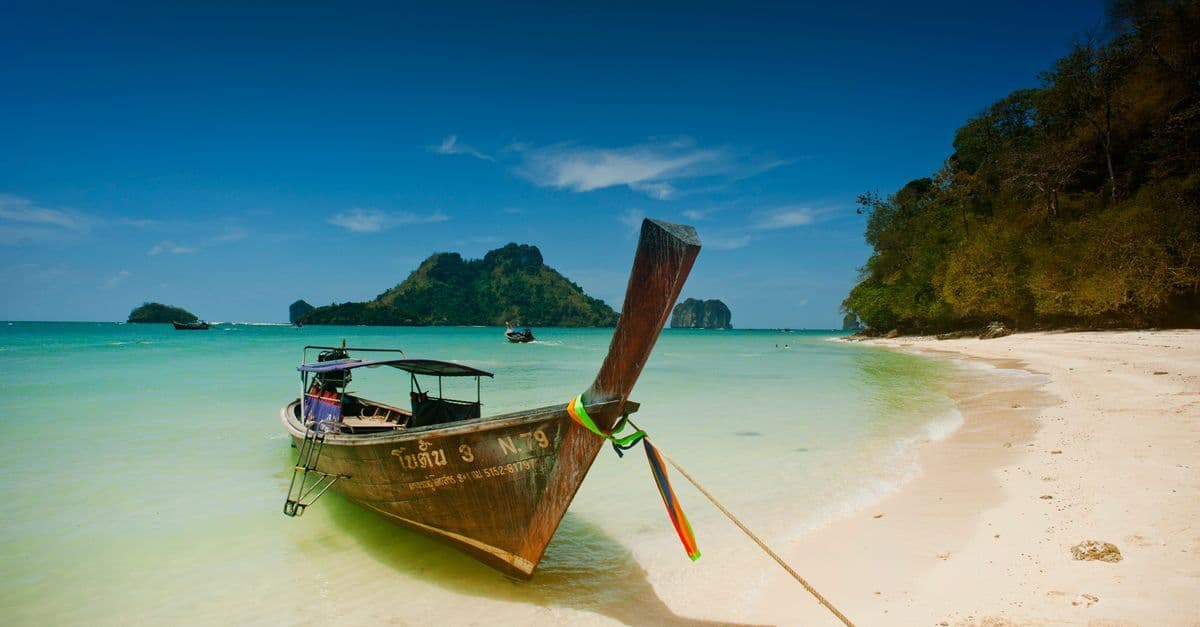
A$1,000 covers your ground costs in Thailand comfortably, including accommodation, food, local transport, and a few day trips. Flights from Australia are a separate budget item, and that distinction shifts the full cost picture considerably.
Work through the daily numbers. A clean guesthouse or mid-range hotel in Bangkok or Phuket runs A$30 to A$60 per night, and street food mixed with local restaurants keeps meals around A$20 a day. Over seven nights, that adds up to A$350 to A$560 on the basics before tours, drinks, or travel between cities.
Thailand's reputation for affordability is earned.
Add return economy flights from Sydney or Melbourne and the full trip lands between A$1,500 and A$2,000 for a comfortable week. Stretching 50,000 THB (around A$2,100) across 10 nights also works well, covering accommodation, food, local transport, and some paid activities without counting every transaction.
Overnight sleeper buses between Bangkok and Chiang Mai or down to Surat Thani cover both transport and a night's accommodation in a single fare. Guesthouses in Pai, Chiang Rai, and Koh Phangan run well below the equivalent room rates in Phuket or Koh Samui. For travellers with flexible itineraries, those routes are one of the more tangible budget stretches available.
Ground costs are manageable. Getting the month right can change the whole shape of the trip.
What Is the Best Month for Thailand Holiday Packages?
Thailand's clearest weather falls between November and February, with low humidity and reliable sunshine covering the whole country. The best month within that window depends on which coast you're visiting.
Phuket and Krabi sit on the Andaman coast, where conditions run best from November through April. That window overlaps with Australian summer holidays, which drives much of the peak-season package demand and the pricing premium that goes with it.
The Gulf coast runs a different calendar.
Koh Samui and the Gulf islands peak between December and August, making September and October a genuine value window for that side of the peninsula. Package prices soften from the peak rates noted earlier, resort crowds thin out, and Koh Samui's weather holds reasonably well across both months. The Andaman coast is wetter in September and October, so Phuket and Krabi in that window carry real weather risk.
Songkran, running 13 to 15 April with extended celebrations in Chiang Mai and Bangkok, draws Australians for a water festival that has no close equivalent elsewhere in the region. The surcharge noted earlier applies, packages fill months in advance, and there's no viable last-minute option. Book four to six months out, or build a different itinerary around it.
February is the clearest pick for most Bangkok and Phuket packages: past the Christmas premium, reliably dry, and priced below the January peak.
Reviewed by HelloRoam's editorial team. Last updated: 22 June 2026.
Get Connected Before You Go


Frequently Asked Questions
A$1,000 covers ground costs for a week in Thailand, including accommodation, food, and local transport. Add return flights from Australia and the full trip typically costs A$1,500 to A$2,000.
February is the best month for Bangkok and Phuket packages, past the Christmas premium, reliably dry, and priced below the January peak. The Gulf coast suits September and October.
A 7-night Thailand package from Australia costs around A$799 to A$1,299 per person including flights and hotel. A comfortable week with flights typically totals A$1,500 to A$2,000.
50,000 THB, roughly A$2,100, comfortably covers 10 nights in Thailand including accommodation, food, local transport, and activities. Flights from Australia are a separate cost.
Budget Thailand packages include return flights and hotel only. Meals, airport transfers, and day tours are arranged and paid separately once you arrive.
February and March offer the best value for Australia-to-Thailand packages. Peak surcharges have cleared, temperatures stay manageable, and resort rates are noticeably lower than January.
Premium all-inclusive Thailand packages from Australia cost roughly A$2,800 to A$5,500 per person for 10 to 14 nights, covering flights, hotel, daily meals, and guided excursions.
An eSIM activated before departure gives you live data from the moment you land, with no SIM swap or passport queue on arrival. Local tourist SIMs at Bangkok airport offer more data per dollar.
Tourist SIMs at Suvarnabhumi Airport cost 300 to 500 THB for 15 to 30GB valid up to 30 days. Budget eSIM plans for Thailand start from around A$5 for 1GB on 5G networks.
Resort Wi-Fi in Thailand is often throttled to speeds that make navigation apps unreliable. A local SIM or eSIM provides far more consistent data for maps, messaging, and calls.
Most Thailand packages follow a Bangkok-and-beach formula: two to four nights in Bangkok, then a domestic flight south to Phuket, Krabi, or Koh Samui. The connecting flight typically costs A$80 to A$150.
Book peak-season Thailand packages three to six months ahead, especially for Christmas, January school holidays, and Songkran. Popular rooms at well-positioned resorts sell out well before prices rise.
Mid-tier Thailand packages typically cover return flights, hotel, airport transfers, and two to three included day tours such as a Bangkok city visit and a half-day excursion.
Songkran is the Thai New Year water festival running 13 to 15 April, with major celebrations in Bangkok and Chiang Mai. Packages carry significant surcharges and sell out months in advance.
Package operators buy flights and hotel blocks in bulk, often producing per-person rates that independent bookings cannot match, particularly on 7-night beach resort stays from Australia.
Sources
- deals.flightcentre.com.au — deals.flightcentre.com.au
- Thailand Tours, Holiday Packages and Travel Deals — tripadeal.com.au
- Thailand Holiday Package Deals — jetstar.com
- Thailand Holiday Packages — webjet.com.au
- Thailand Holiday Packages — travelonline.com