

Flights to Japan from Australia: At a Glance
the overall fare by a useful margin.
Jetstar is the brisk budget pick for travellers not chasing lounge access or tight onward connections. The price gap against a Qantas direct can be sizeable outside peak season, though the longer journey means arriving with less energy for a full first day in Tokyo.
Sitting on Qantas or Velocity points? Run the numbers on a reward seat before paying cash. Codeshare redemptions on JAL occasionally deliver strong value on Japan routes, and it's worth checking both programs before you commit.
Ticket in hand. One admin task remains before you fly.
How Do I Find Cheap Flights to Japan from Australia?
February and May deliver the lowest average fares for flights to Japan from Australia skyscanner.com.au. Cherry blossom season (March to April) sends prices sharply higher, and school holiday blocks in July, October, and December push the calendar's expensive stretches further still.
The contrast hits when you tab between two searches on the same route. Same airline, same cabin class, five weeks apart in timing, and the fares look like different destinations entirely.
That's the sakura premium.
When to Book (and When to Avoid)
Set fare alerts three to six months ahead. Tools like Google Flights track route prices automatically and send notifications when fares shift on your target route, which cuts out the manual refreshing cycle. The best deals rarely announce themselves.
Midweek departures (Tuesday to Thursday) typically undercut Friday and Sunday prices skyscanner.com.au. Not every single week, but flexible-date searches surface noticeably cheaper options often enough that fixing on a date before checking alternatives is a mistake worth making once and learning from.
November is the reliable shoulder month. The weather in Japan is clear and cool, the foliage season draws visitors but at nothing like the spring scale, and fares run below peak levels from SYD, MEL, and BNE.
May offers a second value window once Golden Week clears. The rush subsides fast, and prices tend to settle well below the March to April spike.
Stretching the Budget With Points
Qantas Frequent Flyer and Velocity points can significantly reduce what a Japan trip costs from Australia. Both programs carry redemption options on routes to Tokyo Narita (NRT) and Osaka Kansai (KIX). Points deliver best value in business class, where cash fares are otherwise steep.
February remains the standout cheap month. Winter in Tokyo or Kyoto isn't the obvious first choice, but it's perfectly liveable, and airfares reflect the lower demand with prices to match.
Plan the calendar before you pick the airline.
Which Airlines Fly to Japan from Australia?
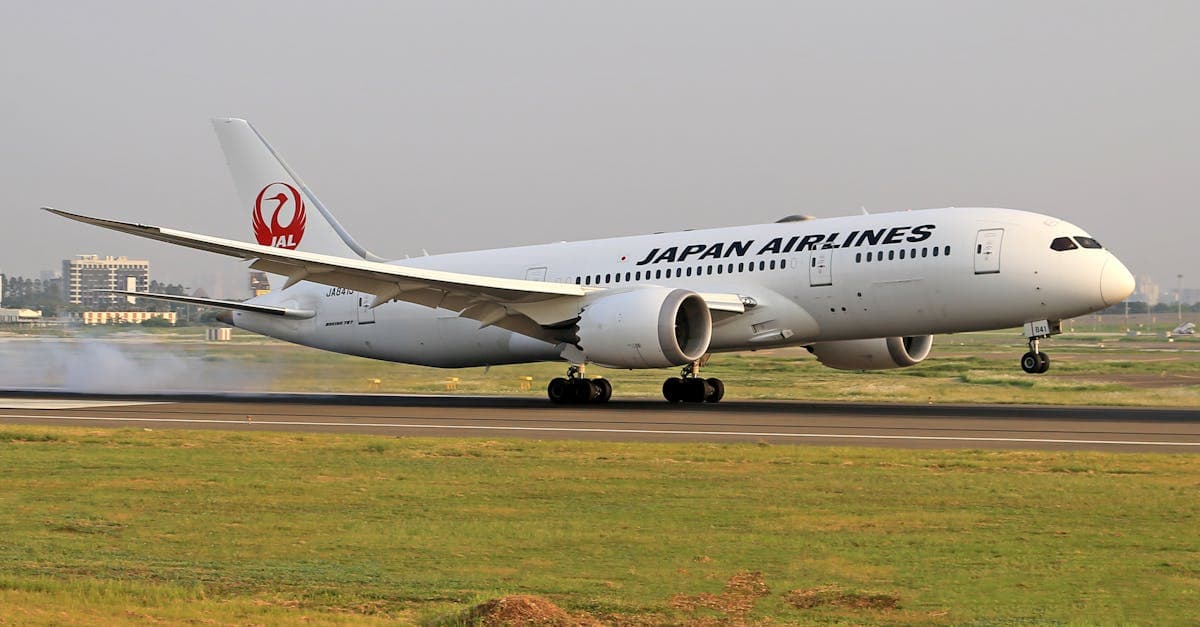
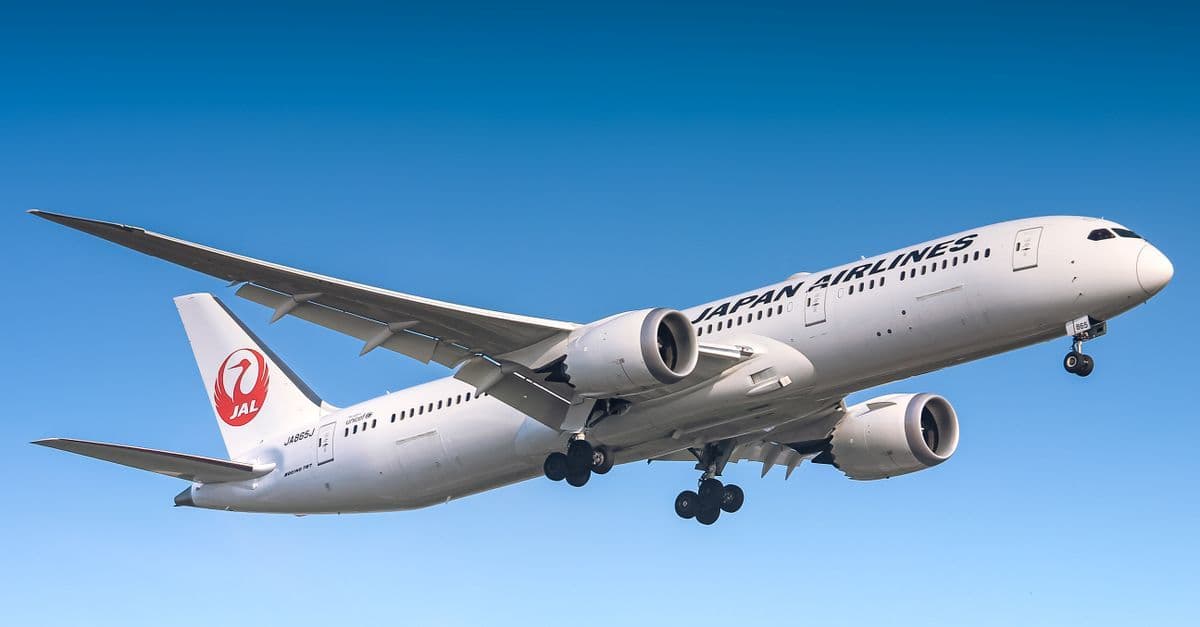
Qantas is the only carrier running direct flights to Japan from Australia, with nonstop services from Sydney and Melbourne to Tokyo Haneda flightcentre.com.au. Japan Airlines codeshares on select Qantas routes. ANA, Cathay Pacific, and Korean Air all connect through their respective hubs. Jetstar covers the budget end via Asian transit cities, with considerably longer journey times as the trade-off.
Direct vs. Connecting: The Real Trade-off
Direct flights to Japan cost more than connecting services: nonstop Qantas routes from Sydney and Melbourne to Tokyo Haneda carry a fare premium over one-stop options through Hong Kong or Seoul Incheon flightcentre.com.au. The lower-cost alternatives via Cathay Pacific and Korean Air offer layovers short enough that the total journey isn't punishing.
Picture clearing customs at Haneda while passengers from the same Sydney departure are still in a Seoul transit lounge, watching departure boards shuffle. That's the concrete advantage a nonstop route delivers, and it's why the fare premium exists.
Jetstar sits at the budget end. Fares are hard to beat.
The connecting journey is genuinely longer, though. For a week in Japan, that extra travel time carves into the itinerary in ways a longer trip can absorb more easily.
Qantas Points and Codeshare Routes
Qantas Points reach further than just Qantas-branded flights. Japan Airlines codeshares on select Qantas-operated routes, and points are redeemable on those codeshare services. If you're sitting on a solid points balance, that opens up JAL seat availability without booking directly through Japan Airlines.
Lock in your airline first. Then comes the question of what the whole trip costs once you're there.
Do Australians Need a Visa for Japan in 2026?
Australians enter Japan visa-free for stays up to 90 days, with no eVisa, no consulate appointment, and no paperwork mailed in advance. Entry is granted at the immigration counter on arrival. Your passport just needs to cover the full duration of your stay, nothing more.
The arrival process moves smoothly when you've prepared:
- Passport valid for your entire trip. Japan doesn't require the usual six-month validity buffer beyond your departure date. Match your travel dates and you're sorted.
- Proof of onward travel at immigration. A return flight booking or connecting itinerary is standard. Have it accessible on your phone.
- Pre-register on Visit Japan Web before you fly. Japan's government pre-registration platform lets you complete customs and immigration declarations digitally in advance. It won't eliminate the arrival queue, but counter processing is noticeably faster when it's done.
- No health documentation required. Japan removed all COVID-19 entry requirements in May 2023. No PCR tests, no vaccination certificates, nothing medical.
Ninety days covers even the most ambitious itinerary most Australians would build. Most trips run two to four weeks, so you won't approach the limit. One thing immigration can occasionally ask about: proof you have sufficient funds to support your stay. Rarely raised in practice, but the requirement exists.
Compare eSIM plans for Japan — See 2026 pricing →
Entry sorted. What does the whole trip set you back?
How Much Would a 2 Week Trip to Japan Cost in AUD?
A two-week Japan trip typically runs A$3,500 to A$5,000 all-in for budget travellers, or A$6,000 to A$9,000 mid-range including flights and accommodation. Daily spend on the ground sits at roughly A$100 to A$200 per person, depending on your choices.
The sticker shock for most Australians isn't the flights. It's landing in Tokyo and realising how many things sit outside the headline number.
Food is where Japan surprises most first-timers. Ramen counters, conveyor belt sushi, and convenience store meals that rival most Sydney cafes on quality: eating where locals eat keeps the daily budget lean. Accommodation tells a different story. Capsule hotels and guesthouses hold the budget line; mid-range hotels in central Kyoto or Tokyo during peak periods push totals up sharply.
Transport deserves its own planning before you go. A JR Pass (Japan Rail Pass, covering Shinkansen bullet train travel across most routes) earns its cost on a multi-city itinerary. Tokyo to Osaka to Hiroshima to Kyoto: a 7-day or 14-day pass typically pays for itself compared to buying individual tickets on those same routes.
The costs that catch people out are smaller and quieter. An IC card (a reloadable card for city trains, buses, and most convenience stores) needs a deposit and an initial top-up. Travel insurance is not optional given Japan's private hospital fees. And mobile data, which feels like a minor line item until you're offline at Shibuya Crossing trying to find the exit.
One overlooked cost: mobile data in Japan.
Staying Connected in Japan: eSIM, SIM Cards and WiFi
Japan has strong 4G LTE and 5G coverage across its cities, tourist routes, and rail corridors, served by NTT Docomo and KDDI/au. The three main options for Australian travellers are pocket WiFi devices, airport SIM cards, and eSIMs (digital SIM profiles that install without a physical card). Each has a different trade-off worth knowing before you land.
Pocket WiFi devices are collected at an airport counter on arrival and returned before departure. That return step is fiddly on early checkout mornings. Speeds also drop when multiple devices share the same connection simultaneously.
Airport tourist SIM cards are available at arrival kiosks. Check the data cap terms before buying. Some plans throttle speeds sharply after a low threshold, buried in the fine print. They typically include voice calls, which Japanese tourist eSIM plans don't, though most Australians use WhatsApp or FaceTime regardless.
eSIMs skip the kiosk queue. Scan the QR code mid-flight, and the profile installs before you touch down. Signal is live before you clear immigration. After 20-plus hours airborne, arriving with data already running removes one friction point from a full arrival day.
HelloRoam offers Japan eSIM plans on KDDI/au's 5G network, from ~A$5.41 for 1GB over 7 days. For a two-week trip, the 5GB 30-day plan at ~A$14.71 suits most moderate data users. Plans are contract-free and support tethering (sharing your phone's data connection with a laptop or tablet).
Key fact: HelloRoam Japan eSIM plans start from ~A$5.41 for 1GB/7 days on KDDI/au's 5G network.
Australians on dual-SIM (two active profiles on one handset) devices can run a Japan eSIM alongside their Telstra, Optus, or Vodafone AU number. Your Australian number stays active for bank OTPs and two-factor authentication codes. No temporary number, no scramble for hotel WiFi when a verification code arrives.
eSIM for Japan and land with data running. Still have questions? The common ones are answered below.
Frequently Asked Questions About Flights to Japan
February and May are the cheapest months to fly to Japan from Australia skyscanner.com.au. One critical nuance: Golden Week runs late April into early May, and fares within that window spike noticeably. May travel booked for after the first week of the month consistently runs cheaper than during the Golden Week rush itself.
Do Australians need a visa for Japan in 2026?
No eVisa, no pre-registration, no fees. As of June 2026, Australians enter Japan visa-free for stays up to 90 days, with entry granted on arrival on a valid passport. There are no current health-related entry restrictions in place for Australian travellers.
Do budget airlines charge extra for checked bags?
Yes, always check at booking, not after. Jetstar and other low-cost carriers list base fares without checked luggage included. Add a 23kg bag in each direction and the headline price gap between budget and full-service closes faster than most travellers expect.
Bag costs are set per route.
Is travel insurance worth it for Japan?
Yes, unequivocally. A decent policy covers overseas medical expenses, trip cancellation, and flight disruption. Japan's hospitals are excellent but charge international visitors at full cost. One emergency admission without cover can consume a week's travel budget in a single bill.
Can I earn Qantas Points on flights to Japan?
Yes. Qantas Frequent Flyer partners with Japan Airlines (JAL), meaning points earn and redeem on JAL-operated services. A Tokyo redemption is genuinely achievable if you've accumulated a solid bank. Check the earn rate against current cash fares before committing either way.
What data options are available when I land?
Japan's mobile coverage across cities and tourist routes is strong, served by NTT Docomo and KDDI/au. eSIM plans activate digitally and suit most modern smartphones, with options spanning multiple data volumes and trip lengths. Match the plan to how many days you're actually on the ground.
Reviewed by HelloRoam's editorial team. Last updated: 23 June 2026.
Get Connected Before You Go


Frequently Asked Questions
February and May offer the lowest fares for flights to Japan from Australia. Avoid Golden Week in late April to early May as prices spike. Book May travel after the first week for the best deals.
February and May are the cheapest times to fly to Japan from Australia. Cherry blossom season from March to April sends prices sharply higher, and school holiday blocks in July, October, and December are also expensive.
Australians enter Japan visa-free for stays up to 90 days. No eVisa, consulate appointment, or advance paperwork is required. Entry is granted at the immigration counter on arrival with a valid passport.
A two-week Japan trip costs roughly A$3,500 to A$5,000 for budget travellers, or A$6,000 to A$9,000 mid-range, including flights and accommodation. Daily spend on the ground is around A$100 to A$200 per person.
Qantas is the only carrier running direct flights to Japan from Australia, with nonstop services from Sydney and Melbourne to Tokyo Haneda. Japan Airlines codeshares on select Qantas routes.
Direct Qantas flights to Tokyo carry a fare premium over one-stop options via Hong Kong or Seoul. Cathay Pacific and Korean Air offer short enough layovers that the total journey is manageable, at a lower cost.
November is a reliable shoulder month with clear, cool weather and fares below peak levels from Sydney, Melbourne, and Brisbane. Late May, after Golden Week clears, is also a strong value window.
Travel insurance is strongly recommended for Japan. Hospitals are excellent but charge international visitors at full cost, and one emergency admission without cover can consume an entire week's travel budget.
Yes. Qantas Frequent Flyer partners with Japan Airlines, meaning points can be earned and redeemed on JAL-operated services to Japan. Business class redemptions typically deliver the strongest value.
Australian travellers in Japan can choose from eSIM plans, airport tourist SIM cards, or pocket WiFi devices. eSIMs activate digitally before you land, avoiding airport kiosk queues on arrival.
An eSIM is a digital SIM profile that installs on your phone without a physical card. Scan a QR code mid-flight and data is active before you clear immigration, removing one friction point from a long arrival day.
Japan has strong 4G LTE and 5G coverage across cities, tourist routes, and rail corridors, served by NTT Docomo and KDDI/au. Coverage is reliable on major Shinkansen routes and in most tourist areas.
Budget eSIM plans for Japan typically start from around A$5 to A$6 for 1GB over 7 days. For a two-week trip, a 5GB 30-day plan at roughly A$15 suits most moderate data users.
A Japan Rail Pass is worth considering for multi-city itineraries. Tokyo to Osaka to Hiroshima to Kyoto on a 7- or 14-day pass typically costs less than buying individual Shinkansen tickets for those routes.
Yes. Budget carriers list base fares without checked luggage included. Adding a 23kg bag in each direction can significantly reduce the price gap between budget and full-service airlines.
Dual-SIM phones can run a Japan eSIM alongside your Australian number simultaneously, keeping your home number active for bank OTPs and two-factor authentication codes without needing a temporary number.
Visit Japan Web is Japan's government pre-registration platform for completing customs and immigration declarations digitally before arrival. It speeds up counter processing, though it does not eliminate the arrival queue entirely.
Sources
- Cheap flights to Japan — flightcentre.com.au
- Cheap Flights to Japan — skyscanner.com.au