

Vietnamese Street Foods: The Essential Guide for Australian Travellers

Quick Answer: vietnamese street foods
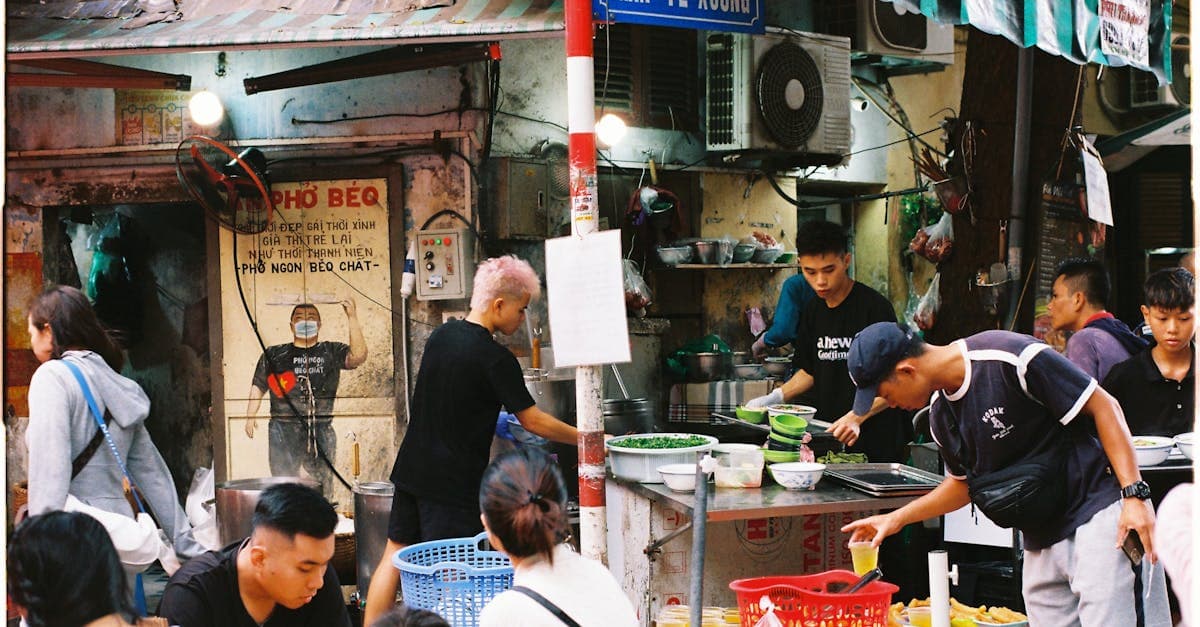
Vietnamese street food covers the dishes sold from roadside carts, wet markets, and plastic-chair eateries across Hanoi, Ho Chi Minh City, Hoi An, and Da Nang. The core list runs to around ten dishes: pho, banh mi, goi cuon, bun cha, cao lau, bo la lot, com tam, banh xeo, ca phe sua da, and banh bao. Meals are affordable by any Australian benchmark.
The cuisine relies on fresh herbs, rice noodles, and slow-cooked broths. Flavours shift significantly by region. Hanoi is restrained and broth-focused; Ho Chi Minh City is sweeter and more herb-forward. The differences are substantial enough that eating your way from north to south reveals a different menu at each stop vietnam.travel.
Mobile data is a practical necessity here. Google Maps locates vendors that printed guides miss, and Google Translate handles Vietnamese-only menus. Getting connected before you land matters more than most travellers anticipate, particularly after a long-haul flight from Australia.
Quick Answer: What Are the Must-Try Vietnamese Street Foods?
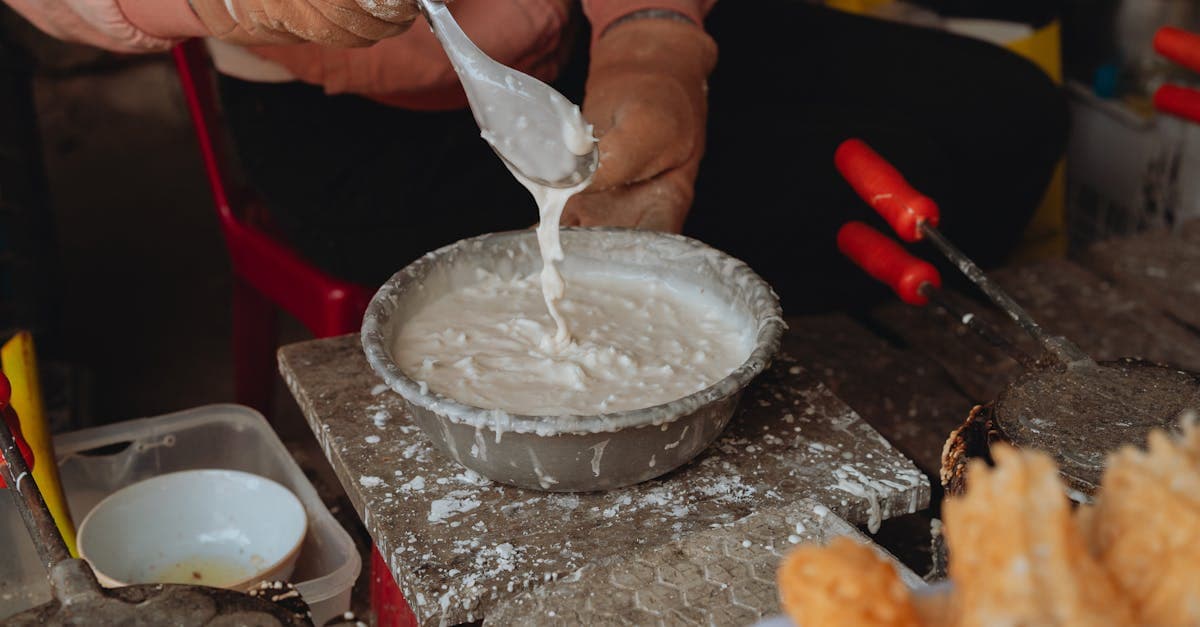
Ten dishes define the full Vietnamese street food experience. Pho, banh mi, goi cuon, and bun cha are the ones to prioritise. Miss those and the list stays incomplete. Cao lau, bo la lot, com tam, banh xeo, ca phe sua da, and banh bao round out the picture, each distinct enough to justify a separate meal. Prices start at ~A$1.20 at roadside stalls vnstreetfoods.com.au.
That starting point is worth sitting with. Australians routinely spend more on a flat white than on a full banh mi stuffed with pate, pickled daikon, and coriander.
Key fact: A full day of eating across four or five dishes in Vietnam typically costs ~A$15 to A$25 at roadside stalls, well below the cost of a single café meal in most Australian cities.
Finding the right stalls is where mobile data earns its place. Google Maps surfaces laneway vendors no hotel map covers. Google Translate decodes Vietnamese-only menus in seconds. Telstra and Optus international day passes run ~A$10 per day, an amount that compounds across a nine-to-fourteen-day trip. For Vietnam data options before you fly, Browse All eSIM Plans and compare current pricing.
Each dish has a story worth knowing.
The Essential Vietnamese Street Foods Every Australian Should Eat
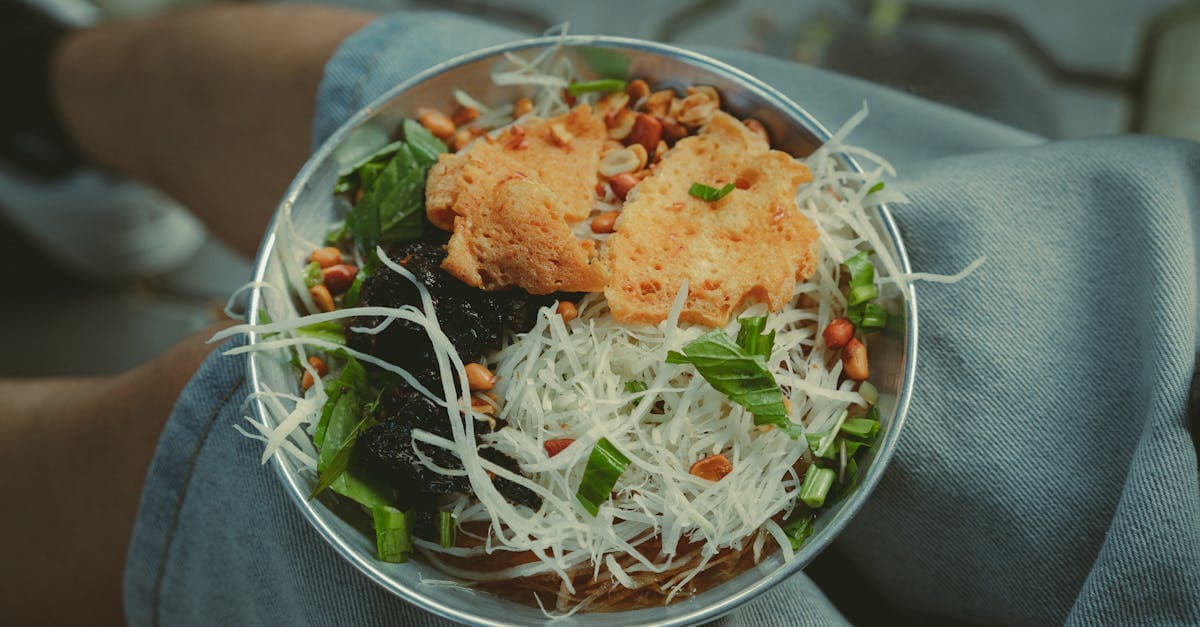
Each of the ten essential Vietnamese street foods rewards individual attention, with prices starting at approximately A$1.20 at roadside stalls. Pho anchors the list: a Hanoi bowl runs ~A$2.40 to ~A$4.80, served with clear broth simmered since early morning, flat rice noodles, and thin slices of beef. The depth is understated. It earns its reputation without announcing it.
The banh mi is where Vietnam quietly rewrote a colonial recipe.
Vietnam's baguette tradition arrived with French colonisers and became something local: a shorter, crustier loaf filled with pate, pickled daikon, cucumber, coriander, and grilled protein. Sold nationwide for under A$3 at most roadside stalls, it's a complete meal in hand. The first time you order one, pointing at the handwritten board, watching the vendor split the baguette and stack the fillings in under a minute, taking it wrapped in paper while still at the cart, the gap between A$3 and a Sydney café price turns concrete fast. Hoi An's version draws sustained international attention, and the queues at well-regarded vendors confirm that reputation is earned eatsleepbreathetravel.com.
Goi cuon (fresh rice paper rolls) are the clean alternative to anything fried. Translucent rice paper wraps vermicelli noodles, prawns or pork, mint, and lettuce, served with dipping sauce. No oil, no heat. The appeal is in the contrast between soft noodles and crisp herbs.
Bun cha belongs strictly to Hanoi. Grilled pork patties and sliced belly sit in a shallow bowl of warm, slightly sweetened broth, served alongside dry vermicelli and fresh greens. You combine them at the table. Head south looking for it and you'll find pale imitations.
Cao lau is Hoi An-only. Thick noodles, char siu-style pork, crispy rice crackers, and local greens. The noodles are made using water from a specific local source, which is why authentic versions exist only within the Old Town. According to vietnam.travel, genuinely authentic cao lau simply cannot be replicated outside Hoi An. Genuinely curious in the best sense.
Bo la lot is a charcoal-grilled snack of minced beef and lemongrass wrapped in betel leaf. Two bites, intensely smoky and herbal. Find a vendor with active coals and order without deliberating.
Banh bao, steamed pork buns with Chinese-influenced roots, are sold warm from carts across most Vietnamese cities. Filling, reliable, no complexity required. Ca phe sua da, iced coffee with sweetened condensed milk, turns up at every meal and costs next to nothing. It's the default accompaniment to almost any outing.
Com tam is the soul of Ho Chi Minh City's street-food scene. Broken rice paired with grilled pork chop, shredded pork skin, steamed egg custard, and nuoc cham for dipping. Morning food by tradition, available on pavements all day.
Banh xeo closes the list: a rice flour crepe tinted yellow with turmeric, filled with pork belly and prawns, folded and wrapped in lettuce before eating. The name means "sizzling cake," which accurately describes the noise of batter hitting a hot pan.
Where you eat shapes everything you get.
North vs South: How Vietnamese Street Food Changes by Region
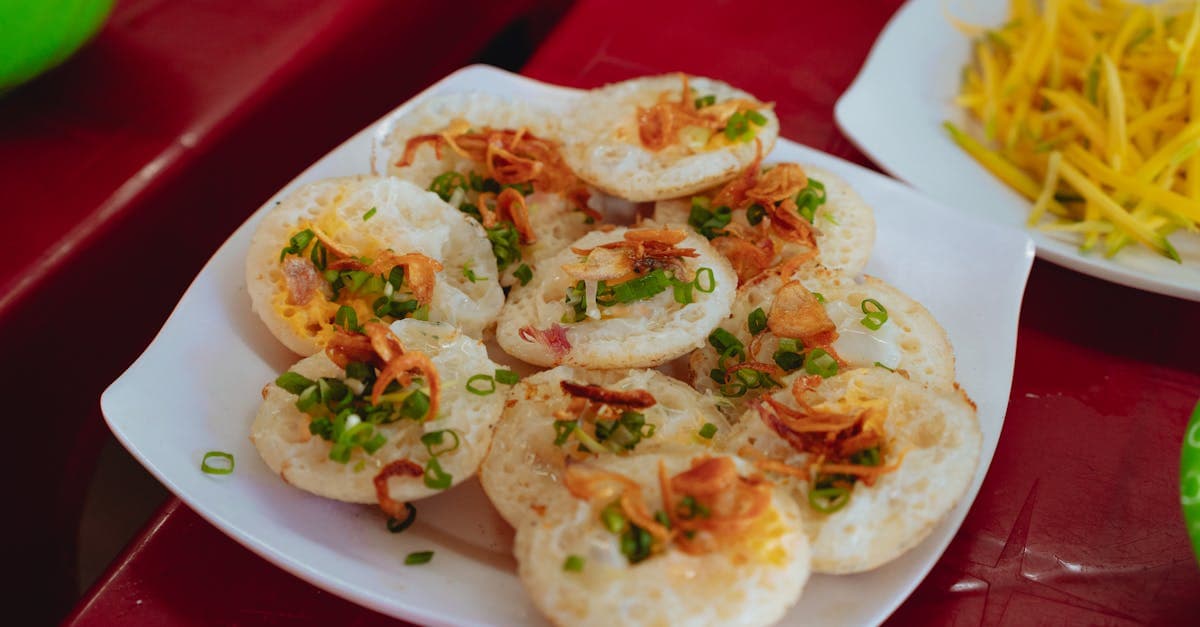
The regional divide in Vietnamese street food is significant and consistent. Hanoi favours clear, restrained broths with minimal garnish; Ho Chi Minh City delivers sweeter, herb-forward versions of the same dishes, with bean sprouts, fresh basil, and sliced chilli as standard. Travellers who spend time in both cities find the contrast sharper than expected bruisedpassports.com.
Order pho in Hanoi and the bowl arrives pale and lightly seasoned. A mediocre broth has nowhere to hide when so little accompanies it. Order pho in HCMC and the bowl comes richer, slightly sweeter, surrounded by a generous garnish plate. Same name. Different philosophy entirely.
HCMC goes bigger across the board.
Herbs arrive in generous piles. Sauces appear beside every dish as standard. Sweetness features in broths and dipping liquids where northern cooks add none. Com tam, broken rice with grilled pork, is a southern institution that barely surfaces in Hanoi. Bun cha runs the opposite direction: grilled pork with vermicelli broth, found in Hanoi laneways, largely absent from HCMC.
Hoi An operates by its own rules. Cao lau noodles and banh vac (white rose dumplings) exist nowhere else in Vietnam, both products of locally sourced ingredients that don't replicate outside the Old Town. A food stop there is worth building into any multi-city itinerary.
Da Nang brings mi quang: flat noodles with pork, prawns, quail eggs, a shallow turmeric broth, and crispy rice crackers on top. Lighter than pho, more textured than most noodle dishes in the north. Banh trang cuon thit heo, pork and vegetables rolled in rice paper, is a local staple that most travellers walk past without recognising.
The practical point for planning: the Vietnamese street food menu changes substantially at each city. An itinerary spanning Hanoi, Hoi An, Da Nang, and HCMC covers a meaningfully different set of dishes at every stop. Spotting the right stall is its own skill.
How to Order Vietnamese Street Food Without Speaking the Language
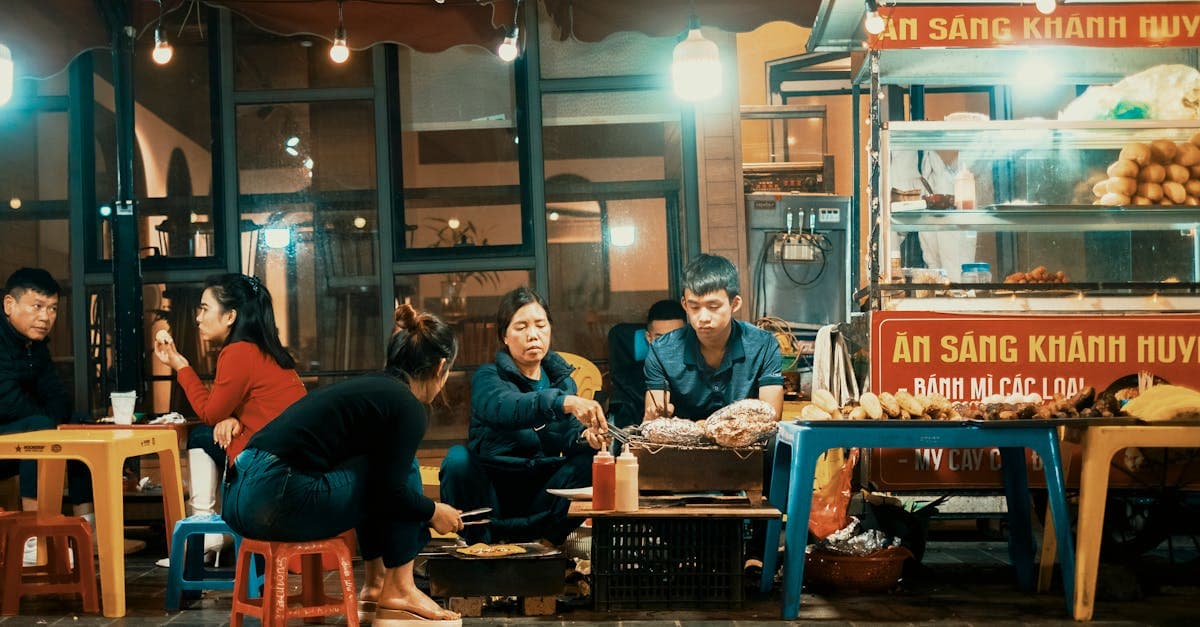
Ordering Vietnamese street food without speaking the language is straightforward in practice. Vendors in Hanoi, Ho Chi Minh City, and Hội An handle tourist orders constantly, and a confident point at the bowl you want, followed by holding up one finger, is understood without hesitation.
Step 1: Use Google Translate's camera function
Hold your phone over any handwritten chalkboard or laminated menu and the app overlays a live translation in seconds. It handles printed Vietnamese menus with reasonable accuracy. The catch: it needs live mobile data. Offline mode covers a narrow vocabulary, but Vietnamese tonal characters trip the algorithm regularly.
Step 2: Learn four words
Four words cover most ordering situations at Vietnamese street food stalls:
- Mot (one): paired with a raised finger, universally understood
- Khong (no): a single head shake reinforces it
- Cam on (thank you): earns a genuine response every time
- Khong cay (not spicy): worth knowing if you're heat-sensitive
Step 3: Look for QR codes
City markets in Hanoi and Ho Chi Minh City increasingly post QR codes at stall counters. Scan one and you get a picture menu with prices in Vietnamese dong. No guessing what you've ordered.
Step 4: Carry an allergy card
For serious dietary restrictions, Vietnamese-language allergy cards downloadable through apps like SelectWise or Equal Eats let you hand a vendor a card written in their language. Cross-contamination at shared woks is common and underreported. A card is the thoughtful option; relying on verbal communication alone carries real risk.
Translation tools need mobile data to function. That dependency matters more than most travellers plan for.
The prices will surprise you too.
What Does Vietnamese Street Food Cost from an Australian Wallet?
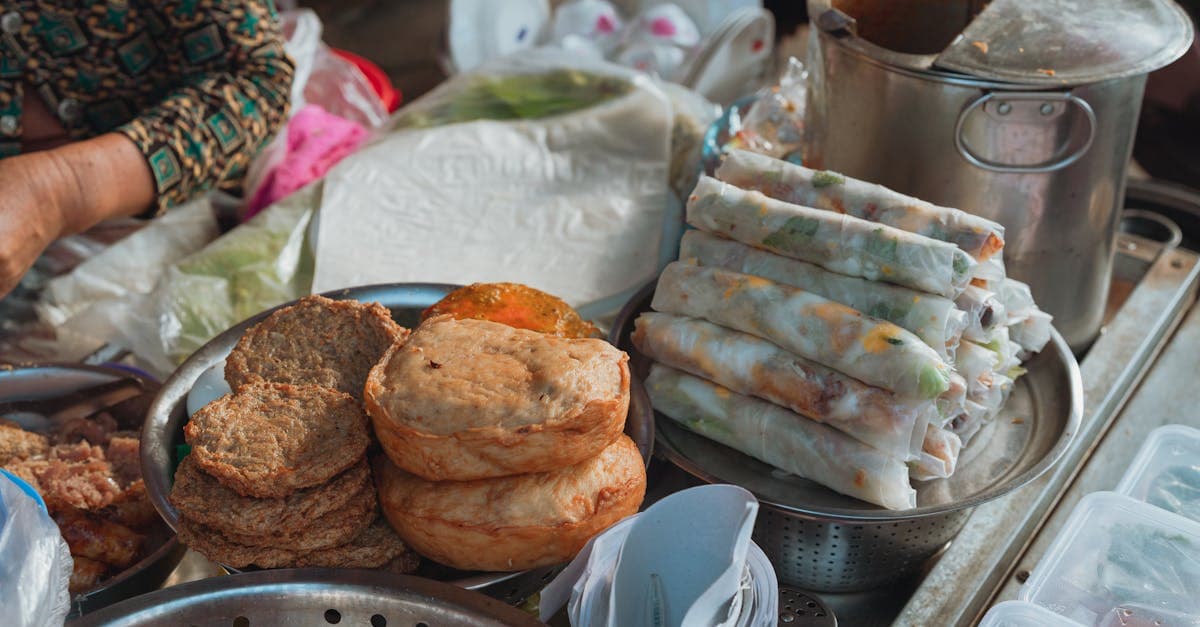
Eating exclusively at Vietnamese street stalls costs well under what most Australians spend on a single café brunch. The contrast sharpens considerably when you put Sydney prices next to what the same food costs roadside in Hội An or Hanoi.
A comparable banh mi at an inner-city Sydney café runs around A$22. Vietnam's version? The prices from earlier in this guide. That gap is hard to process until you've bought a third one in a day and still spent less than your morning flat white back home.
Bia hoi deserves its own mention. Fresh draught beer brewed daily and served from low plastic stools on the pavement, it undercuts any Australian pub price by a considerable margin. The table below shows the full picture.
Paying on the street
Cash in Vietnamese dong is the practical default at most stalls. Traditional wet market vendors and roadside carts rarely carry card readers, and change for large-denomination notes dries up fast. Smaller denominations remove friction.
QR payments via MoMo and ZaloPay are spreading through permanent stalls in Hanoi and Ho Chi Minh City, particularly at spots with printed menus. Both apps require active mobile data to process a transaction. Currency converters and banking apps share the same dependency: no data connection, no payment.
Finding those stalls reliably needs one more thing.
Staying Connected While Exploring Vietnam's Street Food Scene
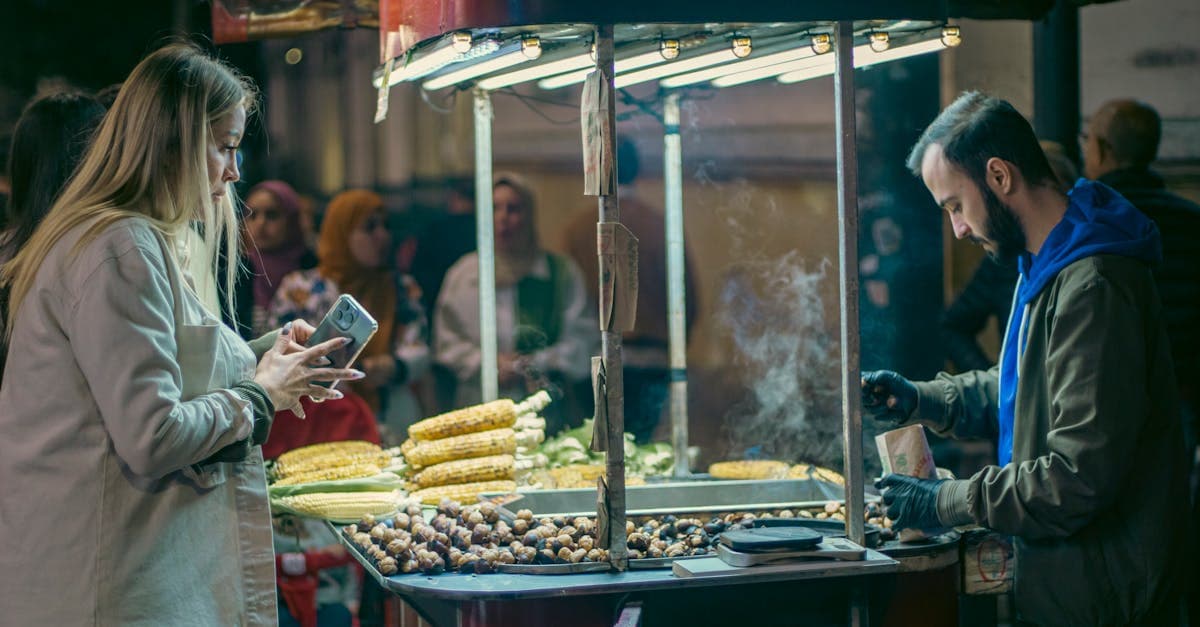
Mobile data is essential for navigating Vietnamese street food culture effectively. Google Maps leads you to the right alley in Hanoi's Old Quarter. Google Translate reads the handwritten menu board at a Hội An cart. Foody.vn and Zomato surface vendor reviews and photos before you commit to a queue. All three go dark without a live connection, and hotel Wi-Fi shared across dozens of rooms rarely fills the gap.
Sort your data before you board in Sydney.
Comparing your options
A local Viettel SIM at the airport remains the highest-value option for longer itineraries. ~A$9 to A$18 covers 5 to 15 GB plus local calls, comfortably enough for a nine to fourteen-day trip with maps, translation, and photo uploads. The trade-off is real: your phone must be carrier-unlocked, and your Australian number goes inactive while the Vietnamese SIM is running. For anyone relying on an Australian mobile to receive bank OTPs, that creates a workable but inconvenient gap.
Telstra, Optus, and Vodafone AU day passes cost the per-day rate covered earlier in this guide. Fine for a brief stopover. Over ten days, the cumulative bill considerably outpaces any eSIM alternative on the market.
HelloRoam offers Vietnam eSIM plans that activate before boarding, keeping a dual-SIM setup intact so your Australian number stays live alongside your local data connection. Browse All eSIM Plans to compare options before you fly.
Vietnam's 5G network is live as of early 2026 in Hanoi, Ho Chi Minh City, and Da Nang, primarily via Viettel and Vinaphone. Coverage outside those three cities sits at 4G in most areas, which handles maps and translation tools without issue.
A few questions come up on every Vietnam trip.
Vietnamese Street Food: Your Questions Answered
Smartraveller rates Vietnam at Level 1, the same standard precautions applied to Japan and France. That's the accurate baseline for any safety concern before the trip.
Is street food in Vietnam safe to eat?
Turnover is the reliable indicator. A stall cycling through 40 bowls an hour has fresher ingredients and hotter oil than one sitting quiet all morning. Queue where locals queue. Food prepared over live flame or ladled from a rolling stockpot carries lower risk; pre-cooked meats sitting in open air are the category to avoid, regardless of location. Machine-made ice at established cafes is generally fine; block ice at traditional wet market stalls is the higher-risk option for drinks. Google Maps reviews, pulled up on mobile data, add a useful layer: vendors with consistent ratings across hundreds of visits have earned some trust.
Can vegetarians manage?
Better than most Southeast Asian cuisines allow. Buddhist vegetarian restaurants, called com chay, operate near temples across the country. Pho chay (vegetarian pho) appears on city menus throughout Vietnam. Fish sauce is the layered complication: foundational to the cuisine, it appears in dishes that don't advertise it. "Khong nuoc mam" (no fish sauce) is a useful phrase, though kitchen follow-through varies.
Do prices need negotiating?
No. Prices at Vietnamese street food stalls are fixed and usually posted on boards or laminated menus. Haggling at a food stall isn't the norm and creates unnecessary friction. Tourist markets are a different matter entirely.
The considered approach to a first Vietnamese street food trip: eat where locals eat, carry small-denomination dong, and download offline maps before you leave home. As vietnam.travel notes, eating when and where locals eat is the most reliable method for finding the best food at every stop.
Which Vietnamese Street Foods Are Vegetarian or Vegan?
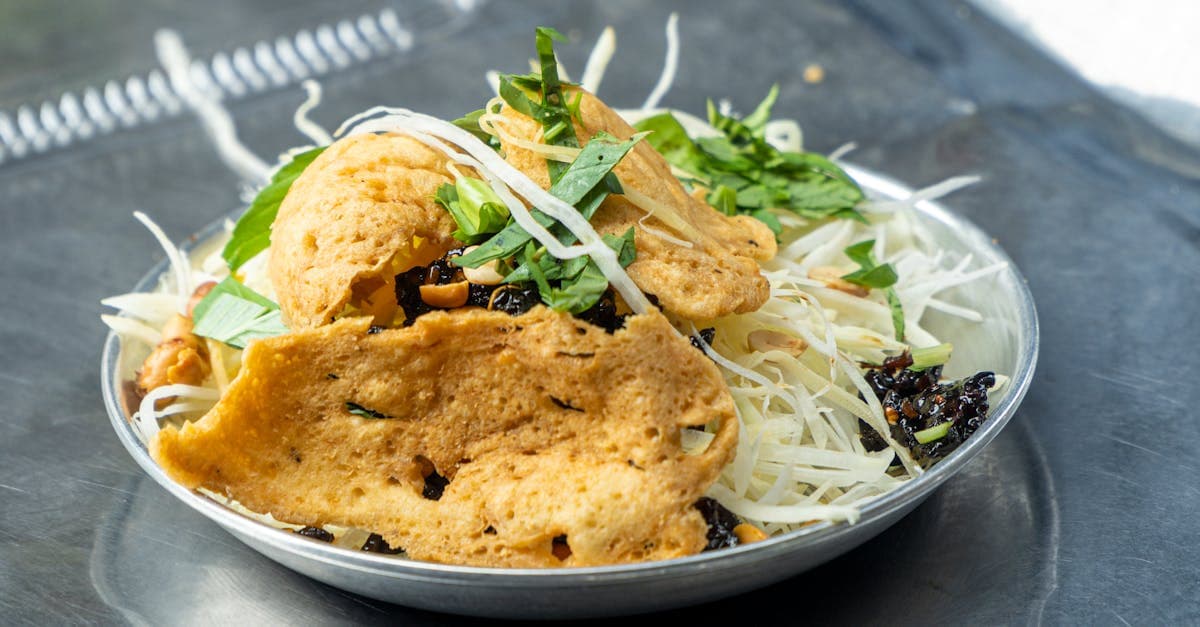
Vietnam's Buddhist chay tradition makes plant-based eating more accessible than most Southeast Asian destinations vietnam.travel. Dedicated vegetarian stalls cluster near pagodas and wet markets in every major city.
What works well: Pho chay uses mushroom and vegetable broth in place of beef bones. Goi cuon with tofu is a straightforward swap. Banh mi chay replaces pate and cold cuts with grilled vegetables and pickled daikon.
What needs checking: Fish sauce hides in dressings and dipping sauces that look plant-based at first glance. HappyCow locates vegan-confirmed vendors across Hanoi and Ho Chi Minh City with user-verified detail. A printed allergy card in Vietnamese, or a Google Translate camera scan, resolves the question before you order.
Payment at street stalls is the last practical hurdle.
Do I Need Cash or Can I Pay by Card at Street Food Stalls?
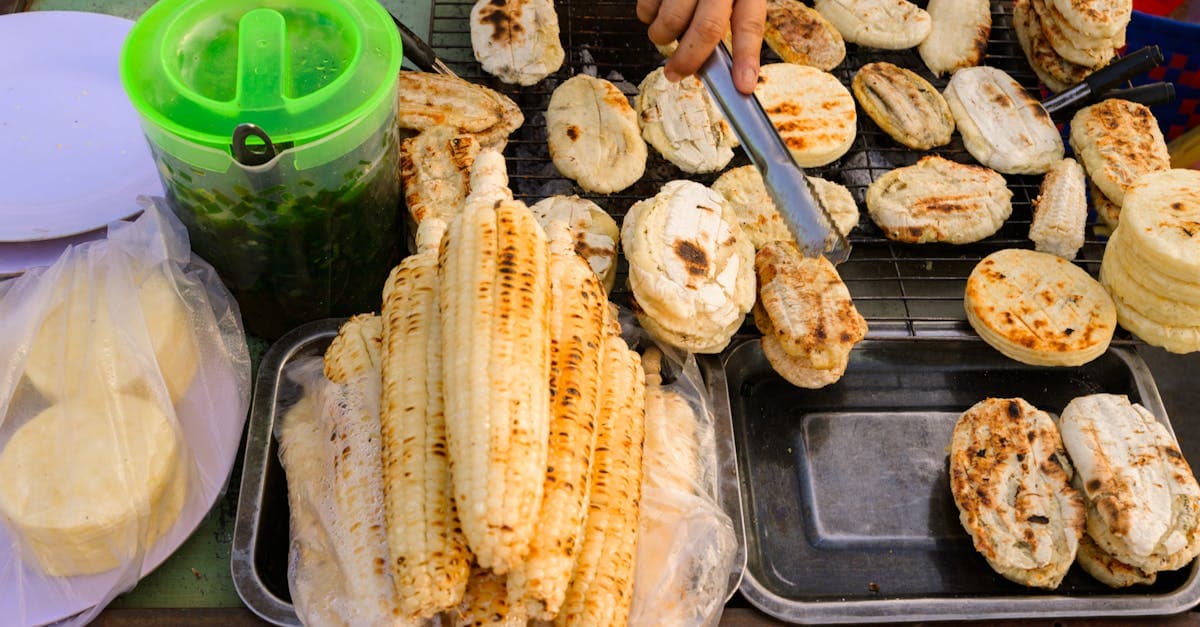
Vietnamese Dong cash is the practical choice for most street stalls in 2026. Cards are rarely accepted at roadside carts and wet market vendors.
Step one: withdraw Dong from ATMs in Hanoi, Ho Chi Minh City, Hoi An, or Da Nang before heading into markets. ATMs from major Vietnamese banks are widespread in all four cities, and most accept international Visa and Mastercard.
Step two: keep small denominations on hand. Stall vendors rarely carry change for large notes.
Step three: in urban areas, look for QR payment stickers. MoMo and ZaloPay are the dominant digital wallets, accepted at many city-based vendors and food halls. You'll need mobile data running to verify transactions through your banking app.
Dong in your pocket and data on your phone covers virtually every scenario you'll encounter at a Vietnamese street food market.
Reviewed by HelloRoam's editorial team. Last updated: 19 April 2026.
Related reads
Get Connected Before You Go





Frequently Asked Questions
The ten essential Vietnamese street foods are pho, banh mi, goi cuon, bun cha, cao lau, bo la lot, com tam, banh xeo, ca phe sua da, and banh bao. Pho, banh mi, goi cuon, and bun cha are the highest priorities. Each dish is distinct enough to justify a separate meal, and prices start at around A$1.20 at roadside stalls.
A full day of eating four or five dishes at Vietnamese roadside stalls typically costs A$15 to A$25 total. A banh mi costs under A$3 at most stalls, while a bowl of pho in Hanoi runs approximately A$2.40 to A$4.80. By comparison, a similar banh mi at an inner-city Sydney café runs around A$22.
Hanoi favours clear, restrained broths with minimal garnish, while Ho Chi Minh City delivers sweeter, herb-forward versions of the same dishes with bean sprouts, fresh basil, and sliced chilli as standard. Some dishes are city-specific: bun cha belongs to Hanoi, while com tam is a southern institution rarely found in the north. Travellers who spend time in both cities find the contrast sharper than expected.
Pho is a slow-cooked broth soup served with flat rice noodles and thin slices of beef, and it is the most iconic Vietnamese street food. In Hanoi, the broth is pale, clear, and lightly seasoned with nowhere for a mediocre recipe to hide. In Ho Chi Minh City, pho arrives richer, slightly sweeter, and accompanied by a generous garnish plate.
Banh mi is a shorter, crustier baguette filled with pate, pickled daikon, cucumber, coriander, and grilled protein, sold nationwide for under A$3 at most roadside stalls. It combines a French colonial baking tradition with distinctly Vietnamese ingredients, making it a complete meal in hand. Hoi An's version draws sustained international attention, and queues at well-regarded vendors confirm that reputation.
Cao lau is a noodle dish unique to Hoi An's Old Town, featuring thick noodles, char siu-style pork, crispy rice crackers, and local greens. The noodles are made using water from a specific local source, which means authentic versions exist only within Hoi An itself. Genuinely authentic cao lau cannot be replicated outside the Old Town.
Com tam is broken rice paired with grilled pork chop, shredded pork skin, steamed egg custard, and nuoc cham dipping sauce, and it is considered the soul of Ho Chi Minh City's street food scene. It is traditionally morning food but is available on pavements all day. It is largely absent from Hanoi menus, making it a southern-specific experience.
A confident point at the bowl you want, followed by holding up one finger, is understood by vendors without hesitation. Learning four words covers most situations: mot (one), khong (no), cam on (thank you), and khong cay (not spicy). Many city stalls in Hanoi and Ho Chi Minh City also post QR codes that open picture menus with prices in Vietnamese dong.
Yes, Google Translate's camera function overlays a live translation when held over handwritten chalkboards or laminated menus, handling printed Vietnamese menus with reasonable accuracy. However, it requires live mobile data to function, and offline mode covers only a narrow vocabulary while Vietnamese tonal characters can trip the algorithm. Arranging mobile data before arriving in Vietnam makes this tool reliable from day one.
For serious dietary restrictions, Vietnamese-language allergy cards available through apps such as SelectWise or Equal Eats let you hand a vendor a card written in their language. Cross-contamination at shared woks is common and underreported, so relying on verbal communication alone carries real risk. Carrying a printed card is the more reliable option.
Cash in Vietnamese dong is the practical default at most stalls, as traditional wet market vendors and roadside carts rarely carry card readers. QR payments via apps like MoMo and ZaloPay are expanding at permanent stalls in Hanoi and Ho Chi Minh City. Both QR payment apps require active mobile data to process a transaction.
Bia hoi is fresh draught beer brewed daily and served from low plastic stools on the pavement at street-corner shops open from mid-morning. It costs approximately A$0.30 to A$0.60 per glass, making it considerably cheaper than any Australian pub price. It is a staple of Vietnamese street culture and pairs naturally with the street food experience.
Cao lau and banh vac (white rose dumplings) exist only in Hoi An's Old Town due to locally sourced ingredients that cannot be replicated elsewhere. Bun cha is a Hanoi-specific dish of grilled pork patties in sweetened broth, largely absent from Ho Chi Minh City. Da Nang has its own speciality, mi quang, flat noodles with pork, prawns, quail eggs, and a shallow turmeric broth.
Mobile data is practically essential for navigating Vietnamese street food effectively. Google Maps leads you to laneway vendors that printed guides miss, Google Translate reads handwritten menu boards, and food review apps surface vendor photos and ratings before you commit to a queue. Hotel Wi-Fi shared across dozens of rooms rarely fills the gap reliably.
A local Vietnamese SIM card from providers at the airport covers 5 to 15 GB plus local calls for approximately A$9 to A$18, comfortably enough for a nine to fourteen-day trip. The trade-off is that your Australian number goes inactive while the Vietnamese SIM is running, which can interrupt bank OTP messages. Australian carrier international day passes are an alternative but accumulate to a considerably higher cost over a ten-plus day trip.
Goi cuon are fresh rice paper rolls wrapping vermicelli noodles, prawns or pork, mint, and lettuce, served with dipping sauce. Unlike fried spring rolls, they use no oil and no heat, making them a lighter option. The appeal is in the contrast between soft noodles and crisp fresh herbs inside the translucent rice paper.
Banh xeo is a rice flour crepe tinted yellow with turmeric, filled with pork belly and prawns, folded and wrapped in lettuce before eating. The name means sizzling cake, which accurately describes the noise of batter hitting a hot pan. It is eaten by tearing off sections, wrapping them in lettuce leaves, and dipping in sauce.
Guided street food tours in major Vietnamese cities cost approximately A$50 to A$120 per person for a half or full day. Multi-day food-focused itineraries spanning ten to fourteen days run approximately A$1,800 to A$3,500 for land-only arrangements. These tours cover vendors and dishes that independent travellers often miss without local guidance.
Sources
- eatsleepbreathetravel.com — eatsleepbreathetravel.com
- The Wonderful (and weird) Street Food Of Vietnam — bruisedpassports.com
- vnstreetfoods.com.au — vnstreetfoods.com.au
- A beginner's guide to Vietnamese street food — vietnam.travel