

HelloRoam is a global eSIM provider offering instant mobile data in 170+ countries. Buy prepaid travel eSIM plans with no roaming fees, no contracts, and instant activation on any eSIM-compatible device.
15 min read

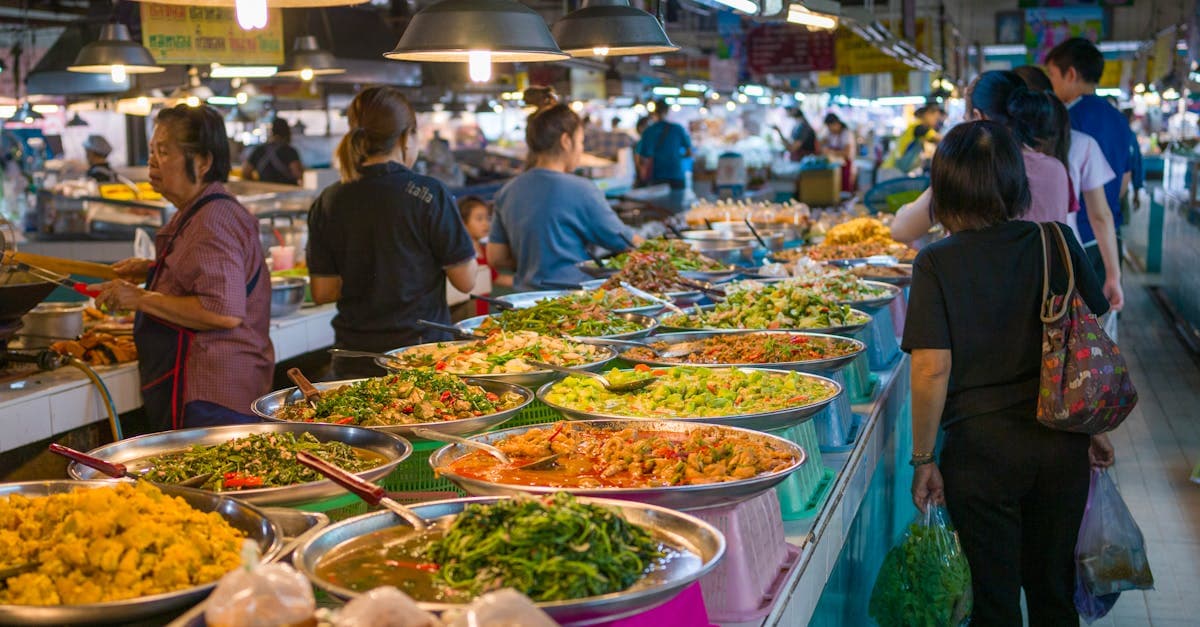
Street food in Vietnam refers to the centuries-old tradition of affordable, freshly prepared dishes sold from street carts, market stalls, and small shopfronts across every city. Prices typically sit between A$0.70 and A$2.50 per dish, covering hundreds of regional varieties from northern broths to southern rice and crepe dishes.

Dessert stalls set up around mid-afternoon across most Vietnamese cities, and they're worth the detour.
Che is the umbrella term for Vietnamese dessert soups and puddings, built from combinations of mung beans, pandan jelly, coconut milk, and fresh fruit. The colour combinations are vivid. Cheap enough to try two or three varieties across a single afternoon, from mobile carts and small shopfronts citywide.
Banh trang me started as a Dalat street speciality and has spread to night markets across Hanoi and HCMC. Crispy rice paper sheets topped with sesame, dried shrimp, quail egg, and chilli. More snack than meal, but genuinely addictive.
Night market BBQ stalls are easy to walk past bruisedpassports.com. Don't. Skewered meats, fresh seafood, grilled corn, and sweet potato cooked over open charcoal cost around A$0.80 to A$2.50 per skewer. The quality at a busy, high-turnover stall is consistently decent, and pointing at what you want crosses every language barrier.
Ca phe trung (egg coffee) is a Hanoi creation youtube.com. Whipped egg yolk and condensed milk are frothed into a thick, custard-like layer over strong Robusta coffee. It tastes closer to dessert than a morning drink. Tracking it down is worth the effort in the Old Quarter; versions outside Hanoi tend to miss the texture that defines it.

Vietnam sits in the top five street food destinations on the planet, according to Lonely Planet and CNN Travel. That ranking isn't hype. It's earned bowl by bowl, stall by stall, across 500-plus distinct regional dishes, sustained by millions of vendors from Hanoi to the Mekong Delta.
The sticker shock hits in reverse. A full day of Vietnamese street food, breakfast through dinner, runs to roughly A$15 to A$18. One smashed avo brunch in Melbourne will set you back A$22 to A$25, which is roughly the same. The maths lands hard.
DFAT's Smartraveller advisory rates Vietnam at Level 1: exercise normal safety precautions. That's the lowest risk tier possible, so Australians can focus on the food without fretting about where they've landed.
The moment that put Vietnamese street food on the global map came in 2016, when Anthony Bourdain sat opposite Barack Obama at a plastic-chair bun cha joint in Hanoi. The image of a sitting US president eating noodles with chopsticks travelled further than any tourism campaign. Vietnamese street food hasn't needed a publicist since.
Most Australians fly into Ho Chi Minh City and exit via Hanoi, or reverse it. Either way, the route maps naturally south to north, and the food shifts as you travel: sweet, garnish-heavy southern bowls give way to cleaner, more restrained northern broths.
Tet (Lunar New Year, January to February) brings regional street specialities that disappear once celebrations end. The Mid-Autumn Festival fills city laneways with mooncake stalls. Both festivals fall during Australian school holiday periods, making the timing genuinely practical.

According to vietnam.travel, the essential Vietnamese street food dishes include pho, banh mi, bun cha, com tam, banh xeo, and goi cuon, available at stalls nationwide for A$0.70 to A$2.50. Each dish is regionally distinct, with northern Vietnam favouring lighter broths and southern Vietnam leaning toward sweeter, herb-heavy preparations.
Pho is the one everyone mentions first vietnam.travel. A clear, slow-cooked broth with rice noodles and beef or chicken, it costs ~A$1.20 to A$2.50 at a street stall. Banh mi is the other essential: a crusty baguette (a French colonial inheritance) packed with pork pate, pickled daikon and coriander, for roughly ~A$0.70 to A$1.50.
Bun cha earned its international profile when Anthony Bourdain and Barack Obama sat down to a bowl of it in Hanoi in 2016. Grilled pork patties in a light broth with rice vermicelli and herbs, it's strictly a northern dish. Don't expect the same version down south. Com tam is the Ho Chi Minh City answer: broken rice with grilled pork, a fried egg and cucumber at around ~A$1.50 to A$2.20.
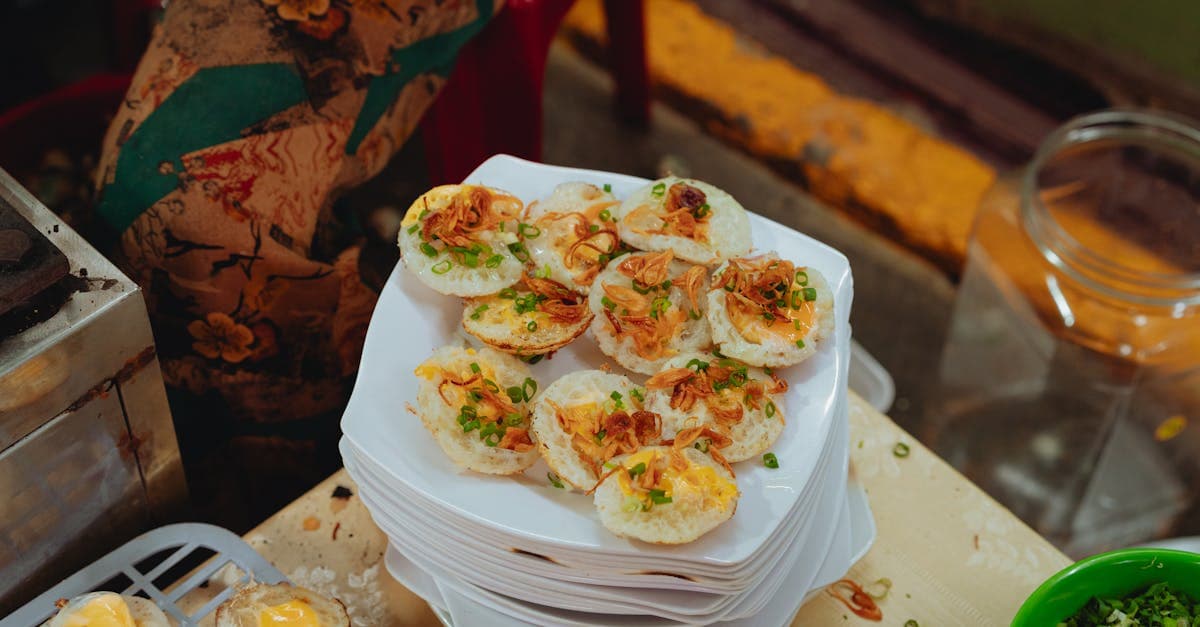
Banh xeo sizzles when it hits the pan. A crispy rice-flour crepe packed with shrimp, pork and bean sprouts, you tear off pieces, wrap them in lettuce and dip in fish sauce. Goi cuon skips the fryer entirely: fresh rice paper rolls with prawns, pork, herbs and vermicelli. A lighter call after a heavy morning of eating.
Late nights call for bun xao (stir-fried vermicelli) or pho xao (stir-fried flat noodles), both common across Hanoi and Ho Chi Minh City. Bo la lot is worth a detour: minced beef grilled inside betel leaves, smoky and aromatic at ~A$1 to A$1.80 per serve. Banh bao, soft steamed buns stuffed with pork and egg, appear at morning carts and mid-morning stalls. Round everything out with ca phe sua da, Robusta drip coffee over sweetened condensed milk and ice, at ~A$0.60 to A$1.20.
Vegetarian travellers, take note. On the 1st and 15th of each lunar month, Buddhist vendors across Vietnam switch to entirely vegetarian ('chay') menus. Stalls that normally serve pork or beef will display 'chay' signage. For Australians travelling plant-based, these days substantially expand your options, particularly in cities with strong Buddhist communities like Hue and Hoi An.

Che stops most Australians in their tracks. These layered dessert soups pack towers of colour into a single glass: mung beans, pandan jelly, coconut milk, and whatever fresh fruit happens to be in season. You'll find them at market stalls and roadside carts for pocket-change prices, and they're genuinely good in the mid-afternoon heat bruisedpassports.com.
Banh trang me is the snack you'll regret not discovering sooner. Sesame-coated rice paper sheets, topped with chilli flakes, a tiny quail egg, and dried shrimp, it started as a Dalat street speciality and now turns up reliably across HCMC and Hanoi. Crisp, slightly smoky, deeply addictive.
Night market BBQ stalls deserve their own hour on any itinerary. Skewered pork, fresh squid, grilled corn and sweet potato come off charcoal grills from around A$0.80 per skewer, with whole fresh seafood pushing a little higher.
Ca phe trung earns a detour if you're spending time in Hanoi. The Old Quarter version involves whipped egg yolk and condensed milk frothed into a custard-like foam over strong Robusta coffee. Deeply rich, and hard to describe accurately until you've had one.
Snake, crocodile and frog appear at certain Hanoi restaurants and Mekong Delta stalls for the genuinely curious. Treat them as optional extras. The depth of Vietnamese street food doesn't require eating anything confronting to be memorable.

Two cities, two completely different food philosophies. Choose Hanoi for restraint: clear broths, clean seasoning, and single-dish restaurants that have occupied the same Old Quarter shopfront for generations. Choose Ho Chi Minh City for intensity: sweeter flavours, herbs piled beside every bowl, and a density of vendors that rewards staying out late.
Hanoi addresses worth knowing. Bun cha on Le Van Huu Street carries the charcoal smoke that defines the northern version. Banh cuon (steamed rice rolls with minced pork and wood ear mushroom) clusters near Dong Xuan Market at dawn vietnam.travel. Cha ca la vong, fried turmeric fish served with fresh dill in Hoan Kiem district, operates from restaurants that have barely changed their approach in decades. Ca phe trung (egg coffee, whisked egg yolk with condensed milk over strong drip coffee) is a Hanoi original with no real equivalent south of the DMZ.
In HCMC, District 4 is the most concentrated street food precinct in the city willflyforfood.net. Stalls open late, locals know exactly where they're going, and competition keeps quality up. The Huynh Hoa banh mi on Pham Ngu Lao is legitimately famous and worth the queue. Com tam on De Tham Street is grilled pork over broken rice: quick, cheap, consistently good. Ben Thanh night market is tourist-heavy but workable for a first night when you've landed disoriented and need options in one place.
Flying open-jaw opens up central Vietnam. Mi quang (turmeric noodle soup with pork, prawn and rice crackers) and cao lau, a thick noodle dish unique to Hoi An's specific well water, make Da Nang and Hoi An worth a dedicated stop rather than a rushed lunch.
Group walking tours covering three to four hours run A$23 to A$55. Motorbike food tours around HCMC, the better format for hitting District 4, range from A$39 to A$85. Private guided tours with transport sit between A$93 and A$185, which splits reasonably across a small group.

Most travellers eat street food throughout Vietnam without incident. The DFAT Smartraveller advisory sits at Level 1 for Vietnam, the lowest possible tier. That's the relevant baseline.
The queue is your most reliable guide. High turnover means fresh ingredients and recent heat. A stall with no customers during the lunch rush is a warning sign regardless of how tidy it looks from the footpath.
Ice is worth understanding before you order a cold drink. The cylindrical kind with a hollow through the centre is commercially produced and safe at reputable stalls. Crushed or opaque block ice of uncertain origin is the type to avoid. Most drink stalls in Hanoi and HCMC use the commercial variety as standard.
Tap water is unsafe in all major Vietnamese cities. Bottled water is sold at virtually every food stall, generally under A$1 per bottle, so there's no practical reason to risk the tap.
Traveller's diarrhoea affects roughly 20 to 30 per cent of Southeast Asia visitors. The majority of cases resolve without medical treatment in 24 to 48 hours. Worth managing expectations rather than avoiding the food.
Before you fly, see a travel doctor at least six to eight weeks out. The standard recommendations for Vietnam are Hepatitis A and Typhoid vaccinations. Travel insurance policies covering medical evacuation start from around A$40 for a two-week trip, which is a reasonable line item given the distance from home.
For stall-level due diligence, Google Maps reviews and TripAdvisor listings surface recent hygiene comments from other travellers. Not definitive, but useful for filtering out known problem vendors before you arrive in a new neighbourhood.

Mobile data is essential for navigating Vietnam's street food scene: stalls almost never offer WiFi, and the three tools that matter most all require a live connection. Google Maps pinpoints specific laneways, Grab handles transport between neighbourhoods, and Google Translate's camera mode reads Vietnamese menus in real time. These three apps make the difference between eating well and defaulting to the nearest tourist strip.
Vietnam's 4G LTE averages 45 to 65 Mbps in urban areas, according to Ookla 2024-2025 data, making it faster than most Southeast Asian neighbours. Viettel and Mobifone have launched 5G in Hanoi and HCMC. In practice, real-time navigation and camera translation run smoothly across both city centres.
Two offline downloads worth doing before leaving your accommodation each morning: Google Maps for the Hanoi Old Quarter or HCMC District 4, and the Vietnamese language pack for Google Translate. The camera translation function works without a connection once the pack is installed before you leave Australia, which handles menus in markets where signal can be inconsistent.
Mobile payment apps MoMo and ZaloPay are increasingly accepted at city street food stalls, particularly at higher-footfall markets. Both require an active data connection to process transactions. Grab Food is a practical fallback when you're in an unfamiliar neighbourhood and can't locate stalls on foot.

The roaming economics for Vietnam tilt firmly towards eSIM options. Compared to Telstra day pass rates, a Hello Roam eSIM saves around A$110 to A$120 over a two-week trip. Here's how the full field compares.
Hello Roam is an Australian brand with AUD pricing and no physical SIM swap required. The eSIM activates from home before departure, which means landing in Hanoi or HCMC with data already running rather than queuing at the airport counter. Third-party eSIMs like Airalo and Nomad are genuinely competitive on price. The trade-off is customer support: for Australians dealing with activation issues mid-trip, help is based offshore.
Sorting a data plan before flying costs less than two street food meals. That puts the connectivity decision in perspective regardless of which option suits your trip.

Pho gets the international headlines. Banh mi is what locals actually eat most days.
Both answers are valid, depending on the question. Pho is the national symbol of Vietnamese cuisine and the dish most likely to have its own dedicated restaurant in Melbourne's CBD. Internationally, it defines the whole tradition. But ask vendors operating the busiest street carts, and banh mi is the one moving in the hundreds before noon. Carts are open from around 6 am across every city, and the filled baguette functions as breakfast, morning snack, and quick lunch depending on the hour.
Regional rhythms shift things further. Pho dominates the morning in the north, where Hanoi vendors open before dawn and close when the pot empties. In HCMC, com tam, broken rice loaded with grilled pork and pickled vegetables, holds the everyday staple role at lunch. Bun cha carries the title of most famous Hanoi dish for overseas visitors, though locals would argue it needed no pop-culture endorsement to earn its status.
For Australian first-timers travelling with a mixed group, banh mi is the most accessible entry point. The flavour profile is familiar enough, the portion is small, and even cautious eaters tend to find a filling they like. Pho remains the crowd-pleaser for travelling companions who want something warm, recognisable, and unlikely to alarm.

Yes, comfortably. At current exchange rates, A$1000 converts to roughly 15 million VND, which is a mid-range budget for 14 days in Vietnam, not a survival exercise.
The food spend works in your favour. At the per-meal prices covered throughout this guide, a five-stop street food day (pho for breakfast, banh mi mid-morning, com tam at lunch, bun cha in the evening, and two iced coffees) totals around A$8.80. Across 14 days, that's under A$125 for food, even accounting for the odd sit-down restaurant meal.
Accommodation is the bigger variable. A guesthouse dorm bed runs A$15 to A$25 per night in most cities, putting the 14-night total somewhere between A$210 and A$350. One motorbike food tour of HCMC, at the per-tour rate detailed in the earlier tours section, adds solid orientation value for independent eating afterwards. Grab rides between neighbourhoods are cheap enough to use freely.
Hello Roam's Vietnam eSIM activates before you leave Australia, removing the need to sort a local SIM at the airport. At the pricing covered in the comparison section above, it fits neatly into an A$1000 budget without disrupting the overall spend.
An honest all-in estimate for 14 days, covering street food, a guesthouse bed, local transport, and one guided food tour, sits around A$560 to A$700. That leaves A$300 to A$440 for a comfortable hotel night, a day trip to the Mekong Delta, or simply the peace of not counting every dong.
Compared with much of the region, yes. Vietnamese street food is generally fresher and less reliant on added sugar than Thai or Indonesian cooking, which makes it one of the more manageable Southeast Asian food traditions for people monitoring blood sugar.
The better options are genuinely solid. Pho is a broth-and-protein dish with rice noodles; the glycaemic load depends on portion size, but a standard street bowl is not excessive. Bun cha gives you more control, since the vermicelli and dipping broth arrive separately and you set the ratio. Goi cuon (fresh spring rolls with prawns, rice vermicelli, and herbs in rice paper) are low GI, naturally portioned, and available across every major city.
A few things warrant attention. Che desserts are sugar-heavy by design. Pho broth is typically high in sodium, and com tam portions trend generous on rice, though requesting com it (less rice) is standard practice at street stalls and accommodated without fuss.
The broader food culture works in your favour. Fresh herbs, fermented condiments, and raw vegetable garnishes appear on virtually every plate, providing a natural fibre base that places Vietnamese cuisine ahead of several regional neighbours on this measure.
Managing Type 1 or insulin-dependent Type 2 diabetes requires planning that no food guide can substitute. Talk to a GP or dietitian before you travel.


HelloRoam: your trusted travel eSIM that keeps you online across borders.
Explore Plans