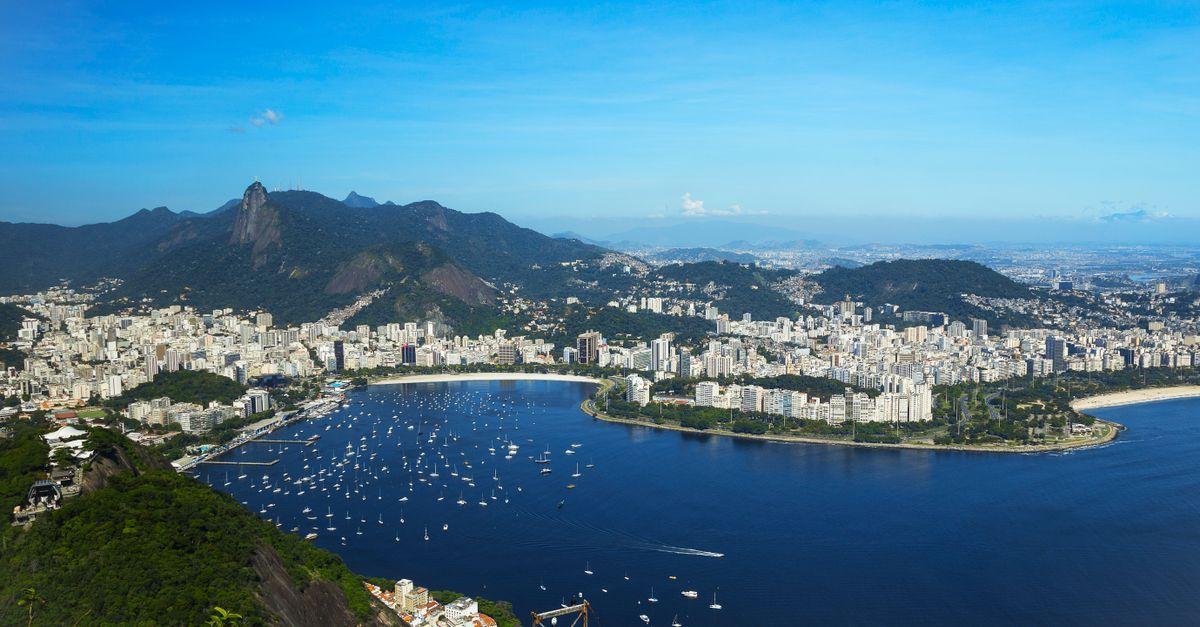
The e-visa arrives by email, and the Corcovado train and the Botanical Garden both sell tickets online, so a working phone matters from the first day. Land at Galeão with a HelloRoam Rio de Janeiro eSIM already installed, and that phone is online for the ride into the city, with help 24/7 if setup stalls.
Beach days point to Copacabana or Ipanema, sightseeing to Botafogo
All three sit on MetrôRio's network, so the beaches and Centro are a train ride apart. Copacabana has three stations on Line 1: Cardeal Arcoverde, Siqueira Campos and Cantagalo. Ipanema and Leblon add four more on Lines 1 and 4.
 Get your Brazil eSIM before you flyInstall it at home, then turn on data roaming for it when you land. From $2.31.See Brazil plans
Botafogo is the last stop on Line 2, the line that meets the airport BRT. It's also two stops from Largo do Machado, the metro station where the Corcovado train's own directions begin.
| Area | Why stay there | Metro stations | Budget route from Galeão |
|---|---|---|---|
| Copacabana | Beach days, and the official vans to Christ the Redeemer board here | Cardeal Arcoverde, Siqueira Campos, Cantagalo (Line 1) | BRT to Vicente de Carvalho, Line 2 to Botafogo, then Line 1 |
| Ipanema and Leblon | Beach days, with Line 4 running on to São Conrado and Barra | General Osório (Line 1); Nossa Senhora da Paz, Jardim de Alah, Antero de Quental (Line 4) | The Copacabana route, riding on to Ipanema or Leblon |
| Botafogo | Sightseeing: the Sugarloaf cable car's own directions start at Botafogo station | Botafogo (Lines 1 and 2) | BRT to Vicente de Carvalho, then Line 2 to its last stop |
| Barra da Tijuca | Fewest changes from the airport: one BRT ride, no metro | Jardim Oceânico (end of Line 4) | BRT Transcarioca straight to Terminal Alvorada |
Before you plan on these budget routes, read the State Department's bus advice in the airport section below. Line 2 runs to Botafogo on weekdays. On Saturdays, Sundays and holidays, MetrôRio says the stretch it shares with Line 1 can change, so check its notices for where to switch lines.
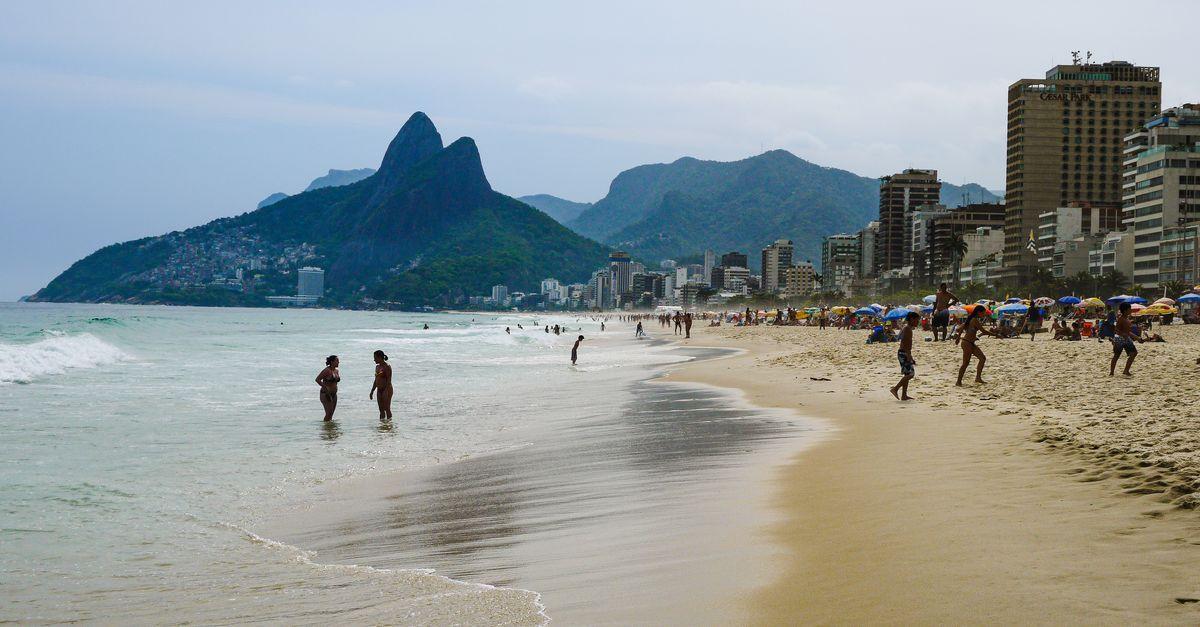
Rain peaks in Rio's summer, so hike from May to September
Rio's downtown weather station shows a clear pattern: rain peaks from December to March, and July is the driest month, with about 1.6 inches of rain and 4 rainy days. The figures below come from INMET's climate normals for its Rio de Janeiro station, with rain from 1961 to 1990 and temperatures from 1981 to 2010. The station closed in 2017, so it has no row in INMET's newer 1991 to 2020 tables.
| Months | Average high | Average low | Rain per month | Days with 1 mm of rain or more |
|---|---|---|---|---|
| December to March | 87 to 90°F (30 to 32°C) | 74 to 76°F (23 to 24°C) | 5.1 to 5.4 in | 7 to 11 |
| April | 86°F (30°C) | 73°F (23°C) | 3.7 in | 9 |
| May to September | 80 to 82°F (26 to 28°C) | 66 to 69°F (19 to 21°C) | 1.6 to 2.7 in | 4 to 7 |
| October and November | 83 to 85°F (28 to 29°C) | 70 to 72°F (21 to 22°C) | 3.4 to 3.9 in | 9 to 10 |
For hikes and viewpoints, aim for May to September. December to March is hotter and wetter, as the table shows, and the 2027 Carnival parades fall inside that stretch. The 2027 Special Group samba parades run on Sunday, February 7, Monday, February 8, and Tuesday, February 9, according to Liesa, Rio's league of samba schools. If you want to see them, plan the rest of the trip around those three nights.
Higher ground gets more rain. Tijuca National Park lists two headquarters, one of them in Alto da Boa Vista. INMET's Alto da Boa Vista station, 366 meters (about 1,200 feet) up, records about 95 inches of rain a year in its 1991 to 2020 normal. Even in July it averages 8 rainy days, so pack a rain layer for park trails.
Brazil has required visas from US visitors since April 2025
Brazil has required visitor visas for US, Canadian and Australian passport holders since April 10, 2025. The State Department's Brazil page says US citizens need a visa for any purpose of travel and must be approved before they leave for Brazil.
Tourists apply for the electronic version, the e-visa, fully online at brazil.vfsevisa.com, the portal Brazil's consulates point to. As of November 2026, the Brazilian Consulate General in San Francisco lists these requirements:
- A signed passport, valid for your whole trip, with two blank visa pages.
- A 2 x 2 inch passport-style photo with a white background.
- A flight reservation that shows your entry into and exit from Brazil.
- A bank statement covering the last 30 days and showing at least US$2,000 for travel.
- The US$80.90 e-visa fee.
- For applicants under 18, the original birth certificate, an authorization for a minor's visa signed by both parents, and copies of both parents' passports or photo IDs. The consulate page covers single-parent cases.
The Consulate General in New York says the e-visa covers tourism, business, transit, sports and artistic trips with stays of up to 90 days. When your documents are in order, the San Francisco consulate says the e-visa reaches you by email in a few days.
Dual US-Brazilian citizens should read the New York consulate's separate note before applying. Everyone else should recheck the consulate page right before submitting, since requirements can change.
From Galeão, a taxi or ride app beats the bus
Rio's international airport, RIOgaleão (officially Tom Jobim International Airport), lists these ways into the city on its own transport pages:
| Option | Where to find it | Fare | Good to know |
|---|---|---|---|
| Regular or executive taxi | Company counters in Terminal 2 arrivals, floor 0 | Meter or the city's regulated fare table | Regular cabs leave from door A, executive cabs from door B |
| Uber | A dedicated pickup point on the arrivals level, to your left as you exit | Set in the app | Serves both domestic and international arrivals |
| BRT Transcarioca (Parador Galeão) | Galeão Tom Jobim 1 and 2 stations | R$5.00 | Daily, 4 AM to midnight; runs to Terminal Alvorada in Barra and to Madureira, stopping at Vicente de Carvalho |
| BRT plus MetrôRio | Change at Vicente de Carvalho for Line 2 | R$9.70 combined, with a Jaé card | The metro runs 5 AM to midnight Monday to Saturday, and 7 AM to 11 PM on Sundays and holidays |
The State Department tells Americans to avoid public municipal buses in Brazil at any time of day, especially at night, because passengers face a higher risk of robbery or assault. It encourages its own staff to use Uber for rider safety features such as traceable trips, and it says registered taxis have red license plates.
That's why a taxi from the counter or an Uber from the pickup point makes the better first ride, even though the BRT costs less.
MetrôRio links the beach neighborhoods, and you can tap to pay
A single MetrôRio ride costs R$7.90, and you don't need to buy a ticket. MetrôRio's payment page says the turnstiles take contactless Visa, Mastercard and Elo credit or debit cards, plus phones and watches with NFC.
Line 1 and Line 4 trains run as one route, from Uruguai in Tijuca through Botafogo, Copacabana, Ipanema, Leblon and São Conrado to Jardim Oceânico in Barra. Every train has a women-only car, marked in pink, all day. The State Department asks riders to stay aware of petty crime on metro systems in Brazil's big cities.
US safety advice rules out favela tours, even with a guide
In its advisory dated August 31, 2026, the State Department puts Brazil at Level 2, Exercise Increased Caution, due to crime and kidnapping. It names Rio directly: assaults involving sedatives or drugs placed in drinks are common, especially in Rio de Janeiro, and criminals target foreigners through dating apps or at bars.
Its Do Not Travel list includes informal housing developments (favelas, vilas, comunidades), even on guided tours, because tour companies and police can't guarantee your safety there. Some popular Rio guides still suggest favela tours. The US government's advice is not to go.
The advisory and the State Department's Brazil page add tips that matter most in Rio, including several for people traveling alone:
- Avoid walking on beaches after dark.
- Don't go to bars or nightclubs alone, and don't accept food or drinks from strangers.
- Before a date with someone from a dating app, tell a friend or relative who you're meeting and where you're going. Give your itinerary to family or a friend too.
- Take extra care when hiking in isolated areas. The Brazil page singles out spots near popular tourist sites in Rio.
- Use ATMs inside a secure building, such as an airport, hospital, bank or government office.
- Don't swim alone where red warning signs are posted or where no municipal lifeguards work. Many Brazilian beaches have dangerous riptides.
In an emergency, dial 190 for police, 192 for an ambulance or 193 for the fire department. Enroll in the State Department's Smart Traveler Enrollment Program (STEP) for alerts; the US Embassy and Consulates in Brazil also share alerts on a WhatsApp channel. Before departure, confirm on the advisory page that Brazil is still at Level 2.
Christ the Redeemer, Sugarloaf and the Botanical Garden charge in reais
These prices were read on each official site on November 24, 2026. Book there rather than through a reseller: the Corcovado train's official site asks buyers to confirm they're on it before paying.
| Ticket | Adult price | Good to know |
|---|---|---|
| Corcovado train to Christ the Redeemer | R$139 (that day's price) | Round trip plus monument access. Departures every 20 minutes, 8 AM to 6 PM. Check in at the ticket office 40 minutes early with the credit card you paid with and a photo ID. Senior fares are for Brazilians and foreign residents only. |
| Sugarloaf cable car (Bilhete Bondinho) | From R$205 | Both cable car legs, Praia Vermelha to Urca Hill to Sugarloaf. Open 8:30 AM to 9 PM on weekdays and 7:30 AM to 9 PM on weekends, last boarding 7:30 PM. Half price for ages 3 to 12, 13 to 21 and 60+. |
| Botanical Garden | R$80 for foreign visitors | Residents pay R$40. |
The Sugarloaf cable car's ticket page asks only for an official photo ID for its youth and senior half-price tickets, which helps families with teens. The Botanical Garden's ticket rules say the ticket desk takes only Pix and cash, while online sales take credit cards, so buy online if you plan to pay by card.
Christ the Redeemer has a second official route. Paineiras Corcovado runs the only vans cleared to reach the monument by the Tijuca National Park road. They board in Copacabana, at Largo do Machado and at the Paineiras visitor center, and the ticket covers the round trip and monument access.
Add the e-visa fee and your metro rides from the sections above. Rooms and flights swing too much by date to quote here, so price those for your own dates first.
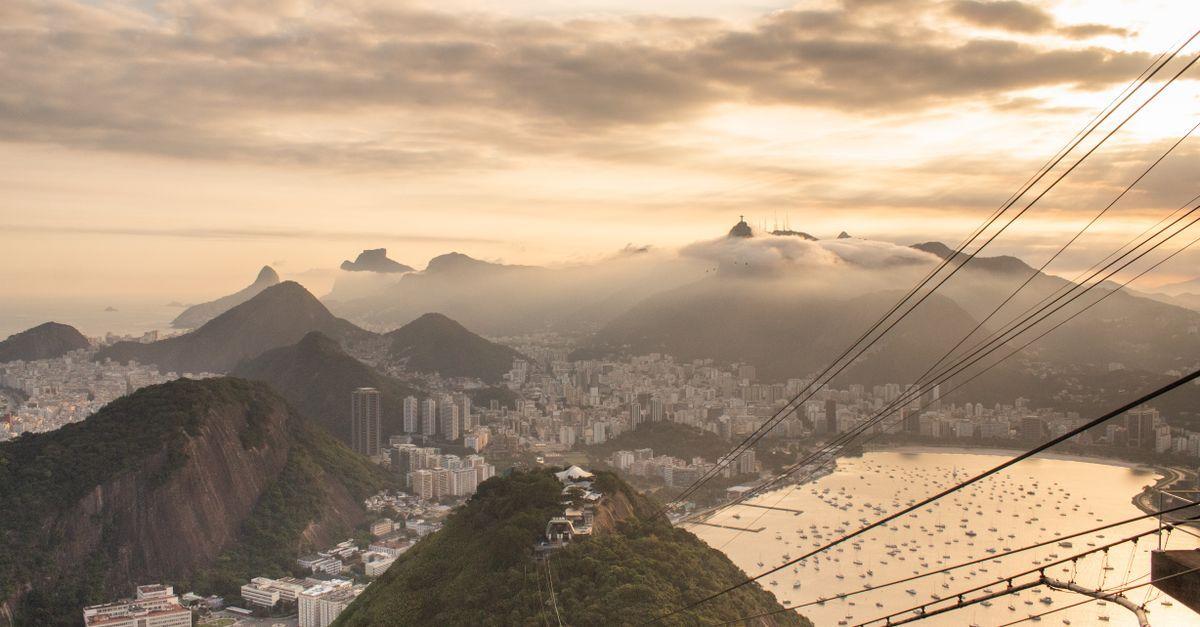
The ride-app pickup at Galeão is the first place you'll need data
The first hour off the plane is when mobile data matters most, since the ride-app pickup point at Galeão only helps if the app can load.
As of November 27, 2026, all eight of our Brazil plans connect to TIM, and they run as a data line next to your US number, which stays on for calls and texts. If you're weighing it against a Brazilian SIM card, our eSIM vs physical SIM guide covers the trade-offs.
Look for your phone among the models that support eSIM before you buy. Then set up the eSIM before you fly. Installing it early uses up no days, since the plan only starts counting once it connects in Brazil.
After landing, turn on the HelloRoam line and its Data Roaming setting, then make it the line your phone uses for mobile data.
Maps, ride apps and photo uploads add up over a week, so tally them in our data calculator before you choose how many gigabytes to buy. Going on from Rio to another country? You can buy an eSIM online for that stop too.
The plans are data plans, so you won't get a Brazilian phone number. If you'd rather stay on your carrier's international plan, first weigh roaming costs against an eSIM.
Questions travelers ask
Why does the time gap between Rio and New York change during the year?
New York switches between daylight and standard time, but Rio has kept one time all year since Brazil ended daylight saving time in 2019. Rio stays three hours behind UTC, in the same time zone as Brasília, so it is one hour ahead of New York from the second Sunday in March to the first Sunday in November, and two hours ahead the rest of the year.
What is the $2,000 rule in Brazil for travelers?
It's a bank statement rule for the e-visa, not a spending limit. Brazil's consulate in San Francisco asks e-visa applicants for a printed bank statement that covers the last 30 days and shows at least US$2,000 for travel. The consulate lists the e-visa fee itself as US$80.90.
Sources
- INMET (Instituto Nacional de Meteorologia): Normais Climatológicas do Brasil (1961-1990, 1981-2010, 1991-2020)portal.inmet.gov.br
- Liesa: Rio Carnaval 2027 parade nights (Special Group)liesa.org.br
- Parque Nacional da Tijuca: official site (headquarters in Santa Teresa and Alto da Boa Vista)parquenacionaldatijuca.rio
- Consulate General of Brazil in San Francisco: Electronic Visitor Visa (e-Visa)www.gov.br
- Consulate General of Brazil in New York: Visit Visa (up to 90 days) for US/Canadian/Australian passports, eVISAwww.gov.br
- US State Department: Brazil Travel Advisory and travel guidance: entry, safety, transportation, local laws (Level 2, updated August 30, 2026, 8:00 PM ET; country information updated August 6, 2026)travel.state.gov
- US State Department: Brazil Travel Advisory, Level 2: Exercise Increased Caution (August 31, 2026), as published by the US Embassy and Consulates in Brazilbr.usembassy.gov
- RIOgaleão (Tom Jobim International Airport): Taxis and ride appswww.riogaleao.com
- RIOgaleão: BRTwww.riogaleao.com
- RIOgaleão: Metrôwww.riogaleao.com
- MetrôRio: Meios e Tarifas (fares and contactless payment)www.metrorio.com.br
- MetrôRio: stations by linewww.metrorio.com.br
- MetrôRio: Onde Pagar (single fare R$7.90)www.metrorio.com.br
- Trem do Corcovado: official ticketswww.tremdocorcovado.rio
- Trem do Corcovado: Useful Information (hours, check-in, fare rules)www.tremdocorcovado.rio
- Parque Bondinho Pão de Açúcar: Bilhete Bondinhowww.bondinho.com.br
- Instituto de Pesquisas Jardim Botânico do Rio de Janeiro: Ingressoswww.gov.br
- Paineiras Corcovado: official vans to Christ the Redeemerwww.paineirascorcovado.com.br
- Câmara dos Deputados (Brazil), federal legislation: Decreto nº 9.772, de 25 de abril de 2019 (ends daylight saving time)www2.camara.leg.br
- Presidência da República (Brazil): Lei nº 12.876, de 30 de outubro de 2013 (time zones)www.planalto.gov.br
- US Code, 15 U.S.C. 261 (standard time zones)www.govinfo.gov
- eCFR, 49 CFR 71.2 (annual advancement of standard time)www.ecfr.gov
- MetrôRio: Dúvidas Frequentes (train routes, weekend Line 2 transfers, women-only cars)www.metrorio.com.br
- Trem do Corcovado: Purchase Policy (ticket collection with the card used and a photo ID)www.tremdocorcovado.rio
Written by
HelloRoam Team
The HelloRoam Team writes our guides on trip planning, visas and eSIMs. For every new or updated guide, we check each fact at its source. Sources include government, park and weather service pages. We note the date we read each one. A second review then checks every fact against its source before the guide goes live. If we cannot confirm a fact, we leave it out. We link those sources inside the guide, so you can check them.