
Set up at home, a HelloRoam Vietnam eSIM gets Grab, maps and WhatsApp working before you reach the taxi rank at Noi Bai or Tan Son Nhat.
Violent crime against foreigners is rare, the FCDO says. The main risks it describes are road accidents, bags snatched by thieves on motorbikes, methanol in alcoholic drinks, and tropical storms between May and November. The sections below set out the official advice on each, plus the laws, health checks and entry rules to know. The FCDO also warns that escalation in the Middle East has caused widespread flight disruption. Your plans may be affected even though Vietnam is outside the region, so check with your airline before you go. Advice can change, so read the FCDO page again a few days before you fly, or get FCDO email alerts for Vietnam.
Motorbike crashes have killed and injured British nationals
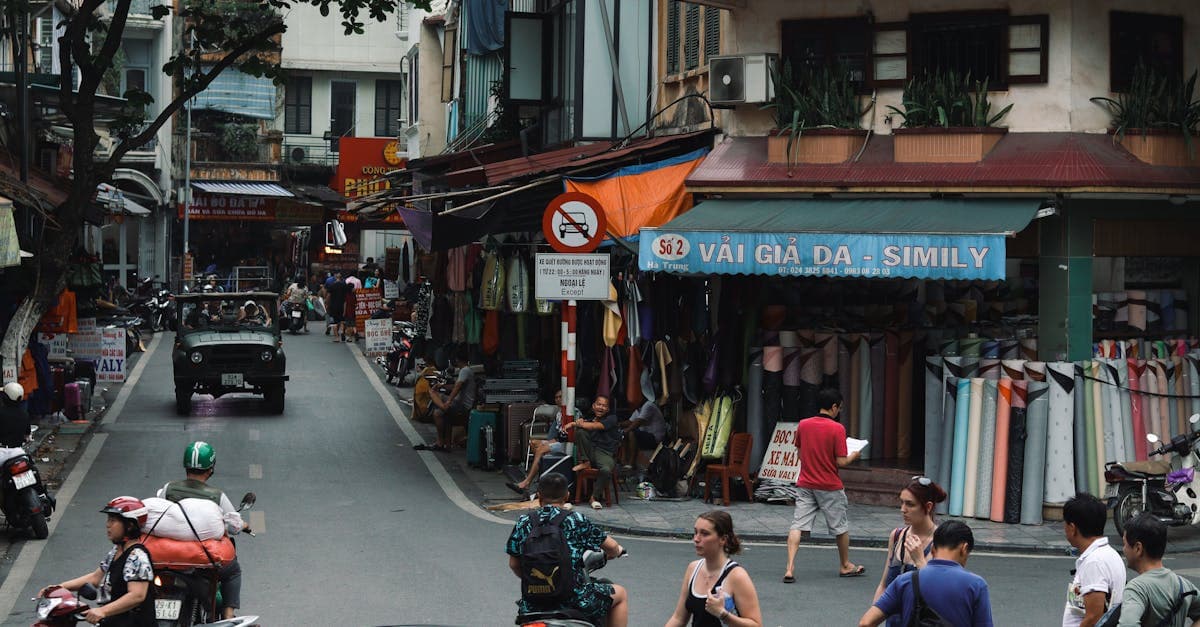
The World Health Organization estimates that 17,229 people died in road crashes in Vietnam in 2021. The FCDO says travelling by motorbike there is much riskier than in the UK, and that motorbike accidents are common and have killed and injured British nationals.
 Get your Vietnam eSIM before you flyInstall it at home, then switch on data roaming for it when you land. From £2.60.See Vietnam plans
The FCDO's advice is not to hire a motorbike unless you are an experienced rider. If you do ride or drive, you need the 1968 international driving permit and your UK driving licence with you, and driving without third-party insurance is illegal. Helmets are compulsory for riders and passengers. Check that your travel insurance covers riding, and never leave your passport as a deposit with a rental shop.
A crash can also hold up your trip. The FCDO says foreign nationals involved in traffic accidents have been stopped from leaving Vietnam until the police finish their investigation. You could also face criminal charges and have to pay compensation to anyone injured, even if the injuries are minor. If you are stopped from leaving, the FCDO advises getting professional legal advice and representation.
Take care on foot too. Canada's government travel advice notes that some motorbikes ride against the traffic or on the pavement, and it tells walkers to use footbridges where there are any.
Grab, XanhSM and metered taxis are the safer way to get around
To reduce your risk, the FCDO suggests pre-arranged transport or official ride apps such as Grab or XanhSM, which supply licensed cabs. Book the whole journey in the app and check that the car and driver match the details it shows. Scammers sometimes pose as drivers for these companies.
Metered taxis from larger firms are generally reliable, the FCDO says, and a hotel or restaurant can book one for you. Vietnam's official tourism site names Mai Linh and Vinasun as trusted firms with sealed meters, and warns of rigged meters and overcharging. Be wary of offers of free bus transfers to hotels at airports or stations unless you booked them in advance, as the FCDO says these may be scams.
Longer journeys need the same care. Bus and coach crashes are more likely at night, when drivers may be tired, the FCDO says. On overnight Halong Bay cruises, overcrowding and poor safety standards have caused accidents, and some boats have sunk without warning. Ask about a boat's safety record and make sure you have a life jacket.
Drive-by bag snatching is the theft to watch for in the cities
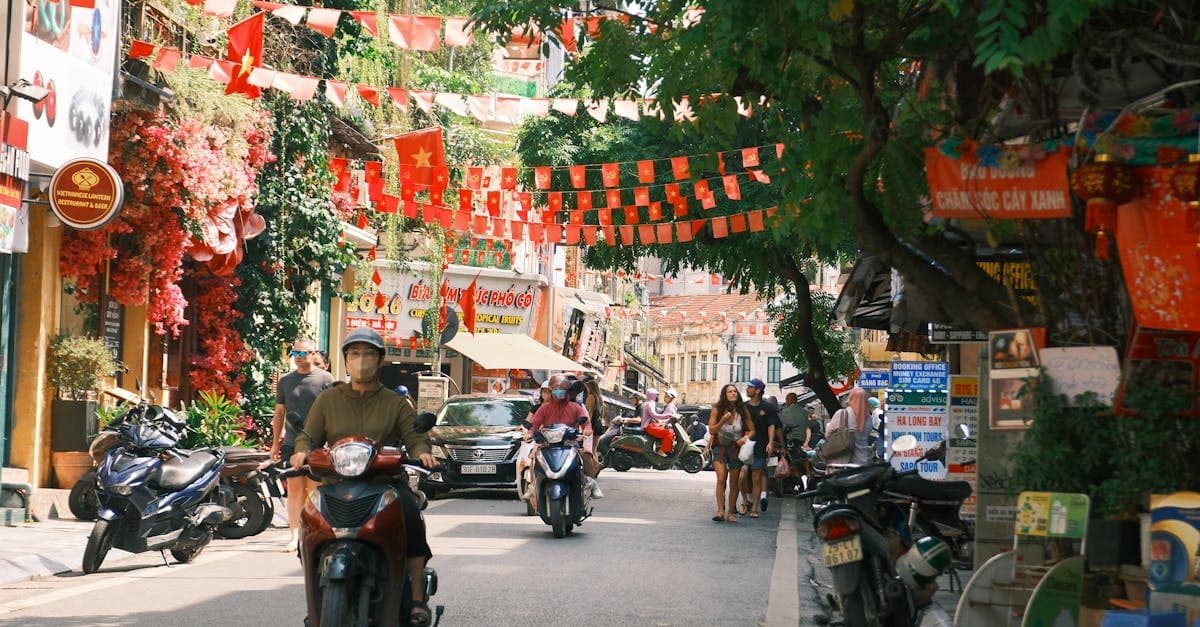
Theft and pickpocketing happen regularly, and bag snatching by thieves on motorbikes is common, the FCDO says. Hold your bag in front of you or on the side away from the traffic, and watch for motorbikes approaching as you walk. If someone grabs your things, the FCDO's advice is to let them go rather than risk injury in a struggle.
Vietnam's tourism site says most robberies are drive-by snatchings. It singles out Ho Chi Minh City, where it tells visitors, women in particular, to keep a tight grip on their bags. When you take photos on the pavement, it suggests keeping your phone or camera close to your body and away from the traffic.
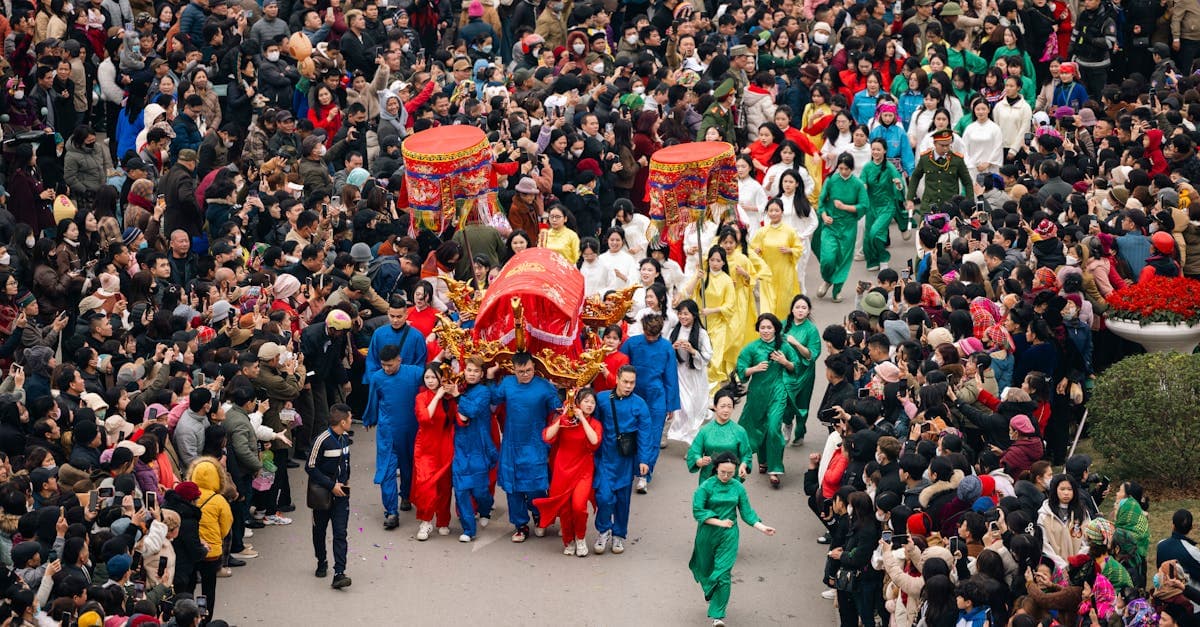
Petty crime tends to rise at Christmas and Tet, the Lunar New Year. The FCDO also warns of theft on buses and trains, especially on overnight trains while you sleep. Keep your passport in the hotel safe and carry photo and digital copies. You must carry photo ID at all times, and the FCDO says the authorities accept a printed copy of your passport photo page and visa.
Change money only at official exchange counters with a clear sign. Changing money anywhere else is illegal, the FCDO says, and you risk losing your money. For Halong Bay cruises and tours, the tourism site advises booking with established companies and vetted travel agents rather than hole-in-the-wall shops.
Local laws on drugs, vapes and politics are strict
Penalties for drug offences, including cannabis, are severe whatever the amount, the FCDO says, and the death penalty may be imposed depending on the severity of the crime. Police periodically raid nightlife venues suspected of drug dealing, and you may have to take a drug test if you are there. A positive result can lead to criminal charges even if you took the drug before you arrived.
Vapes are banned. You cannot buy them in Vietnam or bring them into the country. Do not take photos near military bases. A visit to a village close to the border may need permission from the provincial police, so check with the local authorities first. Buying or selling protected wild animals or plants can bring a fine or a long prison sentence.
Vietnam has a single-party political system that does not welcome people disagreeing with the government. The FCDO advises avoiding all protests and being careful about criticising the government. British nationals of Vietnamese descent should take particular care with what they post online. The FCDO also says not to expect internet privacy: the authorities can block websites and social media and review what is on your devices, although most social media sites are normally available.
The FCDO describes Vietnam as generally tolerant of LGBT+ travellers. Same-sex sexual activity is not a crime, though same-sex marriage is not recognised in law. At temples and other religious or cultural sites, cover your shoulders and knees.
Spiked drinks and methanol are the risks on a night out
People in Vietnam have died or become seriously ill after drinking alcohol that contained methanol, the FCDO says. Cases have come from drinks bought in licensed bars, shops and hotels in tourist areas, and you cannot detect methanol by taste or smell. Learn the signs of methanol poisoning before you go, and get urgent medical help if anyone in your group shows them after drinking.
The FCDO's advice is to buy your own drinks, keep them in sight and be wary of snacks, drinks or gum from strangers. Avoid alcohol and cigarettes from street vendors, as they may not be genuine. Drugs sold in Vietnam, including the nitrous oxide balloons widely sold in nightlife venues, may be fake or laced with toxic ingredients.
Women are generally welcome in Vietnam, but harassment is reported
Vietnam's tourism site says crime against women is uncommon, and suggests taking a taxi rather than walking alone late at night. The FCDO is more cautious. It says women have reported harassment and indecent assaults, such as groping, particularly while walking alone. Rapes and sexual assaults reported by British nationals in the main tourist areas are often linked to unlicensed taxi drivers.
The FCDO's steps are practical. Use pre-arranged transport or a licensed app cab. Save your accommodation's location in a map app, and keep in touch with your group on WhatsApp. Report anything that feels wrong to bar, hotel or hostel managers. Victims face a higher burden of proof in Vietnam than in the UK, the FCDO notes. The British Embassy in Hanoi and the Consulate General in Ho Chi Minh City can help you report an incident to the police if you want to.
Health checks should start eight weeks before you fly
At least 8 weeks before your trip, the FCDO advises checking TravelHealthPro's Vietnam page and the NHS travel vaccinations page. TravelHealthPro, run by the UK's National Travel Health Network and Centre, recommends hepatitis A, tetanus and typhoid vaccines for most travellers. It lists others, such as rabies and Japanese encephalitis, for some travellers depending on the trip, so ask a travel health professional which apply to you.
TravelHealthPro lists no vaccination certificate requirements for Vietnam under the International Health Regulations. Since 1 July 2026, though, the FCDO says you may need to complete a health declaration, which can include proof of vaccinations. Check the Vietnamese Embassy's guidance before you go.
There is a risk of dengue in Vietnam. TravelHealthPro says the mosquitoes that spread it mainly bite in the daytime and are more common in towns and cities. It advises avoiding mosquito bites, particularly during the day. It lists a low malaria risk in some southern provinces and other rural areas, and none in Hanoi, Ho Chi Minh City and other large cities.
The tourism site advises sticking to bottled water and avoiding ice in rural areas. It calls street food generally quite safe, and suggests choosing places with plenty of customers and freshly cooked food. Our guide to street food in Hanoi covers what to order and where.
Some medicines need paperwork. The FCDO says it is illegal to have more than 7 days' supply of medicines that Vietnam classes as addictive or psychotropic. These can include treatments for anxiety, depression and insomnia. Carry the prescription and a letter from your doctor, and ask the Vietnamese Embassy in the UK if you are unsure. Many medicines sold in Vietnam are fake, the FCDO adds.
The tourism site says Hanoi, Da Nang and Ho Chi Minh City have public and private hospitals with English-speaking staff. Rural areas can be far from the nearest one. The FCDO says your insurance should cover full medical treatment, an air ambulance home and any existing conditions. The British Embassy does not pay medical bills.
Storms, floods and old landmines shape when and where to go
Tropical storms affect Vietnam's eastern coast. The FCDO says the season normally runs from May to November, though storms can come at other times, with a risk of strong winds, flooding and transport disruption. The rainy season runs from June to September in the north and south. In central Vietnam it runs from October to December, and seasonal floods come in October and November. Flooding is also common around Hanoi, particularly along the Red River, and in the Mekong Delta.
If you travel in the season, follow forecasts from Vietnam's National Centre for Hydro-Meteorological Forecasting, as the FCDO advises. Be ready to change plans at short notice, and carry emergency contacts for your airline, tour operator and insurer. Check what your travel insurance covers before you book.
Heat and humidity can be severe, especially in the rainy season, and the FCDO warns that dehydration and heatstroke can both be fatal. Canada's advice adds that beaches are not always supervised and that tides and strong winds can cause dangerous currents, so respect warning flags.
On treks in rural and mountain areas, the FCDO advises approved operators, a reputable guide and main routes. Check that your insurance covers the activity. Landmines and other unexploded weapons remain in former battlefields, particularly in central Vietnam and along the Laos border, and mined areas are often unmarked.
Your entry stamp sets the date you must leave by
On a full British citizen passport, you can visit Vietnam for up to 45 days without a visa for tourism or business, the FCDO says. Immigration stamps your passport with the date you must leave by. Check that it gives you 45 days before you leave the airport or land border, because it will not be changed afterwards. For a longer stay, the FCDO lists an e-visa that allows 90 days and multiple entries.
Your passport must be valid for at least 6 months after the day you arrive, with at least 2 blank pages and no damage. You must enter and leave on the same passport. Since 15 April 2026, foreign visitors flying into Tan Son Nhat Airport in Ho Chi Minh City are encouraged to fill in a digital arrival card before landing. The official site for it is prearrival.immigration.gov.vn, the Immigration Department's pre-arrival website, which the FCDO links to. The FCDO says it is not compulsory yet, but this may change, or spread to other airports, with little notice.
You must declare cash over 15 million dong or 5,000 US dollars (or the same value in another currency) when you enter or leave. Vietnam's authorities set these rules, so check the FCDO's entry requirements and the Vietnamese Embassy in the UK before you travel.
Your UK number can stay on while an eSIM handles data
A HelloRoam Vietnam eSIM connects to the Viettel Mobile, Vinaphone and MobiFone networks. Follow our eSIM installation guide at home, then, when you land, choose the eSIM as your mobile data line and make sure its data roaming is on.
Before you buy, check your phone supports eSIM. On a dual SIM phone, keep your UK SIM switched on so texts to your UK number, such as bank security codes, can still reach you. Apple's guide to Dual SIM on iPhone explains how both numbers can take calls and texts while one of them handles mobile data.
If your trip continues into Laos or Thailand, one regional plan for Asia covers all three countries. Cambodia is not on that plan, so add a separate eSIM for Cambodia if you cross the border there. If anything stops working, HelloRoam's support team is on email and WhatsApp 24/7.
Vietnam's emergency lines answer in Vietnamese
Save these numbers before you go: 113 for police, 114 for fire, 115 for an ambulance and 112 for national search and rescue. The FCDO says these lines are operated in Vietnamese only. Take a translator with you when you report a crime, and always ask for a police report.
For consular help, contact the British Embassy in Hanoi or the British Consulate General in Ho Chi Minh City. If something happens to you, family in the UK can call the FCDO in London on 020 7008 5000, 24 hours a day. The FCDO's getting help page sets out the support it can offer.
Sources
- Vietnam travel advice (FCDO)gov.uk
- Safety and security - Vietnam travel advice (FCDO)gov.uk
- Entry requirements - Vietnam travel advice (FCDO)gov.uk
- Health - Vietnam travel advice (FCDO)gov.uk
- Getting help - Vietnam travel advice (FCDO)gov.uk
- Vietnam - TravelHealthPro (NaTHNaC)travelhealthpro.org.uk
- Estimated number of road traffic deaths - Global Health Observatory (WHO)who.int
- Vietnam travel advice (Government of Canada)travel.gc.ca
- Health and Safety - Vietnam Tourismvietnam.travel
- Pre-Arrival Information - Vietnam Immigration Departmentimmigration.gov.vn
- Spiking and methanol poisoning - Travel Aware (FCDO)travelaware.campaign.gov.uk
- Using Dual SIM with an eSIM - Apple Support (UK)support.apple.com
Written by
HelloRoam Team
The HelloRoam Team writes our guides on trip planning, visas and eSIMs. For every new or updated guide, we check each fact at its source. Sources include government, park and weather service pages. We note the date we read each one. A second review then checks every fact against its source before the guide goes live. If we cannot confirm a fact, we leave it out. We link those sources inside the guide, so you can check them.

 Turkey