


Quick Answer: Best Time to Visit Cancun at a Glance
December through April is the best time to visit Cancun for reliable sunshine, low humidity, and calm Caribbean waters. For beach conditions alone, that's the clear answer. The decision gets more nuanced when you factor in cost, crowds, and storm risk. Here's how the key periods compare:
The ocean stays swimmable in every single month. That's a consistent backdrop regardless of which window you book.
Key fact: HelloRoam's Mexico eSIM starts at ~$3.37 for one day of coverage on AT&T's network.
Want data the moment you clear Cancun customs? HelloRoam's eSIM for Mexico activates before you board, so your phone is live by the time you reach baggage claim.
The full seasonal picture needs a proper month-by-month breakdown.
Best Time to Visit Cancun for Ideal Beach Weather

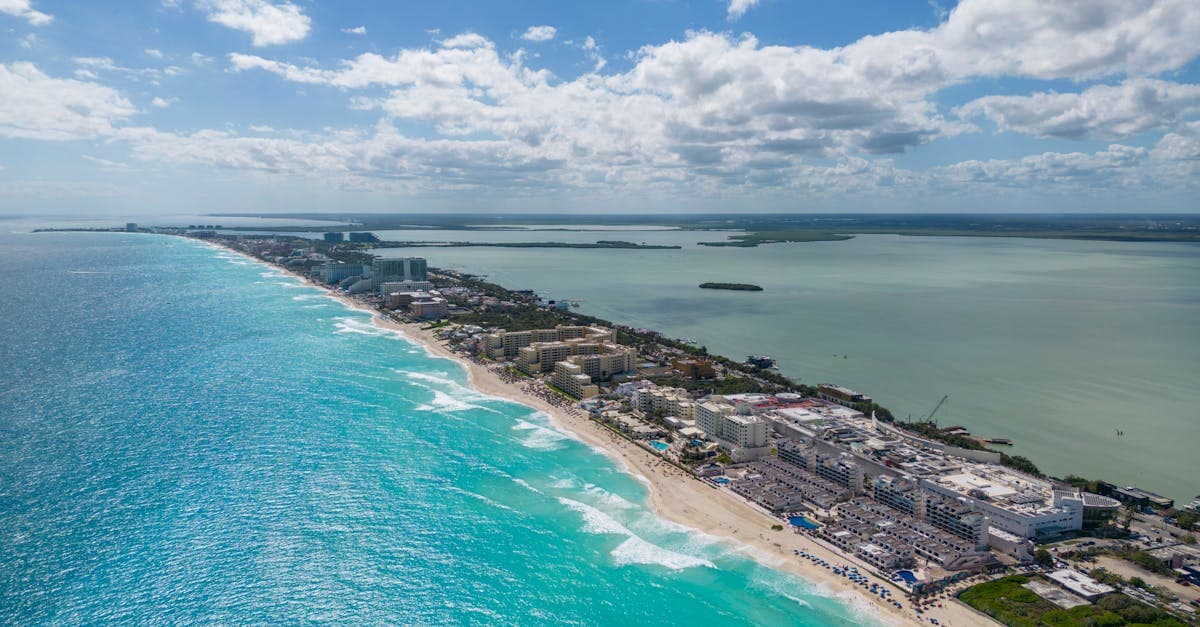
For ideal beach weather, dry season delivers the most predictable conditions on Cancun's calendar: December through April, temperatures between 75 and 85°F, low humidity, and calm Caribbean seas. The ocean adds an important detail: it holds 77 to 84°F in every single month of the year, warm enough for swimming and snorkeling regardless of when you travel.
That detail reframes how you should think about booking outside the peak window.
January and February are the coolest months, mostly clear and sunny, but "nortes" (cold fronts that push south from the Gulf of Mexico) can roll in and cloud things over for two or three days. These fronts typically pass within that window. They're not trip-enders. Build in a few flexible activity days and the scenario stays manageable.
Late April and early May sit in their own category. The calendar says shoulder season. The beach doesn't agree. Temperatures push into the low-to-mid 80s°F, the water is as clear as it was in February, and the Hotel Zone is noticeably quieter. The beach chairs aren't stacked three-deep. You can hear the waves.
Rainy season runs June through October, and its reputation overshoots reality in the early months. The rain pattern across June and July is typically a short, heavy afternoon burst of one to three hours, followed by clearing. Morning beach sessions often stay dry. Inland, the jungle turns vivid green, and visitor counts at Chichen Itza and Tulum drop sharply compared to peak season.
August and September are a separate category entirely.
Hurricane risk builds through August and peaks in September. An afternoon shower and a developing tropical system require different planning frameworks. The broad "rainy season" label can blur that distinction, so it's worth keeping those months in their own mental bucket when you're comparing options.
Weather narrows your window. Your budget narrows it further.
Best Time to Visit Cancun If You Are Watching Your Budget
May is the best value month for Cancun travel. Beach conditions barely differ from peak dry season, the Spring Break crowds have cleared, and rates sit well below the December-April ceiling. The savings gap noted in the quick answer above holds across hotel tiers, from all-inclusives on the Hotel Zone strip to smaller properties closer to downtown Cancun.
That margin evaporates fast in either direction.
March is peak pricing territory. Spring Break demand floods the Hotel Zone and drives rates sharply above the annual baseline. Those figures aren't soft estimates; the demand is concentrated, rooms are finite, and pricing reflects it. Book at least six months out if March travel is unavoidable, and set a firm daily budget before you start comparing options.
Christmas through New Year is the other pressure point. Hotel rates in the Zona Hotelera can double or triple compared to off-season levels during the holiday stretch. US and Mexican families compete for the same inventory simultaneously, which compresses availability and pushes prices to their annual high.
June opens a quieter window before school-holiday crowds return. Rainy season technically begins, but early June still behaves like an extension of May: manageable afternoon showers, lower rates, and a demand lull that a budget-conscious traveler can use to advantage.
September prices hit the floor.
The year-low rates in September carry a real tradeoff. It's statistically the most active month for tropical systems tracking toward the Yucatan Peninsula. Travel insurance belongs in your September budget alongside flights and hotel, not as an optional add-on. Cancellations, rerouting, and shortened trips are plausible outcomes, not tail-risk scenarios.
October moderates the equation. Risk drops as the month progresses, rates stay well below peak season, and late October can deliver weather that competes with early December without the price tag.
Low prices in peak hurricane months come with conditions attached.
Does Cancun Hurricane Season Actually Cancel Trips?
Hurricane season officially runs June 1 through November 30, but that six-month label overstates the risk most travelers face. The genuine danger window is narrower: August through October, with September carrying the highest statistical probability of storm activity near the Yucatan Peninsula. Those three months deserve careful thought. The remaining months in the window carry notably lower risk.
The reframe that shifts the planning math: a significant storm making direct landfall near Cancun occurs, on average, once every five to seven years. That's not a seasonal guarantee. The Caribbean generates tropical activity regularly, but most systems either track toward the Gulf of Mexico, curve north toward Florida, or weaken before reaching the Quintana Roo coast.
June and July are rainy season, not storm season.
Both months fall inside the official hurricane calendar, but actual storm risk during those weeks sits well below what August brings. What they deliver instead is afternoon rain that typically clears before dinner, lower hotel rates, and uncrowded beaches. Morning sea conditions are often calm enough that divers and snorkelers find early summer more reliable than January, when cold fronts push choppy surf onto the Caribbean side.
September carries the real caveat. Prices drop to their lowest point of the year precisely because storm risk reaches its peak. Anyone booking August through October should treat travel insurance as a firm requirement and choose a policy covering named storm cancellations specifically. That clause distinction determines whether you're reimbursed when a system develops.
Compare eSIM plans for Mexico — See 2026 pricing →
October shifts the balance. Risk falls from its September high, rates stay competitive, and late in the month the weather begins its gradual turn toward drier conditions.
Travelers who understand this picture find "hurricane season" far less alarming than the label implies. The risk is real in specific weeks. Outside those weeks, it's largely overstated.
Crowds are the other planning factor worth mapping out.
Best Time to Visit Cancun Without the Spring Break Crowd

To avoid Spring Break crowds, visit Cancun in late November through early December, late April, or early June. These windows fall outside the main surge from mid-February through late March and offer reliable weather at lower hotel rates. Two overlapping calendars drive crowd patterns: the US academic schedule and the Mexican school year.
Spring Break is the most obvious and most punishing crowd event. The peak concentrates in March, when the Hotel Zone fills and pricing hits the spike referenced earlier in this guide. The surge actually begins in mid-February and extends through late March, so "avoid March" isn't quite precise enough. Avoid the full mid-February through late March stretch if crowds are a genuine concern.
Late November through early December rarely gets the credit it deserves.
Mexican school holidays don't begin until mid-December. US Thanksgiving generates a crowd bump that's short, predictable, and clears quickly. The dry season establishes itself by early December. What this window offers is reliable weather, hotel rates that haven't climbed to Christmas levels, and a Hotel Zone that feels genuinely manageable compared to March.
Late April sits in a comparable position on the other side of the Spring Break calendar. Easter week can fall in April and brings regional Mexican travelers, temporarily pushing prices and beach density higher in the zona hotelera. Once Easter clears, the mood shifts noticeably. Warm water, lower humidity than summer, and more accessible hotel pricing all align in that window.
July is the trap that catches travelers expecting a summer discount.
US summer break and Mexican school holidays overlap directly in July, pulling crowd levels higher than most visitors expect from what's technically a "rainy season" month. June stays genuinely quiet. July carries a diluted version of spring peaks, without obvious price signals to warn you in advance.
Dates locked in. Now sort out how to stay online.
Staying Connected in Cancun: eSIM, SIM Cards, and Wi-Fi Options
Cancun visitors have three main connectivity options: carrier international plans, airport SIM cards from kiosks in the arrivals hall, or an eSIM installed before departure. The Hotel Zone provides solid 4G and 5G coverage throughout its 14-mile stretch, from the airport corridor down to the southern hotels.
Signal quality isn't the problem. The problem is getting Mexican data onto your phone before the taxi line starts moving, without paying US carrier day-pass rates.
AT&T, T-Mobile, and Verizon all include Mexico in their international add-ons. For a trip under three days where you're staying in a resort with reliable Wi-Fi, your carrier's existing plan might be enough. Stretch to a week, and the cost calculation typically favors a dedicated Mexico eSIM.
Cancun International Airport has SIM kiosks in the arrivals hall. During peak season, those lines run long enough to eat into time you'd rather spend elsewhere, and you're making a purchasing decision while jet-lagged, luggage in hand.
The eSIM alternative handles all of it before you leave home. Most iPhones and Android flagships from the past three years support eSIM installation over Wi-Fi. Purchase with Apple Pay or Google Pay, scan the QR code, confirm two prompts, and the profile installs in under five minutes. When you clear customs at Cancun International, your phone connects automatically.
Key fact: HelloRoam provides access to AT&T Mexico's 5G network, with a 1GB/7-day plan at ~$3.49 or a 5GB/30-day plan at ~$13.48.
Hotel Wi-Fi in Cancun is genuinely unreliable for the apps that matter most on arrival. Google Maps, Uber, and translation tools all need consistent data that lobby networks rarely deliver outside the immediate hotel area.
A tethering-capable plan covers every device you're traveling with. HelloRoam's Mexico plans include hotspot functionality, keeping navigation and ride-share apps working from the moment you land to the last shuttle back to the airport. eSIM for Mexico installs before boarding and activates on landing.
Two questions come up on almost every Cancun trip.
What Month Is the Cheapest Time to Visit Cancun?
September delivers the lowest hotel rates in the Cancun calendar, but it also carries the highest hurricane risk. For travelers weighing the best time to visit Cancun on a tight budget, May makes the stronger case: near-dry-season weather, thinning crowds, and rates that undercut peak pricing without the storm gamble.
September: Lowest Rates, Highest Risk
Pros: Hotels drop to their floor rates. Beaches run quiet in a way peak-season visitors rarely experience. The pace turns genuinely unhurried.
Cons: September is statistically the most active month for Atlantic hurricanes. A storm doesn't have to make direct landfall to wreck a trip. Rough surf, canceled boat tours, and evacuation watches are all real possibilities.
May: Best Value Without the Gamble
Pros: Water temperatures are warm, conditions rival April, and rates sit well below the Christmas-week peaks when some resorts charge two to three times their off-season prices. Crowds are noticeably thinner than during the Spring Break stretch.
Cons: Humidity climbs toward the end of the month. Afternoon showers start appearing. Neither is a dealbreaker, but they're part of the picture.
June and Early July
Rainy season opens rates considerably. July pulls school-holiday crowds back in, blunting some of the savings. Early June is the cleaner window if budget is the priority.
Mid-January Through Early February
Dry season still applies here, and the holiday pricing premium has largely faded. Rates soften before the Valentine's run-up and the Spring Break surge begin pulling them back up.
Cheapest doesn't always mean best value. September wins on price and loses on peace of mind. May threads that needle for most travelers.
Reviewed by HelloRoam's editorial team. Last updated: 26 June 2026.
Get Connected Before You Go


Frequently Asked Questions
December through April is the best time to visit Cancun, offering dry weather, consistent sunshine, temperatures of 75-85°F, and calm Caribbean waters throughout the season.
September has the lowest hotel rates but the highest hurricane risk. May is a better value option, with near-dry-season weather and rates 20-35% below peak pricing without the storm gamble.
Hurricane season officially runs June 1 through November 30, but the genuine high-risk window is August through October, with September being the most statistically active month for storm activity.
June and July carry low storm risk despite falling within hurricane season. A major storm makes direct landfall near Cancun only once every five to seven years on average, so risk is frequently overstated.
Visit in late November through early December, late April, or early June. The main surge runs mid-February through late March, so avoiding that full stretch is more effective than just skipping March.
May offers near-peak beach conditions with warm water, low humidity, and thinning crowds. Hotel rates typically run 20-35% below December-April peak pricing, making it one of the best value months.
The ocean stays between 77 and 84°F year-round in Cancun, making it warm enough for swimming and snorkeling in every single month of the year.
Cancun is most crowded during Spring Break in March and over Christmas through New Year. Hotel Zone rates can double or triple during the holiday stretch as US and Mexican families compete for the same inventory.
January and February are the coolest months, mostly clear and sunny. Occasional cold fronts called nortes can bring clouds for two to three days but typically pass quickly and rarely ruin a trip.
Late April and early May offer near-peak beach conditions with noticeably fewer crowds and rates 20-35% below the December-April peak, making them ideal for travelers seeking good weather and value.
Travel insurance is strongly recommended for trips between August and October due to hurricane risk. Choose a policy that specifically covers named storm cancellations to ensure reimbursement if a system develops.
July is rainy season but sees higher-than-expected crowds because US summer break and Mexican school holidays overlap. Rates do not drop as much as visitors expect, and afternoon showers are common.
Travelers can use carrier international plans, airport SIM cards from arrivals hall kiosks, or an eSIM installed before departure. The Hotel Zone has solid 4G and 5G coverage across its 14-mile stretch.
An eSIM installs on compatible phones before departure by scanning a QR code. It activates automatically on landing, giving you immediate data access without queuing at airport SIM kiosks on arrival.
October offers a solid balance: hurricane risk falls from its September high, rates stay well below peak season levels, and late in the month weather begins its gradual turn toward drier conditions.
Sources
- Best Times to Visit Cancun | U.S. News Travel — travel.usnews.com
- Best Times to Visit Cancun — travelandleisure.com
- Best Time to Visit Cancun | Travel — hilton.com