


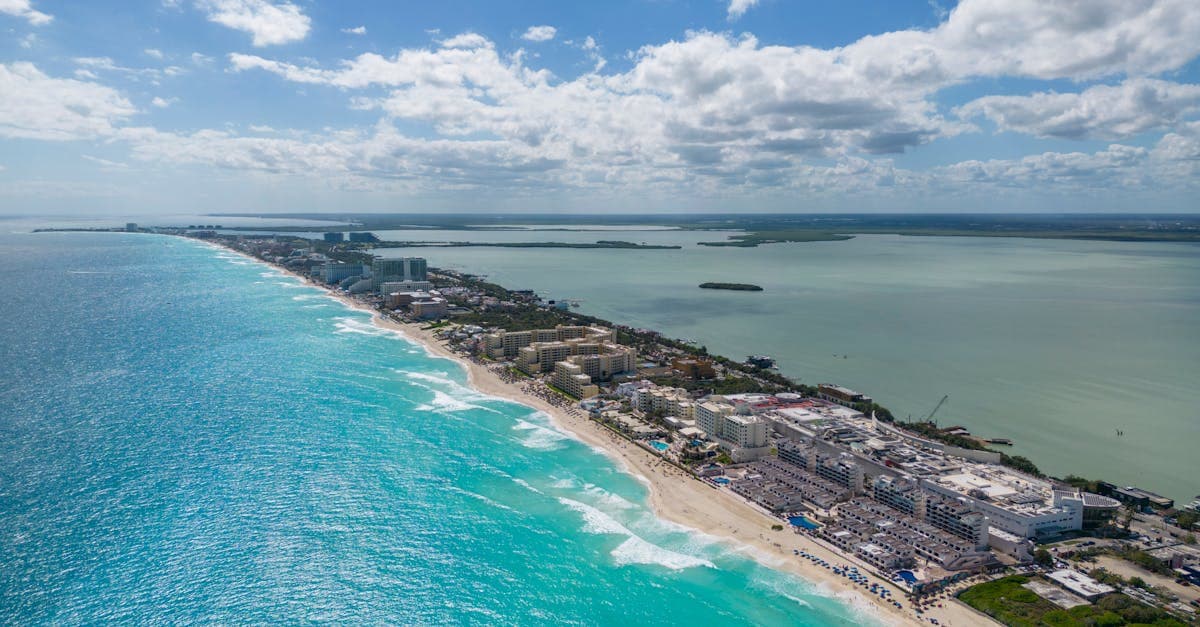
Quick Answer: best time to visit cancun

December through April is the best time to visit Cancun travel.usnews.com. Rainfall drops below 2.6 inches per month, temperatures hold at a comfortable 82-86°F, and hurricane risk is essentially zero. Early December stands out as the sharpest value: identical weather to peak season, prices running 30-40% lower than Christmas week rates.
Key fact: Cancun receives roughly 10-12 million international visitors per year, generating around 30-35% of Mexico's total tourism revenue.
December through April delivers the best overall conditions: dry weather, reliable sunshine, and sea temperatures that stay swimmable throughout. That said, the right month depends on what you're optimizing for.
Early December is the industry's best-kept secret. Weather matches the Christmas peak in every meaningful way, but all-inclusive rates run $150-$260 per night versus $350-$700+ at Christmas. Flights from major US hubs average $380-$520 round-trip in early December compared to $550-$900+ later in the month. Same Caribbean sun, a fraction of the chaos.
September and October are the cheapest months on the calendar, with flights dipping to $280-$420 and resort rates as low as $120-$220 per night. The trade-off is real: September is statistically the most active month of Atlantic hurricane season, averaging around 8.5 inches of rain.
For Cancun connectivity, an eSIM for Mexico from HelloRoam starts at ~$2.99 for 1GB on AT&T's 5G network, useful from the moment you clear customs at Cancun International.
The details behind each season matter more than the headline answer.
December Through April: The Best Time to Visit Cancun
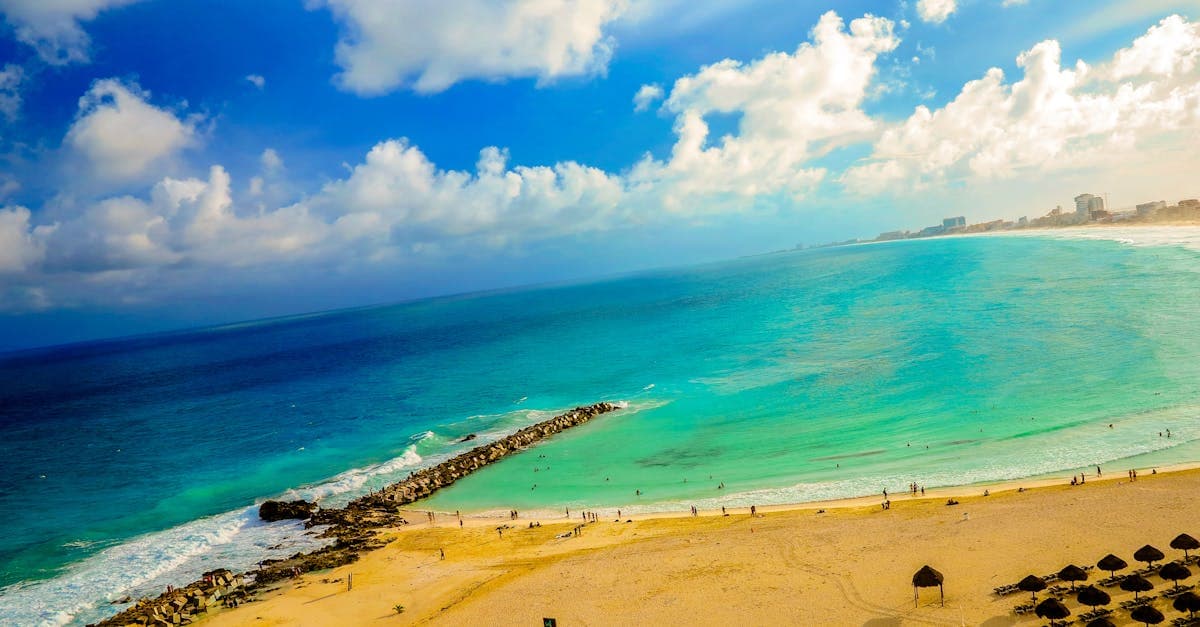
Dry season in Cancun runs December through April, with monthly rainfall rarely exceeding 2.6 inches. March is statistically the driest and sunniest month of the year.
Crowds and pricing tell a more layered story. Christmas and New Year's push Hotel Zone occupancy to 90-95%, compressing availability and inflating rates to their annual peak. Families booking spring break face a similar crunch, though the crowd profile shifts dramatically from the festive, mixed-age Christmas atmosphere.
January and February sit in a crisp middle ground: dry-season weather, no spring break surge, and rates well below the holiday peak. Families who can travel outside school-break windows consistently find this window the most value-dense of the entire dry season.
One caveat most forecasts miss: "nortes," cold fronts that roll in from November through February, can bring 1-3 day stretches of overcast skies and winds pushing temperatures into the mid-60s°F. Rare, but it happens, and no forecast catches every one.
Spring break is a category of its own: the crowd profile is nothing like Christmas.
Spring break in Cancun: what March crowds actually look like

The peak spring break window runs March 7-21, concentrated almost entirely in the Hotel Zone. During those two weeks, an estimated 500,000-700,000 visitors descend on a stretch of coastline built for density but not quite this much of it.
The demographic skews hard toward 18-25. Beach clubs run at full volume from midday into the early hours — bass thumping through the sand, swim-up bars three deep, and the particular energy of a crowd that came specifically to make noise. That atmosphere is exactly what a segment of travelers comes for, and it delivers. But if your travel group includes kids under 10 or you booked Cancun for a quieter anniversary trip, March in the Hotel Zone will surprise you in ways you won't enjoy.
Prices reflect the demand. Spring break rates run 15-20% above standard dry-season levels. You're paying more for louder.
Families and couples wanting dry-season weather without the party energy have a straightforward fix: shift to January or early February. The weather is virtually identical, the beaches are uncrowded on weekday mornings, and all-inclusive rates drop meaningfully. The Hotel Zone still has energy, just a decibel level that doesn't require earplugs.
Budget travelers operate on a different calculus.
What Is the Cheapest Time to Visit Cancun?

All-inclusive rates hit their floor in September and October: $120 to $220 per night at properties that charge considerably more in every other season. Flights from US hubs average $300 to $420 round-trip during this window. The savings are real. The trade-offs are equally concrete.
Both months sit squarely in peak hurricane season. Sargassum seaweed also runs heavy through October, and beach conditions shift daily depending on currents and wind direction. Without trip cancellation coverage, a named storm in the Gulf converts a bargain booking into a financial write-off.
May and early June occupy a clear sweet spot that doesn't get enough attention. Rates track the summer pricing range without September's storm exposure. Rain arrives in predictable afternoon bursts rather than all-day cloud cover. Storm probability stays low before late July, and sargassum hasn't peaked yet in May. For travelers who want cheap without the hurricane gamble, May is the cleaner pick. Divers get the added benefit of pre-sargassum visibility travelandleisure.com.
The early December window (Dec 1-20) approaches value from a different direction. That 30-40% discount off Christmas-week pricing, cited earlier in this guide, applies to conditions that are fully dry-season quality. The beach is uncrowded. The weather cooperates. Most booking platforms bury this window under holiday-tier listings, which is part of why it stays underbooked.
September and October win on price alone. May wins when you want cheap without the storm gamble. Early December wins when conditions matter as much as cost.
Understanding how Cancun's rain actually falls reframes every cheaper month on this list.
Cancun's Rainy Season: Timing Your Visit Around the Weather

Cancun's rainy season runs May through November, with September averaging around 8.5 inches of rain per month. That sounds alarming. The reality is more workable than most travel guides suggest.
The persistent myth about the wet season is that it shuts down the beach experience. It doesn't. Rain in Cancun arrives in fast afternoon bursts, typically between 2 and 5 p.m., the kind that darkens the sky in fifteen minutes, drums hard on the pool deck, then clears before dinner. Mornings run sunny. Evening beach time holds through most of the season. The sky opens, drains, and moves on in under an hour.
Three facts that change the wet-season calculation:
- The Canícula. Mid-to-late July brings a brief natural dry spell within the wet season. Locals have a name for it; most travel articles don't mention it. If you're booking late July, this window often performs closer to dry season than the calendar suggests.
- Water temperature stays constant. Ocean temps hold between 77 and 86°F year-round. The Caribbean side of the Hotel Zone stays swimmable and calm even in the wetter months, which is relevant for anyone choosing Cancun over a Pacific-coast destination.
- Sargassum is the honest complaint. Seaweed peaks May through October, with July often the most severe month depending on currents. That's a real planning variable, separate from rain.
The wet season isn't a vacation killer. Rain at 3 p.m. in June is a scheduling inconvenience. A Category 2 in October is a trip disruption. Treating those two conditions as the same risk is how travelers make bad booking decisions.
Your traveler type narrows the ideal window even further than the season alone.
Best Time to Visit Cancun for Families, Couples, and Budget Travelers

The best time to visit Cancun varies by traveler type. Families with school-age children fit most comfortably in January and February, couples seeking quiet do best in early November or the first three weeks of December, and budget travelers benefit most from May and June.
Families with school-age children land most comfortably in January and February. The earlier section covers the spring break crowd and demographic in detail; the short version is that March is the wrong call for most families. January and February deliver identical dry-weather conditions without the pricing premium or the party atmosphere. Resorts fill with other families during this window, and the energy matches.
Couples looking for quiet get the strongest conditions in early November or the first three weeks of December. Early November sits just past the hurricane season threshold, with competitive rates and uncrowded beaches. The Dec 1-20 pricing gap noted earlier applies to fully dry conditions. Both windows beat the Christmas spike without sacrificing beach quality.
Budget travelers should look seriously at May and June. Rates are accessible, afternoon rain follows a predictable schedule, and storm risk stays low before late July. May edges out June slightly on beach conditions since sargassum hasn't fully built yet.
Divers and snorkelers should prioritize April through early May. Visibility peaks in this window before seaweed complicates conditions along the Mesoamerican Barrier Reef and in the nearby cenotes. After May, seaweed coverage becomes a variable worth tracking.
Solo travelers watching costs find October worth considering. Rates drop to their floor, crowds thin considerably, and the atmosphere is bare-bones calm. Travel insurance isn't optional in that window.
The hurricane question tends to stop most planners before they reach this point in the calendar. The actual risk picture is more specific than a six-month blanket warning.
Hurricane Season: When to Visit Cancun With Caution

Official hurricane season runs June 1 through November 30, but those six months don't carry equal risk hilton.com. Historical damage concentrates in a tighter window: August 10 through October 10.
June and early July carry a genuinely low storm probability. Travelers who book June to capture reduced rates while limiting exposure are making a defensible calculation. That calculus shifted slightly after Beryl made landfall in early July 2024 as the earliest Category 5 on record in the Atlantic basin. June isn't zero-risk. It's just historically the safest entry point into the season.
September stands apart from every other month.
Wilma made landfall as a Category 5 in October 2005. Delta hit as a Category 2 in October 2020. Beryl's July 2024 track demonstrated that the Gulf can produce severe systems before the statistical peak window opens. For September and early October, storm probability runs higher than any other point on the calendar, and the consequences of a direct hit range from a disrupted vacation to a full evacuation scenario.
The practical response isn't to avoid the season entirely. Most major Cancun resorts now offer hurricane guarantee rebooking policies that let travelers move their stay if a named storm disrupts dates. These policies vary by property, and the specifics matter: some cover rebooking only, most exclude flight costs, and terms shift seasonally. Read the fine print before assuming you're covered.
For any September or October booking, trip cancellation insurance is mandatory. It's the mechanism that makes those rock-bottom rates survivable when the season turns active. Without it, you're absorbing the full financial exposure of a volatile booking window.
June through early July is manageable with the right coverage in place. September requires a different approach altogether.
One detail most planning guides skip: what happens to your phone connectivity the moment you land in Cancun.
Staying Connected in Cancun: eSIM and Mobile Data Options

AT&T, T-Mobile, and Verizon each sell international day passes for Mexico, typically $10-$15 per line per day. A 10-day trip at that rate adds a real chunk to your travel budget before you've spent a peso.
Travel eSIMs cut that down sharply. Mexico plans start at ~$2.99 for 1GB over 7 days, no physical card required. Install via QR code, and your US number stays reachable on the same device for calls and texts.
Cancun International (CUN) airport Wi-Fi is too unreliable for QR-based eSIM activation. Do it at home, in your phone's settings, before you leave — the install takes a few minutes, and waiting until the gate turns a clean process into a fiddly one.
Coverage in the Hotel Zone runs solid 4G LTE along the main strip. Cenotes inland and rural roads south of Tulum get spottier. Download offline maps before those excursions.
The setup sequence:
- Confirm your phone is eSIM-compatible and carrier-unlocked (most US handsets from 2021 onward qualify).
- Purchase a Mexico eSIM plan before departure.
- Scan the QR at home, complete the install, keep your US line active until you land.
- At CUN, switch to the Mexico eSIM. Connected before baggage claim.
HelloRoam offers prepaid Mexico plans from ~$2.99 for 1GB on AT&T's 5G network, no contract, activated with a single QR scan. For a stay under three days with solid hotel Wi-Fi, your carrier's day pass is a reasonable call. A week or more, and the per-day math clearly favors a dedicated eSIM.
Still sorting out when to go? The FAQ below covers the most common sticking points.
What Are the Best Months to Go to Cancun?

Three months stand above the rest: January, February, and March. All three deliver dry season conditions reliably, daily highs under 86°F, consistent sunshine, and rainfall measured in fractions of an inch. February is typically the quietest of the three, after the Christmas crowd clears and before spring break builds toward its peak travel.usnews.com.
Walk the beach before 8 a.m. in February and you get cool salt air, a flat Caribbean horizon, and the kind of unhurried quiet that vanishes the moment spring break season opens. The Hotel Zone still stirs at night (it's Cancun, after all), but mornings belong to whoever shows up early enough to claim them.
Early December earns the insider pick label for good reason. Conditions match those three months closely, but rates and crowds run considerably lower, as detailed in the pricing breakdown earlier. Travelers willing to arrive before the holiday rush often find the same beaches for noticeably less.
April and early May are underrated for a specific reason: water clarity. Sargassum hasn't peaked yet, reef visibility is at its best, and hotel rates haven't climbed to spring break levels. For snorkeling or diving, this window delivers more than its reputation suggests.
The Canícula, that brief dry spell in mid-to-late July, gives summer travelers a narrow reprieve from afternoon downpours. Not dry season quality, but a lean stretch that parents traveling on school calendars often plan around.
September and October suit only travelers with genuine flexibility and a high tolerance for disruption. Rates floor out, but hurricane risk is real, sargassum peaks, and travel insurance stops being optional. Any booking in this window needs a resort with a clear rebooking guarantee.
For most travelers, February is the single strongest month. The weather is crisp, the beaches are calm, and the town hasn't yet shifted into spring break mode. Book it once and you'll understand why it fills up fast.
Reviewed by HelloRoam's editorial team. Last updated: 19 April 2026.
Get Connected Before You Go


Frequently Asked Questions
December through April is the best time to visit Cancun, with rainfall rarely exceeding 2.6 inches per month and temperatures holding at a comfortable 82-86°F. March is statistically the driest and sunniest month of the year, though it coincides with spring break crowds. January and February offer the same dry-season conditions with fewer crowds and lower prices than the holiday peak.
September and October are the cheapest months to visit Cancun, with all-inclusive resort rates as low as $120-$220 per night and flights from US hubs averaging $300-$420 round-trip. However, both months fall squarely in peak hurricane season and carry significant storm risk. May and early June offer a strong alternative — rates are budget-friendly, storm probability is low, and rain arrives in predictable afternoon bursts rather than all-day cloud cover.
Cancun's rainy season runs from May through November, with September averaging around 8.5 inches of rain per month. Rain typically arrives in fast afternoon bursts between 2 and 5 p.m. and clears within an hour, leaving mornings sunny and evenings largely usable. A brief natural dry spell called the Canícula occurs in mid-to-late July, often performing closer to dry-season conditions than the calendar suggests.
Cancun's Hotel Zone is home to the city's densest concentration of all-inclusive resorts, with premium properties commanding $350-$700+ per night during the Christmas and New Year's peak. Major resorts in the area typically offer hurricane guarantee rebooking policies, which vary by property in terms of coverage scope. For the best combination of availability and value at top-tier properties, January and February offer dry-season quality at rates well below the holiday peak.
Official hurricane season in Cancun runs June 1 through November 30, but historical storm damage concentrates most heavily between August 10 and October 10. September carries the highest storm probability of any month on the calendar. June and early July are the safest entry points into the season, though they are not entirely risk-free, as demonstrated by an early-season Category 5 storm making landfall in July 2024.
March offers excellent dry-season weather in Cancun, but the peak spring break window from March 7-21 brings an estimated 500,000-700,000 visitors to the Hotel Zone, creating a loud, crowded atmosphere skewed toward the 18-25 demographic. Resort rates during spring break run 15-20% above standard dry-season levels. Families, couples, and travelers seeking a quieter experience are better served by January or early February, which offer virtually identical weather without the spring break energy.
December in Cancun offers fully dry-season conditions, with temperatures around 82-86°F and rainfall well below 2.6 inches per month. Early December (December 1-20) is particularly underrated — weather matches the Christmas peak in every meaningful way, but all-inclusive rates run $150-$260 per night compared to $350-$700+ during Christmas week. One caveat: cold fronts called 'nortes' can occasionally bring 1-3 day stretches of overcast skies and temperatures in the mid-60s°F between November and February.
January and February are the best months for families visiting Cancun, offering dry-season weather without the spring break crowds and pricing premium of March. All-inclusive rates during this window run $200-$350 per night, compared to $280-$550 during spring break. Resorts fill with other families during January and February, creating an atmosphere that matches better for travelers with children.
Early November and the first three weeks of December offer couples the best combination of quiet beaches, competitive rates, and good weather. Early November sits just past the hurricane season threshold with uncrowded beaches, while the December 1-20 window provides fully dry-season conditions at 30-40% below Christmas-week pricing. Both windows beat the holiday and spring break surges without sacrificing beach quality.
All-inclusive resort rates in Cancun's Hotel Zone vary significantly by season, ranging from $120-$220 per night at the September-October floor to $350-$700+ per night during the Christmas and New Year's peak. January and February sit in the mid-range at $200-$350 per night. Early December (December 1-20) offers the best value in the dry season, with rates running $150-$260 per night under fully dry conditions.
Sargassum is seaweed that washes ashore along Cancun's beaches, peaking between May and October with July often the most severe month depending on ocean currents. Beach conditions can shift daily based on wind direction, and its presence is a separate planning variable from rain or storms. Travelers prioritizing clear beach conditions — particularly divers and snorkelers — should aim for April through early May, before sargassum coverage builds significantly.
April through early May is the best window for divers and snorkelers visiting Cancun, as underwater visibility peaks before sargassum seaweed complicates conditions along the Mesoamerican Barrier Reef and in nearby cenotes. After May, seaweed coverage becomes an unpredictable variable that can reduce visibility. Ocean water temperatures remain consistently warm year-round, holding between 77 and 86°F across all seasons.
The Canícula is a brief natural dry spell that occurs within Cancun's wet season in mid-to-late July, when conditions often perform closer to dry season than the surrounding calendar months suggest. Most travel articles do not mention this window, making it an underrated option for travelers looking to book late July at wet-season prices with reduced rainfall. It is a well-known local phenomenon but rarely reflected in standard seasonal forecasting.
Trip cancellation insurance is effectively mandatory for any September or October booking in Cancun, as storm probability runs higher than any other point on the calendar and a direct hurricane hit can range from a disrupted vacation to a full evacuation. Many major Cancun resorts offer hurricane guarantee rebooking policies, but these typically cover date changes only and exclude flight costs. Without travel insurance, the financial exposure of a volatile booking window absorbs the savings from discounted rates.
Major US carriers offer international day passes for Mexico at $10-$15 per line per day, which adds up quickly over a 10-day trip. Travel eSIM plans for Mexico offer a significantly cheaper alternative, with plans starting around $2.99 for 1GB over 7 days and no physical SIM card required. An eSIM can be activated before departure and is ready to use from the moment you clear customs at Cancun International Airport.
Sources
- Best Times to Visit Cancun | U.S. News Travel — travel.usnews.com
- Best Times to Visit Cancun — travelandleisure.com
- Best Time to Visit Cancun | Travel — hilton.com