

Quick Answer: best time to visit paris
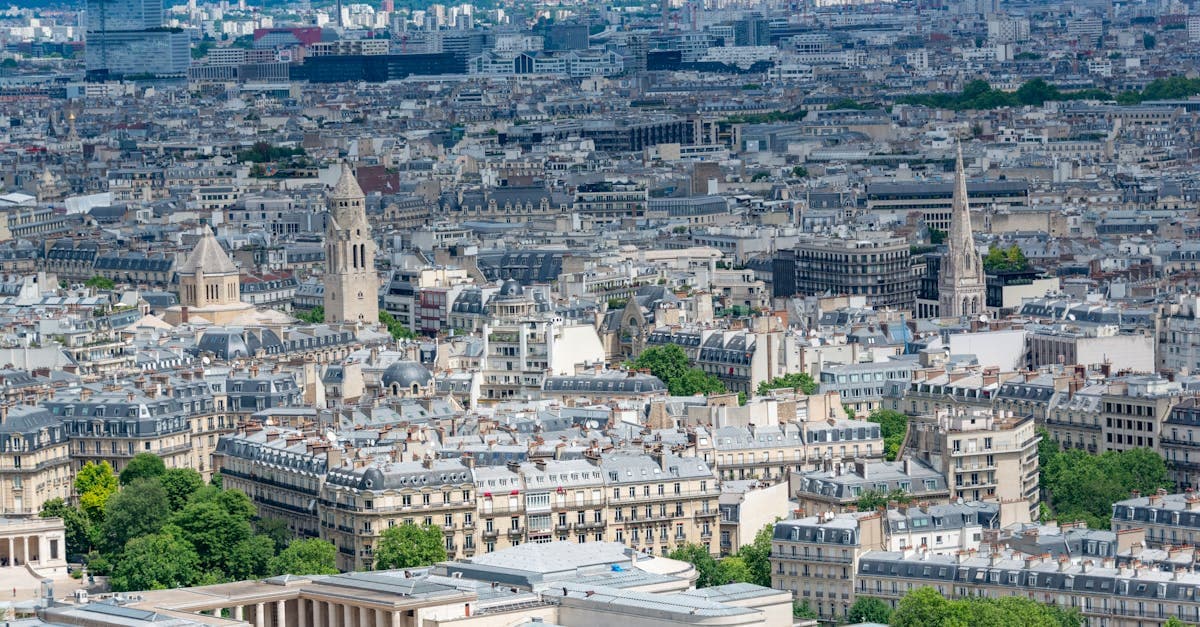
September and October are the best months to visit Paris. Crowds thin out after the summer rush, temperatures stay comfortable in the low-to-mid 60s Fahrenheit, and hotel rates drop noticeably from summer peaks. April and May run a close second for first-timers who want blooming parks and longer days without July's punishing queues, a pattern consistent with seasonal guidance from travel.usnews.com.
Key fact: Summer hotel rates in Paris average $180-$220 per night at 3-star properties; the same rooms run $110-$150 in the low season.
January and February are the cheapest window for US travelers. Round-trip flights from New York can fall to $400-$550, roughly half the summer fare. The tradeoff is cold, grey days and some smaller shops closed for the season. Worth it for museum lovers and budget travelers. Not ideal for a first visit.
Best Time to Visit Paris in 2026: Quick Answer

Late September and October are the top all-around pick for 2026. Crowds drop after September 1, fall foliage lines the Champs-Élysées, and you're paying shoulder-season rates. According to royalcaribbean.com, spring from March to May is another strong window for first-timers: cherry blossoms peak at Parc de Sceaux in mid-April, and the city hasn't hit its summer saturation point yet.
Here's a concrete reason 2026 is a stronger year than usual: Sacré-Coeur completed its renovation scaffolding removal in 2025. That's the first time in years you can photograph the basilica without cranes blocking the facade. If that shot is on your list, 2026 is the year.
For budget-first US travelers, January and February still offer the best flight deals, with NYC round-trips hitting $400-$550. Museums like the Louvre are genuinely navigable in winter, not just tolerable.
On connectivity: eSIM for France through HelloRoam starts at ~$2.88, running on Orange's 5G network. AT&T and Verizon international day passes typically run $10-$12 per day, so a week in Paris adds up fast on a carrier plan. The season matters, but the details that protect your budget and your time matter more.
Best Season to Visit Paris: Weather, Crowds, and Prices
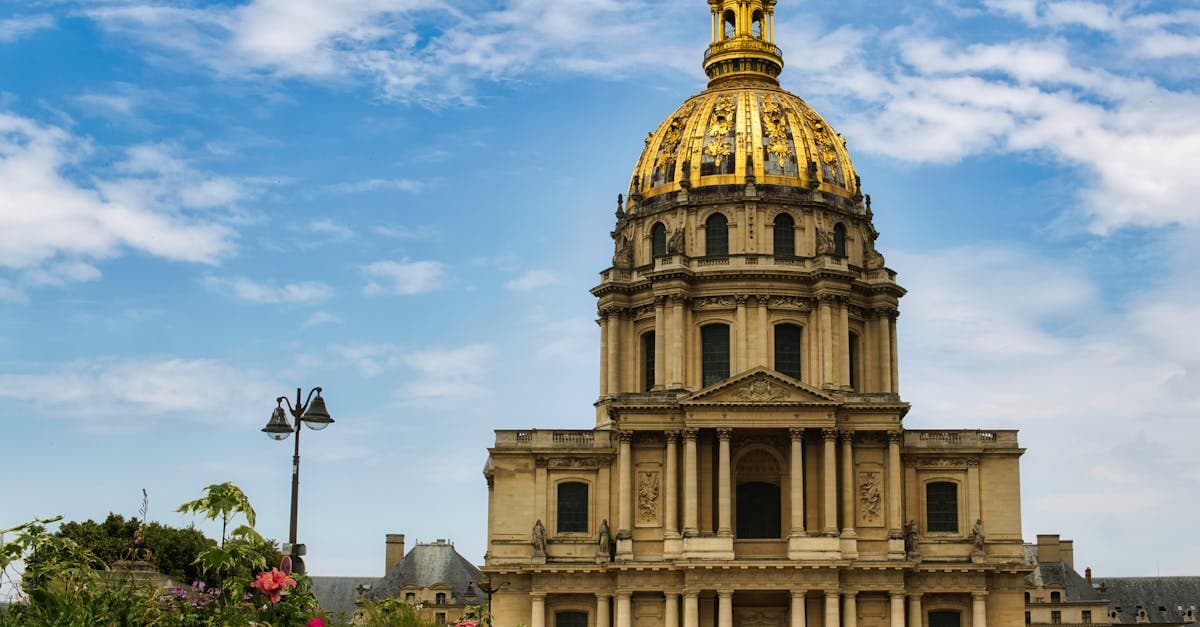
Fall is the objective sweet spot. September and October deliver temperatures between 12-20°C (54-68°F), crowds that thin 20-30% after the first of September, and hotel pricing that hasn't hit winter lows but beats summer by a wide margin. Golden light on the Seine, golden leaves on the Champs-Élysées. If you can only go once, go in October parisdiscoveryguide.com.
Spring: The First-Timer's Season
April and May average 12-19°C (54-66°F) with around 8-9 rainy days per month. That's manageable. What draws people isn't just the temperature: Parc de Sceaux, about 30 minutes south of central Paris, hits peak cherry blossom in mid-April. It's a standout draw in 2026 with several major exhibitions confirmed at the Louvre, Musée d'Orsay, and Center Pompidou for the spring season. Lines at the Eiffel Tower are long but not yet brutal. Book skip-the-line tickets regardless.
The crowds haven't hit their summer ceiling. That matters more than most guides admit.
Summer: Eiffel Tower Queues and Heatwaves
June through August is peak season for US visitors and peak punishment for anyone who didn't pre-book everything. Eiffel Tower queues routinely stretch 2-3 hours without advance tickets. Temperatures can spike above 35°C during heatwaves, which have become increasingly frequent since 2019. The city gets 16 hours of daylight in June, which is genuinely lovely for evening strolls, but it doesn't offset the operational headaches.
Here's the August trap most US travelers fall into: August is the most popular booking month from the States, but it's arguably the worst month to go. Many Parisian-owned bakeries, cafes, and restaurants in the 1st through 4th arrondissements close for the entire month. You're left competing with the largest tourist crowds of the year for a thinner selection of open venues. The city feels simultaneously packed and hollowed out ricksteves.com.
Winter: Cheap and Cold
January and February are the most affordable months. Hotel rates drop to $110-$150 per night at properties that charge $180-$220 in summer. Flights from the US are at their lowest. The museums are navigable and far less claustrophobic than in July.
The downside is blunt: it's cold, grey, and daylight is short. December adds holiday lights and Christmas markets, but prices spike back up and the crowds return. If your goal is cultural immersion on a budget, January works. If you need warmth and energy, it doesn't.
Best Time to Visit Paris for Events, Festivals, and Fashion Week
The best time to visit Paris for major events: July 14 for Bastille Day fireworks, late September for Fashion Week and Nuit Blanche, and late May to early June for Roland-Garros. Each event shifts hotel prices and crowd levels significantly, so advance booking is essential. Paris rewards planners and punishes anyone who books a hotel two weeks out.
Bastille Day, July 14
The Eiffel Tower fireworks are the real thing. Book hotels three to five months in advance for the July 14 window. The city is festive, the fireworks display over the Champs de Mars is genuinely spectacular, and street celebrations run through the night. The downside: you're visiting at peak summer, with the crowd and heat considerations that come with it.
Fashion Week: Late February and Late September
Paris Fashion Week runs twice a year. Both windows trigger hotel price spikes of 30-50% near Saint-Germain and the Marais. If you're not attending shows, those weeks are worth avoiding entirely. If you are attending, book the moment dates are announced.
September Fashion Week also overlaps with the best general travel window, which creates an odd split: the city is at its most beautiful and its most expensive simultaneously.
Roland-Garros Tennis, Late May to Early June
The French Open creates a localized hotel shortage near the 16th arrondissement and Boulogne-Billancourt. Prices spike near the venue; central Paris is less affected. Tennis fans should book early. Everyone else should be aware that hotel inventory around Porte d'Auteuil tightens sharply.
Nuit Blanche, Early October
This is the surprise on the calendar. Nuit Blanche, typically the first Saturday of October, opens museums, galleries, and cultural institutions across Paris for free, overnight. No entry fees, no advance booking required for most venues. It's one of the best deals in European travel and largely unknown outside France. Pair it with a fall trip and you've got a nearly unbeatable value combination.
Spring and fall 2026 both carry confirmed major exhibitions at the Louvre, Musée d'Orsay, and Center Pompidou. If a specific show is on your list, check opening dates before you lock in flights. Events narrow the ideal window; budget considerations narrow it further.
What Are the Best Months to Go to Paris?
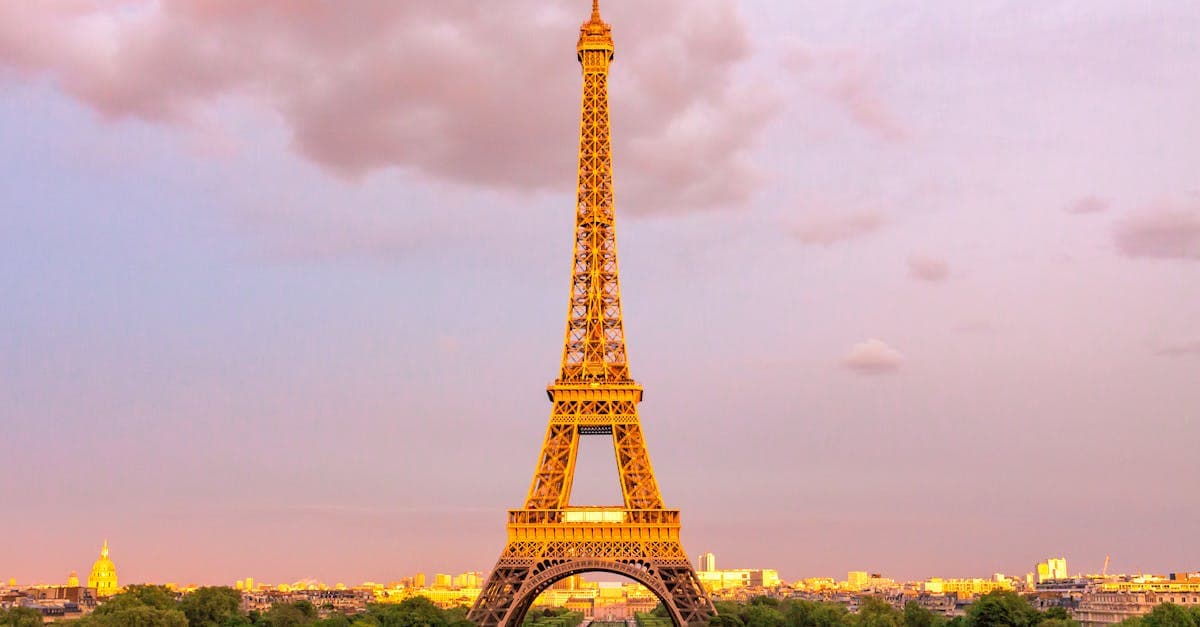
April, May, September, and October are the four months that consistently deliver the best overall Paris experience. According to travel.usnews.com, the best time to visit Paris is from June to August and September to October, though September earns the top spot among experienced travelers: comfortable temperatures, noticeably fewer crowds after the summer rush, and restaurants and neighborhood cafes running at full capacity after the annual summer lull.
Most guides frame this as a weather decision. The more useful frame is a restaurants-and-culture decision.
August is the most-booked month from US travelers, yet it's also when many Parisian-owned bakeries, brasseries, and local shops in the central arrondissements close for the entire month. You'll be surrounded by other tourists, competing for the handful of places that stayed open. That's not a minor inconvenience; it changes the character of the city entirely.
The Case for Each Top Month
April and May give you full spring: trees in bloom, daylight stretching past 8pm, and pricing that hasn't yet climbed to peak summer territory. May specifically delivers the spring atmosphere without the school groups that clog the Louvre during the early April break window.
September remains the confident expert pick. School resumes across France after September 1, pulling domestic vacationers home and thinning queues at major attractions without a meaningful drop in temperature.
October offers something distinct: golden foliage along the Champs-Élysées, neighborhood life fully restored after summer closures, and the Sacré-Cœur, scaffold-free since its 2025 renovation completion, at its most photogenic on a clear autumn morning.
The best months answer the experience question. Budget travelers need a separate answer, and that calculation points to a different part of the calendar.
What Is the Cheapest Time to Go to Paris?
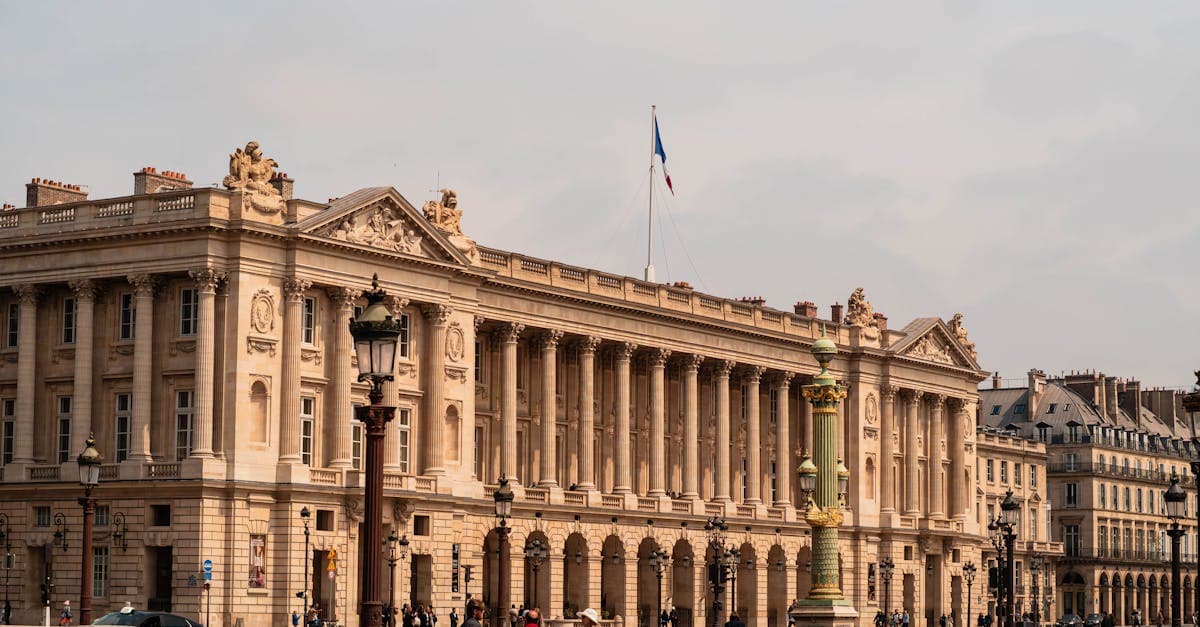
January and February are the cheapest months for US travelers heading to Paris. November also delivers low fares and hotel prices except during Thanksgiving week, when American demand spikes sharply and airfares climb to match.
The Hotel Math
Equivalent 3-star properties in Paris run roughly $60-$70 per night less during low season than at the summer peak. Over ten nights, that difference covers several genuinely good dinners before you've even factored in the flight savings.
When to Book
Summer flights from the US require 3-5 months of lead time, as ricksteves.com notes that May, June, September, and October are the toughest months for hotel-hunting with few deals to be found. Shoulder season (April, May, September, October) is more forgiving: six to ten weeks ahead is typically sufficient. The late September exception matters, though. Fashion Week pushes hotel rates sharply upward even within an otherwise shoulder-season window, so treat those specific dates with peak-season urgency regardless of what the broader calendar looks like.
November is underrated. The city is quiet, hotel pricing tracks with January levels, and Christmas decorations appear by late in the month, making Paris photogenic without high-season crowds. The one trap: any departure week overlapping with US Thanksgiving, when clustered American demand pushes fares up noticeably.
One honest caveat: cheap flights don't mean a cheap trip. Museum entry, restaurant bills, and day-trip rail passes all carry Parisian pricing year-round. The flight and hotel savings are real; just budget the full trip, not only the fare.
Staying Connected in Paris: eSIM, SIM Cards, and Wi-Fi
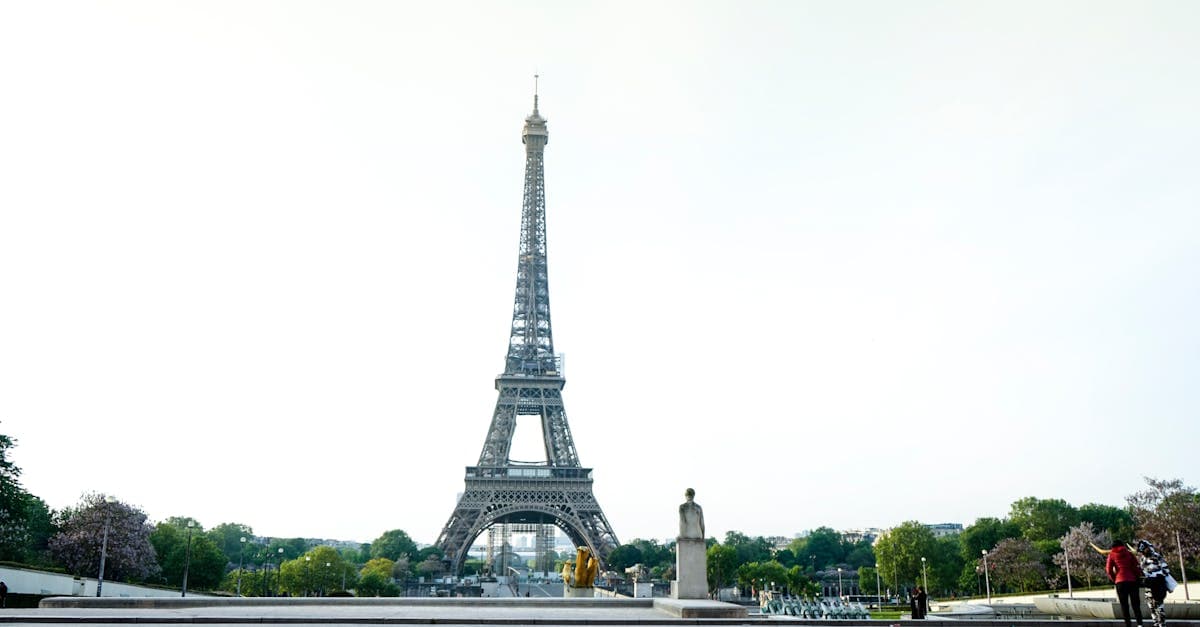
A France eSIM is the most practical connectivity option for US visitors to Paris, offering significant savings over carrier day passes. US carrier international day passes charge a flat daily rate whether you use 1 GB or 5 GB. Over two weeks in Paris, those daily charges compound into a bill that significantly exceeds what a dedicated France eSIM costs for the entire stay.
The practical setup is straightforward: activate a France eSIM before leaving the US. Plans on Orange's 5G network scale from single-day options to 30-day packages at the pricing noted earlier in this guide. Installation is a QR code scan; the plan goes live the moment your phone connects to a French network at CDG or Orly, no kiosk visit required.
Free Wi-Fi at Parisian cafes and on the Metro exists, but it's not a navigation plan.
Coverage drops in tunnels and at older Metro stations. Public hotspot login screens add friction exactly when you need directions fast. Treat cafe and Metro Wi-Fi as a backup, not a primary connection, particularly during evening hours when tourist traffic saturates shared networks.
If your itinerary includes Bastille Day or a Fashion Week weekend, download offline maps for Paris before departure. Network congestion during crowd events can slow mobile data meaningfully for everyone sharing the same towers. Cached maps remove that dependency when you need them most.
Data needs also scale with season: summer navigation, translation apps, restaurant searches, and ride-share calls burn through a plan faster than a quieter October walking itinerary. Size your plan to your actual schedule, not a generic estimate.
Getting online immediately at CDG and Orly
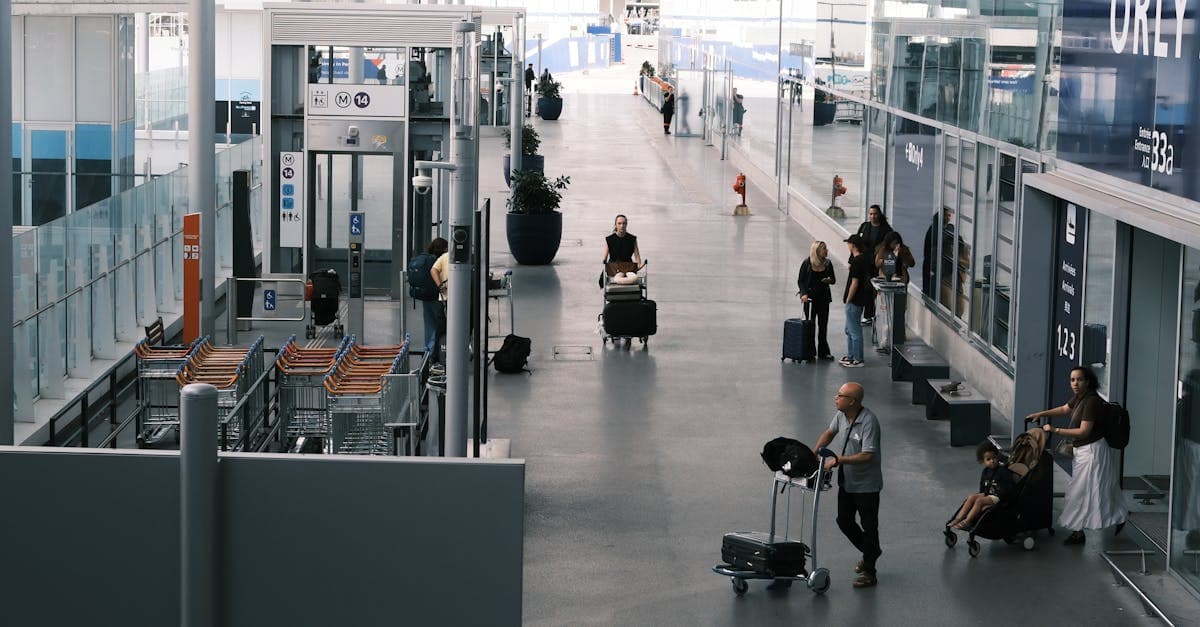
Activating a France eSIM before departure is the fastest way to get online immediately at CDG or Orly. CDG Terminal 2E runs some of the longest airport SIM kiosk queues in Western Europe. During peak summer arrivals, the wait at a physical kiosk stretches long enough to miss a connecting train or delay a check-in window you planned around.
An eSIM activated before boarding bypasses that entirely. You clear immigration, collect your luggage, and your phone is already on a French network. No kiosk, no plastic card, no queue.
The immigration line at CDG is actually a practical activation window if you didn't set up before departure. The line moves slowly enough that you can open the activation email, scan the QR code, and confirm the install before reaching the officer. The connection goes live as you exit into the arrivals hall.
Orly operates differently. The terminal is more compact, queues are shorter, and in-airport connectivity options are thinner than at CDG. Arriving at Orly makes pre-departure activation even more important since walk-up kiosk choices there are limited and waits unpredictable.
Once you're connected at the airport, the rest of the data planning is practical and measurable: track your usage through the first full day in Paris and you'll know quickly whether your plan size matches how you're actually moving through the city.
Data usage expectations by season in Paris
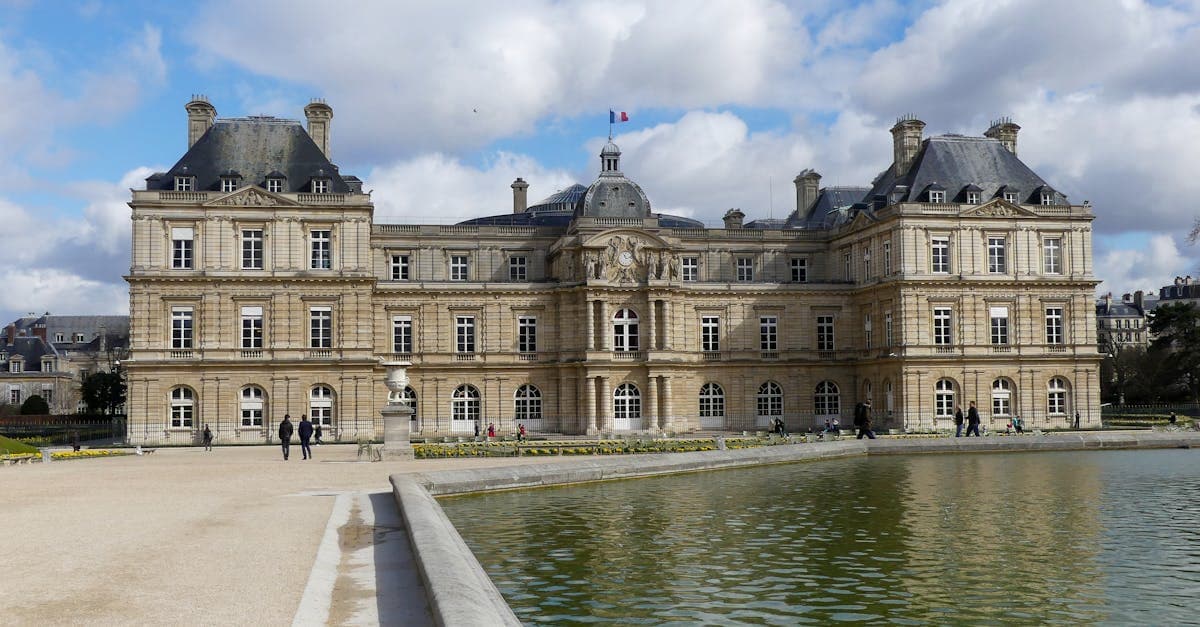
Summer in Paris burns through mobile data faster than most travelers anticipate. Maps running constantly, the Google Translate camera pointed at menus, real-time restaurant booking apps refreshing every few minutes: the combination pushes daily consumption to anywhere from one to two gigabytes on a busy tourist day. If your July or August itinerary is museum-heavy and outdoor-heavy, plan toward the higher end of that range.
Winter usage looks very different. Lighter sightseeing schedules and more time in hotel rooms or cafes with Wi-Fi bring typical daily consumption down to between 500 MB and a gigabyte per day.
The seasonal math is simple. But two events break the pattern entirely.
During Bastille Day (July 14) and Fashion Week (late September), mobile networks around the Champ-de-Mars and central Paris arrondissements absorb a significant surge in concurrent connections. Apps that snap open in seconds under normal conditions can slow noticeably when you're standing in dense crowds. The practical fix requires zero technical knowledge: the evening before either event, pre-download offline maps, museum audio guides, and restaurant shortlists. Live searches in that environment are unreliable at best, useless at worst.
For summer trips, a 10 GB plan covers a typical week to ten days with comfortable headroom.
What Is a Must Buy in Paris?

The most valuable Paris purchase isn't a luxury brand item or a designer fragrance. It's the Paris Museum Pass, which covers the Louvre, Musée d'Orsay, Center Pompidou, and more than 50 additional sites. For a three-to-five-day itinerary anchored around museums, it typically pays for itself within the first two days.
The macaron myth deserves a quick correction. Airport patisserie chains and tourist-district shops near Notre-Dame or the Champs-Élysées sell them at inflated prices with compromised freshness. A local neighborhood patisserie in the 6th or 7th arrondissement charges notably less for a product made that morning. This is a case where the tourist reflex to buy immediately at the airport actively works against you.
Duty-free shopping at CDG is a trap most visitors walk straight into.
The stores are convenient, sure. But during the Soldes periods (January and June through July), French law mandates clearance pricing from retailers across the city, with markdowns commonly running at 30% or deeper off regular retail. City boutiques during Soldes routinely undercut duty-free airport prices on identical brands, sometimes by a significant margin.
The Marché aux Puces de Saint-Ouen, open on weekends year-round, is the practical answer for vintage clothing, antique prints, and mid-century furniture finds. Prices are negotiable; quality varies widely across its many vendors. Budget a full morning and bring cash.
One tip few guides include: the best place to buy French wine is a neighborhood cave (wine shop), not a hotel minibar or an airport duty-free rack.
Reviewed by HelloRoam's editorial team. Last updated: 20 April 2026.
Get Connected Before You Go


Frequently Asked Questions
April, May, September, and October are the four months that consistently deliver the best overall Paris experience. September earns the top spot among experienced travelers: comfortable temperatures in the low-to-mid 60s Fahrenheit, noticeably fewer crowds after the summer rush, and restaurants and neighborhood cafes running at full capacity. October adds golden foliage along the Champs-Elysees and neighborhood life fully restored after summer closures.
January and February are the cheapest months for US travelers heading to Paris, with round-trip flights from New York falling to $400-$550 and hotel rates dropping to $110-$150 per night at 3-star properties. November is also a budget-friendly option with similarly low fares and hotel prices, except during Thanksgiving week when American demand spikes sharply. The tradeoff for winter travel is cold, grey days and some smaller shops closed for the season.
September and October are the best all-around time to visit Paris. Crowds thin out 20-30% after September 1, temperatures stay comfortable between 12-20 degrees Celsius, and hotel rates are notably lower than summer peaks. Late September and October are especially strong for 2026, as Sacre-Coeur completed its renovation scaffolding removal in 2025, making it fully photogenic for the first time in years.
Summer in Paris offers 16 hours of daylight and a festive atmosphere, but comes with significant drawbacks. Eiffel Tower queues routinely stretch 2-3 hours without advance tickets, temperatures can spike above 35 degrees Celsius during heatwaves, and hotel rates average $180-$220 per night at 3-star properties. August is particularly problematic, as many Parisian-owned bakeries, cafes, and restaurants in the central arrondissements close for the entire month.
June through August is peak tourist season in Paris and the busiest period for US visitors. August is the most popular booking month from the United States, yet it coincides with widespread closures of locally-owned restaurants and shops. Crowds begin thinning noticeably after September 1 when French schools resume, making late summer and early fall a significantly more manageable time to visit.
Spring in Paris from April through May averages temperatures of 12-19 degrees Celsius with around 8-9 rainy days per month. Cherry blossoms peak at Parc de Sceaux, about 30 minutes south of central Paris, in mid-April. Daylight stretches past 8pm by May, and the city has not yet reached its summer tourist saturation point, making lines at major attractions long but manageable.
Fall in Paris delivers temperatures between 12-20 degrees Celsius in September and October, with golden light on the Seine and autumn foliage lining the Champs-Elysees. Crowds drop significantly after September 1, and hotel pricing beats summer rates by a wide margin without falling to winter lows. October in particular offers some of the most photogenic conditions of the year.
Nuit Blanche is a free overnight cultural event held on the first Saturday of October that opens museums, galleries, and cultural institutions across Paris at no entry cost. No advance booking is required for most venues, making it one of the best value events in European travel. It is largely unknown outside France, and pairing it with a fall trip creates an exceptionally strong value combination.
Bastille Day is celebrated on July 14 each year, featuring Eiffel Tower fireworks over the Champs de Mars that are considered one of the most spectacular displays in the city. Street celebrations run through the night and the atmosphere is genuinely festive. Hotels should be booked three to five months in advance for this window, as it falls during peak summer season.
Paris Fashion Week runs twice a year: once in late February and again in late September. Both windows trigger hotel price spikes of 30-50% near Saint-Germain and the Marais. If you are not attending shows, those specific weeks are worth avoiding; if you are attending, book accommodations the moment dates are announced.
Roland-Garros, the French Open, takes place from late May to early June each year. The tournament creates a localized hotel shortage near the 16th arrondissement and Boulogne-Billancourt, with prices spiking close to the venue while central Paris is less affected. Tennis fans should book accommodation early, and all travelers should be aware that hotel inventory around Porte d'Auteuil tightens sharply during this period.
Equivalent 3-star hotels in Paris cost roughly $110-$150 per night during the low season (January and February) compared to $180-$220 per night during summer peak. That difference of $60-$70 per night adds up to significant savings over a typical trip length. The savings are real and meaningful but should be budgeted alongside year-round Parisian pricing for museums, restaurants, and transportation.
Summer flights from the US to Paris require 3-5 months of lead time to secure reasonable fares, with May, June, September, and October being the toughest months for finding hotel deals as well. Shoulder season travel in April, May, September, and October generally requires six to ten weeks of advance booking. The exception is late September Fashion Week, which should be treated with peak-season urgency regardless of the broader calendar.
A France eSIM is the most practical connectivity option for US visitors to Paris, offering significant savings over carrier international day passes that charge a flat daily rate of $10-$12 regardless of usage. eSIM plans for France run on 5G networks and can be activated before leaving the US via a QR code scan, going live the moment your phone connects to a French network at the airport. Carrier day passes compound quickly over a two-week stay, far exceeding the cost of a dedicated travel eSIM for the entire trip.
Free Wi-Fi at Parisian cafes and on the Metro exists but should be treated as a backup rather than a primary connection. Coverage drops in tunnels and at older Metro stations, and public hotspot login screens create friction exactly when you need directions quickly. During crowd events like Bastille Day or Fashion Week, network congestion can slow mobile data meaningfully, making offline cached maps a useful precaution.
November is an underrated budget option for visiting Paris. The city is quiet, hotel pricing tracks with January levels, and Christmas decorations appear by late in the month, making the city photogenic without high-season crowds. The one trap to avoid is any departure week overlapping with US Thanksgiving, when clustered American demand pushes airfares up noticeably.
Spring and fall 2026 both carry confirmed major exhibitions at the Louvre, Musee d'Orsay, and Centre Pompidou. Travelers with a specific show in mind should check opening dates before locking in flights, as exhibition schedules can narrow the ideal travel window significantly. Cherry blossoms at Parc de Sceaux in mid-April and the scaffold-free Sacre-Coeur following its 2025 renovation completion are additional 2026-specific highlights.
September earns the top pick from experienced travelers because French schools resume after September 1, pulling domestic vacationers home and thinning queues at major attractions without a meaningful drop in temperature. Restaurants and neighborhood cafes operate at full capacity after the annual summer lull when many Parisian-owned venues close. Prices fall from summer peaks while the city maintains its full cultural and culinary character.
Sources
- When Is the Best Time to Visit Paris? — parisdiscoveryguide.com
- ricksteves.com — ricksteves.com
- Best Times to Visit Paris | U.S. News Travel — travel.usnews.com
- The Best Time to Visit Paris: A Seasonal Guide — royalcaribbean.com