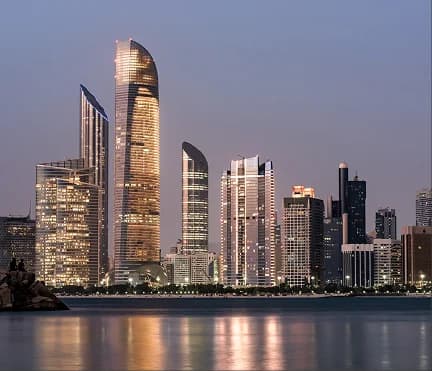


Quick Answer: Is Brazil Safe for American Tourists?
Brazil is safe for American tourists who travel with awareness. The US State Department rates the country at Level 2 ("exercise increased caution"), the same tier it applies to France, the UK, and Germany. Around 2-3 million Americans visit Brazil annually, and the overwhelming majority return home without a serious incident.
Crime is real. It's also concentrated in ways that change the practical calculus.
Staying connected is a lean safety layer in any Brazilian city. Knowing you can pull up maps, reach your hotel, or share your location in real time changes how confidently you move. An eSIM for Brazil activates before you board and delivers live data from the moment you clear customs.
The neighborhoods generating Brazil's headline statistics are favelas and urban peripheries well outside a straightforward tourist route. Copacabana, the colonial streets of Salvador's Pelourinho district, and Amazon lodges near Manaus operate on a genuinely different risk profile. Knowing which areas to favor and which to sidestep is the solid, brisk core of safe Brazil travel.
Carnival season in Rio de Janeiro falls in February and March and brings a 15-20% spike in petty crime. Shoulder season travel cuts that exposure noticeably. If Carnival is the whole point of the trip, apply sharper awareness on Rio's streets after midnight than you would in October.
The country-level numbers tell only part of the story.
What Are the Real Safety Risks in Brazil?
Petty theft is what Brazil tourists actually encounter. Violent crime, for most visitors, stays at a statistical distance. Brazil's overall homicide rate runs roughly 5-6 times higher than the US average. Those numbers concentrate heavily in specific cities and specific zones within those cities, not in the beach neighborhoods and historic districts on a standard itinerary.
The most dynamic safety challenge on Copacabana or Ipanema is a fast grab: phone left face-up on a towel, bag hanging off a beach chair. A dry bag, a small decoy wallet, and eyes on your gear make you a low-priority target. It's avoidable with minimal preparation.
Express kidnappings are real in São Paulo and Rio de Janeiro. The pattern targets people withdrawing cash from ATMs late at night, particularly at isolated machines. In resort zones and busy tourist corridors, these incidents are rare. The fix is spirited in its simplicity: use ATMs inside hotel lobbies or bank branches during daylight hours, and avoid standalone machines after dark.
Night hours carry a disproportionate share of risk.
Brazilian safety data consistently flags the 10pm to 4am window as when incidents spike sharply. That doesn't mean staying in every night. It means choosing energetic, populated venues after dark, using ride apps instead of hailing street taxis, and keeping your group together when the neighborhood is unfamiliar.
Yellow fever deserves its own line. The CDC and WHO recommend vaccination for most Brazil travel, and specific regions require proof to enter. If your itinerary includes the Amazon basin, Mato Grosso, or rural parts of the Northeast, schedule that shot at least 10 days before departure. It isn't optional in those areas.
The myth that all of Brazil carries favela-level danger is the most persistent misconception Americans bring to trip planning. Favela zones are genuinely dangerous, and also genuinely avoidable on a standard tourist itinerary.
How does Brazil stack up against Mexico, the other top Latin America pick for Americans?
Brazil vs. Mexico: An Honest Safety Comparison
Mexico edges Brazil on the 2024 Global Peace Index, ranking 95th versus Brazil's 103rd out of 163 countries. Both hold identical US State Department Level 2 advisories. The practical differences lie in where the highest-risk zones sit, not in the tourist experience.
Here's how they compare on the metrics that matter:
The number that surprises most Americans: the State Department applies Level 4 "Do Not Travel" ratings to several Mexican border states, a threshold Brazil hasn't triggered in any region. Brazil's ceiling is Level 3, applied to Bahia and parts of the Northeast.
Bahia's Level 3 tag sparks a lively debate among Brazil-bound travelers because it covers Salvador, a major cultural destination. A Level 3 rating doesn't mean canceling the trip. It means applying the same snappy situational awareness you'd use in any unfamiliar city in a developing country.
Brazil's crime pattern skews more urban than Mexico's. Mexico distributes some risk across rural corridors and border zones in ways Brazil largely doesn't, which matters if your itinerary involves driving between cities.
The tourist experience in Rio de Janeiro and São Paulo tracks closely with what Americans find in Mexico City and Cancún. The animated street life, the zone choices, the nighttime calculus: both countries ask the same thing of you.
Within Brazil, destination choice changes the risk picture entirely.
Which Parts of Brazil Are Safe to Visit?
Brazil's safest tourist destinations follow a clear geographic pattern: the further south you travel and the more developed the surrounding tourism infrastructure, the lower your risk. The US State Department's Level 2 advisory covers the country as a whole, but city and neighborhood choices narrow the picture considerably.
Rio de Janeiro
Ipanema, Leblon, and Barra da Tijuca consistently rank as Rio's lowest-risk neighborhoods for visitors. Daytime movement through these districts is comfortable. The contrast worth understanding: Copacabana sits just a few miles away but sees substantially more opportunistic theft, particularly along the beachfront after dark. Same city, meaningfully different risk profile.
Rocinha and Complexo do Alemão are Brazil's two largest favela complexes, and visitors enter both through licensed guided tours only. Reputable operators run community-vetted trips with local guides and established relationships inside these neighborhoods. Going in independently isn't advised, and it bypasses the economic model those tours are built to support.
São Paulo
Vila Madalena and Pinheiros are São Paulo's safest tourist zones: gallery corridors, specialty coffee, and street art scenes that draw an international crowd. The São Paulo metro connects most tourist-facing neighborhoods efficiently and is safe during daytime hours.
Destination matters more than the country-level warning.
Florianópolis and Gramado
Both rank among Brazil's lowest-crime cities. Gramado, a mountain town in Rio Grande do Sul with Central European architectural influences, operates primarily as a domestic leisure destination rather than an international hub. Florianópolis offers beach culture with a noticeably calmer street environment than Rio. Either gives you a genuinely different risk baseline.
Amazon Eco-Lodges and the Northeast
Reputable Amazon eco-lodge operators carry strong safety track records. The hazards there run environmental rather than criminal: waterborne illness, insect-borne disease, and weather conditions. Bahia and several northeastern states carry a Level 3 (Reconsider Travel) advisory from the State Department, a meaningful step above the national rating. If the northeast is on your itinerary, check the state-specific advisory before booking accommodations.
Knowing the map is one thing. Moving through it safely is another.
How to Stay Safe in Brazil: 8 Practical Rules
Staying safe in Brazil comes down to eight decisions, most of which happen before you leave your accommodation each morning. The risks that catch travelers off guard tend to follow predictable, avoidable patterns.
Most tourist crime in Brazil is preventable.
- Lock valuables in the hotel safe before you go out. Leave expensive phones, jewelry, and extra cash locked up. The most common tourist crime is opportunistic; removing visible targets removes the opportunity.
- Use Uber or 99 only. Both are licensed ride-share apps with in-app tracking. Unmarked street taxis in major Brazilian cities carry a documented risk of express kidnapping, short-duration robberies that force ATM withdrawals.
- Stick to daylight hours in unfamiliar neighborhoods. Nighttime movement in Brazilian cities shifts the risk calculation considerably. If you haven't walked a route during daylight, don't navigate it after dark.
- ATMs inside bank branches or hotel lobbies only. Street-facing ATMs in tourist areas are a known vector for express robbery. Use machines inside closed buildings during business hours, with other people present.
- Keep digital passport copies. Store scans in your email and in a cloud folder accessible offline. A separate printed copy in a different bag adds useful backup if your phone is lost.
- Get the yellow fever vaccine at least 10 days before departure. Some Amazon-region states require proof at entry points. The CDC recommends vaccination for anyone visiting the Amazon basin or rural areas outside major cities.
- Share your daily itinerary. Before leaving your accommodation each morning, send your planned route and an estimated return time to a contact back home.
- Check state-level advisories, not just the country-level rating. Bahia carries a Level 3 (Reconsider Travel) advisory while most of Brazil sits at Level 2. A single national rating covers an enormous range of geographic and risk variation.
One practical gap most safety guides skip: your mobile connection.
Staying Connected in Brazil: eSIM, Local SIM Cards, and WiFi
São Paulo, Rio de Janeiro, and Brasília all carry 5G coverage across their central districts, making Brazil's major cities more connected than many visitors expect. Getting data on your phone as a tourist, though, runs into a bureaucratic wall most travelers don't see coming.
A local Brazilian SIM requires a CPF (Cadastro de Pessoas Físicas, Brazil's national taxpayer ID). No CPF, no SIM. Standard carriers won't activate a line without one, which effectively shuts out most visitors before they clear the airport.
An eSIM sidesteps the problem entirely. You activate before departure, scan a QR code at home, and your phone connects to a Brazilian network the moment it touches down at Guarulhos or Galeão. No counter, no queue, no Portuguese-language paperwork.
AT&T, T-Mobile, and Verizon all offer international day passes for Brazil. On a multi-week trip, those daily charges compound faster than most travelers anticipate. A prepaid eSIM plan typically runs substantially less across a two-week stay, with no documentation required on either end.
HelloRoam covers Brazil on tier-1 networks with no CPF requirement, and activation runs via QR code before you board. For a connected arrival, eSIM for Brazil takes a few minutes to set up and keeps maps and messaging apps working from the moment you clear customs.
Hotel WiFi outside major branded chain properties is unreliable. Pousadas and boutique guesthouses frequently list WiFi as an amenity while delivering something considerably slower in practice. Download offline maps each morning before leaving your accommodation. A live data connection handles ride-share bookings, real-time translation, and emergency navigation in parts of the city where a wrong turn carries more weight than it would back home.
One traveler group needs an additional layer of planning beyond these basics.
Is Brazil Safe for Solo Female Travelers?
Solo female travel in Brazil is doable, and Brazilian women navigate the same tourist corridors you'll visit every day. Brazil carries elevated rates of gender-based violence and street harassment compared to most Western destinations. That's the honest baseline. Daytime travel in established tourist zones is generally manageable with awareness, but nighttime and remote travel require deliberate extra steps.
What works in your favor
The tourist areas of Copacabana, Ipanema, São Paulo's Vila Madalena neighborhood, and the national parks around Foz do Iguaçu see strong daytime foot traffic. Brazilian women travel solo in these same spaces regularly. That presence matters; you're not navigating somewhere foreign visitors are rarely seen, and crowd cover is a practical form of safety.
What requires extra planning
Street harassment in Brazil is more direct and persistent than in many countries. Gender-based violence rates rank among Latin America's highest. Night travel in unfamiliar areas is where risk increases sharply.
Practical steps that make a real difference:
- Dress conservatively in smaller cities and religious sites, where local norms differ significantly from beach culture
- Join group tours for nightlife and any travel to remote or rural destinations
- Use ride-share apps for all evening transport rather than unmarked street taxis
- Register your trip with the(https://step.state.gov) before you fly
Trust your instincts.
If something feels off, leave. No attraction, dinner reservation, or bar recommendation overrides that signal. Solo travel anywhere rewards decisiveness, and Brazil is no exception.
One last practical layer: staying reachable. A dead phone in an unfamiliar neighborhood removes your maps, your ride-share access, and your ability to share your location. Get your connectivity sorted before you land.
Reviewed by HelloRoam's editorial team. Last updated: 27 June 2026.
Get Connected Before You Go


Frequently Asked Questions
Brazil is rated Level 2 (exercise increased caution) by the US State Department, the same rating as France and Germany. Around 2-3 million Americans visit annually and the vast majority return without serious incidents.
The US State Department rates Brazil at Level 2 (exercise increased caution) nationally. Bahia and parts of the Northeast carry a higher Level 3 (Reconsider Travel) advisory, so check state-specific ratings before booking.
Petty theft is what most Brazil tourists actually encounter. Phone snatching on beaches and opportunistic bag grabs are the main concerns, concentrated in busy tourist zones rather than spread evenly across the country.
Brazil ranks 103rd and Mexico 95th on the 2024 Global Peace Index. Both carry US Level 2 advisories, but Mexico has Level 4 Do Not Travel warnings for several border states while Brazil's highest regional rating is Level 3.
Ipanema, Leblon, and Barra da Tijuca are Rio de Janeiro's lowest-risk neighborhoods for visitors. Copacabana is popular but sees more opportunistic theft, especially along the beachfront after dark.
US citizens can visit Brazil visa-free for up to 90 days. No advance visa application is required for standard tourist travel.
The CDC and WHO recommend yellow fever vaccination for most Brazil travel. Proof of vaccination may be required at entry points in the Amazon basin, Mato Grosso, and rural Northeast regions. Schedule the shot at least 10 days before departure.
Local Brazilian SIM cards require a CPF (national taxpayer ID) that most foreign visitors cannot obtain. Standard carriers will not activate a line without one, making eSIMs the practical alternative for tourists.
An eSIM is activated before departure by scanning a QR code at home. Your phone connects to a Brazilian network the moment you land, with no paperwork, no local ID requirement, and no airport queues.
US carrier international day passes for Brazil add up quickly on multi-week trips. Prepaid eSIM plans for Brazil typically cost substantially less over a two-week stay and require no documentation.
Solo female travel in Brazil is manageable in established tourist zones during daylight. Nighttime and remote travel require extra precautions such as joining group tours, using only ride-share apps for evening transport, and trusting your instincts.
Uber and 99 are the recommended ride-share apps in Brazil. Both provide in-app tracking and are significantly safer than unmarked street taxis, which carry a documented express kidnapping risk in major cities.
The 10pm to 4am window sees a sharp spike in incidents across Brazilian cities. Carnival season in February and March also brings a 15-20% increase in petty crime in Rio de Janeiro specifically.
Use ATMs inside bank branches or hotel lobbies during daylight hours. Standalone street-facing ATMs, especially at night, carry a documented risk of express robbery and should be avoided.
Florianópolis and Gramado rank among Brazil's lowest-crime cities. Cities further south with developed tourism infrastructure generally carry a lower risk profile than northern and northeastern urban centers.
Favelas should only be entered through licensed guided tours with vetted local operators. Reputable operators run community-vetted trips with established local relationships; going in independently is not advised.
Sources
- Travel Advisories — travel.state.gov
- Braziltravel advice — travel.gc.ca
- IS IT SAFE TO TRAVEL TO BRAZIL IN 2026? — bhtp.com
- Brazil Travel Advice & Safety — smartraveller.gov.au