

[]
Quick Answer: BlackBerry Phone Status in 2026
In 2026, BlackBerry phones are no longer manufactured. Legacy BB10 and BBOS devices permanently lost cellular service on January 4, 2022. Android-era models through the KEY2 LE still connect to carrier networks, though none support eSIM. BlackBerry Limited now operates as a software and cybersecurity company.
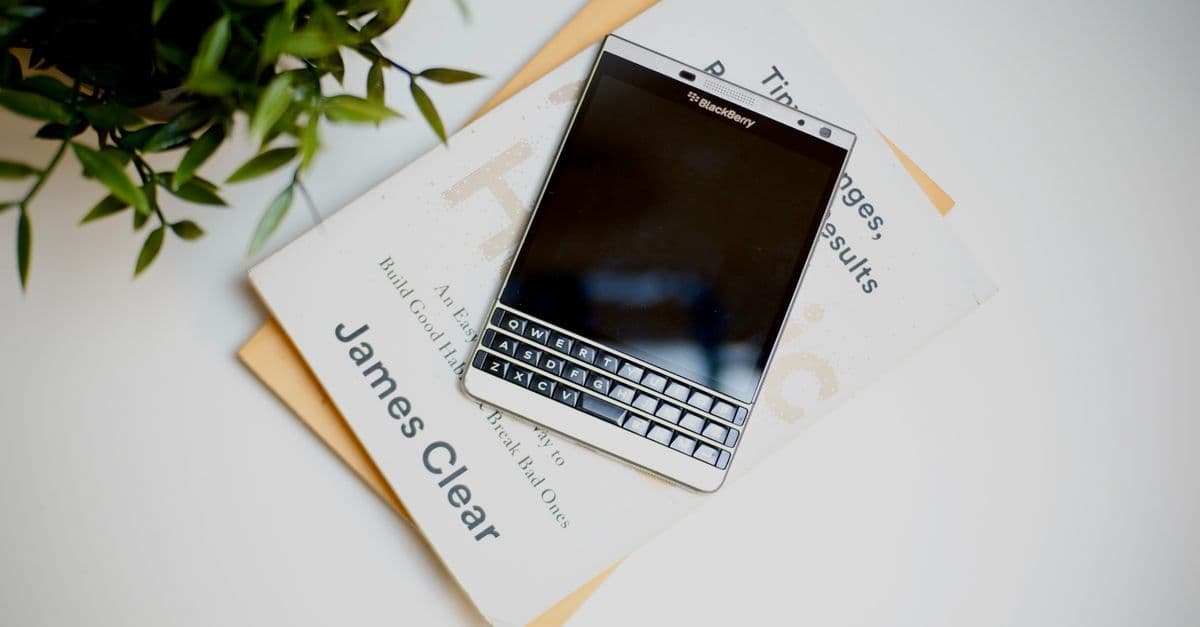
Research In Motion's first BlackBerry launched in 1999 as a wireless email pager, not a smartphone. By 2008, the platform had reached roughly 50% of the US smartphone market, with RIM stock hitting ~$148 per share in June of that year. Global subscribers peaked at around 80 million in 2012.
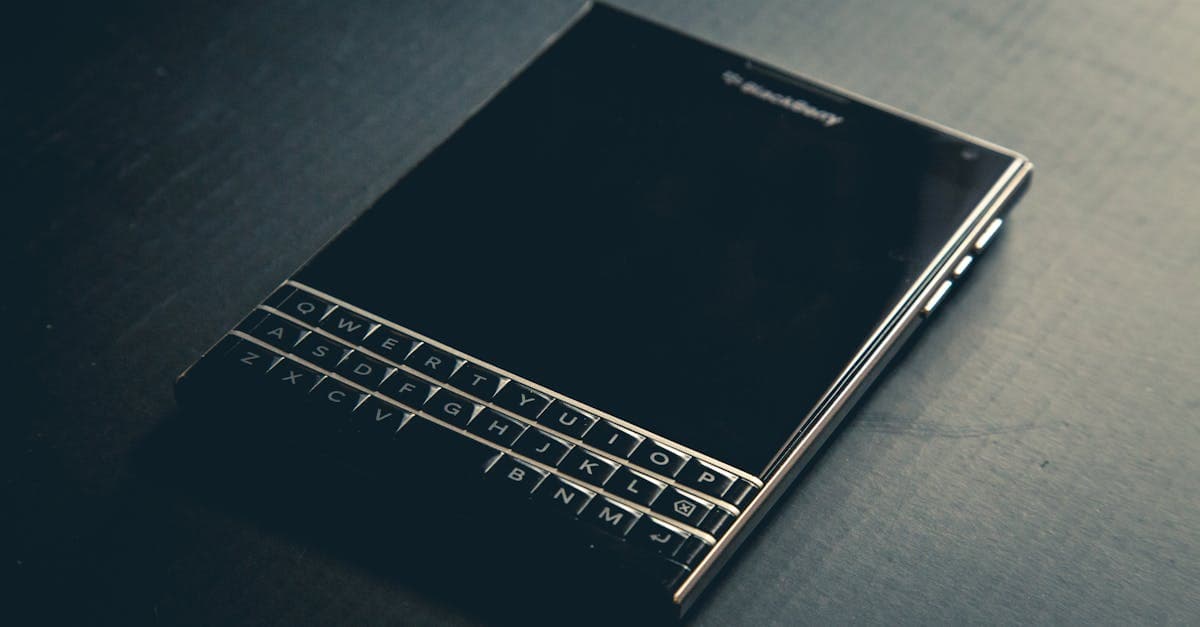
Users started calling the device a "CrackBerry" without prompting from any marketing campaign. The physical QWERTY keyboard drove that response: thumbs could move across it at a pace that made numeric keypads, the main alternative in 1999, feel absurd. Enterprise IT departments didn't recommend BlackBerry. They required it.
RIM had operated since 1984, building wireless data products largely below consumer awareness. The BlackBerry brand changed the company's trajectory completely. Handing employees a pocket-sized terminal with persistent connectivity didn't just alter how professionals worked. It changed when they worked, and where.
Barack Obama's public battle with the US Secret Service over his BlackBerry became an actual news story during the 2008 presidential transition. Security protocols required the incoming president to surrender the device; the resolution was a hardened, NSA-compliant version built specifically for his use. That standoff showed how thoroughly the BlackBerry phone had embedded itself into the infrastructure of professional life.
At that scale, RIM operated its own global messaging network, routing encrypted emails through proprietary servers that bypassed public infrastructure. Governments and financial institutions paid a premium for that architecture. The device wasn't a convenience. It was critical infrastructure.
RIM's identity was built so completely around enterprise security that what was happening in the consumer market in 2007 barely registered as a threat worth monitoring. That dominance made the iPhone easy to dismiss.
The BlackBerry Phone's Rise: From Email Pager to US Market Domination
[]
The BlackBerry phone didn't die from the iPhone. It died from three consecutive strategic failures, each one narrowing the window to recover.
Failure one: dismissing the iPhone
Mike Lazaridis, RIM's co-CEO, watched Steve Jobs unveil the iPhone in June 2007 and said publicly: "We're not going to sell a lot of these." The response was measured in its own way. The iPhone had a slower touch keyboard. Its battery life was poor. BlackBerry's enterprise customers wanted security and uptime, not a media player. Lazaridis read those specifics correctly. He misjudged what the broader market would choose to care about.
Failure two: BB10, too late
BlackBerry launched its rebuilt BB10 operating system in January 2013, six years after the iPhone and well after Android had consolidated a developer ecosystem. The timing was fatal. Major app developers had no reason to invest in a platform with declining market share, and the apps users actually needed weren't there. The hardware was solid. The software shelf was bare.
Failure three: Android, four years too late
The PRIV, BlackBerry's first Android device, arrived in November 2015. The case for the move was nuanced. The problem was timing: four years had passed since Android could have provided a real lifeline. The brand carried no momentum capable of converting buyers who already had established app libraries and muscle memory.
The myth worth addressing is that consumers abandoned the physical keyboard. They didn't, not entirely. Keyboard-focused Android devices have maintained a real following. What collapsed was execution, specifically the failure to respond to platform shifts at the pace the market required.
OnwardMobility announced a 5G BlackBerry revival in 2020 to significant press attention. It dissolved in early 2022 without shipping a single unit.
One practical consequence of that entire timeline: every BlackBerry phone ever made lacks eSIM support. For anyone planning international travel with an older device, that creates a real limitation around data access. Checking the eSIM Compatible Devices list is a useful first step before any international trip.
That history frames the practical question for anyone holding an old device.
What Killed the BlackBerry Phone?
Three consecutive strategic failures killed the BlackBerry phone, not a single bad product launch. Research In Motion dismissed the iPhone in June 2007, spent six years building the wrong operating system, and then pivoted to Android four years after that window had closed. Each decision made the next one harder.
The clue is in how RIM executives talked about the iPhone on launch day. Lazaridis called it a nice device with a poor battery and no real keyboard. He wasn't entirely wrong about the battery. He was catastrophically wrong about what consumers would care about within 18 months.
Failure One: The Dismissal That Froze a Company
Mike Lazaridis publicly dismissed the iPhone in June 2007 and kept shipping keyboards. Apple and Google spent the next three years building app ecosystems that ran on touch screens anyone could navigate from day one. BlackBerry doubled down on enterprise security, push email, and physical hardware. Corporate IT departments stayed loyal. Consumers started buying two phones, one for work and one for everything else.
That split was the warning sign. BlackBerry read it as strength.
Failure Two: BB10, Six Years Late to Its Own Rescue
BB10 launched in January 2013, per BlackBerry's press release. Technically credible engineering. Six years in the making. It arrived after iOS and Android had already locked in millions of developers who had zero incentive to port their apps to a third platform carrying a shrinking user base. The ecosystem never formed at the scale the hardware required, and without apps, the devices didn't sell.
BlackBerry had hit roughly 80 million subscribers the year before. BB10 was supposed to reverse the decline. It accelerated it instead.
Failure Three: Android, Four Years Too Late
The PRIV, BlackBerry's first Android device, launched in November 2015, per the company's announcement. The keyboard was excellent. The security credentials were genuine. By 2015, though, Android had been the dominant mobile platform for years, and switching ecosystems for a hardware keyboard was a purchase decision only a small audience would make.
OnwardMobility licensed the BlackBerry brand for a 5G comeback, promising a physical keyboard smartphone with current specs. The company dissolved in early 2022 without shipping a single device, per its public statement. The brand had run out of road.
No single product killed BlackBerry. The company kept defending enterprise accounts while the consumer market it once owned walked away and didn't look back.
Can You Still Use a BlackBerry Phone in 2026?
The answer splits entirely by which model you have. BB10 and legacy BBOS devices lost cellular service permanently on January 4, 2022, when BlackBerry shut down the supporting infrastructure. Calls, texts, and data stopped working across the board. There's no workaround, no carrier switch that fixes it, no third-party service that restores connectivity: the network-side infrastructure those phones depended on is gone.
Android-era BlackBerrys are a different situation. The PRIV, KEY2, and the models in between still connect to carrier networks, make calls, and run Android apps. The hardware functions.
What still works: - Calls, texts, and cellular data on any compatible carrier - The physical QWERTY keyboard, which remains the device's singular appeal and the main reason anyone asks about it in 2026 - Standard Android apps that still support Android 8, an increasingly narrow subset of what's available
Compare eSIM plans for your destination — See 2026 pricing →
What no longer works:
BlackBerry Hub+, the unified inbox that defined the platform's productivity identity, shut down June 30, 2022. The KEY2 runs Android 8 Oreo, with security patches last issued in 2021. Android 8 now sits several major versions behind current Android releases, meaning documented vulnerabilities exist with no fixes on the way.
No update is coming.
The fallout is concrete. Banking apps increasingly block Android 8 outright, flagging it as below their minimum security threshold. Two-factor authentication apps may degrade or stop updating. Google Play Protect's ability to catch emerging threats on Android 8 is limited and getting more so.
For calls and basic messaging, a KEY2 is workable if you understand the tradeoffs. For anything involving financial accounts, work email with sensitive data, or secure authentication, the unpatched OS creates real exposure that's hard to justify in a daily driver.
The keyboard appeal is genuine. If you've held onto a blackberry phone because nothing else matches that tactile QWERTY feedback, that's a defensible preference. But security debt on an unpatched device compounds quietly, regardless of how carefully you use it.
Traveling with one adds a harder constraint still.
Which BlackBerry models still run as Android phones
Six Android models can still make calls and connect to cellular data in 2026. Every BB10 and BBOS device has zero cellular capability: that infrastructure shut down in early 2022 with no restoration path.
The functional Android models, in release order:
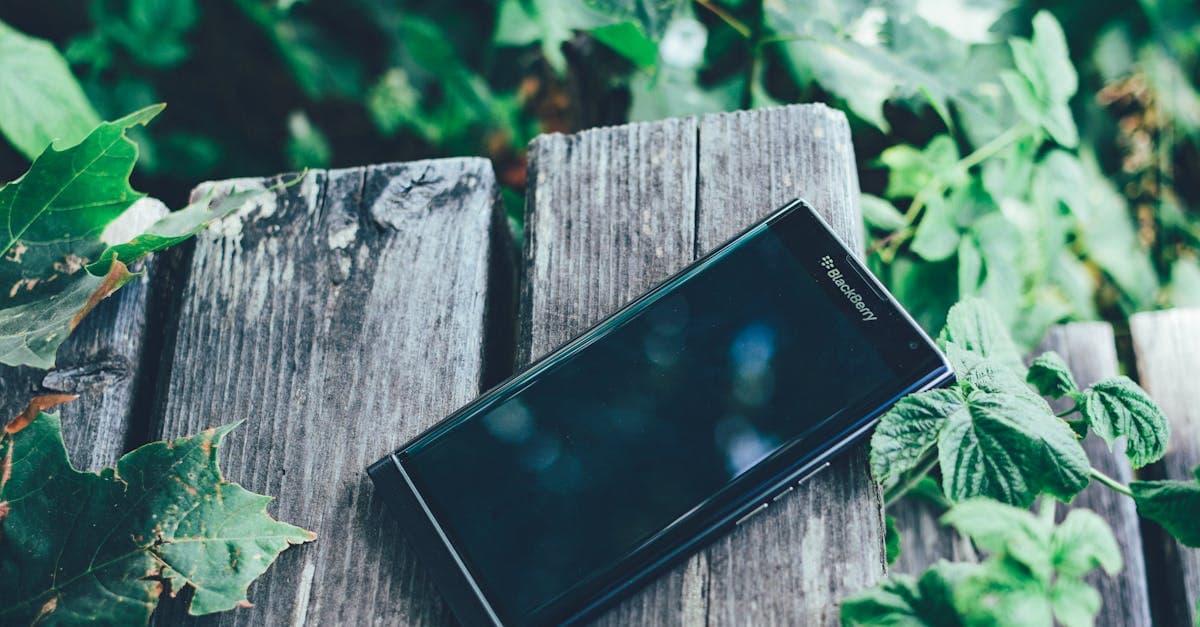
- PRIV (2015): BlackBerry's first Android device, slider physical keyboard
- DTEK50 (2016): rebadged Alcatel Idol 4, touchscreen-only form factor
- DTEK60 (2016): rebadged Alcatel Idol 4S, larger display, no physical keyboard
- KEYone (2017): first TCL-era device, physical keyboard returned
- KEY2 (2018): the most capable surviving BlackBerry hardware, dual nano-SIM
- KEY2 LE (2018): budget variant of the KEY2 with reduced processor and RAM
The KEY2 is the ceiling.
It runs a faster processor than earlier models, carries the best keyboard TCL put on any BlackBerry device, and includes dual nano-SIM slots. Those slots matter for anyone traveling internationally, but they tell only part of the story. Even functional models hit a wall for travelers needing data flexibility.
Do BlackBerry Phones Support eSIM or Travel Data Plans?
[]
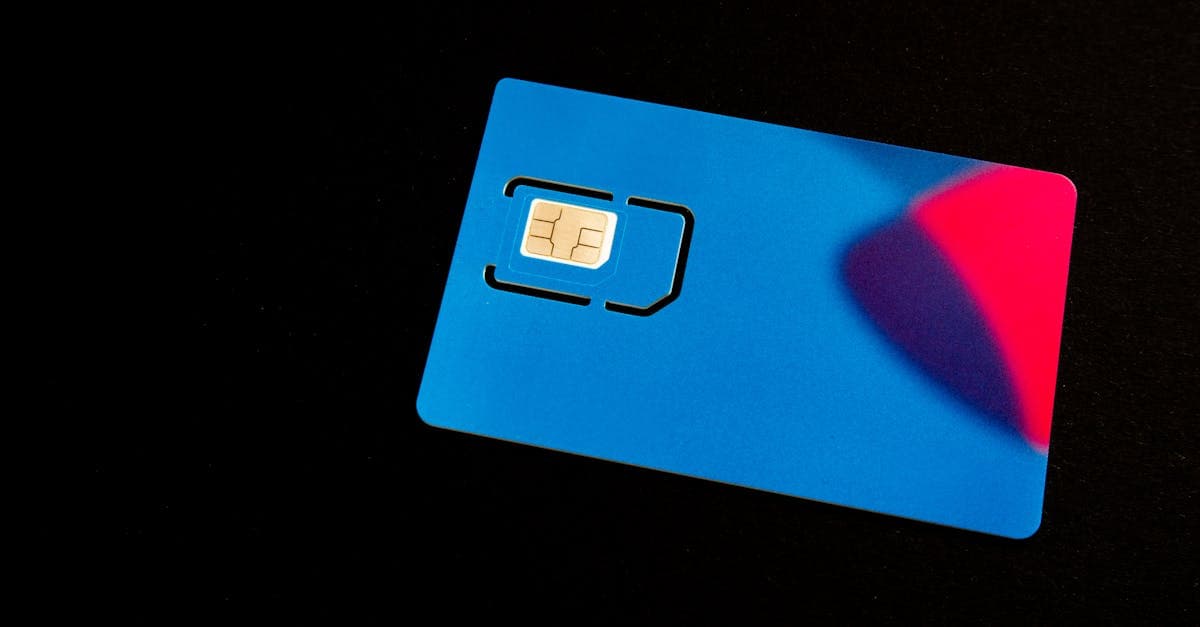
No BlackBerry Android model includes eSIM hardware. Every device in the Android lineup, from the PRIV through the KEY2 LE, ships with physical SIM slots only. The KEY2 carries two nano-SIM slots. There is no embedded eSIM chip, no software update that enables one, and no workaround: the hardware configuration doesn't include it.
Take the KEY2 abroad and the data options narrow to exactly two. Buy a physical SIM card at the destination, or activate your US carrier's international roaming plan. AT&T's International Day Pass, T-Mobile's Magenta plan with its throttled international speeds, and Verizon's TravelPass all work through the KEY2's physical SIM slots.
Travel eSIM services are different. They let travelers purchase and activate a data plan digitally, often before they board, but they require eSIM-capable hardware. The KEY2 can't run them, and neither can any other BlackBerry Android model.
The gap matters more at the airport than on paper. Travel eSIM plans typically activate through an app or QR code scan, sometimes from home the night before departure. For Global Entry holders, customs takes minutes and data can be live before the exit doors. Physical SIM hunting in a foreign terminal means finding a carrier kiosk after a long flight, navigating a potential language barrier, and hoping the SIM you get works with your device.
No BlackBerry ever shipped with eSIM capability.
Not from RIM, not from TCL, not from any manufacturer that licensed the brand. It's a hardware absence, not a software gap that future updates could close.
Modern Android keyboard phones handle this differently. Several newer devices in the physical-keyboard category include eSIM support alongside physical SIM slots, making them compatible with travel eSIM services. HelloRoam requires eSIM-capable hardware to activate any plan. HelloRoam's eSIM Compatible Devices page lists which phones qualify; no BlackBerry model appears on it.
For keyboard-first travelers who need data flexibility abroad, the BlackBerry phone lineup hits a structural wall it can't climb.
The company behind those phones went a completely different direction.
What BlackBerry Limited Does Today
[]
BlackBerry Limited (NYSE: BB) no longer makes phones. The company generates around $500-600M in annual revenue entirely from software and cybersecurity services, and most of that money comes from products most consumers have never encountered.
That's the surprise buried in the BlackBerry story.
QNX, a real-time operating system (RTOS, software that manages hardware timing precisely) built for safety-critical environments, runs in more than 235 million vehicles globally. Toyota, BMW, and Ford all ship cars with QNX managing infotainment and driver-assistance systems. If you've driven a modern car in recent years, there's a reasonable chance you've already interacted with BlackBerry software without realizing it.
The company's second major asset is Cylance, an AI-driven endpoint security platform acquired for roughly $1.4 billion in 2019. Cylance uses machine learning to detect malware before it executes, competing in the same layered enterprise security market as CrowdStrike and SentinelOne. That's a considered pivot from physical keyboards and QWERTY messaging.
Two more products complete the picture. BlackBerry UEM (Unified Endpoint Management, a platform for centralized corporate device control) is the direct descendant of the BES (BlackBerry Enterprise Server) that once made the BlackBerry phone a fixture in corporate IT departments. SecuSUITE provides NSA-certified encrypted voice and messaging for government and military clients, a nuanced and specialized market with very few commercial competitors.
Does any of this translate to strong investor returns? Not particularly. NYSE: BB traded in the $2-4 range in 2026, reflecting cautious expectations around software businesses where growth is measured and competition is constant. BlackBerry has explored separating QNX and Cylance into distinct companies, though no formal split had been announced as of mid-2026.
The brand is infrastructure now. QNX on a BMW dashboard isn't there because of nostalgia for the physical keyboard. It's careful engineering, the kind that earns certification in safety-critical systems and doesn't depend on consumer affection.
Common questions about the phones themselves, and what the brand still means for device buyers, get answered directly in the next section.
Reviewed by HelloRoam's editorial team. Last updated: 10 June 2026.
Get Connected Before You Go





Frequently Asked Questions
Android-era models like the KEY2 still connect to carrier networks for calls and data. BB10 and legacy BBOS devices permanently lost cellular service on January 4, 2022.
Six Android models remain functional: the PRIV, DTEK50, DTEK60, KEYone, KEY2, and KEY2 LE. All BB10 and BBOS devices lost cellular service permanently in January 2022.
No BlackBerry phone supports eSIM. Every model from the PRIV through the KEY2 LE uses physical SIM slots only. No software update can add eSIM, as it requires dedicated hardware.
No. Travel eSIM plans require eSIM-capable hardware, which no BlackBerry model includes. BlackBerry Android devices are limited to physical SIM cards or carrier international roaming plans.
The KEY2 supports two nano-SIM slots, so you can buy a local physical SIM at your destination or use your home carrier's international roaming plan. Travel eSIM services are not compatible.
BB10 and BBOS devices permanently lost cellular service on January 4, 2022, when BlackBerry shut down its network infrastructure. No carrier switch or workaround restores connectivity.
The KEY2 runs Android 8 Oreo with security patches last issued in 2021. Many banking apps now block Android 8 as below their minimum security threshold, making it risky for financial account access.
BlackBerry Android models were designed without eSIM hardware. This is a physical hardware absence, not a software limitation, so no update or workaround can add eSIM capability to any BlackBerry device.
Yes, the KEY2 includes two nano-SIM slots, making it the most capable BlackBerry for international travel. However, it does not support eSIM, so only physical SIM cards can be used.
Yes. BlackBerry Android models like the KEY2 work with standard carrier international roaming plans through their physical SIM slots. Travel eSIM services are not an option on any BlackBerry device.
Three consecutive strategic failures: dismissing the iPhone in 2007, launching BB10 six years too late in 2013, and pivoting to Android in 2015 when the window had already closed.
No. OnwardMobility announced a 5G BlackBerry revival in 2020 but dissolved in early 2022 without shipping a single device. No 5G BlackBerry phone has ever been released.
No. BlackBerry Limited no longer manufactures phones. The company now operates as a software and cybersecurity firm, earning around $500-600 million annually from products like QNX and Cylance.
BlackBerry generates revenue from software and cybersecurity services, including QNX running in over 235 million vehicles, Cylance AI security software, and government-grade encrypted communications.
BlackBerry reached roughly 50% of the US smartphone market by 2008, with approximately 80 million global subscribers at its 2012 peak, before declining sharply after the iPhone era.
Sources
- en.wikipedia.org — en.wikipedia.org
- Communications Protected. Operations Orchestrated. — blackberry.com
- BlackBerry Classic Factory Unlocked Cellphone, Black — amazon.com