

Is Brazil Safe? What the Crime Statistics Actually Show
Brazil is safe for most tourists, but risk clusters around specific places, hours, and seasons rather than spreading evenly across the country.
The Global Peace Index 2024 places Brazil 103rd out of 163 countries, roughly comparable to Colombia and a few positions below Mexico. The country's homicide rate runs at 22 to 24 per 100,000 people, around five to six times the US rate. Brazil's US State Department advisory sits at Level 2 (Exercise Increased Caution), the same rating applied to France and Germany, which puts the national-level risk in useful perspective. What those numbers don't show: the violence is rooted in favelas and peripheral urban zones that standard tourist itineraries almost never reach.
Stand on Copacabana at noon on a Tuesday and the answer feels obvious: families, vendors, surfers at the shoreline. Return at 1am and the calculus shifts entirely. That contrast captures Brazil's safety picture more accurately than any single national figure.
Most travelers face something more mundane. Opportunistic theft drives the majority of tourist incidents: bag grabs on Ipanema beach, pickpockets at crowded metro stations, phone snatches near busy nightlife districts.
Violent confrontations targeting tourists remain comparatively rare.
When the Clock Changes Everything
The 10pm to 4am window is where risk peaks most sharply. The majority of violent tourist incidents fall inside that six-hour stretch. That's not an argument for staying inside after dark, but it does mean treating a late walk home from Lapa differently than a midday stroll through Santa Teresa.
Carnival sharpens the risk further. Rio sees a 15 to 20 percent crime spike during festival weeks, typically in February or March. The crowds compress, distractions multiply, and opportunistic theft operates at a different tempo than the rest of the year.
Why the National Numbers Mislead
The aggregate homicide statistics pull disproportionately from Bahia, parts of the Northeast, and São Paulo's outer periphery. Standard tourist circuits (Rio, Iguazu Falls, the Pantanal, Fernando de Noronha) operate in a far lower-risk environment than the national average implies.
Those national numbers describe what happened across the whole country last year. Knowing which specific cities and hours actually drive them is a more actionable starting point for planning.
Which Cities in Brazil Are Safest for Tourists?
Florianópolis and Curitiba carry Brazil's lowest tourist-risk profiles among major cities. Rio and São Paulo are manageable in designated tourist zones. The US State Department lists Bahia under a Level 3 Reconsider Travel advisory, making the Northeast the most complicated region to plan around.
That advisory deserves attention. Level 3 sits one step below "Do Not Travel."
Travelers who split time between Rio and Florianópolis often describe the experience as two separate trips. Florianópolis's beachfront neighborhoods pull families and digital nomads with minimal street-crime concerns. Rio's Ipanema demands sharper attention after dark. The contrast is real, and the gap between Brazil's safest and most risk-intensive cities is wider than most traveler guides acknowledge.
The South and Smaller Coastal Towns
Florianópolis and Curitiba sit in Brazil's south, where crime rates run substantially lower than in Rio de Janeiro or Bahia. If the question "is Brazil safe?" has a clear-cut answer anywhere in the country, it's in these two cities. The island geography of Florianópolis also limits some of the transit-related risks common in mainland port cities.
Búzios and Paraty, smaller beach towns within a few hours of Rio, offer lower-risk alternatives to the capital. Paraty's colonial centro histórico and Búzios's peninsula layout make them easier to navigate without the noise and complexity of a major metro.
Rio, São Paulo, Manaus, and the Northeast
Rio's tourist corridors (Ipanema, Leblon, Santa Teresa) are covered by Unidades de Polícia Pacificadora (UPPs), the Pacifying Police Units the Brazilian government maintains in favela-adjacent tourist zones. That patrol presence changes the street-level experience considerably. Favelas are not tourist destinations; that distinction is non-negotiable.
São Paulo is workable. Jardins, Pinheiros, and Vila Madalena form the practical traveler's circuit. Displaying expensive gear after 10pm is a reliable way to invite trouble.
Manaus serves as the Amazon's main gateway, but its urban crime rate runs higher than Brazil's southern cities. Most travelers treat it as a transit stop.
The Bahia Level 3 advisory from the US State Department covers the entire state, not just isolated pockets. Where you go shapes the risk equation. How you move once you arrive shapes it just as much.
How to Stay Safe in Brazil: Practical Rules That Work
Seven habits separate tourists who navigate Brazil without incident from those who don't. None require special training. They require preparation and consistency.
- Leave the expensive gear at the hotel. Visible AirPods, DSLR cameras, and Apple Watches are invitation enough in high-theft areas. Carry a budget handset or keep your main phone in a front pocket. What pickpockets can't see, they can't target.
- Use Uber or licensed radio taxis exclusively. Unlicensed street taxis in Rio de Janeiro and São Paulo have been linked to express kidnappings. Open the Uber app before you leave any venue. The GPS timestamp and driver rating create accountability that a cab hailed from the curb doesn't.
- Stick to tourist corridors after dark. The hours between 10pm and 4am carry dramatically higher risk for violent incidents. Copacabana's main strip and São Paulo's Pinheiros neighborhood stay reasonably safe late because foot traffic and lighting remain dense. Straying past the buffer zone is where risk accelerates.
- Use ATMs inside bank branches, not street kiosks. Express kidnappings in Brazil commonly begin at standalone ATMs. Banco do Brasil, Itaú, and Bradesco branches have security personnel inside. Use them during banking hours. After hours, ask your hotel front desk instead.
- Enroll in the Smart Traveler Enrollment Program before you fly. The US Embassy in Brasília and consulates in São Paulo, Rio de Janeiro, and Porto Alegre push security alerts through STEP (travel.state.gov). If a security situation develops near you, you'll receive the notification. Registration takes under five minutes.
- Get the yellow fever vaccine. The CDC recommends yellow fever vaccination before travel to Brazil, particularly for anyone visiting the Amazon, Iguazu Falls, or the Pantanal. The vaccine needs a few weeks to reach full efficacy, so schedule the appointment well before your departure date.
- Keep digital copies of your passport separate from the original. Email a scan to yourself and store one in your hotel safe. If your passport is stolen, that copy is what gets you to the US Embassy.
Safe logistics get you this far. What keeps you oriented and reachable when something goes sideways is an active data connection.
Staying Connected in Brazil: eSIM, SIM Cards, and Wi-Fi
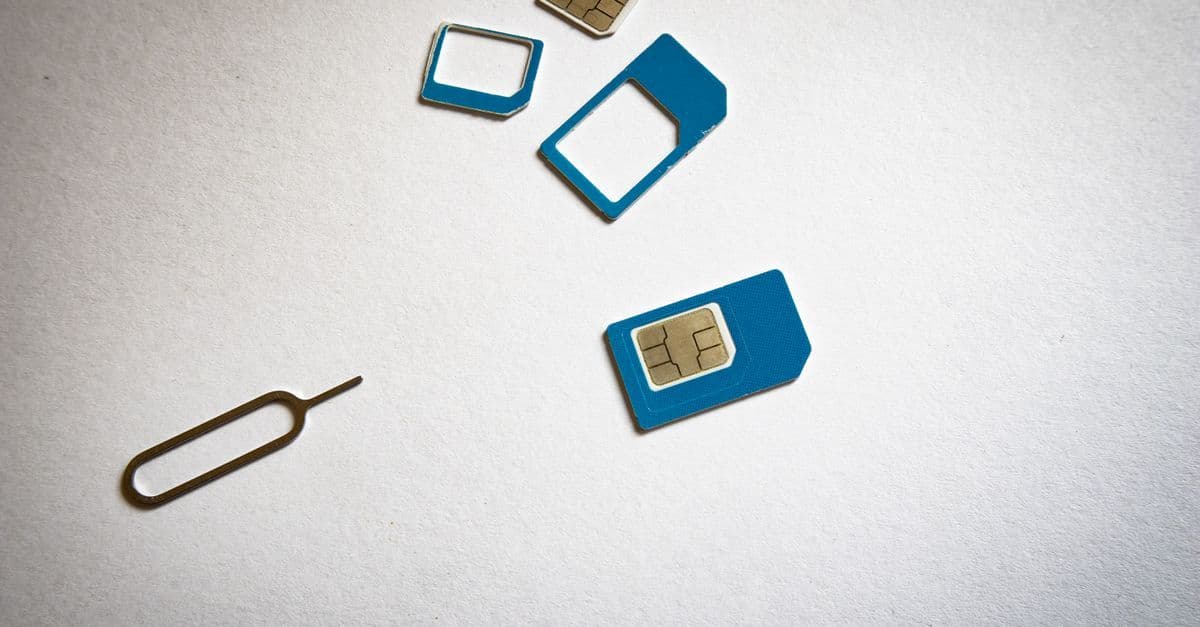
Brazil's three main carriers, Vivo, Claro, and TIM, cover major cities and coastal tourist corridors with solid 4G LTE. Signal thins in the Amazon and rural interior, but for the destinations most US visitors actually travel to, coverage holds.
Reliable mobile data in Brazil isn't a travel luxury. It's a safety tool. Uber runs on data. Google Maps runs on data. Emergency contacts run on data. Lose your connection in São Paulo's outer neighborhoods, and your options narrow fast.
The airport SIM swap used to be the standard move: stand in a 45-minute queue at GRU or GIG after clearing customs, fumble with a Portuguese-language form, and hope the plan activates before your ride disappears. Travelers with Global Entry cut the immigration line in minutes and then wait longer for a SIM card than they did at the border. An international eSIM (digital SIM profile installed via QR code before departure) removes that second wait entirely. Scan it at the gate, and you're live when the wheels touch down.
HelloRoam covers Brazil on tier-1 networks with 24/7 multilingual support, which matters when a coverage issue surfaces at 11pm on a Friday. Budget eSIM plans across the market typically run ~$5 to ~$15 for 5 to 10 GB, enough for a week of navigation, messaging, and maps without strain.
If AT&T, T-Mobile, or Verizon international day passes are already on your plan, run the math against a 7-day eSIM bundle before you board. Beyond four days, the bundle usually wins.
One non-negotiable regardless of which plan you choose: download offline maps for Rio, São Paulo, or wherever you're landing before takeoff. A cached map keeps you oriented when signal drops, and in Brazil, signal does drop.
Solo female travelers face a distinct risk equation in Brazil, and that's where this guide turns next.
Is Brazil Safe for Solo Female Travelers?
Solo female travel in Brazil is feasible. It requires a higher level of situational awareness than most Western European destinations, and going in clear-eyed about the risks makes preparation grounded rather than anxious.
What works in your favor
A genuine solo female travel community exists around Brazil. Active WhatsApp groups connect travelers in Rio de Janeiro, São Paulo, Florianópolis, and Manaus in real time, sharing updates on neighborhoods, venues, and situations to avoid. Hostels across major tourist areas offer female-only dormitories, a practical safety layer that goes beyond social comfort. Staying in tourist corridors after dark and avoiding unlit side streets does most of the heavy lifting. The same zone logic that applies to any solo traveler carries considerably more weight here.
Where the risk concentrates
Brazil's femicide rates rank among Latin America's highest. That describes a structural reality affecting local women most directly, but it signals clearly that gender-based harassment and nightlife risk are factors to plan around, not minimize.
Nightlife settings are the primary friction point. Not accepting drinks from strangers, keeping your glass in sight, and having your exit route sorted before you walk in aren't overcaution. They're the floor.
Solo travel in Brazil's southern cities, particularly Florianópolis and Curitiba, draws consistently positive feedback from female travelers. The Amazon lodge circuit and organized Pantanal tours carry manageable risk profiles when booked through vetted operators.
The comparison most Americans ask before booking isn't about Brazil's internal risk gradient. It's Brazil vs. Mexico.
Is Brazil Safer Than Mexico for American Tourists?
Both countries carry identical US State Department Level 2 advisories. The Global Peace Index 2024 places Mexico around 95th globally. Brazil sits eight positions lower on that same index, as established in the opening section. That gap is narrower than most Americans picture when comparing the two destinations.
Mexico draws the highest volume of US tourists in Latin America. That volume generates more incident reports by sheer scale, which inflates raw comparison data and makes Brazil look more dangerous than a per-traveler risk calculation would actually show.
Itinerary beats index ranking.
A week in Florianópolis or São Paulo's Vila Madalena neighborhood compares directly to a resort week in Cancún: managed security corridors, established tourist infrastructure, and navigable street-level risk. The situational habits that keep travelers safe in Mexico transfer to Brazil almost unchanged.
Neither destination deserves a blanket avoidance label, and for most American travelers, the real question is which itinerary fits the trip they want to take.
Get Connected Before You Go


Frequently Asked Questions
Brazil is generally safe for tourists in designated corridors. The US State Department rates it Level 2 (Exercise Increased Caution), the same as France and Germany. Most incidents involve opportunistic theft, not violent crime.
Brazil carries a Level 2 (Exercise Increased Caution) advisory, the same rating applied to France and Germany. The state of Bahia holds a stricter Level 3 (Reconsider Travel) advisory.
Florianópolis and Curitiba have the lowest tourist-risk profiles among major cities. Smaller coastal towns like Búzios and Paraty near Rio also offer lower-risk alternatives to major metro areas.
Both countries carry identical US State Department Level 2 advisories. Brazil ranks 103rd on the 2024 Global Peace Index versus Mexico at roughly 95th, making them comparable in overall tourist risk.
Opportunistic theft dominates tourist incidents, including bag grabs on beaches, pickpocketing at metro stations, and phone snatches near nightlife districts. Violent crimes targeting tourists are comparatively rare.
The 10pm to 4am window carries the highest risk for violent incidents. During Carnival in February or March, crime spikes 15 to 20 percent due to dense crowds and increased opportunistic theft.
Carnival brings a 15 to 20 percent crime spike in Rio, typically in February or March. Crowds compress and opportunistic theft increases, so extra vigilance with belongings is essential during festival weeks.
Solo female travel in Brazil is feasible but requires higher situational awareness than most Western European destinations. Southern cities like Florianópolis and Curitiba receive consistently positive feedback from solo female travelers.
Use rideshare apps or licensed radio taxis exclusively. Unlicensed street taxis have been linked to express kidnappings in major cities. Open a rideshare app before leaving any venue to ensure a GPS-tracked ride.
An international eSIM installed before departure lets you have data the moment you land, avoiding airport SIM card queues. Budget eSIM plans for Brazil typically cost around $5 to $15 for 5 to 10 GB of data.
The CDC recommends yellow fever vaccination before visiting Brazil, especially for the Amazon, Iguazu Falls, and the Pantanal. Schedule the vaccine several weeks before departure as it needs time to reach full efficacy.
STEP is the US State Department's Smart Traveler Enrollment Program at travel.state.gov. It sends security alerts from the US Embassy directly to you. Registration takes under five minutes and is strongly recommended.
Use ATMs inside bank branches with security personnel during banking hours. Standalone street ATMs are linked to express kidnapping incidents in Brazil. After hours, ask your hotel front desk for cash assistance instead.
Rio's tourist corridors including Ipanema, Leblon, and Santa Teresa are patrolled by Pacifying Police Units. Stick to these zones after dark and avoid displaying expensive electronics or accessories in public.
Yes, downloading offline maps for your destination cities before departure is strongly recommended. Signal can drop in Brazil, and a cached map keeps you oriented in unfamiliar areas when mobile data is unavailable.
Manaus, the main Amazon gateway, has a higher urban crime rate than Brazil's southern cities. Organized lodge tours through vetted operators carry manageable risk profiles and are the recommended way to visit the region.
Brazil's homicide rate runs at 22 to 24 per 100,000 people, roughly five to six times the US rate. This violence is concentrated in favelas and peripheral urban zones that standard tourist itineraries rarely reach.
São Paulo is manageable for tourists. The Jardins, Pinheiros, and Vila Madalena neighborhoods form the practical traveler's circuit. Avoid displaying expensive gear after 10pm to reduce the risk of targeted theft.
Sources
- Travel Advisories — travel.state.gov
- Braziltravel advice — travel.gc.ca
- IS IT SAFE TO TRAVEL TO BRAZIL IN 2026? — bhtp.com
- Brazil Travel Advice & Safety — smartraveller.gov.au