

Best Time to Visit Ireland: Quick Answer
Late May through early June is the best time to visit Ireland for most US travelers. You get lush, green landscapes at their seasonal peak, 16-plus hours of daylight, and prices that run 25-35% below the July-August high season without sacrificing warmth or access to any major site.
The right window depends on your priorities.
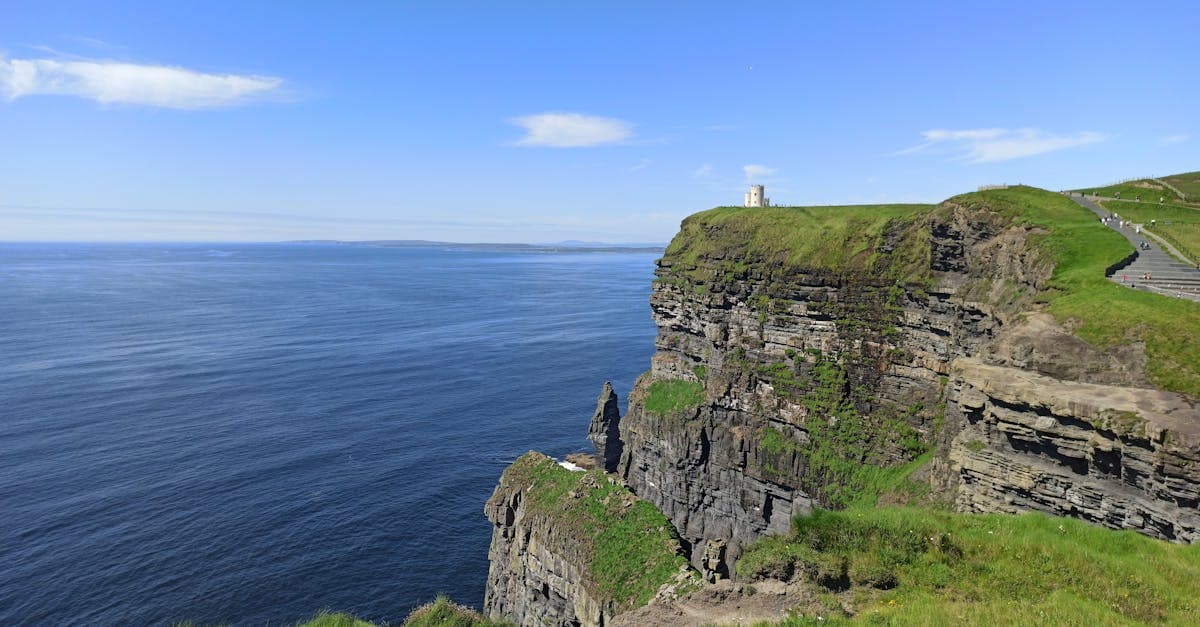
- Late May to early June: Lively evenings, shoulder-season fares, and no competition at the Cliffs of Moher before 9 a.m.
- July and August: Peak summer, spirited crowds, highest prices. Dublin hotels average $250-$400 per night. Round-trip fares average $800-$1,400; book early.
- April to May and September to October: Brisk shoulder seasons with round-trip flights averaging $500-$900. Lighter event calendars, but dramatic landscapes and shorter queues.
- November to February: Cheapest access, but only 7-8 hours of daylight per day.
AT&T, T-Mobile, and Verizon charge $10-$15 per day for international data in Ireland. HelloRoam's eSIM for Ireland starts at ~$2.76 for 1GB on Eir's 5G network. Buy it with Apple Pay or Google Pay from the gate at JFK or LAX, and it's active the moment you walk out of Dublin customs.
Key fact: HelloRoam's Ireland eSIM runs on Eir's 5G network from ~$2.76 for 1GB over 7 days.
The connectivity question is answered before boarding. Each season tells a different story.
Ireland Weather by Season: What to Expect on Your Visit
Ireland's climate is temperate oceanic: mild year-round, reliably wet, and free of the extremes Americans generally encounter at home. No season delivers a Chicago July or a Boston January. What you get instead is an animated, ever-shifting pattern where sun, cloud, and rain can follow each other within a single afternoon.
There is no dry season.
Every month carries real rain probability. July is actually Ireland's driest month, averaging around 13 rain days. January sits near 18. That difference matters less than it sounds: Irish showers tend to be brief and dynamic, clearing quickly and leaving a crisp quality to Atlantic coastal light that's genuinely hard to photograph accurately.
Average summer temperatures in Dublin run 61 to 68 degrees Fahrenheit. The country rarely pushes into genuinely warm territory, which is a feature rather than a flaw for travelers arriving from humid American summers.
The west coast changes the planning math entirely. Galway, Clare, and Kerry receive 30-40% more rainfall than Dublin. The Connemara and Dingle landscapes owe their saturated, almost unreal green directly to that rain. Pack a waterproof layer regardless of the forecast, even in August.
Summer and shoulder seasons break down differently once you look at the crowding numbers.
Summer in Ireland: long days, gentle heat, and peak crowds
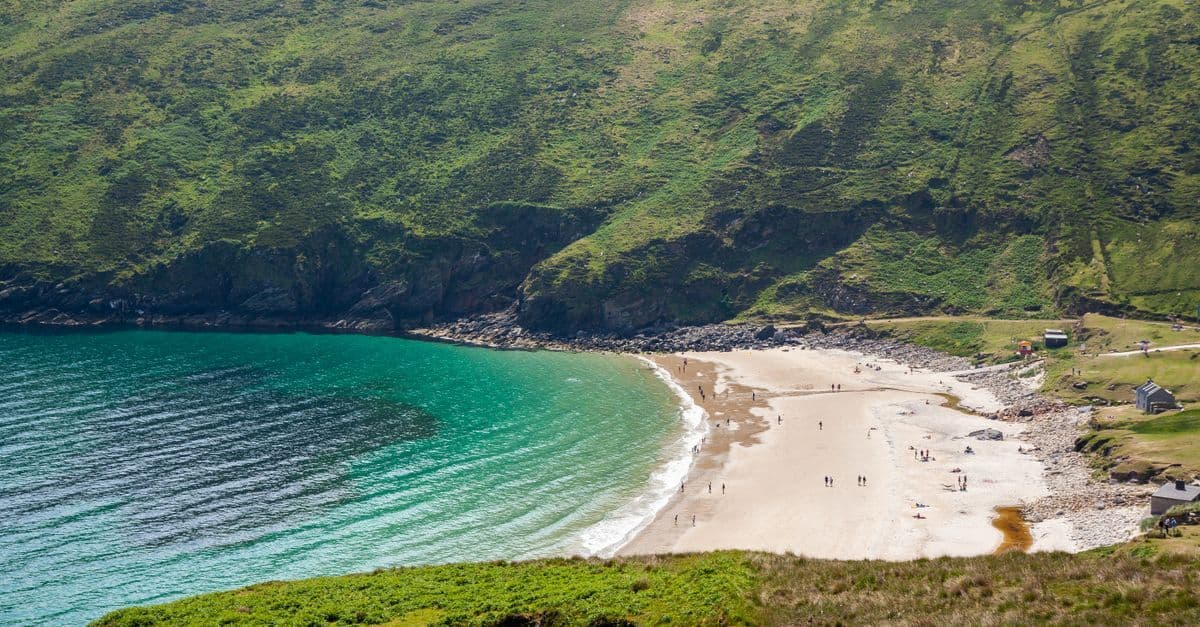
June and July hand Ireland its most energetic travel window: up to 17 hours of daylight per day and temperatures that stay well under anything Americans would call uncomfortably hot. The extended evenings alone justify the timing for many US visitors.
That's the draw. The crowd pressure is the trade-off.
Tourism Ireland data puts July and August at roughly 30% of all annual overseas arrivals. Booking a room in a popular coastal town without three months of lead time is a gamble. The Wild Atlantic Way runs shoulder-to-shoulder with tour buses from Killarney to Achill Island, and pubs along the Dingle Peninsula can hit capacity well before 8 p.m.
Key fact: Tourism Ireland data records July and August as the peak travel window, accounting for roughly 30% of all annual overseas arrivals.
Pricing tracks the pressure. Dublin hotel rates during peak summer reach the top of their annual range, the figures covered in the quick answer above, and US airlines price transatlantic routes accordingly.
What summer actually delivers in exchange is a version of Ireland that feels open and stellar: long post-dinner walks along the Burren, outdoor festivals that run until dark, and a punchy Atlantic light that makes even overcast coastal stretches look like the photographs you came to take.
Shoulder seasons offer a different calculation entirely.
Spring and fall: choosing between the two shoulder seasons
Spring (April to May) keeps tourist volume low, with popular routes like the Kerry Way and Wicklow Mountains National Park running uncrowded. This is the version of Ireland most travel photographs miss entirely: hedgerows peak with a lean, almost neon green that fades before summer heat sets in. Weather is unpredictable and daylight hours shorter than July, which makes spring the natural fit for walkers, cyclists, and anyone whose itinerary depends on open landscape rather than a structured events calendar.
Spring and fall don't compete for the same traveler. They're solving different problems.
Fall (September to October) runs warmer in one specific way: sea temperatures peak in September, making coastal swimming more viable than any other point in the year. Harvest festivals and food events fill the calendar in Cork, Galway, and Westport. After the August rush clears out, the Antrim Coast and Dingle Peninsula feel clean and genuinely unhurried again.
Shoulder visitor volume to Ireland has grown ~22% over the past five years, so the "hidden season" label sells it short. Book accommodation ahead for September weekends. A solid lead time of six to eight weeks covers most popular coastal spots.
Round-trip fares during both windows fall well below the summer peak covered in the quick answer above, which remains the most practical reason these months keep gaining ground with American travelers.
One narrow window stands out above the rest.
Why Late May and Early June Are the Best Time to Visit Ireland
Late May and early June combine 16-plus hours of daylight with well-below-peak pricing and crowds that run at a fraction of August's. The weather is nearly identical to midsummer. That combination makes this the highest-value window in Ireland's travel calendar.
Most travel guides still default to August. That framing costs travelers real money.
July and August represent peak arrival season, as established in the summer section above. Hotels fill up months in advance. Transatlantic fares sit at the high end of the peak range mentioned in the introduction. The Cliffs of Moher on a Saturday in August means queuing past the safety barriers, not gazing into the Atlantic.
Late May and early June sidestep all of that. Daylight runs past 16 hours. You can drive the Dingle Peninsula, catch the evening light over Slea Head, and still find a pub table at 9 p.m. with the sky still pale. Flight prices come in at the shoulder discount highlighted earlier. Hotel rates follow the same pattern.
Here's what most August bookers miss: Ireland doesn't transform in midsummer. Temperatures stay mild either way. Rain doesn't vanish because it's August. The weather improvement from May to August is incremental, not dramatic.
What changes dramatically is demand. Skip August and the trip shifts character. Rural roads stay drivable. Killarney National Park stays photogenic without a convoy of tour coaches. B&Bs in Clifden take same-week bookings.
Late May through early June isn't a compromise. It's a better trip. The month-by-month data makes the contrast concrete.
When to Visit Ireland: Month by Month Flight Prices and Crowds
Ireland's calendar breaks into five distinct travel windows, each with its own crowd profile, daylight range, and pricing logic. The table below captures the full picture.
Two months require extra context.
March draws visitors for obvious reasons, but St. Patrick's Day is a budget trap for US travelers planning a first Ireland visit. That 200-400% hotel premium in Dublin applies to the full week surrounding March 17, and the effect ripples into accommodation across Galway and Cork as well. Daylight is still limited, temperatures are genuinely cold, and the weather rarely cooperates. Travelers who want the festival atmosphere should book 8-10 months in advance. For everyone else, April is a far better entry point: warmer, less crowded, and priced rationally.
January and February get overlooked. Fares are brisk, castles are nearly empty, and the dramatic grey-green landscape looks exactly like the Ireland of film and folklore. Cold, yes. The right call for photographers and travelers who prefer solitude over sunshine.
Your travel style shapes which season wins for you.
Do US Visitors Need an eSIM When Visiting Ireland?
For most US visitors, an eSIM is the practical solution. EU free-roaming rules protect European travelers crossing member-state borders, but they don't extend to American SIM cards. AT&T, T-Mobile, and Verizon each treat Ireland as a standard international destination, charging at the daily rates noted in the opening section rather than bundling coverage into any base plan.
Ireland's Carrier Landscape
Three Ireland, Vodafone Ireland, and Eir divide the mobile market between them. 5G is live in Dublin, Cork, Galway, Limerick, and Waterford as of mid-2026. Outside those five cities, the network transitions to 4G and, in isolated rural stretches, 3G. Rural Connemara and County Donegal carry well-documented signal gaps that affect hiking routes and coastal drives. Travelers heading toward Slieve League cliffs or the Killary Fjord should plan around patchy connectivity rather than assume data will hold throughout.
eSIM vs. Carrier Day Pass
For a stay under three days at a hotel with solid Wi-Fi, a carrier day pass may be adequate. Beyond that, the math shifts fast.
Key fact: HelloRoam's Ireland eSIM plans start at ~$2.76 for 1GB over 7 days, running on Eir's 5G network.
HelloRoam's 5GB plan runs ~$7.06 for a 30-day window, the practical option for itineraries covering Dublin, the Wild Atlantic Way, and side trips to Belfast. Purchase through Apple Pay or Google Pay, scan the QR code on home Wi-Fi before departure, and the eSIM profile connects automatically when the plane lands at Dublin Airport. No SIM swap, no kiosk queue.
Two questions surface for nearly every first-time visitor.
Does Ireland Have a Rainy Season?
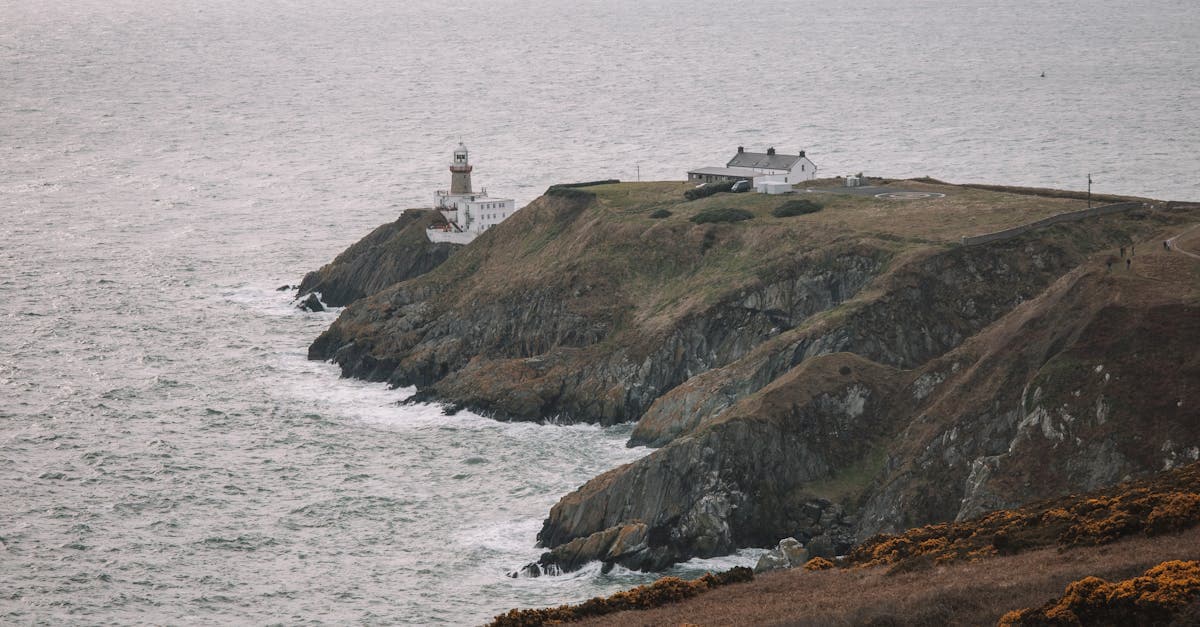
Ireland has no rainy season. Rain falls in every month of the year, so the question isn't whether it'll rain on your trip but how often.
October through January is the wettest stretch, logging average monthly rain days well above the summer baseline. July is Ireland's driest calendar month, averaging around 13 rain days, which works out to roughly one clear day for every two. That's not the Mediterranean, but it's workable.
Regional variation matters more than most first-timers expect. Kerry and Galway, both sitting on the Atlantic-facing coast, consistently see more rainfall than Dublin, a gap detailed in the weather section earlier. Book a three-day Ring of Kerry loop and you'll almost certainly encounter at least one persistent drizzle, regardless of month.
Pack a compact waterproof jacket on every Ireland trip.
That one piece of kit reframes the experience entirely. Drizzle in Connemara isn't a problem when you're dressed for it. The roads clear out, the bog grasses look electric-green, and the pubs come alive in a way that cloudless evenings rarely match. Travelers who arrive prepared consistently find Irish weather far less disruptive than they expected.
Rain won't ruin a well-planned Ireland visit. Arriving underprepared will. St. Patrick's Day raises a separate planning question.
Is St. Patrick's Day in Ireland Worth the Trip?
St. Patrick's Day in Ireland delivers a genuine cultural experience: parades through Dublin, Galway, Cork, and Limerick, pubs running at full volume, and a national pride that no Irish-American bar back home can match. The honest answer is that it costs more, feels colder, and books faster than any other week on the Irish calendar.
The case for going
- The Dublin parade fills O'Connell Street; Galway and Cork run their own spirited, less tourist-dense alternatives on the same day
- Pub sessions on March 17 run longer and feel more animated than anything the peak summer months produce
- For travelers drawn to Ireland specifically for its cultural identity, March 17 is the most concentrated version of that experience available
- Smaller cities like Limerick and Galway feel brisk and festive without Dublin's full tourist load
The case for waiting
- Hotel rates spike to the levels noted earlier in this guide, citywide, not just in the historic center
- March brings under 12 hours of daylight, cold temperatures, and consistent rain
- Accommodation books out 6 to 9 months ahead, ruling out late planners entirely
- Peak-week prices. Off-peak conditions. That's the March 17 trade-off.
The practical verdict
Budget-flexible travelers chasing a bucket-list cultural moment will find it worthwhile. Anyone drawn to Ireland for the coastline or the pub atmosphere will find late May more rewarding: the same lively energy, longer evenings, and flight prices that don't require planning half a year in advance.
Get Connected Before You Go


Frequently Asked Questions
Late May through early June is the top pick: 16+ hours of daylight, near-peak weather, and hotel and flight prices running 25-35% below the July-August high season. Crowds are lighter and all major sites remain fully accessible.
Ireland has no distinct rainy season — rain falls every month. October through January is the wettest stretch. July is the driest month, averaging about 13 rainy days. Always pack a compact waterproof jacket regardless of season.
Round-trip fares average $800-$1,400 during peak summer. Shoulder seasons (April-May and September-October) bring fares down to $500-$900. January-February offers the lowest transatlantic fares of the year.
July and August account for roughly 30% of Ireland's annual overseas arrivals. Popular sites like the Cliffs of Moher are very busy, and coastal accommodation books up months in advance across the Wild Atlantic Way.
Dublin hotel rates average $250-$400 per night in July and August. Book at least three months ahead to secure availability at popular coastal towns during peak season.
It offers genuine parades and festive pubs, but Dublin hotel rates spike 200-400% and book out 6-9 months ahead. March also brings cold temperatures, under 12 hours of daylight, and consistent rain.
For stays over three days, a travel eSIM is far cheaper than US carrier international day passes. Budget eSIM plans for Ireland start around $2-3 for 1GB on 5G networks. Activate on home Wi-Fi before departure for seamless arrival connectivity.
US carrier international day passes for Ireland typically run $10-$15 per day. EU free-roaming rules do not apply to American SIM cards, so Ireland is billed as a standard international destination regardless of your plan.
5G is live in Dublin, Cork, Galway, Limerick, and Waterford. Rural areas like Connemara and County Donegal have documented signal gaps. Plan for patchy connectivity on coastal drives and remote hiking routes outside major cities.
Dublin summer temperatures average 61-68°F. Ireland rarely gets uncomfortably hot, making it a pleasant destination for travelers from humid American summers. Expect brief rain showers even during peak summer months.
April offers uncrowded trails, shoulder-season round-trip fares of $500-$900, and landscapes at their greenest. Weather is unpredictable and days shorter than summer, but it is ideal for walkers and cyclists avoiding crowds.
Ireland gets up to 16-17 hours of daylight per day in June and July, allowing for long evening drives and outdoor activities well into the night. Winter daylight drops sharply to just 7-8 hours per day.
September offers post-peak crowds, harvest festivals in Cork and Galway, and the warmest sea temperatures of the year. Fares are lower than peak summer and popular coastal areas like Dingle and the Antrim Coast feel genuinely uncrowded.
Always bring a compact waterproof jacket regardless of season or forecast. Ireland's weather can shift from sun to rain within a single afternoon. The west coast receives 30-40% more rainfall than Dublin, so layers are essential.
January and February offer the cheapest transatlantic fares and lowest hotel rates of the year. Shoulder seasons (April-May and September-October) also provide strong value with round-trip fares averaging $500-$900.
Late May delivers nearly identical weather to August with 25-35% lower prices, far fewer crowds, and available accommodation at short notice. The Cliffs of Moher and Killarney National Park are significantly less congested.
Kerry and Galway on the Atlantic-facing west coast consistently receive 30-40% more rainfall than Dublin. Travelers planning the Ring of Kerry or Connemara should expect at least one day of persistent drizzle regardless of month.
Book Dublin hotels and transatlantic flights at least three months ahead for July and August. Coastal accommodation along the Wild Atlantic Way fills quickly, and popular B&Bs in towns like Clifden can sell out even earlier.
Sources
- ricksteves.com — ricksteves.com
- insightvacations.com — insightvacations.com
- The Best Time to Visit Ireland — wildernesstravel.com
- The Best Time to Visit Ireland — cntraveler.com