

Singapore Itinerary at a Glance
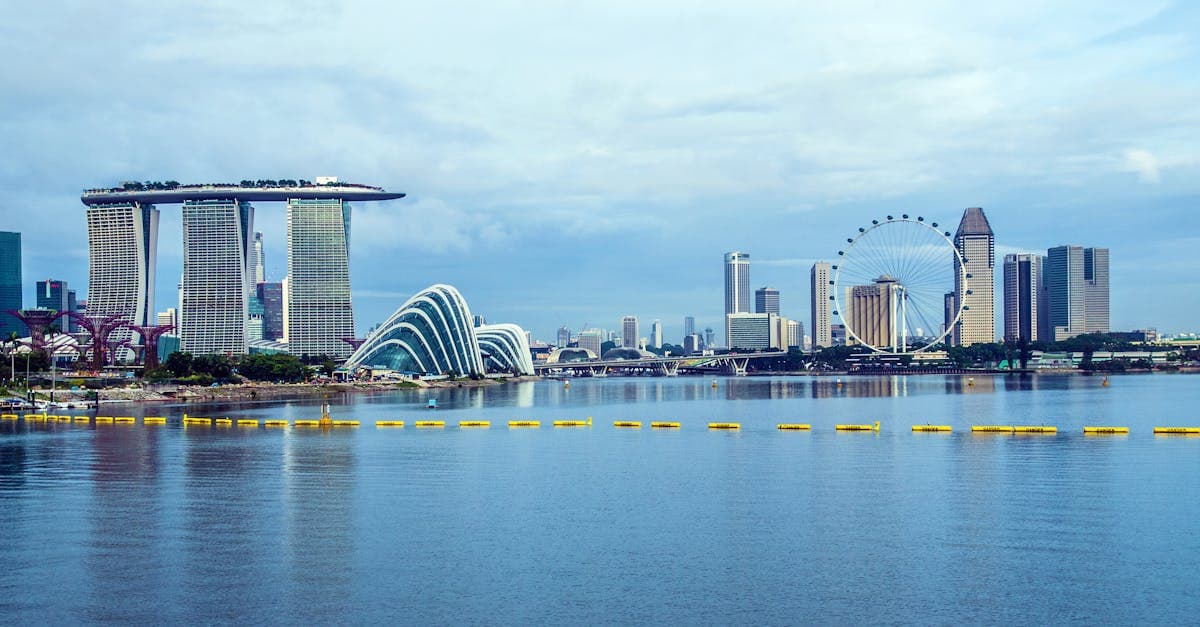
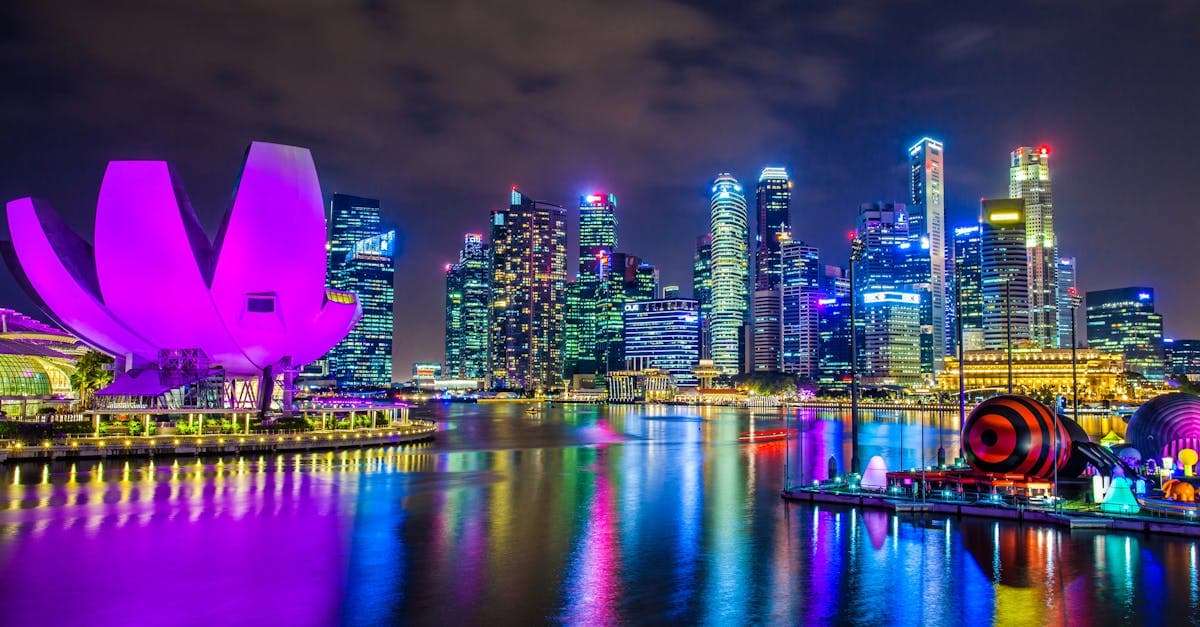
City Hall MRT places you at the center of the Colonial Core, with Marina Bay a short walk south. Start the first morning at Merlion Park, walk the waterfront to the Esplanade, then push toward Gardens by the Bay before the heat builds.
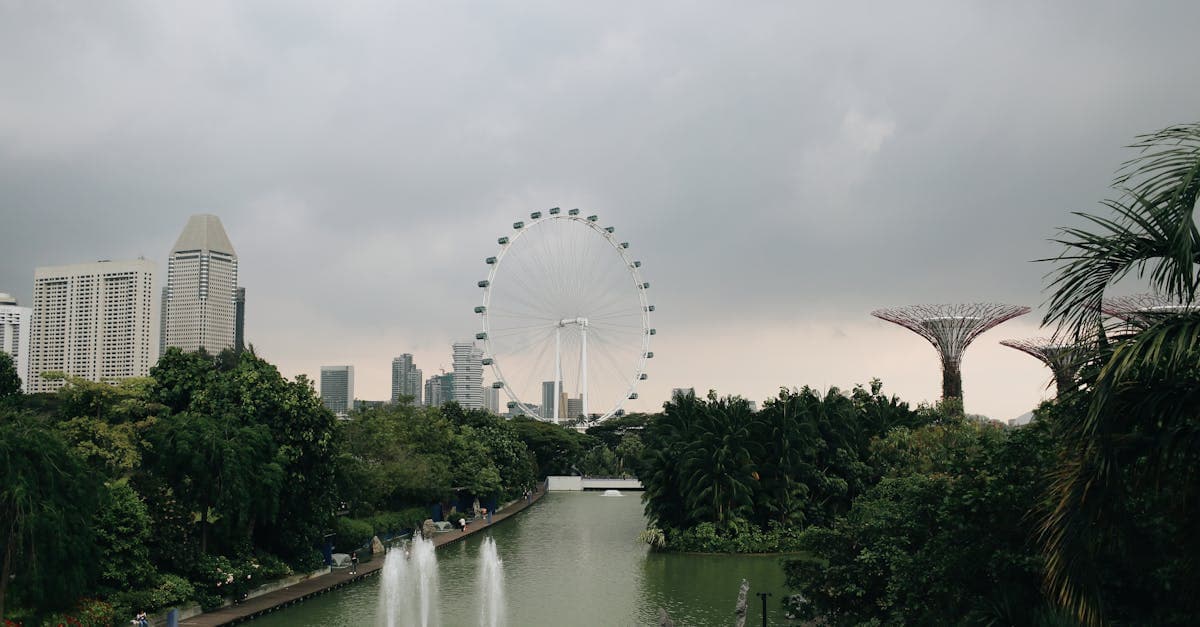
The Supertree Grove exterior is free to explore at ground level; the evening light show runs after 7pm and costs nothing. The Marina Bay Sands observation deck costs SGD 26 per adult and delivers a crisp skyline view most visitors associate with Singapore. The infinity pool is for hotel guests only. Don't queue for something you can't access.
Raffles Hotel and the National Museum of Singapore both sit within walking distance of City Hall MRT, natural stops for a second morning before temperatures peak. The museum's permanent collection is carefully layered across Singapore's full history and rewards a two-hour visit. Merlion Park and the Esplanade are flat, walkable, and need no advance booking.
Days 3 and 4 shift to beaches and cultural neighborhoods.
Your Day-by-Day Singapore Itinerary
Days 1 and 2 anchor this itinerary in the Colonial Core and Marina Bay: the landmark circuit most first-timers picture before they land. Days 3 and 4 expand outward: south to Sentosa's beaches and theme parks, then into Chinatown and Kampong Glam for food, temples, and shophouses.
Days 5 to 7 reward travelers willing to go deeper.
Days 1 to 2: Marina Bay and the Colonial Core
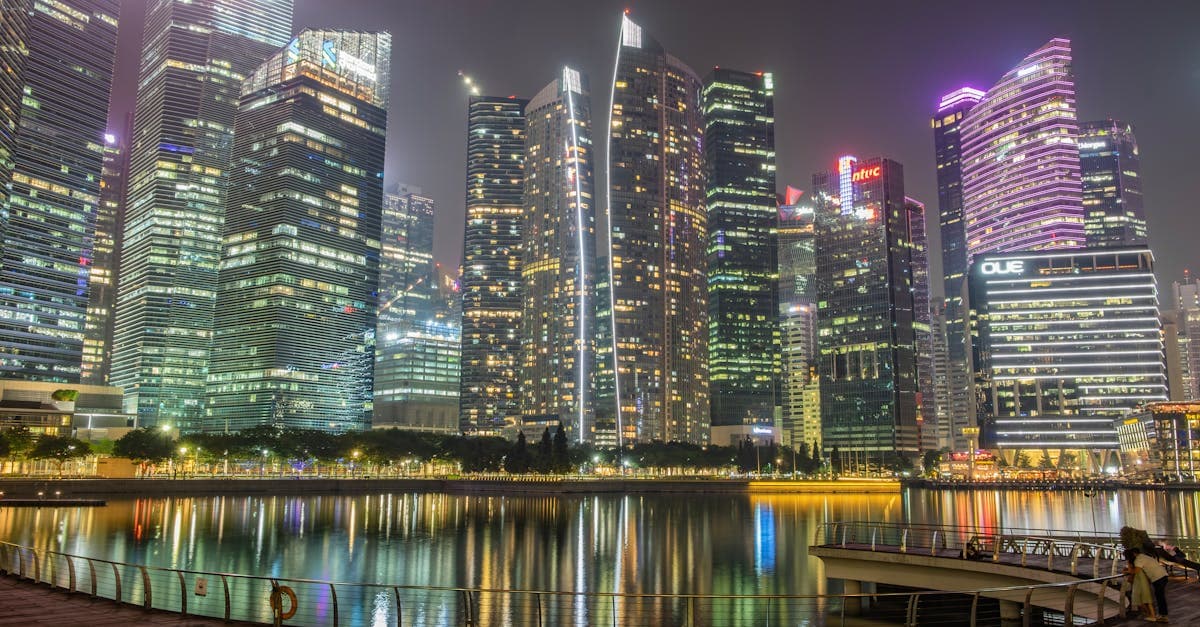
Marina Bay packs more landmarks per square kilometer than almost anywhere in Southeast Asia. Your first two days here anchor the itinerary in Singapore's most recognizable sights, and most of them sit within a short walk or one MRT stop of each other.
Start at City Hall MRT. From there, Merlion Park and the Esplanade are both on foot, so no transit card needed. The Marina Bay Sands observation deck delivers the skyline shot every first-timer expects.
Save the Supertree Grove for after 7pm. Gardens by the Bay charges for the indoor domes, but the outdoor Supertrees are free once the sun drops, and the light show is worth the wait.
Raffles Hotel and the National Museum of Singapore sit close enough to cover in the same afternoon, both within easy walking distance from City Hall MRT.
Days 3 to 4: Sentosa, Chinatown, and Kampong Glam
Day three is a Sentosa day. From VivoCity MRT, reach the island via cable car for elevated views of the southern coast, or take the monorail for a faster, no-frills transfer. Universal Studios Singapore earns a full day minimum, not a rushed half-day. The park is dense, queues build fast on weekends, and clipping your visit short means walking away from rides you've already waited for.
Chinatown belongs on day four. Maxwell Food Center is the hawker essential on this itinerary, with stalls serving from early morning through the afternoon lunch rush. Arrive before noon to beat the longest waits.
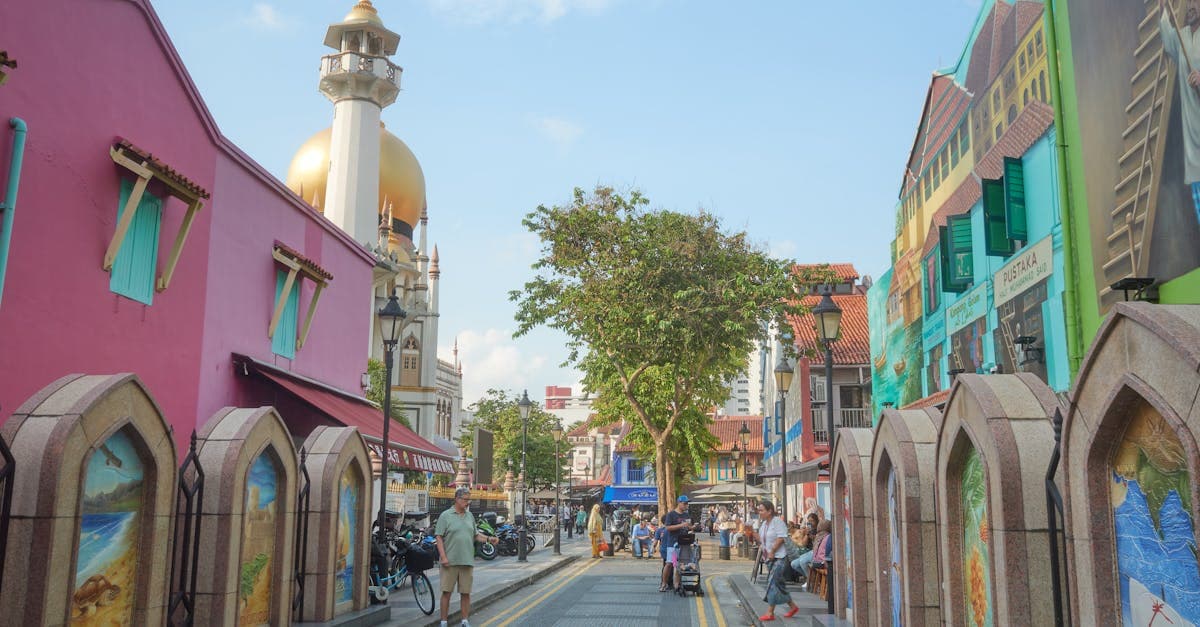
Kampong Glam costs nothing. Sultan Mosque is free to visit, and the shophouses along Arab Street, with textile merchants and perfumeries filling both sides of the street, round out the afternoon without requiring a single extra dollar.
Days 5 to 7: Tiong Bahru, East Coast Park, and Pulau Ubin
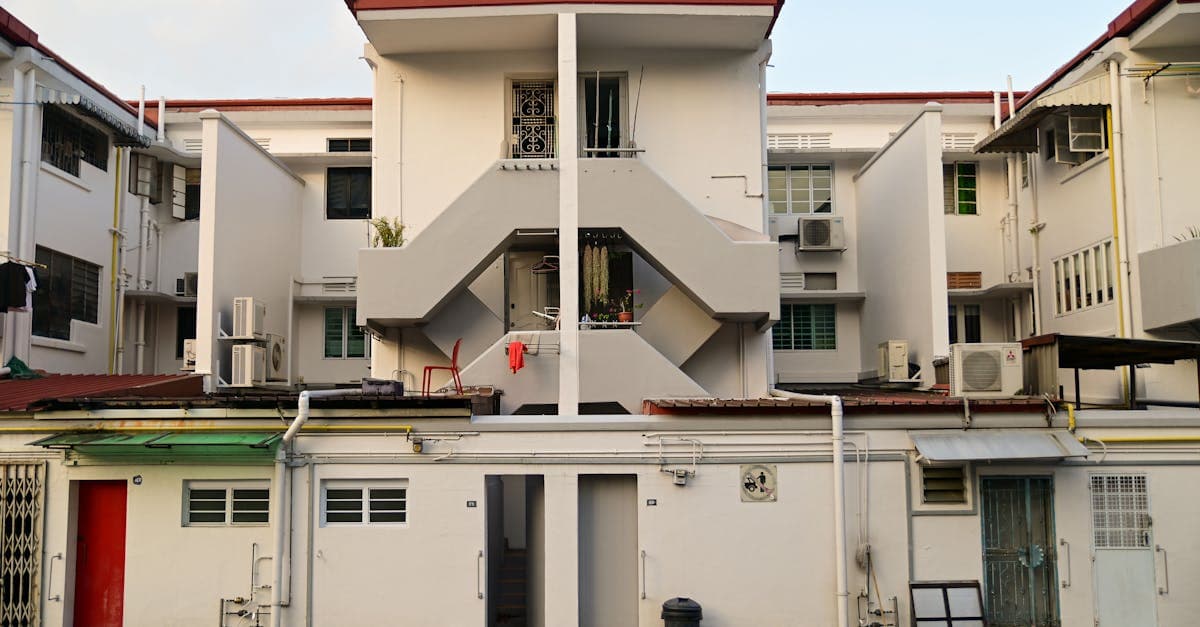
Days 5 to 7 are best spent in Singapore's quieter, less tourist-optimized neighborhoods: Tiong Bahru, Joo Chiat, East Coast Park, and Pulau Ubin all reward a slower pace and suit return visitors more than first-timers. Which areas to include depends on your visit number and how you group neighborhoods by MRT line.
The common misconception: Singapore is small, so neighborhood-hopping is effortless. In practice, cross-island MRT trips take considerably longer than the map suggests. Which neighborhoods you group together matters more than it looks.
First-Timer Priorities
Marina Bay, Sentosa, Chinatown, Little India, and Orchard Road form the core first-visit circuit. They cluster along the North South and East West lines, which means you can cover all of them without meaningful backtracking.
Return Visitor Territory
Joo Chiat, Tiong Bahru, the Rail Corridor, and Pulau Ubin represent a quieter, more residential Singapore. Less optimized for tourism, more worth the extra planning.
These neighborhoods reward slow mornings.
The East West Line runs from Changi Airport to Boon Lay in a single trip, making it the practical backbone for any day built around the eastern half of the island.
Dining-Focused Days
Holland Village and Dempsey Hill sit close together and suit travelers who want long lunches and relaxed evenings over landmark hopping. Dempsey Hill's converted colonial barracks hold some of the city's better restaurant options. Both work best as a late-day itinerary stop, not a morning anchor.
Cross-island backtracking is the most common planning mistake in Singapore. Grouping neighborhoods by MRT line from the start prevents it.
How Much Should I Budget for a Singapore Itinerary?

Budget travelers spending SGD 80 to 120 per day (roughly USD 60 to 90) can cover a hostel dorm, hawker meals at the costs mentioned earlier, and MRT fares without feeling squeezed. Mid-range travelers should plan for SGD 180 to 280 per day (roughly USD 135 to 210), which opens up private hotel rooms, a few ticketed attractions, and the occasional sit-down dinner.
The MRT day pass at SGD 10 is the single smartest purchase on your first morning.
It covers virtually every sightseeing route across the island and removes the mental overhead of tallying individual fares every time you hop between neighborhoods. Pick it up at any MRT station customer service center before you leave Changi Airport.
Accommodation is the biggest variable. Hostels run SGD 30 to 60 per night. Mid-range hotels land between SGD 150 and 300. Marina Bay Sands starts at SGD 500 per night, and that's before you factor in dining or the infinity pool, which is reserved for hotel guests only. You don't have to stay there to appreciate the view; the observation deck takes care of that for most visitors.
Singapore's free attractions aren't consolation prizes on any Singapore itinerary. The Jewel Changi waterfall, the streetscapes of Little India, and East Coast Park are real draws, not just options for travelers watching their budget. The Singapore Tourism Board actively promotes these options because they deliver.
A five-day stay at mid-range, flights excluded, typically runs between SGD 900 and 1,400. Lean into the free options and that number drops by a useful margin.
Staying Connected During Your Singapore Itinerary
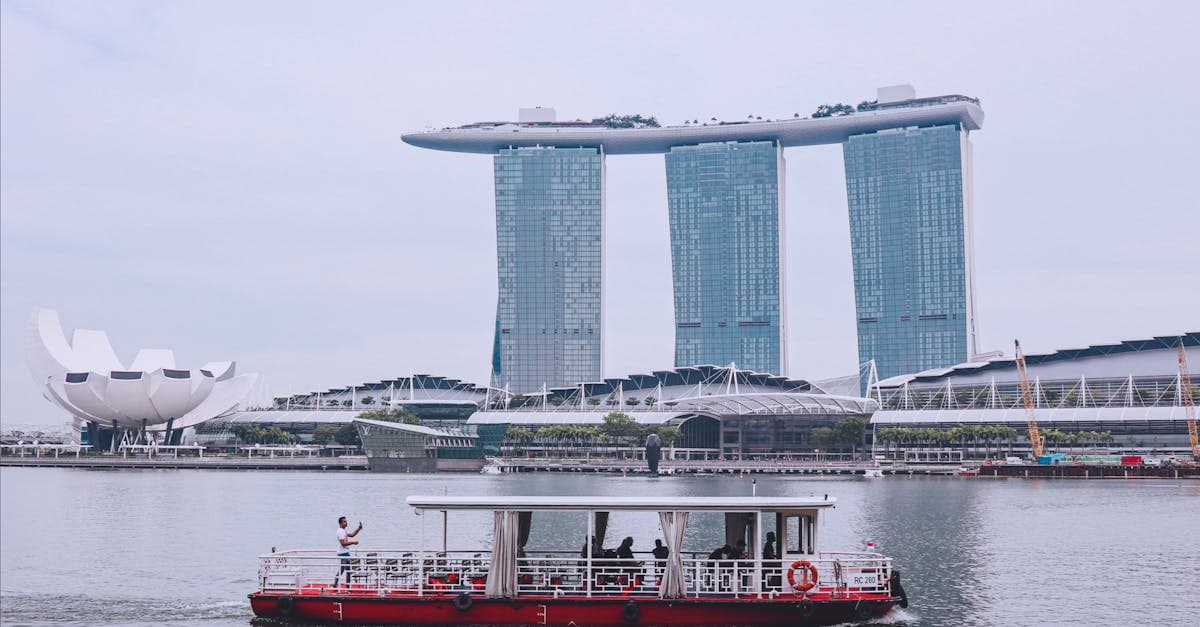
Singapore ranks in the top 5 globally for mobile internet speed, and all three major carriers (Singtel, StarHub, and M1) have deployed 5G island-wide as of early 2026. Dead zones don't exist here. The real connectivity question isn't whether you'll have signal, it's how much you'll pay for it.
Free WiFi: Better in Theory Than in Practice
Wireless@SG covers MRT stations, Changi Airport, libraries, and most community centers across the island. The catch: registration requires SMS verification to a local number, which tourists don't have on arrival. You can work around this with a SingPass account, but creating one isn't straightforward for first-time visitors. Most hotels and cafes offer their own WiFi, and quality is generally solid, but leaning on venue networks for MRT routing, Grab rides, and Klook ticket bookings throughout the day gets clunky fast.
A dedicated data connection handles all of that without the friction.
eSIM vs. Airport Kiosk
Changi consistently ranks among the world's best airports, but SIM kiosk queues after a long-haul flight are nobody's idea of a good start. An eSIM activates before you land: scan the QR code at the departure gate, and by the time the plane touches down, you're already pulling data.
Budget eSIM plans for Singapore run roughly USD 2 to 5 per day, depending on data volume and plan length. For a typical Singapore itinerary involving map navigation, Grab, messaging, and photos, mid-tier plans cover most travelers without throttling surprises. Traveling with a group or need your laptop online? Look specifically for a plan that supports hotspot tethering, and build in extra data for the shared load.
HelloRoam offers coverage on the StarHub 5G network, with a 7-day plan at ~$5.49 for 1GB, or a 20GB 30-day plan at ~$19.49 for longer stays or remote work. If you're combining Singapore with a regional trip, the 30-day window gives breathing room for side trips to Malaysia or Indonesia.(https://www.helloroam.com/all-esim) before you fly.
Which Neighborhoods Are Worth Adding to My Singapore Itinerary?
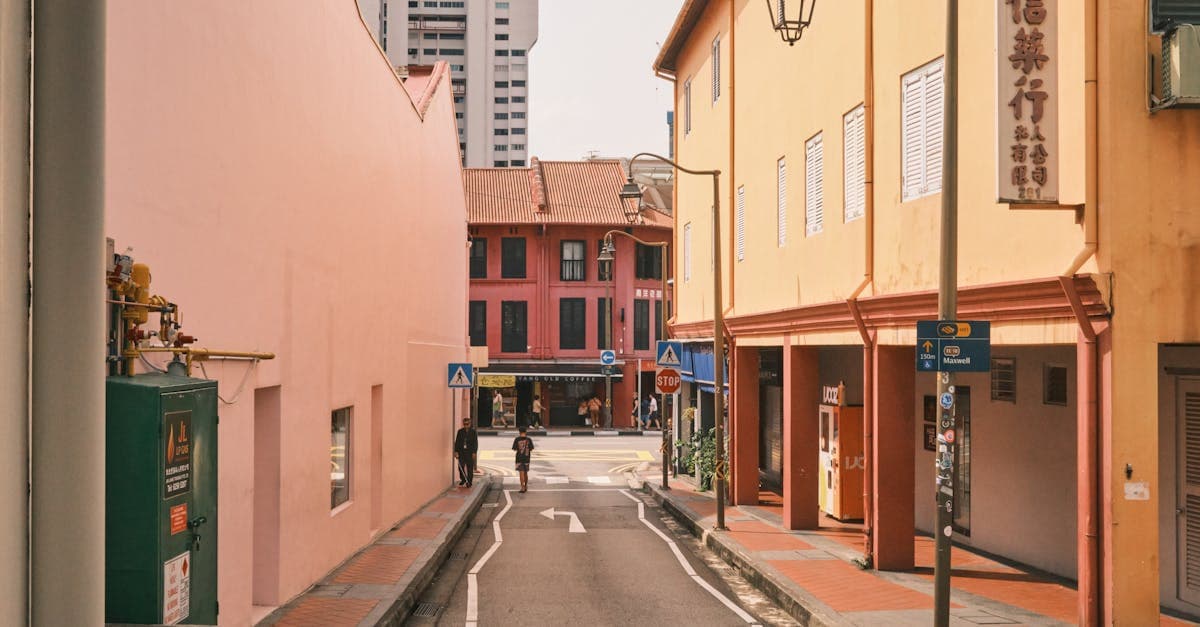
First-timers should anchor their Singapore itinerary around five neighborhoods: Marina Bay, Sentosa, Chinatown, Little India, and Orchard Road. Those five cover the city's iconic sights, hawker food, and shopping without requiring cross-island hops.
Trip length shapes what you can realistically add. Three days barely covers that core circuit; extend to six or seven days and the quieter neighborhoods become genuinely viable rather than rushed tick-boxes. Fitting Joo Chiat or Tiong Bahru into a tight itinerary of four days or fewer usually means arriving too quickly to appreciate either. Both neighborhoods earn their reputation through slow mornings, not hurried afternoon loops.
Return visitors have a better case for going deeper. Joo Chiat rewards specificity: Peranakan shophouses line the main street, and the neighborhood makes more sense as an unhurried morning built around wandering than as a stop with a single target to tick off. Tiong Bahru's pre-war housing estate holds independent cafes and weekend market stalls; don't stack it after an already-packed day, because the value is in the pace rather than the checklist. The Rail Corridor works best as a day's anchor rather than a gap-filler between other stops. Pulau Ubin, reached by bumboat from Changi Point Ferry Terminal, needs a half-day minimum rather than a tacked-on afternoon.
The single most useful planning tool is the MRT map.
Group your days by line color and you'll avoid the cross-island backtracking that eats an hour before lunch. The East West Line (green) runs from Changi Airport all the way to Boon Lay in one uninterrupted trip, covering Joo Chiat, the city center, and the western suburbs along the way.
For a dining-focused itinerary, Holland Village and Dempsey Hill are the two neighborhoods most often skipped by first-timers, then regretted by everyone who didn't go. They sit close enough to pair in a single afternoon. Holland Village has terrace restaurants and a buzzy evening atmosphere; Dempsey Hill's converted colonial barracks offer the opposite register: greenery, quiet, and sit-down restaurants that suit a long afternoon over a rushed stop between landmarks.
Five days in and there's still more. The Southern Ridges and Haw Par Villa are close enough to slot in without restructuring your entire plan.
Is 3 Days Enough for a Singapore Itinerary?
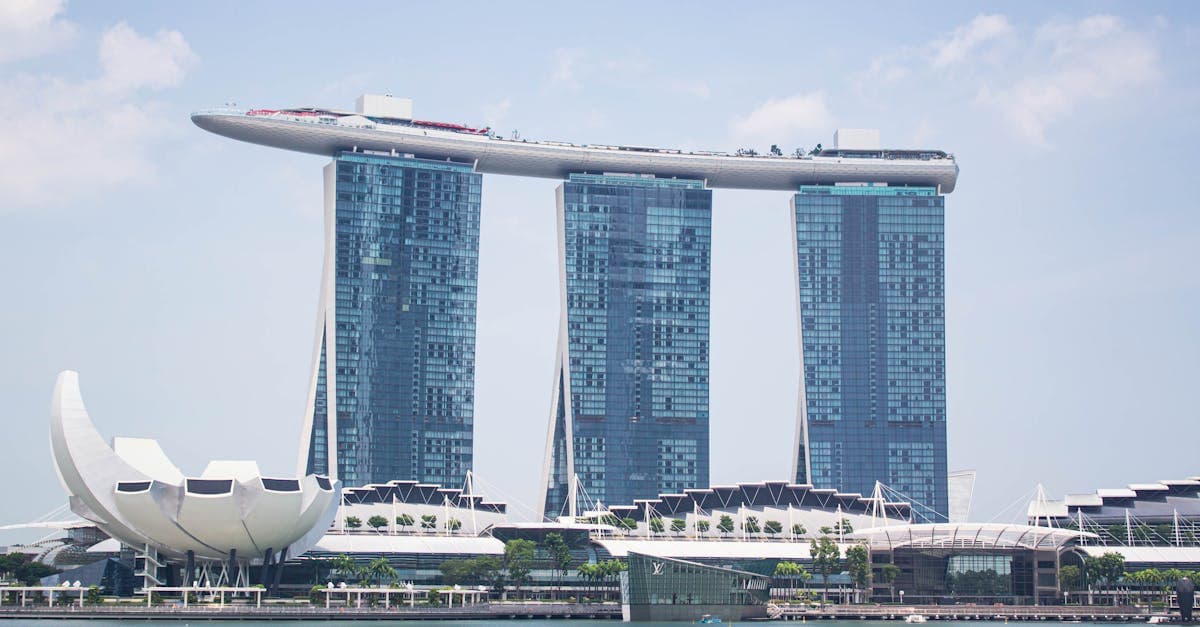
Three days covers Singapore's core. Marina Bay, Chinatown, Little India, and a half-day on Sentosa fit within 72 hours if you cluster by MRT line. Singapore Tourism Board data puts the average visitor stay at 3.5 to 4 days, suggesting most travelers arrive with exactly this question and leave satisfied they used the time well.
Whether those 72 hours feel like enough comes down to pacing. A visitor who stays close to City Hall MRT for the first two days and picks up the MRT day pass at Changi before heading into the city covers noticeably more ground than one who wings the routing. The MRT-clustering approach is what keeps your 3-day Singapore itinerary from dissolving into transit time between stops.
What a 3-day itinerary skips: - Gardens by the Bay's ticketed Cloud Forest and Flower Dome, both time-intensive to do properly - Pulau Ubin, which needs a half-day minimum and a bumboat from Changi Point Ferry Terminal - Any meaningful time in Tiong Bahru, Joo Chiat, or along the Rail Corridor
Five days resolves most of that.
Seven-day itineraries are typically built around a cross-border trip. Batam and Bintan, Indonesia are both under an hour by ferry from HarbourFront, making either a natural extension for travelers who want genuine contrast after the city intensity.
Short stays also make the case for a pre-activated eSIM most sharply. Grab, Google Maps, and Klook all need live data. Your first morning is too valuable to spend at a SIM kiosk. One final checklist before you lock in your itinerary.
What to Prep Before Finalizing Your Singapore Itinerary

Most Singapore prep gaps appear at the destination, not during planning. Five checks before departure prevent friction that costs real time on arrival.
Start with attire. Sri Veeramakaliamman Temple in Little India and Sultan Mosque in Kampong Glam both require covered shoulders and knees. A lightweight linen scarf handles both sites without extra weight or bulk in your carry-on.
Then check your phone. Carrier-locked devices won't accept a third-party eSIM regardless of which plan you've purchased, and the moment to discover that is not in the Changi arrivals hall. Most iPhones from 2018 onward and Android flagships from 2020 onward support eSIM; confirm your specific model before packing. While you're at it, download a cached Singapore MRT map. The Wireless@SG registration friction covered earlier creates a genuine data gap in your first few hours on the ground.
Don't overlook the power adapter. Singapore runs on UK-style Type G outlets, three rectangular pins. US plugs don't fit natively, and a travel adapter costs a fraction at home compared to airport retail.
Travel insurance rounds out the list. Singapore's hospitals are genuinely world-class, but uninsured treatment costs climb fast. Factor it in before you finalize anything.
For a 3-day stay, HelloRoam's single-day plan at ~$2.49 keeps connectivity costs proportional to your actual trip length.(https://www.helloroam.com/all-esim) before departure so your phone arrives connected.
Get Connected Before You Go


Frequently Asked Questions
Three days covers Singapore's core highlights: Marina Bay, Chinatown, Little India, and a half-day on Sentosa all fit within 72 hours if you cluster sightseeing by MRT line. Singapore Tourism Board data puts the average visitor stay at 3.5 to 4 days, suggesting most travelers find this duration satisfying. A 5 to 7-day stay unlocks quieter neighborhoods and possible cross-border day trips.
Budget travelers can manage on SGD 80 to 120 per day (roughly USD 60 to 90), covering a hostel dorm, hawker meals, and MRT fares. Mid-range travelers should plan for SGD 180 to 280 per day (roughly USD 135 to 210), which opens up private hotel rooms, ticketed attractions, and sit-down dinners. A five-day mid-range stay, excluding flights, typically runs SGD 900 to 1,400.
The MRT is the most efficient way to navigate Singapore, with the East West and North South lines covering the main sightseeing areas. The MRT day pass costs SGD 10 and covers virtually every sightseeing route on the island, removing the need to calculate individual fares. Grouping your days by MRT line color prevents costly cross-island backtracking.
The MRT day pass costs SGD 10 and covers virtually every sightseeing route across the island. It can be purchased at any MRT station customer service center, including at Changi Airport on arrival. It is considered the single most practical purchase on your first morning in Singapore.
No, the Marina Bay Sands infinity pool is reserved exclusively for hotel guests. Non-guests can access the observation deck for SGD 26 per adult, which provides the skyline view most visitors associate with Singapore. There is no workaround for the pool — it is hotel guests only.
Yes, the Supertree Grove outdoor area is free to explore at ground level. The ticketed indoor domes (Cloud Forest and Flower Dome) are separate paid attractions. The evening light show at the Supertrees runs after 7pm and also costs nothing.
Budget eSIM plans for Singapore run roughly USD 2 to 5 per day depending on data volume and plan length. For a typical itinerary involving map navigation, ride-hailing apps, messaging, and photos, mid-tier plans cover most travelers without throttling surprises. If you plan to share data with a laptop or travel companions, look specifically for a plan that supports hotspot tethering.
An eSIM is generally the more convenient option for travelers visiting Singapore. You can activate it before you land by scanning a QR code, so your phone is connected the moment you arrive at Changi Airport. SIM kiosk queues after a long-haul flight can be lengthy, and your first hours in the city are better spent navigating and booking rides than waiting in a queue.
Singapore's Wireless@SG network covers MRT stations, Changi Airport, libraries, and most community centers. However, registration requires SMS verification to a local number, which tourists don't have on arrival, making it difficult to access immediately. Most hotels and cafes offer their own WiFi, but relying on venue networks throughout the day for navigation and bookings can be inconvenient.
Singapore ranks in the top 5 globally for mobile internet speed. All three major carriers have deployed 5G island-wide as of early 2026, and dead zones do not exist anywhere on the island. Travelers can expect fast, reliable data throughout their entire stay.
First-time visitors should anchor their itinerary around Marina Bay, Sentosa, Chinatown, Little India, and Orchard Road. These five neighborhoods cover Singapore's iconic sights, hawker food, and shopping and cluster along the North South and East West MRT lines, allowing you to cover all of them without significant backtracking.
Singapore's free attractions include the outdoor Supertree Grove and its evening light show at Gardens by the Bay, the Jewel Changi waterfall, the streetscapes of Little India, Sultan Mosque in Kampong Glam, and East Coast Park. The shophouses along Arab Street in Kampong Glam are also free to explore. These are genuine draws, not just budget consolation options.
From VivoCity MRT (HarbourFront station), you can reach Sentosa via cable car for elevated views of the southern coast or by monorail for a faster, no-frills transfer. Universal Studios Singapore on Sentosa warrants a full day rather than a rushed half-day, as queues build quickly on weekends.
Temples and mosques in Singapore require covered shoulders and knees for entry. This applies to Sri Veeramakaliamman Temple in Little India and Sultan Mosque in Kampong Glam. A lightweight linen scarf handles both sites without adding significant weight to your carry-on.
Singapore uses UK-style Type G outlets with three rectangular pins. US and European plugs do not fit natively and require a travel adapter. Purchasing a travel adapter before departure is significantly cheaper than buying one at airport retail prices.
Most iPhones from 2018 onward and Android flagships from 2020 onward support eSIM. However, carrier-locked devices will not accept a third-party eSIM regardless of which plan you purchase. You should confirm your specific phone model supports eSIM and is carrier-unlocked before departure, rather than discovering the issue on arrival at the airport.
Maxwell Food Centre in Chinatown is one of the key hawker centres recommended for first-time visitors, with stalls serving from early morning through the afternoon lunch rush. Arriving before noon helps you avoid the longest queues. Hawker meals are the primary dining option for budget travelers, keeping food costs manageable throughout the trip.
Pulau Ubin is reached by bumboat from Changi Point Ferry Terminal. The island requires a half-day minimum and should not be treated as a tacked-on afternoon stop. It is better suited for return visitors or travelers with at least five to seven days in Singapore.
Return visitors are best served by Joo Chiat, Tiong Bahru, the Rail Corridor, and Pulau Ubin, all of which represent a quieter and more residential Singapore. Joo Chiat features Peranakan shophouses and rewards slow, unhurried mornings. Tiong Bahru's pre-war housing estate holds independent cafes and weekend market stalls and should not be stacked after an already-packed day.
Holland Village and Dempsey Hill are the two neighborhoods most often skipped by first-timers and most regretted afterward. They sit close enough to pair in a single afternoon. Holland Village offers terrace restaurants and a buzzy evening atmosphere, while Dempsey Hill's converted colonial barracks feature greenery, quiet, and sit-down restaurants suited to a long, relaxed afternoon.