

Best Time to Visit Ireland
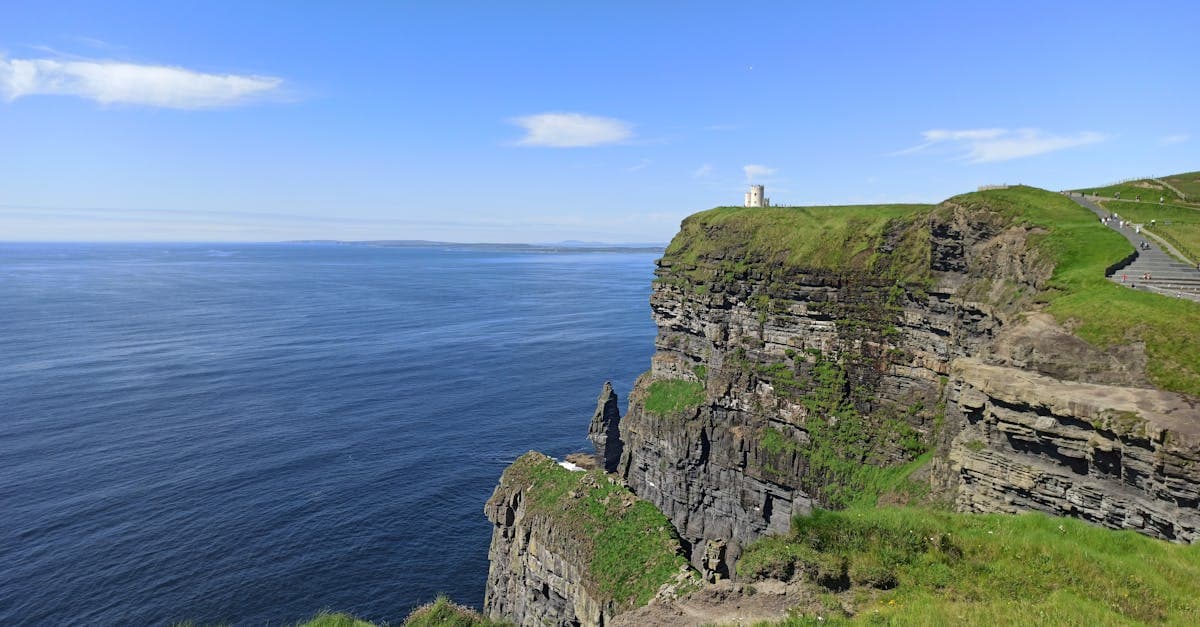
Quick Answer: Best Time to Visit Ireland
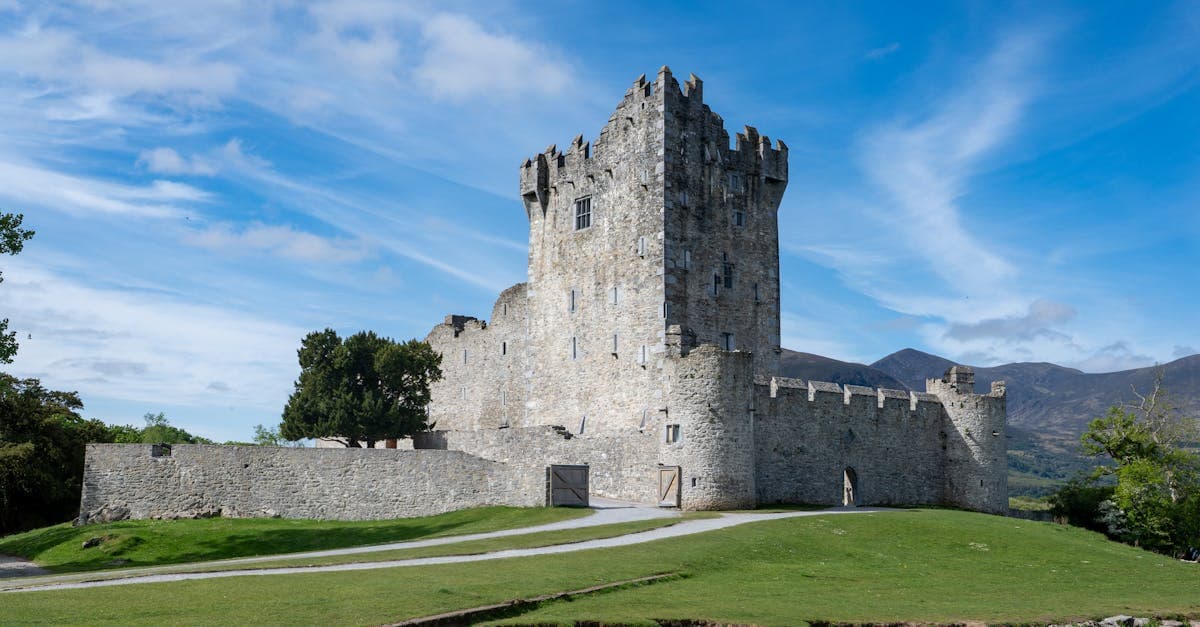
May and June are the best months to visit Ireland cntraveler.com. Both deliver up to 17 hours of daylight near the summer solstice, the fewest rain days of any period in the calendar year, and crowds that haven't hit their July and August peak ricksteves.com. For value-focused travelers, the shoulder windows of April through May and September through October consistently outperform midsummer on price without giving up much in experience cntraveler.com.
Peak season runs June through August ricksteves.com. Dublin hotels fill fast, rental cars get scarce across Kerry and the Wild Atlantic Way, and accommodation rates across popular regions hit their yearly high.
Rain shows up in every season. That's just Ireland.
Tourism Ireland reported around 11.6 million overseas visitors in 2023, with demand concentrating heavily in July and August. That spike pushes accommodation prices to their yearly high. April through May and September through October bring mild temperatures, lighter crowds at major sites, and hotel costs noticeably below the midsummer ceiling. September adds autumn color and far fewer tour buses across Connemara and Kerry.
For US travelers stepping through Dublin customs, connectivity is immediate business. AT&T, T-Mobile, and Verizon all offer international day passes, but those per-day charges accumulate fast across a two-week trip. A prepaid travel eSIM is the cleaner call. HelloRoam's eSIM for Ireland starts at ~$3.49 for 1 GB over 7 days on Eir's 5G network, scaling to ~$9.49 for 5 GB across 30 days for longer stays.
Book transatlantic flights at least three to six months ahead for summer travel. Nonstop routes from JFK, Boston Logan, and O'Hare to Dublin sell out early.
Most itinerary guides focus on weather and skip the practical entirely: Ireland's narrow rural roads require real-time navigation, which means sorting out mobile data before you land at Dublin Airport.
The seasonal breakdown changes the calculation.
Ireland by Season: Weather, Crowds, and Costs Compared
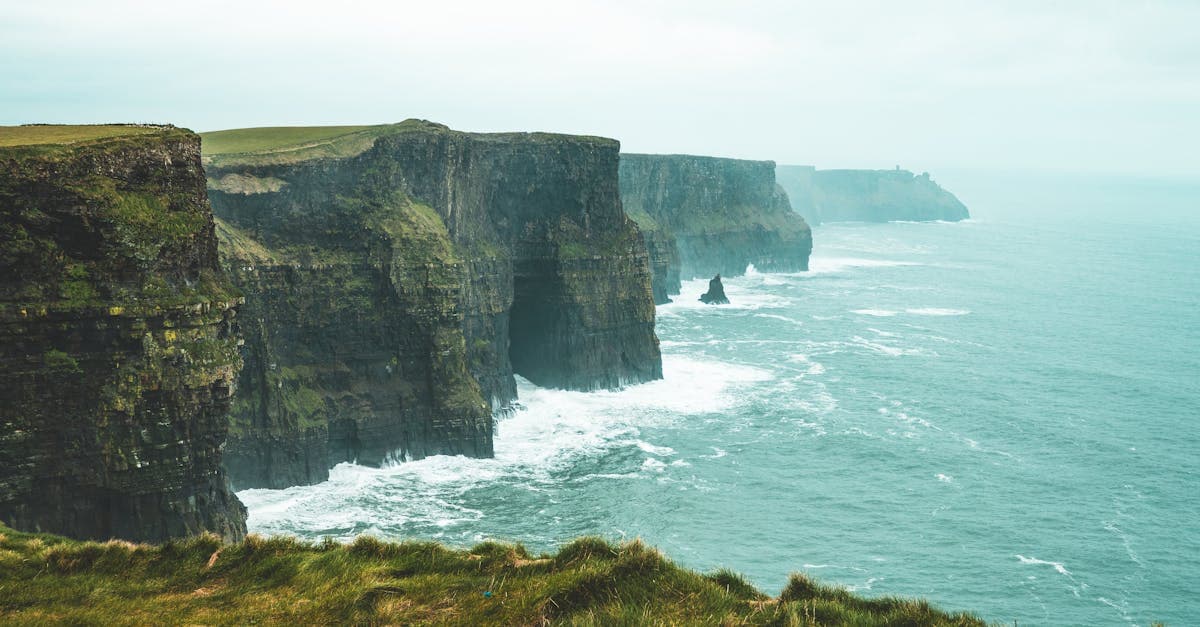
Ireland runs on a temperate oceanic climate (Köppen Cfb): mild winters, cool summers, and rain distributed across every month. Summer highs rarely crack 68°F (20°C) anywhere in the country. The island isn't built for beach-and-sun tourism, and the landscape rewards travelers who arrive dressed for it.
May and June are Ireland's sunniest months, a detail that consistently surprises first-timers wildernesstravel.com. Atlantic weather patterns push more sunshine into late spring than into high summer, when cloud cover thickens steadily from the west. July and August are lush for a reason.
The west coast operates under a separate rainfall reality. Galway, Mayo, and Kerry receive 1,200 to 1,400mm of annual rainfall, roughly double Dublin's ~700mm. That moisture shapes the terrain from Connemara to the Ring of Kerry, and it makes a waterproof layer non-negotiable west of the Shannon.
Winter visits are stripped-down and grounded. The December solstice delivers around 7.5 hours of daylight, with temperatures holding between 39 and 46°F (4 to 8°C). Crowds drop to their yearly floor, prices follow, and the country's pubs feel purpose-built for the season.
Month-by-Month: Temperature, Rain, Crowds, and Costs
May and June share the lowest rain-day counts in the table while landing below the peak-season price tier. That pairing makes late May one of the sharpest value windows in Irish travel.
The nicest month answer surprises most travelers.
What Is the Nicest Month in Ireland?

June ranks as the nicest month in Ireland by objective measures: roughly 17 hours of daylight around the solstice, mild temperatures, and visitor numbers that haven't yet hit their July ceiling cntraveler.com. May runs a close second, and the data behind that ranking upends what most travelers assume.
The popular assumption is that August is Ireland's sunniest month. It isn't.
May and June are statistically sunnier than July and August wildernesstravel.com. Atlantic weather systems push heavier cloud cover into the later summer months, which means the days you're most likely to see actual blue sky over the Burren or the Dingle Peninsula are in May, not August. If you're planning a coastal drive with photography in mind, that distinction is tangible.
July is Ireland's busiest month, full stop. It runs warmer than May on the calendar, but it's genuinely cloudier, and it draws the densest crowds of the year to every popular site from Killarney to the Giant's Causeway. The warmth is real. The sunshine advantage is a myth.
September deserves more credit than it gets. Summer warmth holds through the first two weeks, then eases gradually. Crowds drop sharply once school schedules restart across Europe and the US. The Wild Atlantic Way feels like a different road in late September: the same dramatic coastline, far fewer cars at the pullouts cntraveler.com.
For festival travelers, late July brings the Galway International Arts Festival, which is a grounded reason to trade some sunshine for crowds. For everyone else, June is the strongest single month the country offers.
August gets the bookings. May and June earn the weather.
The cheapest month is a different answer entirely.
What Is the Cheapest Month to Go to Ireland?
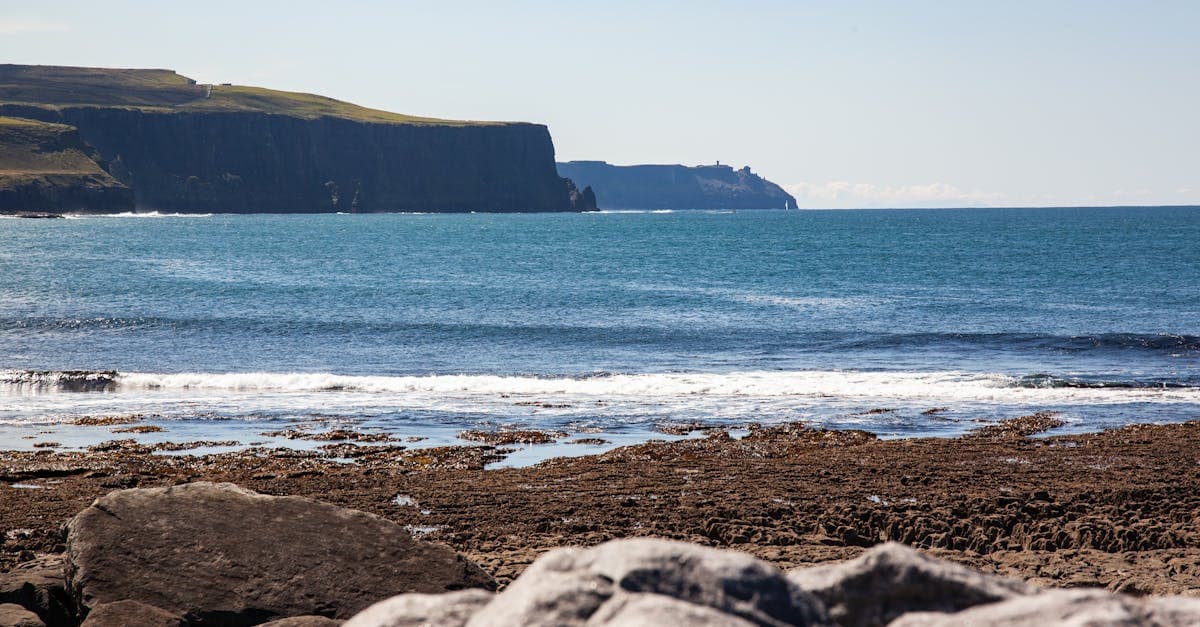
January and February deliver the lowest prices across flights, accommodation, and guided tours. Budget travelers can cover Ireland for $80 to $120 per day in these off-peak months; the mid-range summer daily cost runs $180 to $300, sometimes higher in Dublin and Kerry during the peak stretch.
One firm exception: St. Patrick's Day week. Dublin hotel rates spike hard during the March 13-17 festival period. Every other week in winter and early spring holds to the lower pricing tier.
Here's a practical framework for timing your trip around cost:
- January to February: The annual price floor for transatlantic flights and hotels. Daylight hours are short, fog is common, but major sites like Newgrange and the Rock of Cashel are accessible without advance booking or competing with tour groups.
- April to May: The value sweet spot. Prices sit comfortably below summer rates, daylight extends past 14 hours by late May, and the countryside blooms. Fewer American tourists on the ground means shorter queues and more genuine pub conversation.
- September to October: Prices drop from peak-summer highs within weeks of the school-holiday rush ending. The landscape stays striking, coastal accommodation often has same-week availability, and the Cliffs of Moher parking lot is no longer a car park that happens to have a view.
- June to August: Premium pricing across the board. Book six or more months ahead for Kerry and the Wild Atlantic Way corridor, particularly if you need car rental.
November through February draws the fewest US visitors of any stretch in the calendar year. That translates to real access at popular sites, not just a quieter experience in theory.
Cost is clear. Connectivity is what most travelers skip planning for entirely.
Staying Connected in Ireland: eSIM and Mobile Data Tips

4G LTE coverage in Dublin, Cork, and Galway city centers is solid and consistent on the Eir network. Outside those urban cores, reliability drops fast. Rural Connemara and long stretches of the Ring of Kerry have patchy signal, and some coastal headlands lose connectivity entirely.
That's not a reason to skip those places. It's a reason to prepare before you leave the city.
Step 1: Download Offline Maps Before You Leave Urban Coverage
Google Maps and Maps.me both support offline region downloads. Pull the areas you're driving before you leave Dublin or Galway. Narrow rural roads in the west don't leave much margin for navigation errors, and a dropped signal at a stone-walled junction is precisely the wrong moment to discover your mapping app needs a live connection to render the next turn.
Step 2: Activate Your eSIM Before You Board
An eSIM installs digitally; no physical card required. You can activate it from home, which means you're live the moment you clear customs at Dublin Airport rather than hunting for a SIM kiosk post-flight on a jet-lagged brain. Most current iPhone and Android devices support eSIM natively. If you switched carriers recently, confirm your phone is unlocked before departure.
HelloRoam offers eSIM for Ireland plans on the Eir 5G network, ranging from a short-stay 1GB option through a 20GB 30-day plan for longer trips. For a week mixing Dublin city days with a drive along the Wild Atlantic Way, the mid-range plan handles maps, messaging, and video calls without hitting a data wall in the middle of Connemara.
Key fact: HelloRoam's Ireland eSIM plans run on the Eir network, with 5G available in urban centers and 4G LTE across major driving routes.
Step 3: Use a Tethering-Ready Plan for Rural Navigation and Group Trips
A hotspot-capable plan turns your phone into shared connectivity for a travel companion who didn't sort data. That matters most west of the major cities, where public Wi-Fi at a farmhouse B&B or a village pub is optimistic at best.
US carrier international day passes skip the setup step, which is genuinely convenient. The daily cost compounds fast on any trip longer than three or four days, and most day-pass plans throttle data speeds after a cap, cutting into navigation performance at the moments you need it most.
Sorting your data before departure takes less time than the average queue at a Dublin Airport SIM kiosk. Plan for the coverage gaps in rural areas and the west of Ireland becomes as logistically manageable as the cities.
Practical realities still catch first-timers off guard, and connectivity is just one of them.
What Should I Know Before Going to Ireland?
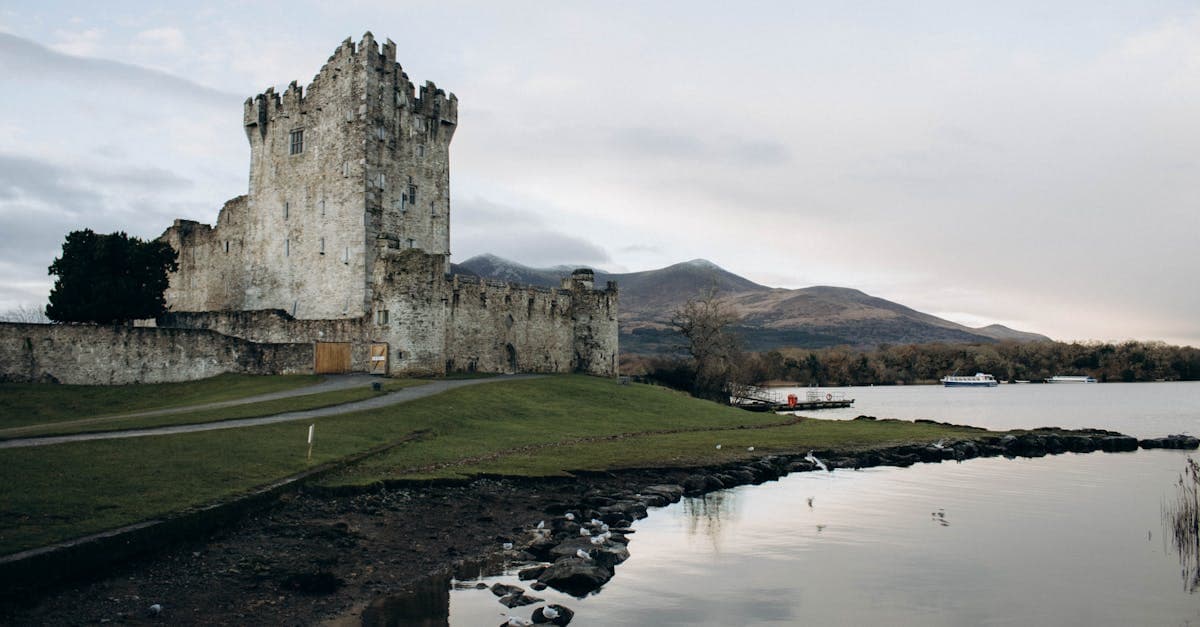
Pack rain gear in every bag, every season. Ireland averages 150 to 225 rain days per year, and they don't cluster neatly into a wet season. A clear morning in Connemara can flip to sideways drizzle by noon without any visible warning. A waterproof shell beats a heavy coat: lighter to carry, faster to pull on, and useful whether you're walking Dublin's Georgian streets or standing at a clifftop viewpoint in Clare wildernesstravel.com.
Layers are the practical answer to Irish weather, not a single heavy jacket. Temperatures shift within hours, and the combination of wind and moisture makes a 55°F afternoon feel considerably colder than the number suggests. Pack a fleece, a waterproof outer layer, and a mid-weight sweater. Leave the full winter parka home.
Driving trips up more first-timers than anything else.
Ireland drives on the left. That takes a couple of hours to feel natural, but the bigger complication is the road network itself. Rural lanes in Kerry, Donegal, and Connacht are often hedgerow-lined and barely wide enough for two vehicles to pass. Speed limits on those roads can feel optimistic. Build extra time into any rural driving day, and pull over when another vehicle approaches on a particularly narrow stretch.
A few logistical details that tend to disappear in standard pre-trip coverage:
- Plug type: Ireland uses Type G outlets, the same three-pronged rectangular design as the UK. US travelers need an adapter. Most modern electronics accept dual voltage automatically, but confirm yours before departure.
- Tipping: Not mandatory, but 10 to 15 percent is appreciated in sit-down restaurants and taxis. At pubs, rounding up is courteous rather than expected.
- Pub hours: Last call runs around midnight, sometimes earlier outside Dublin. Visitors used to 2:00 AM closings in US cities will feel the difference on the first night.
Around 1.6 to 1.8 million Americans visit Ireland each year, placing the US as the single largest non-European source market. The infrastructure along major tourist circuits handles that volume competently. Stray off the main routes, though, and things get quieter, narrower, and considerably more interesting.
How long you stay shapes which version of Ireland you actually get to see.
How Many Days in Ireland Is Enough?
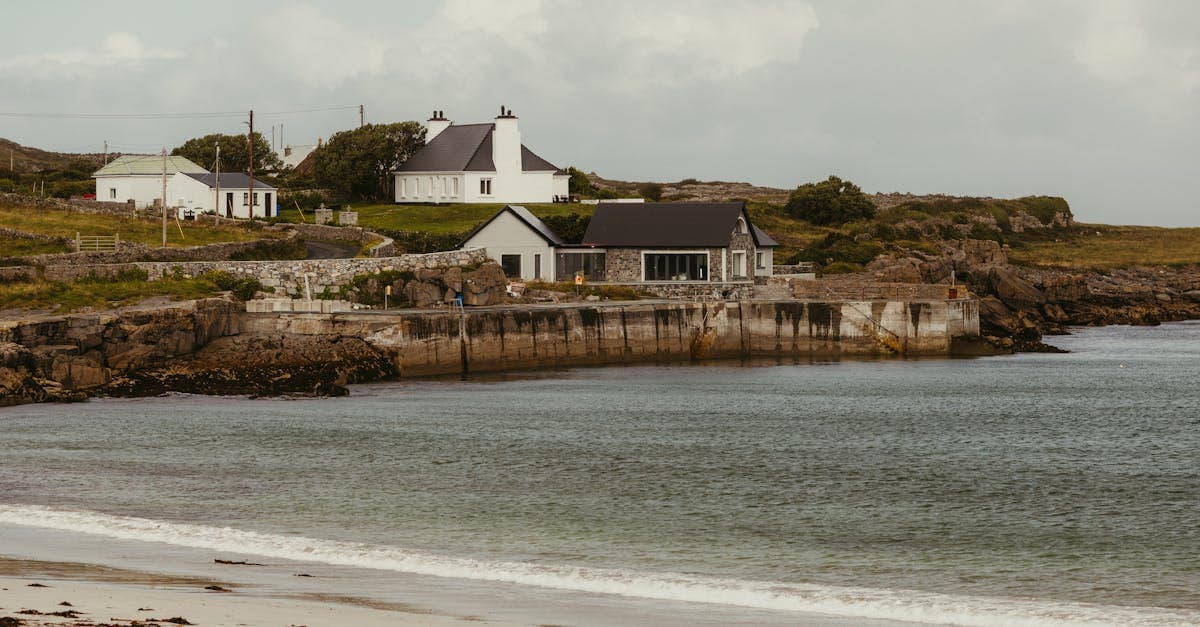
Seven to ten days covers the core of Ireland's most rewarding routes: Dublin, the Wild Atlantic Way, and the south. That's the right window for most first-time American visitors. Five days works as a hard minimum, and fourteen is the target for travelers who want to include Northern Ireland.
Here's how those options play out on the ground:
With five days, the itinerary forces a choice. Dublin gets two nights, and the remaining three days go to one region: either the west coast through Galway and Connemara, or south through Cork and Kerry. Attempting both regions in five days means doing neither properly.
Seven to ten days opens the full circuit. Dublin for two nights, then west to Galway, across through Connemara and the Burren, south into Kerry, and back through Cork before flying home. That loop is one of the more satisfying road trips in Europe, and it needs room to breathe, not a tightly packed back-to-back schedule.
Build in a buffer.
Weather delays on rural itineraries are real, not hypothetical. If a planned hike on the Dingle Peninsula washes out, an unscheduled afternoon in Dingle town is not a bad outcome. But only if the schedule has the slack to absorb it wildernesstravel.com.
Fourteen days brings Northern Ireland into reach. The Causeway Coast road from Belfast to Derry is worth the extra miles, and Belfast itself deserves a full day, not a rushed stop.
Shoulder season travel (April to May, September to October) shifts the pacing calculation in a tangible way. Fewer visitors on the roads means the drive through Kerry doesn't involve sitting behind a line of tour coaches on single-track passes. Accommodation is easier to find, costs track lower than the peak figures noted earlier, and the light at dusk in late September is its own argument for the timing insightvacations.com.
Pick your window, lock in accommodation before summer pricing climbs, and sort data access before you leave home. Each of those gets harder the closer you get to departure date.
Reviewed by HelloRoam's editorial team. Last updated: 24 April 2026.
Get Connected Before You Go


Frequently Asked Questions
June ranks as the nicest month in Ireland by objective measures, offering roughly 17 hours of daylight near the summer solstice, mild temperatures, and visitor numbers that have not yet hit their July peak. May runs a close second. Contrary to popular assumption, May and June are statistically sunnier than July and August, as Atlantic weather systems push heavier cloud cover into the later summer months.
A week is enough to mix Dublin city days with a drive along the Wild Atlantic Way and cover the main highlights. Two weeks allows for more thorough exploration of rural areas like Connemara, Kerry, and Donegal without feeling rushed. Build extra time into any rural driving day, as narrow hedgerow-lined roads in the west move slower than expected.
January and February deliver the lowest prices across flights, accommodation, and guided tours, with budget travelers covering Ireland for around $80 to $120 per day. Mid-range summer daily costs run $180 to $300, sometimes higher in Dublin and Kerry. The one firm exception is St. Patrick's Day week in mid-March, when Dublin hotel rates spike significantly.
Pack rain gear in every bag regardless of season, as Ireland averages 150 to 225 rain days per year with no predictable wet season. Driving on the left is manageable, but rural lanes in Kerry, Donegal, and Connacht are often barely wide enough for two vehicles and require extra time. Ireland uses Type G three-pronged rectangular outlets, so US travelers need an adapter, and tipping 10 to 15 percent is customary though not mandatory.
May and June are the best months to visit Ireland, offering up to 17 hours of daylight, the fewest rain days of any period in the calendar year, and crowds that have not yet hit their July and August peak. For value-focused travelers, the shoulder windows of April through May and September through October outperform midsummer on price without giving up much in experience.
Peak season in Ireland runs from June through August, with July and August being the busiest and most expensive months. Dublin hotels fill quickly, rental cars become scarce across Kerry and the Wild Atlantic Way, and accommodation rates across popular regions hit their yearly high. Tourism Ireland recorded around 11.6 million overseas visitors in 2023, with demand concentrating heavily in these two months.
September is an underrated time to visit Ireland. Summer warmth holds through the first two weeks, crowds drop sharply once school schedules restart across Europe and the US, and prices fall from their peak-summer highs. The Wild Atlantic Way in late September offers the same dramatic coastline with far fewer cars at the pullouts and coastal accommodation often available on short notice.
Rain appears in every season in Ireland, with the country averaging 150 to 225 rain days per year. The west coast receives 1,200 to 1,400mm of annual rainfall, roughly double Dublin's 700mm. May and June have the fewest rain days of any period, while July and August are lush but cloudier than many travelers expect.
Irish summer temperatures are mild, with July and August highs rarely exceeding 68°F (20°C) anywhere in the country. The climate is temperate oceanic, meaning cool summers with persistent cloud cover, especially later in the season. A waterproof layer and clothing in layers are essential even in July, as wind and moisture make temperatures feel colder than the number suggests.
Late April through May and September through October represent the best value windows for visiting Ireland. Prices sit noticeably below summer rates, daylight extends past 14 hours by late May, and major sites have lighter crowds. September adds autumn color and significantly fewer tour buses across Connemara and Kerry compared to the midsummer peak.
4G LTE coverage in Dublin, Cork, and Galway city centers is solid, but reliability drops in rural Connemara and along stretches of the Ring of Kerry. Downloading offline maps for rural areas before leaving urban centers is strongly recommended. A travel eSIM activated before departure is a practical option, as it works the moment you clear customs without needing to find a SIM kiosk at the airport.
Yes, eSIMs work in Ireland on local networks including Eir, which offers 5G in urban centers and 4G LTE across major driving routes. Most current iPhone and Android devices support eSIM natively. Travel eSIM plans for Ireland typically range from short-stay 1GB options up to 20GB 30-day plans for longer trips, and can be activated before you board your flight.
Travel eSIM plans are generally more cost-effective than US carrier international day passes for trips longer than three or four days, as daily pass charges accumulate quickly over a two-week trip. Most international day passes also throttle data speeds after a usage cap, which affects navigation performance in rural areas. A prepaid travel eSIM for Ireland can be activated before departure, eliminating airport setup time entirely.
Ireland uses Type G outlets, the same three-pronged rectangular design used in the UK. US travelers need a plug adapter. Most modern electronics accept dual voltage automatically, but travelers should confirm their devices are compatible before departure.
Book transatlantic flights at least three to six months ahead for summer travel. Nonstop routes from major US cities to Dublin sell out early, particularly for the peak June through August period. For travel in the shoulder seasons of April to May or September to October, booking windows can be shorter while still securing reasonable fares.
Sources
- ricksteves.com — ricksteves.com
- insightvacations.com — insightvacations.com
- The Best Time to Visit Ireland — wildernesstravel.com
- The Best Time to Visit Ireland — cntraveler.com