Quick Answer: Is Cancun Safe?
Staying connected keeps your safety tools working when it counts. A HelloRoam eSIM for Mexico gets you online the moment you land, so live maps, family location sharing, and emergency numbers all work before you reach the taxi line. No hunting for resort Wi-Fi when something goes wrong.
 Get your Mexico eSIM before you flyInstall it at home, turn it on when you land. From $3.37.See Mexico plans
Headlines grab the Level 2 label and drop the context. Broken down by neighborhood and by behavior, the real picture reads closer to watch where you go than do not go at all.
Is Cancun Safe in 2026? Quick Answer
Level 2 is not a warning to stay home. The State Department uses it to mean exercise increased caution, a label it puts on dozens of places Americans visit without a second thought. As of early 2026, US government employees face no travel restrictions in Cancun or anywhere else in Quintana Roo travel.state.gov. That is a useful reference point. When federal agencies let their own staff move freely, the risk picture looks different from the headlines.
Here is the myth worth killing: cartel violence in Mexico is not random. The 600 to 700 homicides recorded statewide in 2023 happened mostly in residential and commercial parts of the city, and most were cartel fights over territory cancun-adventure.com. That violence does not follow tourists into the resort corridors. It calls for a careful read of conditions, not a canceled trip.
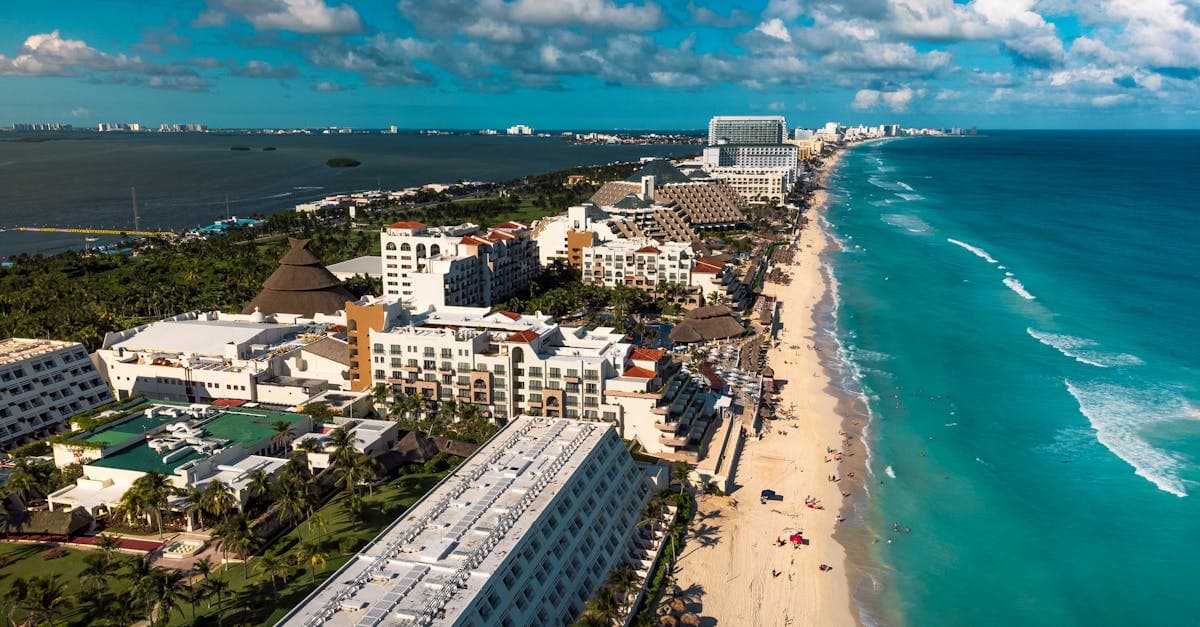
The Hotel Zone runs on a different model. Policía Turística patrol the strip. Resort security teams manage the perimeters. Federal forces keep a visible presence. The result works more like a secured enclave than an open city neighborhood.
Most crime tourists meet in Cancun is petty: grab-and-go theft, timeshare pressure, and drink spiking at nightclubs. Serious targeted violence against visitors in the Zona Hotelera is rare enough to make national news when it happens.
The Cancun travel advisory numbers tell a more specific story.
Is Cancun Safe? What the Level 2 Advisory for Cancun Actually Means
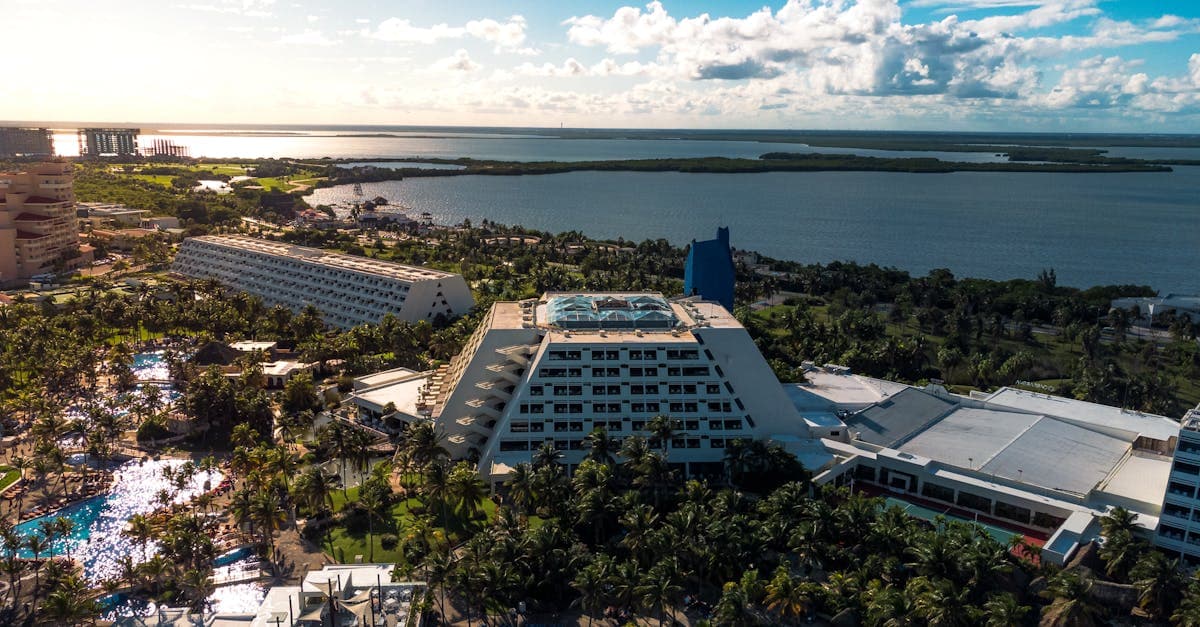
Four Mexican states carry do not travel warnings as of early 2026: Colima, Guerrero, Sinaloa, and Tamaulipas travel.state.gov. Quintana Roo is not one of them. Level 2, the rating that covers Cancun's state, means exercise increased caution. It sits two full tiers below the level that warns you off a country completely.
That difference gets buried in coverage that treats every Mexico advisory as the same.
They are not the same. Level 4 states see active cartel warfare, documented kidnapping patterns, and violence that spills past specific corridors into ordinary neighborhoods. Level 2 says something narrower. Risks exist and awareness matters, but nothing in the advisory tells you to stay away.
Key fact: Quintana Roo holds a Level 2 advisory in 2026, while Colima, Guerrero, Sinaloa, and Tamaulipas all carry Level 4 do not travel warnings.
Nearby options sharpen the contrast. Puerto Vallarta, the city Americans most often weigh against Cancun, sits in Jalisco state, rated Level 3: reconsider travel travel.state.gov. Cancun is a full tier safer on that scale. Los Cabos, in Level 2 Baja California Sur, matches Cancun, though each spot carries its own local risk picture.
The statewide homicide numbers cluster in residential and commercial areas well outside tourist infrastructure. Those are roads, neighborhoods, and supply routes that resort guests have no reason to visit. The US Embassy in Mexico City watches conditions and publishes location alerts when a real, tourist-facing threat shows up. As of early 2026, no such alert covers the Zona Hotelera.
Compare Mexico destinations by advisory tier and Cancun lands in the lower-risk group every time. That holds against the data and against the alternatives Americans usually consider.
Geography sharpens the picture even further.
Hotel Zone vs. Downtown Cancun: Where Cancun Safety Splits
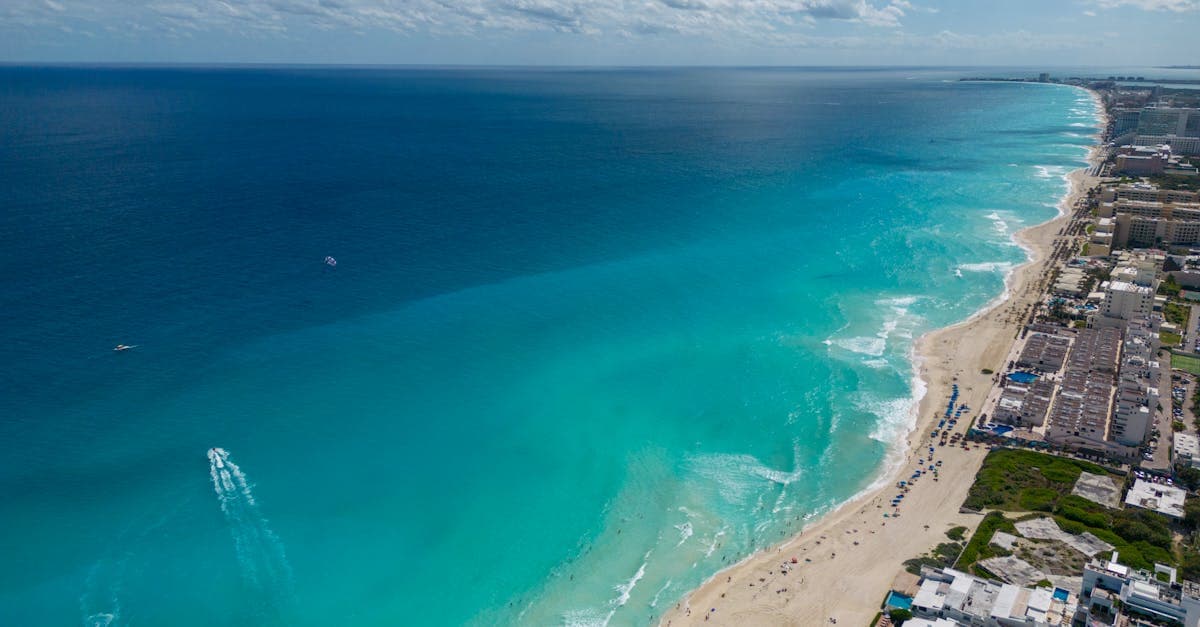
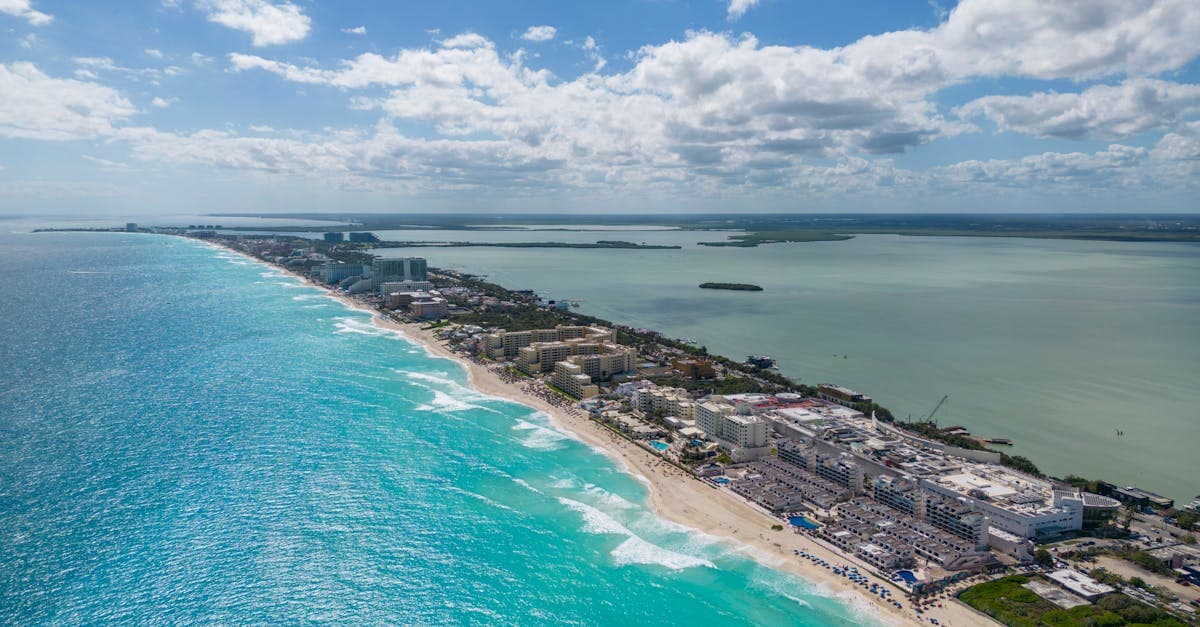
The Hotel Zone's geography is its most underrated safety feature. The resort strip sits on a narrow sandbar, joined to mainland Cancun by two causeways. That is a physical separation, not a line on a map. Most visitors never cross it unless they decide to. According to theexcellencecollection.com, the Zona Hotelera was built for tourism and policed accordingly.
Downtown Cancun scores 61 to 65 on the Numbeo crime index, moderate to high by global standards. That city-wide average pulls in downtown numbers. Day to day on the resort corridor, the experience sits well below it.
Most tourists never go downtown at all. The whole trip cycles between the hotel lobby, the beach, the pool, and restaurants inside the Zona Hotelera. That containment is by design.
| Area | Security Forces | Primary Tourist Risks | Nightlife Risk |
|---|---|---|---|
| Hotel Zone | Policía Turística, private resort security, federal patrols | Petty theft, timeshare solicitation, drink-spiking at clubs | Moderate (controlled entry, visible staff) |
| Downtown Cancun | Municipal police only | Opportunistic theft, cartel-adjacent street crime | Higher (local club scene, less tourist-specific oversight) |
Cross the Hotel Zone boundary and downtown feels different: concrete storefronts, local traffic, a working city moving at its own pace. It is not threatening on its own. It is a different environment, and it asks for a different level of attention. The boulevard energy of Kukulcán stops at the causeway.
Nightlife is where the two zones split hardest. Resort strip venues on Boulevard Kukulcán run controlled entry, coordinated security, and staff trained to spot drink spiking. Downtown clubs answer to municipal rules with fewer tourist-specific protections. Traveler reports tie drink spiking and opportunistic crime to the local scene far more often than the resort corridor.
Key fact: The Hotel Zone sits on a narrow sandbar linked to mainland Cancun by two causeways, so most visitors never cross into downtown unless they choose to.
A good itinerary rarely needs downtown Cancun at all. All-inclusive guests sit inside an even tighter perimeter.
Is Cancun Safe at All-Inclusive Resorts?
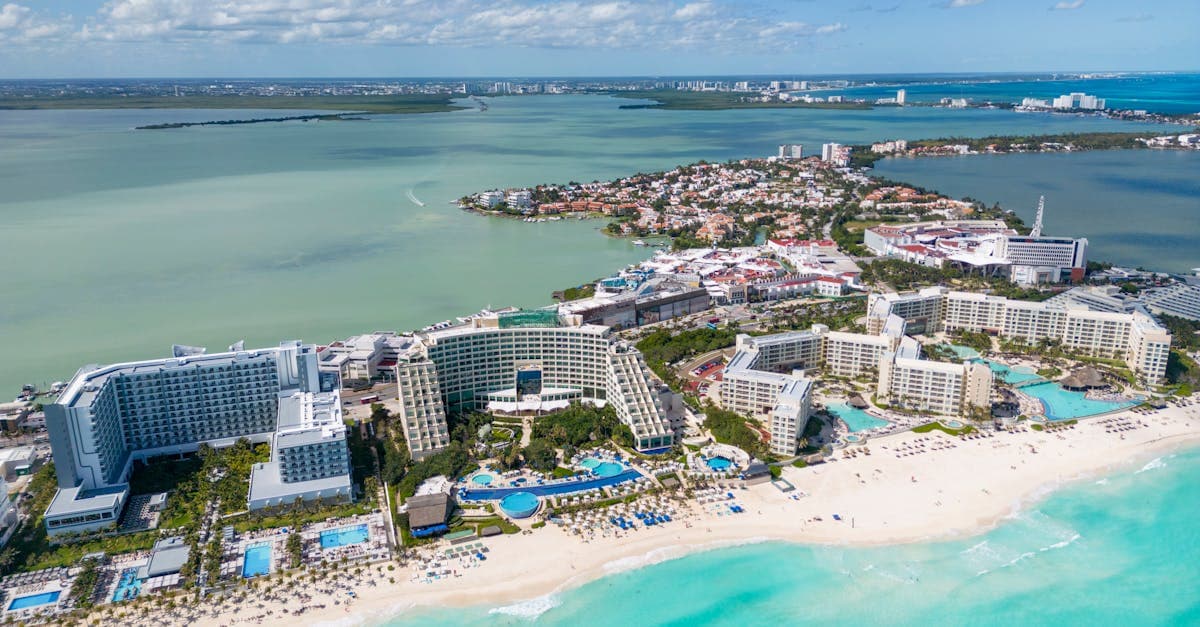
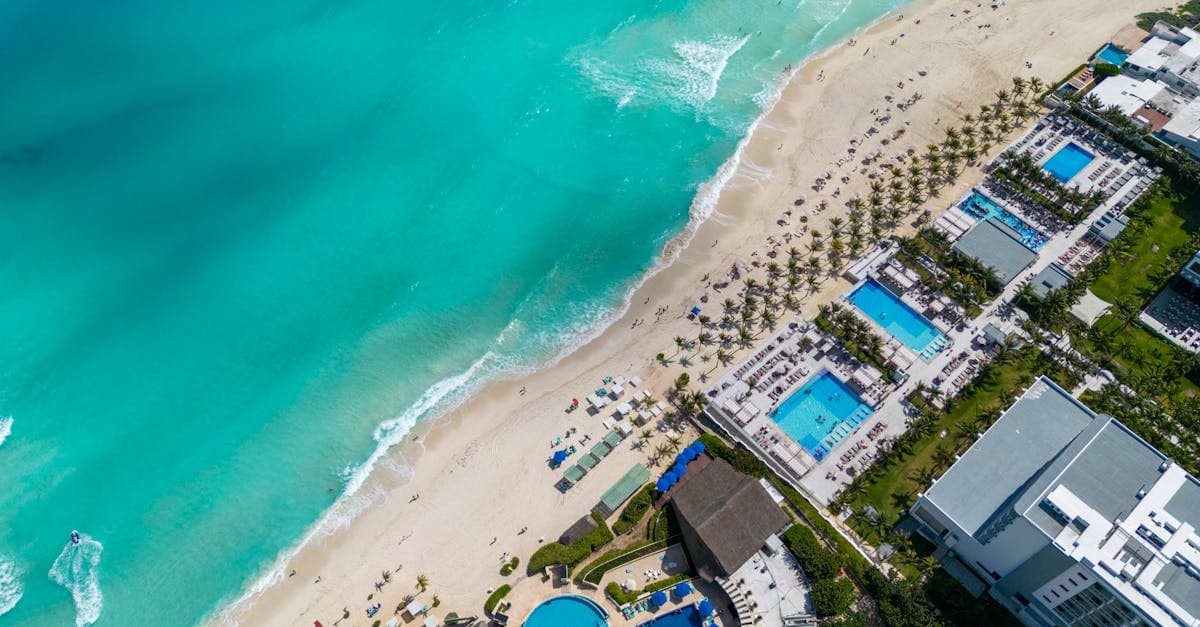
All-inclusive resorts in Cancun's Hotel Zone are the safest setup available in the region. Gated perimeters, 24-hour security staff, controlled entry points, and Policía Turística outside the gates add up. Most guests get through a full week without meeting anything worse than a pushy timeshare pitch in the lobby barcelo.com.
The architecture does the work. These properties are walled compounds with wristbands and ID checks at the lobby doors, not open hotels. Street crime does not reach inside. That separation is why Hotel Zone safety looks nothing like the city-wide statistics.
Off-property nightlife is where the picture shifts. Drink spiking at open nightclubs in the Hotel Zone is documented and under-reported. Travelers describe losing hours after taking a drink from a stranger at a crowded bar travelpirates.com. Resort bars work differently. The bartender is a tracked employee inside a supervised operation. A night that ends at the swim-up bar skips the problem entirely.
Solo female travelers who stay in the Hotel Zone describe it as far easier than the coverage led them to expect. The corridor is well lit, staffed around the clock, and patrolled. The worry people pack from headlines rarely matches the resort they walk into.
Book your airport transfer before you fly. It is the single best safety decision you can make ahead of the trip. An authorized resort shuttle removes the street taxi from the equation. Your resort confirms the pickup and sends the driver details, so the handoff runs inside a vetted system. Thirty minutes of planning is the difference between a chaotic arrivals hall and a calm pickup with your name on a sign.
Inside the resort walls, risk stays low and easy to manage. The variables multiply as you move away from that controlled space.
Leaving the resort brings a different set of decisions.
Cancun Transportation, Scams, and Staying Safe Outside the Hotel Zone
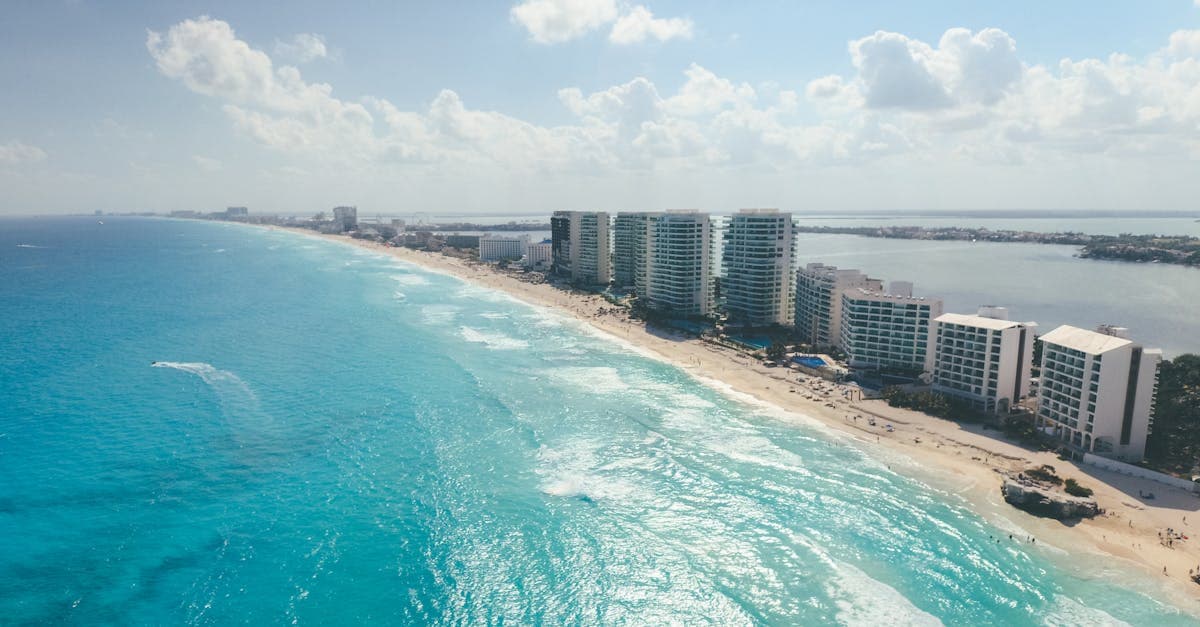
Staying safe outside the Hotel Zone comes down to two things: how you get around, and how you answer strangers with offers. The risks are predictable. Timeshare scams, taxi fraud, and airport touts run on the same mechanics every time, and each one has a specific counter.
Cancun International on a busy afternoon hits you fast. Humid air, three languages at once, and a wall of people holding printed signs by the exit doors. Some of those signs belong to real resort shuttles. Others belong to touts who steer you into a commission taxi before you reach the luggage carousel. Choosing who to follow takes two seconds and sets the tone for your first hour in Mexico. Knowing what to look for before you land makes that moment easy.
Get Uber, not a street taxi. Uber runs openly in Cancun and sends you a plate number, driver photo, and live route tracking before you get in. Check the plate against the app before you open the door. Hailing off the street outside clubs or at the airport raises your odds of an inflated fare or an argument about the price at the end of the ride.
ADO buses are the practical option for longer routes. ADO runs fixed-price, air-conditioned coaches between Cancun, Playa del Carmen, Tulum, and the airport. Prices are posted at the ticket window and online. No haggling, no fare confusion. Travelers heading down the Riviera Maya use ADO as the default.
The timeshare pitch always starts with "free." Free breakfast, free snorkeling, free theme park tickets. The session that follows runs four to six hours of pressure and invented deadlines. Turn down any street approach that puts the word free in front of an activity. No exceptions.
Authorized taxi stands in the Hotel Zone post fixed rates. Fares to the airport, to downtown, and between resort clusters are regulated and shown on a board at every official stand. If the quoted price does not match the board, walk to the next stand.
Never accept unsolicited help at the airport. Arrivals halls draw unofficial helpers who steer visitors into commission taxis or partner services. Your resort shuttle or a pre-booked Uber is the right call on landing, including after you clear customs at Cancun International.
Buy travel insurance that covers medical evacuation and trip interruption before you leave. An evacuation out of Mexico can run into five figures without it.
Your phone ties all of these precautions together in real time.
Staying Connected in Cancun: Mobile Data as a Safety Tool
A working data connection in Cancun is a safety tool, not background noise. Live maps on Google Maps or Waze keep you on the Hotel Zone's main roads and flag it when a route drifts somewhere you would rather not be. No printed guide does that while you walk.
Uber needs a live connection to work at all. With no data, you are back to hailing off the street, which is the riskier option this guide just flagged. The dependency runs one way.
Real-time location sharing matters more than most travelers expect. WhatsApp and Apple's Find My both broadcast your location to family back home. Setup takes about thirty seconds. If something goes wrong, someone already knows where you were.
Cost is the friction point for American travelers. AT&T, T-Mobile, and Verizon all sell international day passes for Mexico at a flat daily rate that starts the moment you use data. That works for a short stay where resort Wi-Fi carries most of the load. Stretch it across a week of maps, ride-share calls, and location sharing, and those daily charges pile up on the statement.
A prepaid Mexico eSIM skips that billing model. You install it before you leave home and it connects to local networks when you land. No SIM swap, no roaming add-on, and no daily fee stacking up across the trip. For any stay past three days with real data use, a dedicated plan beats a carrier day pass.
Download offline maps in Google Maps before your flight. Signal holds up across the Hotel Zone, but the ferry to Isla Mujeres and stretches of rural Yucatán drop out. Offline maps cover those gaps without touching your data.
A few direct questions come up again and again about whether Cancun is safe for tourists right now.
Is It Safe to Visit Cancun Right Now?
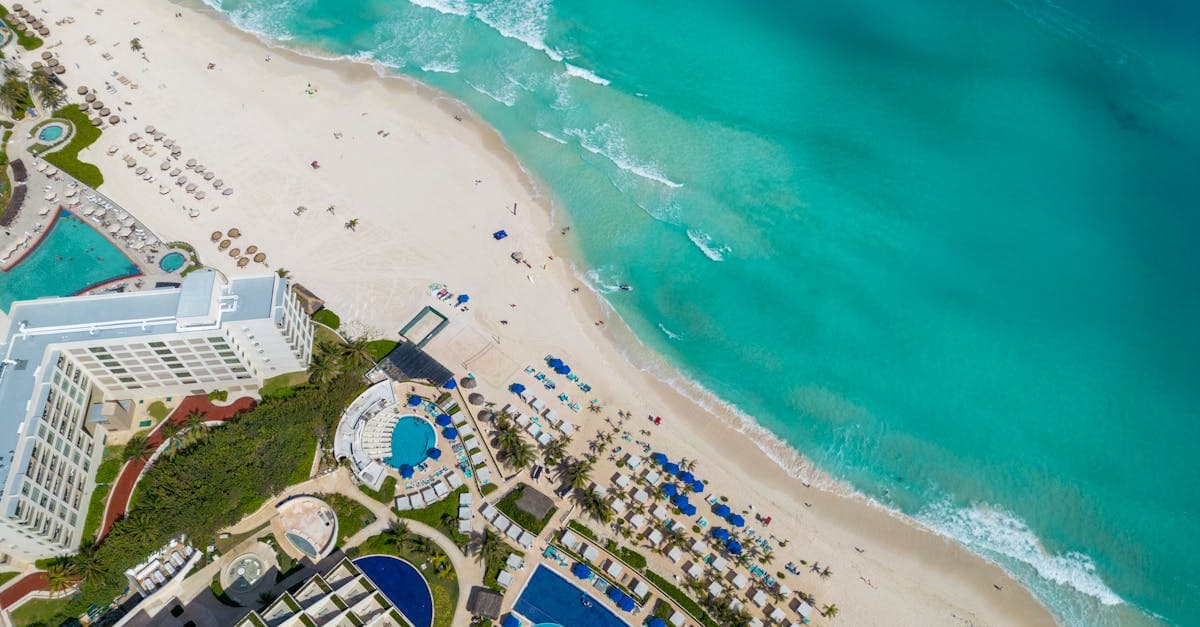
The Level 2 advisory for Quintana Roo has not changed since August 2025 travel.state.gov. As of April 2026, no incident targeting American tourists in the Hotel Zone has triggered a review. The rating is stable.
Spring break 2026 ran under the same Level 2 status, with no emergency alerts and normal resort operations along the Hotel Zone corridor travelpirates.com. That consistency is a useful signal for anyone booking summer or fall 2026.
The Caribbean comparison helps here. Several popular Eastern Caribbean destinations carry their own raised US advisories, and medical care in those markets often trails what Cancun's international resorts can reach. Add direct flights from JFK, LAX, ORD, and most major US hubs, plus decades of built-out tourist infrastructure, and Cancun compares well against beach destinations at the same price.
The honest read: Cancun is not risk-free. No international destination is. Measured against the alternatives in its category, the Hotel Zone risk profile sits on the reasonable side for travelers who follow the steps above.
Two more questions come up before people book.
What Is the Safest Vacation Spot in Mexico?
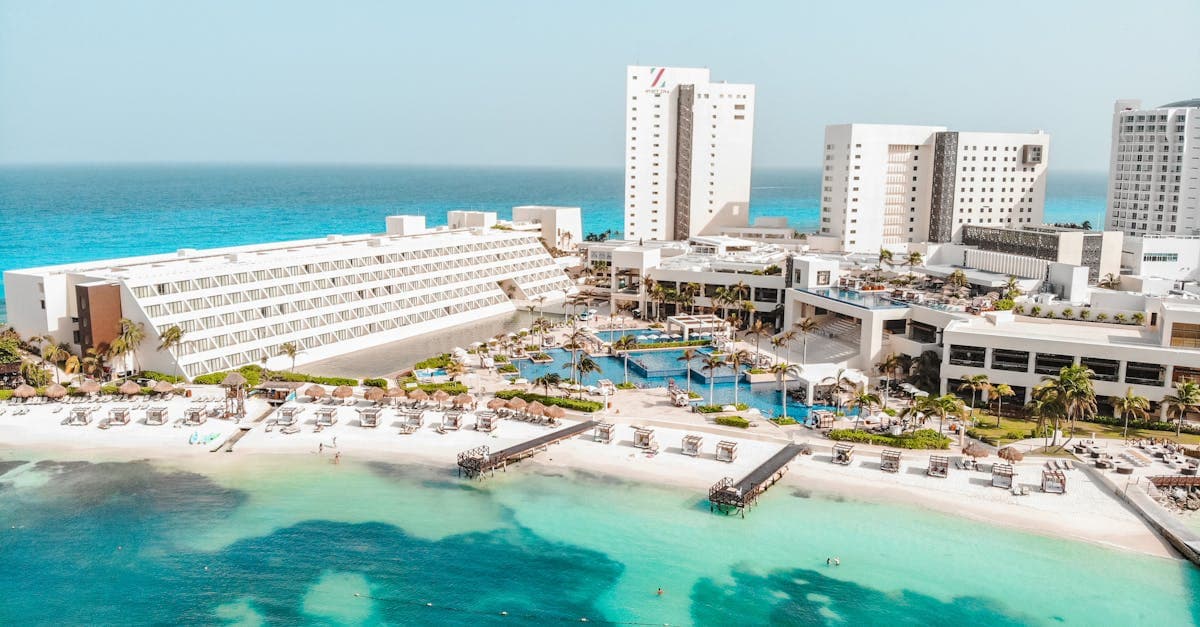
Los Cabos and Cancun are the two safest major tourist destinations in Mexico for American travelers as of early 2026 cancun-adventure.com. Both run dedicated tourist police and keep visitor activity inside gated resort corridors built away from residential areas.
Geography does a lot of the work. Los Cabos sits at the southern tip of Baja California Sur, and the limited road access into the peninsula keeps transient crime low. Cancun's Hotel Zone runs along a narrow sandbar with one main road, which creates the same kind of separation.
Mérida belongs on the list too. Yucatán state carries the same Level 2 rating but draws far fewer tourists, which means less petty theft and thinner crowds at the ruins. It is the pick for travelers who want colonial streets and Mayan sites without resort-strip energy.
Firm rule: skip Level 3 and Level 4 states for leisure travel.
The walking question has an equally direct answer.
Can You Walk Around Cancun Safely?
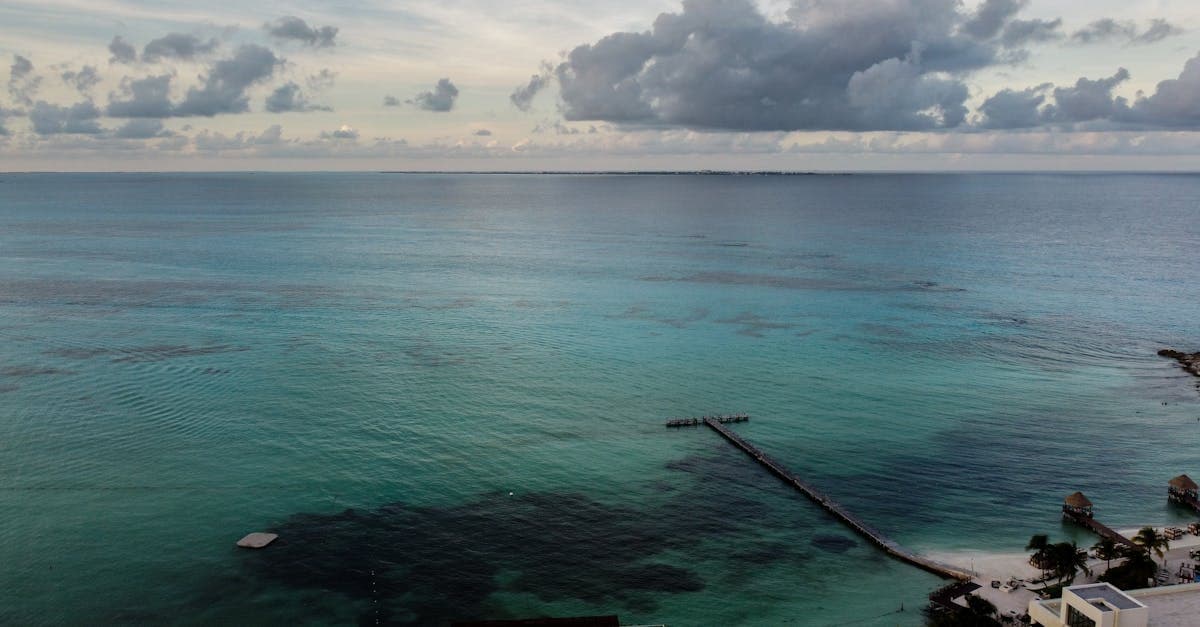
You can walk around the Hotel Zone safely, day and night, along the main strip on Boulevard Kukulcán. That corridor is lit, busy, and patrolled by tourist police. Cancun's state still sits at US State Department Level 2: exercise increased caution travel.state.gov. Walking gets riskier once you leave the strip after dark or head into downtown streets you do not know.
That Level 2 label reads worse than it is. France, Germany, and most European Union countries carry the same rating from the State Department.
Level 2 is a broad flag for extra awareness, not a red zone warning. It covers Quintana Roo as a whole state. The risks it names are crime and kidnapping in non-tourist residential and commercial areas. Those do not map onto the Hotel Zone, where the day-to-day visitor experience sits well below the statewide average.
Reviewed by HelloRoam's editorial team. Last updated: April 19, 2026.
Questions travelers ask
Is it safe to visit Cancun, Mexico right now?
Yes, Cancun is safe for most tourists in 2026. Quintana Roo, the state containing Cancun, holds a US State Department Level 2 advisory meaning exercise increased caution, not avoid travel. The Hotel Zone is patrolled by dedicated tourist police and physically separated from downtown, making serious violence targeting visitors rare.
Is Cancun safe at all-inclusive resorts?
All-inclusive resorts in Cancun's Hotel Zone are the safest setup available in the region. These properties feature gated perimeters, 24-hour security staff, controlled access points, and wristband systems that prevent random street crime from reaching guests. The main risk for resort guests is off-property nightlife, particularly drink-spiking at open clubs, which does not apply to supervised resort bars.
What is the safest vacation spot in Mexico?
Cancun's Hotel Zone and Los Cabos are consistently among the lowest-risk options for American tourists, both located in Level 2 advisory states. Four Mexican states carry Level 4 Do Not Travel designations as of early 2026: Colima, Guerrero, Sinaloa, and Tamaulipas. Puerto Vallarta sits in a Level 3 state, making Cancun a full advisory tier safer than that common alternative.
Sources
- Is Cancun Safe for Spring Break 2026? Here's What You Actually Need to Knowtravelpirates.com
- Mexicotravel.state.gov
- Is Cancun Safe to Visit Right Now?barcelo.com
- The Tourist's Travel Guide on How to Stay Safe in Cancun!theexcellencecollection.com
- Is Cancun Safe? Your Complete 2026 Travel Safety Guidecancun-adventure.com

Written by
David Chen
David Chen is a travel writer at HelloRoam who covers mobile connectivity and travel tech for international visitors. He compares data plan pricing for short trips and extended stays, and tests eSIM activation at major international airports. David also covers hotspot options for business travelers so readers can skip the SIM card counter and get online fast.