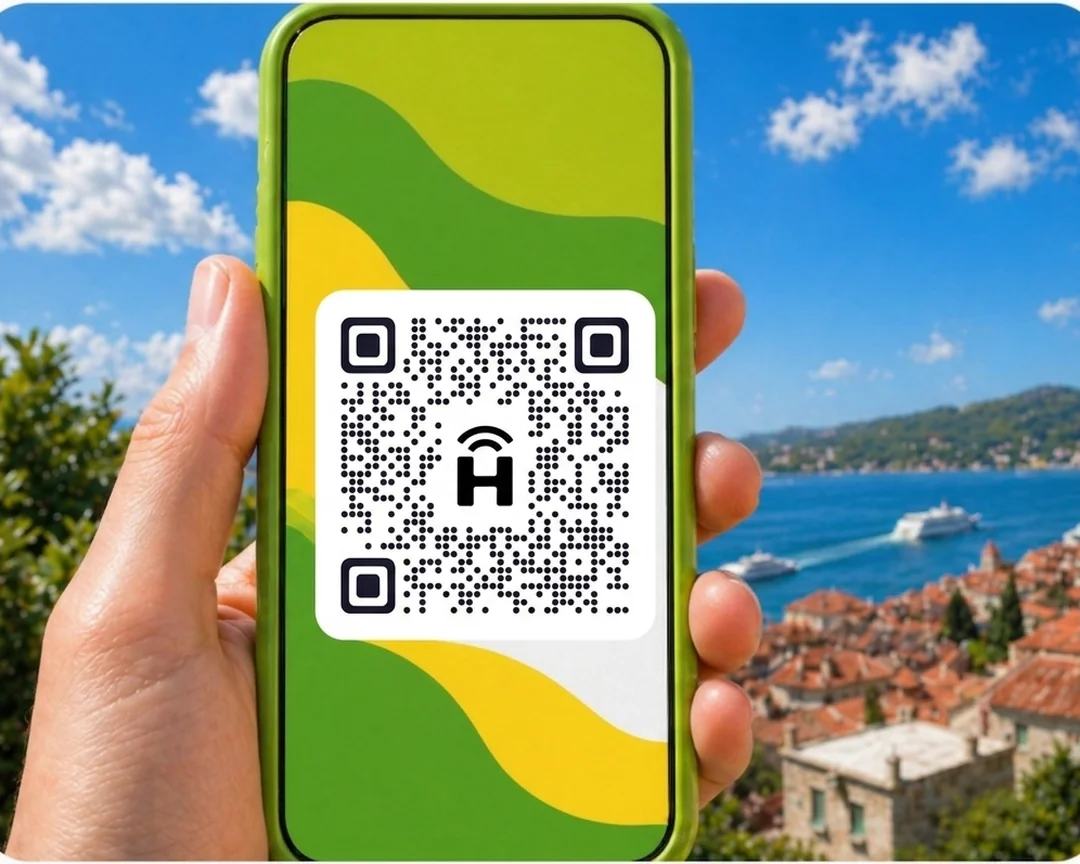

HelloRoamは中東向けにプリペイドeSIM(e SIM・e-sim)データプランを販売しています。¥2,018から現地4G/5Gネットワークにすぐつながります。QRコードをスキャンするだけで2分以内に開通します。NTT docomo・au・SoftBank・楽天MobileのSIMはそのまま通話用に使えます。212+のキャリアネットワークに対応し、未使用eSIMは180日返金保証付きです。
- 対応回線
 212+
212+- 5G対応
 4G LTE with 5G in Gulf cities
- 開通
 2分以内
2分以内
更新日
中東 eSIMのプランで旅をもっと快適にする
中東(中東)eSIMは¥2,018から。現地の4G/5Gパートナーネットワークに自動接続。eSIM対応スマートフォンでQRコードをスキャンするだけで使えます。 中東のeSIMをHelloRoamで事前に購入しておくと、到着直後から現地ネットワーク事業者の4G/5Gネットワークに接続できます。¥2,018からの手頃なプランで、1GBの小容量から20GB・無制限まで用途に合わせて選択可能。未使用eSIMに対する180日間の返金保証つきで安心です。
高速4G LTE with 5G in Gulf cities対応の中東 eSIM
HelloRoam 中東 eSIMは1枚のプランで複数の国をカバーします。旅行者は国境を越えるたびに自動的に現地の最適なネットワークに接続されます。SIMカードの交換や設定変更は不要です。プランは$2.88から始まります。
- 4G LTE with 5G in Gulf cities速度で¥2,018から
- 現地ネットワークのカバレッジ
- 2分以内に即時開通
- 180日間返金保証
- 中東の主要都市をカバー
- ネットワーク
- 4G LTE with 5G in Gulf cities
- 最安料金
- ¥2,018
- 開通
- 2分以内
- 返金保証
- 180日間

中東でのeSIM設定方法
HelloRoam eSIMをiPhoneまたはAndroidで使い始めるための手順です。
HelloRoamアプリでiPhoneにeSIMを設定する
HelloRoamアプリでAndroidにeSIMを設定する
- 1
プランを選んでオンラインで支払う
渡航先のデータプランを選んで安全にオンラインでお支払いください。
 2
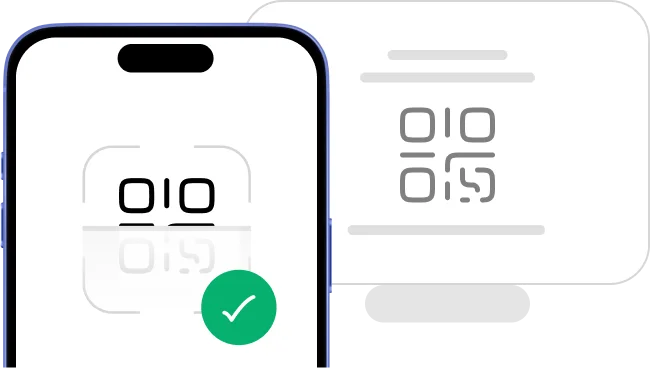
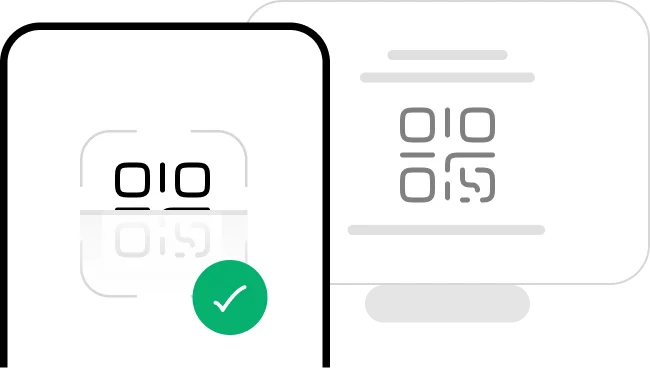
2QRコードをスキャン
メールで届いたQRコードをスキャンしてeSIMをインストールします。
- 3
到着してすぐ使える
eSIMはすぐにインストールされ、現地到着後にアクティベーションされます。
 4
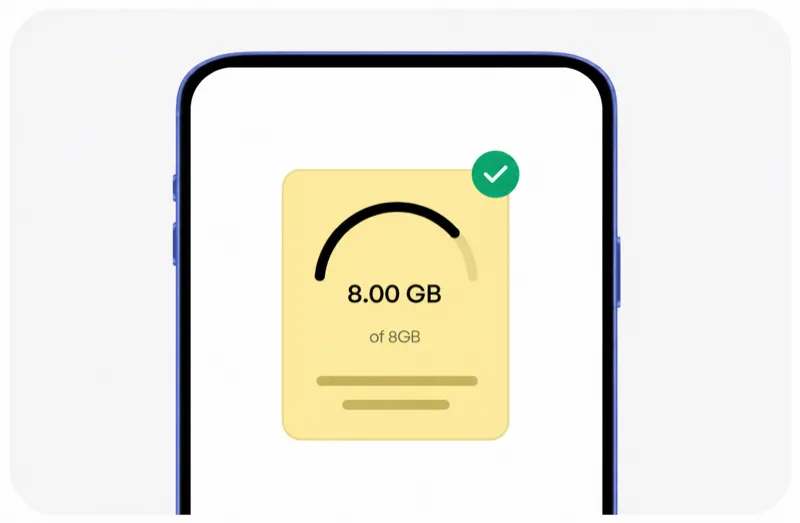
4アプリで管理
HelloRoamアプリから使用量を確認し、データを追加し、すべてのeSIMを管理できます。




旅行がキャンセルになっても大丈夫です。しっかりサポートいたします。
予定は変わることがあります。HelloRoamでは購入から180日間、アクティベーションしていないeSIMについて全額返金をリクエストできます。
返金ポリシーについて詳しく見るHelloRoam 中東 eSIM vs 物理SIMカード・docomo/au/SoftBankローミング
中東 eSIM(e SIM)と物理SIMカードを比較すると、HelloRoamの方が手軽です。NTT docomo・au(KDDI)・SoftBankの国際ローミング(最大980円/日)と比べて大幅に節約できます。¥2,018から現地ネットワーク速度でご利用いただけます。未使用eSIMは180日間返金保証付き。空港のSIMカード売り場に並ぶ必要はありません。
| 機能比較表 | HelloRoam | 現地プロバイダー | 容量制限eSIM |
|---|---|---|---|
| 180日間の返金保証 |  対応 対応 |  非対応 非対応 | 非対応 |
| 24時間ライブチャットサポート | 対応 |  対応 対応 | 対応 |
| アクティベーション手数料無料 | 対応 | 非対応 | 対応 |
| 無料ホットスポット・データ共有 | 対応 | 非対応 | 非対応 |
| 超過データ料金なし | 対応 | 非対応 | 非対応 |
| QRコードを即時メール送信 | 対応 | 非対応 | 対応 |
| 中東のプレミアムキャリアネットワーク | 対応 | 非対応 | 非対応 |
中東 SIMカードとeSIMの違いは?
中東 SIMカードは現地の空港や店舗で購入する必要があり、到着後に時間を取られます。HelloRoamのeSIMなら出発前にQRコードで設定でき、中東エリアに着いた瞬間から現地ネットワーク事業者4G/5Gネットワークに接続できます。
現地で中東 SIMカードを購入すると観光客向けの割高な料金を請求されることがあります。HelloRoamなら¥2,018からプランを選べて、未使用eSIMに対する180日間の返金保証も付いています。
物理中東 SIMカードを使う場合、日本のSIMを取り出す必要があり、帰国後の差し替えが面倒です。HelloRoamのeSIMならデュアルSIM対応端末で日本の番号をそのまま残しつつ、中東エリアでのデータ通信が使えます。
2026年1月に検証済み
Read the full eSIM vs SIM card comparison中東 eSIM(e-sim)にHelloRoamが選ばれる理由

24/7 24時間サポート
24/7 サポートチームが24時間対応しています。ライブチャット・WhatsApp・メールでいつでもご連絡ください。平均応答時間は2分以内です。モバイルデータのご利用中に問題が発生した場合も、いつでもご連絡いただけます。

中東 eSIM おすすめ: かんたん設定
HelloRoam eSIMはQRコードをスキャンするだけで設定が完了します。NTTドコモ・au・ソフトバンクのSIMはそのまま使えるので、帰国後も番号は変わりません。中東に到着した瞬間からデータ通信が始まります。設定は2分以内です。ワイヤレス接続はすぐに始まるため、空港でSIMカードを探す手間は一切かかりません。

デュアルSIM対応
HelloRoam eSIMでデータ通信を使いながら、NTT docomo・au・SoftBank・楽天MobileのSIMで通話とSMSをそのまま使えます。ネットワークカバレッジは中東全域に及んでおり、主要都市から地方まで安定したデータ通信をご利用いただけます。

中東で使える現地パートナーネットワーク
185+カ国以上で212+のキャリアネットワークに接続します。より速い4G/5G回線が利用できる場合は自動で切り替わります。追加料金は一切かかりません。ご旅行の目的地に合わせたデータパッケージをご用意しており、3GBから無制限プランまでお選びいただけます。

データ使用量アラート
データ使用量が80%に達すると通知が届きます。残量を事前に把握でき、旅行中にデータが切れる心配がありません。海外でのインターネット利用状況はダッシュボードからリアルタイムで確認でき、追加データもすぐに購入できます。

安全な接続
中東 現地の信頼できるパートナーネットワークに接続します。データは安全に保護され、安定した接続を提供します。プリペイドデータパッケージ方式のため超過料金は発生せず、お支払い金額が事前にわかるので安心してご利用いただけます。

リージョナル・グローバルプラン
複数の国を訪れる旅行でも安心です。1枚のeSIMでヨーロッパ・アジアなど185+カ国以上をカバーするリージョナルプランをご用意しています。国境を越えるたびにeSIMを買い直す必要がなく、モバイルデータは同じプランで継続してご利用いただけます。

中東でホットスポット対応
HelloRoam eSIMをモバイルホットスポットとして使えます。ノートパソコンやタブレットとデータを共有でき、中東旅行中の追加料金はかかりません。ワイヤレス接続をご家族や同行者と手軽にシェアでき、全員が同じ安定したデータ通信をお楽しみいただけます。
HelloRoam 中東 eSIM プロバイダー比較
中東 eSIM おすすめを選ぶなら、料金・サポート・返金保証で比較しましょう。HelloRoamは未使用eSIMに180日間返金保証、¥0の有効化手数料、24時間対応サポートを提供します。Airalo・Holafly・Saily・Nomad・Ubigiとの比較で、HelloRoamが選ばれる理由をご確認ください。
| 機能比較表 | HelloRoam | Airalo | Holafly | Nomad | Saily | Ubigi |
|---|---|---|---|---|---|---|
| 180日間返金保証 | 対応 | 非対応 | 非対応 | 非対応 | 非対応 | 非対応 |
| 24時間ライブチャットサポート | 対応 | 対応 | 対応 | 非対応 | 対応 | 対応 |
| 有効化手数料¥0 | 対応 | 非対応 | 対応 | 非対応 | 非対応 | 非対応 |
| 無料ホットスポット・データ共有 | 対応 | 非対応 | 非対応 | 非対応 | 非対応 | 非対応 |
| データ超過料金なし | 対応 | 非対応 | 対応 | 非対応 | 非対応 | 非対応 |
| QRコード即時発行 | 対応 | 対応 | 対応 | 対応 | 対応 | 対応 |
| 中東対応プレミアムキャリアネットワーク | 対応 | 非対応 | 非対応 | 非対応 | 非対応 | 非対応 |
| 独自ブランドキャリアID(SPN) | 対応 | 非対応 | 非対応 | 非対応 | 非対応 | 対応 |
中東のeSIM・e SIMとは?
中東のeSIM(e SIM・e-simとも表記)とは、スマートフォンに内蔵されたデジタルSIMカードのことです。QRコードをスキャンするだけで中東の現地データ通信に2分以内で接続できます。eSIM対応スマホであれば物理的なSIMカードの差し替えは不要です。 ガイド


eSIM Coverage Guide for Middle East Travel
The Middle East spans some of the world's most technologically advanced cities alongside vast deserts with no coverage at all. Dubai's 5G network rivals anything in Europe or Asia. Saudi Arabia's smart cities are rolling out dense 5G.
And between them lie empty desert highways with no signal for hundreds of kilometers.
A HelloRoam Middle East regional eSIM keeps you connected in urban areas across the region without buying a SIM card at each border. Gulf states (UAE, Saudi Arabia, Qatar, Kuwait, Bahrain, Oman) have the region's best networks, all government-licensed duopolies with strong urban coverage.
Etisalat (e&) and du both offer strong 5G in cities across the UAE. Dubai International Airport is one of the world's most-connected airports. Saudi Arabia's STC, Mobily, and Zain run dense 4G and 5G in Riyadh, Jeddah, and Mecca.
Qatar's Ooredoo and Vodafone Qatar are competitive and cover Doha well.
Israel and the Palestinian territories have an unusual arrangement. Israeli carriers (Cellcom, Partner, and Hot Mobile) cover Israel with strong 4G and 5G. Coverage in the West Bank is primarily through Israeli carriers. Gaza has separate, limited infrastructure.
Jordan's Zain, Orange, and Umniah cover Amman, Petra, Wadi Rum, and the Dead Sea well. The desert highway from Amman to Aqaba has reasonable 4G with some rural gaps. Iraq has improving urban coverage in Baghdad, Erbil, and Sulaymaniyah but limited rural reach.
Important: Some Middle Eastern countries have VoIP restrictions (UAE, Oman). Some have content filtering. Check country-specific rules before you rely on calling apps.
- Gulf states (UAE, Qatar, Saudi Arabia) have world-class 5G in cities
- One plan crosses 18 countries with automatic carrier switching
- Desert regions and rural highways can have long stretches with no signal
- Some countries restrict VoIP calling apps (check UAE and Oman rules)
- Israel's 4G is among the region's most reliable
- Jordan is a well-covered multi-destination travel hub
- GSMA Mobile Economy MENA 2025;
- Ookla Speedtest Middle East 2025
中東のeSIM旅行ティップス
Gulf States Restrict VoIP Calling
The UAE and Oman restrict some VoIP calling services including FaceTime Audio and certain Skype configurations. WhatsApp voice calls have had partial restrictions. Text messaging, video streaming, and data apps work normally. If you rely on internet calling, use your home SIM's international call minutes as a backup in these countries.
Desert Highways Have Long Signal Gaps
Saudi Arabia's highway from Riyadh to the Empty Quarter, Oman's road to Dhofar, and Jordan's desert highway to Wadi Rum all have long stretches with no 4G coverage. Download offline maps with full route details before leaving any Gulf city for a desert road trip. GPS hardware works without data.
Israel to Jordan Border Has Specific SIM Implications
Crossing between Israel and Jordan at the Allenby Bridge or Aqaba-Eilat crossing means your eSIM needs to switch to Jordanian carriers. The switch happens automatically if your plan covers both countries. Border areas can have slow switching due to overlapping signals. Toggle airplane mode to force a fresh connection.
Mecca and Medina Are Restricted to Muslims
Non-Muslims are not permitted to enter Mecca or Medina in Saudi Arabia. Coverage in and around these cities is excellent for Muslim pilgrims who do visit. If your itinerary includes Saudi Arabia and you are Muslim, be aware network congestion during Hajj and Umrah seasons can slow speeds in Mecca considerably.
Ramadan Affects Network Hours Indirectly
During Ramadan, Middle Eastern cities change their daily rhythm significantly. Iftar times (evening meal after sunset) see huge increases in restaurant and public space activity, which can cause brief network congestion in popular areas. Suhoor (pre-dawn meal) hours are also active. Plan video calls and large downloads outside peak gathering times.
Lebanon and Iraq Have Unstable Infrastructure
Lebanon's mobile network has been severely impacted by economic collapse and infrastructure underinvestment. Power cuts are frequent and affect towers. Coverage in Beirut exists but is inconsistent. Iraq's coverage has improved in Baghdad, Erbil, and Sulaymaniyah but remains unreliable in rural areas. Verify your plan's status for these countries before relying on them.
Emergency Numbers Vary by Country
Emergency numbers in the Middle East are not uniform. UAE: 999. Saudi Arabia: 999. Jordan: 911. Israel: 100 (police), 101 (fire), 102 (ambulance). Qatar: 999. Oman: 9999 (police), 9998 (ambulance). Save the correct numbers for each country on your itinerary.
中東のモバイルネットワークカバレッジ概要
中東のモバイルネットワーク環境は国や地域によって異なりますが、主要観光地や都市部では高品質な接続が整備されています。
中東の先進国・主要都市では5G/4G LTEが広く展開されており、ソーシャルメディア、動画通話、ナビゲーションアプリを快適に使用できます。都市部の平均ダウンロード速度は20〜150Mbpsです。
開発途上国や農村部では4G LTEが中心で、場所によっては3Gとなる場合がありますが、メッセージングや地図アプリの使用には十分な速度が確保されています。
HelloRoam eSIMは中東の各国でパートナーキャリアの最適なネットワークに自動接続します。設定やSIM交換は一切不要で、快適な旅行体験を提供します。
- Etisalat (e&)

- Zain

- STC

- Ooredoo

- du

- Orange Jordan
中東の地域eSIM vs 国別SIM vs キャリアローミング
中東を複数の国にわたって旅行する場合、データ通信のオプション選びは重要です。それぞれのコストと利便性を正直に比較しました。
| カテゴリ | HelloRoam 中東地域eSIM おすすめ | 国別の現地SIMカード | 日本のキャリアによる国際ローミング |
|---|---|---|---|
| 目安料金 | — | — | — |
| 詳細 | 1枚のeSIMで中東の複数国をカバーします。一度購入・設定するだけで、国境を越えるたびに自動的に現地ネットワークへ接続されます。国ごとに新しいSIMを購入する必要がなく、コスト管理も簡単です。 | 国ごとに新しいSIMカードを購入する必要があります。一部の国では購入時に身分証明書の登録が必要です。国境を越えるたびにSIMを交換し、番号も変わります。複数国を旅行する場合、合計コストが大幅に増加します。 | 日本のキャリアの中東向けローミングは1日あたり1,500〜3,000円が一般的です。14カ国を14日間旅行する場合、21,000〜42,000円以上のコストになることもあります。多くのプランでは一定量を超えると速度制限がかかります。 |
時点の参考価格です。実際の節約額は異なる場合があります。
Best Times for Middle East Travel Data
The Middle East's ideal travel season is October to April when temperatures drop to comfortable levels across most of the region. Gulf cities like Dubai, Doha, and Riyadh see pleasant weather from November to March. Network demand at tourist attractions peaks during these months.
Summer (May to September) is extreme in Gulf states with temperatures above 45°C (113°F). Tourism drops significantly except in cultural destinations like Jordan's Petra and Israel's cities. Network performance in air-conditioned malls and indoor venues remains strong year-round.
Ramadan (which shifts earlier each year on the lunar calendar) changes the daily rhythm across the region. Pilgrimage season in Saudi Arabia (Hajj and Umrah) creates enormous network congestion around Mecca.
中東の対応国一覧


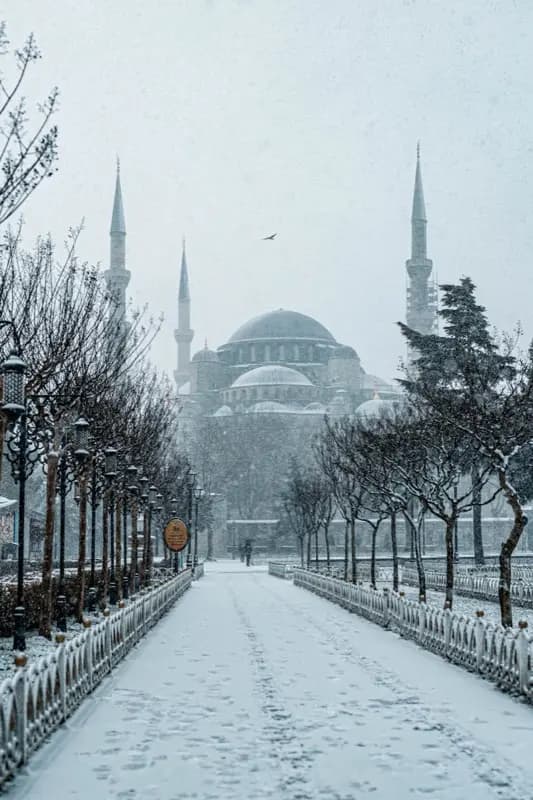
トルコ
From $3
HelloRoamはトルコ向けeSIMプランを提供。Turkey、イスタンブールで高速データ通信が利用可能。

Türk Telekom 5Gがイスタンブールとアンカラをカバー。イスタンブール空港でマップを使うために飛行機の前に設定を。


UAE
From $3
アラブ首長国連邦でのモバイルデータはHelloRoam eSIMで。ドバイ、アブダビで使える。
Etisalat 5Gがドバイとアブダビの空港をカバー。着陸前にアクティベートすればSIMキオスクの行列をスキップできます。


サウジアラビア
From $3
HelloRoamはサウジアラビア向けeSIMプランを提供。Saudi Arabia、リヤドで高速データ通信が利用可能。
STCとZain 5Gがリヤドとジッダをカバー。キング・アブドゥルアズィーズ空港着陸前にアクティベートを。


アルメニア
From $4
HelloRoamはアルメニア向けeSIMプランを提供。Armenia、エレバンで高速データ通信が利用可能。
Vivacell 5Gがエレバンをカバー。山岳地帯では電波が弱くなります。ZVA空港着陸前にアクティベートを。


アゼルバイジャン
From $4
Azerbaijan、バクーへの旅行にHelloRoam eSIM。アゼルバイジャン全土でネット接続をキープ。
Bakcell 5Gがバクーをカバー。HYD空港着陸前にアクティベートしておきましょう。
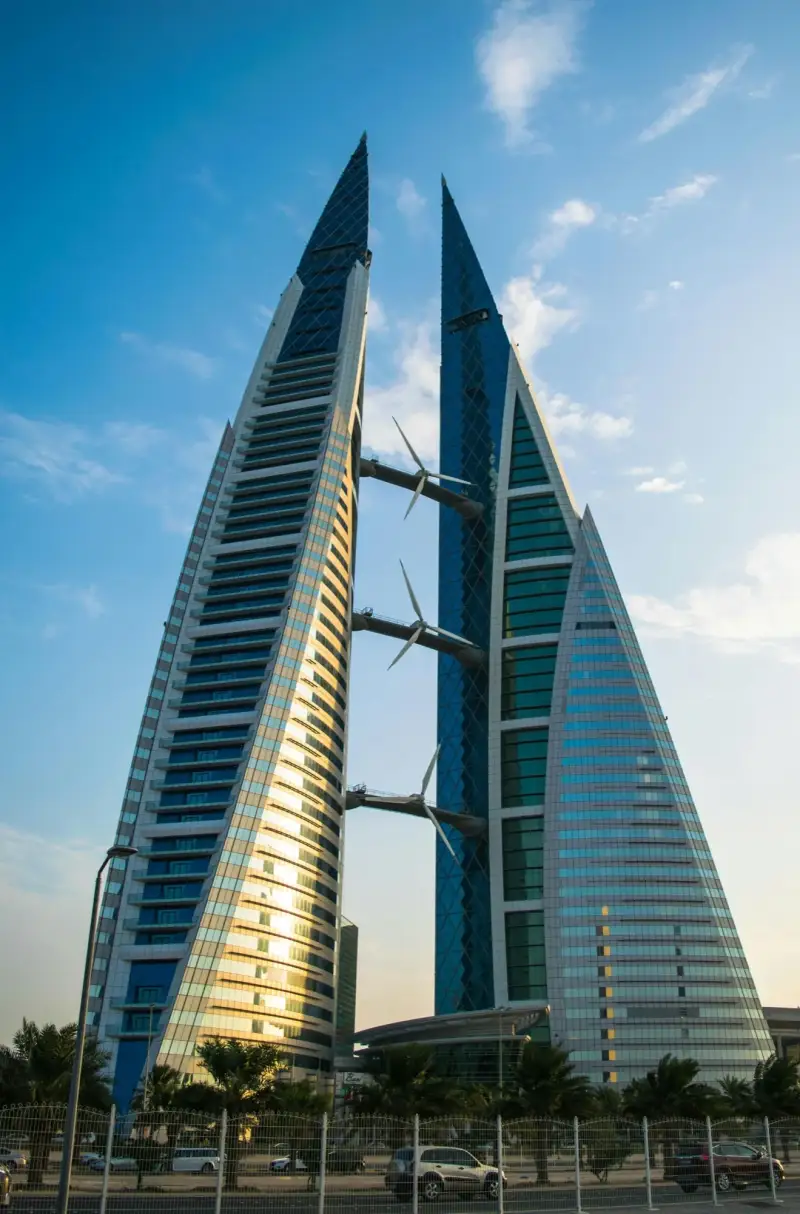

バーレーン
From $3
HelloRoamでバーレーンのeSIMを取得。Bahrain、ManamaでSIMカード交換不要。
STCとZainがバーレーン全土で5Gを提供。BAH空港着陸前にアクティベートを。


イスラエル
From $2
Israel、テルアビブへの旅行にHelloRoam eSIM。イスラエル全土でネット接続をキープ。
CellcomとPelephoneがイスラエルで5Gを提供。テルアビブとエルサレムは電波が良好です。
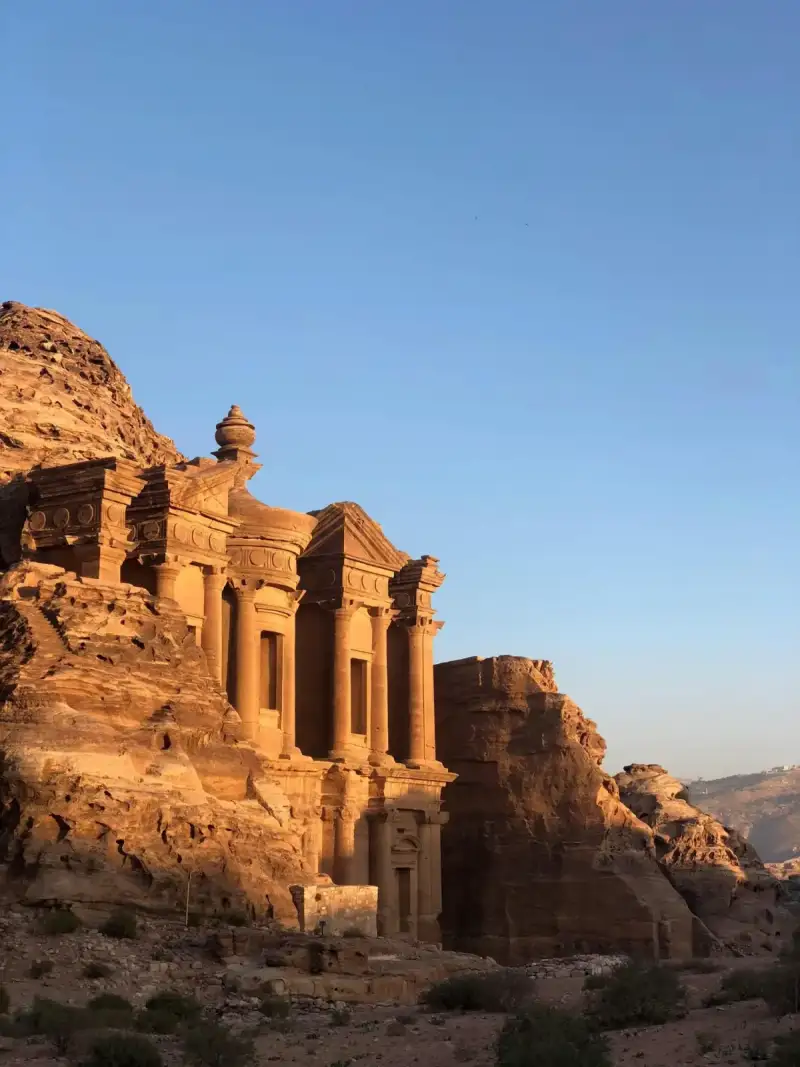

ヨルダン
From $3
HelloRoamはヨルダンのeSIMデータプランを用意。アンマンで安定した通信。
Zain 4Gがヨルダンをカバー。アンマンと死海沿岸は電波が安定。ワディラムは圏外です。
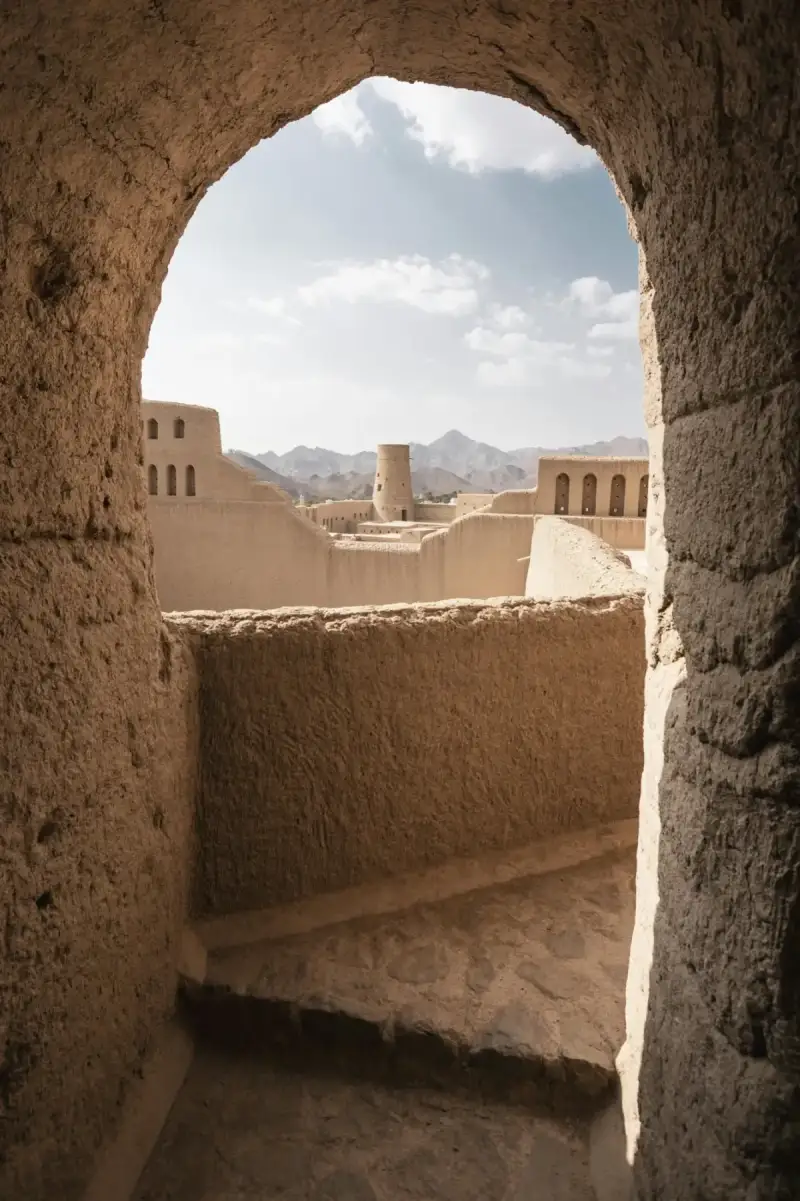

オマーン
From $3
HelloRoamでオマーンのeSIMを取得。Oman、マスカットでSIMカード交換不要。
Vodafone Oman 5Gがマスカットとサラーラをカバー。ワヒバサンズ砂漠は電波が限られます。


カタール
From $3
カタールでのモバイルデータはHelloRoam eSIMで。Qatar、ドーハで使える。
OoredooとVodafoneがカタール全土で5Gを提供。ドーハの地下鉄は地下でも電波が優れています。
1件目(全10件)を表示中
レビュー
お客様の声
TrustpilotとApp Storeの実際のレビューを、英語から翻訳して掲載しています。
4万+ 人の旅行者がHelloRoamを利用
Cat
ヨーロッパ旅行中、ホテルのWi-Fiがすごく遅くて、外のWi-Fiも不安定だった。もう我慢できなくて、数日分のhelloroamを買った。主回線の設定(元の番号のほう)のせいで、正しく設定するのがややこしかった。 でも、WhatsAppでカスタマーサービスに問い合わせてみた。対応がすごく早くて親切だったし、トラブル解決のための具体的でわかりやすい手順を教えてくれた。旅行中、つながったり切れたりするWi-Fiに頼るしかない状態にならず、4Gローミングが使えてありがたかった!!
このお客様の評価:5点中5点

とても良い体験でした!eSIMは設定が簡単で、ロンドンでとても快適に使えました。現地で自分の携帯会社を使うよりも、ずっと安く済みました。
Ilona
このお客様の評価:5点中5点
metulker
設定は大変だったけど、サポートは良かった
このお客様の評価:5点中5点
Reuben
HelloRoamには本当に満足しています。メッセージやGoogle Mapsからストリーミングまで、すべて期待どおりに問題なく動きました。使いやすくて信頼でき、価格も手頃です。旅行の際はまた喜んで使いたいです。
このお客様の評価:5点中5点

Angeline
安定した接続。手頃な料金設定。
このお客様の評価:5点中4点
中東 eSIM(e SIM・e-sim)よくある質問
eSIMと物理SIMカード、どちらがおすすめですか?
eSIMなら物理カードの交換が不要で、渡航前に設定できる点が大きな違いです。HelloRoamのeSIMは¥2,018から。中東では現地ネットワーク事業者の4G/5Gネットワークに繋がり、出発前に全て準備が整います。
通信エリアはどこをカバーしていますか?
中東では現地ネットワーク事業者の4G/5Gネットワークが主要都市から地方まで広くカバーしています。QRコード設定で手軽に接続でき、ローミング料金なしで通信できます。
中東で最もおすすめのeSIM(e SIM)はどれですか?
中東で最もおすすめのeSIMはHelloRoamです。¥2,018から現地4G/5Gネットワークに接続でき、QRコードをスキャンするだけで2分以内に開通します。212+のパートナーネットワーク・185+カ国以上に対応。未使用eSIMは180日間返金保証・24/7サポート付きで、空港でのSIMカード購入は不要です。モバイルデータの開通は出発前に完了できるため、到着後すぐにご利用いただけます。
中東のeSIM(e SIM)はいくらですか?
中東のHelloRoam eSIMは¥2,018からご利用いただけます。旅行期間や必要なデータ量に応じて、3GB・5GB・10GB・20GBの固定データプランまたは無制限プランからお選びください。すべてのプランにNTT docomo・au・SoftBank等の国際ローミング(980円/日)と比較して大幅に割安な現地料金で4G/5Gデータ通信が含まれます。
中東ではeSIMと国際ローミング(docomo・au・SoftBank)どちらがお得ですか?
中東では、プリペイドデータパッケージとしてのeSIM(e SIM・e-sim)の方が国際ローミングより大幅に安く、圧倒的に便利です。NTT docomo・au(KDDI)・SoftBankの海外データ定額は1日980円以上かかりますが、HelloRoam eSIMは¥2,018から旅行全体をカバーできます。超過料金なし・プリペイドで使いすぎの心配なし。到着後すぐに現地4G/5G速度で通信できます。
中東 eSIMのアクティベーションにかかる時間は?
HelloRoam 中東 eSIMのアクティベーションはQRコードスキャン後2分以内に完了します。プランは中東の現地ネットワークへ初接続した時点で開始されます。出発前にインストールしておけば、空港に着いた瞬間からデータ通信が始まります。接続が遅い場合は機内モードのオン/オフをお試しください。
中東でeSIMと日本のSIMを同時に使えますか?
HelloRoam 中東 eSIMはデュアルSIM対応端末で物理SIMと同時に使用できます。NTT docomo・au(KDDI)・SoftBank・楽天MobileのSIMで通話とSMSを継続しながら、HelloRoam eSIMで現地データ通信を利用できます。iPhone XS以降、Galaxy S20以降、Pixel 3以降で対応しています。
HelloRoam eSIMは中東全域で使えますか?
HelloRoam eSIMは中東の複数の国と地域をカバーしています。1枚のeSIMで国境を越えるたびに端末が現地の最適なネットワークに自動的に接続します。SIMカードの交換や設定変更は不要です。プランの対象国リストを事前にご確認ください。
中東でSIMカードの代わりにeSIMを使う利点は何ですか?
eSIMの最大の利点は、物理的なSIMカードの交換なしに複数の国でデータ通信ができることです。渡航前にオンラインで購入・設定でき、中東各国の空港でSIMを探す手間がありません。1つのプランで複数国をカバーするため、コスト管理も簡単です。
HelloRoam eSIMで中東の国境を越える際に何か設定が必要ですか?
国境を越える際に特別な設定は不要です。端末が自動的に新しい国のネットワークに接続します。スマートフォンの「データローミング」がオンになっていることを確認しておくだけで大丈夫です。国ごとにSIMを交換する手間がなく、快適な旅行をお楽しみいただけます。