A route that takes in both parks crosses that border at least once, and a HelloRoam South America eSIM keeps maps, bus times and online park tickets on one plan in both countries.
Patagonia is a region shared by two countries
Patagonia isn't a country. Visit Argentina, the country's official tourism site, places six provinces in it: La Pampa, Neuquén, Río Negro, Chubut, Santa Cruz and Tierra del Fuego. On the Chilean side, Torres del Paine sits in the Magallanes and Chilean Antarctica Region, and Chile Travel, Chile's official tourism site, groups Punta Arenas, Puerto Natales and the Carretera Austral in its Patagonia and Antarctica area.
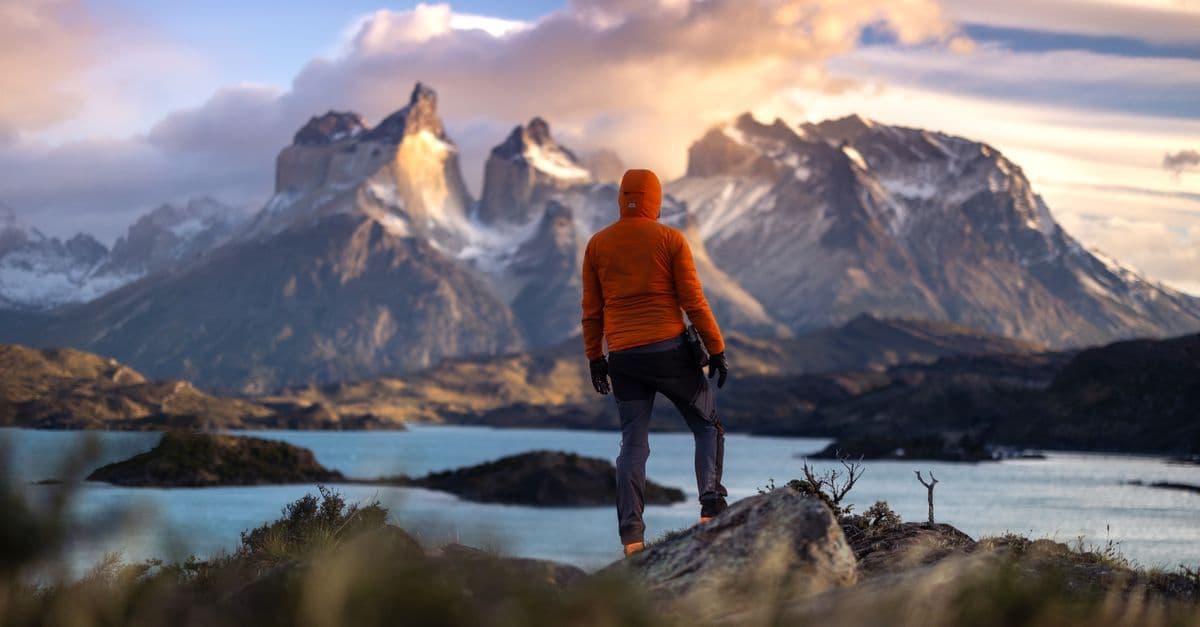
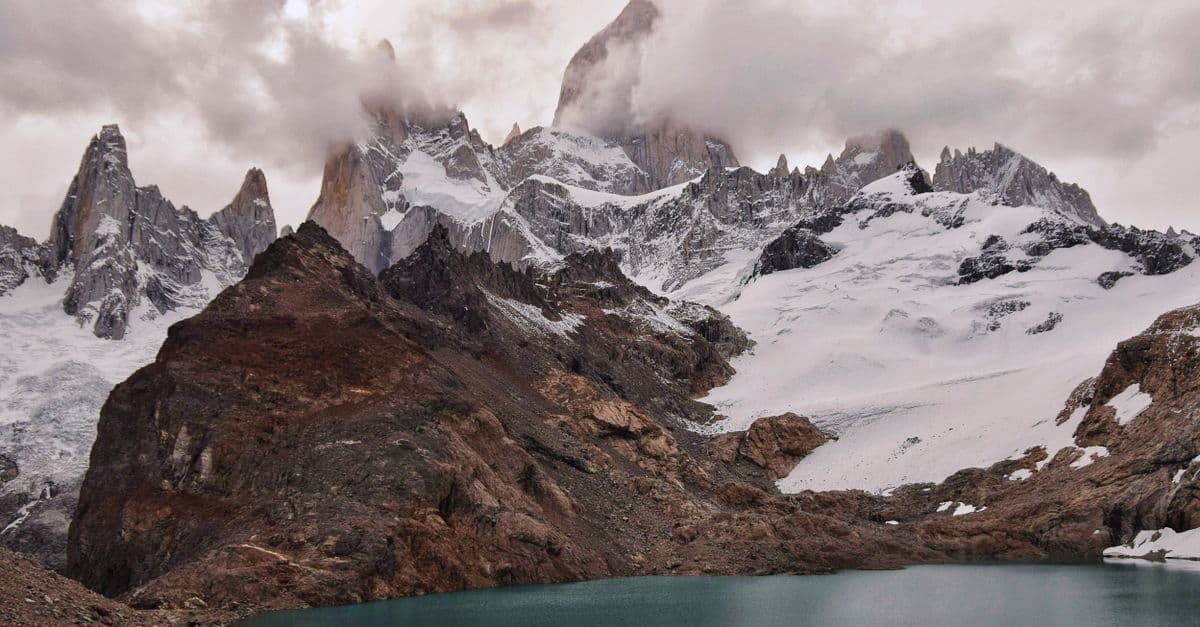
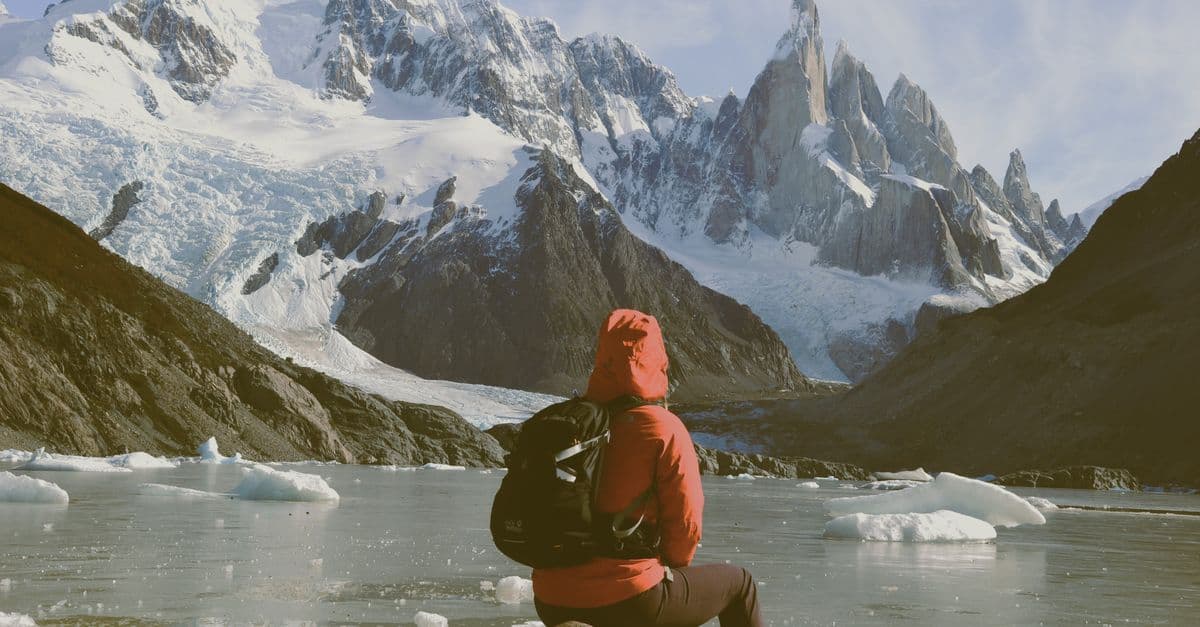
Ice and granite are what the region is famous for. CONAF, the Chilean agency that runs Torres del Paine, says the park's Grey and Dickson glaciers flow from the Southern Patagonian Ice Field. That ice field covers 13,500 km² (about 5,200 square miles) and is the third-largest mass of ice on Earth, after Antarctica and Greenland. The park takes its name from the Paine massif, granite giants shaped by glacial ice that top out at 3,050 m (about 10,000 feet). Chile created the park in 1959, and UNESCO named it a Biosphere Reserve in 1978.
Chile Travel counts more than 24,000 glaciers in its Patagonia and Antarctica area, holding 82% of South America's ice. Across the border, Los Glaciares National Park protects more than 726,000 hectares (about 1.8 million acres) of Santa Cruz province. Argentina created it in 1937, and it became a UNESCO World Heritage Site in 1981.
Torres del Paine and Los Glaciares suit different trips
If you only have time for one side, pick by how you want to hike and where you want to sleep. Torres del Paine is a trekking park. CONAF allows camping only in designated areas, and refugios such as Paine Grande, Grey, Los Perros and Dickson have no road access, so the W and the longer Macizo Paine circuit, known as the O, are walked from one to the next. If you'd rather drive to your bed, CONAF lists road access at Hostería Pehoé and the Lago Grey and Explora hotels.
Los Glaciares works as two separate trips. Argentina's National Parks Administration (APN) makes El Calafate the base for the south zone, where boardwalks and boat trips face the Perito Moreno Glacier. El Chaltén is the base for the north zone, and APN says its trails start right from the town. If you want a town bed and day hikes, El Chaltén is the easier fit.
| Torres del Paine, Chile | Los Glaciares, Argentina | |
|---|---|---|
| Run by | CONAF, Chile's national forest and parks agency | APN, Argentina's National Parks Administration |
| Base towns | Puerto Natales | El Calafate (south zone) and El Chaltén (north zone) |
| Airports | Teniente Julio Gallardo (PNT) in Puerto Natales, or Presidente Carlos Ibáñez del Campo (PUQ) in Punta Arenas | Comandante Armando Tola in El Calafate |
| Classic day hike | Base Torres viewpoint: 9.4 km (5.8 miles) one way from Hotel Las Torres, about 4.5 hours by CONAF's trail times | Laguna de los Tres below Fitz Roy: 25 km (15.5 miles) round trip, 8 to 9 hours by APN's figures |
Flights land in Punta Arenas, Puerto Natales or El Calafate
Chile Travel calls Presidente Carlos Ibáñez del Campo Airport (PUQ) in Punta Arenas the main gateway to Patagonia, with direct flights from Santiago and seasonal connections to Argentina. Puerto Natales has its own airfield, Teniente Julio Gallardo (PNT), with seasonal flights from Santiago. On the Argentine side, APN says El Calafate's Comandante Armando Tola International Airport gets daily flights from around Argentina, plus international flights in season.
Plan around one change if you're going in early 2027. Chile's Ministry of Public Works (MOP) has confirmed a runway repair plan for Puerto Natales from January to March 2027, done in partial shifts that keep commercial flights running Friday to Sunday. MOP says the plan still allows 67% of passenger and cargo flights in January, 41% in February and 32% in March. Punta Arenas has more flights, per Chile Travel, and sits 250 km (155 miles) of paved road from Puerto Natales, about 3 hours by intercity bus. Check with your airline before you book a Puerto Natales flight for those months.
From Puerto Natales, CONAF gives two road routes into Torres del Paine: 150 km (93 miles) on Ruta 9 Norte, or 80 km (50 miles) on the Y-290, known as the Lago Porteño road. Four bus companies run into the park, leaving Puerto Natales at 7:30 AM and 2:30 PM and stopping at Laguna Amarga, Pudeto and the park administration. If you drive, fill the tank first: CONAF says there are no fuel stations in the park or the area around it.
Between El Calafate and El Chaltén, APN lists daily scheduled buses on a fully paved road. Both towns' bus terminals also get services from Punta Arenas and Puerto Natales in Chile.
Land border crossings link the two parks
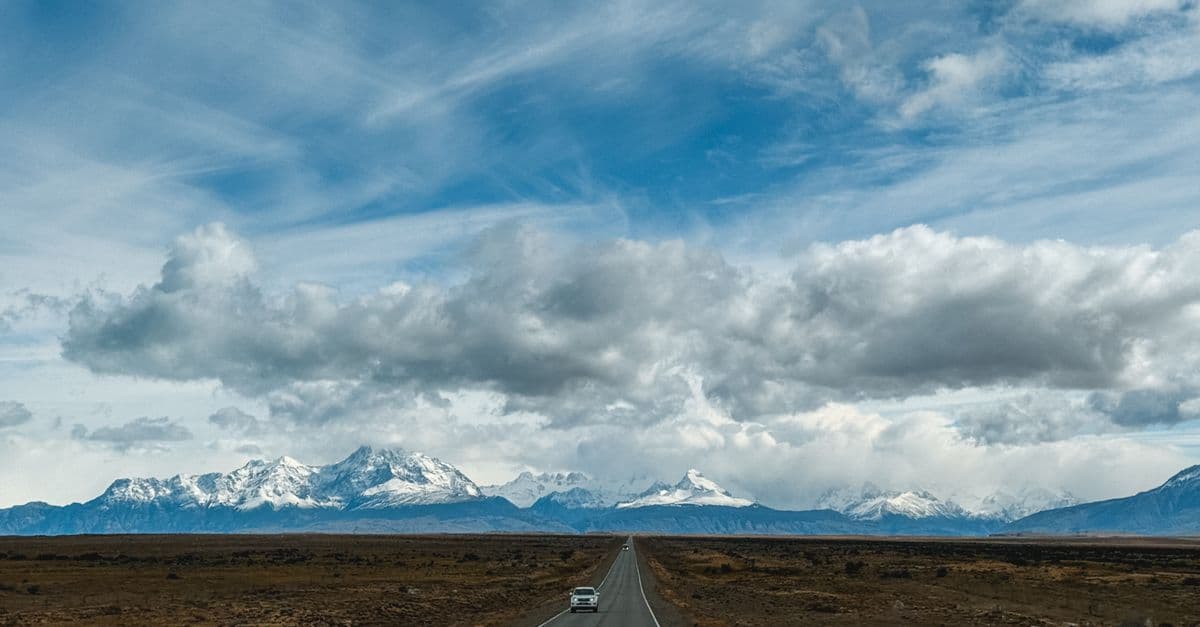
The Río Don Guillermo crossing at Villa Cerro Castillo is 52 km (32 miles) from Torres del Paine's Sarmiento gate, and CONAF names it as another main way into the park. Chile's Border Crossings Unit lists six crossings with Argentina in the Magallanes region, and five of them are open to all vehicle types:
| Border crossing | Nearest Chilean town |
|---|---|
| Río Don Guillermo | Puerto Natales |
| Dorotea | Puerto Natales |
| Laurita Casas Viejas | Puerto Natales |
| Integración Austral | Punta Arenas |
| San Sebastián | Porvenir |
Each time you enter Chile, you file a free sworn declaration for SAG, Chile's agriculture and livestock service, online at ingresoachile.cl or on paper. List any plant or animal products you carry, crafts included. An inspector checks them, anything that fails the rules is destroyed, and not declaring risky products brings fines. Finish that morning's fruit before the bus reaches the border.
Park fees are set in pesos on both sides of the border
Park tickets are the one Patagonia cost you can pin down before you book anything else. Each country charges in its own currency, so your card converts the price on the day you pay.
| Park or entrance | Foreign adult ticket | How you pay |
|---|---|---|
| Torres del Paine | From CLP 32,400 for one day; from CLP 48,500 for more than one day | Online only, at Pases Parques |
| Los Glaciares, Perito Moreno Glacier side | ARS 50,000 per day | Card or cash in pesos at the entrance, or online |
| Los Glaciares, El Chaltén portals | ARS 50,000 per day | Online only, by credit or debit card; no cash |
Argentina's rates took effect on June 1, 2026. The same national parks price list gives 50% off a second day of visits within 72 hours of your first entry, and sells a 3-day Flexipass for Los Glaciares at ARS 100,000 or a 7-day pass at ARS 175,500. Two more Patagonian parks cost less: ARS 40,000 a day at Tierra del Fuego National Park and ARS 35,000 at Nahuel Huapi, which spans Río Negro and Neuquén provinces. At Tierra del Fuego, the second-day discount applies only to tickets bought online. In Chile, Pases Parques, the official ticket site, lists these as starting prices for foreign visitors 18 and older, with a lower one-day rate for ages 13 to 17, as of October 2026. Check the price for your date when you book.
Las Torres camps have firm cancellation and tax terms
Las Torres Patagonia, a private operator, runs five camps in Torres del Paine: Central, Chileno, Cuernos, Francés and Serón. Cancel an individual booking 44 days or fewer before arrival and you lose 100% of it. Cancel 90 days or more ahead and there's no penalty.
Its dollar rates apply only to international visitors who show their passport and the original immigration card issued by Chile's PDI police at check-in. Without them, it adds Chile's 19% VAT. That card is the Tarjeta Única Migratoria you get on arrival, covered in the entry rules below, so keep it with your passport.
The season runs October to April, and the rules change with it
Torres del Paine's summer season runs from October to April, with the gates open 7:00 AM to 9:00 PM. From May to September, hours shrink to 8:00 AM to 6:30 PM, and the ticket site warns that weather or safety measures can still change them. At Los Glaciares, only the road to the Perito Moreno Glacier has set hours: 8:00 AM to 6:00 PM from September 1 to April 30, and visitors can stay until 8:00 PM.
Going early in the season? The O circuit has been closed since May, initially until October 31, 2026, and reopens only after a review of weather and safety conditions. Winter conditions also linger on parts of the W and the Base Torres trail, so the park requires microspikes and trekking poles for now. Las Torres Patagonia calls December to March the park's high season, and Chile Travel advises booking Puerto Natales beds well in advance, especially in high season.
Fire rules are strict. Inside Torres del Paine, lighting any heat source, from campfires to gas stoves and cigarettes, is banned under Law 20,653, except for cooking stoves in specially marked camp areas. CONAF's park rules list fines of up to CLP 2,000,000, up to three years in prison or, for foreigners, expulsion from Chile. Las Torres doesn't allow stoves at all at its Chileno camp. In Los Glaciares, APN lists the grills and campsites where fires are allowed, and asks you to check that day's fire-risk rating with the park first.
The U.S. Embassy in Santiago's wildfire alert warns that breaking Chile's fire controls can lead to arrest, detention, deportation and a ban on coming back. In Chile, call 132 to report a fire and 131 for medical help.
U.S. tourists need no visa for either country, and advisory levels differ
Argentina's National Directorate of Migration lists no visa requirement for ordinary U.S. passports, and lets tourists stay up to three months with one extension possible. Chile's National Migration Service gives tourists up to 90 days, extendable once, with no visa except for nationals of certain countries. It also says visitors must be able to show enough money for their stay. The U.S. State Department says U.S. citizens don't need a visa for tourist stays in Chile of 90 days or less. The PDI records your permitted stay on the Tarjeta Única Migratoria it hands you on arrival, and your stay can't run past your passport's expiry date.
As of October 2026, the State Department rates Argentina Level 1, "Exercise normal precautions." Its advisory singles out Rosario, in Santa Fe province, for crime and violence, and Santa Fe isn't one of the six Patagonian provinces. Chile is Level 2, "Exercise increased caution," because of crime and civil unrest. Read the State Department's travel advisory for Chile and its Argentina page again before you fly, since levels and entry rules can change.
In the parks, the most useful safety advice comes from the park agencies. CONAF asks hikers to walk with company and only on authorized trails, bans walking the trails without daylight, and says most fatal accidents in Torres del Paine happened to people walking alone who left the trails. It also warns that help in the mountains can take several hours to arrive. APN describes Los Glaciares' central zone, around the Guanaco and Moyano ranger stations, as hard to reach and without communications, and asks visitors there to tell a ranger when they start and finish a trail.
Your phone goes quiet inside the parks
Plan to be offline on the trail. CONAF lists cell signal in Torres del Paine at one place only, Villa Monzino, on the Movistar network, where there's also a public landline. For emergencies inside the park, it gives a VHF radio frequency, 143.800 MHz. Las Torres Patagonia offers Wi-Fi at its Central camp. Los Glaciares has no public phone at all, according to APN, which lists Wi-Fi at the glacier restaurant and at tourist businesses in El Chaltén.
Don't count on your iPhone's satellite SOS as a backup. Emergency SOS via satellite isn't offered in Chile or Argentina, according to Apple's list of countries for the feature.
Signal matters most just before you enter a park. At El Chaltén's trail portals, the park ticket is sold only online and paid by card, either ahead of time or by scanning a QR code on the spot, so arrive with data or a saved ticket. Torres del Paine's ticket is online-only too, so buy it in Puerto Natales before the morning bus. If you plan to use your U.S. carrier in Chile and Argentina, see how roaming compares with an eSIM first.
HelloRoam's plans connect through different local networks on each side of the border, and 24/7 support can help if setup stalls while you still have Wi-Fi.
The Chile plan runs on WOM. The Argentina plan uses Movistar and Personal. The South America plan uses Movistar and WOM in Chile and Movistar in Argentina, which makes it the only one of the three with Movistar in Chile, the network CONAF names at Villa Monzino.
If your trip stays on one side of the border, a single-country plan covers it: compare mobile data plans for Chile or prepaid data options for Argentina. Either way, check how much data your trip needs before you pick a plan size.
Set it up at home. Check your model on the phone compatibility list, then use our guide on how to add a travel eSIM while you're still on home Wi-Fi. One honest limit: no plan reaches a phone where there are no towers, so away from Villa Monzino, plan on Wi-Fi wherever your camp or lodge offers it.
Questions travelers ask
Can you visit Torres del Paine in one day?
Yes. Pases Parques sells a one-day ticket for foreign visitors, listed from CLP 32,400, and the first bus leaves Puerto Natales at 7:30 AM. CONAF's trail times put the Base Torres viewpoint about 4.5 hours from Hotel Las Torres, so that hike and the walk back fill the day. The park also sets a latest start time and a closing time on the Base Torres trail, and CONAF bans hiking after dark, so check the trail hours before you pick a bus.
Do you need cash in Patagonia?
Not for park tickets. Torres del Paine and El Chaltén's portals sell them online, and El Chaltén takes no cash. For everything else, APN lists 24-hour ATMs in El Calafate and El Chaltén. Of the two towns, only El Calafate has a bank, open weekdays from 8:00 AM to 1:00 PM.
Do you need a guide to hike in Patagonia?
Not for the main summer trails. APN says Los Glaciares hikes can be done on your own or with a guide, but you must register at the park's information center for remote treks and climbs, and for any trail from May to September. In Torres del Paine, CONAF makes several sections of the W guide-only in winter.
Sources
- CONAF, Parque Nacional Torres del Paine (services, cell signal, access, buses, trails, fire rules, safety)conaf.cl
- Pases Parques, Parque Nacional Torres del Paine (official tickets, prices, season hours, O circuit closure)pasesparques.cl
- Administración de Parques Nacionales, Derechos de acceso (rates from June 1, 2026)argentina.gob.ar
- Administración de Parques Nacionales, Los Glaciares tarifas (zones and payment methods)argentina.gob.ar
- Administración de Parques Nacionales, Parque Nacional Los Glaciaresargentina.gob.ar
- Administración de Parques Nacionales, Los Glaciares: horarios y cómo llegarargentina.gob.ar
- Administración de Parques Nacionales, Los Glaciares: actividadesargentina.gob.ar
- Administración de Parques Nacionales, Los Glaciares: serviciosargentina.gob.ar
- Administración de Parques Nacionales, Parque Nacional Tierra del Fuegoargentina.gob.ar
- Administración de Parques Nacionales, Parque Nacional Nahuel Huapiargentina.gob.ar
- Ministerio de Obras Públicas, Dirección de Aeropuertos: plan de conservación por turnos, aeródromo de Puerto Natalesaeropuertos.mop.gob.cl
- Ministerio de Obras Públicas, Dirección de Aeropuertos: licitación de la pista del aeródromo de Puerto Natalesaeropuertos.mop.gob.cl
- Chile Travel, Punta Arenas and Strait of Magellanchile.travel
- Chile Travel, Puerto Nataleschile.travel
- Chile Travel, Patagonia and Antarcticachile.travel
- Visit Argentina, Patagonia regionargentina.travel
- Unidad de Pasos Fronterizos, Complejos fronterizos (Magallanes)pasosfronterizos.gov.cl
- Servicio Agrícola y Ganadero, Declaración Jurada SAG de ingreso a Chilesag.gob.cl
- Las Torres Patagonia, Reservations and policieslastorres.com
- Las Torres Patagonia, Camping in Torres del Painelastorres.com
- Las Torres Patagonia, Torres del Paine seasonslastorres.com
- Dirección Nacional de Migraciones, Régimen de visasmigraciones.gob.ar
- Dirección Nacional de Migraciones, Turistasargentina.gob.ar
- Servicio Nacional de Migraciones, Permanencia Transitoriaserviciomigraciones.cl
- U.S. Department of State, Chile travel advisory and country informationtravel.state.gov
- U.S. Department of State, Travel Advisories RSS feed (Argentina and Chile levels)travel.state.gov
- U.S. Embassy Santiago, Alert: Wildfire Safety (February 24, 2026)cl.usembassy.gov
- Apple Support, Use Emergency SOS via satellite on your iPhonesupport.apple.com
Written by
HelloRoam Team
The HelloRoam editorial team writes about eSIM technology, travel connectivity, and mobile data tips for international travelers.