HelloRoam covers every country on this list. One Europe eSIM spans the EU members on it, so a Budapest to Bucharest night train needs no new SIM.
Eurostat's price data ranks the 12 cheapest European countries to visit
Eurostat, the EU's statistics office, prices the same basket of goods and services in 36 European countries and sets the EU average at 100. The ranking below uses the restaurants and accommodation score from Eurostat's 2025 price comparison, because that category covers where you eat and where you sleep. A score of 48 means meals and hotel nights that cost $100 at EU-average prices cost about $48.
| Rank | Country | Restaurants and hotels | All consumer prices | Alcohol | What $100 of US everyday spending costs |
|---|---|---|---|---|---|
| 1 | North Macedonia | 48.3 | 54.8 | 99.0 | $41 |
| 2 | Albania | 53.3 | 72.6 | 159.0 | $54 |
| 3 | Bulgaria | 55.7 | 62.5 | 109.0 | $47 |
| 4 | Bosnia and Herzegovina | 59.2 | 59.2 | 92.6 | $44 |
| 5 | Romania | 59.4 | 65.1 | 97.3 | $49 |
| 6 | Serbia | 65.5 | 68.0 | 116.3 | $51 |
| 7 | Montenegro | 66.6 | 66.1 | 128.8 | $50 |
| 8 | Czechia (Czech Republic) | 69.5 | 89.4 | 91.8 | $67 |
| 9 | Portugal | 73.6 | 86.6 | 107.1 | $65 |
| 10 | Türkiye (Turkey) | 78.3 | 59.6 | 210.2 | $45 |
| 11 | Poland | 80.5 | 73.3 | 108.5 | $55 |
| 12 | Hungary | 82.4 | 77.5 | 98.9 | $58 |
Scores are Eurostat price level indices for 2025, with the EU average at 100. Lower means cheaper.
For US travelers, home is the more useful yardstick. Eurostat puts the United States at 133.3 on the all-consumer-prices index. That puts North Macedonia's overall prices at about 41% of the US level, so $100 of everyday US spending costs about $41 there. Even Czechia, the priciest of the 12 on that measure at 89.4, runs about a third below US prices. The dollar column uses this same basket, which includes rent and car prices, so treat it as a rough guide for a trip.
A few familiar names miss the cut. Croatia appears on several popular lists of the cheapest European countries to visit. But its restaurants and hotels score is 89.6, close to the EU average. Lithuania (82.6) and Slovakia (84.6) land just behind Hungary. Moldova, Kosovo, Georgia and Armenia aren't in Eurostat's comparison, so they can't be ranked on the same scale. If you're open to leaving Europe, our guide to the cheapest countries to visit worldwide compares daily budgets on other continents.
Each of the 12 cheapest European countries has a UNESCO World Heritage site
Place facts below come from UNESCO's World Heritage List. Tips come from the State Department, the European Commission and rail operators, all read in October 2026. The countries run in price order.
North Macedonia shares Lake Ohrid with Albania
UNESCO lists Lake Ohrid and the lakeside town of Ohrid as one World Heritage site, shared with Albania. It calls Ohrid one of the oldest human settlements in Europe, home to more than 800 Byzantine-style icons. The State Department calls taxis from established companies safe and suggests metered ones to avoid fare disputes.
Albania keeps two Ottoman-era towns and the ruins of Butrint
UNESCO lists Berat and Gjirokastra together as rare examples of Ottoman-period architecture. Most of Berat's castle, the Kala, dates from the 13th century. Butrint was a Greek colony, a Roman city and a bishopric, and it prospered under Byzantine rule. Ride-hailing apps don't operate in Albania, so the State Department recommends marked taxis.
Bulgaria's Rila Monastery and Black Sea town of Nessebar are UNESCO sites
Bulgaria has the lowest restaurant and hotel score of any EU member, at 55.7. Rila Monastery was founded in the 10th century and rebuilt between 1834 and 1862 after a fire. Nessebar, on a rocky Black Sea peninsula, is a site more than 3,000 years old. The State Department says Bulgaria is still largely a cash economy, especially outside major cities.
Bosnia and Herzegovina is home to Mostar's Old Bridge
Mostar grew as an Ottoman frontier town and, in UNESCO's words, has long been known for its old Turkish houses and Old Bridge. The 1990s conflict destroyed most of the old town and the bridge, which have since been rebuilt or restored. Landmines are still a threat, so the State Department says to stay on hard surfaces and avoid unmarked trails.
Romania's Transylvania holds Sighișoara and seven fortified-church villages
Sighișoara is a small fortified medieval town founded by German craftsmen and merchants known as the Saxons of Transylvania. Seven villages in southern Transylvania are listed for their fortified churches, which show building styles from the 13th to the 16th century. The Ister train from Budapest to Bucharest stops at Sibiu and Brașov and carries couchette and sleeping cars.
Studenica is the largest of Serbia's Orthodox monasteries
Stevan Nemanja, who founded the medieval Serb state, set up Studenica Monastery in the late 12th century. UNESCO calls it the largest and richest of Serbia's Orthodox monasteries. Its two main churches are built of white marble. Night train 432 from Bar in Montenegro ends at Beograd Centar station in Belgrade.
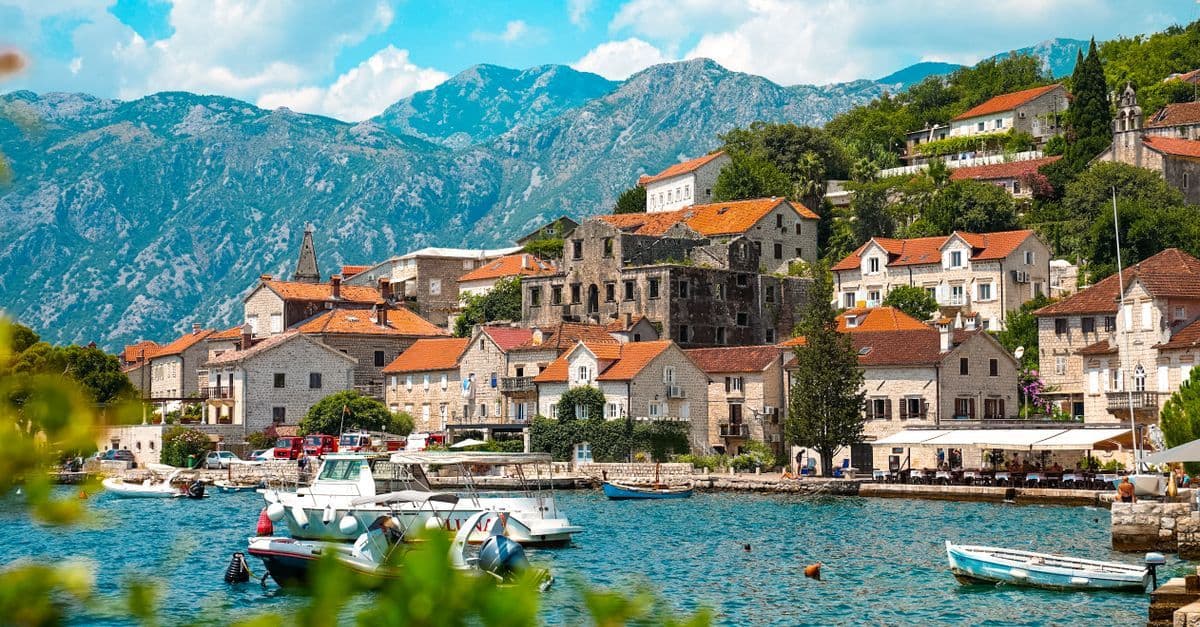
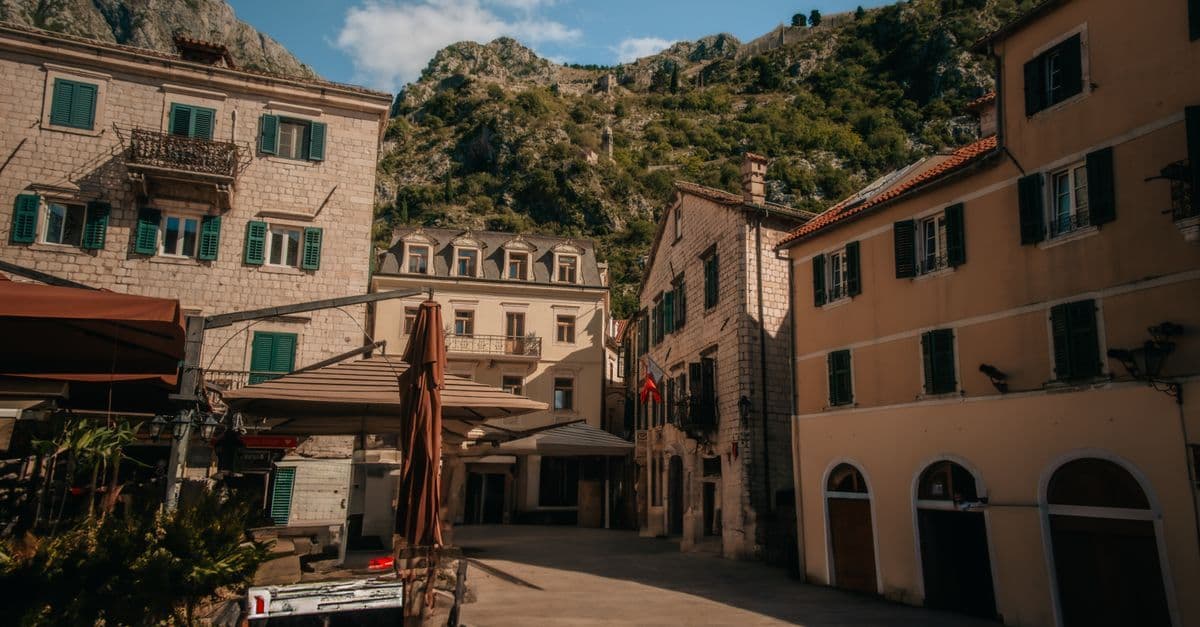
Montenegro pairs the old port of Kotor with Durmitor National Park
In the Middle Ages, Kotor's natural harbor on the Adriatic was a center of art and trade. It had its own schools of stonemasons and icon painters. Durmitor National Park was shaped by glaciers. It takes in the Tara River canyon, which UNESCO says has the deepest gorges in Europe. Montenegro isn't in the EU, but it uses the euro.
Czechia has UNESCO-listed old towns in Prague and Český Krumlov
Prague's historic center spans the Old Town, the Lesser Town and the New Town, with Charles Bridge and St Vitus Cathedral among its sights. Český Krumlov grew around a 13th-century castle on the Vltava River. Validate transit tickets on the tram or bus or in the metro entry hall, or risk a fine, the State Department warns.
Porto and Sintra make Portugal the list's Western European stop
Porto's historic center climbs the hillsides above the mouth of the Douro River and has a 2,000-year history. UNESCO calls Sintra the first center of European Romantic architecture. There, in the 19th century, Ferdinand II turned a ruined monastery into a castle. The State Department rates taxis and Uber as reliable in Portugal and public buses as inexpensive.
Istanbul and Cappadocia anchor a trip to Türkiye
Istanbul's historic areas include the Hippodrome of Constantine, the 6th-century Hagia Sophia and the 16th-century Süleymaniye Mosque. In Cappadocia, the Göreme valley holds rock-hewn sanctuaries, cave villages and underground towns. The State Department notes that big cities have taxis, subways, ferries and trains, and that buses, trains and flights link the cities.
Kraków holds what UNESCO calls Europe's largest market square
Kraków's 13th-century merchants' town sits below Wawel Castle and has what UNESCO calls Europe's largest market square. The Wieliczka and Bochnia royal salt mines have been worked since the 13th century and hold chapels and statues carved in salt. The Metropol-Carpatia night train from Budapest stops in Kraków.
Budapest's Danube banks are a UNESCO site
UNESCO's Budapest listing covers the banks of the Danube, the Buda Castle Quarter and Andrássy Avenue, with remains such as the Roman city of Aquincum. Trains with sleeping cars leave Budapest for Prague, Warsaw, Kraków and Bucharest. The State Department calls Budapest's trams, subway and buses reliable.
Three price gaps change the ranking for travelers
The overall index includes rent, electricity and car prices, which you won't pay on vacation. Read the columns that match your trip, and three countries move.
Türkiye is cheap until the bar tab. It has the third-lowest score on all consumer prices (59.6) but only 10th for restaurants and hotels (78.3). Its alcohol score is 210.2, more than double the EU average.
Albania is a bargain for eating out, not for drinking. It ranks eighth overall (72.6) yet second for restaurants and hotels (53.3). Alcohol there scores 159.0, well above the EU average.
Czechia is cheaper than its overall score suggests. Its all-consumer-prices score of 89.4 sits near the EU average, while restaurants and hotels come in at 69.5 and alcohol at 91.8. The gap favors visitors, who spend on meals and beds rather than rent.
North Macedonia pairs the lowest prices with a Level 1 rating
The State Department's travel advisories rate North Macedonia Level 1, Exercise Normal Precautions, and call it generally a safe destination. It ranks first on both restaurants and hotels and all consumer prices. No other country on this list beats it on price and safety at once.
Bulgaria, Romania, Montenegro, Czechia, Portugal, Poland and Hungary also sit at Level 1. Level 2, Exercise Increased Caution, covers Albania and Serbia for crime and Bosnia and Herzegovina for crime, landmines and terrorism. Türkiye is Level 2 for terrorism, armed conflict and arbitrary detentions, and some of its areas carry higher ratings.
Six of the 12 sit outside Schengen, which stretches a long trip
Bulgaria, Romania, Czechia, Portugal, Poland and Hungary are all in the Schengen area, which reached 29 countries when Bulgaria and Romania joined in January 2025. US citizens get 90 days in any 180-day period across the whole zone, not per country.
The other six run their own clocks. North Macedonia, Serbia, Montenegro, Bosnia and Herzegovina and Türkiye each let US citizens stay up to 90 days without a visa. Albania allows up to one year. Days spent there don't count toward your Schengen 90, so a Balkan leg lets a long trip run past three months.
| Country | Currency | Schengen | Visa-free stay on a US passport | State Dept level |
|---|---|---|---|---|
| North Macedonia | Denar | No | 90 days in 6 months | Level 1 |
| Albania | Lek | No | Up to 1 year | Level 2 |
| Bulgaria | Euro | Yes | Schengen 90 in 180 days | Level 1 |
| Bosnia and Herzegovina | Convertible mark (KM) | No | 90 days in 6 months | Level 2 |
| Romania | Leu | Yes | Schengen 90 in 180 days | Level 1 |
| Serbia | Dinar | No | 90 days | Level 2 |
| Montenegro | Euro | No | 90 in 180 days | Level 1 |
| Czechia | Koruna | Yes | Schengen 90 in 180 days | Level 1 |
| Portugal | Euro | Yes | Schengen 90 in 180 days | Level 1 |
| Türkiye | Lira | No | 90 in 180 days | Level 2 |
| Poland | Zloty | Yes | Schengen 90 in 180 days | Level 1 |
| Hungary | Forint | Yes | Schengen 90 in 180 days | Level 1 |
The Entry/Exit System (EES) logs non-EU visitors at the external borders of 29 European countries. It records your fingerprints and a facial image, and it replaced passport stamps on April 10, 2026. ETIAS, the online travel authorization, isn't running as of October 2026. The EU isn't taking applications, says it will announce a start date several months ahead, and has set the fee at €20.
Check your passport dates too. Bulgaria, Romania, Portugal, Poland and Hungary want at least three months of validity beyond your stay, per State Department guidance. It recommends six months for Czechia. Türkiye requires six months beyond your entry date. The State Department also notes that North Macedonia asks every foreign visitor to show travel medical insurance on arrival.
Entry rules change, so check the State Department and EU pages linked here before you go.
Private rentals in the Balkans come with a police registration
Hotels handle this for you, so the rule mostly affects travelers who book a private apartment to save money.
Serbia requires US citizens to register with local police within 24 hours of arrival. North Macedonia gives you 48 hours, and your host should go with you to the police station. In Bosnia and Herzegovina, a private stay of three or more days means you or your host must register within 48 hours. Montenegro sends guests outside hotels to the local tourism office to register and pay the tourist tax. You register in each municipality where you stay more than 24 hours. Skipping it can bring a fine, jail time, deportation or trouble leaving the country.
Cash still matters in Albania, Bosnia and North Macedonia
Plan on cash in three of the non-EU countries. Albania is primarily a cash economy, in the State Department's words, and most businesses there don't take credit cards. ATMs are widely available in its cities, though. Bosnia and Herzegovina runs mostly on cash too, and its convertible mark is pegged to the euro at about 2 KM to €1. In North Macedonia, carry denars: smaller shops may not take cards, and most taxis accept cash only.
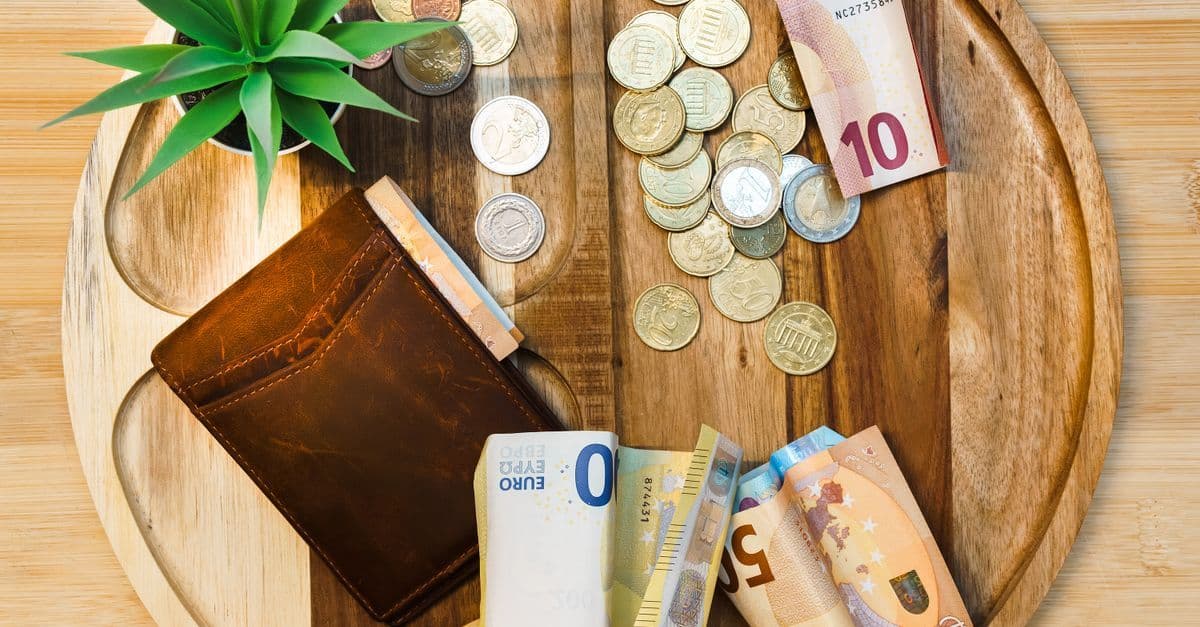
Bulgaria joined the euro area on January 1, 2026, at a fixed rate of 1.95583 leva per euro, and Eurostat's 2025 scores predate the switch. Leftover lev notes from an old trip can still be exchanged free at the Bulgarian National Bank, with no deadline. Montenegro isn't in the EU but uses the euro as its everyday currency.
Night trains connect several of the cheapest countries
You can link several countries on this list by rail, and an overnight train saves a night of lodging. These routes come from the operators' own timetables.
| Route | Train | What to know |
|---|---|---|
| Bar or Podgorica (Montenegro) to Belgrade (Serbia) | Night train 432, ŽPCG | About 11 hours from Bar, 10 from Podgorica. 2nd class is €23.80 from Bar, €21.60 from Podgorica |
| Budapest (Hungary) to Bucharest (Romania) | Ister InterCity and Muntenia InterCity (CFR Călători), listed by MÁV | Ister runs via Brașov and Sinaia, with couchette and sleeping cars |
| Budapest to Prague (Czechia) | Metropol EuroNight, listed by MÁV | Runs daily via Bratislava, with couchette and sleeping cars |
| Budapest to Warsaw (Poland) | Metropol-Chopin EuroNight, listed by MÁV | Runs daily via Bratislava and Katowice |
| Sofia (Bulgaria) to Bucharest (Romania) | International service, BDŽ | Listed among Bulgarian Railways' international routes |
| Sofia to Istanbul (Türkiye) | Sofia to Halkalı service, BDŽ | Ends at Halkalı station in Istanbul |
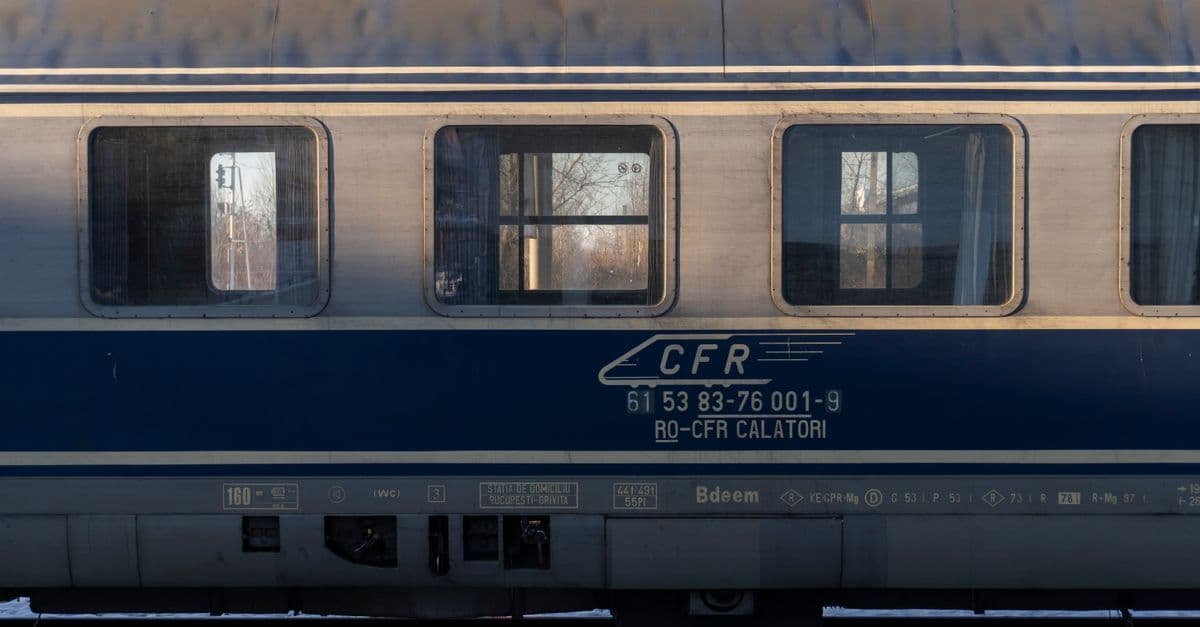
The night train from Bar leaves at 8:10 PM and reaches Belgrade at 7:08 AM, which turns a travel day into a night's sleep.
Two of the cheapest countries have little useful rail. State Department guidance describes rail in Albania and North Macedonia as poor, limited and unreliable, and Uber doesn't operate in either. Intercity buses fill the gap, and in Albania the advice is to finish intercity trips in daylight. Portugal shares no border with anyone else on the list, so pairing it with the Balkans usually means a flight.
Your phone plan belongs in the daily budget
Verizon's TravelPass charges $12 for each day you use your phone in most countries, so a two-week trip with daily use adds $168. A prepaid eSIM data plan set up before you fly swaps that daily roaming fee for one fixed plan.
HelloRoam's Europe plan covers Budapest, Prague and Bucharest on one eSIM. It leaves out Albania, North Macedonia, Serbia, Montenegro, Bosnia and Herzegovina and Türkiye. A country plan covers each of those, and a global plan covers all 12 on one eSIM. Browse budget travel eSIM plans for your route, and check your phone supports eSIM before you buy a plan.
Not every trip needs one. A three-night Prague break with good hotel Wi-Fi can skip a data plan entirely. For a longer trip, estimate how much data you'll need before you pick a plan.
Questions travelers ask
What is the cheapest and safest country in Europe?
North Macedonia. Eurostat's 2025 data puts its restaurant and hotel prices at 48% of the EU average and its overall consumer prices at 55%. Both are the lowest in Eurostat's comparison. The State Department rates it Level 1, its lowest advisory level, and calls it generally a safe destination.
Is $2,000 enough for 2 weeks in Europe?
It can be in the cheaper countries. $2,000 is about $143 a day, but your round-trip flight comes out of it first. What's left goes about twice as far in North Macedonia as at EU-average prices. Its restaurant and hotel prices sit at 48% of the EU average. In Switzerland, at 163, it shrinks fast.
How much does it cost to backpack across Europe?
Eurostat doesn't publish a backpacking budget, but its price data shows how much the place matters. In 2025, meal and hotel prices sat at 48% of the EU average in North Macedonia and 163% in Switzerland. The same nights and meals cost more than three times as much in Switzerland. Night trains also save a night's lodging.
Sources
- Comparative price levels of consumer goods and services (2025 data)ec.europa.eu
- Price level indices by analytical category, COICOP 2018 (prc_ppp_ind_1)ec.europa.eu
- Travel Advisoriestravel.state.gov
- Entry/Exit System (EES)home-affairs.ec.europa.eu
- European Travel Information and Authorisation System (ETIAS)home-affairs.ec.europa.eu
- Schengen areahome-affairs.ec.europa.eu
- Bulgaria and the euro changeoverecb.europa.eu
- The euro outside the euro areaeconomy-finance.ec.europa.eu
- Timetable: Bar and Podgorica to Belgradezpcg.me
- Night trains from Budapestmavcsoport.hu
- International rail servicesbdz.bg
- International travel plans: TravelPassverizon.com
- World Heritage List (UNESCO DataHub, read 15 October 2026)data.unesco.org
Written by
HelloRoam Team
The HelloRoam Team writes our guides on trip planning, visas and eSIMs. For every new or updated guide, we check each fact at its source. Sources include government, park and weather service pages. We note the date we read each one. A second review then checks every fact against its source before the guide goes live. If we cannot confirm a fact, we leave it out. We link those sources inside the guide, so you can check them.
 Mexico