

Get your Browse All eSIM Plans before you travel.
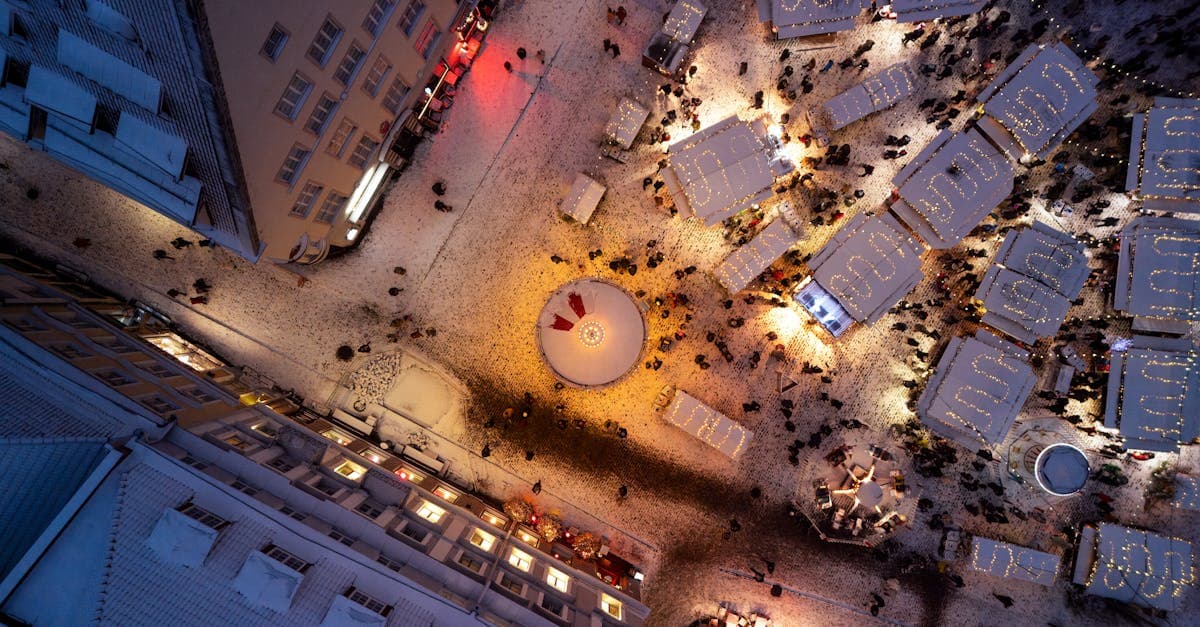
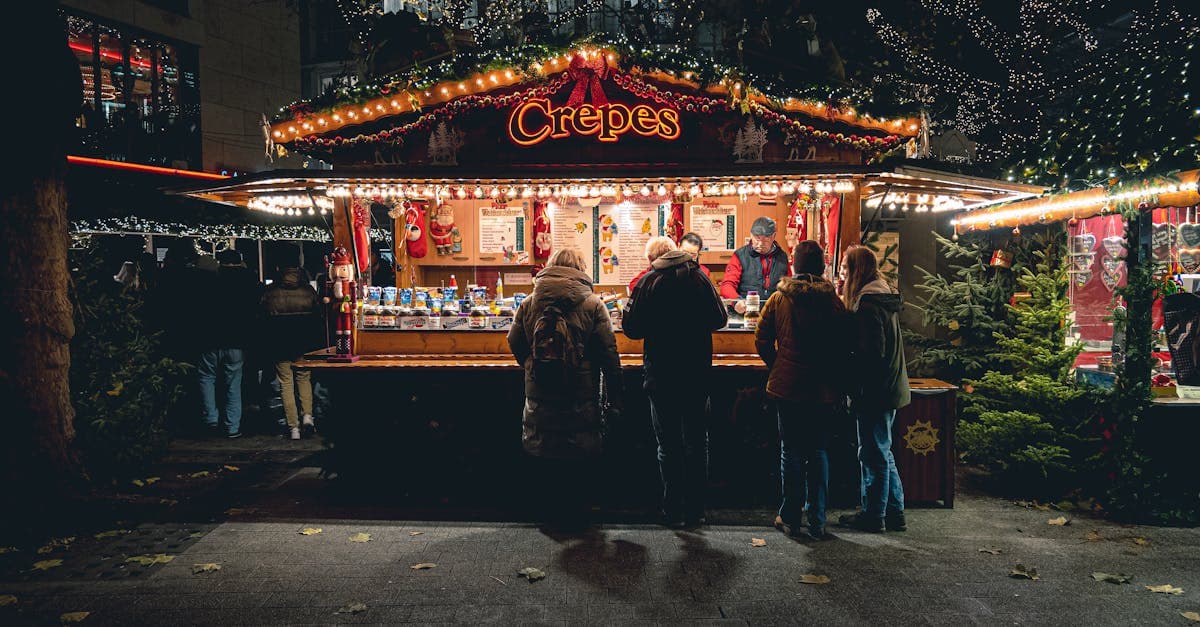
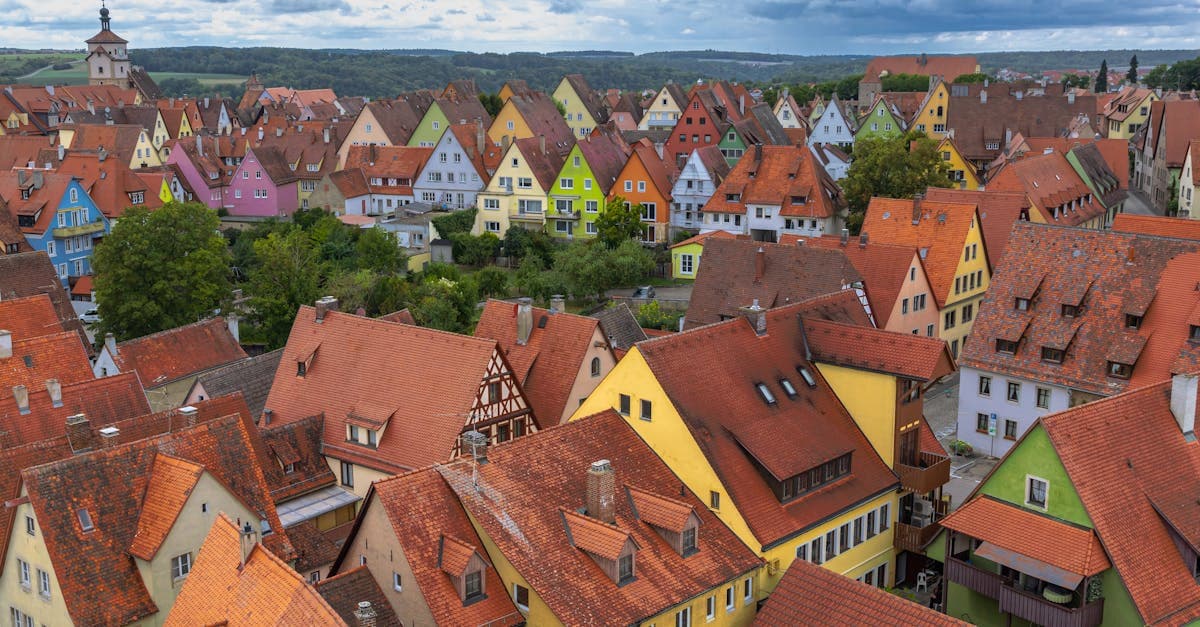
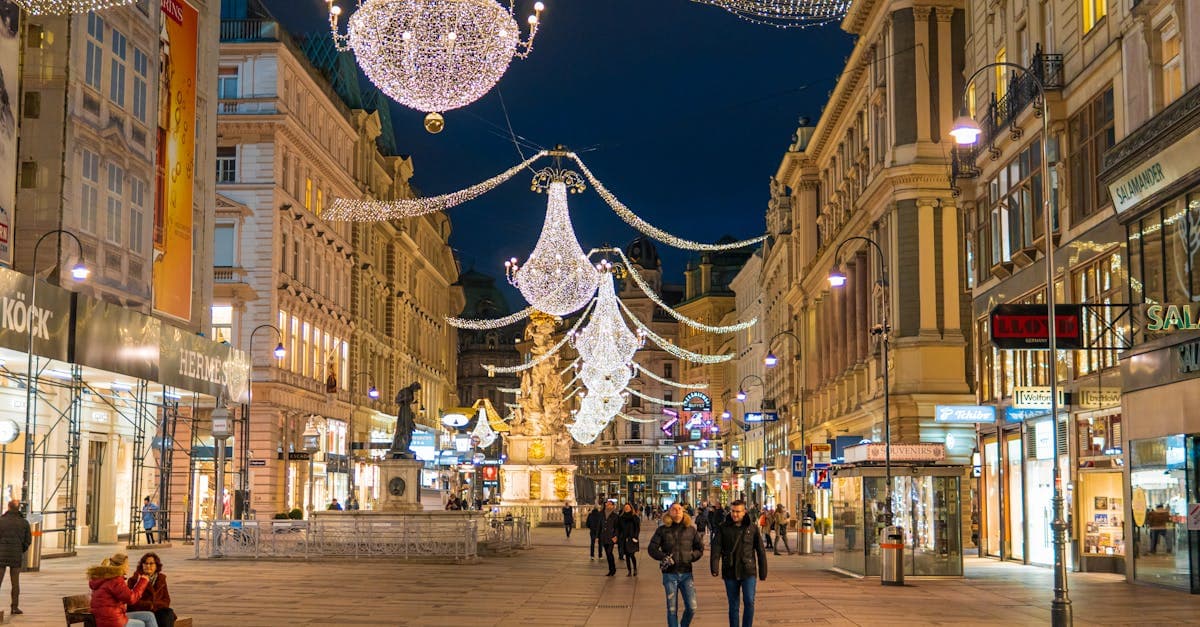
The right region depends entirely on what you want from the trip.
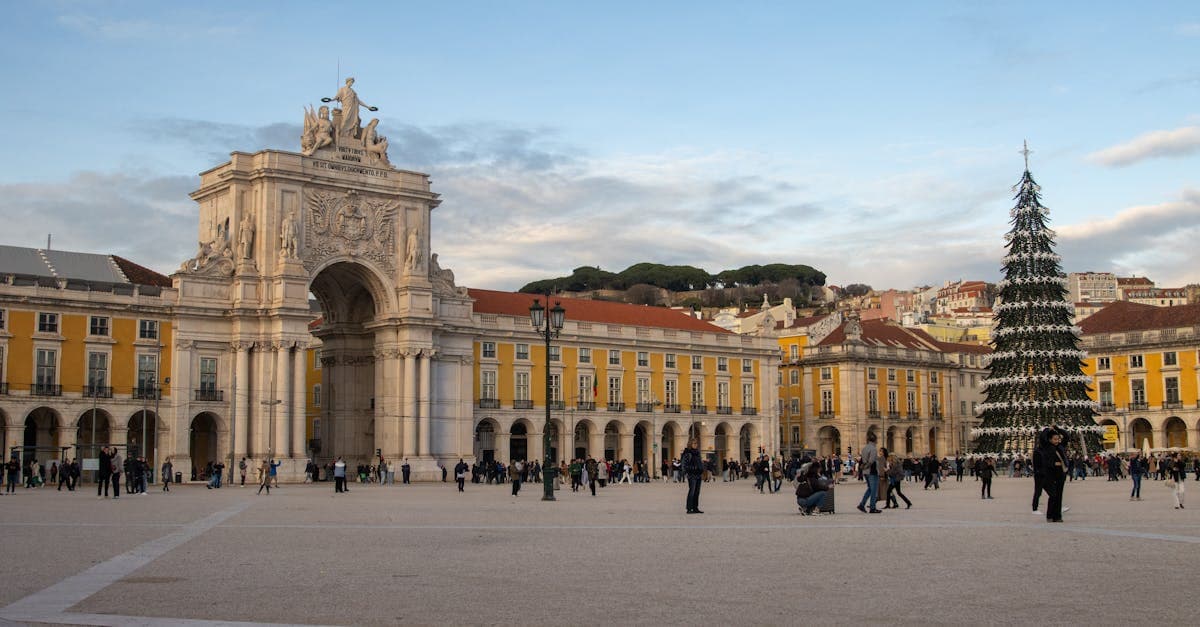
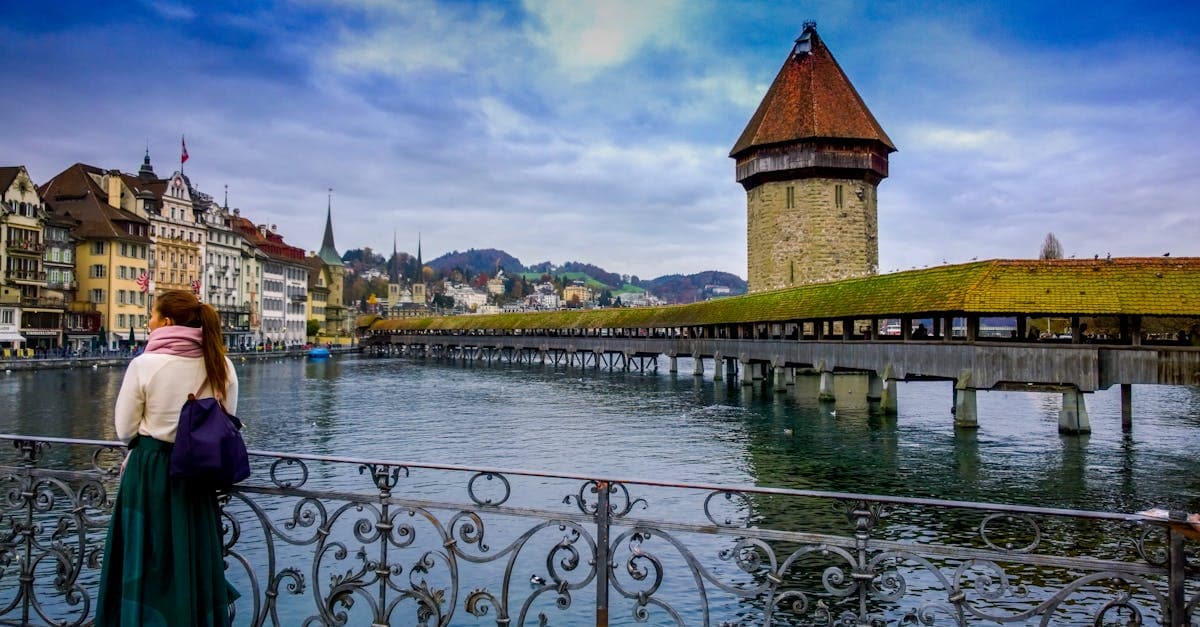
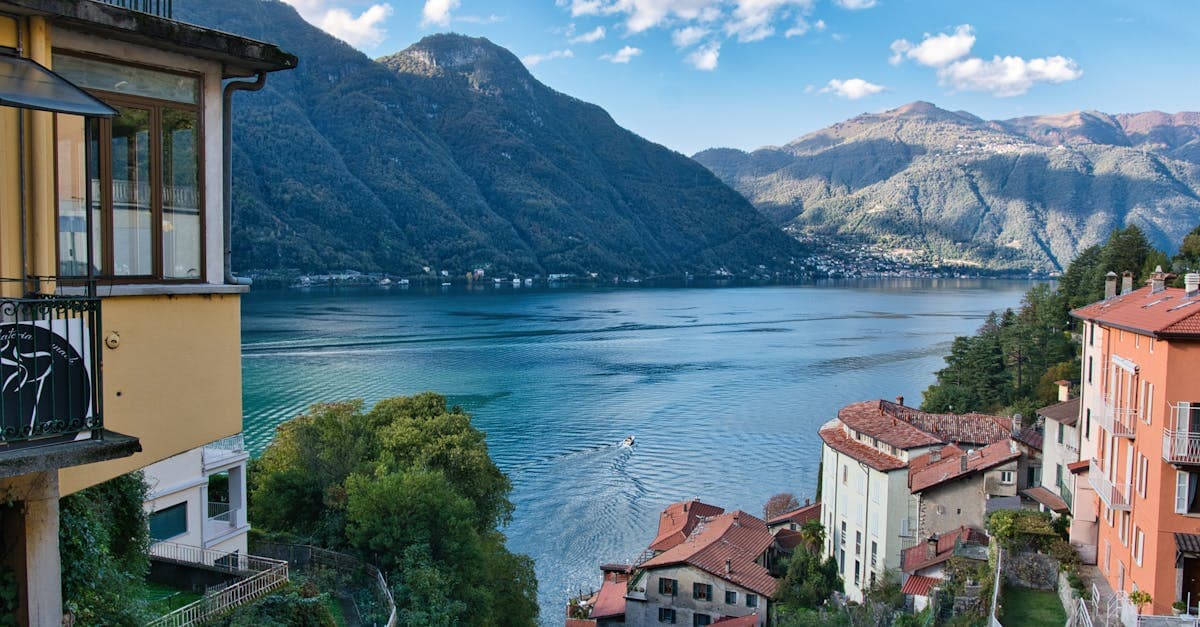
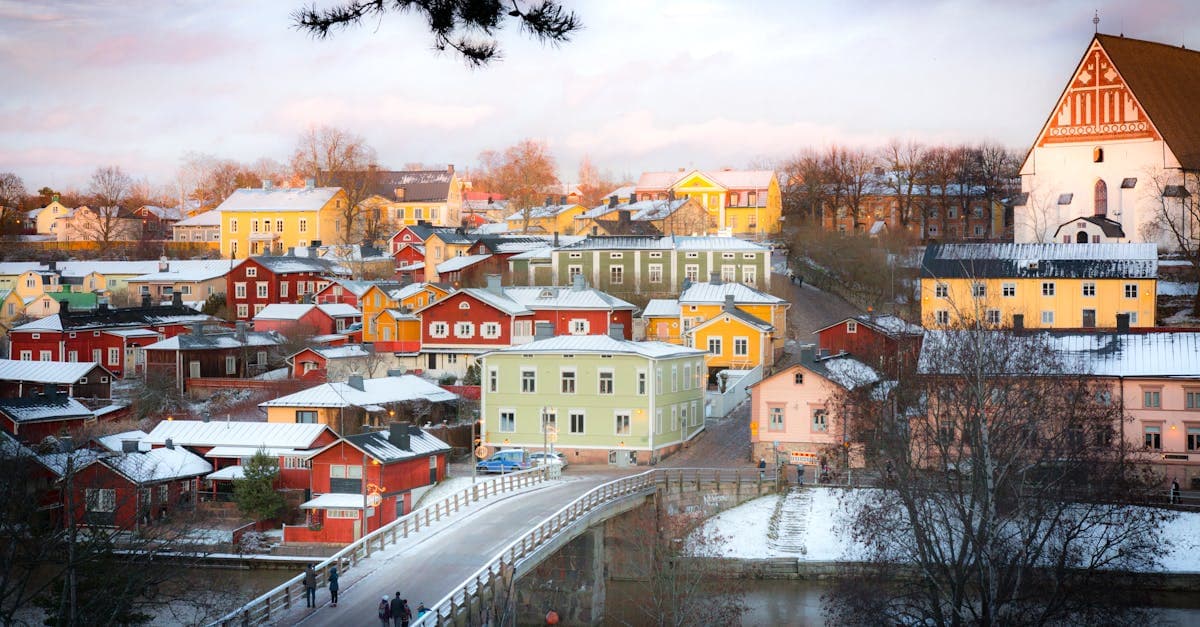
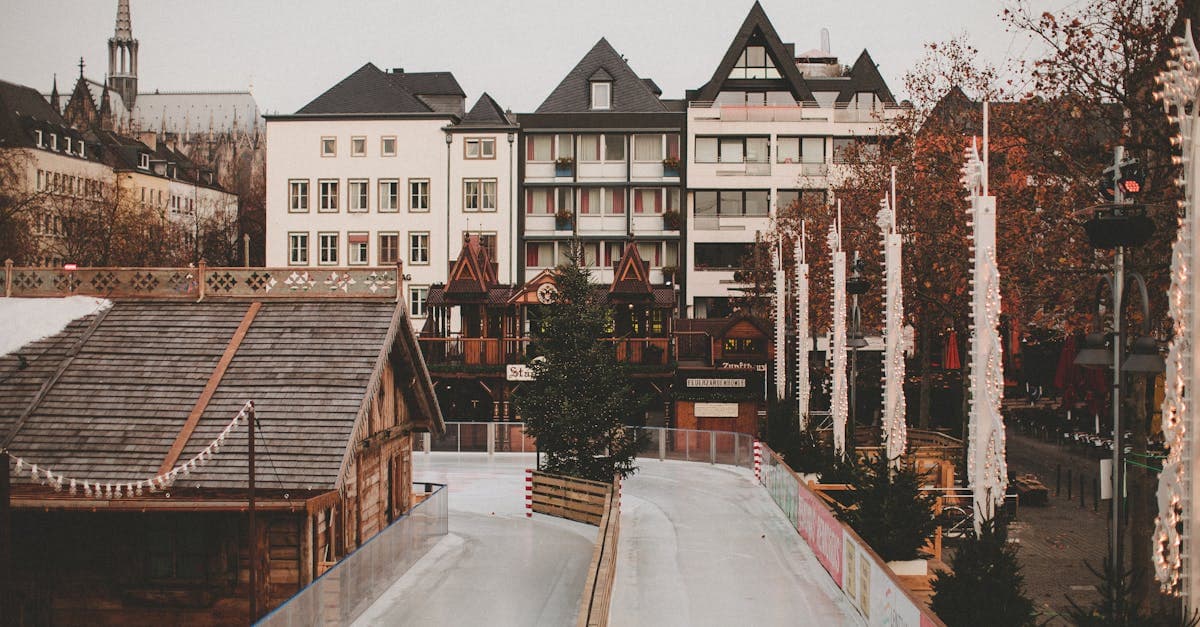
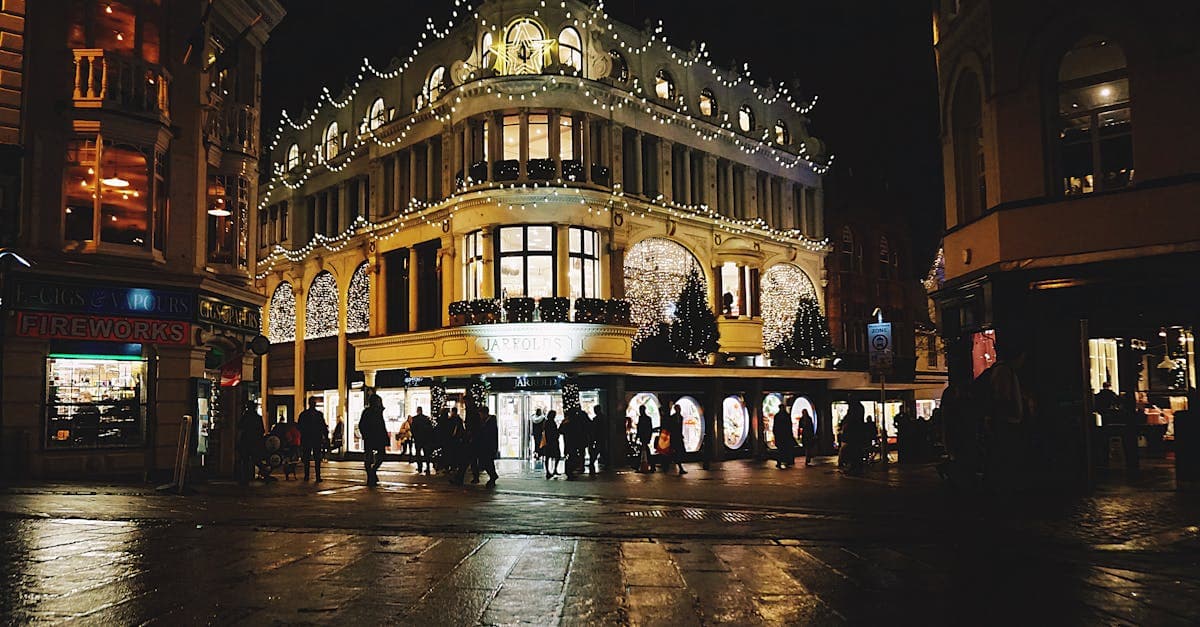
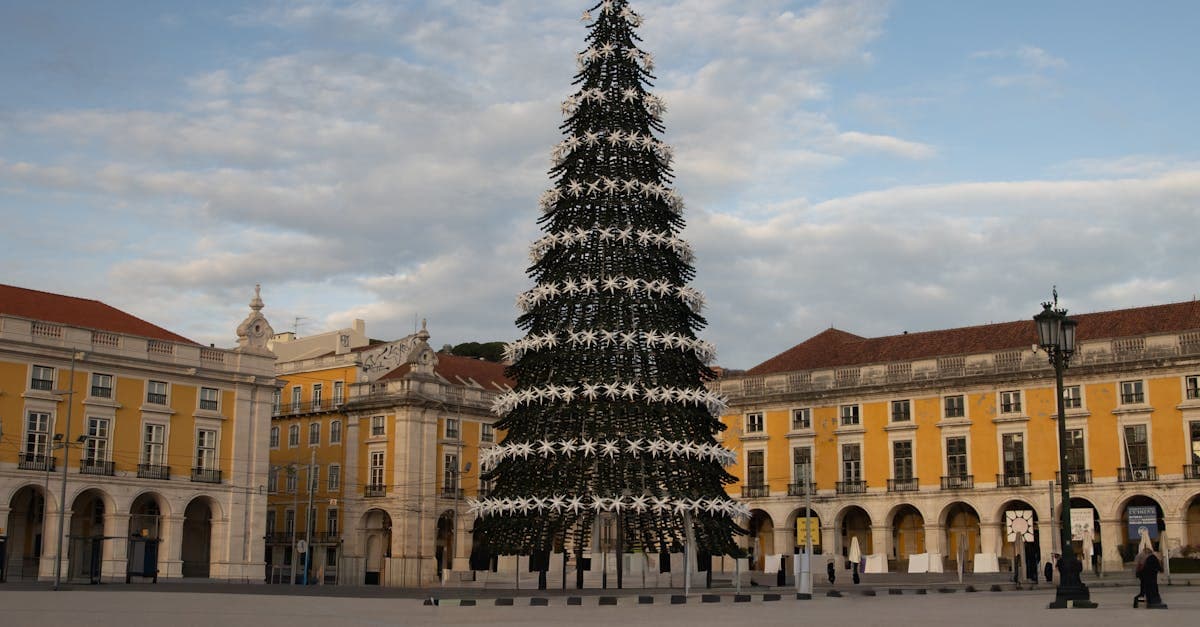
Central Europe (Vienna, Prague, Budapest, Strasbourg) delivers the quintessential Christmas market experience: mulled wine, cobblestone squares, Baroque architecture. This is the December Europe itinerary most US travelers are picturing. Southern Europe (Lisbon, Barcelona, Rome) offers mild weather, minimal queues, and genuine off-peak hotel pricing that drops significantly from summer levels across the region. Northern and Baltic Europe (Rovaniemi, Tallinn, Reykjavik) provides experiences unavailable in warmer months: Northern Lights, Arctic activities, and medieval markets at temperatures that make central European December feel tropical.
Budget reality by region: Eastern European capitals (Prague, Budapest, Krakow, Tallinn) offer accommodation significantly below what Western Europe charges for comparable quality, plus full dinners at a fraction of Paris or London pricing. Western European cities run at the mid-range hotel rates outlined earlier in this guide. Northern Europe (Copenhagen, Stockholm, Reykjavik) is the priciest cluster on this list.
By traveler type: Christmas market lovers should book Vienna or Strasbourg. Budget travelers get the most from Prague or Budapest. Warm-weather seekers belong in Lisbon or Seville, as adventuresofalice.com confirms. Culture-first travelers avoiding summer crowds should pick Rome. Off-the-beaten-path travelers should look at Tallinn or Transylvania.
The five cities that consistently outperform expectations on a first December Europe trip: Vienna for atmosphere and markets, Prague for value, Lisbon for weather, Rome for culture without queues, and Rovaniemi for a winter experience that doesn't exist anywhere else on the continent.
What Is the Most Christmassy Town in Europe?
Strasbourg's Christmas market has been running for more than 450 years, spread across 11 locations inside a UNESCO-listed Alsatian old town that fuses French and German holiday traditions into something distinct from either country's standalone markets. Its edge over the Austrian and German alternatives is intimacy. The old town is self-contained and entirely walkable, small enough that you move through the market at your own pace rather than with crowd flow.
Vienna's counter-argument is scale. Six markets citywide, Baroque Imperial architecture as the constant backdrop, and an outdoor skating rink in front of City Hall. Vienna wins on grandeur and spectacle. Strasbourg wins on cultural specificity and a setting that still feels like a working town rather than a holiday installation.
For pure medieval Christmas atmosphere with the fewest crowds relative to its top-tier reputation, Rothenburg ob der Tauber makes the strongest case. The Kathe Wohlfahrt shop occupies an entire historic building; the attached Christmas Museum covers the genuine history of German market traditions in real depth.
Nuremberg's Christkindlesmarkt carries one of Germany's oldest formal market traditions, anchored by the annual Christkindl opening ceremony. The local Lebkuchen gingerbread has regional quality and specificity that most other markets can't replicate.
US travelers who find cold weather a dealbreaker have real options within Europe. Seville averages 63F in December. Las Palmas on Gran Canaria (technically part of Spain, sitting in the Atlantic off the West African coast) averages 72F. Both deliver genuine European culture with actual winter warmth, and neither appears on most December Europe shortlists.
Get Connected Before You Go




Frequently Asked Questions
Central Europe offers the most iconic December experience, with Vienna, Prague, and Budapest delivering cobblestone Christmas markets, mulled wine, and festive atmosphere. Western Europe's Strasbourg and Nuremberg are ideal for classic Christmas market traditions, while southern cities like Lisbon and Barcelona suit travelers who prefer milder winter temperatures above 55°F.
Vienna is often cited as the most Christmassy city in Europe, with six Christmas markets citywide drawing around 3 million visitors per season. Nuremberg's Christkindlesmarkt, held in the main market square since the 1600s, is widely considered the market that set the template for all others. Strasbourg, running Europe's oldest Christmas market since 1570 across 11 locations, is another top contender.
Lisbon is Europe's warmest major city in December, averaging a 59°F high with no snow and only 11 rain days. Barcelona is another mild option at 55°F with just 7 rain days. Both cities offer hotel rates 35 to 40 percent below their summer peaks, making them strong choices for budget-conscious travelers seeking mild winter weather.
Vienna, Prague, and Lisbon are the top picks for most US travelers in December. Vienna leads for Christmas market atmosphere, Prague offers a near-identical experience at 40 to 50 percent lower accommodation costs, and Lisbon is the best choice for mild weather. London, Budapest, Barcelona, Rome, and Strasbourg round out the strongest December destinations depending on priorities.
Early December, from December 1 through 15, is the sweet spot for value. Round-trip flights from New York to major European hubs average $550 to $750 in early December, compared to $900 to $1,400 in late December. Christmas markets are open, crowds at major sights are thin, and fares are 30 to 60 percent lower than holiday-week rates.
December sees 30 to 50 percent fewer visitors at major European attractions compared to July and August. Sites like the Colosseum, Vatican Museums, and the Louvre have no timed-entry scrambles or crowd-management ropes. Walking straight into the Colosseum without a gate wait, which requires two to three hours in summer, is a realistic expectation in December.
Most Christmas markets open in late November and close on December 23 or 24. Smaller markets often shut down well before December 24, so verifying exact dates before booking flights is essential. Building an itinerary around a market that has already closed is a common mistake that travelers report each January.
A cup of hot mulled wine at European Christmas markets typically costs $4 to $6. Entry to virtually every market is free, making the overall experience affordable even at major markets like Vienna and Nuremberg that draw millions of visitors per season.
Yes, Prague is one of the most affordable major European cities in December. A solid three-star hotel room runs $60 to $90 per night, and full sit-down dinners with wine average $12 to $18. Accommodation costs run 40 to 50 percent below comparable options in Vienna, with a similar cobblestone Christmas market atmosphere.
Lisbon averages a high of 59°F and a low of 48°F in December, with around 11 rain days and no snow. It is the warmest major European city on the December travel circuit, putting it in a different weather category than Vienna, Prague, or Budapest, which can dip below freezing.
Packing needs vary significantly depending on your destination. Cities like Lisbon and Barcelona require only a light jacket and layers, while Vienna, Prague, and Budapest call for a proper down jacket and waterproof boots as temperatures can drop to 30°F and below. Tallinn averages a 32°F high with sub-freezing nights, so heavy thermal gear is essential there.
Strasbourg's Christmas market dates to 1570, making it France's oldest and one of Europe's oldest Christmas markets. It spans 11 locations across the Alsatian city and draws roughly 2 million visitors over its six-week run. The market features a 30-meter tree on Broglie Square as its central landmark.
Budapest and Prague have very similar budget profiles in December, with both offering accommodation and dining at 40 to 50 percent below Vienna's prices. Budapest adds the unique draw of the Szechenyi thermal baths, where evening tickets cost about $25 and soaking outdoors in near-freezing air temperatures is a local tradition rather than a novelty.
London is among the most expensive European capitals in December. Accommodation ranks at the top of the European pricing spectrum, and the pound-to-dollar exchange rate adds additional cost for US travelers. The major national museums are free year-round, and Hyde Park Winter Wonderland offers free entry to the main market area, which helps offset some expenses.
Rothenburg ob der Tauber is Germany's best-preserved medieval town, about 90 minutes by train from Nuremberg. It treats Christmas as a year-round identity, with the Kathe Wohlfahrt shop filling an entire historic building with ornaments and hand-carved decorations. The market is far less crowded than Nuremberg's, making it a practical half-day or overnight add-on rather than a standalone destination.
US carriers typically charge $10 to $12 per day for roaming across Europe, which adds up quickly on a multi-country December itinerary. An eSIM activated before departure sidesteps per-day billing entirely and provides coverage across 30 or more European countries, with no need to buy a local SIM at each destination.
The dollar-to-euro exchange rate has been near parity, which makes daily budgeting straightforward for US travelers. This makes European spending relatively predictable, with one US dollar buying close to one euro, unlike periods when the exchange rate significantly disadvantaged American visitors.
Sources
- The Best Winter Destinations in Europe — heleneinbetween.com (2026)
- ginaonaplane.com — ginaonaplane.com
- adventuresofalice.com — adventuresofalice.com
- Europe winter destinations: Fairytale landscapes, Magical ... — zestinatote.com
- Short Christmas trip to Europe--suggestions for location — community.ricksteves.com