Sort your phone data at the same time: install a HelloRoam USA eSIM before you fly, and your insurer's app, maps and messages home all work from the moment you land.
Terrorism is the FCDO's main safety warning for the USA

The FCDO's safety advice says terrorists are very likely to try to carry out attacks in the US. Attacks could be indiscriminate, including in places visited by tourists, such as crowded places, transport networks, sporting and cultural events, and places of worship. Stay aware of your surroundings, follow local media and call 911 in a life-threatening emergency.
 Get your USA eSIM before you flyInstall it at home, then switch on data roaming for it when you land. From £2.14.See USA plans
The FCDO says violent crime and gun crime rarely affect tourists. It still advises care in unfamiliar areas, and not walking through quieter areas alone, especially at night. Gangs may target cars driven by people who look like tourists, so never leave passports in a hire car, and especially not in the boot.
Protests are common and can become violent. Local authorities may bring in curfews or emergency orders, so follow their instructions, and move away from a crowd if there are signs of trouble.
Laws can differ from state to state, and you are subject to both state and federal law. The legal age for buying and drinking alcohol is 21 across the US. Illegal drugs, including cannabis, carry severe penalties, even when you are only passing through an airport. Always carry a passport that shows your permission to be in the US.
The FCDO can update this advice at any time, so read it again in the week you fly and sign up for its email alerts.
British citizens need an approved ESTA or a US visa before they fly
The FCDO's entry requirements for travellers on a full British citizen passport say you must have an ESTA or a visa before you travel, even to change planes in the US. ESTA is the online approval for the Visa Waiver Program, which covers tourism and business stays of up to 90 days. You need it to arrive by land or sea too, for example from Canada.
Apply on the official ESTA website or the ESTA Mobile app. You need an e-passport, the kind with an electronic chip. US Customs and Border Protection (CBP) recommends applying as soon as you start planning, before you buy flights.
The US Embassy in London adds that you should apply at least 72 hours before you board. It also warns about private websites that charge an extra fee to apply for you. CBP says these sites are not connected to the US government and will not speed up approval. CBP cannot refund what you paid them, the embassy says. If you applied through one, check your ESTA on the official website with your application number.
From 16 October 2026, an ESTA costs $40.62, according to a Department of Homeland Security notice in the Federal Register. If the application is refused, the charge is $10.62. A 2025 US law raised the fee from $21 to $40, and yearly inflation adjustments have added the rest.
An approval usually lasts two years, or until your passport expires if that is sooner. CBP's answers on ESTA say a new passport, a change of name or a changed answer to any of the yes or no questions means a new application and a new fee.
The FCDO adds that CBP now requires a selfie photograph. If your ESTA does not have one, you may need to apply again, so check your ESTA account before you travel.
Some people cannot use ESTA. The FCDO says you may not be able to apply if you have been arrested, even without a conviction, have a criminal record, have been refused entry to or deported from the US, or have overstayed on an ESTA before. You normally cannot apply if you were in Iran, Iraq, Libya, North Korea, Somalia, Sudan, Syria or Yemen on or after March 2011, and you cannot apply if you were in Cuba on or after 12 January 2021.
If you are not eligible for an ESTA, you must apply for a US visa instead, and the FCDO warns that visa appointments at the US Embassy in London are limited. Travelling on an ESTA when you are not eligible can lead to detention and deportation. If you are unsure how the rules apply to you, contact the US Embassy or a consulate in the UK.
US border officers decide entry and can check your phone

An ESTA or visa does not guarantee entry. The FCDO says the authorities may refuse you entry if, for example, they believe you plan to stay longer than allowed or you gave inaccurate or incomplete information. The US enforces entry rules strictly, and breaking the terms of your entry or overstaying can lead to detention, removal and future bans.
Officials may ask to inspect your electronic devices, emails, text messages and social media activity. If you refuse, they can delay or deny your entry. Customs rules are strict too: you must declare anything that may be prohibited or subject to tax or duty.
Children aged 17 and under need their own ESTA or visa. A child travelling alone, with one parent or with an adult who is not a parent or legal guardian must carry a letter of consent from one or both parents, preferably in English and notarised. British-US dual nationals must enter and leave the US on a US passport.
Your GHIC does not cover treatment in the USA
The UK Global Health Insurance Card (GHIC) gives you necessary state healthcare on the same terms as residents in the European Economic Area and a few other places, including Montenegro, Australia and, for British nationals, Switzerland. The USA is not on the NHS list of places where it works, or where an old EHIC works. Elsewhere, the NHS says, you pay for treatment unless the UK has a healthcare agreement with that country.
In the USA, the FCDO says, medical treatment is expensive and there are no special arrangements for British visitors. GOV.UK's travel insurance guide gives an example: without insurance, a stomach bug or infection treated in a US hospital, with possible medical evacuation or repatriation, can cost you £150,000 or more.
Under a 1986 law known as EMTALA, hospitals that take part in Medicare and offer emergency services must screen and stabilise anyone with an emergency, whatever their ability to pay, the US agency CMS says. That does not make the care free. The FCDO says some hospitals ask non-US residents for a deposit when they are admitted. Send any request for money to your insurer first, and pay the hospital only if your insurer tells you to. Your care will not be affected while the claim is processed.
In an emergency, dial 911 and ask for an ambulance. If you are referred to a hospital or clinic, contact your insurer or its medical assistance company quickly.
US travel insurance should cover private hospitals and the flight home
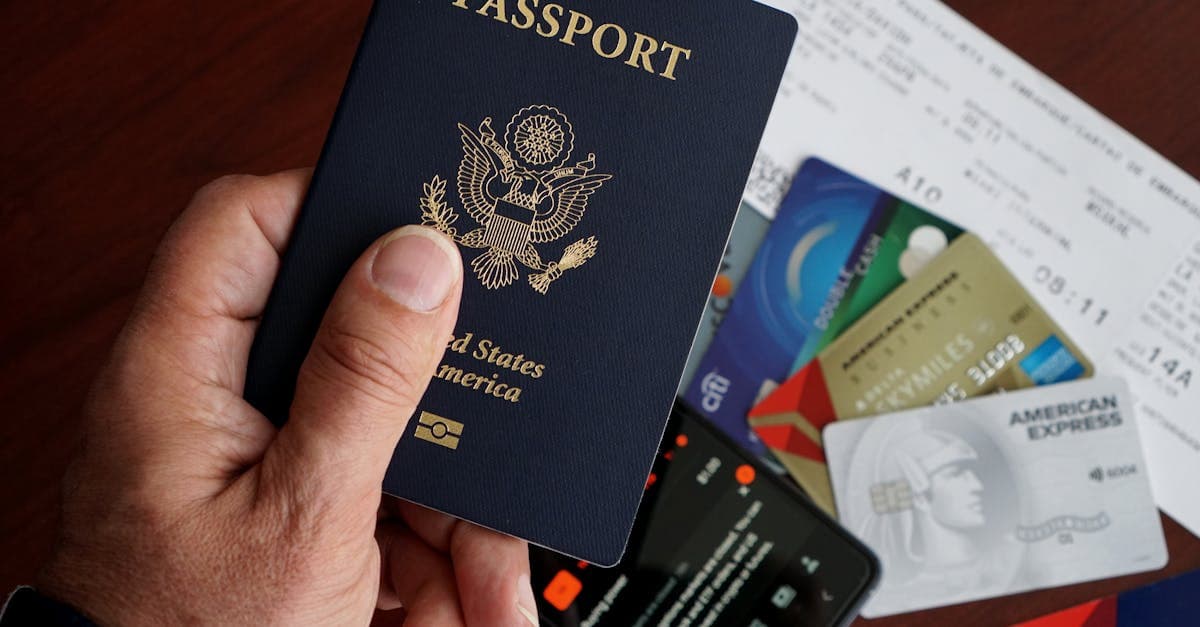
The FCDO advises insurance that covers your itinerary, planned activities and the costs of an emergency. GOV.UK's insurance guide lists what to check. For a US trip, make sure the policy covers:
- the USA, and every country you pass through, even if only in transit
- treatment in state or private hospitals
- emergency transport such as an ambulance, which is often charged separately
- emergency travel home on medical grounds, and getting home after treatment if you cannot use your original ticket
- the full length of your trip
- every medical condition you declare and every activity you plan
Buy the policy as soon as you book, so it can cover costs you cannot get back if you have to cancel. The Association of British Insurers (ABI) says you must buy it before you leave the UK at the latest, because policies are designed for trips that start and end there.
Read the exclusions too. GOV.UK says most insurers offer only limited cover for terrorist acts, and most policies do not cover events after you have drunk too much alcohol or taken recreational drugs.
Save your policy number and your insurer's emergency number on your phone, as the ABI suggests, and share the details with family or friends at home, as GOV.UK advises. If it is not an emergency, the ABI says to call your insurer before you seek medical help.
Annual and single-trip policies both limit how long you can be away
An annual multi-trip policy can cover several US trips in a year, but GOV.UK warns that many policies set a maximum length for each trip, a yearly limit on time outside the UK, or both. A longer US stay needs a policy that allows it, such as single-trip or long-stay cover, so check the maximum before you buy.
Annual policies can also carry age limits, GOV.UK adds. The ABI recommends shopping around and comparing quotes and policies from different insurers.
Declare every medical condition when you buy cover
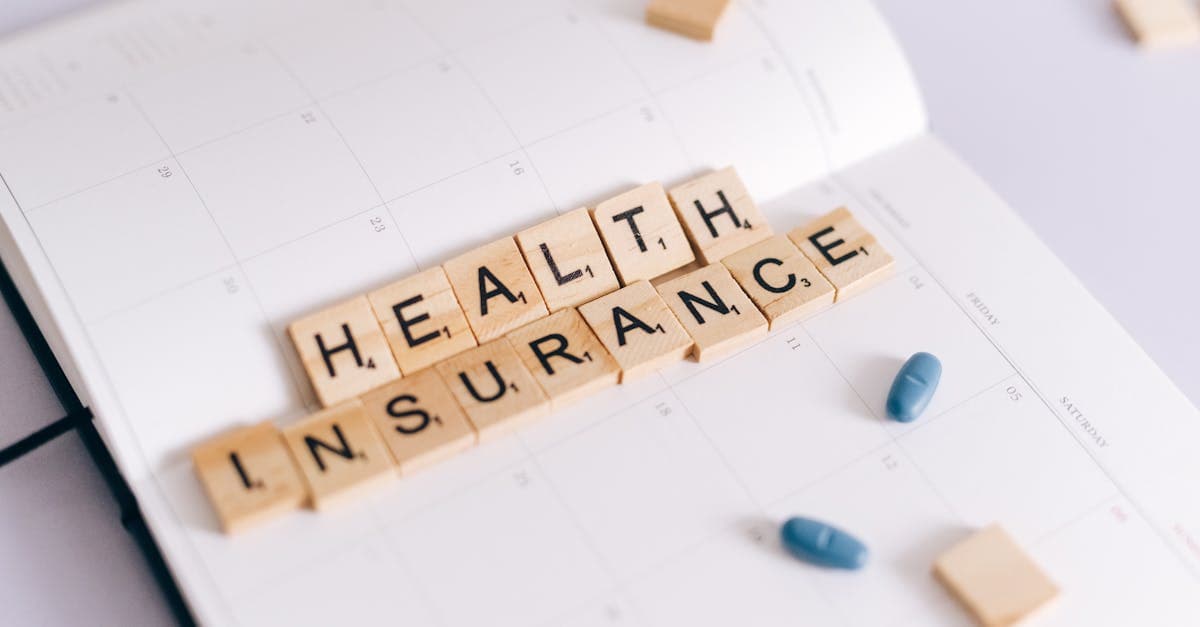
GOV.UK's guide says to declare existing physical and mental health conditions, including pending treatment or tests, so you are covered if there are related complications on your trip. Failing to declare something may invalidate your insurance. The ABI adds that if you do not disclose a condition in full, the policy will not pay medical costs if you fall ill abroad because of it.
The rule is the same for a past kidney stone as for an aortic aneurysm: declare it, then read what the policy covers.
For a serious medical condition, GOV.UK says you may need a specialist insurer. It points to the British Insurance Brokers' Association (BIBA) Travel Medical Directory of specialist providers, and to the MoneyHelper travel insurance directory.
The ABI also says travel insurance will not cover you if a doctor has told you that you are unfit to travel. The FCDO says checking your cover is particularly important if you have a health condition or are pregnant.
UK prescriptions are not valid in the USA

The FCDO's health advice says UK prescriptions are not valid in the US. To get medicine from a pharmacy there, you need a prescription from a US provider, such as an urgent care facility, an emergency room or a doctor.
Some prescription drugs cannot be taken into the US. Check the US Food and Drug Administration's information on bringing medicines in, and the NHS advice on taking medicine abroad, before you pack.
For vaccines, the FCDO says to check TravelHealthPro's advice for the US at least 8 weeks before you go. It lists Zika and West Nile virus among the health risks, and altitude sickness in parts of the country.
Hurricanes, wildfires and snowstorms can disrupt a US trip
The FCDO says the Atlantic hurricane season normally runs from June to November, and the Pacific season from May to November. Hurricanes can affect coastal regions, Hawaii and Guam. In the season, check the US National Hurricane Center, follow any evacuation orders and ask your airline about disruption.
Wildfires are a danger in many dry areas, particularly canyons, hills and forests, and high winds can spread them fast. Snowstorms can cause power cuts, delays and cancellations at major transport hubs. Tornadoes can happen at any time, depending on the weather. Earthquakes can happen anywhere in the US, with a higher risk in Alaska, California, Hawaii, Oregon, Puerto Rico, Washington and the Mississippi River Valley.
Check how your policy treats these events. GOV.UK says some policies offer only limited cover for natural disasters, and claims linked to strikes or civil unrest may not be covered, especially if the event was already public when you booked or bought the policy.
Hire cars, hikes and ski trips need extra checks

You can drive in the US on a UK photocard licence, the FCDO says, but you may also need the 1949 International Driving Permit (IDP), as the rules vary by state. You cannot buy an IDP outside the UK, so get one before you fly. Hire companies often set stricter rules, such as a year of driving experience, a higher minimum age or an IDP.
Check what the hire company covers you for, as GOV.UK's insurance guide advises. The FCDO also says to avoid leaving anything on display in the car, and not to sleep in it by the road or in rest areas.
For skiing, mountaineering and other higher-risk sports, the FCDO says your insurance should include mountain rescue, helicopter costs and repatriation. Off-piste skiing can invalidate your insurance, and standard policies do not usually include sports such as winter sports, bungee jumping or skydiving, so declare each activity when you buy.
On hikes, check the forecast, carry a map, compass, GPS and a way to call for help, and leave a copy of your itinerary with someone, the FCDO advises.
Staying online in the USA: networks, national parks and your UK number
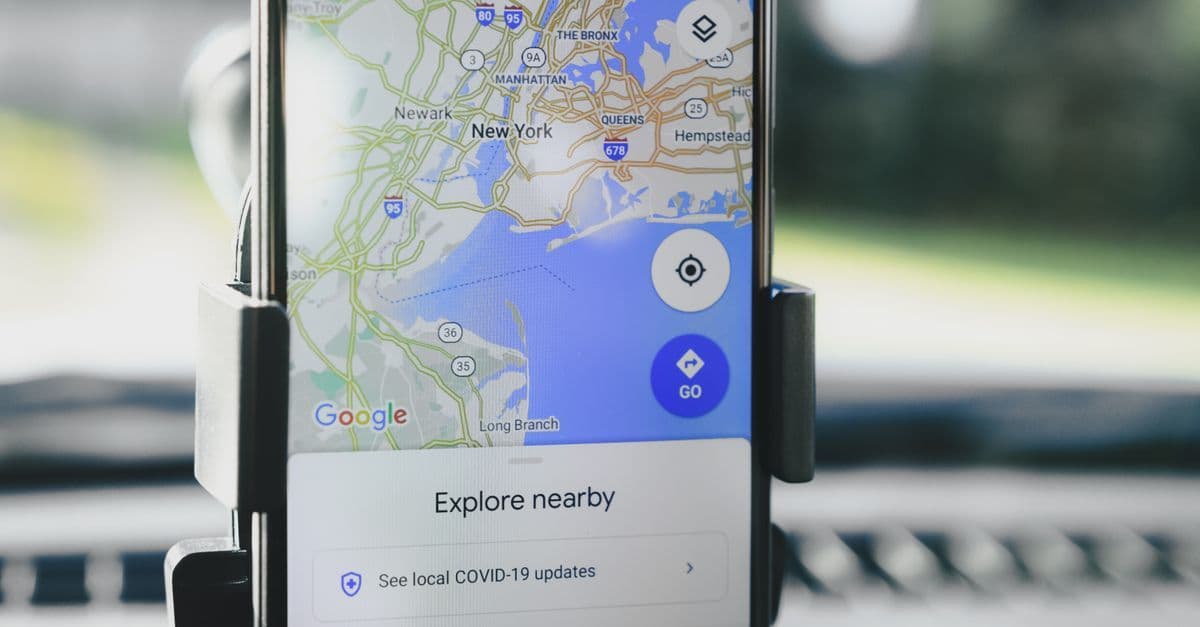
Much of this trip runs through your phone: the ESTA account, your insurer's app and emergency number, maps and messages home. HelloRoam's US plans connect to the AT&T and Verizon networks. First, make sure your phone supports eSIM, then install it at home before you fly, so it is ready when you land.
Keep your UK SIM in the phone for calls and texts, so bank security codes can still reach you, and use the eSIM for mobile data. If you would rather stay on your UK plan, check how UK roaming charges work before you go.
If the trip also takes in Canada or Mexico, HelloRoam's North America plan covers the USA, Canada and Mexico on one eSIM. To pick a plan size, estimate your data needs first. If the eSIM will not connect after you land, our support team answers 24/7 by email and WhatsApp.
Signal has gaps in remote areas. The National Park Service says cell service is extremely limited in Yellowstone: towers at places such as Old Faithful, Mammoth Hot Springs and Grant Village serve most developed areas, and texting usually works best. Download offline maps before you head into any large park.
Questions travellers ask
Do I need travel insurance for the USA from the UK?
Not for entry: travel insurance is not on the FCDO's list of entry requirements for the USA. The FCDO's health advice still says to make sure you have adequate travel health insurance, and funds you can reach, to cover the cost of any medical treatment and repatriation.
Sources
- USA travel advice: warnings and insurance (FCDO)gov.uk
- USA travel advice: entry requirements (FCDO)gov.uk
- USA travel advice: safety and security (FCDO)gov.uk
- USA travel advice: health (FCDO)gov.uk
- Foreign travel insurance (FCDO, GOV.UK)gov.uk
- Certain DHS immigration-related fees required by HR-1: FY 2027 adjustments (Federal Register)federalregister.gov
- Certain DHS immigration fees required by HR-1: FY 2026 adjustments (Federal Register)federalregister.gov
- Electronic System for Travel Authorization (US Customs and Border Protection)cbp.gov
- Visa Waiver Program (US Customs and Border Protection)cbp.gov
- FAQs about the Visa Waiver Program and ESTA (US Customs and Border Protection)cbp.gov
- Get healthcare cover abroad with a UK GHIC or UK EHIC (NHS)nhs.uk
- Emergency Medical Treatment & Labor Act (CMS)cms.gov
- Travel insurance (Association of British Insurers)abi.org.uk
- Yellowstone goods and services: cell service (National Park Service)nps.gov
- CBP's Electronic System for Travel Authorization (ESTA) (US Embassy and Consulates in the United Kingdom)uk.usembassy.gov
Written by
HelloRoam Team
The HelloRoam Team writes our guides on trip planning, visas and eSIMs. For every new or updated guide, we check each fact at its source. Sources include government, park and weather service pages. We note the date we read each one. A second review then checks every fact against its source before the guide goes live. If we cannot confirm a fact, we leave it out. We link those sources inside the guide, so you can check them.