Older headlines about a Foreign Office warning no longer apply. The FCDO's own change log shows that its last advice against travel here, over COVID-19, was lifted on 6 October 2021. Advice can change at short notice, so check the FCDO page again in the week you fly. You can also sign up there for email alerts. Set up a HelloRoam eSIM for The Gambia before you fly. Your maps, airport transfer details and those email alerts then load as soon as you land.
The FCDO flags different risks in different parts of the country
The FCDO's advice covers the whole country, but the risks are not the same everywhere. This table pulls together what the FCDO's safety and security advice says about the places visitors use most.
 Get your Gambia eSIM before you flyInstall it at home, turn it on when you land. From £10.59.See Gambia plans
| Area | What the FCDO flags | What to do |
|---|---|---|
| Senegambia and the Tourism Development Area (TDA) | Bumsters on beaches; petty theft, especially at night on isolated beaches, in markets and at crowded events | Don't take valuables or large sums of cash to the beach or show them in public. Use the ATMs here, as there are few elsewhere. |
| Banjul and the main roads | Security checkpoints that are not always signposted; vehicles may be searched | Approach checkpoints slowly and carry ID. Police usually accept a printed copy of your passport. |
| Banjul to Barra ferry | Often overcrowded and overloaded, lacking life-saving equipment and rescue services, and sometimes stranded on sandbanks | Consider the Senegambia Bridge near Farafenni instead. On the ferry, leave your vehicle as soon as it is parked. |
| Rural areas and unpaved roads | Local flooding in the June to October rainy season, when the FCDO asks for extra care off paved roads | Allow extra time, follow local weather updates and expect some routes to close at short notice. |
| The border with Senegal | Bumster-run tours into Senegal that are unlikely to follow the correct immigration procedures, which could get you detained | Cross only with your passport and through immigration, never on an informal tour. |
Bumsters, theft and bribe requests are the scams to plan for
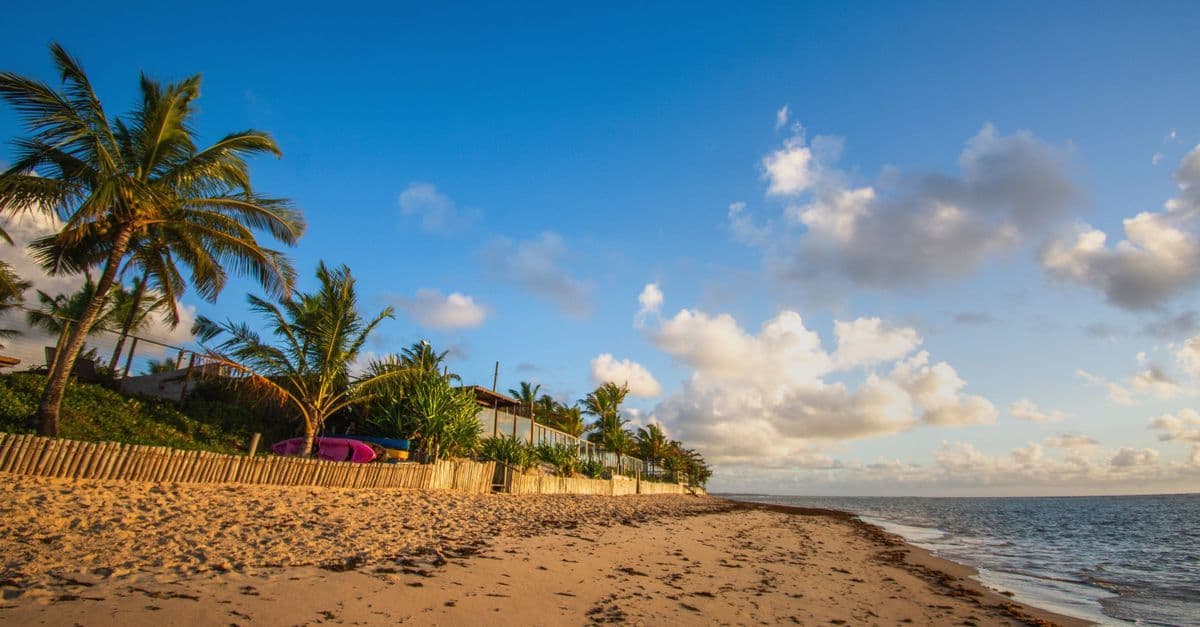
The FCDO's crime advice for The Gambia centres on bumsters, theft from hotel rooms and in tourist areas, and officials asking for bribes. Its line on bumsters is simple: be polite but firm when you turn down help you didn't ask for.
| Scam or trap | How it works | How to avoid it |
|---|---|---|
| The friendly beach guide | Young men known locally as bumsters approach tourists, mostly on beaches, offering help or to act as guides, and may then ask for money | Say no politely and firmly. Book guides and trips through your hotel or tour operator. |
| The day trip to Senegal | A bumster offers a day out across the border without going through immigration properly | Turn it down. Without the right stamps, immigration officers can detain you. |
| The hotel room theft | The FCDO has reports of passports and valuables stolen from hotel rooms | Keep a copy of your passport photo page and entry stamp apart from the passport itself. |
| The bribe request | The FCDO says corruption is present at all levels and you may be asked for a bribe | Stay calm and polite, and keep your ID on you, as foreign nationals must. |
| The parcel favour | Someone asks you to carry a package; the FCDO says entrapment by Gambian authorities is not uncommon | Never carry anything if you don't know what's inside. |
| The broken card machine | Not a scam, but card machines at the US$20 Airport Security Fee kiosks are often out of service | Carry the fee in cash for both arrival and departure. |
Gambian law is much stricter than UK law in a few areas
The FCDO describes The Gambia as an Islamic country and warns that some things legal in the UK can carry serious penalties there. Take extra care during Ramadan, when shop and restaurant opening hours may change and driving can be erratic around dusk as people head home.
- Drugs: there is zero tolerance on possession, import and export, and sentences can include fines or prison.
- Medicines: some prescription and over-the-counter medicines containing codeine or diazepam are banned. Carry a copy of your prescription, keep medicines in their original packaging, and check a specific medicine with the Gambian High Commission in the UK before you go.
- LGBT+ travellers: same-sex relationships are illegal and can lead to long prison sentences. The law also sets a 5-year jail term for men dressing as women.
- Detention: the law limits detention without charge to 72 hours, but the FCDO says this limit is regularly exceeded.
Customs rules catch people out too. The Gambia Revenue Authority's customs guide lists plastic bags as a prohibited import and says camera drones must be cleared by the Ministry of Information and Communication. You must also declare foreign currency worth more than US$10,000.
Roads, river crossings and the rainy season need extra care
The Foreign Office describes poor driving standards, badly potholed roads and weak road and vehicle lighting after dark, and says some local taxis are not roadworthy. If you plan to hire a car, a UK photocard driving licence is valid for up to 3 months.
On the river, the Banjul to Barra ferry is running but is often overcrowded, and its safety measures fall short of international standards. Wooden pirogues can be overloaded too, so the FCDO does not recommend them for long journeys. If you do board one, make sure it carries life jackets.
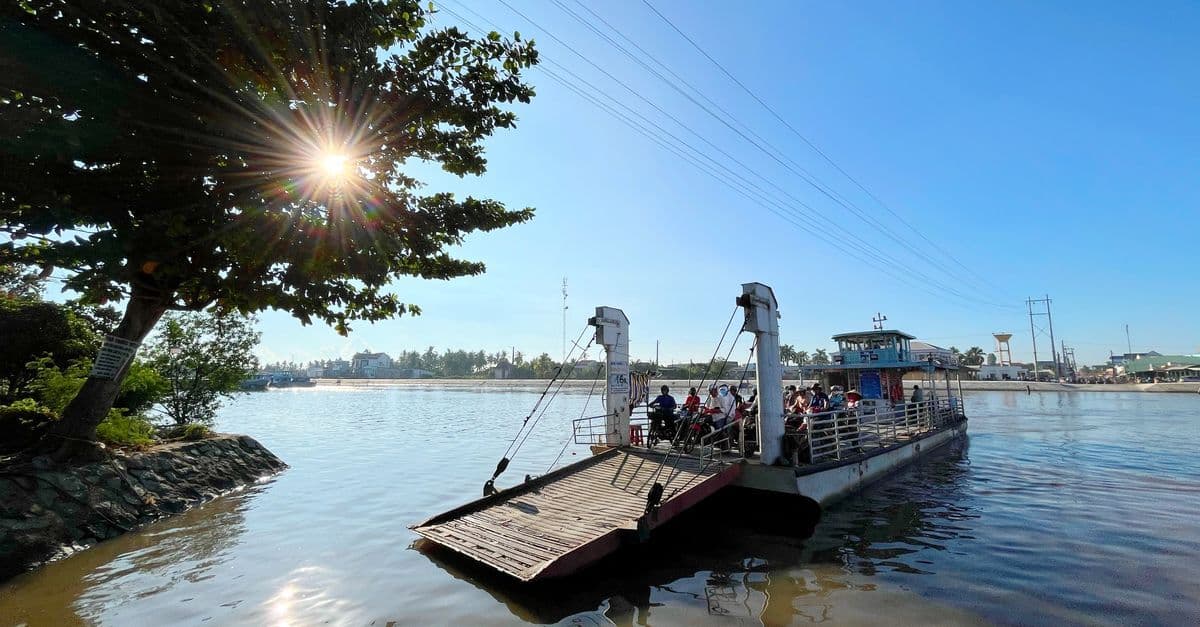
Heavy rain from June to October can cause local flooding, and fallen trees or debris can block routes. Local and nationwide power cuts can also disrupt water supplies, communications and other services. The FCDO's checklist for power cuts includes a power bank with spare cables, a torch, enough medicine and a written list of emergency numbers.
Malaria and limited healthcare are the main health risks
On its TravelHealthPro country page, the UK's National Travel Health Network and Centre (NaTHNaC) rates the malaria risk in The Gambia as high. It also lists a risk of yellow fever throughout the country and a risk of dengue, and says a risk of Zika cannot be excluded. Its vaccines for most travellers are hepatitis A, tetanus, typhoid and yellow fever, with yellow fever from 9 months of age. The FCDO advises checking vaccine recommendations at least 8 weeks before your trip, so book a GP or travel clinic appointment early.
Yellow fever paperwork can matter at the border. You need a vaccination certificate to enter if you're aged 9 months or over and arriving from a country with a risk of yellow fever transmission, or after more than 12 hours in transit at an airport in one. You may also need one to travel on from The Gambia to some other countries.
Fresh water is a risk that is easy to miss. NaTHNaC warns of schistosomiasis, a parasite found in fresh water, and advises all travellers not to wade, swim or bathe in rivers, streams or lakes. The sea and properly chlorinated pools carry no such risk.
Medical care is the other gap. UK government advice calls facilities in The Gambia very limited, says private clinics only treat paying patients, and warns that medical evacuation can be very expensive. Check that your travel insurance covers local treatment and evacuation before you book.
The Gambia has no 999, so save these contacts before you go
There is no equivalent of the UK's 999 in The Gambia. The FCDO's getting help page explains that police and fire stations each have their own number, often a mobile, and that no published list exists. Ask at the station nearest your hotel when you arrive, and keep the number with you.
- British High Commission Banjul: 48 Atlantic Road, Fajara. Visits are by appointment only. In an emergency, contact it through the FCDO's online contact service.
- FCDO in London: 020 7008 5000, answered 24 hours. Family or friends in the UK can call if something happens to you.
- Your insurer and travel provider: contact them quickly after a serious incident. They will tell you whether they can help and what to do next.
- Gambian High Commission in the UK: for questions about entry rules or medicines before you travel.
British citizen passport holders get 28 days on arrival without a visa
As of October 2026, the FCDO says that if you hold a full British citizen passport, you don't need a visa to visit. You get a passport stamp on arrival that lets you stay for 28 days, and you can get two 28-day extensions from the Immigration Office in Banjul or the tourist police stations in the TDA. Your passport must be valid for the whole of your stay. The Gambian authorities set these rules, so read the FCDO's entry requirements for The Gambia and contact the Gambian High Commission in the UK if you're unsure how they apply to you.
You also pay an Airport Security Fee of US$20 on arrival and again on departure, at marked kiosks in Banjul International Airport. You can pay in US dollars, euros, pounds or dalasi. Children aged 1 or under and transit passengers are exempt.
Plan your cash, too. The Foreign Office calls The Gambia mainly cash-based: more hotels and restaurants now accept Visa cards, but very few take credit cards, and ATMs outside Senegambia are scarce and can be unreliable.
Four mobile networks serve The Gambia
The Gambia's Public Utilities Regulatory Authority (PURA) lists four licensed mobile network operators: Africell, QCell, Gamcel and Comium. A local SIM card from one of them is an option if you're happy to buy it after you land.
HelloRoam's plans for The Gambia connect to Africell, and our support team answers 24/7 if your phone won't get online.
To have data ready when you land, choose one of our mobile data plans for The Gambia at home and install the eSIM while you're still on Wi-Fi. If you'll mostly stay at your hotel and use its Wi-Fi, you may not need a plan at all.
Questions travellers ask
Is it safe to fly to The Gambia right now?
The FCDO currently does not advise against travel to any part of The Gambia, and its advice carries no warning about flights. You pay a US$20 Airport Security Fee at Banjul International Airport on arrival and again when you leave. Check with your airline and the FCDO page before you fly.
Can you drink alcohol in The Gambia?
Yes, alcohol is legal. The Gambia Revenue Authority lets each visitor bring in 1 litre of spirits or 1 litre of wine, or 24 cans of beer, free of duty. The FCDO describes The Gambia as an Islamic country, so respect local customs, especially during Ramadan.
Is The Gambia a good place for a holiday?
It can be, with some planning. Full British citizen passport holders don't need a visa and get 28 days on arrival. Heavy rain falls from June to October, cash matters more than cards, and healthcare is very limited, so take insurance that covers medical evacuation.
Sources
- FCDO: The Gambia travel advicegov.uk
- FCDO: The Gambia, safety and securitygov.uk
- FCDO: The Gambia, entry requirementsgov.uk
- FCDO: The Gambia, getting helpgov.uk
- FCDO: The Gambia, healthgov.uk
- NaTHNaC TravelHealthPro: The Gambiatravelhealthpro.org.uk
- Gambia Revenue Authority: Customs FAQsgra.gm
- PURA: Mobile Network Operatorspura.gm
- British High Commission Banjul (GOV.UK)gov.uk
Written by
HelloRoam Team
The HelloRoam editorial team writes about eSIM technology, travel connectivity, and mobile data tips for international travelers.