

Quick Answer: things to do in new york
New York City packs more worthwhile sights per square kilometre than almost any city on earth. Central Park, the Brooklyn Bridge walk, and the High Line are free. Paid landmarks range from ~$30 for major museums to ~$44 for the Empire State Building main deck. Three days covers the Manhattan core; a week reaches the outer boroughs.
Key Takeaways - Central Park, the High Line, and the Brooklyn Bridge walk cost nothing to visit. - Paid observation decks and museums average ~$30 to ~$44 per adult. - UK visitors average 7 to 10 nights, longer than most other source markets. - Pre-book the Empire State Building, One World Observatory, and the Statue of Liberty ferry.
Carrier roaming charges on a week in New York add up faster than most British travellers expect. EE and Vodafone UK both apply daily fees in the US; an eSIM for United States from HelloRoam sidesteps carrier roaming fees entirely. It's a brisk two-minute setup you sort at home before boarding.
Quick answer: top things to do in New York
That weekly cap is New York's equivalent of an Oyster weekly travelcard: tap your contactless card or phone and the system stops charging once you hit the limit.
At 66.6 million visitors in 2019, New York's pre-pandemic record may be broken in 2026. The UK is the top European source market, and British travellers stay longer than most other nationalities, making proper planning more valuable than a rushed sprint through the headline list.
The 2026 FIFA World Cup adds urgency to summer dates. Group-stage and knockout matches head to MetLife Stadium in the New Jersey side of the metro. Hotel rates for June and July 2026 are already climbing, and demand around match days is especially dynamic. Book accommodation months ahead, not weeks.
The full list is long. Here is what actually deserves your days.
What not to miss when visiting NYC?
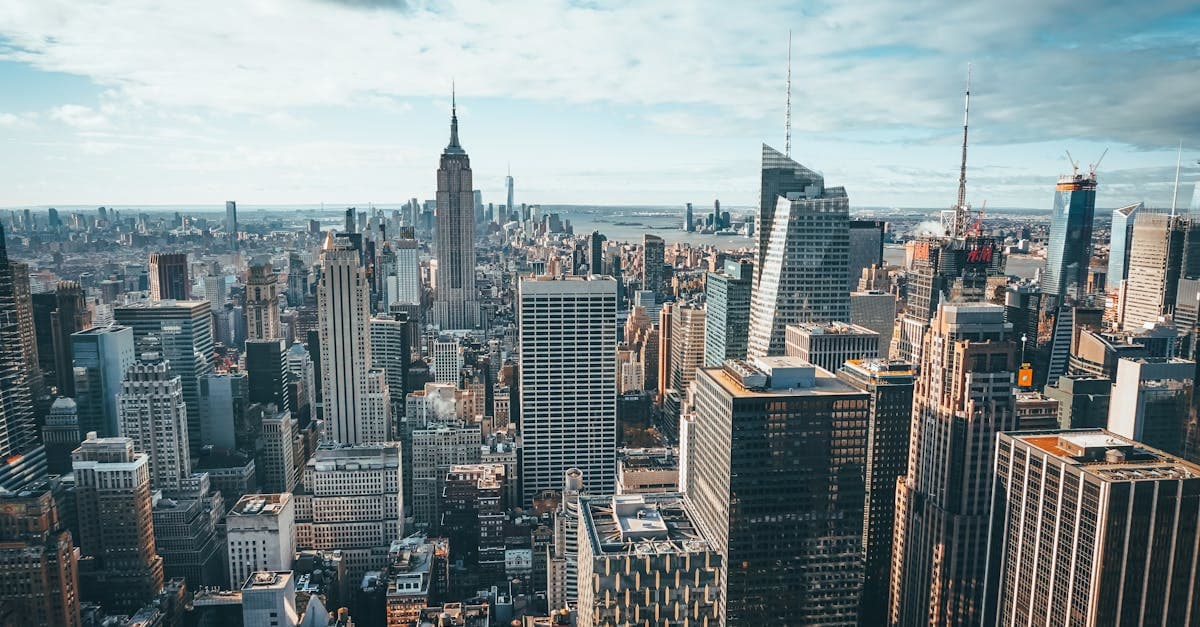
Most of Manhattan's must-see icons sit within a 5km walkable zone, stretching from Battery Park in the south to Central Park's edge at 59th Street. That compact footprint tempts first-timers into cramming everything into one day.
Resist that instinct.
The practical approach works in three tiers:
- Free landmarks, day one: Brooklyn Bridge walk, the High Line, the 9/11 Memorial pools, Grand Central Terminal, Governors Island (ferry access at weekends). An energetic walker covers most of these comfortably in a single day.
- Paid museums, second day: MoMA, the 9/11 Museum, the Metropolitan Museum of Art, the American Museum of Natural History. Allow roughly half a day per venue; two in a single visit is possible but leaves you exhausted.
- Paid observation decks, third day or an evening: Empire State Building, One World Observatory, Top of the Rock at Rockefeller Center. Last-minute walk-up availability is unreliable in peak months.
Pre-booking is non-negotiable for the Empire State Building and the Statue of Liberty ferry during summer. The ferry in particular sells out days in advance tripadvisor.co.uk. Allow two to three full days for the Manhattan core alone before considering Brooklyn, Queens, or the Bronx.
Start with the landmarks on foot, then dedicate a full day to the museums.
Must-see Manhattan landmarks
The Brooklyn Bridge walk is thirty minutes end to end, completely free, and one of the most rewarding things to do in New York City. Start from the Manhattan side and head east; DUMBO's red-brick waterfront opens below as you descend into Brooklyn, with Lower Manhattan's skyline rising behind you bookishwayfarer.com.
The High Line runs along the old freight railway from the Meatpacking District north through Chelsea to Hudson Yards. It's a lively elevated park, free to enter, and best walked on a weekday morning before it fills up. At the northern end, the Vessel is Hudson Yards' geometric staircase centrepiece, worth the detour for the architecture alone danny-cph.com.
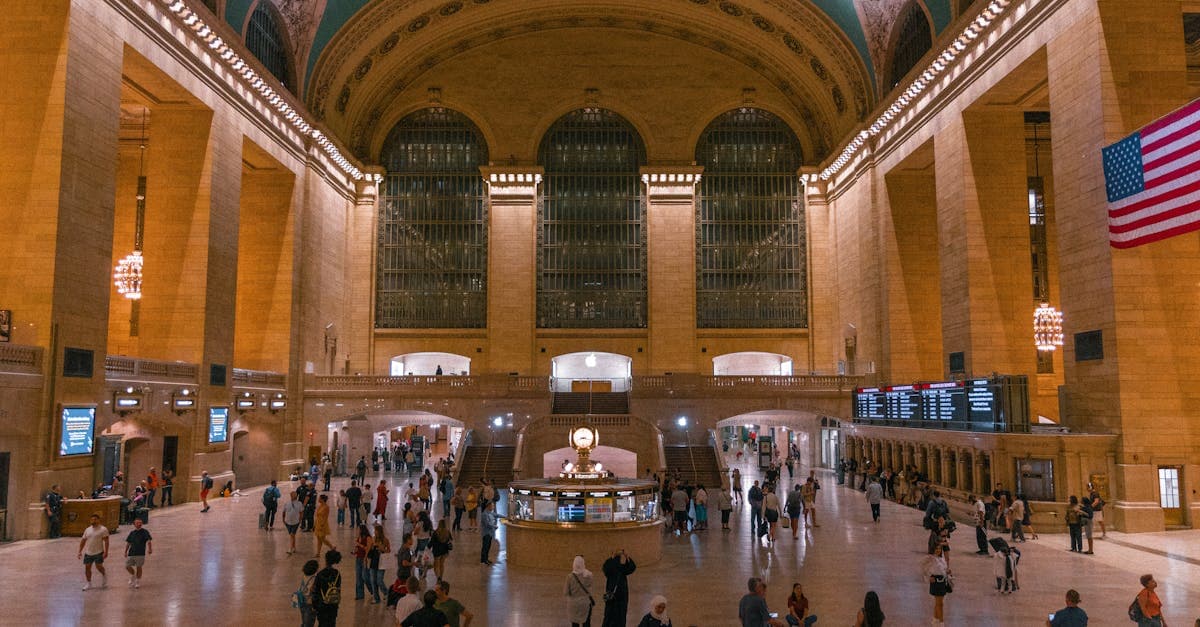
Grand Central Terminal costs nothing to enter. Walk the main concourse, look up at the Beaux-Arts ceiling, and allow an hour timeout.com.
It's a working station that happens to be beautiful.
The Flatiron Building, a triangular 1902 structure at the junction of Fifth Avenue and Broadway, is a short walk from any Midtown subway stop and free from the pavement.
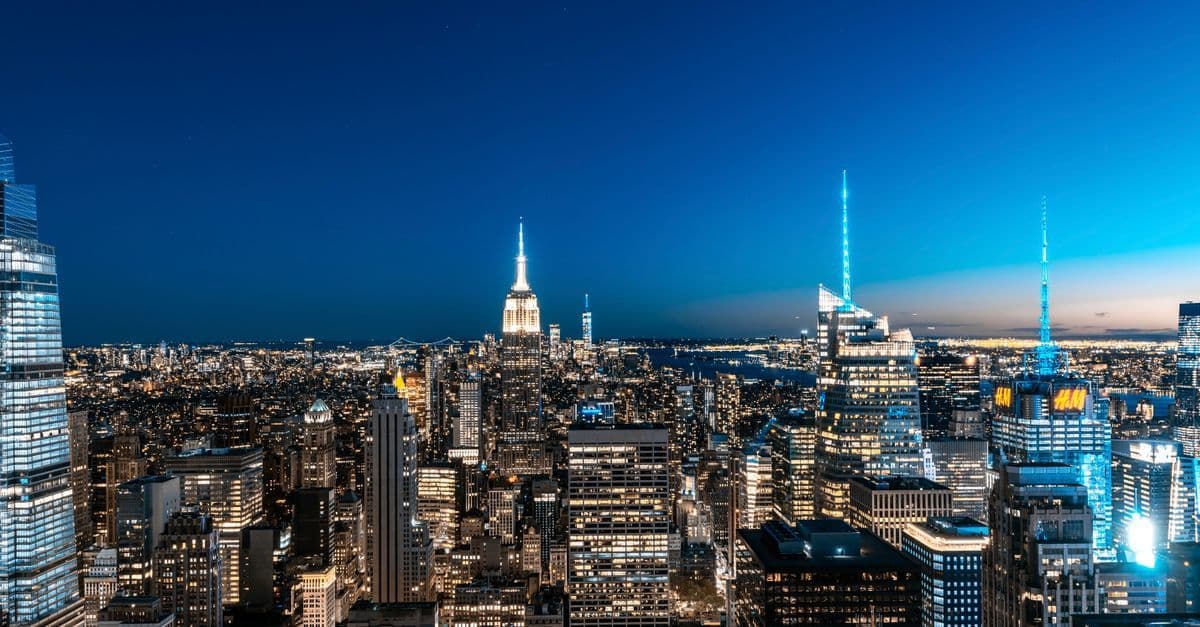
Paid viewpoints: Top of the Rock at Rockefeller Center costs ~$40 and places the Empire State Building directly in the frame of your photos danny-cph.com. The Empire State Building's own main deck charges the admission noted at the top of this guide; pre-booking is essential britishairways.com.
The museums demand a separate day, often two.
Best museums in New York
New York's top museums divide into two price tiers: the major institutions that share the standard admission noted at the top of this guide, and two outliers worth flagging upfront. The New York Transit Museum in Brooklyn charges $10. The Harry Potter store on Fifth Avenue costs nothing to walk into.
The Tenement Museum books out days ahead bookishwayfarer.com. Secure that ticket before the observation decks.
The city's museum circuit is energetic; expect queues at the flagship sites during peak season. Beyond the museums, the neighbourhoods are the real discovery.
Neighbourhoods worth a full afternoon
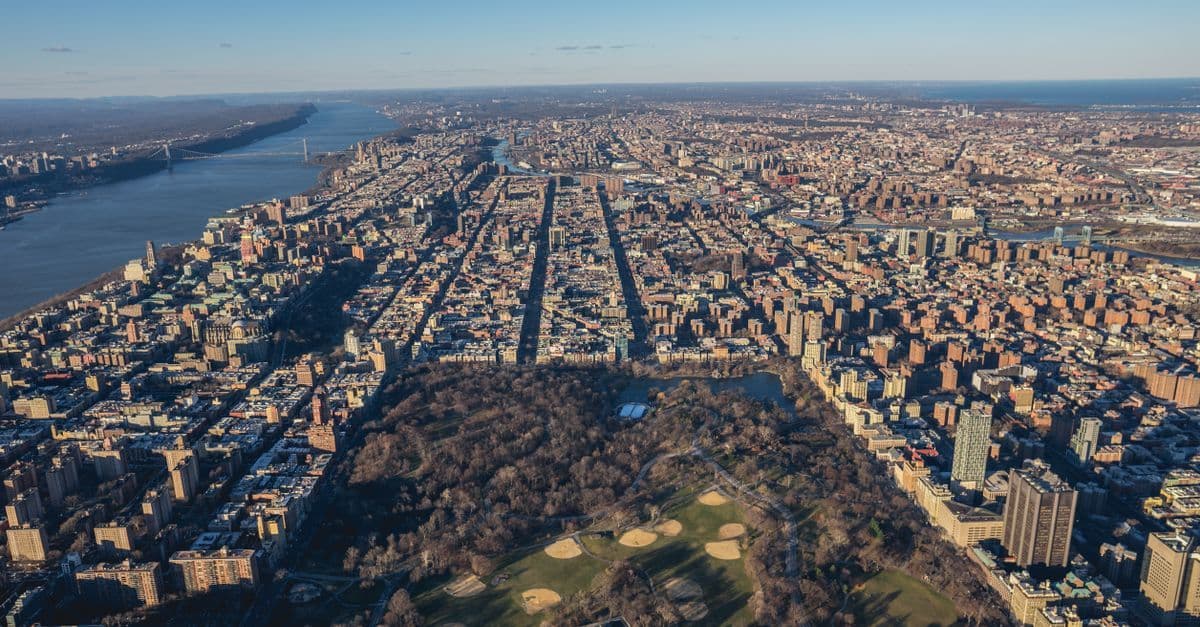
Six New York neighbourhoods justify a dedicated afternoon each: Chelsea Market, Washington Square Park, Greenwich Village's Washington Mews, DUMBO in Brooklyn, the Brooklyn Promenade, and Prospect Park at weekends. None charge entry. None need advance booking.
Start at Chelsea Market on West 15th Street: a covered food hall built into a repurposed 19th-century biscuit factory, free to browse, spirited and busy on a weekday lunchtime bookishwayfarer.com. Walk north ten minutes for the High Line's southern entrance.
Washington Square Park signals a different kind of afternoon. It's the animated heartland of NYU's campus, the arch framing a revolving cast of chess players, street performers, and dog walkers. One block north, Washington Mews delivers a genuine surprise: a cobbled private street behind village townhouses that looks as though it was transplanted from a Georgian Edinburgh lane danny-cph.com.
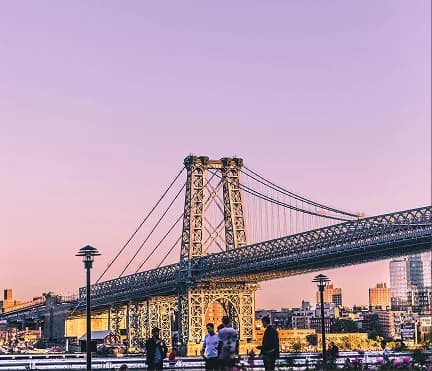
Cross to Brooklyn and the texture shifts. DUMBO's cobbled streets frame the Manhattan Bridge at an angle that explains why every travel photographer ends up there. The Brooklyn Promenade, a short walk south, delivers an unobstructed view back across the East River to lower Manhattan capturencrave.com.
Smorgasburg at Prospect Park runs weekends only, free entry, with a lively selection of Brooklyn's best street-food vendors.
Landmarks and neighbourhoods mapped. Now the bigger question: how many days do you need to do it justice?
Is 3 days enough to spend in New York?
Three days covers Manhattan's essential sights but leaves Brooklyn largely unexplored. It's a worthwhile first visit, provided you plan each day with intention rather than wander. UK visitors average seven to ten nights, and that number gives genuine room to breathe.
Compare eSIM plans for United States — See 2026 pricing →
Day 1: Midtown and Central Park
Start at MoMA or the American Museum of Natural History in the morning, before peak crowds build. Central Park takes two to three hours if you include Bethesda Fountain and the Ramble theworldtravelguy.com. Finish in Midtown: Rockefeller Center or whichever observation deck you've pre-booked.
Day 2: Lower Manhattan, Brooklyn Bridge, DUMBO
The 9/11 Memorial opens early; arrive before ten for the quietest experience. Walk south past the Charging Bull, then cross the Brooklyn Bridge on foot: thirty minutes end to end, completely free, and one of the most satisfying walks in the city theworldtravelguy.com. DUMBO and the Brooklyn Promenade follow naturally once you cross.
Day 3: High Line, Chelsea Market, Greenwich Village
The High Line runs from 34th Street down to the Meatpacking District. Chelsea Market fills an easy hour. Washington Square Park and the West Village close the afternoon on a calmer note.
Five days changes the trip entirely.
Brooklyn earns a full day: Prospect Park, Brooklyn Museum, Williamsburg's food corridor. Governors Island opens at weekends and takes a short ferry from lower Manhattan. Queens offers the most dynamic international food scene in all five boroughs.
One practical note for mid-2026: the FIFA World Cup brings matches to MetLife Stadium in June and July, and hotel prices across the metro area are already running elevated for those weeks. Book accommodation well ahead if your dates overlap.
Most UK visitors return to New York within three years. The city earns that.
Days planned. Now the number most UK travellers underestimate: the bill.
What New York actually costs: a guide for UK visitors
Two numbers catch UK visitors off guard at every checkout: New York adds 8.875% sales tax to every displayed price, and a 20% tip at sit-down restaurants is the expectation, not a gesture. Factor both into every meal and purchase estimate from the moment you land.
Tax is invisible on the price tag. It is not invisible on the bill.
The weekly subway cap noted earlier makes public transport the most cost-effective option for any stay of four or more days, comfortably beating taxis or rideshare for multi-stop sightseeing.
Hotel prices in June and July 2026 are running above the seasonal average. The FIFA World Cup at MetLife Stadium is driving accommodation demand across the metro area. Book early for those months.
UK mobile data is one cost travellers consistently overlook. EE's Roam Abroad add-on and Vodafone UK's daily roaming charge both accumulate across a seven to ten night stay. The mobile data market for US travel is brisk and competitive: an eSIM bought before departure typically undercuts carrier roaming by a meaningful margin and avoids the surprise line on your phone bill when you land home.
One budget question dominates: can four days be done on $1,000?
Is $1000 enough for 4 days in New York?
Four days on that budget is tight, not comfortable. The numbers turn unfriendly almost immediately.
Accommodation lands the biggest blow. Budget hotels in Manhattan run $400 to $600 for four nights, leaving a matching amount for food, transport, and any paid attractions across the entire trip. A breakfast from a bodega and lunch from a grocery deli can hold daily food costs to roughly $60 to $70. One museum entry at the rates covered earlier, though, burns through most of a day's remaining allowance in a single transaction.
Do the maths on two paid sights plus three restaurant dinners with tip and tax on top. The numbers stop working.
A realistic mid-range four-day trip sits closer to $1,400 to $1,800, covering a decent hotel, two or three paid attractions, and actual sit-down meals.
If the budget ceiling is firm, the approach that holds up is disciplined: one observation deck, one major museum, and everything else drawn from the free landmarks covered earlier in this guide. Brooklyn Bridge, the High Line, Central Park, and DUMBO together make a genuinely brisk itinerary without a single entry fee. The paid sights are pricey enough that every additional one erodes the remaining headroom fast.
One cost many UK visitors overlook entirely: staying online.
Staying connected in New York: eSIM, SIM cards and Wi-Fi
Connectivity in New York is well-served, but the UK carrier bill on return can be sharp. EE and Vodafone charge £2 to £5 per day for US roaming; a seven-night stay quietly accumulates £14 to £35 in fees before you've eaten a single meal out.
The city itself is more generous than most with free connectivity. Manhattan's streets are lined with LinkNYC kiosks delivering free gigabit Wi-Fi at pavement level, and most subway stations carry platform-level connectivity. Signal in the tunnels between stations varies by line: the L and 7 trains have stronger in-tunnel coverage than some of the older deep routes. Those gaps matter when you're navigating underground and haven't saved offline maps in advance.
An eSIM (a digital SIM activated by QR code, no physical card required) removes the roaming problem entirely. Activate the profile before you board at home, it connects the moment you land at JFK, and nothing unexpected appears on your UK bill. Travel eSIM plans for the US generally run at a fraction of what UK carriers charge per day for roaming.
NYC apps are data-hungry. Google Maps runs almost constantly in an unfamiliar grid. Uber and Lyft churn through data on longer crosstown rides. OpenTable and Resy replace London's usual booking apps, and Citymapper handles the subway routes well. Budget at least 1.5GB to 2GB per day if you're navigating heavily across boroughs.
The setup that works best for UK travellers: a dual-SIM configuration keeping your UK number active for bank SMS authentication codes while routing all data through the travel eSIM. UK banks frequently send verification texts when a British card is used abroad, and missing that code mid-payment is disruptive in a way that derails an otherwise good evening.
Data sorted. What else catches UK visitors off guard when they land?
What UK visitors are not prepared for in New York
Five things reliably catch British visitors off guard in New York. Knowing them before you land makes the first 24 hours considerably smoother.
The grid is actually good news. Manhattan's numbered streets and avenues run in a pattern that makes London's medieval layout look designed by committee. Uptown is north, downtown is south, streets run east-west, avenues run north-south. Once that logic clicks, navigating without mobile data becomes genuinely straightforward. First-timers from London consistently find the grid easier to internalise than expected.
Summer is a different matter entirely. July and August temperatures regularly exceed 35°C, and the humidity amplifies every degree. The subway platforms in peak summer are grim in a way that only enclosed underground heat achieves. Carry water constantly, build in extra walking time, and pack lighter than usual.
Power sockets run US-standard Type A and B, incompatible with UK three-pin plugs. A universal travel adaptor is essential. Forgetting one is a fiddly problem to solve in Midtown without overpaying at a hotel shop.
Language traps catch almost everyone once. "Fanny pack" carries a strikingly different meaning in American English; the correct British equivalent is "bum bag". "Elevator" replaces "lift", "sidewalk" replaces "pavement", "check" replaces "bill" at a restaurant.
The financial conventions covered earlier in this guide (the tax absent from shelf prices, and the tipping expectation on restaurant meals) apply equally to bars, taxis, and hotel porters. Budget for both wherever money changes hands.
Still have questions before you book? The most common ones answered below.
Frequently asked questions about visiting New York
What are the top five things to do in New York City?
Central Park, the Brooklyn Bridge walk, The Metropolitan Museum of Art, the High Line, and One World Observatory represent the essential five things to do in New York tripadvisor.co.uk. Three of the five cost nothing to enter. The Met charges fixed entry for visitors from outside New York State; One World Observatory carries a set admission price. On a clear day at the top, the view extends well beyond the city limits in every direction.
Do UK visitors need a visa for New York?
UK citizens don't need a full US visa but do require ESTA (Electronic System for Travel Authorization), an online pre-travel authorisation covering stays up to 90 days across the US. Apply at esta.cbp.dhs.gov at least 72 hours before departure; the process takes roughly 15 minutes and carries a small government fee. ESTA stays valid for two years or until the passport it was issued against expires, whichever comes first.
When is the best time to visit New York from the UK?
April to June and September to November. Spring brings mild temperatures and lower accommodation rates before peak summer demand arrives. Autumn delivers clear skies and Central Park's fall foliage at its most spirited. July and August are hot, humid, and at peak-season pricing throughout. December through February is genuinely cold, with the possibility of heavy snowfall.
Is the New York City subway safe for tourists?
Generally, yes. Travel in well-occupied carriages rather than near-empty ones on late-night services after midnight. Keep phones out of sight in quieter sections of the system. The areas most visited by tourists, including Times Square, Midtown, and the streets around Brooklyn Bridge, are well-policed and lively at almost any hour.
Reviewed by HelloRoam's editorial team. Last updated: 10 June 2026.
Get Connected Before You Go


Frequently Asked Questions
A $1000 budget for 4 days in New York is workable but tight. Many major attractions are free, including the Brooklyn Bridge walk, the High Line, Central Park, and the 9/11 Memorial pools. Subway travel costs $2.90 per ride with a weekly cap of $34 via OMNY contactless. Adding a handful of paid attractions such as the Empire State Building (~$44) and a museum or two (~$28-30 each) alongside accommodation and food will push the budget, so prioritising free sights helps considerably.
Do not miss the Brooklyn Bridge walk, the High Line in Chelsea, Central Park, and the 9/11 Memorial pools, all of which are free. For paid experiences, the Empire State Building observation deck, MoMA, and the Metropolitan Museum of Art are standouts. The free Staten Island Ferry delivers a proper skyline view from the water, and the DUMBO waterfront in Brooklyn provides one of the city's most iconic photography compositions.
The top five experiences highlighted in this guide are: walking the Brooklyn Bridge (free, around 30 minutes from Manhattan to Brooklyn), exploring Central Park (free, budget at least three hours), strolling the High Line elevated park through Chelsea (free), visiting the 9/11 Memorial and Museum, and taking in the views from the Empire State Building's 86th floor open-air observation deck. Grand Central Terminal's Beaux-Arts concourse is also worth 30 minutes on any itinerary and costs nothing to enter.
Three days is enough to cover the key Manhattan landmarks such as Central Park, the Brooklyn Bridge, Times Square, and the 9/11 Memorial, but leaves very little time for outer boroughs or the city's major museums. UK visitors typically average seven to ten nights in New York, suggesting the city rewards a longer stay. Extending to five or more days allows for Brooklyn, Queens, and a proper museum visit without feeling rushed.
New York has a substantial number of free attractions. These include the Brooklyn Bridge walk, the High Line in Chelsea, Central Park, Washington Square Park in Greenwich Village, the Brooklyn Promenade, the Staten Island Ferry, and the 9/11 Memorial reflecting pools. Grand Central Terminal's Beaux-Arts main concourse is also free to enter and genuinely earns 30 minutes on any itinerary.
The Empire State Building main observation deck costs around $44 per adult for the 86th floor. Queues regularly run over an hour without timed entry, so booking timed tickets in advance is strongly advisable, particularly during summer. The open-air deck offers a full 360-degree view and is the classic New York observation experience.
Three paid observation decks each offer a distinct perspective. The Empire State Building (~$44) provides the classic open-air, 360-degree view. One World Observatory (~$40) is typically less crowded and faces south across New York Harbour. Top of the Rock at Rockefeller Center (~$40) is the standout choice for photographers, as it places the Empire State Building squarely in frame with Central Park stretching north behind it.
Subway travel in New York costs $2.90 per ride. Using OMNY contactless payment caps weekly spending at $34, making it the most cost-effective way to move around Manhattan and reach outer boroughs like Brooklyn and Queens. The subway runs 24 hours and covers virtually every area a visitor would want to reach.
The Met's admission is suggested rather than fixed, meaning visitors can legally choose to pay a different amount. The suggested rate is around $30 per adult. Budget at least half a day for a visit, as the collection spans 5,000 years of art and history and the building itself is extremely large.
Brooklyn is well worth visiting and should not be treated as an optional add-on. DUMBO offers iconic photography spots framing the Manhattan Bridge between converted warehouse buildings, the Brooklyn Heights Promenade delivers free skyline views that rival any paid observatory, and Williamsburg hosts Smorgasburg, an open-air food market running weekends from spring through autumn. The Brooklyn Museum in Prospect Park rounds out a full day.
The walk from City Hall Park in Manhattan to DUMBO in Brooklyn takes around 30 minutes at a brisk pace. The crossing is free. Morning is the better time to go, as afternoon crowds on the bridge thicken considerably and the light is less favourable for photography.
The Statue of Liberty ferry costs around $24 per adult. If budget is a concern, the free Staten Island Ferry departs from Whitehall Terminal and offers a comparable harbour and skyline view from the water at no cost, making it one of the best free experiences in the city.
The High Line is an elevated linear park built on a disused freight railway line, running from the Meatpacking District through Chelsea up to Hudson Yards. It is free to enter and features rooftop gardens, public art installations, and views across to New Jersey and down into the residential streets of Manhattan's West Side. It is worth pausing on rather than rushing through.
The outer boroughs each have a distinct identity worth exploring. Brooklyn offers DUMBO, Brooklyn Heights, and Williamsburg. Queens is New York's most ethnically diverse borough, with Flushing known for Sichuan and Cantonese food, Jackson Heights for South Asian cuisine, and Astoria for Greek and Middle Eastern dining. The Bronx has the New York Botanical Garden and Yankee Stadium, and Staten Island is reached via the free ferry, which also provides excellent harbour views.
EE and Vodafone UK daily roaming add-ons work in the US but accumulate costs across a longer trip, creating daily-rate uncertainty. A dedicated US eSIM can be activated before departure, providing a set data allowance without per-day charges and removing any connectivity concerns on arrival. Setting up connectivity before flying means one fewer thing to work out at the airport.
The Tenement Museum on the Lower East Side focuses on the history of immigrant life in New York through guided storytelling tours of a preserved tenement building. It operates on guided tours only, with no walk-in entry permitted. Tours sell out days in advance during peak season, so booking before departure is essential.
Sources
- 21 Incredible Things to See and Do in New York City — bookishwayfarer.com
- 15 Fun Things To Do In NYC For First-Timers — theworldtravelguy.com
- capturencrave.com — capturencrave.com
- timeout.com — timeout.com
- Things to do in New York City - Tripadvisor — tripadvisor.co.uk
- My 14 Favorite Things to Do in Manhattan (Based on 15+ ... — danny-cph.com
- Things to do in New York — britishairways.com