

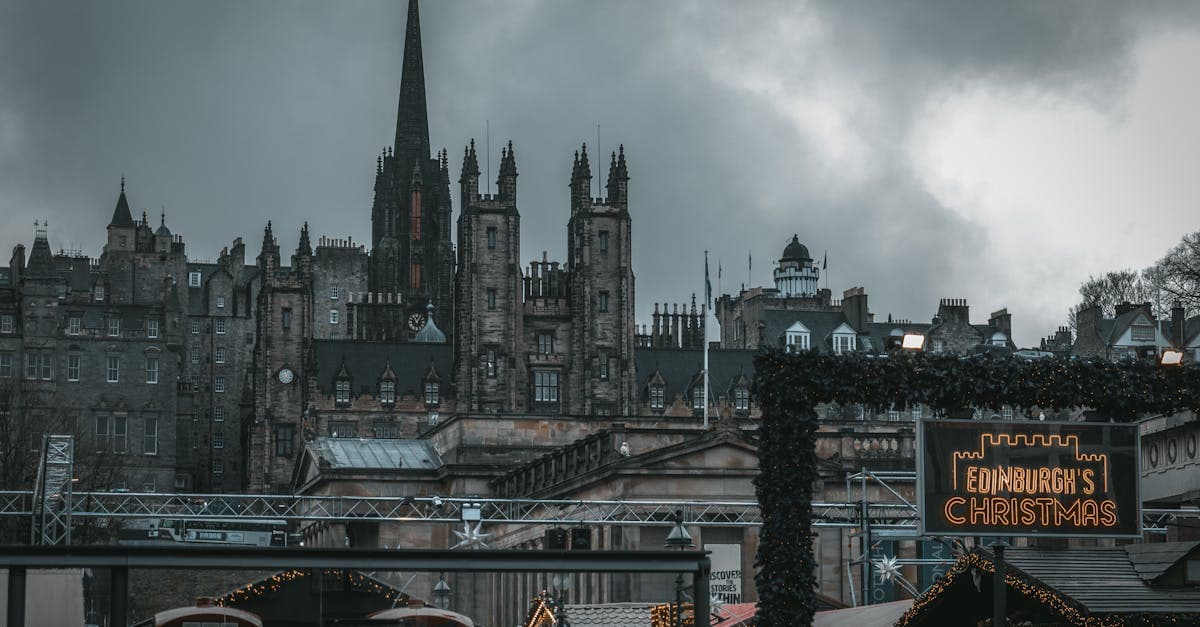
Quick Answer: christmas markets europe
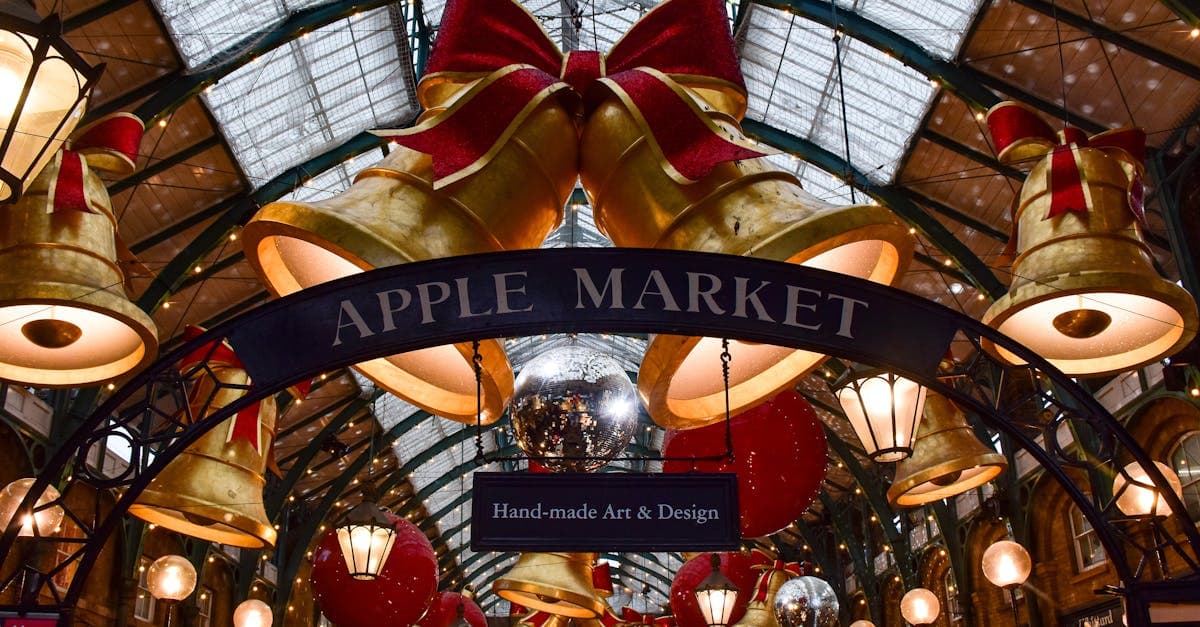
Christmas markets in Europe run from mid-November to 26 December each year, spanning dozens of countries across the continent. Germany draws the biggest crowds from UK visitors, but Austria, France's Alsace region, and the Czech Republic all hold strong claims on any shortlist.
UK passport holders travel visa-free to Schengen countries for up to 90 days in any 180-day period. No ETIAS requirement applies for a short December break at present. Market season peaks on the last two weekends of November and the first two weekends of December, so timing your trip matters.
Nuremberg and Vienna top the UK travel polls every year andrewandkait.com.
Prague, Cologne, and Strasbourg make compelling alternatives, often with lower hotel rates and direct flight connections from regional UK airports.
Strasbourg carries the heritage claim, tracing its market to 1570, making it the oldest Christmas market in Europe finduslost.com.
Quick answer: the best Christmas markets in Europe at a glance
The top five Christmas markets for UK visitors are Nuremberg, Vienna, Strasbourg, Prague, and Cologne andrewandkait.com. All run from mid-to-late November through late December, with 2026 dates expected to match established patterns.
UK passport holders travel visa-free across the Schengen zone, no extra paperwork needed. Budget around £600 to £1,200 per person all-in for a 2-4 night city-break.
Post-Brexit EU roaming fees still surprise travellers. EE, Three, and Vodafone UK all reimposed charges after 2021. Before you fly, check whether your handset supports eSIM using HelloRoam's eSIM Compatible Devices checker. A travel eSIM typically undercuts a week's worth of roaming add-ons.
Vienna's Christkindlmarkt runs longest of the five, opening in mid-November and staying live until Christmas Day itself. Which market fits your trip exactly? Germany, Austria, and France each carry a distinct character, and prices diverge sharply once hotels enter the equation.
The best Christmas markets in Europe, by destination
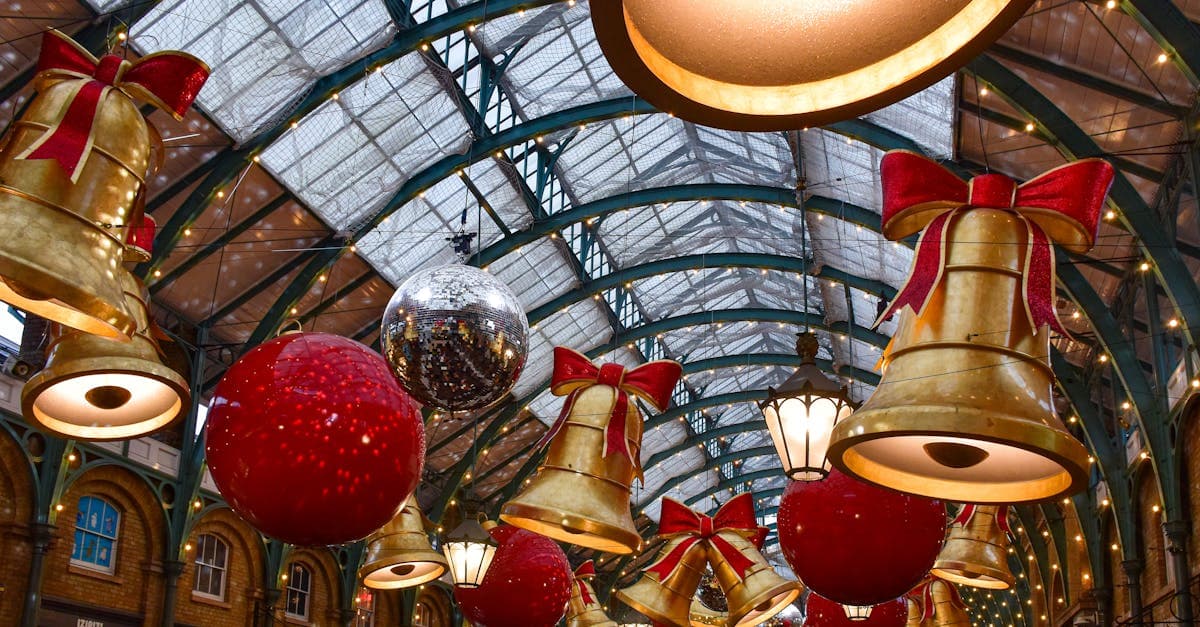
Europe hosts over 500 Christmas markets annually, across more than 30 countries. Germany, Austria, France's Alsace region, and the Czech Republic draw the bulk of UK bookings. Each offers something tangibly distinct: cobbled squares strung with lights, craft stalls selling hand-turned wooden ornaments, steaming mugs of Glühwein pressed into your hands before you've found your bearings.
A Christmas market is a seasonal outdoor fair, running four to six weeks from a town square or riverside setting. The format traces back centuries. The best ones still carry that weight.
Germany leads on scale and heritage, and no other country comes close.
Germany: Nuremberg, Cologne, Dresden, and further afield
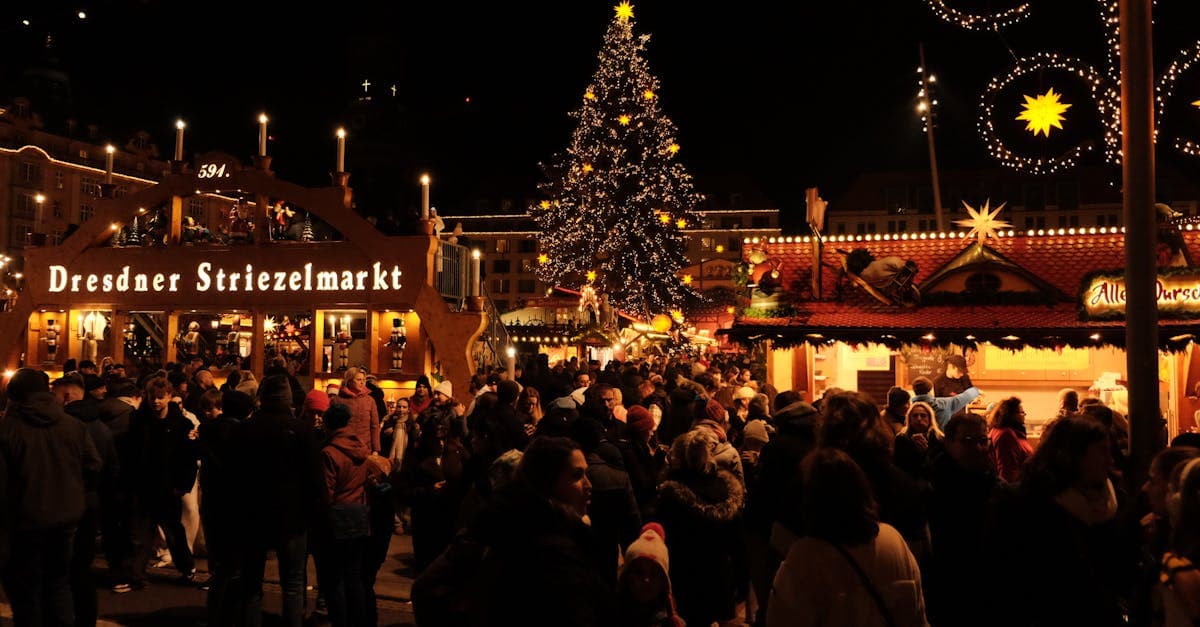
Germany runs around 3,000 Christmas markets nationwide, more than any other country in Europe. The Nuremberg Christkindlesmarkt opens 27 November 2026 and runs to 24 December, filling the Hauptmarkt in the historic old town with stalls selling lebkuchen, hand-blown glass ornaments, and mulled wine. It's the most photographed market in the country. Peak weekends confirm why.
Cologne spreads across six concurrent markets along the Rhine waterfront, including one directly beneath the Dom cathedral finduslost.com. More choice, shorter queues per site.
Dresden and Frankfurt make solid secondary picks. Dresden's Striezelmarkt is one of Germany's most atmospheric markets, set in the Altmarkt square. Frankfurt's Römerberg is a striking medieval backdrop. Heidelberg takes the most intimate approach, with markets threading through the castle grounds.
Two things to book early. Hotels near market centres typically run 40-70% higher in December than October prices, so locking in accommodation three to four months ahead makes a genuine difference. Midweek visits cut the crowds noticeably.
Germany's sheer scale means you could chain Cologne, Frankfurt, and Heidelberg into a single rail itinerary without doubling back.
Austria, France, the Czech Republic, and underrated picks
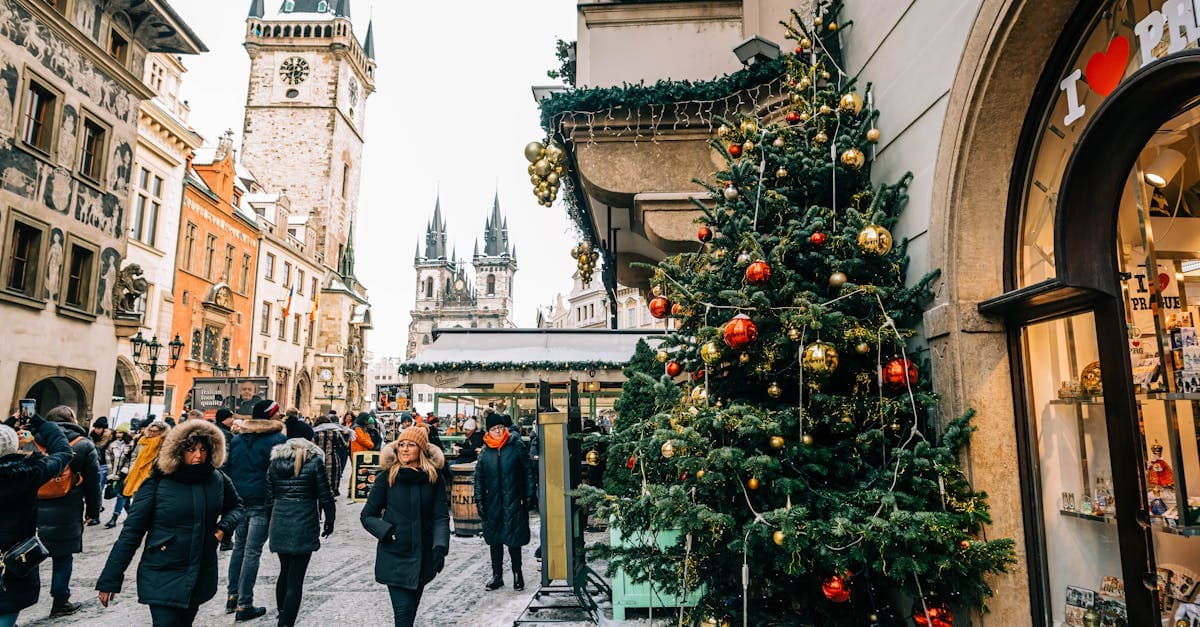
Austria, France, and the Czech Republic each run their flagship markets well past the German season, with noticeably lower crowd pressure than Nuremberg or Cologne. Vienna's Christkindlmarkt opens 13 November 2026 and runs to 26 December tui.co.uk. Strasbourg's Marché de Noël dates from 1570, making it possibly the oldest Christmas market in Europe finduslost.com. Prague runs to 6 January 2027.
The Strasbourg date surprises most first-time visitors. Not Vienna, not Nuremberg. The market predates most of the cities it's routinely compared against, spread across twelve locations inside a medieval Alsatian quarter that looks unlike anywhere in Germany.
Vienna's opening fortnight is the insider timing. Stall queues are shorter, the Rathausplatz is navigable, and the majority of UK visitors haven't arrived yet.
Budapest and Brussels rarely make the shortlist. Both are straightforward direct flights from UK airports, both run into January, and both carry crowd levels that Vienna and Nuremberg simply can't match. Knowing they exist makes the eventual choice of destination rather more interesting.
Where is the best Christmas market in Europe?
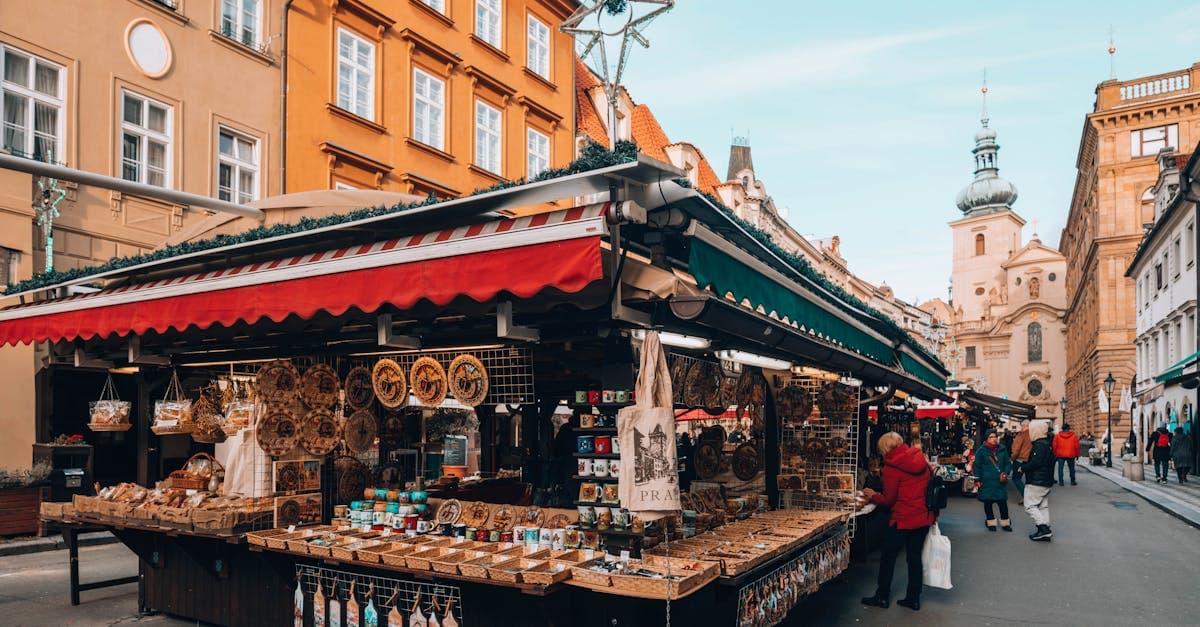
Nuremberg and Vienna top UK travel polls consistently thetwirlingtraveler.nl, which reflects genuine quality rather than marketing noise. Both deserve their reputation. But the honest answer to "which is best" depends almost entirely on what you're optimising for, and the right choice for a first-timer differs considerably from the right pick for someone who's already ticked off Vienna.
A practical framework:
Atmosphere over scale: Strasbourg. The medieval Alsatian setting is compact and walkable, unlike anything in Germany or Austria. Weekdays are genuinely quieter, particularly early in the season, and the narrow half-timbered streets give the whole experience a cohesion that larger markets struggle to replicate. Going on a Tuesday in late November is a materially different trip from going on a Saturday in December.
Heritage and spectacle: Nuremberg. The Christkindlesmarkt sits inside medieval city walls, with a visual backdrop largely unchanged for decades. It draws the biggest footfall of any German market, so timing matters. Weekday mornings are the window.
Compare eSIM plans for your destination — See 2026 pricing →
Best value: Prague, clearly. Return flights from UK airports run from ~£40 to £90 easyjet.com, the Czech koruna stretches further than the euro does in Frankfurt or Vienna, and Old Town Square delivers visual scale that punches well above the price point. The season runs longer than most rivals too.
Compare eSIM plans for your destination: See 2026 pricing →
Classic elegance: Vienna. The Christkindlmarkt in front of the illuminated Rathaus is expensive by Christmas market standards, but the setting and quality of food stalls earn it.
Budapest and Brussels suit travellers who want a genuinely uncrowded experience. Neither feels like a compromise.
There's no single correct answer. Decide what matters most: the setting, the value, or the ease of combining multiple cities in one trip. Destination decided. Now for the practical planning.
Planning a Christmas market trip from the UK: dates, flights, and budget
Planning a Christmas market trip from the UK centres on three decisions: booking accommodation three to four months ahead, selecting travel dates that avoid the Nikolaustag peak period, and confirming flights early for the lowest available fares.
- Book accommodation three to four months ahead. December hotel rates near Christmas market centres inflate sharply compared to October prices. City-centre availability in Vienna, Nuremberg, and Strasbourg tightens from late October, and the most central properties near the main markets fill earliest.
- Choose your dates with Nikolaustag in mind. Weekdays are consistently less crowded across every destination on this list. The 5 to 7 December period draws unusually large crowds in German and Austrian cities due to Nikolaustag celebrations. A Tuesday in late November is a materially different experience from a Saturday in early December.
- Confirm flights early. Ryanair and easyJet serve Cologne from around £30 return easyjet.com, but that fare requires early booking and weekday travel. Weekend departures during market season run considerably higher. Prague and Budapest are similarly competitive at the early-booking price.
A quick note on overall budget structure: market entry is free across every destination on this list, and food and drink costs at European markets broadly match UK prices. Accommodation is where the cost variation actually happens.
Booked. But what about staying connected once you land?
Getting there from the UK: Eurostar, budget airlines, and rail passes
UK travellers have three main options for reaching European Christmas markets: Eurostar to Brussels from ~£59 return, budget airlines (Ryanair and easyJet) to Cologne from ~£30 return, or an Interrail Global Pass from ~£185 for 3 days in one month.
Eurostar to Brussels (from ~£59 return) is the low-friction rail option for the western circuit eurostar.com. Brussels connects to Cologne by high-speed rail in under two hours, making a two-city trip straightforward without an airport transit. You need to book at least eight weeks out to hit the advertised fare reliably.
Budget airlines (Ryanair and easyJet cover Cologne, Prague, and Budapest) typically price under £80 return with sufficient lead time. Check baggage policies carefully. A weekend trip with a carry-on usually stays inside the headline fare, but each airline structures this differently.
Interrail Global Pass (from ~£185 for 3 days in one month) suits multi-city itineraries. Chain Cologne to Frankfurt to Heidelberg by rail, or cut across from Brussels to Strasbourg. Three separate budget flights to the same cities would likely cost more, and the train opens up destinations budget carriers don't serve.
For a single long weekend, a direct budget flight almost always wins on cost. For two or more Christmas market cities in one trip, the Interrail calculation starts to look considerably more attractive. The one detail that runs through both approaches: you'll need data that works reliably across multiple European countries.
Staying connected at European Christmas markets
Post-Brexit roaming surcharges apply on most UK carrier plans the moment you land in Germany, France, or Austria. Three's Feel At Home allowance carries a data cap, and once you exceed it, speeds drop sharply. EE's Roam Abroad and Vodafone UK's roaming add-ons both levy daily charges. A four-night trip through two countries can quietly accumulate a bill that only surfaces when you're back home.
An eSIM is a digital SIM profile loaded onto your phone remotely, with no physical card to swap. A single regional European plan covers Germany, Austria, and France together, which suits the Christmas markets circuit well. Buy before you fly, scan the QR code on home Wi-Fi, and data activates at landing. No kiosk, no paperclip.
The practical bit most guides skip: modern iPhones and Android flagships support two active lines simultaneously. The eSIM handles local data while your physical UK SIM stays live for bank authentication texts, calls, and anything that needs your British number. Google Maps, payment confirmations, and translation apps all run through the local data line without touching your UK allowance.
HelloRoam offers regional eSIM plans covering the major European Christmas market destinations, including Germany, Austria, France, and the Czech Republic.
One honest counterpoint: if you're spending just two nights in a single city and your hotel has reliable Wi-Fi, a UK carrier roaming add-on may cost less than a dedicated eSIM. The case for a regional plan becomes clear for anything crossing two countries or lasting beyond three nights.
Connected. So what will you actually experience when you arrive?
What is the most Christmassy place in Europe?
Strasbourg is cited most often for overall festive atmosphere among European Christmas market destinations myvegantravels.com. The Alsatian city lays claim to the oldest market in Europe, and the combination of medieval half-timbered streets, warm amber lighting, and bredele biscuits baking on open stalls creates something that larger markets genuinely struggle to replicate.
The myth worth busting: the biggest market doesn't deliver the best experience. Nuremberg draws crowds in the hundreds of thousands, and the queue for mulled wine can stretch twenty minutes on a December Saturday. The scale is impressive. The magic can feel diluted.
Vienna makes the strongest counter-case on sheer architecture. The Christkindlmarkt set against the baroque facade of the Rathaus is striking in a way no other market quite matches. The Glühwein culture runs deeper here too, with the city's Kaffeehäuser offering warm interiors to retreat to between stalls.
The real surprise is Rothenburg ob der Tauber, a walled Franconian town in Bavaria that runs a year-round Christmas shop, the Käthe Wohlfahrt, alongside its seasonal market. The market occupies the medieval market square through November and December, keeping crowds manageable enough to actually browse without losing your companion in the crowd.
One practical question worth settling before you book: are you better positioned along the Rhine or the Danube?
Is the Rhine or Danube better for Christmas markets?
The right call comes down to trip length. The Rhine corridor connects Cologne, Düsseldorf, and Strasbourg, three cities reachable from most UK airports in under two hours. It suits a focused city-break of two to four nights, with trains running frequently between markets.
The Danube route has a different character entirely. Vienna, Bratislava, and Budapest form a loosely connected arc with overnight sleeper trains and manageable day-trip distances between them. The scenery shifts considerably east of Vienna, where the river cuts through gorges that have nothing equivalent on the Rhine. Doing this circuit justice takes five to seven nights.
River cruise operators run dedicated Christmas market sailings on both waterways through November and December tui.co.uk. These work well for travellers who want the itinerary managed: docking in a new city each morning, spending the day at the market, boarding again in the evening. They carry a premium over independent travel but remove the logistics entirely.
For a first Christmas market trip, the Rhine is more forgiving. The Danube rewards the return visit.
Reviewed by HelloRoam's editorial team. Last updated: 29 May 2026.
Get Connected Before You Go

Frequently Asked Questions
Nuremberg and Vienna top UK travel polls consistently. The best choice depends on your priorities: Strasbourg for atmosphere, Nuremberg for heritage, Prague for value, and Vienna for classic elegance.
Europe's top markets include Nuremberg, Vienna, Strasbourg, Prague, and Cologne. Germany alone runs around 3,000 markets, with Dresden, Frankfurt, Heidelberg, Budapest, and Brussels among the other leading destinations.
Strasbourg is widely considered the most Christmassy, with its market dating to 1570 set across a medieval Alsatian quarter. Nuremberg inside its historic walled old town is also among Europe's most atmospheric markets.
Cologne lines the Rhine with six concurrent markets including one beneath the cathedral. Vienna on the Danube offers the elegant Christkindlmarkt at the illuminated Rathaus, running from mid-November to Christmas Day.
Most European Christmas markets run from mid-November to 26 December. Prague extends to 6 January 2027, and Vienna opens as early as 13 November 2026, giving it the longest season among the top destinations.
UK passport holders travel visa-free to Schengen countries for up to 90 days in any 180-day period. No ETIAS requirement currently applies for a short December break.
Budget around £600 to £1,200 per person all-in for a 2 to 4 night city break. Hotel rates near market centres typically run 40-70% higher in December than October, so booking early matters most.
Strasbourg's Marché de Noël dates to 1570, making it the oldest Christmas market in Europe. It spans twelve locations inside a medieval Alsatian quarter that looks unlike anywhere else in Germany or Austria.
Options include Eurostar to Brussels from around £59 return, budget airlines to Cologne from around £30 return, or an Interrail Global Pass from around £185 for 3 days in one month. Book early for the lowest fares.
Weekdays in late November offer the quietest experience. Avoid 5 to 7 December when Nikolaustag celebrations draw unusually large crowds across German and Austrian cities.
Prague offers the best value. Return flights can cost £40 to £90, the Czech koruna stretches further than the euro, and the Old Town Square market delivers impressive visual scale at a lower overall cost.
Nuremberg and Vienna are the most popular first-timer choices. Nuremberg offers heritage inside medieval city walls, while Vienna provides classic elegance at the Rathaus from mid-November through Christmas.
Post-Brexit roaming surcharges apply on most UK carrier plans the moment you land in Europe. A regional travel eSIM covering Germany, Austria, and France together typically costs less than daily roaming add-ons for a four-night trip.
Budapest and Brussels are underrated alternatives with direct UK flights, lower crowd levels, and markets running into January. Both offer an authentic Christmas market experience without the peak-season queues.
Germany runs around 3,000 Christmas markets nationwide, more than any other country in Europe. Top markets include Nuremberg, Cologne, Dresden, Frankfurt, and Heidelberg, each with a distinct character.
Sources
- thetwirlingtraveler.nl — thetwirlingtraveler.nl
- My favourite European Christmas Market destinations (2026) — myvegantravels.com
- A Guide To Europe’s Best Christmas Markets — finduslost.com
- Christmas Markets in Europe — tui.co.uk
- Christmas market breaks 2026 / 2027 | easyJet holidays — easyjet.com
- Our Favorite European Christmas Market Destinations (Our ... — andrewandkait.com
- best Christmas markets in Europe for 2025 — eurostar.com