

Quick Answer: best time to visit sri lanka
The best time to visit Sri Lanka depends on which coast you're heading to. December to March is peak season on the south and west, covering Galle, Mirissa, and Colombo tui.co.uk. April to September shifts the advantage east: Arugam Bay and Trincomalee deliver clear skies while the west absorbs the Yala monsoon rains responsibletravel.com.
Trincomalee, Arugam Bay, and Nilaveli peaks from April to September. Those two windows don't overlap, which gives you a solid decision framework: pick your coast first, then fit your dates around it.
South and west: December to March
Galle's ramparts and Mirissa's beach bars draw the biggest crowds from late December through February. January is the peak of the peak: busiest, but sharp in terms of weather, with clear skies and calm seas right through the whale-watching season off Mirissa. Book Unawatuna or Mirissa accommodation at least three months ahead for this window. March is a good shout: still dry, noticeably quieter, and prices haven't caught up with January yet.
East coast: April to September
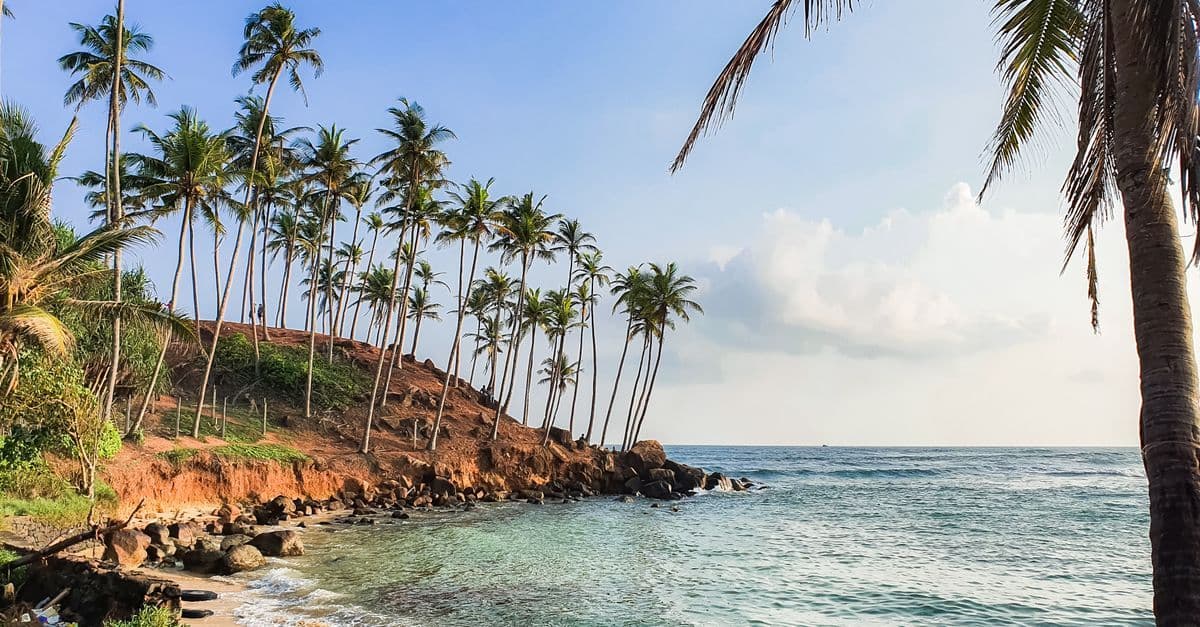
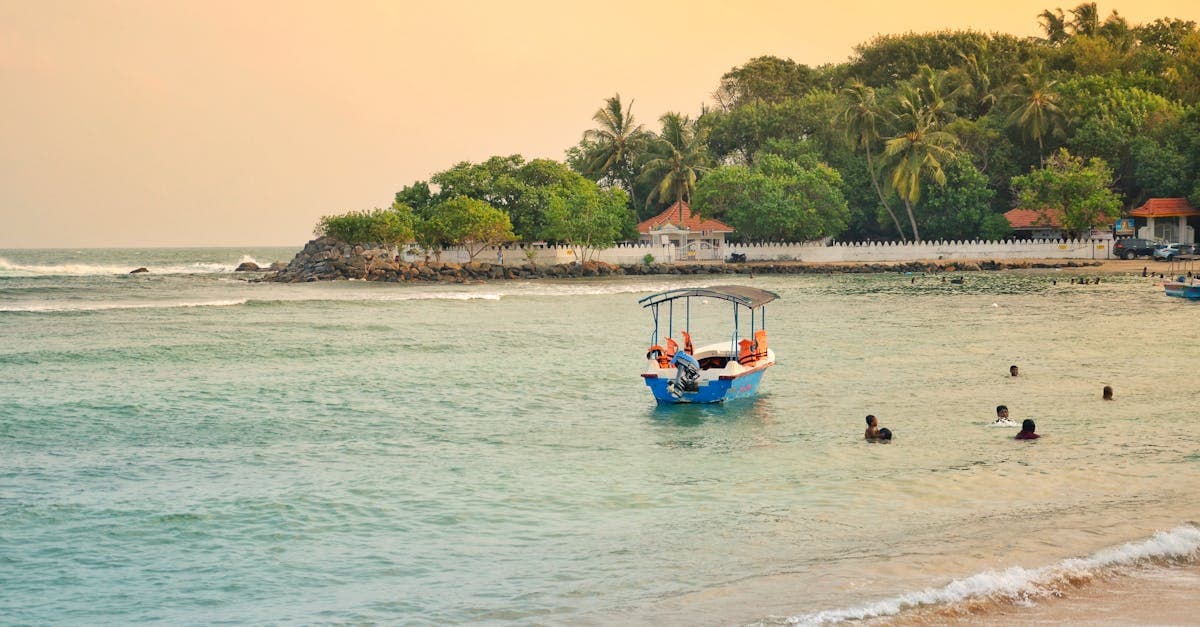
Trincomalee's beaches are less photographed than Galle Fort but far less crowded. Nilaveli and Uppuveli, both within easy reach of Trincomalee, offer calm, clear water through May and June. Arugam Bay is the standout: world-class surfing runs from April to October, with the best point breaks peaking from June to August. The east draws far fewer package tourists than the south, which translates to better value and considerably more space on the sand.
Cultural Triangle: year-round, driest February to April
Sigiriya, Anuradhapura, and Polonnaruwa are accessible all year. The driest and most comfortable window runs from February to April, though the ancient sites work well across July and August once the east monsoon has eased. Morning visits before 9am help sidestep the worst midday heat.
Quick decision guide
- Christmas or February half-term? South coast is the animated choice, particularly Galle and Mirissa.
- Summer school holidays (July to August)? East coast delivers drier conditions and far fewer crowds.
- October half-term? Head to the Cultural Triangle or the Hill Country around Ella and Kandy.
The east coast's relative calm makes it the go-to for travellers priced out of the south in January.
Beach timing is only part of the Sri Lanka story.
Stand on Mirissa beach in February and you'll understand why December-to-March flights fill months ahead.
There's no true off-season. Sri Lanka's two monsoons divide the island into alternating dry zones, so some region is always in good weather. October and November fill the shoulder gap: prices soften and the Cultural Triangle at Sigiriya and Anuradhapura loses its peak crowds, making it ideal for cultural touring.
For data wherever you land, HelloRoam offers an eSIM (built-in digital SIM activated by QR code) for Sri Lanka, running on Mobitel's 4G network from ~£3.15 for 1GB over 7 days or ~£4.34 for 3GB over 30 days.
UK travellers tied to school summer holidays fare well. July and August align with the east coast dry season, putting Trincomalee's beaches at their best when British families can travel. December brings the south coast's finest beach conditions, though airfares reflect the demand.
Understanding Sri Lanka's two monsoon seasons
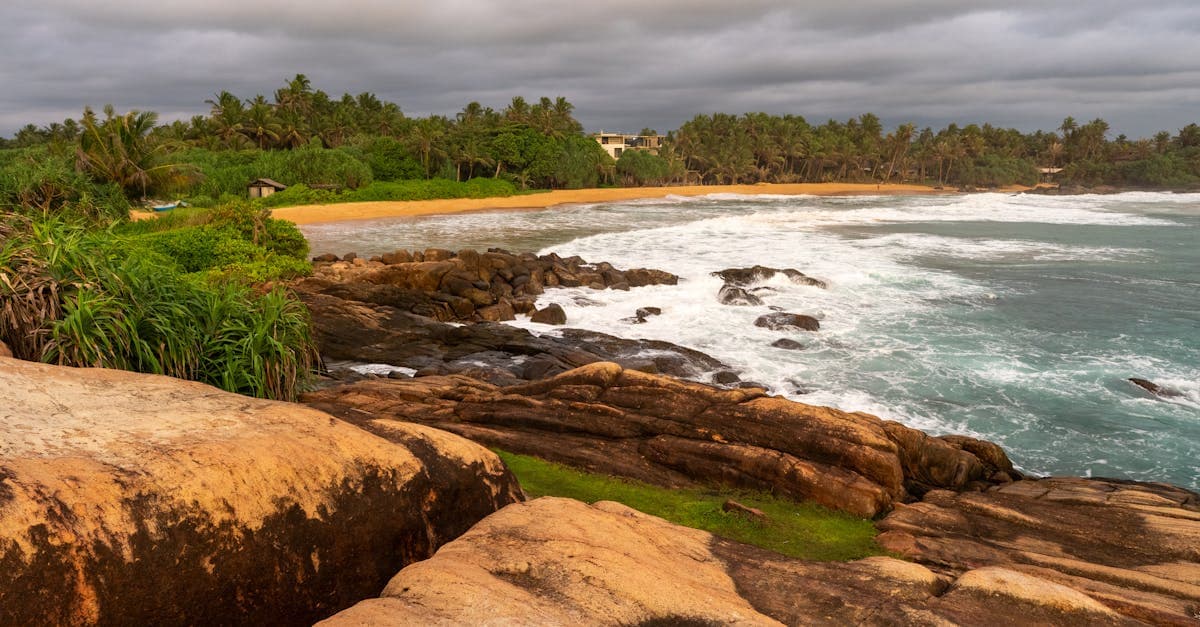
Sri Lanka has two distinct monsoon seasons, each driven by shifting winds that drench a different coast, so one region is always in its dry spell lonelyplanet.com.
The Yala monsoon, the south-west system, arrives in May and runs through August. It batters Colombo, Galle, and Mirissa on the south and west coast, driving heavy cloud into the hill country above Kandy and Ella. Rainfall can be dramatic, though it rarely lasts all day. But while Galle is grey in June, Arugam Bay on the east coast is bone dry. That east-west flip is the most useful thing to understand.
The Maha monsoon arrives from October through January, hitting the north and east coast. Trincomalee and Jaffna take the worst of it, while the south and west coast clear up and head into peak season, with crowds and prices rising accordingly.
The island never fully closes.
Temperatures stay steady regardless of which system is active. Lowland Sri Lanka sits at 27 to 32 degrees Celsius year-round, and even in peak monsoon, rain tends to arrive in sharp afternoon bursts rather than all-day drizzle. The mornings are often bright. Up in the hill country, Kandy, Ella, and Nuwara Eliya run cooler at 15 to 25 degrees, pleasant in the dry months but chilly enough for a fleece after dark.
Picture landing at Bandaranaike International in late June, Colombo dripping and humid. Head east to Arugam Bay and you're on a sun-soaked beach, surfboards stacked outside every café. Same island, same week, entirely different sky.
Which coast suits your travel window is what actually determines the best time to visit Sri Lanka, not the calendar month alone.
Sri Lanka beach season: when to visit each coast
The south and west coast (Galle, Mirissa, Unawatuna) run best from December to March, while the east coast (Trincomalee, Arugam Bay, Nilaveli) peaks from April to September responsibletravel.com. The two dry zones don't overlap, which means there's always a coast in season, no matter when you fly.
Most guides treat December-to-March as the obvious answer for the best time to visit Sri Lanka. They're not wrong about the weather. But they're describing the most crowded and expensive stretch of the year.
South and west coast: December to March
December to March brings reliably calm seas and low humidity to Galle, Mirissa, and Unawatuna kuoni.co.uk. January is peak season proper: guesthouses fill early, south-coast prices climb, and Mirissa's beachfront gets noticeably busy. February and March offer the same decent weather with slightly less competition for a sun lounger.
East coast and the Cultural Triangle: April to September
The east coast is a different story. Trincomalee's beaches match the south for quality, with a fraction of the footfall. Nilaveli is uncrowded by any reasonable standard.
Arugam Bay draws serious surfers from April through October, when its point break fires consistently. The bay holds a strong reputation in surfing circles as one of Asia's standout spots during this window.
The Cultural Triangle (Sigiriya, Anuradhapura) sits above coastal weather patterns and stays workable year-round. February to April is driest if you're planning to climb Sigiriya Rock kuoni.co.uk.
Coast-by-coast at a glance
Budget and month narrow the choice faster than weather alone, which is where the real planning begins.
Best time to visit Sri Lanka for festivals, wildlife and Poya days
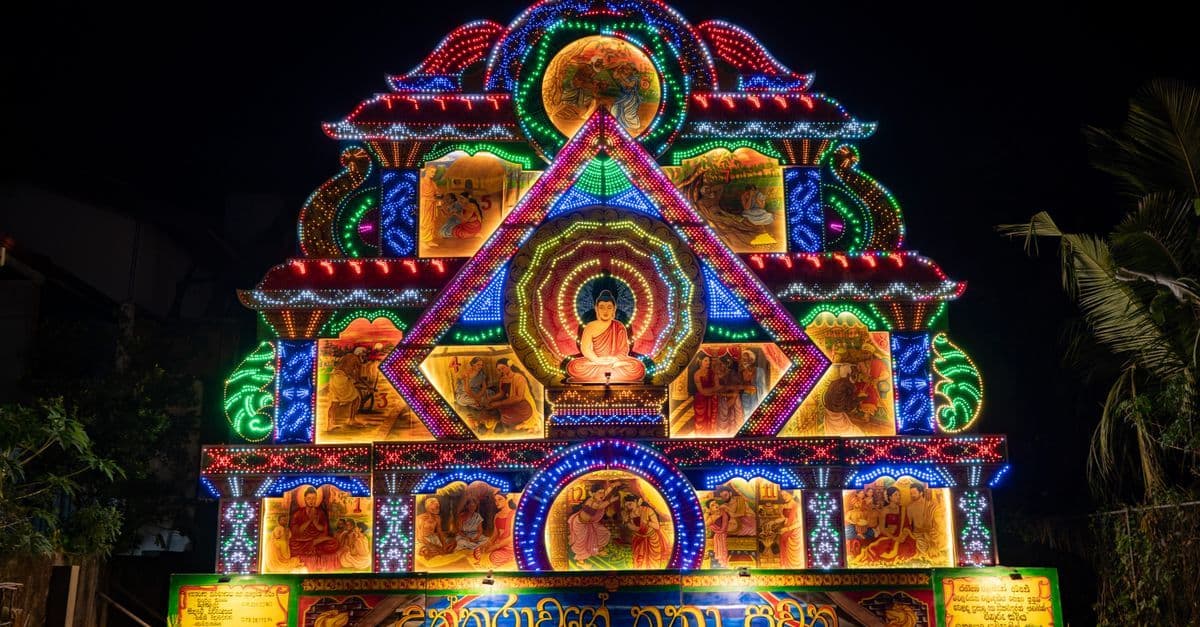
Sri Lanka's festival calendar adds three events that genuinely reshape when to go: the Kandy Esala Perahera in late July or early August, Vesak in May, and Sinhala and Tamil New Year on 13 and 14 April. Build your dates around one of these and the weather question becomes secondary.
Compare eSIM plans for Sri Lanka — See 2026 pricing →
The Esala Perahera catches most visitors off guard. Ten nights of torch-lit processions through Kandy, with elaborately adorned elephants carrying a replica of the sacred tooth relic, draws enormous crowds.
Hotels near the Temple of the Tooth fill months out. The twist: this falls during wet season on the west coast, but Kandy's hill country location means cooler, drier evenings than coastal August. The procession is the reason many people time their trip to Sri Lanka at all.
Poya days, Sri Lanka's monthly full moon observances, shut alcohol sales island-wide. Not a problem. Just worth knowing before you book a restaurant evening around one. Vesak, the May full moon, brings the biggest spectacle: lanterns and illuminations cover every city and village, and Colombo in particular is extraordinary after dark.
Wildlife runs on its own schedule. Yala National Park delivers the best leopard sightings from February through July, when thinning vegetation pushes animals toward water sources. Mirissa offers whale watching from November through April; blue and sperm whales are sighted regularly in that window.
The combination most visitors overlook: February pairs Yala's prime leopard season with south coast beach conditions and low humidity. It's the month the calendar and the climate click into place.
Which raises the obvious question: is there one standout month?
What's the best month to go to Sri Lanka?
January is the consensus pick for UK travellers, and the reasoning holds: the south and west coast are dry, temperatures are stable, and Galle, Mirissa, and Colombo are in peak condition tui.co.uk. But January brings peak prices and the busiest beaches on the island.
March is often the smarter call. Weather on the south and west coast holds firm through the month, crowds have thinned from January's peak, and prices ease into shoulder-season territory. For travellers with date flexibility, March regularly delivers more island for less money, placing it alongside January as one of the best times to visit Sri Lanka if you weigh value against certainty.
Here's the myth worth busting: no single month works equally well across the whole island simultaneously. Sri Lanka is small enough to feel manageable but climatically complex enough that you're always optimising for a region, not a country. September and October serve a specific window: prices drop, the Cultural Triangle (Sigiriya, Anuradhapura, Polonnaruwa) is accessible year-round, and travel between regions flows freely before the north-east monsoon arrives in earnest.
On the Bali comparison: Sri Lanka and Bali suit different trips. Bali concentrates its appeal around resorts, surf schools, and nightlife in a compact area. Sri Lanka spreads across culture, wildlife safaris, hill country train rides, and multiple coastlines. A best month for Bali means avoiding the wet season. For Sri Lanka, it means choosing your itinerary first.
Wherever you go in Sri Lanka, connectivity matters from the moment you land.
Staying connected when you visit Sri Lanka: eSIM, SIM and data
4G LTE covers Colombo, Kandy, Galle, and the main tourist corridors reliably. Dialog and Mobitel run Sri Lanka's two dominant mobile networks; both handle navigation, messaging, and video calls across cities and major routes. Signal thins in highland villages above Ella and in the deeper sections of Yala National Park.
Skip the airport SIM queue
Sri Lanka sits outside Three's Feel At Home zone, which means standard UK carrier day-pass rates apply; they add up quickly over a fortnight. The practical alternative: activate an eSIM before boarding at Heathrow, and your phone connects the moment you clear arrivals at Bandaranaike International (CMB), no kiosk queue required.
A dual-SIM setup is worth considering if you bank with Monzo, Revolut, or Wise. Keep your UK SIM active for authentication texts and card alerts, and route all data through the eSIM. Missed verification codes at a restaurant payment terminal are an avoidable friction point.
HelloRoam covers Sri Lanka on the Mobitel 4G network, with 24-hour customer support included. The 5GB 30-day plan runs ~£6.54; photographers uploading daily or travellers running a mobile hotspot should look at the 10GB plan at ~£11.23 for the same 30-day window.
eSIM for Sri Lanka and arrive connected.
Practical planning starts well before the flight boards.
Planning your trip: best time to fly from the UK to Sri Lanka
SriLankan Airlines runs the only direct service from London Heathrow to Colombo, at around 10.5 hours. Every other option (Emirates, Qatar Airways, Etihad) involves a hub stop, typically adding three to six hours to the journey.
Fare timing follows a clear pattern. May, June, September, and October are consistently the cheapest months, with returns typically in the £550 to £750 range. That's also when coastal weather is least predictable, which is precisely why fares ease. Christmas and New Year push the same route to £900 to £1,400 return.
UK school summer holidays (late July and August) trigger a second fare spike. Less extreme than December, but well above what March or October costs. Travelling mid-July or September, just outside the school calendar, makes a material difference.
The ETA (Electronic Travel Authorisation, Sri Lanka's mandatory online entry permit) applies to UK passport holders. The application takes under 30 minutes. Process it a few days before departure, not at the gate.
Booking windows: 8 to 12 weeks ahead suits most months comfortably. December is the exception. Six months out is the realistic minimum for Christmas travel if you want a reasonable fare and your preferred seat on SriLankan's direct service.
A few practical questions come up reliably at this stage.
What is the rainy season in Sri Lanka?
The term 'rainy season' is misleading when applied to Sri Lanka. Two distinct monsoons divide the island in opposite directions, so at any given month, one coast is getting soaked while the other dries out lonelyplanet.com.
The Yala monsoon sweeps through May to August, hitting the south and west (Colombo, Galle, Mirissa) hard while the east coast stays dry. Then the Maha monsoon takes over from October to January, soaking Trincomalee, Arugam Bay, and Jaffna while the south and west coast slip into their dry peak. The island flips on a seasonal axis.
Most people picture monsoon rain as relentless grey drizzle. It isn't. Tropical showers build through the day and arrive with energy in the afternoon, then clear briskly. Mornings stay bright even in wetter months, and workable dry windows appear most days. The months deserving most caution are May, June, and October, when the two monsoon systems briefly overlap. Countrywide, those three months carry the heaviest rainfall of the year.
Here's what surprises most visitors: no month leaves the entire island waterlogged. Geography does the sorting, channelling rain to one coast while the other stays clear.
Duration of the trip matters as much as timing.
Is 7 days long enough in Sri Lanka?
Seven days is workable, but you'll need to pick one region and commit. Trying to cover both coasts and the Cultural Triangle in a week means spending more time in transit than at any actual destination.
The most satisfying seven-day itineraries focus on either the south coast (Galle, Mirissa, Unawatuna) or the Cultural Triangle (Sigiriya, Polonnaruwa, Kandy). Both hold enough for a full week without a single rushed morning.
Ten days is the realistic minimum for a first trip that feels complete. It adds the hill country: Ella, Nuwara Eliya, and tea plantation walks. Two weeks is the comfortable ideal. That itinerary typically runs south coast first, then up to Kandy via the spirited 2.5-hour train from Colombo, which qualifies as one of Asia's great rail journeys, then east to Trincomalee or Arugam Bay for a couple of days.
Book a window seat. The views earn it.
Internal flights between Colombo and Jaffna or Trincomalee cut a full day of overland travel each way. For tight schedules with the north or east on the itinerary, that saving is considerable.
Seven days done well usually ends with one thought: how soon to come back for longer.
Reviewed by HelloRoam's editorial team. Last updated: 05 June 2026.
Get Connected Before You Go


Frequently Asked Questions
January is peak season on the south and west coast, with clear skies and calm seas. March offers the same weather with fewer crowds and lower prices, making it the better value option.
Sri Lanka has two monsoons rather than one rainy season. The Yala monsoon hits the south and west coast from May to August, while the Maha monsoon affects the north and east from October to January.
Seven days works well when focused on one coastal region. Choosing the south coast for Galle and Mirissa, or the east for Trincomalee and Arugam Bay, makes a manageable and rewarding week-long trip.
They suit different trips. Bali focuses on resorts, surf schools, and nightlife in a compact area. Sri Lanka offers culture, wildlife safaris, hill country train rides, and multiple coastlines.
The south and west coast, including Galle, Mirissa, and Unawatuna, is best from December to March. January is peak season with the busiest beaches; March offers similar weather with thinner crowds.
The east coast, including Trincomalee, Arugam Bay, and Nilaveli, peaks from April to September with clear skies and far fewer crowds than the south. Arugam Bay offers world-class surfing in this window.
Yes. Sri Lanka's two monsoons affect opposite coasts, so one region is always in its dry season. There is no true off-season anywhere on the island.
The Cultural Triangle, including Sigiriya, Anuradhapura, and Polonnaruwa, is accessible year-round. February to April is the driest and most comfortable period for climbing Sigiriya Rock.
Mirissa offers whale watching from November through April. Blue and sperm whales are regularly sighted in this window, which overlaps with the south coast's peak beach season.
Yala National Park offers the best leopard sightings from February through July, when thinning vegetation pushes animals toward water sources. February also aligns with south coast beach conditions.
The Esala Perahera is a ten-night festival in Kandy featuring torch-lit processions and elaborately adorned elephants. It takes place in late July or early August; hotels fill months in advance.
4G LTE covers Colombo, Kandy, Galle, and the main tourist routes reliably. Signal weakens in highland villages above Ella and in the deeper sections of Yala National Park.
Book at least six months ahead for Christmas travel. Fares on the London Heathrow to Colombo route typically rise to £900-£1,400 return in December, making early booking essential.
May, June, September, and October are consistently the cheapest months, with return fares typically ranging from £550 to £750. These months coincide with less predictable coastal weather.
UK passport holders require an Electronic Travel Authorisation (ETA) to enter Sri Lanka. The online application takes under 30 minutes and should be completed a few days before departure.
Poya days are monthly full moon observances when alcohol sales are banned island-wide. Vesak in May is the largest, with lanterns and illuminations lighting up cities and villages after dark.
Sources
- The best time to visit Sri Lanka — lonelyplanet.com
- Best time to visit Sri Lanka — responsibletravel.com
- When is the best time to visit Sri Lanka — tui.co.uk
- Best Time To Visit Sri Lanka | Sri Lanka Weather By Month — kuoni.co.uk