

Maldives holidays at a glance
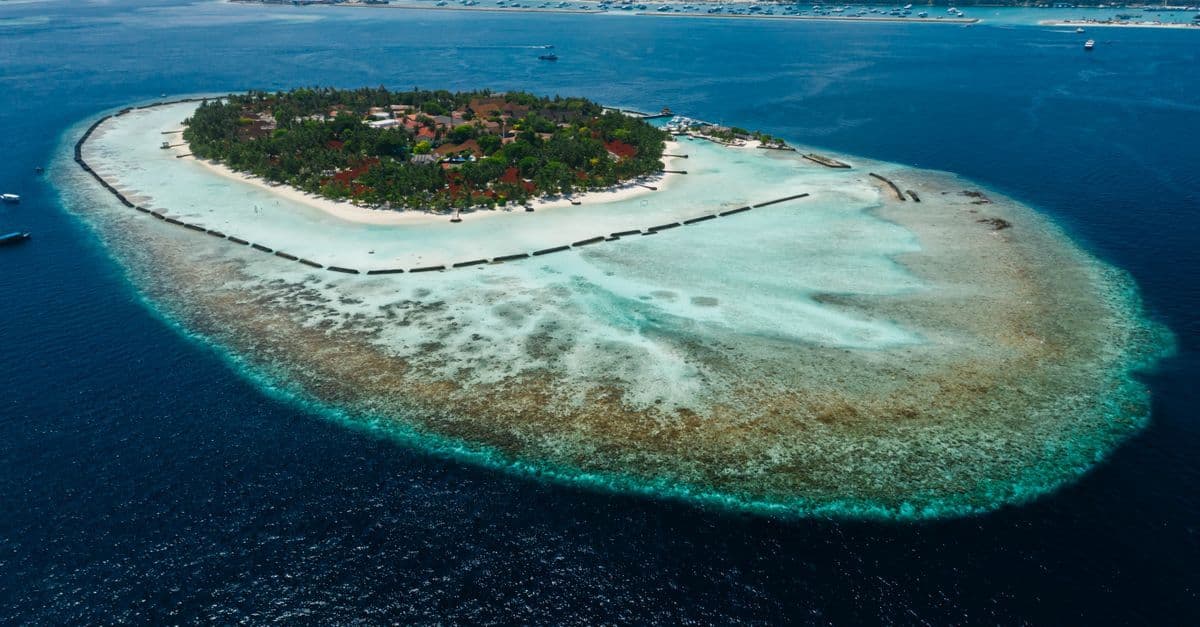
The Maldives spans 1,192 coral islands across 26 natural atolls, with around 200 inhabited and more than 170 built entirely as private resort islands emiratesholidays.com. British Airways flies direct from Heathrow to Velana International Airport in Malé in around 10 to 11 hours. UK passport holders get a free 30-day visa on arrival: no pre-application, no fee.
Three's Feel At Home doesn't reach the Maldives, and EE and Vodafone both apply international roaming charges there. No plastic SIM to track down, no airport kiosk queue. HelloRoam activates on Dhiraagu's 4G network before you board at Heathrow; the connection's live on landing in Malé.
Key fact: HelloRoam's Maldives eSIM runs on Dhiraagu 4G. The 1GB/7Days plan costs ~£9.39; the 1-day data plan costs ~£8.35.
That's a spread of nearly £29,000 per person across accommodation tiers. The mechanics behind that gap deserve unpacking.
How much does a Maldives holiday cost?
A seven-night Maldives holiday costs anywhere from around £1,200 to £30,000 per person, depending on where you sleep and how you get there. The spread is real. What most booking sites skip: transfers can add hundreds to the bill before you've unpacked.
Seaplane transfers to remote atolls run at roughly £150 to £400 per person each way. A couple staying at a distant resort can spend close to £1,600 on transfers before their first meal. Speedboats to closer atolls cost considerably less, around £20 to £80 per person each way, which is why mid-range pricing can look misleadingly affordable at first glance.
Here's how the tiers actually break down:
Budget (local-island guesthouses): ~£1,200 to ~£2,000 per person Seven nights including flights. Stays on inhabited local islands with local restaurants and day trips to nearby beaches. Alcohol is unavailable on inhabited islands; that's worth knowing before you book.
Mid-range resort: ~£2,500 to ~£5,000 per person A proper resort island experience, often with half-board or all-inclusive included. Transfer is typically by speedboat.
Luxury overwater bungalow: ~£5,000 to ~£15,000 per person Glass-floor villas directly above the lagoon, with the house reef accessible from the deck. Seaplane transfer usually bundled in kenwoodtravel.co.uk.
Ultra-luxury (Soneva, Four Seasons): ~£15,000 to ~£30,000 per person Butler service, private pools, fine dining. Most activities and transfers included.
All-inclusive is worth serious consideration at any resort tier travelbag.co.uk. A cocktail runs roughly £12 to £20 at most properties; a fortnight of pay-as-you-go drinking adds up sharply. The resorts that compete hardest on all-in pricing tend to be the ones where food and drink quality justifies it.
Costs clarify the price tag. The more interesting question is what the Maldives actually delivers for that spend.
What makes the Maldives perfect for a UK break?
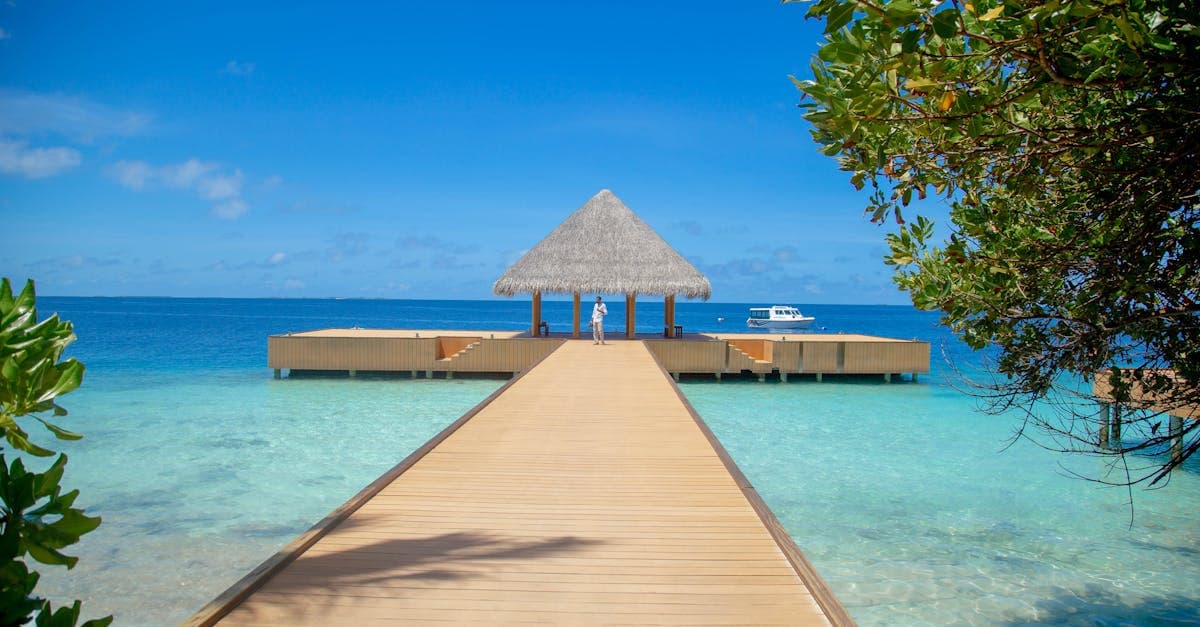
The Maldives is the only destination on earth that offers overwater bungalows at genuine scale. More than 170 resort islands are built around this format, and nowhere else comes close. That isn't a niche boutique concept; it's the standard, which changes what a holiday here actually feels like.
For UK travellers specifically, the Maldives delivers something most long-haul destinations don't: a total absence of obligation. No itinerary to plan, no transport connections to navigate once you've arrived. The resort island is the destination, and that simplicity is precisely the point.
The diving deserves its reputation. The Indian Ocean atolls support over 1,000 fish species, alongside manta rays, whale sharks, and hammerheads on the outer reefs. Snorkellers in the shallows regularly encounter reef sharks and hawksbill turtles without any guided excursion.
The UK sits in the top-five source markets, with around 100,000 to 140,000 British tourists visiting annually. That sustained volume has broadened the offer considerably. Family resorts with structured kids' clubs now sit alongside adult-only properties, and solo travellers find genuine options on local islands; the honeymoon-only reputation no longer holds.
Coral bleaching is a genuine concern, accelerated by warming sea temperatures. Reef-safe sunscreen, formulas free of oxybenzone and octinoxate, is now standard practice at responsible properties. Several resorts run active coral restoration programmes, and factoring that into your resort choice is increasingly common among British visitors.
The Maldives is extraordinary. Getting there is the first practical challenge to sort.
How long is the flight from the UK to the Maldives?
Direct flights from London Heathrow to Malé run around 10 to 11 hours. British Airways and Virgin Atlantic both operate the route, though neither runs year-round virginatlantic.com. Book early: direct seats sell out months ahead, particularly for December to April departures.
Route options at a glance
Gulf connections run daily and carry competitive fares when direct seats are gone. Travelling from Manchester or Birmingham removes the direct option entirely. Every UK regional departure routes through a Gulf hub.
The transfer that catches people out
A Maldives holiday actually involves two separate journeys: the international flight and the transfer from Malé's Velana International Airport to your resort. Seaplanes cover remote atolls in 20 minutes to 90 minutes, depending on how far your property sits from the capital. Closer resorts in North Male Atoll use speedboats, at the transfer costs noted in the costs section above.
Compare eSIM plans for Maldives — See 2026 pricing →
Seaplanes operate in daylight hours only. A delayed inbound flight can mean an overnight in Malé before continuing. Book your resort transfer and international legs as a single itinerary where possible: if the airline delays you, liability stays with the carrier. Split the booking into two separate tickets and that responsibility shifts entirely to you.
Flights sorted. The island selection question is equally practical, and getting it wrong shapes the entire trip.
Planning your Maldives holiday: resort islands, local islands and transfers
Two fundamentally different holiday formats exist in the Maldives. Resort islands are private, alcohol is available, and meals are typically bundled into the rate. Local guesthouses on inhabited islands cost considerably less but operate under local Islamic law: no alcohol is served, and modest dress applies in public areas beyond the beach.
The decision framework
Three questions decide which format suits your trip:
- Is alcohol part of the holiday? Resort islands only. Local islands have no exceptions to this rule.
- Convenience or cultural texture? Resorts remove every logistics question. Local islands place you inside actual Maldivian life, with the trade-offs that brings.
- How remote are you prepared to go? North Male Atoll resorts use speedboat transfers at the pricing noted earlier. Remote southern and northern atolls are seaplane-only, meaning the daylight constraint flagged in the flights section above becomes a genuine logistical factor.
Who each option suits best
Families with young children are well served by mid-range and luxury resorts, which offer structured activities and predictable mealtimes. Solo travellers tend to get more from smaller boutique properties with a naturally social atmosphere. Couples targeting the overwater bungalow experience have the widest choice across all price tiers trailfinders.com.
Budget travellers on local islands get something resort guests rarely see. Morning fish markets, narrow coral-lane streets, the unfiltered rhythm of daily Maldivian life. The beach is still there; the sandbanks are a short boat trip away.
One practical gap most guides skip entirely: mobile data across the atolls.
Staying connected in the Maldives: eSIM, local SIM and resort wifi
Resort wifi comes included at most properties, but "included" and "reliable" are different things depending on which atoll you're on. Around Malé and North Male Atoll, Dhiraagu's 4G network delivers solid coverage for navigation, messaging, and social media. Remote atolls depend on satellite connections that throttle under evening demand, and cellular signal weakens the further from the capital your resort sits.
Myth: your UK carrier covers this cheaply
The Maldives falls outside Three's Feel At Home coverage area and EE's complimentary Roam Abroad zones. Vodafone UK applies daily roaming charges here. Most UK carriers bill between £5 and £10 per day for mobile data in the Maldives, so a two-week trip generates a roaming charge that lands with the credit card statement rather than the holiday brochure.
An eSIM sidesteps that entirely.
Myth: just grab a local SIM at the airport
You can. Dhiraagu and Ooredoo both have desks at Velana International Airport. For stays longer than ten days, a local SIM makes financial sense. Below that threshold, registration requirements and APN (the carrier gateway your phone uses to access mobile data) configuration add real friction at the worst possible moment: straight off a long-haul flight.
An eSIM activated on home wifi before departure is the cleaner option. HelloRoam's eSIM for Maldives runs on Dhiraagu's 4G network; 3GB over 30 days costs ~£28.44, and a 5GB plan runs ~£45.15 for the same period.
Key fact: HelloRoam Maldives eSIM plans run on Dhiraagu's 4G network, with a 10GB data allowance available for ~£64.36 over 30 days.
Download offline maps before you board. Between atolls you're at sea with no signal, and navigation to a remote property depends entirely on what's cached on the device.
Connectivity handled. The last variable is when to actually go.
Which month is best to go to the Maldives?
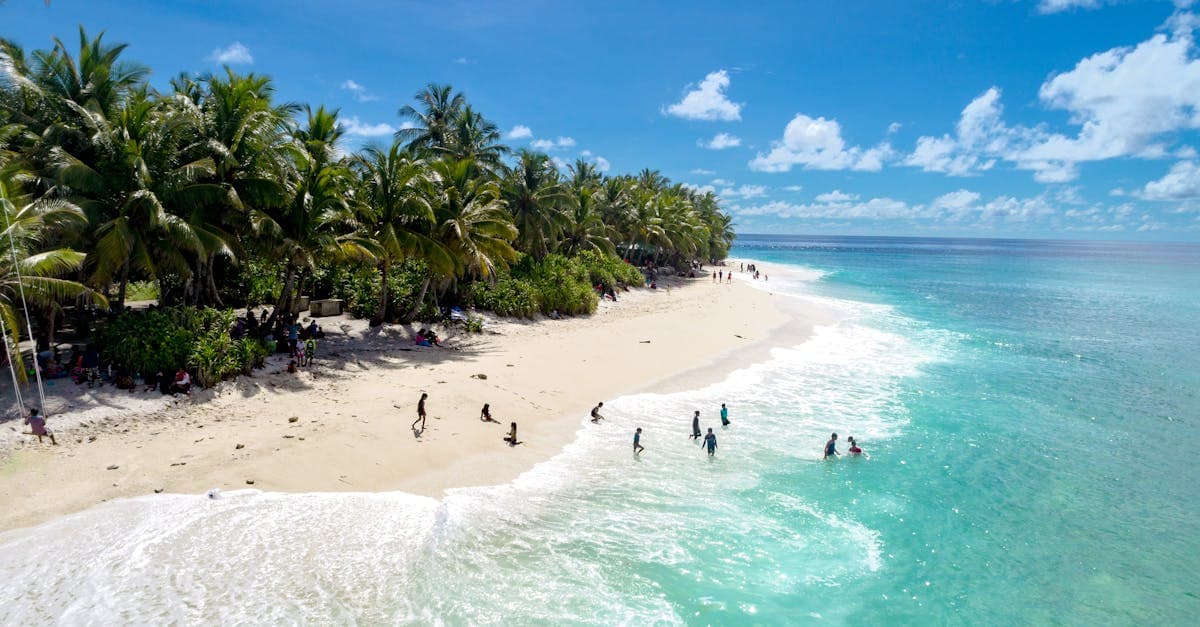
November to April is the Maldives dry season, bringing calm seas, reliable sunshine, and the clearest dive visibility of the year. December and January sit at peak pricing across most resorts. March and April add whale shark sightings at South Ari Atoll to the mix. For value without real compromise, May and early June find the best balance of cost and conditions.
The November-to-February window is the most consistent. Sea conditions stay calm, skies clear reliably, and dive visibility across most atolls reaches its annual peak. Resorts fill quickly; prices reflect it. Book by September for peak-month travel, or expect to pay a premium for the last rooms standing.
March and April deserve a closer look. Whale sharks gather around South Ari Atoll during these months, drawn by plankton blooms in the warming water. The weather stays sunny, the seas remain manageable, and pricing hasn't yet slumped to wet-season rates. For serious divers, this window is the obvious pick.
The wet season runs May to October. That sounds alarming. It isn't.
Rain falls in short bursts, often overnight. Most days bring usable weather, and the atolls closest to Malé still deliver decent dive conditions. Rates drop, resorts are quieter, and you avoid sharing a house reef with forty other snorkellers. The trade-off: liveaboards and remote southern atolls carry more weather risk during these months.
July and August create their own pressure. UK school holiday demand pushes rates back up and availability tightens sharply. Families booking during those weeks need six to twelve months of lead time, particularly for overwater villas.
May and June is the practical answer for most UK travellers planning Maldives holidays. Wet-season pricing, dry-season lingering warmth, and fewer crowds than any month from November to April. The rain risk exists, but so does the discount.
Reviewed by HelloRoam's editorial team. Last updated: 05 June 2026.
Get Connected Before You Go


Frequently Asked Questions
November to April is the dry season, offering calm seas and clear skies. For the best value, May and early June combine lower prices with lingering dry-season warmth and fewer crowds.
A 7-night Maldives trip costs roughly £1,200 per person for budget guesthouse stays, rising to £30,000 per person for ultra-luxury resorts with butler service and private pools.
Direct flights from London Heathrow to Malé take around 10 to 11 hours. Connecting via Dubai or Doha adds 2 to 4 hours, with total journey times of 12 to 15 hours depending on the hub.
A Maldives holiday ranges from around £1,200 to £30,000 per person for seven nights. Budget guesthouses start at the lower end, while ultra-luxury resorts with butler service reach the top.
UK passport holders receive a free 30-day visa on arrival in the Maldives. No pre-application or fee is required, making entry one of the most straightforward for British tourists.
The Maldives falls outside most UK carriers' complimentary roaming zones, with daily international charges typically running £5 to £10. An eSIM or local SIM is a more cost-effective alternative.
An eSIM activated before departure is the most convenient option, running on Dhiraagu's 4G network. Budget eSIM plans for the Maldives start from around £8 to £9 for 1GB of data.
Seaplane transfers to remote atolls cost roughly £150 to £400 per person each way. Speedboat transfers to closer resorts run around £20 to £80 per person each way.
Alcohol is not available on inhabited local islands in the Maldives, which operate under local Islamic law. Alcohol is only served on private resort islands.
For trips under ten days, an eSIM activated before departure is more convenient, avoiding airport registration queues and setup hassles on arrival. A local SIM may offer better value for stays over ten days.
Whale sharks gather around South Ari Atoll in March and April, drawn by plankton blooms in warming waters. The weather stays sunny and seas remain manageable during this window.
All-inclusive is worth considering as cocktails at most Maldives resorts cost £12 to £20 each. Two weeks of pay-as-you-go drinking adds up considerably, making an all-in package better value.
The Maldives supports over 1,000 fish species, with manta rays, whale sharks, and hammerheads on outer reefs. Snorkellers regularly encounter reef sharks and hawksbill turtles without guided excursions.
The official currency is the Maldivian Rufiyaa, but US dollars are widely accepted at resorts throughout the Maldives.
Seaplanes in the Maldives operate in daylight hours only. A delayed inbound flight can mean an overnight stay in Malé before you can continue to a remote resort.
The November to April dry season brings the clearest dive visibility of the year. March and April are ideal for serious divers due to calm seas and whale shark sightings at South Ari Atoll.
Resort wifi is included at most properties, but reliability varies by atoll. Resorts near Malé benefit from solid 4G coverage, while remote atolls rely on satellite connections that can throttle under evening demand.
Sources
- Maldives Holidays 2026 / 2027 — emiratesholidays.com
- All-Inclusive Maldives Holidays | 2026 / 2027 — travelbag.co.uk
- Maldives Holidays 2026/2027 — virginatlantic.com
- Maldives Holidays 2026 / 2027 — kenwoodtravel.co.uk
- Maldives Holidays 2026/2027 — trailfinders.com