

Quick answer: Norwegian fjords cruise at a glance
on the itinerary, and what the ship itself feels like to live on.
The price gap is real. What the premium buys is access: a 200-passenger vessel can navigate narrower inner waterways and dock at coastal fishing villages that a 300-metre ship cannot physically enter. Coastal voyage routes, such as Hurtigruten's year-round Norwegian schedule, stop at a dozen or more ports per sailing, reaching small towns that standard big-ship itineraries skip entirely hurtigruten.com.
Big ships suit travellers who want a resort experience at sea. Small ships suit those who'd rather spend evenings in a harbour village than a theatre. The right call depends on pace, budget, and how much the port list matters.
The ship type often points directly at which cruise line fits your budget and travel style.
What is the best month to cruise the Norwegian fjords?
June and July deliver the best all-round Norwegian fjords cruise experience, with long daylight hours, waterfalls at peak flow, and temperatures that stay comfortable on deck.
The midnight sun is the headline act. Above the Arctic Circle, the sun doesn't set between late May and mid-July; even further south, Bergen sees daylight stretching past 11pm. You're on deck at 10pm watching Geirangerfjord catch the last of the light, a glass in hand, and it still feels like late afternoon. That kind of daylight is hard to replicate.
Summer also brings the highest waterfall flow. Snowmelt from the surrounding peaks feeds the cascades through June and July, so the Seven Sisters falls in Geirangerfjord run at their most dramatic exactly when you're most likely to be there.
Pack a mid-layer. Summer temperatures in Bergen average 15-20°C, which feels warm until the ship picks up speed.
Two completely different seasons, two completely different trips. November through February is the Northern Lights window, with aurora sightings best in northern Norway. Cold, yes. Often wet. But the drama of a narrow fjord under a green-lit sky is something summer travellers never see.
May and September split the difference. Shoulder season means smaller crowds on the popular walking trails, lower fares from most lines, and weather that's still manageable. Worth considering if flexibility matters more than the midnight sun.
One important shift for 2026: Geirangerfjord now requires all visiting ships to run on zero-emission propulsion. That narrows the field of compliant vessels, so checking your chosen cruise line's environmental credentials before booking isn't just ethical, it's practical.
Big ship or small ship: choosing the right Norwegian fjords cruise
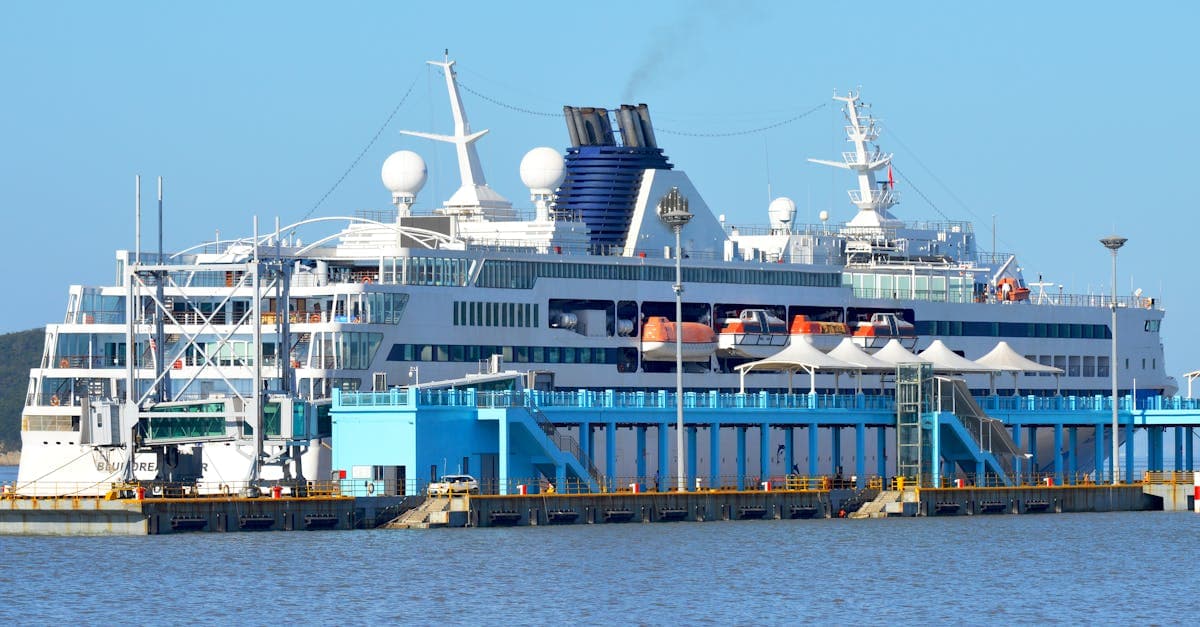
Large ships carry 2,000-plus passengers and run the full resort playbook: theatres, multiple restaurants, pools, and evening entertainment. Small expedition ships carry 200-500 passengers and trade those amenities for something the brochures understate: access to the fjords themselves.
That access gap is tangible. Coastal voyage routes, the kind Hurtigruten has run for generations, stop at working Norwegian fishing ports that a 300-metre cruise liner physically cannot enter hurtigruten.com. The fjord narrows. The ship can't follow.
Budget is the other lever. Large-ship cabins start at ~£800 per person; small-ship expeditions from ~£1,500 hayscruise.co.uk. Smaller operators often include more in the fare, though: guided walks, naturalist talks, kayak sessions at anchor.
Pace matters too. Big ships spend more time at sea between headline ports. Small ships dock more frequently, which shapes the whole rhythm of the trip. The right pick depends on whether you're there for the ship or the shore.
Which cruise line is best for Norwegian fjords?
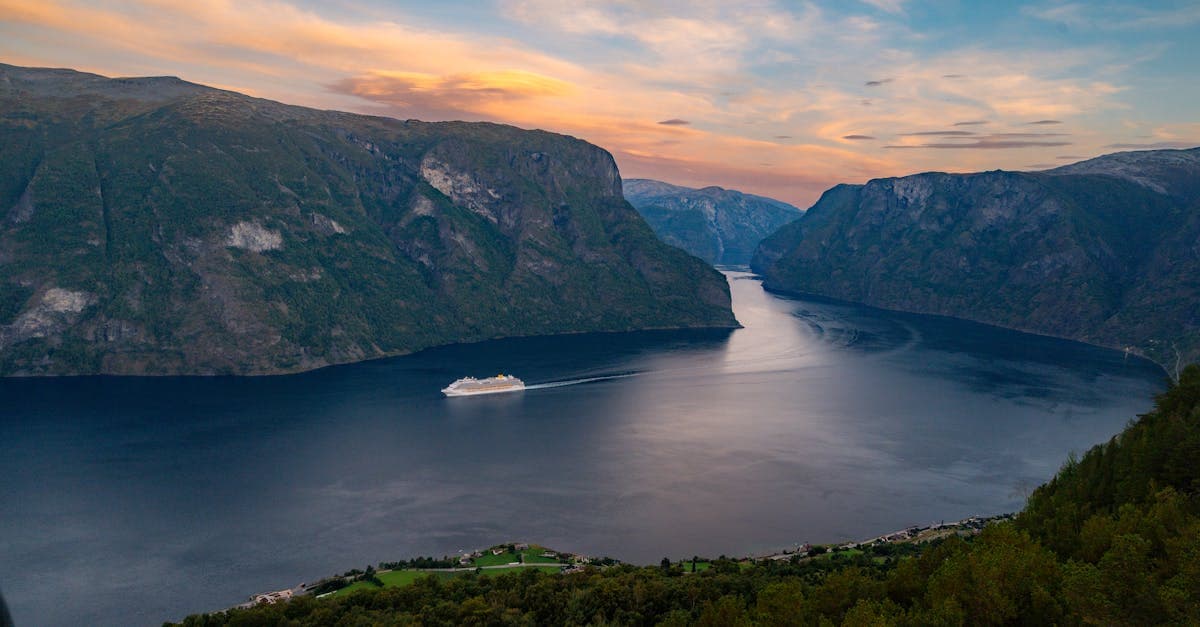
Fred Olsen and P&O are the natural starting point. Compare them first: both offer no-fly itineraries from Southampton, with small-to-mid-sized ships that suit the fjords well fredolsencruises.com. Hurtigruten takes a different approach entirely, as the original coastal mail route with dozens of Norwegian port stops.
Port-heavy, unhurried, and genuinely immersive.
Royal Caribbean and MSC offer resort-scale entertainment at competitive pricing. The trade-off is a more fleeting experience ashore.
Your best line depends on how much time you want on Norwegian soil versus at sea. Choosing a line also determines where in the UK you board.
Sailing to Norway from the UK: ports, routes, and what to expect
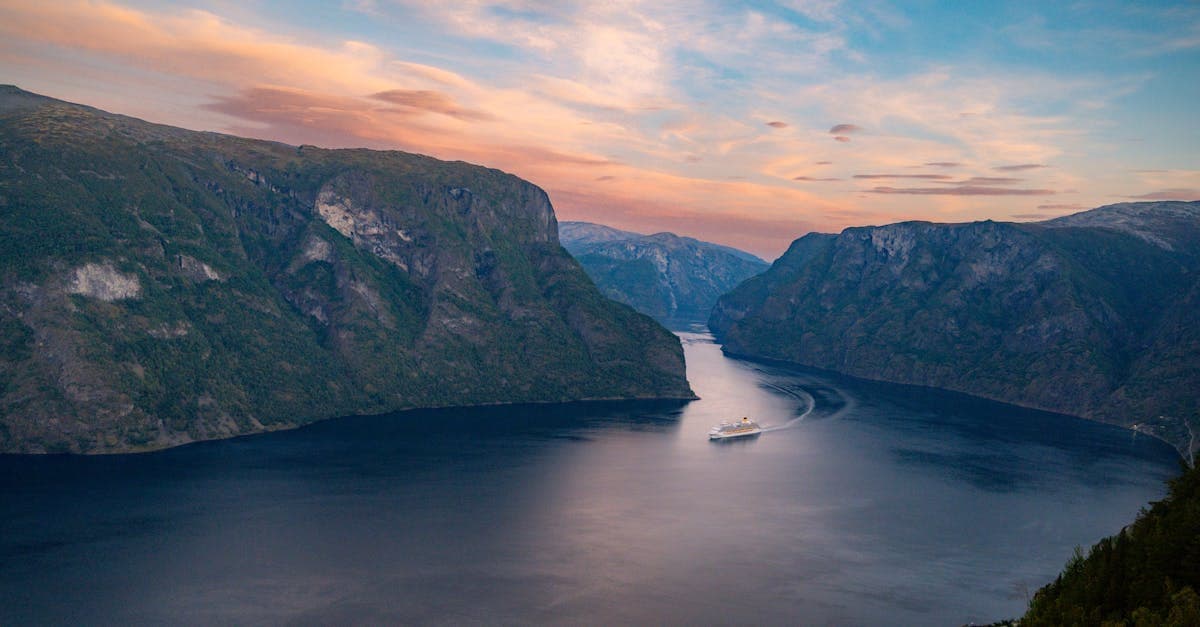
Most Norwegian fjords cruise departures leave from Southampton or Dover, letting you skip the airport entirely worldofcruising.co.uk. Fred Olsen sails from both; P&O operates out of Southampton pocruises.com. Direct sailings also run from Newcastle to Bergen, roughly 26 hours across open water. It's a genuine overnight ferry, not a cruise, but useful if you're positioning yourself before or after a fjord itinerary.
Wherever you board, Norwegian ports of call follow a recognisable sequence: Bergen as the gateway city, Flåm for the mountain railway, Ålesund for its Art Nouveau streetscapes, and Geiranger for the fjord scenery that defines the destination.
Sort your passport before anything else. Post-Brexit, UK passports must be less than 10 years old on the date of travel, with at least six months' validity remaining. Norway sits outside the EU but operates within the Schengen zone, so the same entry conditions apply as for France or Germany. Getting this wrong means missing your ship with no refund.
The North Sea crossing deserves honest mention. Autumn and winter sailings can be rough, particularly on longer passages from Southampton. Many passengers find the first day genuinely uncomfortable. If seasickness concerns you, book a mid-ship, lower-deck cabin where movement is least noticeable, and keep medication in hand luggage rather than hold baggage.
Once you're docked at Bergen or Flåm, your phone's connectivity becomes the immediate practical concern.
How to stay connected on a Norwegian fjords cruise
Install an eSIM before you sail. It activates automatically when the ship docks in Bergen, Flåm, or Ålesund. HelloRoam's Norway plans run on Telia and Telenor networks, starting at ~£2.76 for 1GB over 7 days. A 5GB plan valid for 30 days costs ~£7.50, which covers most cruise lengths with data to spare.
Norway is EEA but not EU, which means post-Brexit UK roaming charges apply in full. Three's Feel At Home doesn't reach Norway. EE and Vodafone UK both cover it, but their daily rates add up fast on a 10-night sailing. You can skip those charges entirely with a pre-installed eSIM (a digital SIM profile that downloads directly to your phone, no physical card required).
Ship WiFi is the other default option, and it's expensive. Most cruise lines price connectivity at $25-35 per day, billed in USD regardless of your nationality. Speeds are throttled by design; video calls are typically deprioritised or blocked outright.
Key fact: HelloRoam Norway eSIM plans use Telia and Telenor networks, with 5G available in major Norwegian cities.
Coverage in Bergen and Flåm is reliable 4G. Deep in the narrow fjord channels between ports, signal fades. That's geography, not a network limitation. Download offline maps before the ship leaves any port.
A dual-SIM setup solves a problem many travellers overlook: bank authentication texts arrive on your UK number while data routes through the Norwegian eSIM. On iPhone 13 and later, both lines run simultaneously without switching.
eSIM for Norway removes the roaming guesswork before you board. One persistent misconception about this trip is worth tackling directly.
Is it warm on a Norwegian fjords cruise?
Not by typical holiday standards. Bergen's summer highs sit around 15-20C travel.saga.co.uk, which sounds reasonable until wind chill on open decks cuts several degrees off that figure. Cool air funnelled through fjord valleys adds to the effect. Pack for a British autumn rather than a Mediterranean summer and you'll be comfortable.
Pack expecting Spain in July and you'll spend the first morning buying a fleece from the ship's shop.
Rain is the other reality. Western Norway's fjord coast is one of Europe's wettest landscapes year-round, regardless of how sunny the brochure photographs look. June and July are drier than winter, but showers arrive without much warning. A decent waterproof outer layer isn't optional kit; it's the single most useful thing you can pack.
The fjord effect sharpens things further. Standing on deck at Geirangerfjord with a 20-knot wind off the water, 15C feels closer to 10C. A fleece mid-layer and sturdy walking shoes handle both deck time and the rocky paths ashore. Thin trainers on a wet fjord path are a reliable way to ruin a morning.
Wind chill catches more passengers unprepared than the rain does.
Winter cruises sit in a separate category. Temperatures from -5C to 5C are typical November through February, days are short, and coastal sleet is common. The Northern Lights make the trade-off worthwhile for many travellers, and the fjords under snow carry their own drama. Dress for proper cold, not reluctant cool.
Weather managed. The cabin upgrade question is equally worth resolving.
Is it worth having a balcony on a Norwegian fjords cruise?
For a Norwegian fjords cruise, yes, more readily than for most other routes. Balcony cabins typically cost 20-40% more than inside or oceanview equivalents hayscruise.co.uk, but fjord scenery passes at close range and that private outdoor access earns its premium when cliff walls fill the view from waterline to sky.
The midnight sun argument is sound. Sailing north of the Arctic Circle in June or July, it stays light through the night. A private deck at midnight with full daylight, the ship threading between rock walls: that's a different experience from watching through a porthole or sharing the bow rail with two hundred fellow passengers.
Northern Lights season makes the case just as clearly. Balconies give unobstructed dark-sky access from your cabin door at 2am without hunting for a communal viewing area in cold corridors. The lights appear suddenly and can vanish within twenty minutes. Being outside in seconds makes a difference.
There's a fair case against upgrading.
Most ships provide upper-deck communal viewing areas at no extra cost. On smaller vessels, any passenger reaches an open deck quickly and the shared spaces are often uncrowded enough that the balcony premium is hard to justify on a tighter budget.
In practice, balconies earn their cost on Norwegian fjords cruises more readily than on most other itineraries, because the scenery is this close and this fleeting. If budget allows, the upgrade is worth it. If it doesn't, the communal decks deliver a solid view; you'll just share it. The bigger budget decisions tend to arrive at each port of call.
Reviewed by HelloRoam's editorial team. Last updated: 02 June 2026.
Get Connected Before You Go

Frequently Asked Questions
Fred Olsen and P&O suit UK travellers with no-fly departures from Southampton. Hurtigruten offers the most port-heavy coastal route. Royal Caribbean and MSC deliver resort entertainment at competitive fares.
June and July offer the best all-round experience, with midnight sun, peak waterfall flow, and temperatures of 15-20C. May and September bring smaller crowds and lower fares. Winter sailings offer Northern Lights but cold, wet conditions.
Balcony cabins typically cost 20-40% more but earn their premium on fjords routes, where cliff scenery passes at close range. Midnight sun and Northern Lights make private deck access particularly valuable.
Bergen's summer highs average 15-20C, but wind chill on open decks lowers the feel significantly. Pack for a British autumn with a waterproof layer and fleece mid-layer rather than expecting Mediterranean warmth.
Large ships carry 2,000+ passengers with resort amenities from around £800pp. Small ships carry 200-500 and access narrower fjord arms and coastal villages, starting from around £1,500pp.
UK passports must be less than 10 years old on the travel date with at least six months validity remaining. Norway is in the Schengen zone, so the same entry rules apply as for France or Germany.
Most Norwegian fjords cruises depart from Southampton or Dover, letting you skip the airport entirely. Direct sailings also run from Newcastle to Bergen, taking approximately 26 hours.
Key Norwegian ports include Bergen as the gateway city, Flåm for the mountain railway, Ålesund for its Art Nouveau streets, and Geiranger for the iconic fjord scenery.
Install a Norway eSIM before sailing for affordable data that activates when the ship docks. Ship WiFi typically costs $25-35 per day with throttled speeds, making an eSIM a much cheaper alternative.
Post-Brexit UK roaming charges apply in full in Norway. Not all UK carriers include Norway in their plans, and daily rates add up quickly on a 10-night sailing. A pre-installed eSIM avoids these costs entirely.
Pack a waterproof outer layer, a fleece mid-layer, and sturdy walking shoes. Western Norway is one of Europe's wettest regions, and wind chill on deck can make 15C feel closer to 10C.
Above the Arctic Circle, the sun does not set between late May and mid-July. Even in Bergen, daylight stretches past 11pm in summer, making evening deck time feel like late afternoon.
November through February is the best Northern Lights window, with aurora sightings strongest in northern Norway. Conditions are cold and wet, but fjords under green-lit skies offer their own dramatic reward.
Waterfalls run at their most dramatic in June and July, fed by snowmelt from surrounding peaks. The Seven Sisters falls in Geirangerfjord are at peak flow exactly during the peak cruise season.
The North Sea crossing can be rough, especially on autumn and winter sailings. Book a mid-ship, lower-deck cabin to minimise movement, and keep seasickness medication in hand luggage.
From 2026, Geirangerfjord requires all visiting ships to use zero-emission propulsion. This narrows the field of compliant vessels, so checking a cruise line's environmental credentials before booking is essential.
Sources
- Norwegian Fjords Cruises — fredolsencruises.com
- Thinking of taking a Norwegian fjords cruise? — travel.saga.co.uk
- Norway & Norwegian Fjords Cruise 2026 & 2027 — pocruises.com
- Norwegian Fjords cruise from Southampton in 2026, 2027 ... — worldofcruising.co.uk
- Hurtigruten UK: Norwegian Fjords & Northern Lights Cruises — hurtigruten.com
- Norwegian Fjords Cruises 2026 / 2027 / 2028 — hayscruise.co.uk