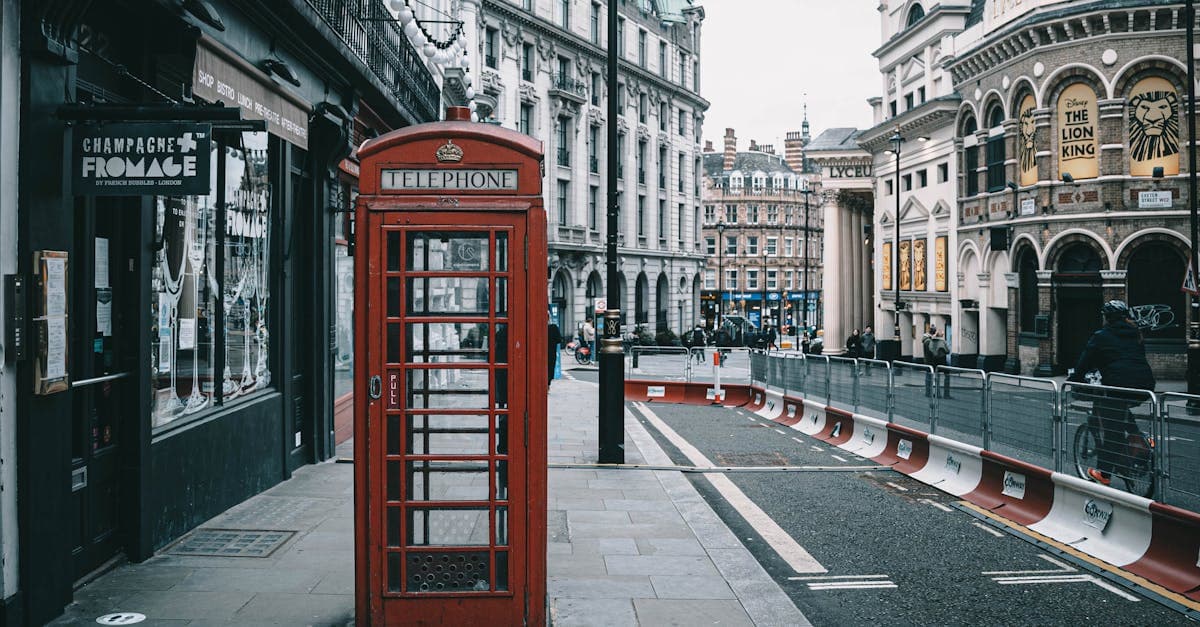



International Hall at a Glance: Key Facts
International Hall is the University of London's largest intercollegiate hall, housing around 860 residents across two linked addresses: Lansdowne Terrace and Brunswick Square, Bloomsbury, WC1N 1AW soas.ac.uk.
Intercollegiate status means the hall accepts students from UCL, LSE, SOAS, King's College London, Birkbeck, QMUL, and other University of London member institutions en.wikipedia.org. No single college controls allocation. That makes the building genuinely mixed in a way that single-college halls are not, with demand coming from eight or more member institutions competing for the same beds.
That competition matters. Applications fill early in the cycle.
Room options split into two distinct product lines: catered single rooms with meals in the dining hall, and self-catered studios with full kitchen access ucl.ac.uk. Both bundle utilities, internet, and contents insurance into a single weekly fee, removing the need to set up separate direct debits on arrival. That all-inclusive billing is a more practical convenience than it looks at first glance, particularly for international students managing finances from abroad.
Contracts align to the academic year, typically running 38 to 40 weeks.
Facts in hand. Now for what things actually cost.
Room types and fees at International Hall
Catered single rooms at International Hall run approximately £220 to £280 per week for 2025/26, while self-catered studios stretch from approximately £280 to around £380 per week. Contracts cover 38 to 40 weeks in both cases.
The studio's higher headline figure surprises many applicants. Add a realistic weekly grocery bill on top, and the gap between the two room types narrows considerably.
Catered rooms: the honest picture
The catered route works well for students who want structure built into their week. Meals arrive without shopping, cooking, or decision fatigue on a Tuesday evening after lectures. All-inclusive billing keeps admin clean. Dining hall hours do shape your schedule, though, which suits some students better than others.
Self-catered studios: the honest picture
Studios give postgraduates and returning students full kitchen independence and a quieter, more autonomous arrangement. The private space is the clearest draw. Grocery bills add to the headline weekly fee, and the actual total depends heavily on shopping and cooking habits.
Both options carry all-inclusive billing for utilities, internet, and contents insurance. Comparable rooms in London's private sector often exclude at least one of those, so the like-for-like comparison is more favourable than raw headline figures suggest.
For confirmed 2026/27 fees, check the University of London accommodation portal directly.
Fees clear. The building location matters just as much.
Location, building, and facilities at International Hall
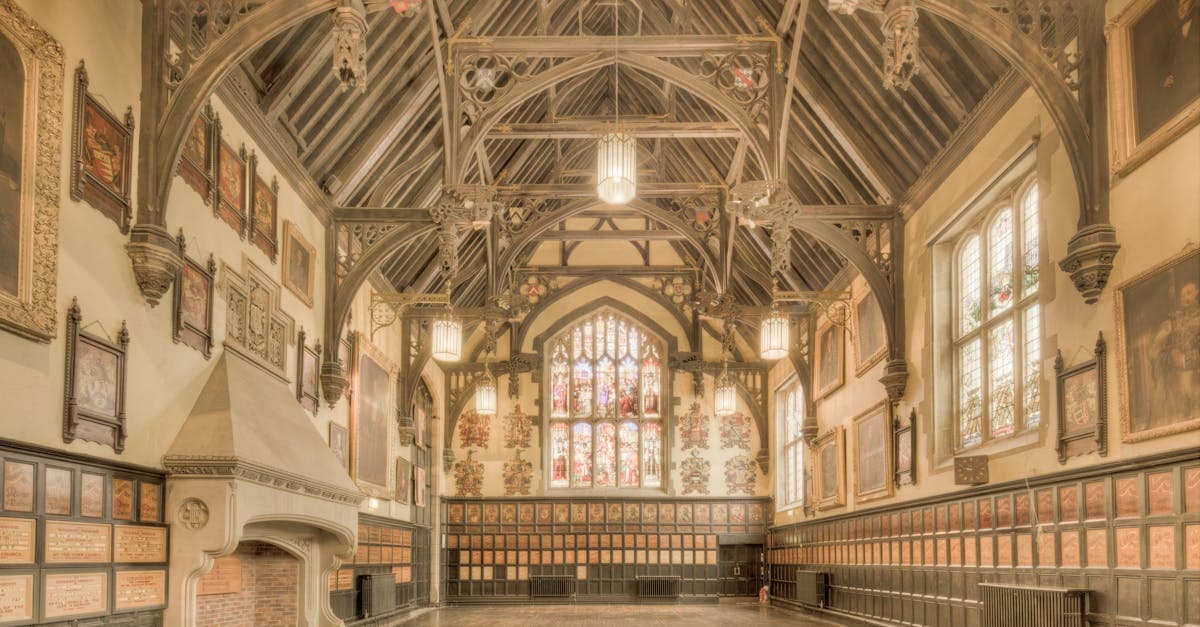
Bloomsbury WC1N puts International Hall five minutes' walk from Russell Square on the Piccadilly line, and less than a mile north of King's Cross and St. Pancras International, two of London's most connected rail hubs lse.ac.uk.
The proximity to St. Pancras has a specific practical value for residents thinking beyond term time. Eurostar services to Paris and Brussels depart from there. A Friday-evening trip to continental Europe is genuinely straightforward in a way it is not from most other London postcodes.
The academic geography here is particularly tidy.
UCL's main Gower Street campus, Birkbeck on Malet Street, SOAS on Thornhaugh Street, Senate House, and the British Museum on Great Russell Street are all within a 10 to 15-minute walk lse.ac.uk. Most residents reach their teaching buildings without touching the Tube at all, which keeps morning journeys uncomplicated and travel costs manageable across a full academic year.
Inside the building
The dining hall serves catered contract residents throughout the week. Common rooms provide shared social space. Laundry facilities are on-site britanniastudents.com. Pantry kitchen areas cover light food preparation, useful for catered residents who need a coffee or a sandwich outside dining hall hours. A 24-hour staffed security desk runs throughout the year, and accessibility-adapted rooms are available within the building. That last point is worth confirming directly with University of London accommodation services during the application process, rather than assuming availability.
Bloomsbury's residential streets are quieter than the Zone 1 entertainment districts nearby. Most students find that a sound trade for reliable study conditions.
Location sorted. Now, who actually shares the building with you?
Staying connected when you arrive at International Hall
An eSIM (a digital SIM built directly into your handset, activated by scanning a QR code) removes the physical card entirely. Have it active before you collect your keys at International Hall, and you'll arrive with a working UK data connection already set up. No kiosk queue at Heathrow or Gatwick. No scrambling for a phone shop in Zone 1 on arrival day.
Home carrier roaming inside the UK typically costs £5 to £10 per day, depending on your provider and plan. Three's Feel At Home allowance does include the UK, but the fair-use data cap applies faster than the headline suggests, particularly for students streaming lectures or relying on mapping apps throughout the day. EE Roam Abroad and Vodafone UK add-ons carry separate daily charges and their own throttle policies. Post-Brexit, EU-issued SIM cards no longer benefit from free UK roaming either, so students arriving from Continental Europe face the same daily meter as everyone else.
A UK eSIM sidesteps that daily charge entirely.
Setting up before you land
- Check eSIM compatibility. Most iPhones from the XS series onwards, and recent Android devices from Samsung and Google Pixel, support eSIM. Settings > Mobile Data > Add eSIM confirms in under a minute.
- Understand how eSIM works. What Is an eSIM? explains the technology clearly before you commit to a plan.
- Activate at the departure gate. QR code installation takes under two minutes. Scan it before boarding, and your phone connects to a UK network the moment you land.
- Run dual SIM. Keep your home physical SIM active for bank verification texts and calls home. Route UK data through the eSIM profile. Monzo or Revolut let you track mobile spend in real time without foreign transaction fees, which keeps costs transparent alongside other student expenses.
Hall Wi-Fi and mobile backup
International Hall's Wi-Fi covers rooms and communal areas, handling most everyday browsing, video calls, and lecture downloads without touching mobile data. A mobile eSIM plan gives independent backup when you're commuting between campuses, navigating from Russell Square to a seminar, or anywhere outside the building.
HelloRoam offers UK eSIM plans built for international arrivals who need a fuss-free setup on landing. Activation completes before you board, so your first message home can go out before the wheels touch tarmac at Heathrow.
Who lives at International Hall and is it right for you?

International Hall houses a considered mix of undergraduates, postgraduates, and study-abroad students from across the University of London's member institutions. Unlike college-specific halls, its intercollegiate status means residents arrive from UCL, LSE, SOAS, King's College London, Birkbeck, and QMUL all at once lse.ac.uk.
That breadth is the hall's real selling point.
For first-years, it means meeting people with nothing in common except a Bloomsbury postcode. An LSE economics student might share a dining table with a SOAS anthropologist and a UCL engineer. Connections built that way tend to outlast the academic year.
Demand is consistently high. With the hall's full residential capacity spread across a competitive allocation pool, places go quickly. Apply as soon as your college's accommodation portal opens. Waiting until module confirmation is typically too late.
The catered option suits most first-year international arrivals well. When you're adjusting to a new country, new institution, and a new city simultaneously, having meals handled removes one variable from an already layered transition. For returners who've found their footing, the self-catered studios offer a more independent setup without giving up the Bloomsbury location.
Internationally, the hall draws from the US, India, EU countries, and Southeast Asia. Study-abroad placements on semester programmes form a nuanced part of that cohort, alongside full-degree international students. The processes here reflect that experience: key collection and induction are structured with arriving international students clearly in mind.
The catered versus self-catered question usually settles itself once you know what year you're in. First year and arriving from outside the UK? Catered gives you more breathing room. Second year or beyond? The studios suit independent living better.
Still have questions? The most common ones are answered below.
Frequently asked questions about International Hall
The most common questions prospective residents ask before arrival fall into a handful of categories: eligibility, contract terms, practical hall life, and what the all-inclusive fee actually covers. Eligibility and fees get their own dedicated treatment in the two sections below. The rest are addressed here.
Can I apply if my course only covers one semester?
Yes, with a nuanced caveat. The standard contracts run for the full academic year. Semester-only study-abroad students sometimes face a mismatch: the contract duration may extend beyond their actual time in London. Accommodation offices generally advise applying through the standard process and raising the duration question at the point of offer. Short-contract arrangements exist but are not the default and cannot be assumed.
When should I apply?
Immediately. The allocation for University of London intercollegiate halls is competitive, and the central Bloomsbury location makes this particular hall one of the first to fill. Treat the accommodation application as part of your enrolment sequence:
- Check when your college's accommodation portal opens (this typically coincides with offer letters)
- Submit before your college's allocation deadline, not after
- Confirm your room type preference (catered or self-catered) at this stage, since switching later is not standard
- Sign the contract and pay the required deposit promptly to secure the allocation
Students who return to the portal in August find catered options already gone with regularity.
What happens if I need to leave before the contract ends?
Contracts at University of London halls are legally binding. Early departure without a formal release means the remaining fees stay due. Release is possible in cases of medical withdrawal or course cancellation, but documentation is required and the process runs through your college accommodation office. Reviewing the cancellation terms before signing is more useful than querying them afterwards.
Are there quiet hours?
The residence agreement includes guidelines on noise and communal behaviour. The general expectation across University of London halls is that late-night noise is kept to a minimum, particularly during examination periods. At the scale of a community this size, quiet-hours rules serve a practical function, not just a procedural one.
Is there on-site laundry?
Yes. Laundry facilities are available within the hall. Machines fill up during peak periods: Sunday evenings and the days before vacation breaks see the heaviest demand. Scheduling laundry mid-week rather than at weekends is a small, sensible adjustment most long-term residents settle into.
What about dietary requirements in the dining hall?
The University of London's catering operation typically provides options covering common dietary requirements, including vegetarian, vegan, and halal. Students with specific allergies or more complex dietary needs should contact the catering team before arrival, rather than assuming provision will be in place. Advance notice allows for more careful accommodation.
Can guests stay overnight?
Guest arrangements are governed by the residence agreement issued at the point of contract. Short visits are permitted within those terms. Extended stays are not. Terms are updated periodically, so read the current version rather than relying on information from a previous year's resident.
Is there an on-site gym?
No. The hall doesn't operate as a private amenity-heavy complex. Students have access to sports facilities through the broader University of London network, including those available via the University of London Union (ULU), a short walk from Bloomsbury.
The two questions attracting the most detailed queries from incoming students are who qualifies to apply and what the all-inclusive rate actually covers beyond the headline figure. Both get fuller answers immediately below.
Is International Hall only for University of London students?

Yes, primarily. International Hall allocates its places through the University of London's intercollegiate halls system, which means availability is reserved for students registered at a University of London member institution.
The list of eligible colleges covers a broad academic range: UCL, the London School of Economics and Political Science, SOAS University of London, King's College London, Birkbeck University of London, and Queen Mary University of London. Students enrolled at any of these institutions can apply through their own college's accommodation portal ucl.ac.uk.
The "member institution" definition matters in practice. If you're registered with one of those colleges and hold a confirmed place on a course, you're eligible. Students at institutions outside the University of London federation are not eligible for the standard academic-year allocation.
The exception is summer.
Between academic years, the hall occasionally opens capacity to short-stay visitors outside the standard eligibility framework. This isn't a guaranteed annual arrangement and availability varies. External visitors considering summer access should contact the University of London accommodation services directly to check what's available in the relevant period.
For incoming students, the standard route is straightforward: your college accommodation office confirms eligibility, manages the allocation, and issues the contract. No separate application to the hall itself is required.
Eligibility clear. Next: what the weekly fee actually covers.
What is included in the weekly fee at International Hall?
The weekly fee at International Hall is all-inclusive by design. Both room types cover electricity, heating, water, and internet access without separate billing or quarterly meter readings arriving mid-term.
Internet access is included across catered and self-catered options alike britanniastudents.com.
For catered single rooms, the fee also absorbs daily meals served in the on-site dining hall. No separate meal card system.
Contents insurance is typically included within the annual contract terms. Reviewing the policy schedule before arrival is sensible: standard university hall contents cover usually excludes high-value electronics, so additional personal cover may be worth arranging separately if that's relevant to your situation.
Self-catered studios match the utilities and internet coverage above. Meals aren't part of that arrangement, since studio residents use the pantry kitchen areas for daily cooking rather than the dining hall.
One figure, one fee.
No separate bills arrive during term for either room type. That predictability has practical value when you're managing a student budget across a long academic contract, particularly for international arrivals tracking spending across currencies with cards like Monzo or Wise.
Full inclusions confirmed. One last question: short-term stays.
Can I get a short-term stay at International Hall?
Standard contracts at International Hall are structured for the full academic year, not for casual visitors. The arrangement described earlier spans a substantial portion of the year, making a brief stay impractical through the ordinary application route.
The picture isn't entirely closed. Conference guests and visiting academics are occasionally accommodated outside term time, and summer short-stay availability opens up in some years universityrooms.com. The University of London publishes updated information when places become available, so checking directly is the sensible approach rather than assuming the doors are shut.
What about visiting parents and families?
That's a practical question with a considered answer. For a two or three-day trip, a PAYG SIM (pay-as-you-go, charged only for data used) from a kiosk at Heathrow or Gatwick does the job neatly. No contract, no fuss.
For visits of a week or more, a short-term eSIM is the more measured choice. HelloRoam offers UK eSIM plans built for international visitors, with no lengthy contract to unpick when you fly home. If you'd like a layered explanation of how the technology works before committing, What Is an eSIM? covers the fundamentals clearly. Most visitors find the whole process takes under an hour from first reading to active data.
Reviewed by HelloRoam's editorial team. Last updated: 02 June 2026.
Get Connected Before You Go





Frequently Asked Questions
International Hall is the University of London's largest intercollegiate hall, housing around 860 residents in Bloomsbury. It accepts students from UCL, LSE, SOAS, King's College London, Birkbeck, and QMUL.
Students from University of London member institutions, including UCL, LSE, SOAS, King's College London, Birkbeck, and QMUL, can apply. No single college controls allocation, making competition high.
Catered single rooms cost approximately £220 to £280 per week for 2025/26. Self-catered studios range from approximately £280 to £380 per week. Both run on 38 to 40 week contracts.
Catered rooms include meals via the dining hall, while self-catered studios offer a full private kitchen. Both options include utilities, internet, and contents insurance in the weekly fee.
The weekly fee covers utilities, internet, and contents insurance for all room types. Catered rooms also include dining hall meals, eliminating most separate daily living costs on arrival.
International Hall is in Bloomsbury, WC1N, London — five minutes' walk from Russell Square and under a mile from King's Cross and St. Pancras International rail hubs.
UCL, Birkbeck, SOAS, and Senate House are all within a 10 to 15-minute walk. Most residents reach their teaching buildings without using the Tube, keeping travel costs low across the year.
Apply as soon as your college's accommodation portal opens, which typically coincides with offer letters. The hall fills early due to high demand from multiple University of London institutions.
Yes, but standard contracts run the full academic year. Semester students should raise the duration question at the point of offer, as short-contract arrangements are not the default.
Contracts are legally binding, so remaining fees stay due if you leave early. Release is possible for medical withdrawal or course cancellation, but documentation is required throughout.
Yes, the residence agreement includes noise guidelines. Late-night noise is expected to be kept to a minimum, particularly during examination periods, given the hall's large resident community.
Yes, laundry facilities are available within the hall. Machines fill up on Sunday evenings and before vacation breaks, so scheduling laundry mid-week is recommended.
No, the hall does not have a private gym. Students can access sports facilities through the University of London network, including those at ULU, a short walk from Bloomsbury.
The catering team typically provides vegetarian, vegan, and halal options. Students with allergies or complex dietary needs should contact the catering team before arrival, not on the day.
Short visits are permitted under the residence agreement. Extended guest stays are not allowed. Read the current agreement directly rather than relying on information from previous residents.
Getting a UK eSIM before departure is the most practical option. Activate the QR code at the departure gate to have a working UK data connection ready when you land, avoiding daily roaming charges.
An eSIM is a digital SIM built into your handset, activated by scanning a QR code. It provides a UK data connection without a physical SIM card or a phone shop visit on arrival day.
Home carrier roaming in the UK typically costs £5 to £10 per day depending on your provider and plan. A UK eSIM sidesteps daily charges entirely, making it more cost-effective for a full term.
Yes, Wi-Fi covers rooms and communal areas, handling everyday browsing, video calls, and lecture downloads. A mobile eSIM plan provides independent backup when commuting between campuses.
The catered option is well-suited to first-year international arrivals. Having meals handled removes one variable during the adjustment to a new country, institution, and city simultaneously.
Sources
- InternationalHall — london.ac.uk
- International Hall — ucl.ac.uk
- International Hall — lse.ac.uk
- en.wikipedia.org — en.wikipedia.org
- International Hall — soas.ac.uk
- International Hall — britanniastudents.com
- International Hall, Bloomsbury, London | Guest B&B — universityrooms.com
- INTERNATIONAL HALL UNIVERSITY OF LONDON — tripadvisor.co.uk