


Quick answer: what is International Hall?
International Hall is the largest University of London hall, housing around 860 students across two room types: catered single rooms and self-catered studios soas.ac.uk. No other single hall in the University of London system comes close in size.
The hall sits in Bloomsbury, WC1N, a five-minute walk from Russell Square Tube station on the Piccadilly line. That address places it at the geographic centre of London's university quarter.
Its intercollegiate status is what sets it apart from most student halls. Students from UCL, LSE, SOAS, King's College London, Birkbeck, and Queen Mary University of London are all eligible to apply lse.ac.uk. It isn't tied to a single college, which means the residents on your floor might be reading law at LSE while you study economics at UCL.
The hall is managed directly by the University of London, not a private purpose-built student accommodation operator en.wikipedia.org. For many students, that institutional accountability matters.
Competition for places is brisk.
Around 860 beds spread across eight or more member colleges means allocation moves fast, and demand consistently outstrips supply.
Key Takeaways - International Hall houses around 860 residents, the largest single University of London hall. - Open to students from UCL, LSE, SOAS, King's College London, Birkbeck, and QMUL. - Five-minute walk from Russell Square Tube station (Piccadilly line) in Bloomsbury WC1N. - Managed by the University of London, not a private PBSA operator. - Both catered single rooms and self-catered studios are available ucl.ac.uk.
The location is where International Hall's real appeal starts to show.
Where is International Hall and how do I get there?
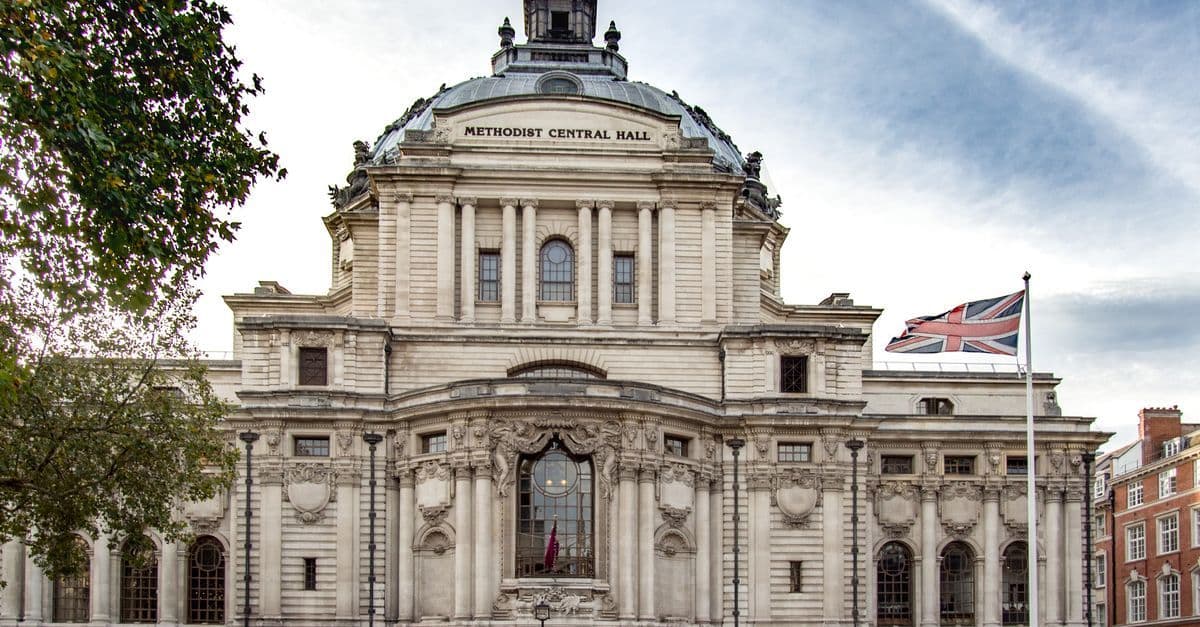
International Hall occupies Lansdowne Terrace and Brunswick Square in Bloomsbury, London WC1N 1AW en.wikipedia.org. Russell Square Tube station is a five-minute walk south, giving direct access to the Piccadilly line.
That connection is more useful than it first looks. The Piccadilly line runs from Russell Square directly to Heathrow Airport, serving Terminals 2, 3, 4 and 5 without a platform change. An international student arriving with luggage can make the whole journey in a single, lively trip from the terminal. Straightforward.
King's Cross St Pancras sits one stop east, roughly ten minutes by Tube tripadvisor.co.uk. That interchange connects six lines: Victoria, Northern, Metropolitan, Circle, Hammersmith and City, and the Elizabeth line. Eurostar services arrive there too, making it the natural first stop for students travelling in from mainland Europe.
Walking distances in Bloomsbury pay off. UCL's main campus entrance on Gower Street is around eight minutes north on foot. Senate House library, used as a central research base by students across all University of London colleges, is about six minutes away. SOAS and Birkbeck are both reachable in under fifteen minutes at an ordinary pace.
There's a version of student life in London that requires an Oyster card for every short trip. International Hall's postcode doesn't work that way. A lot of the academic week happens on foot.
Location sorted. Now for what's actually inside.
Rooms, facilities and fees at International Hall
Two room types define the fee structure at International Hall: catered single rooms and self-catered studios. Here's how they compare.
The weekly rate for catered rooms covers dining hall meals, which simplifies day-to-day budgeting considerably. Self-catered studios run higher on the weekly fee but give residents full kitchen facilities and more independence over what and when they eat.
Academic year contracts run 38 to 40 weeks, covering September through to June for most intakes. Bills, internet access and contents insurance are bundled into that weekly rate britanniastudents.com, removing the need for a separate broadband contract or electricity direct debit to set up during arrival week.
The pantry kitchen is the detail most students miss.
Catered room residents have access to a shared pantry with a microwave, but no cooking hobs. Students expecting to fry anything after midnight will need to recalibrate. If preparing your own meals regularly is a priority, the self-catered studio is the only option the hall offers.
Security is consistent: key-fob access operates at every entrance, 24/7 on-site staffing keeps the front desk covered at all hours, and lift access with step-free routes makes the building accessible for residents with mobility requirements.
The all-in billing model at International Hall is a tidy alternative to most private PBSA setups, where utility bills, broadband and contents insurance typically arrive as separate charges. Everything rolls into one weekly payment.
Fees confirmed. Next: what actually happens on day one.
What happens during arrival week at International Hall?
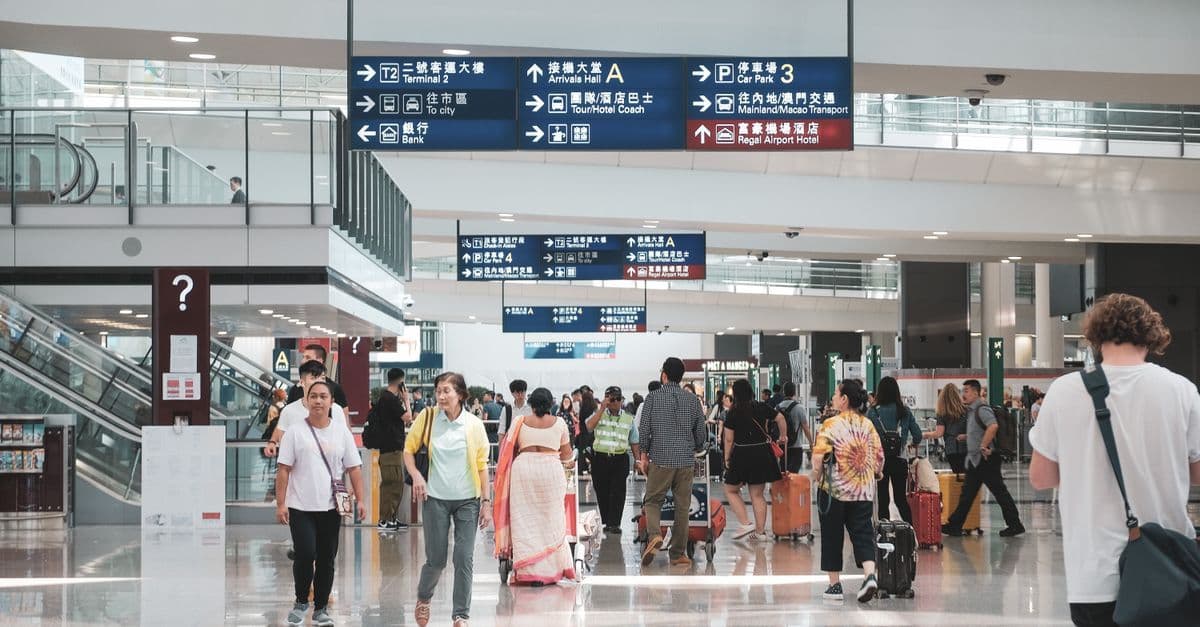
Key collection runs on pre-assigned time slots. Bring your passport or a valid photo ID: the hall checks your identity against your booking before anything gets handed over. Turn up without the right document and you'll join the queue twice, which is nobody's idea of a spirited start to university life.
Induction sessions cover fire safety procedures, hall rules and a walkthrough of the common areas. They're not optional, and they rarely run past an hour. Most new residents are out exploring Bloomsbury before the afternoon ends.
The University of London runs freshers events across the Bloomsbury colleges during arrival week, separate from the individual college inductions at UCL, SOAS, LSE and elsewhere. These cross-college gatherings reflect the animated character of International Hall itself: you'll find students from six or seven institutions in the same room from the first evening.
Admin accumulates fast.
SU card registration, library access and IT login all need setting up in the same week. Senate House library registration takes time, and individual college inductions run alongside it. Most of this is reachable on foot from the hall, which helps considerably.
One thing many arriving international students underestimate: the need for a working UK data connection from the moment they land, not from the day they get round to sorting a SIM card. Navigation, two-factor authentication for university IT systems, and keeping in touch with family all depend on it. An eSIM (a built-in digital SIM activated by scanning a QR code) can be installed before you board the plane. If the technology is new to you, the What Is an eSIM? guide is a clear starting point.
Arrival sorted. Getting online, ideally, happens before you reach the Border Force queue.
Staying connected in London: SIM cards, eSIMs and Wi-Fi
Hall Wi-Fi is included in accommodation fees and holds up well for lectures, essay writing, and video calls from your room. The problem arrives the moment you step outside. International students face roaming charges from their first outdoor call or data session, and for anyone on a non-UK home contract, those charges start accumulating before you've even cleared the Border Force queue.
Here's the practical sequence to sort it before that happens.
Step 1: Understand the UK network landscape
Three, EE, and Vodafone operate the main UK mobile infrastructure. Post-Brexit, free EU roaming is no longer guaranteed on UK carrier contracts, so students on European home plans can land at Heathrow to an unpleasant surprise on their first bill. Students from the US, India, and Southeast Asia often face steeper per-day roaming costs. A plan without a UK data option quickly becomes expensive.
Step 2: Pick up a PAYG SIM on arrival
UK pay-as-you-go SIMs are on sale at Heathrow, Gatwick, and King's Cross from carrier kiosks and newsagents. They're serviceable for most students, but the process involves a physical SIM swap, registration, and sometimes a fiddly wait for network activation. For anyone arriving on an evening flight with a 9am induction, that's an avoidable faff.
Step 3: Activate an eSIM before you board
This is where the dynamic shifts. An eSIM (a digital SIM installed by QR code, built into most iPhones from the 14 series onwards and many Android handsets) can be configured before departure. The profile installs during the flight, and by the time you're through Border Force, the phone is already live on a UK network. HelloRoam offers UK eSIM plans through its app, with no physical card or SIM swap required at any stage.
Step 4: Keep your home SIM active in parallel
Most modern smartphones support dual-SIM: eSIM for UK data, physical SIM keeping your home number live. That matters more than you'd expect. UK banks send one-time passcodes to your registered number, and digital bank accounts like Monzo or Revolut also require SMS verification on first login. Getting locked out of online banking on arrival is a spirited way to begin your first term.
Connectivity handled. Now the bigger call: is International Hall actually the right choice for you?
Is International Hall the right choice for you?
International Hall suits a specific kind of student well, and suits others less. The answer hinges on what you want from your first year in London.
You're drawn to central Bloomsbury and cross-college life
International Hall's address puts UCL, LSE, SOAS, Birkbeck, and King's College London within walking or short Tube distance. The intercollegiate model is what genuinely distinguishes it from halls tied to a single institution. With around 860 residents drawn from multiple University of London member colleges, the social mix is lively in a way that single-college halls rarely match. You'll meet people from departments you'd never otherwise encounter in your first week.
You're new to cooking for yourself
The catered option removes one logistical pressure at a busy point in your life. For students arriving from abroad who haven't run a full kitchen before, having breakfast and dinner taken care of is a sensible buffer during the first weeks of an unfamiliar city.
You'd prefer something quieter and more self-contained
At this size, the hall can feel impersonal. Private PBSA operators including iQ, Unite, and Chapter have buildings across central London. They tend to offer individual en-suite studios and a quieter atmosphere, often at comparable or higher price points. The trade-off is fewer built-in social structures and a thinner mix of colleges.
The hall earns its reputation through the combination of location, intercollegiate community, and catered convenience. That package is genuinely hard to replicate in private student housing. If quiet and independence matter more to you from day one, a private studio will serve you better, though you'll need to build your social circle more deliberately.
Still deciding? The most common pre-arrival questions are answered below.
Frequently asked questions about International Hall
Two misconceptions about International Hall crop up more than any others in pre-arrival research.
The first: that residents need to sort their own internet access. Not so. Wi-Fi is bundled into accommodation fees for every room type, whether catered or self-catered, as noted earlier.
The second: that the hall accepts students from one college only. International Hall's intercollegiate structure is precisely what makes it distinct. The full eligibility picture comes next.
Is International Hall open to students from all universities?

No, in term time. Yes, in summer. During the academic year, International Hall takes applications from University of London member colleges only. UCL, LSE, SOAS, King's College London, Birkbeck, and Queen Mary University of London are all eligible london.ac.uk. Students from universities outside the University of London group aren't considered for standard term-time places. Summer is a different matter. Outside the academic year, International Hall typically opens its availability more broadly, including to non-affiliated students and short-stay visitors looking for central London accommodation universityrooms.com.
Do I need a UK SIM card or eSIM when I arrive in London?
Yes, and it's urgent. Hall Wi-Fi is included in your fees, but step outside International Hall and it stops. Your home SIM starts billing the moment you head off campus.
Sort it in two steps:
- Grab a pay-as-you-go SIM from EE, Three, or Vodafone at Heathrow, Gatwick, or King's Cross on arrival.
- Or activate a UK eSIM before boarding, so you're connected from the moment you land.
The question isn't whether you need UK data. It's how fast you want it sorted.
What is the fastest way to get mobile data when arriving in the UK?
Activate a UK eSIM before you board. No kiosk queue, no plastic SIM card, no hunting for a paperclip in your bag at arrivals. Scan a QR code while the cabin crew collects the cups. The profile installs in minutes and your UK data is live when you touch down at Heathrow.
The alternative is joining the queue at an EE or Vodafone counter in the terminal. It works. It takes longer.
Check your handset supports eSIM in Settings before you fly. What Is an eSIM? covers the basics.
Reviewed by HelloRoam's editorial team. Last updated: 22 June 2026.
Get Connected Before You Go





Frequently Asked Questions
International Hall is the largest University of London hall of residence, housing around 860 students in Bloomsbury, WC1N. It offers catered single rooms and self-catered studios to students from multiple member colleges.
Students from UCL, LSE, SOAS, King's College London, Birkbeck, and Queen Mary University of London are eligible. During the academic year, it is open to University of London member colleges only.
International Hall is on Lansdowne Terrace and Brunswick Square in Bloomsbury, London WC1N 1AW. Russell Square Tube station on the Piccadilly line is a five-minute walk away.
Take the Piccadilly line from Russell Square station, a five-minute walk from the hall. The line runs directly to Heathrow Terminals 2, 3, 4 and 5 with no platform change required.
International Hall offers catered single rooms at approximately £220-£280 per week and self-catered studios at approximately £280-£380 per week. Both include Wi-Fi, bills, and contents insurance.
Catered single room residents receive meals included in their weekly fee. Self-catered studio residents have full kitchen access but meals are not included, and the weekly rate is higher.
Yes, Wi-Fi is bundled into accommodation fees for all room types at International Hall, whether catered or self-catered. No separate broadband contract is needed.
Academic year contracts at International Hall run 38 to 40 weeks, typically covering September through to June. Bills, internet access, and contents insurance are included in the weekly rate.
Catered room residents have access to a shared pantry with a microwave but no cooking hobs. Students who want to prepare their own meals regularly should opt for a self-catered studio instead.
During the academic year, International Hall accepts only University of London member college students. In summer, availability opens more broadly to non-affiliated students and short-stay visitors.
Bring a passport or valid photo ID for check-in, as the hall verifies your identity against your booking before issuing keys. Arriving without the correct document means rejoining the queue.
International Hall is the largest single University of London hall, housing around 860 students. No other single hall in the University of London system comes close in size.
Hall Wi-Fi covers you indoors, but you need UK mobile data the moment you step outside. Activating a UK eSIM before boarding your flight means you are connected as soon as you land.
The fastest option is to activate a UK eSIM before you board your flight. The profile installs during the flight so your phone is live on a UK network as soon as you clear Border Force.
Post-Brexit, free EU roaming is no longer guaranteed on UK carrier contracts, and students from the US, India, and Southeast Asia often face steep per-day charges. A UK eSIM or pay-as-you-go SIM avoids these costs.
Three, EE, and Vodafone operate the main UK mobile infrastructure in London. Pay-as-you-go SIMs from these carriers are available at Heathrow, Gatwick, and King's Cross on arrival.
UCL's main campus on Gower Street is an eight-minute walk from the hall. Senate House library is about six minutes away, and SOAS and Birkbeck are both reachable in under fifteen minutes on foot.
International Hall offers an intercollegiate community, central Bloomsbury location, and catered convenience that private operators rarely match. Private studios tend to be quieter but offer fewer built-in social structures.
International Hall has key-fob access at every entrance, 24/7 on-site staffing at the front desk, and lift access with step-free routes for residents with mobility requirements.
King's Cross St Pancras is one Tube stop east of Russell Square, roughly ten minutes away. It connects six lines and serves Eurostar, making it the main hub for students travelling from mainland Europe.
Sources
- InternationalHall — london.ac.uk
- International Hall — ucl.ac.uk
- International Hall — lse.ac.uk
- en.wikipedia.org — en.wikipedia.org
- International Hall — soas.ac.uk
- International Hall — britanniastudents.com
- International Hall, Bloomsbury, London | Guest B&B — universityrooms.com
- INTERNATIONAL HALL UNIVERSITY OF LONDON — tripadvisor.co.uk