

Is it safe to go to Turkey at the moment?
Turkey is safe to visit for tourists heading to Istanbul, the Aegean coast, Antalya, and Cappadocia, all of which carry no FCDO travel restrictions gov.uk. The risks most British visitors encounter are manageable: apply extra caution in nightlife areas after dark, particularly at coastal resorts. Travelling in groups, declining drinks from strangers, and planning a safe route home before heading out are practical steps worth taking.
These risks aren't unique to Turkey. But the country's specific version of them is sharp enough to be worth knowing before you land.
Turkey also has laws and customs that can catch visitors completely off guard, and some carry serious penalties.
What parts of Turkey are safe for tourists?
Istanbul, Bodrum, Antalya, Cappadocia, Marmaris, Fethiye, and Alanya carry no FCDO travel restrictions. These are the places almost every British holiday covers.
The call to prayer drifting over the Bosphorus at dawn. A plate of meze arriving at a Bodrum table with the Aegean lit orange behind it. None of those moments sit in a restricted zone. Condé Nast Traveller confirmed in March 2026 that Antalya, Bodrum, and Cappadocia are "largely safe," with no active FCDO advisories applying to those regions cntraveller.com.
The FCDO's Turkey page looks alarming at first glance, which makes it fiddly to decode without context. Work through it carefully and the pattern becomes clear: restrictions cluster in the southeast, not on the Aegean coast or in the cities most British travellers visit.
Where British tourists actually go
British tourists rank among Turkey's top three visitor nationalities, and the overwhelming majority arrive in Istanbul, Antalya, or along the Aegean coast. Antalya is safe. Istanbul is safe. Marmaris, Fethiye, Alanya, Bodrum: no FCDO advisory touches any of them.
Turkey drew around 50 to 55 million international visitors across 2024 and 2025, placing it among the world's top five most-visited countries. That volume is the market's own verdict on perceived safety.
Where the FCDO says stay away
The picture shifts sharply in the southeast. The FCDO advises against all travel within 10 kilometres of the Syrian border, plus all but essential travel to Hakkari and Şırnak provinces gov.uk. These are conflict-adjacent areas with no overlap on a standard British package itinerary.
The geography is the point.
Tourist Turkey and border Turkey are functionally different risk environments. The Aegean coast lies well over 1,000 kilometres from the Syrian border. Cappadocia sits closer to Ankara than to any restricted zone. If your itinerary includes Istanbul, a coastal resort, and a few nights in Göreme, you won't stray near anything the FCDO flags.
The risks that do reach tourist areas are decidedly lower-level: bag-snatching on busy streets, dodgy pricing in bazaars, and occasional political demonstrations in city centres. Taksim Square saw protests in early 2025 following the detention of Istanbul's mayor. Travellers caught in police cordons have not been targeted.
The southeast is genuinely grim for tourism right now. Everywhere else, the more pressing question is whether your phone has data access to pull up emergency contacts if conditions shift unexpectedly.
Key safety risks in Turkey: terrorism, crime, and what to watch
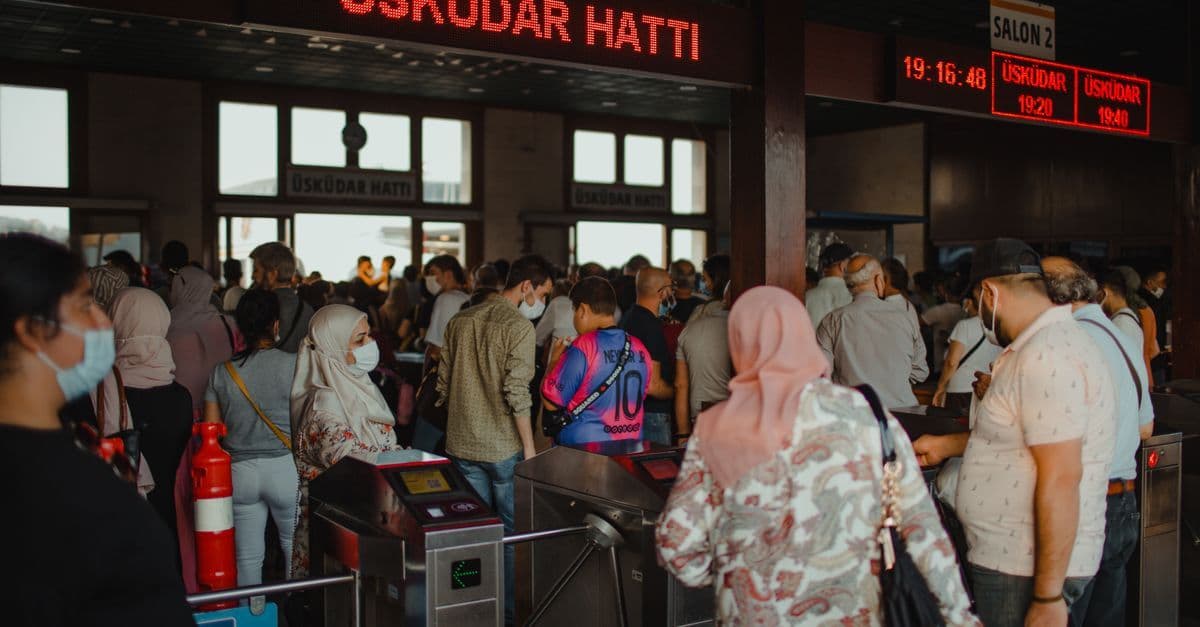
That said, knowing which regions to visit is only the first half. The risks most tourists actually face in Istanbul, Bodrum, and Antalya fall into three groups: an elevated terrorism threat that's been quiet in tourist areas since 2016, periodic civil unrest around political flashpoints, and everyday crime that's statistically far more likely to affect your trip than either thetimes.com.
Context matters on the terrorism point. The FCDO and the US State Department (Level 2 advisory, April 2026) both flag elevated risk travel.state.gov, but the last major attack on tourist areas was the 2016 Atatürk Airport bombing.
An elevated threat level reflects ongoing regional instability, not an imminent attack. Standard crowd-awareness applies. Panic doesn't.
Protests, unrest, and the Taksim rule
Political demonstrations escalated following the 2025 detention of Istanbul Mayor Ekrem İmamoğlu, and protests have periodically affected Taksim Square and other city centres. British tourists haven't been targeted, but some have been caught inside police cordons when demonstrations moved faster than anyone expected.
The Taksim rule is simple: avoid all demonstrations, regardless of how peaceful they look at the start. Turkish authorities have deployed tear gas and crowd-control measures during protests. If you see a crowd gathering near Taksim, take a different street. No detour ruins a day faster than being caught in an escalating situation.
Crime, scams, and practical precautions
Whether Turkey feels safe right now depends less on the terrorism headlines and more on how prepared you are for everyday risks. Petty crime and tourist scams are what actually fill the police reports.
The standard Istanbul hustle involves confident strangers offering directions or free assistance, which slides into pressure to visit a shop, pay for a meal, or buy something at prices no resident would accept. It's practised and friendly and works well on visitors who aren't expecting it.
Protect your belongings actively. Keep valuables in the hotel safe, don't carry your passport unless you need it, and skip flashy jewellery in crowded bazaar areas.
Taxis need a specific plan. Meter fraud and unlicensed drivers are common complaints from visitors. Use the BiTaksi or Uber app, and confirm the fare before the journey starts.
Drink spiking and methanol poisoning are real concerns in nightlife areas. Stick to licensed premises and don't accept drinks from strangers. Methanol has turned up in counterfeit spirits; a professional-looking bottle tells you nothing about what's actually inside.
For cash, use ATMs located inside bank branches rather than standalone street machines, and check notes carefully when you receive change.
After dark in nightlife districts around Beyoğlu and coastal resort strips, sexual assault risk rises. Travelling with company and keeping a trusted taxi app ready are the sensible defaults.
These risks are manageable. What catches most people out isn't the threat level, but having no clear plan when something changes quickly.
Laws, cultural differences, and local customs in Turkey
Turkish law requires you to carry your passport at all times, and several cultural rules trip up even well-travelled visitors gov.uk. A driving licence won't satisfy a police check. Photography near military installations is illegal. Alcohol is restricted in some areas during Ramadan. Five minutes reading these rules before departure saves genuine hassle on arrival.
ID. Your passport needs to be on your person, not back at the hotel. Police spot-checks occur in tourist areas and at transport hubs, and the requirement is enforced consistently.
Photography. Cameras and phones away near military installations, government buildings, and border checkpoints. The ban is broad. If uniformed guards are posted outside a building, assume photography is off-limits.
Mosques. Cover shoulders and knees before entering, shoes off at the door. Most mosques provide scarves and shoe bags at the entrance. This applies to men and women.
Ramadan. Alcohol is restricted or unavailable in some areas during the fasting month, particularly outside major resorts. Eating or drinking publicly in front of fasting locals during daylight hours is considered disrespectful. Dates shift each year, so check the calendar before you travel.
Children with one parent. Turkish border control may ask for a notarised consent letter from the absent parent. This is taken seriously. Get the letter translated and certified before departure, not on arrival.
Under-18s with unrelated adults. Hotels may raise formal queries if a child is staying with adults who aren't the parents. It doesn't happen often, but it does happen. Carry documentation confirming guardianship or parental permission.
None of these requirements are unusual by international standards. Turkey's legal framework balances a secular constitution with strong cultural traditions, and visitors who respect that distinction rarely encounter problems.
That covers the rules. Staying connected throughout the trip is the next practical question.
Staying connected in Turkey: eSIM, local SIM, and roaming compared
Mobile data in Turkey isn't just about convenience. It's how you access live FCDO travel advisories, reach 112 emergency services, and navigate unfamiliar roads without depending on hotel Wi-Fi. Getting this decision right before you fly shapes the whole trip.
Three approaches worth comparing:
An eSIM (built-in digital SIM that activates by scanning a QR code) removes the need for a physical card swap and any airport queue. HelloRoam's Turkey plans run on Türk Telekom's network, with 5G available in city centres. The 10GB option, valid for 30 days, is priced at ~£8.45, a practical fit for a standard two-week trip with regular map and messaging use.
Key fact: HelloRoam's Turkey eSIM runs on Türk Telekom's 5G network, with options including 3GB for 30 days at ~£4.34 and 20GB for 30 days at ~£14.87.
UK carrier roaming activates automatically, but Turkey sits outside EU-style roaming agreements. Three's Feel At Home doesn't cover Turkey. EE charges daily rates under its Roam Abroad scheme, and Vodafone UK applies per-day roaming add-ons. For a trip lasting a week or more, a pre-purchased eSIM typically undercuts the cumulative roaming bill.
Local Turkish SIMs from Turkcell, Vodafone TR, or Turk Telekom offer reliable coverage but require in-person passport registration at the point of sale. Fine if you're landing in Istanbul with an afternoon to spare. Less practical arriving after dark into Antalya and heading straight to a resort.
Istanbul and the Aegean coast have strong 4G coverage across tourist zones, with 5G in major city centres. The southeast border region is patchier. For any itinerary that includes FCDO-advisory areas, download offline maps via Google Maps or Maps.me before you leave.
A dual-SIM setup keeps your UK number live for bank verification texts while the Turkey eSIM handles data. Most current iPhones and Samsung Galaxy models support this.
The safety question UK travellers raise with increasing regularity concerns the conflict just across Turkey's eastern border.
Is it safe to travel to Turkey with the war in Iran?
The FCDO does not advise against travel to Turkey on the basis of the Iran conflict gov.uk. Turkey's main tourist regions sit hundreds of kilometres west and south of the Iranian border. Istanbul, the Aegean coast, Antalya, and Cappadocia are as geographically remote from the Iranian frontier as London is from Warsaw.
Turkey's NATO membership keeps diplomatic and military channels active regardless of regional turbulence.
The east of the country is a different matter.
Provinces close to the Iranian border, including areas around Van and Doğubeyazıt, warrant specific advisory checks before any visit smartraveller.gov.au. These areas rarely feature on British package holiday itineraries, but if far-eastern Turkey is part of your plans, read the latest FCDO guidance directly rather than relying on a third-party summary.
FCDO advisories can change quickly when regional situations shift. Bookmark the FCDO Turkey travel advice page and check it in the week before departure, not just when you first book. Signing up for email alerts is the most straightforward way to monitor any changes while you're already in the country.
The conflict in Iran does not materially change the risk picture for a holiday in Istanbul, Bodrum, or along the Turquoise Coast. What turns pre-trip uncertainty into genuine readiness is arriving with a clear plan already in place.
Before you go: travel insurance, emergency contacts, and your safety checklist
Your travel insurance policy is the first thing to check, not the last. Some insurers exclude Turkey entirely when the FCDO has any advisory in place, even one that only affects provinces hundreds of miles from your resort. Call and confirm before you pay the holiday balance.
Seven steps to complete before departure:
- Verify insurance coverage. Confirm Turkey is included under the current FCDO advisory status. Ask specifically about exclusion clauses and get written confirmation.
- Register with FCDO LOCATE. It's free and takes under five minutes. British consular staff can reach you faster in any emergency.
- Save the British Embassy in Ankara: +90 312 455 3344. Store it before you board, not when you need it.
- Save 112. The single Turkish emergency number for police, ambulance, and fire.
- Download offline maps. Google Maps and Maps.me both support offline areas. Download your destination region on home Wi-Fi before flying, not at the airport.
- Set up your eSIM before departure. A eSIM for Turkey from HelloRoam installs remotely, so you have data running before you reach the baggage carousel.
- Share your itinerary. Hotel names, flight numbers, a rough daily plan. Leave it with someone at home who'll notice if you go quiet.
Tick these off before you pack. Turkey is well worth the trip.
Reviewed by HelloRoam's editorial team. Last updated: 20 June 2026.
Get Connected Before You Go


Frequently Asked Questions
Turkey is safe to visit in Istanbul, the Aegean coast, Antalya, and Cappadocia, with no FCDO travel restrictions in these areas. Apply extra caution in nightlife areas after dark and travel in groups where possible.
The FCDO does not advise against travel to Turkey due to the Iran conflict. Istanbul, the Aegean coast, Antalya, and Cappadocia are hundreds of kilometres from the Iranian border.
Istanbul, Bodrum, Antalya, Cappadocia, Marmaris, Fethiye, and Alanya all carry no FCDO travel restrictions. Restrictions apply within 10km of the Syrian border and in Hakkari and Sirnak provinces.
Yes, Antalya is safe for tourists with no active FCDO travel advisories applying to the region. It is one of Turkey's most visited destinations and carries no FCDO restrictions.
The FCDO advises against all travel within 10km of the Syrian border and all but essential travel to Hakkari and Sirnak provinces. Major tourist areas including Istanbul, Antalya, and Cappadocia have no restrictions.
The FCDO flags an elevated terrorism threat in Turkey, but the last major attack on tourist areas was in 2016. Standard crowd-awareness applies; tourist areas have been calm since then.
Istanbul is safe for British tourists with no FCDO restrictions. Be cautious around Taksim Square during political demonstrations, avoid protests, and take standard precautions against petty crime and scams.
Common scams involve strangers offering directions that lead to overpriced shops or meals. Use app-based taxis to avoid meter fraud, keep valuables secure, and be wary of anyone offering unsolicited help in tourist areas.
Yes, Turkish law requires you to carry your passport at all times. A driving licence will not satisfy a police check, so keep your passport on your person rather than leaving it at the hotel.
Meter fraud and unlicensed drivers are common complaints in Turkey. Use a trusted taxi app to book journeys and confirm the fare before travel to avoid overcharging.
Drink spiking and methanol poisoning are real risks in Turkish nightlife areas. Stick to licensed venues, never accept drinks from strangers, and be aware that counterfeit spirits have contained methanol.
An eSIM is a convenient option for Turkey, activating via QR code before you travel without needing a physical card or passport registration. Plans are typically cheaper than UK carrier roaming for trips of a week or more.
Turkey is outside EU-style roaming agreements, so standard UK roaming rates apply. Some carriers do not include Turkey in their packages, so check with your provider before travelling and compare costs against a local eSIM.
Istanbul and the Aegean coast have strong 4G coverage across tourist zones, with 5G available in major city centres. The southeast border region has patchier coverage, so download offline maps before travelling there.
Travel insurance is essential for Turkey, but some insurers exclude it entirely when any FCDO advisory is active. Confirm Turkey is covered and check exclusion clauses before paying your holiday balance.
Carry your passport at all times, cover shoulders and knees in mosques, and avoid photographing military buildings. During Ramadan, alcohol may be restricted and eating publicly in front of fasting locals is considered disrespectful.
Local SIMs from Turkish operators are available but require in-person passport registration at the point of sale. This is less practical if arriving late or heading directly to a resort.
Save 112, the single Turkish emergency number for police, ambulance, and fire services. Also store the British Embassy in Ankara number, +90 312 455 3344, before you board.
Sources
- Turkey — gov.uk
- Travel Advisories — travel.state.gov
- cntraveller.com — cntraveller.com
- Turkey — gov.uk
- Is it safe to travel to Turkey right now? Latest advice — thetimes.com
- Türkiye Travel Advice & Safety — smartraveller.gov.au