

Quick answer: Thailand holidays from the UK at a glance
Flights from London to Bangkok take around 11 hours direct. UK passport holders receive a 60-day visa exemption on arrival, extended from 30 days in 2024. A comfortable daily budget runs £60 to £100. Dry season covers November through April. The four destinations anchoring most British itineraries are Bangkok, Chiang Mai, Phuket, and Krabi.
Key Takeaways - Direct London to Bangkok: roughly 11 hours, no stopover needed - 60-day visa-free entry for UK passports since 2024, no embassy visit required - £60 to £100 per day covers a solid guesthouse, street food, and day trips - Dry season runs November to April across most of the country - eSIM data from ~£2.76 for 1GB over 7 days on AIS's 5G network
That visa change matters more than it first sounds. Before 2024, the old 30-day limit pushed longer trips into visa-run territory or required advance embassy paperwork. Sixty days now fits most British holiday lengths without any of that.
Key fact: HelloRoam's Thailand 5GB 30-day plan costs ~£5.52 on AIS and DTAC networks, with 5G available through AIS.
An eSIM for Thailand sidesteps what UK carriers charge for Thai roaming and connects your phone the moment you land at Suvarnabhumi. Each of those figures deserves a proper look.
When is the best time for a Thailand holiday?
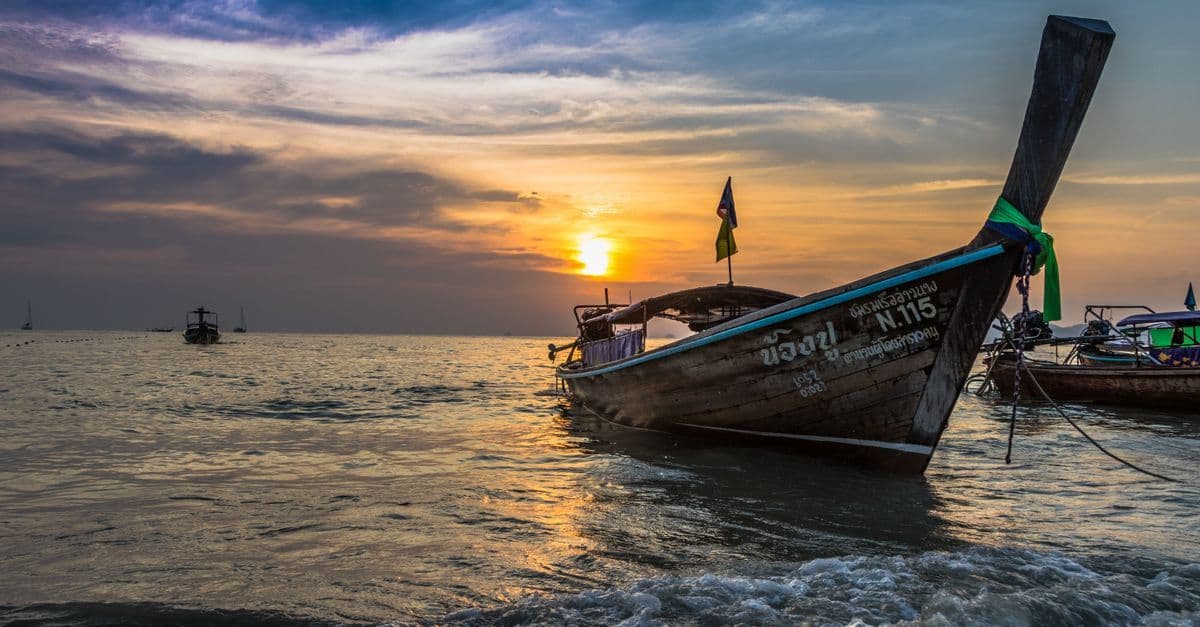
November to April is Thailand's dry season, the most reliable window for British travellers. Both the Andaman and Gulf coasts see clear skies and calm seas during these months.
December and January bring peak prices. Phuket books out fast, flights cost more, and competition for decent mid-range rooms gets fierce. Shoulder months from March to May deliver better value without sacrificing the weather, particularly on the Andaman coast.
Monsoon runs May to October. Rain arrives late afternoon and clears most evenings, rarely writing off a full day. Resorts and flights are notably cheaper across this period.
Koh Samui is the exception. It catches entirely different weather systems from the Andaman coast, with its best months falling January through August. Book the island in November or December and heavy rain is likely.
February and March hit the mark. Post-Christmas pricing, settled weather, lighter crowds than the peak school rush. That's the combination most experienced Thailand travellers aim for.
Timing settled. The destination question comes next.
The dry season: November to April
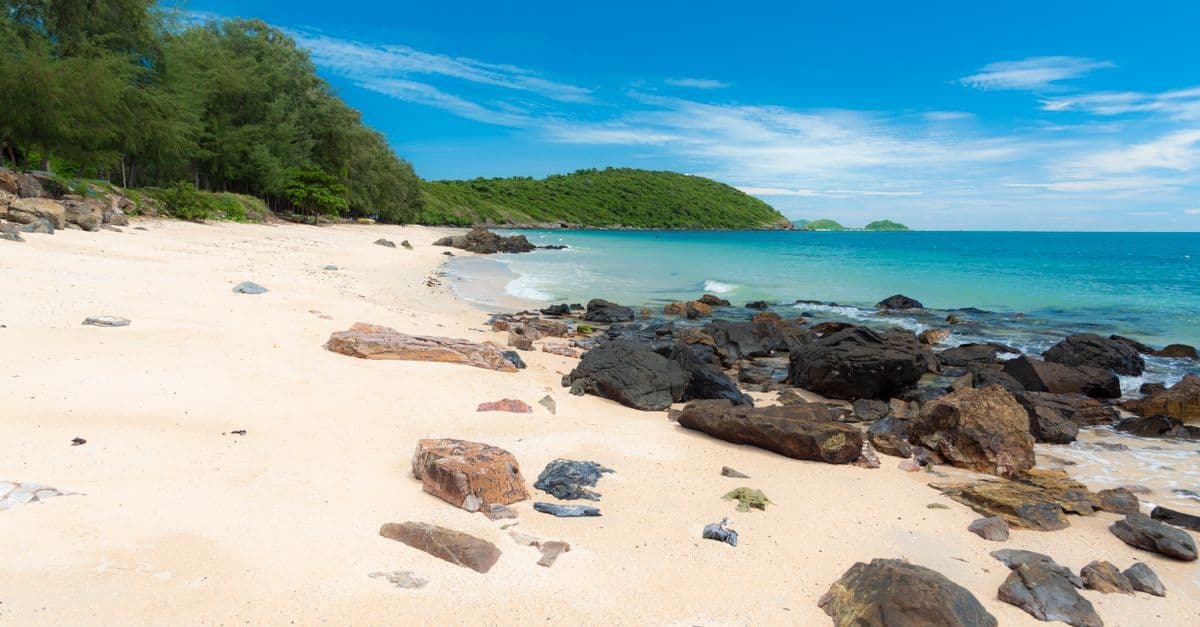
Clear skies run across both the Andaman coast (Phuket and Krabi) and the Gulf side throughout the dry season. Conditions are stable, the sea is calm, and island hopping works reliably from November onwards.
February and March are the sweet spot. Christmas pricing has cleared, the Andaman Sea is at its calmest for diving and boat trips, and accommodation at mid-range properties is easier to book than in peak December.
April changes things. Songkran, Thailand's Buddhist New Year water festival, turns Bangkok, Chiang Mai, and cities across the country into striking, genuinely chaotic street parties. Worth seeing. Just book transport well in advance and expect fares to rise in the final fortnight of the month.
The wet season tells a different story.
The monsoon months: May to October
May to October is Thailand's monsoon season. Rain doesn't run all day. It builds through the afternoon, falls hard for an hour or two, then clears by evening, leaving most mornings dry and warm across the country.
The practical upside: resorts and flights cost 20 to 40 percent less during these months.
Grounded expectations help in one specific area. The Gulf islands, particularly Koh Tao and Koh Phangan, scale back ferry services in August and September as seas roughen. Check boat timetables before committing to island accommodation during those months. If your itinerary stays on the mainland, monsoon season makes a genuinely compelling budget case.
Where to go on a Thailand holiday: regions and resorts
Thailand divides into four distinct travel zones. Which one you prioritise shapes the entire trip.
- Bangkok is the starting point for most UK flights, and worth at least three days. The Grand Palace, Chatuchak Market, and the late-night food streets of Yaowarat Road form the obvious baseline; the BTS Skytrain makes getting between them straightforward enough.
- Chiang Mai anchors the north: temples, cooking classes, and hill-tribe trekking all within reach of the city. A slower pace than Bangkok, genuinely rewarding for those who stay long enough.
- Phuket and Krabi account for the largest share of British bookings. Krabi is the more interesting pick for visitors who've already done the resort circuit once.
- Koh Samui and Koh Tao sit on the Gulf coast, running on a different seasonal schedule to the Andaman side. Koh Tao draws dive-course students from across South-East Asia.
- Koh Lanta is the option most UK visitors miss: longer beaches, far fewer package-holiday crowds, and a pace that rewards stretching a stay.
Region chosen. Getting online in Thailand is the practical bit most travellers underestimate.
Bangkok and the north
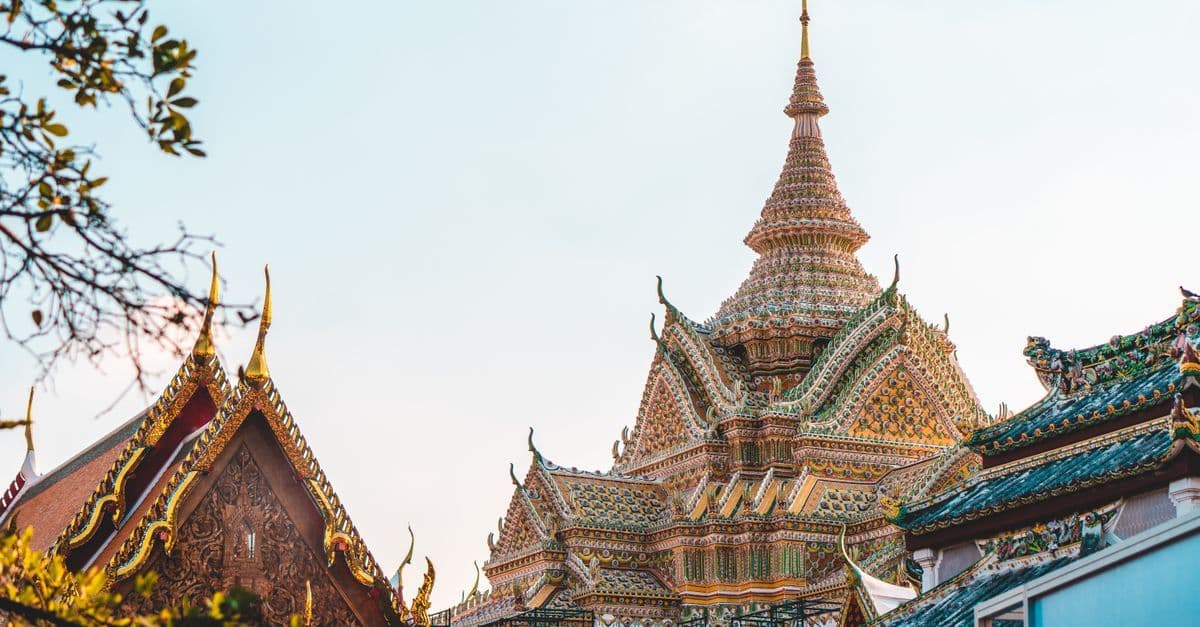
The Grand Palace fills fast; arriving before 10am beats the worst of the coach groups and the midday heat. Chatuchak Weekend Market runs Saturdays and Sundays only, covering hundreds of stalls across dozens of themed sections. Yaowarat Road in Chinatown comes alive after dark, the best time for Cantonese roast meats, wonton noodles, and seafood grilled at pavement tables.
North from Bangkok, Chiang Mai is a 2-hour domestic flight or a 12-hour overnight train. The flight is the time-efficient choice; the train arrives at dawn with the mountains already visible, which has its own appeal. Chiang Rai extends the journey a few hours further and gives access to the Golden Triangle, where Thailand's northern edge meets Laos and Myanmar. Remote by Thai standards, and worth the extra days.
The islands and southern coast
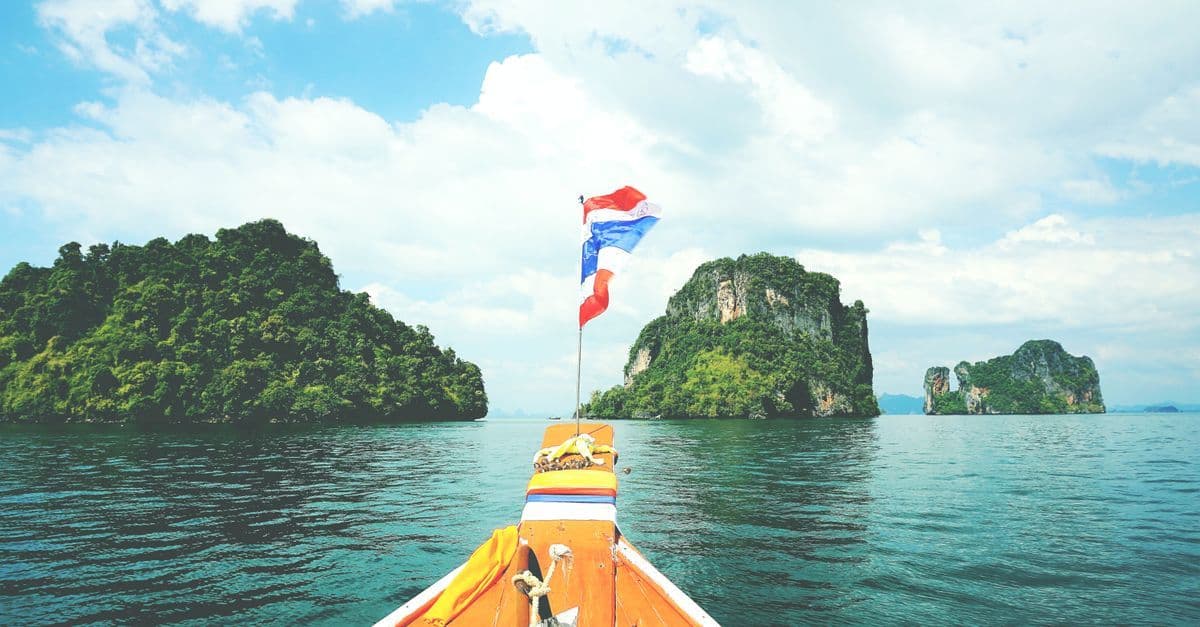
Two coastlines, two seasonal windows. Phuket and Krabi face the Andaman Sea, running at their best from November through April. That's the logic behind every UK winter sun booking that leads here; Railay Beach and Ao Nang deliver the limestone karst scenery and clear water that fill the brochures.
The Gulf coast works on a different schedule. Koh Samui and Koh Tao stay calm from February through September, making them a natural fit for British travellers departing in spring or early summer. Koh Tao is considerably smaller and cheaper than Koh Samui, better suited to those after something quieter.
Domestic flights connect Bangkok to Phuket, Krabi, and Koh Samui directly. Ferries handle the inter-island routes from the southern mainland ports. Pick the wrong coast for your travel dates and the weather makes the decision for you.
How to stay connected in Thailand: eSIM, SIM cards and Wi-Fi
UK carrier roaming charges in Thailand apply at daily international rates. EE, Vodafone UK, and Three all activate these charges the moment you land at Suvarnabhumi, as Thailand falls outside the standard roaming zones all three networks offer UK customers. A fortnight of unmanaged roaming produces a bill that arrives before the tan fades.
The practical fix is a local SIM card or an eSIM (a digital SIM built into your device and activated by scanning a QR code, with no physical card required).
AIS and TrueMove H are Thailand's two dominant mobile networks, with 4G coverage spanning Bangkok, Phuket, Krabi, Koh Samui, and the main northern cities. Signal thins in remote hill terrain around Chiang Rai, but across the typical holidays to Thailand itinerary, both networks handle navigation, messaging, and calls reliably.
Suvarnabhumi Airport has SIM counters in the arrivals hall selling tourist data packages. A workable fallback if you forgot to sort connectivity before departure; less appealing when you're already tired and the queue is long.
eSIMs skip the kiosk entirely. Activate the profile before you board in the UK, and your phone locks onto AIS or DTAC the moment it picks up a Thai signal. No queue. No hunting for the SIM-eject tool at midnight in arrivals.
Key fact: HelloRoam's 10GB Thailand eSIM covers 30 days of data on AIS and DTAC networks for ~£7.88.
HelloRoam provides access to AIS and DTAC networks across Thailand, covering 4G and 5G. The eSIM for Thailand installs in under two minutes on any unlocked, eSIM-compatible handset and is ready before you leave home.
Data sorted before you board. Travel safety is what most UK visitors raise next.
Is Thailand safe for UK tourists?
The FCDO rates Bangkok, Chiang Mai and Thailand's main resort areas at 'normal precautions', the same advisory level it applies to most of Western Europe. The idea that Thailand is a hazardous destination for British travellers doesn't hold up against the FCDO's own current guidance.
Three specific risks deserve clear attention, though.
The southern border provinces of Narathiwat, Pattani and Yala remain under an active FCDO advisory to avoid all but essential travel, owing to prolonged localised unrest near the Malaysian border. These areas sit well outside the main tourist trail, but the advisory is live and should be checked before planning any far-south itinerary.
Petty crime and tourist-targeted scams concentrate in Bangkok and Pattaya. The gem scam, tuk-tuk detours to 'affiliated shops', rigged taxi meters at Suvarnabhumi and jet-ski insurance fraud at coastal resorts all have long, documented histories. Stay alert in tourist-heavy areas and decline unsolicited offers of bargain tours or 'lucky days' at temples.
Political gatherings: stay well clear. Thailand's political climate can shift quickly, and foreign nationals caught in the vicinity face genuine legal consequences.
On health, the NHS recommends Hepatitis A and typhoid vaccinations before travel to Thailand. Rabies becomes relevant for rural trekking or time in forested areas. Dengue fever circulates year-round with no UK vaccine available; DEET-based repellent goes in the bag regardless of season.
Comprehensive travel insurance is not an optional extra. It's the foundation the whole trip rests on.
Safety covered. Visa requirements are the other pre-departure essential.
Do I need a visa for Thailand?
No form, no fee, no appointment at the Royal Thai Embassy in London. UK passport holders enter Thailand on a 60-day visa exemption, stamped at the border on arrival since 2024, with nothing to prepare beyond a valid passport. Six months' validity beyond your entry date is the one firm requirement.
The Thailand Pass, Thailand's digital pre-registration system from the pandemic years, was scrapped in 2022. Nothing replaced it.
Run through the main scenarios. A two-week holiday in Koh Samui or a fortnight in Bangkok? No visa needed. Arriving overland from Cambodia, Laos or Malaysia? The exemption covers land border crossings too, though the allowance at land borders is 30 days rather than the air-entry 60; confirm the arrangement at your specific crossing before setting off. Planning a longer stay than the exemption covers? A Tourist Visa (TR), applied for at the Royal Thai Embassy in London before departure, handles extended visits. Processing times vary, so apply well in advance and check the embassy's current conditions before submitting your application.
Passport validity catches more British travellers off-guard than anything else in this process. Book a holiday departing in November 2026 on a passport expiring in March 2027 and you're presenting fewer than six months' remaining validity at Thai immigration. The rule is clear and enforced consistently. Entry gets refused at the desk, and the operating airline bears responsibility for flying you home. Renew before you book, not after the flights are confirmed.
Visa clear. The practical day-to-day details remain.
Practical tips for your Thailand holiday: money, health and getting around
Money. Thai Baht (THB) trades at roughly 45 THB to the pound in mid-2026. ATMs are widely available across Bangkok and major resort towns, but most Thai bank machines charge a fixed fee of around 220 THB per foreign card withdrawal. That accumulates fast on a daily-withdrawal habit. One larger withdrawal beats four small ones.
Wise, Revolut and Monzo cards change the cost arithmetic. All three exchange at interbank rates and strip out the foreign transaction fees most UK high-street current accounts still add on top. The Thai machine fee is harder to sidestep since it's charged by the local bank at source, but eliminating the conversion markup keeps the overall spend in check.
Getting around. The Grab app handles taxis and motorbike rides across Bangkok, Chiang Mai and Phuket. Fares show before you confirm, so no negotiating at the kerb and no disputes over meters. Domestic flights between Bangkok and the southern islands or Chiang Mai start from around £30 one way on low-cost carriers. The overnight sleeper train to Chiang Mai costs less, departs in the evening, and deposits you at the station at dawn with your bags intact.
Health kit. Thailand's UV levels put SPF 50 at the baseline, not the cautious end of the scale. DEET-based repellent matters from dusk, particularly outside city centres where mosquito pressure is higher. Pack oral rehydration sachets; heat combined with unfamiliar food catches plenty of first-time visitors in the opening days, and sachets sort it quickly.
Get those three sorted before you land and the trip starts on solid ground.
Reviewed by HelloRoam's editorial team. Last updated: 28 June 2026.
Get Connected Before You Go

Frequently Asked Questions
Direct flights from London to Bangkok take around 11 hours, making it one of the more manageable long-haul routes for UK travellers with no stopover required.
No. UK passport holders receive a 60-day visa exemption stamped on arrival, introduced in 2024. No embassy visit, form, or fee is required, just a valid passport with at least six months remaining validity.
A comfortable daily budget runs £60 to £100, covering a solid guesthouse, street food, and day trips. Travelling during monsoon season from May to October can cut accommodation and flight costs by 20 to 40 percent.
November to April is the dry season and most reliable window. February and March offer the best balance of settled weather, lighter crowds, and lower prices than the December to January peak.
Monsoon runs May to October. Rain typically builds in the afternoon and clears by evening, leaving most mornings dry. Resorts and flights are noticeably cheaper, but Gulf island ferry services can be reduced in August and September.
The FCDO rates Bangkok, Chiang Mai, and main resort areas at normal precautions, the same level as most of Western Europe. Avoid the southern border provinces of Narathiwat, Pattani, and Yala, and stay alert to tourist-targeted scams.
The FCDO advises against all but essential travel to the southern border provinces of Narathiwat, Pattani, and Yala due to ongoing localised unrest. These areas sit well outside the main tourist trail.
The NHS recommends Hepatitis A and typhoid vaccinations before travel. Rabies is relevant for rural trekking. Dengue fever circulates year-round with no UK vaccine available, so DEET-based repellent is essential.
Thailand falls outside standard UK roaming zones, so carrier charges apply daily on arrival. A local SIM from the airport or an eSIM activated before departure are both significantly cheaper alternatives for staying connected.
An eSIM is a digital SIM built into your device, activated by scanning a QR code before you travel. It locks onto Thai networks like AIS or DTAC the moment your phone picks up a signal, with no physical card or airport queue needed.
Budget eSIM plans for Thailand typically start from around £3-4 for 3GB over 30 days, with 10GB plans available for under £10. Both are far cheaper than paying UK carrier international roaming rates for the same data.
SIM counters selling tourist data packages are available in the arrivals hall at Suvarnabhumi Airport. An eSIM activated before departure is a faster alternative, connecting automatically the moment you land.
Most UK itineraries focus on Bangkok, Chiang Mai, Phuket, and Krabi. Koh Samui and Koh Tao offer Gulf coast alternatives, while Koh Lanta is a quieter pick with longer beaches and fewer package-holiday crowds.
Koh Samui follows a different weather pattern to the Andaman coast, with its best months running January through August. Booking for November or December carries a high risk of heavy rain.
Songkran is Thailand's Buddhist New Year water festival held in April, turning Bangkok and Chiang Mai into large street celebrations. Book transport well in advance as fares and demand rise sharply in the final fortnight of the month.
A domestic flight takes around 2 hours with fares starting from roughly £30 one way. The overnight sleeper train is a cheaper option, departing in the evening and arriving at dawn with the mountains already visible.
The Thai Baht trades at roughly 45 THB to the pound as of mid-2026. Most Thai ATMs charge a fixed fee of around 220 THB per foreign withdrawal, so making fewer, larger withdrawals reduces costs.
The Grab app covers taxis and motorbike rides across Bangkok, Chiang Mai, and Phuket. Fares are displayed before you confirm, eliminating meter disputes and kerbside negotiation common with street hails.
UK passport holders can stay up to 60 days visa-free, stamped on arrival since 2024. Land border crossings allow 30 days only. A Tourist Visa applied for at the Royal Thai Embassy in London is needed for longer stays.
Comprehensive travel insurance is strongly recommended for Thailand. Medical costs without cover can be substantial, and insurance is the financial foundation the whole trip depends on, particularly for health or cancellation events.