

Quick answer: how to renew your UK passport online at a glance
UK adults can renew their passport entirely online through GOV.UK, paying £102 by debit or credit card. No Post Office appointment, no printed photograph, and no countersignatory required. The service runs through HMPO (His Majesty's Passport Office), and standard processing runs 3 to 10 weeks depending on demand gov.uk. For summer 2026 applicants, the longer end of that window is the more realistic expectation.
Most people miss the timing gap. Your current passport is cancelled digitally the moment you submit the application, not when the new one arrives. If a trip is approaching, account for that window before clicking submit.
Here's the full process, step by step.
How to renew your UK passport online: the full process
The application lives at GOV.UK and takes around ten minutes to complete once your documents are in front of you. You'll need a Government Gateway account to log in; if you haven't set one up before, allow an extra five minutes for that step. The service doesn't run through a separate HMPO account.
The steps, in order:
- Sign in to GOV.UK using your Government Gateway username and password.
- Confirm your eligibility. The online route covers UK adults renewing an existing adult passport only. Lost passports, first applications, name changes, and child renewals all require the paper route.
- Take or upload your digital photo. Use the GOV.UK app for a guided selfie, or upload a digital image meeting HMPO's technical specifications. Printed copies aren't required.
- Review and submit your application. Check your personal details carefully. Once you submit, your existing passport is cancelled digitally, even if it's still in your possession.
- Pay by debit or credit card. The renewal fee is non-refundable, so confirm eligibility before reaching the payment screen.
- Wait for your confirmation email. HMPO sends this within minutes of a successful submission. Keep it as your only record until the new passport arrives.
Processing times stretch during peak season. Summer 2026 applications are running towards the longer end of HMPO's published guidance, so build in extra buffer if a trip is on the horizon. A separate dispatch notification arrives by email once the passport has actually been posted.
No queuing. No posting. The digital route strips out most of what made passport renewal feel like an ordeal.
Two questions trip people up before they even start.
What documents do I need to renew my UK passport online?
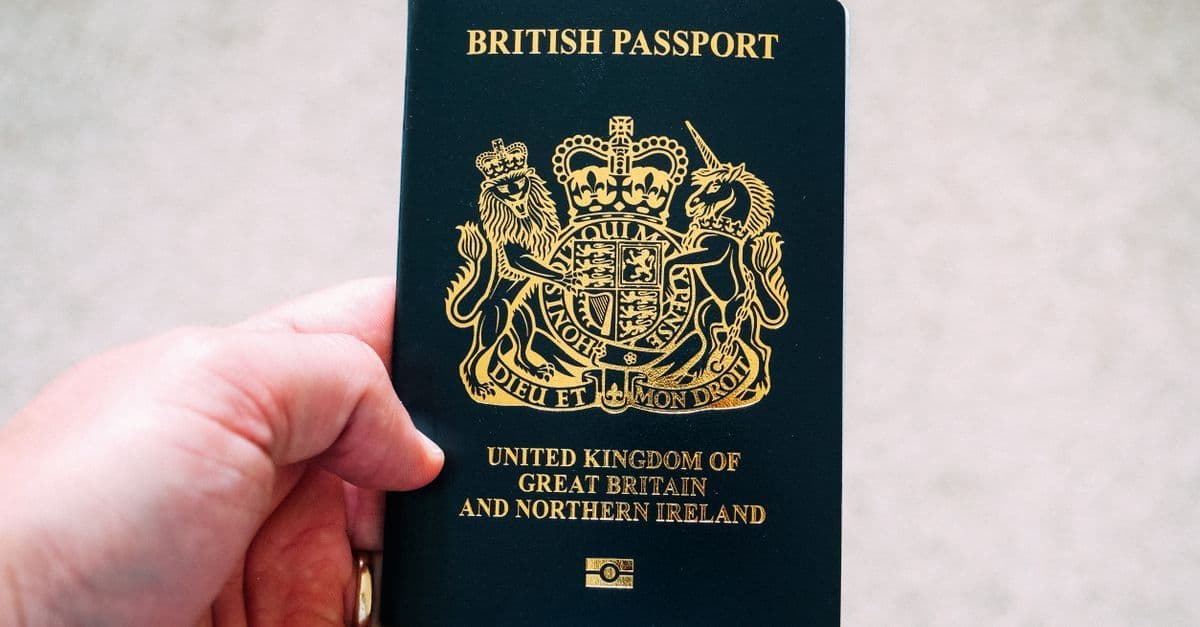
The list is shorter than most people expect. Renewing a UK passport online requires your current adult passport, a Government Gateway username and password, a debit or credit card, and a smartphone or camera for the digital photograph gov.uk. Four items.
No birth certificate. No utility bill. No countersignatory form.
The catch is eligibility, not paperwork. The online route is closed to four specific groups:
- Children's passports: The online service covers adults only. Child passport renewals require a paper application regardless of the child's age.
- First-time applicants: No existing passport means no online shortcut.
- Name changes: Changed name since your last passport? Marriage, deed poll, or any other reason pushes you to the paper route.
- Lost or stolen passports: HMPO requires a separate paper declaration. The online channel isn't available in these cases.
If your current adult passport is valid, in your possession, and issued under your current name, you're in. Government Gateway credentials are the only additional requirement beyond that.
One practical note: the payment step accepts debit and credit cards only. PayPal and bank transfers aren't options.
The photo step is where most applications stall.
What is a digital photo and how do you submit one?
For online passport renewal, a digital photo means either a selfie taken through the GOV.UK app or an image uploaded manually from your device. No trip to a chemist or kiosk required. The app guides you through the selfie process in real time; the manual upload option suits those using a separate camera or a phone outside the app.
Two persistent myths trip up applicants at this stage.
Myth 1: You need a photo booth. HMPO accepts smartphone selfies through the GOV.UK app, provided they pass the automated standards review gov.uk. The app is designed to help applicants produce a valid photograph without specialist equipment.
Myth 2: Any selfie will do. Not quite. HMPO's built-in checker reviews the image before submission. Common rejection triggers include shadows falling across the face or background, headwear, glasses, low resolution, and poor lighting. None are permanent failures; you can resubmit a corrected image. Each attempt adds delay, though, which matters if a travel date is fixed.
The photograph requirements are brief: plain light background, both eyes open and clearly visible, neutral expression, no hat or glasses, no shadows across the face or behind the head.
Those processing weeks are useful ones to fill. If a trip is already taking shape, getting clear on What Is an eSIM? means one less thing to sort once the new passport arrives.
Cost is the next thing everyone searches for.
How much does it cost to renew a British passport online?

Online adult passport renewal costs £102 gov.uk. That figure surprises many applicants: it rose from £82.50, a roughly 23% increase. HMPO sets the fee centrally, so the same rate applies whether you renew online, by post, or through the Post Office. No discount for going digital.
That's the baseline. The tiers above cost considerably more.
Fast Track requires an in-person appointment at a Passport Customer Service Centre and delivers roughly one week's turnaround. The fee sits above the standard rate; HMPO publishes the current figure on GOV.UK when you book your slot rather than fixing it in static guidance. The Premium service, available at select offices by appointment, provides same-day or next-day collection at the highest rate of the three options.
One detail buried in the small print deserves attention: the fee is non-refundable if HMPO rejects your application on eligibility grounds gov.uk. If you don't qualify for online renewal because you're applying for the first time, replacing a lost passport, or registering a name change, the payment is gone. The eligibility check on GOV.UK takes a couple of minutes and is worth completing before you reach the payment screen.
For adult renewals with no complications, the standard fee covers everything needed. The real variable for most people is not cost but time.
How long are UK passport renewals currently taking?
Standard processing takes 3 to 10 weeks in 2026, according to gov.uk, and HMPO won't narrow that estimate because demand varies week to week. Fast Track delivers roughly one week's turnaround, requiring a confirmed in-person appointment at a Passport Customer Service Centre. Premium service, at select HMPO offices, provides same-day or next-day completion by appointment only.
That gap is exactly where travel plans come undone.
Picture a common scenario: a passport expiring in October catches someone's attention in late June. They apply for standard online renewal, assume four weeks is a reasonable margin, and carry on. During peak season, May through August, that margin is risky. Application volumes reach their highest point over summer, and the longer end of the processing window becomes realistic rather than exceptional.
Two factors are compounding current volumes. A large cohort of passports issued in 2015 and 2016 is now hitting the ten-year expiry point simultaneously, adding to an already elevated baseline. Outbound travel from the UK has also recovered solidly, meaning demand is persistently high rather than clustered around any single event.
Fast Track appointments don't always have availability at short notice. In summer, slots can fill several weeks ahead. If Fast Track is your contingency plan, check availability while there's still time to use it rather than when urgency is already pressing.
The HMPO online tracker, accessible through your GOV.UK sign-in, updates at each processing stage. It won't give you a completion date, but it confirms progress and removes the need to call HMPO for updates. Which brings the obvious question: when should you apply?
Planning your renewal around upcoming travel
Apply at least 10 weeks before your departure date if you're using the standard online route. gov.uk That buffer accounts for the longer end of current processing times without forcing a more expensive service tier. If your trip falls inside that window, check Fast Track appointment availability immediately; slots fill quickly through the summer months.
Post-Brexit, validity matters as much as processing speed.
Several EU and Schengen zone countries require your passport to carry at least six months' remaining validity at the point of entry gov.uk. A passport expiring in four months is legal in the UK but can result in refusal at CDG or Barcelona El Prat. Check the GOV.UK foreign travel advice pages for your specific destination before booking flights, not after confirmation.
Renewing 12 months before expiry, rather than at the minimum, is the sensible call for anyone who travels regularly. You gain the full ten-year validity on the new document and sidestep the Fast Track premium entirely. It also prevents the scenario where a borderline expiry date creates problems at check-in for destinations with strict entry requirements.
The HMPO online tracker, available through your GOV.UK account, updates at each processing stage and tracks progress without requiring calls to HMPO. Still deciding which route suits you? Here is the comparison.
What is the easiest way to renew a passport?
Online renewal is the most practical route for eligible adults: no form to print, no passport to post, no countersignatory to track down. The paper route is valid but more fiddly, requiring form printing and secure dispatch of your documents. The Post Office check-and-send service costs roughly £15 extra, but staff check your documents before dispatch to HMPO, which reduces the risk of an avoidable error stalling your application.
Online beats post on speed and convenience for most adult renewals. Your current passport is cancelled digitally rather than sent through Royal Mail. The paper route remains unavoidable for name changes, first-time applications, child passports, and lost or stolen replacements.
One gap the renewal process doesn't address: staying connected once you're ready to travel. Setting up an eSIM (a digital SIM activated by scanning a QR code, built into most modern smartphones) before departure lets you load a local data plan without swapping physical cards. That's particularly handy for sidestepping the EU roaming charges UK carriers now levy post-Brexit. See What Is an eSIM? for a fuller explanation of how the technology works.
Can I stay connected while my passport is being renewed?
Passport renewal halts international travel, not your data plan. The weeks between submitting your application and receiving your new document are actually a measured window to sort your connectivity before departure, not after it.
An eSIM (an embedded digital SIM, stored as a profile on your handset) doesn't require your passport to install. You can purchase a travel data plan, download it to your phone, and leave it dormant until you're ready to board. No plastic card. No physical SIM swap at the airport.
The comparison that surprises most people: your carrier's roaming arrangement, whether that's Three's Feel At Home or EE's Roam Abroad add-on, requires you to actually be travelling to use it. An eSIM plan is different. You can install a destination-specific profile weeks before departure and activate it at the gate, as outlined above.
This matters most for dual-SIM setups, which most modern iPhones and Android flagships now support. Your UK number stays active on the physical SIM, receiving bank texts and work calls as normal. The travel eSIM sits ready in the background, unused until you land. No gaps in communication either way.
Digital nomads tend to take a more considered view of this. Working through a weeks-long renewal period while planning the next trip simultaneously, having connectivity sorted in advance removes one variable from what's already a layered process.
The administrative task of completing an online passport renewal and the practical task of preparing for travel can happen in the same sitting.
Once your passport arrives, the next job is travel-readiness.
Getting ready for your first trip on a new passport
A new passport arriving through the letterbox creates a short window to update everything connected to the old document number. Most people book flights first. The sensible order is the opposite: updates first, bookings confirmed.
Work through these in sequence:
- Update your airline booking and hotel reservations. Your passenger record still carries the old passport number and expiry date. Log into manage-my-booking and change them. Any hotel that required passport details at reservation needs the same update.
- Contact your travel insurer. Some policies list the insured document number. An incorrect number can complicate a claim. Takes two minutes.
- Check EU entry requirements against your new expiry date. Post-Brexit, many Schengen countries require your passport to remain valid for a set period beyond your return date. Run a quick check against your destination's specific rules before confirming the booking.
- Notify your bank. If your passport was used as primary ID when opening the account, update it. If you use Revolut, Wise, or Monzo as a travel card, check whether identity re-verification applies to your account.
- Activate your travel eSIM before boarding. A travel eSIM profile, installed in advance, activates in a couple of taps at the gate. That means data works the moment you land, before the luggage carousel starts moving.
The eSIM step is the one most frequently left to the last minute, and the one most likely to cause a scramble in arrivals. Sorting it before you board takes the same effort as sending a text.
Reviewed by HelloRoam's editorial team. Last updated: 02 July 2026.
Get Connected Before You Go


Frequently Asked Questions
You need your current adult passport, a Government Gateway username and password, a debit or credit card, and a smartphone or camera for the digital photo. No birth certificate, utility bill, or countersignatory is required.
Standard processing takes 3 to 10 weeks in 2026. Fast Track delivers roughly one week via an in-person appointment. During peak summer months, expect the longer end of the window due to high application volumes.
Online renewal is the most practical route for eligible UK adults. There is no form to print, no passport to post, and no countersignatory needed. The paper route is required for name changes, first-time applicants, and child passports.
Online adult passport renewal costs £102 in 2026, up from £82.50. The fee is non-refundable if HMPO rejects your application on eligibility grounds. Fast Track and Premium services cost more and require in-person appointments.
No countersignatory is required for online UK passport renewal. The digital route removes this requirement entirely. A countersignatory may still be needed for certain paper applications such as child passports or first-time renewals.
Your current passport is cancelled digitally the moment you submit your online renewal application, not when the new one arrives. If a trip is approaching, account for this gap carefully before clicking submit.
Online renewal is available only to UK adults renewing an existing adult passport. Children's passports, first-time applicants, name changes, and lost or stolen passports all require the paper route instead.
Apply at least 10 weeks before your departure date when using the standard online route. This accounts for the longer end of current processing times. If your trip falls inside that window, check Fast Track appointment availability immediately.
You need a digital photo taken via the GOV.UK app or uploaded manually. No photo booth visit is required. The image must show a plain light background, both eyes open, a neutral expression, and no glasses or hat.
Fast Track delivers roughly one week's turnaround via a confirmed in-person appointment at a Passport Customer Service Centre. Summer slots fill quickly, so check availability as soon as you identify the need.
Several EU and Schengen zone countries require at least six months' remaining passport validity at the point of entry. Check GOV.UK foreign travel advice for your specific destination before booking flights, not after.
The Post Office check-and-send service costs around £15 extra. Staff check your documents before dispatch to HMPO, reducing the risk of errors stalling your application. It is best suited to those required to use the paper route.
No. If your name has changed since your last passport due to marriage, deed poll, or any other reason, you must use the paper route. The online renewal service is not available for name-change applications.
No. The £102 renewal fee is non-refundable if HMPO rejects your application on eligibility grounds. Complete the eligibility check on GOV.UK before reaching the payment screen to avoid losing the fee unnecessarily.
The HMPO online tracker, accessible through your GOV.UK sign-in, updates at each processing stage. It confirms progress without requiring you to call HMPO, though it does not provide a specific completion date.
Sources
- Renew or replace your adult passport — gov.uk
- U.S. Passports — travel.state.gov
- Apply online for a UK passport — gov.uk