

Quick Answer: best time to visit sri lanka
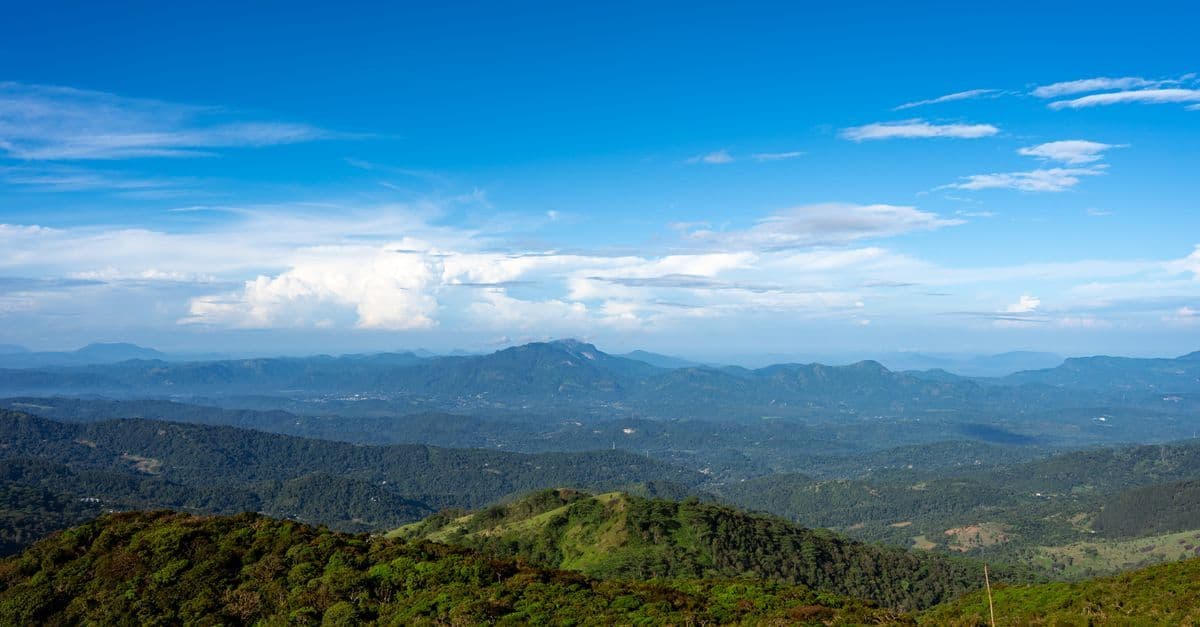
The best time to visit Sri Lanka depends on which coast you're heading to, not which month you travel. December to March suits the south and west. April to September flips the advantage to the east. No month leaves the entire island washed out tui.co.uk.
Key Takeaways - December to March: south and west coasts (Galle, Mirissa, Colombo) at their driest and sunniest - April to September: east coast (Arugam Bay, Trincomalee) delivers prime beach and surf conditions - Cultural Triangle (Sigiriya, Anuradhapura, Polonnaruwa): accessible year-round, driest February to April - Lowland temperatures hold at 27 to 32°C throughout the year - Hill country (Ella, Nuwara Eliya) stays cooler at 15 to 25°C whatever the season
The island's geographical split is the most important thing to grasp before you book. Get this right and there's genuinely no bad time to go.
Quick answer: when is the best time to visit Sri Lanka?
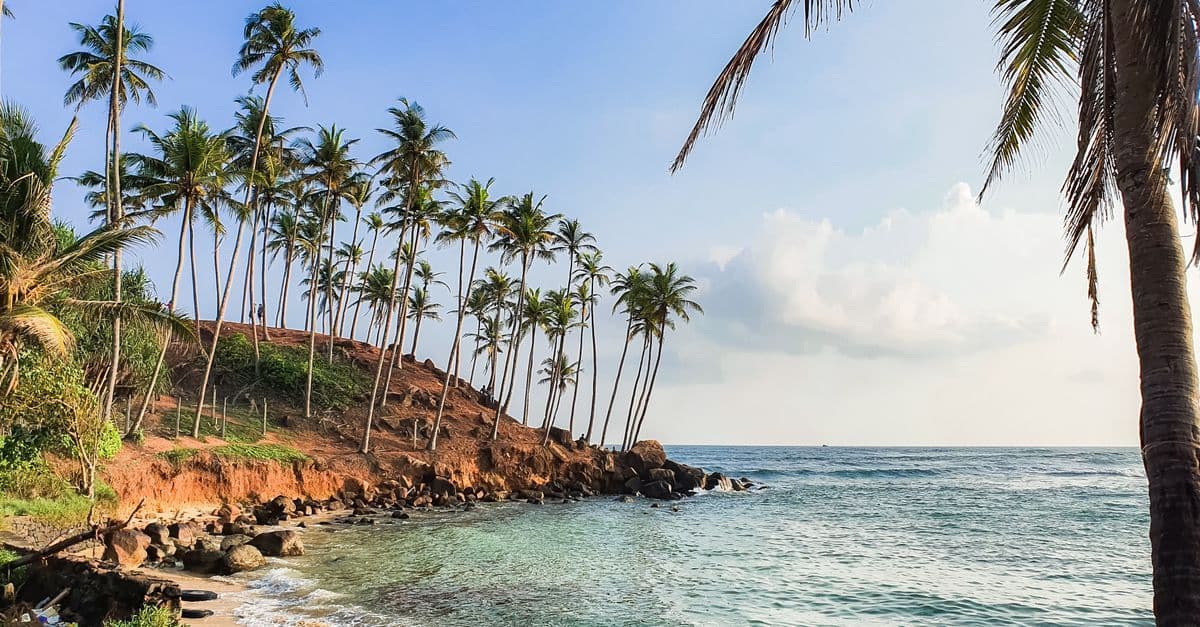
December to March is the classic answer for most British travellers: the south and west coast beaches (Galle, Mirissa, Unawatuna) are at their driest, and the sea is calm enough for snorkelling kuoni.co.uk. That's also when flights from Heathrow hit their peak prices. Worth knowing.
Sri Lanka welcomed around 1.48 million tourists in 2023, with UK visitors clustering heavily into December to February. The east coast flips the calendar entirely.
The Cultural Triangle suits visits throughout the year. February to April brings the clearest skies, though Sigiriya's rock fortress sits above the worst of the lowland humidity in any month kuoni.co.uk.
Key fact: HelloRoam Sri Lanka eSIM plans start at ~£3.15 for 1GB over 7 days and ~£6.54 for 5GB over 30 days, both running on Mobitel's 4G network.
Sort out an eSIM for Sri Lanka (a digital SIM installed by scanning a QR code) before you board and you'll have data the moment you clear arrivals at Bandaranaike International.
The reason Sri Lanka has two ideal travel windows comes down to two competing monsoons.
When to visit Sri Lanka: understanding the two monsoon seasons
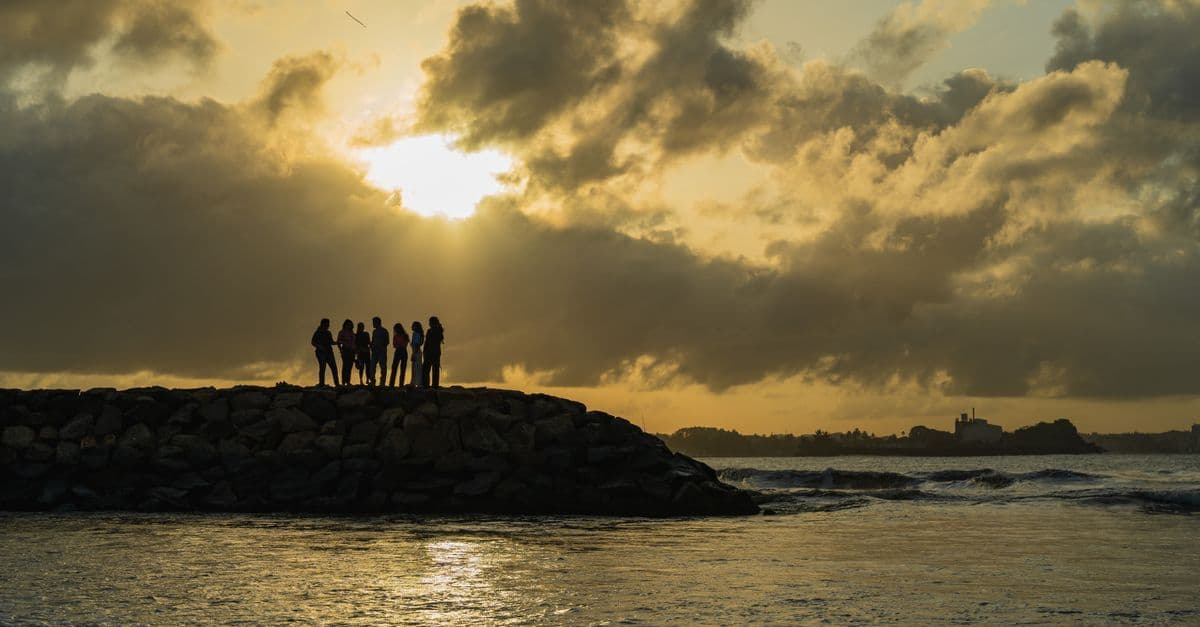
Two distinct monsoon systems shape Sri Lanka's weather calendar. The Yala monsoon (May to August) batters the south and west coasts; the Maha monsoon (October to January) hits the north and east lonelyplanet.com. Understanding which affects your destination is the difference between beach weather and a week of heavy cloud.
The Yala arrives from the south-west and drenches Colombo, Galle, Kandy, and the central highlands. If your trip centres on Galle Fort or the whale watching at Mirissa, May through August is the window to sidestep. The highlands take particularly heavy rainfall through June and July, when the train from Kandy to Ella runs through low cloud rather than the layered valley vistas that make the journey famous.
The Maha monsoon comes in from the north-east between October and January. Trincomalee, Arugam Bay, and Jaffna get the worst of it through November and December.
Both monsoons are geographically specific. That's the key.
When Colombo is wet, Arugam Bay is dry. When Trincomalee is caught in the Maha rains, Galle is mid-season at its best. Lowland temperatures hold steady at 27 to 32°C regardless of which monsoon is active, so heavy rainfall here doesn't mean cold.
The hill country runs on a different scale. Ella and Nuwara Eliya sit at altitude, typically at 15 to 25°C year-round, noticeably cooler than the coast in any season. Nuwara Eliya, nicknamed "Little England," dips to around 15°C in April, making it the one part of Sri Lanka where a light jacket earns its place in the bag.
Each region has its own optimal window on the calendar, and knowing those windows is how you build a trip that stays dry where it counts.
Best time to visit Sri Lanka by region
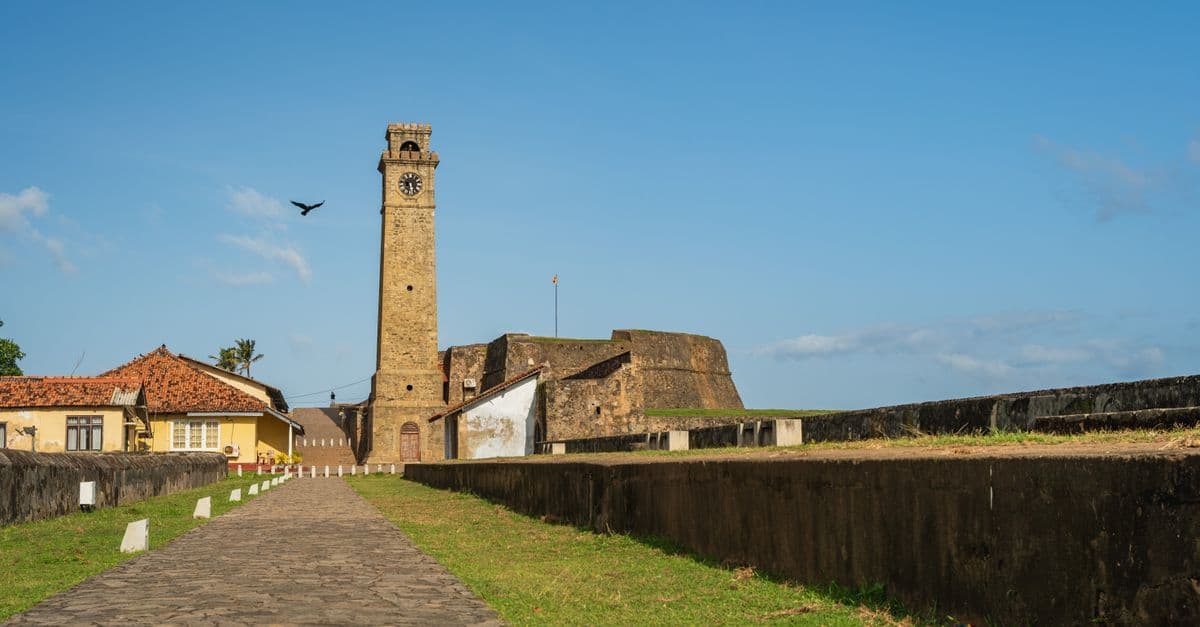
Sri Lanka splits into five distinct planning zones, each with its own dry season. South and west coast beaches peak December to March. The east coast flips to April through September responsibletravel.com. Hill country suits two windows: February to April and July to September. The Cultural Triangle stays accessible year-round, with February to April its driest stretch kuoni.co.uk.
Mirissa sits on the south coast, so its whale-watching window aligns neatly with the beach dry season. A week there between December and March gives you calm seas and reliable blue whale sightings without juggling conflicting weather conditions. That's a tidier combination than it might first appear on the calendar.
Arugam Bay demands different calendar thinking entirely. The surf peaks June to August, exactly when Galle and Colombo are deepest into the Yala monsoon. Not a problem if the east coast is your primary destination. Combining both coasts in one trip, though, requires some sensible planning about sequence and direction of travel.
Yala National Park catches many visitors off guard. Its best conditions run February to July, before the southern sections become less accessible. Water sources contract during the dry months, pushing animals towards predictable gathering points and making wildlife considerably more visible.
Seasons shift further once you factor in festivals and fares.
Compare eSIM plans for Sri Lanka — See 2026 pricing →
Best months to visit Sri Lanka for beaches, wildlife, and festivals
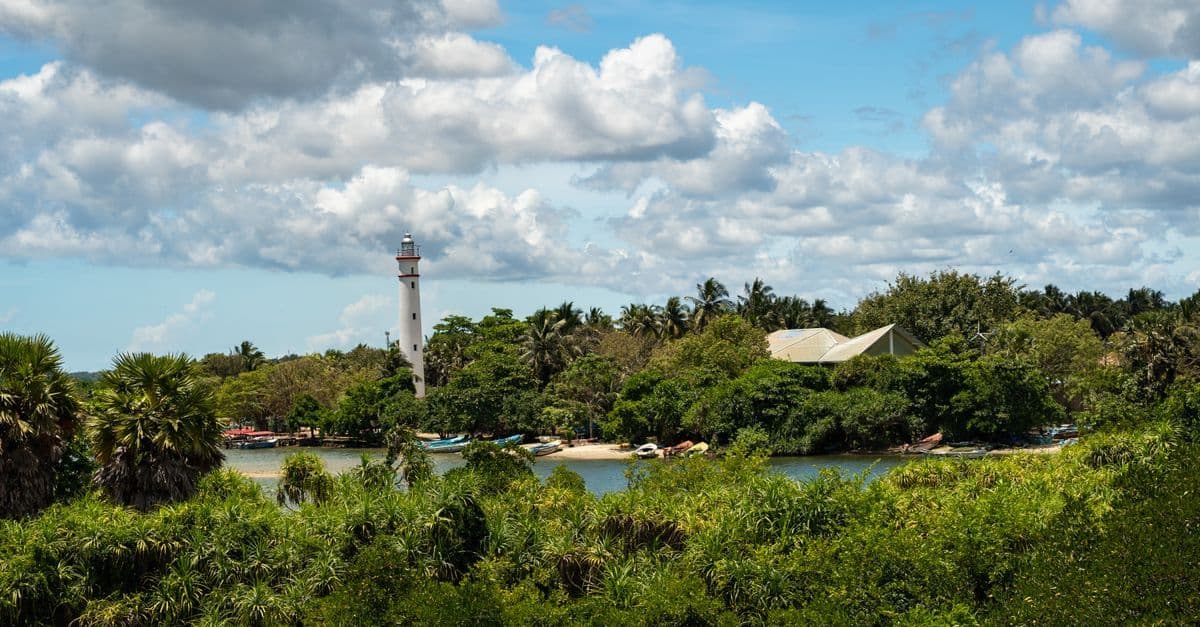
December to March delivers the best beach conditions on Sri Lanka's south coast, July to August suits the east coast and the Kandy Esala Perahera festival, and October offers the year's lowest airfares. Understanding where those windows overlap with price peaks shapes how you prioritise regions and structure a budget.
December to March is peak season on the south coast, and UK demand drives prices to match. Mirissa, Galle, and Unawatuna are sunny and dry tui.co.uk. Turtle nesting runs at Rekawa and Kosgoda beaches from November through to April, with guided night visits a steady draw for families. Book flights and accommodation well in advance.
April surprises most visitors. Sinhala and Tamil New Year falls in mid-April, filling the island with food markets, water games, and local colour that the busiest months rarely capture. Shoulder season prices are decent, crowds thin noticeably, and the hill country around Ella and Kandy is at its most comfortable. The south coast winds down as the east coast wakes up.
May brings Vesak. The full moon festival marks the Buddha's birth, enlightenment, and passing with pandols (illuminated ceremonial structures) erected across towns and cities. It's visually extraordinary and largely off the radar for British visitors booking elsewhere at this point. Travelling during Vesak means some shops close and domestic transport runs busy, but the lantern displays in Colombo and Kandy are unlike anything on the standard tourist calendar.
The school holiday crunch is real. Return fares from the UK in July and August run between £900 and £1,400, depending on departure airport and booking timing. That's the cost of peak demand.
The trade-off is that the east coast is at its finest. Arugam Bay's surf season peaks June to August, Trincomalee's beaches are excellent, and the Kandy Esala Perahera fills ten nights around the July to August full moon with one of Asia's most spectacular religious processions. Families without term-time flexibility should aim east, not west.
October is the outlier. Fares drop to around £550 to £750, the cheapest window in the year. Sri Lanka sits between its two monsoons in early October, creating a brief dry spell before conditions shift on the north and east coasts.
Wildlife safaris in Yala and the Cultural Triangle produce solid results, accommodation rates fall, and the island feels noticeably uncrowded. For cultural visits and wildlife on a tighter budget, October is the month most British travellers overlook.
How you stay online shapes the experience at each stop.
Staying connected in Sri Lanka: eSIM, SIM cards, and mobile data
Sri Lanka's 4G LTE network covers cities, major tourist routes, and most resort areas reliably. Dialog Axiata and Mobitel are the two main mobile networks. 5G is limited to central Colombo as of mid-2026. Signal thins in the remote hill country and national park interiors, particularly off main roads.
Step 1: Check what your UK carrier actually charges. Sri Lanka falls outside EE's Roam Abroad included zones and Three's Feel At Home programme for most standard plans. Full international roaming rates apply. Vodafone UK's charges are similarly steep for data-heavy use. If you rely on Monzo or Wise card authentication texts sent to your UK number, keep your home SIM active alongside a dedicated data option.
Step 2: Choose your data option.
A local SIM from Dialog Axiata or Mobitel is available at Bandaranaike International Airport (CMB) in the arrivals hall. Passport registration is required, adding roughly 10 to 15 minutes to your exit. Decent value for trips of two weeks or longer where local call rates matter.
An eSIM activates before you leave the UK. HelloRoam's Sri Lanka plans run on Mobitel's 4G network, from ~£4.34 for 3GB over 30 days to ~£11.23 for 10GB over the same period. For a month-long trip between coasts and national parks, the 10GB plan handles navigation, messaging, and the occasional video call without strain.
Key fact: HelloRoam Sri Lanka plans start from ~£4.34 for 3GB on Mobitel's 4G network, valid for 30 days.
Step 3: Plan for the signal gaps. Download offline maps before heading into Yala National Park, the Knuckles Range, or the northern stretch towards Jaffna. Coverage off main routes in those areas is spottier than the map suggests.
Heavy monsoon rain doesn't affect 4G connectivity in covered areas. Signal quality is a geography question, not a seasonal one.
eSIM for Sri Lanka to skip the airport registration queue entirely.
What's the best month to go to Sri Lanka?
For most first-time UK visitors, December to March is the safe answer. Get those months right and you avoid the Yala monsoon entirely on the south and west coast. But it's not the only option, and for some travellers, it's not even the most rewarding one.
There is no single best month. That's the quiet truth most guides gloss over.
April gets overlooked. Crowds thin from peak season, prices typically dip below the higher fares noted earlier, and Sinhala and Tamil New Year fills the island with a warmth that pure beach weather can't replicate. For travellers with genuine flexibility, it threads the needle: decent south coast conditions, the east coast waking up, and a cultural calendar worth being there for.
July and August suit those locked into school holiday windows. The east coast is at its seasonal best during this period, but fares climb to reflect UK demand. Factor that in.
October is the quiet find. Both monsoons are in transition, national park safari conditions sharpen, and flights drop to their most competitive level of the year. The north-east monsoon arrives through October, so east coast beaches carry some weather risk, but the hill country and Cultural Triangle hold steady.
Once you've settled on the calendar, the next question tends to follow immediately: how long do you actually need?
Is 7 days long enough in Sri Lanka?
Seven days works if you commit to one region. Most first-time visitors try to squeeze the south coast, hill country, and the Cultural Triangle into a single week. They end up spending more time in transit than at any of those places.
Pick a lane.
A workable 7-day itinerary: fly into Colombo (SriLankan Airlines runs a direct service from Heathrow, 10.5 to 11 hours), spend a night to recover, then travel south to Galle for two nights, Mirissa for two nights, and Ella for the final two. That structure works because it gives the trip room to breathe.
Ten to 14 days is a different journey. It opens up the Cultural Triangle (Sigiriya, Polonnaruwa, Anuradhapura) before the coast, or adds proper time in Kandy and the tea country around Nuwara Eliya. Two weeks isn't indulgence; it's the minimum for a genuine sweep of the island.
Internal travel is slow, and that matters for planning. The Ella to Kandy train, threading through tea plantations in the central highlands, takes around three hours to cover roughly 130 kilometres. It's one of the finest rail journeys in Asia. It is not a fast connection.
The distances look short on the map. On the ground, they feel considerably longer.
Reviewed by HelloRoam's editorial team. Last updated: 27 June 2026.
Get Connected Before You Go


Frequently Asked Questions
December to March is best for the south and west coast, with dry, sunny conditions. April offers fewer crowds and the Sinhala and Tamil New Year festival. October has the lowest UK airfares, around £550 to £750 return.
Sri Lanka has two monsoon seasons: the Yala (May to August) hits the south and west coasts, while the Maha (October to January) affects the north and east. No single month washes out the entire island.
Seven days works if you commit to one region. A practical route covers Colombo, Galle, Mirissa, and Ella. Adding the Cultural Triangle or east coast in a single week typically means too much time in transit.
Sri Lanka offers diverse landscapes — ancient ruins, hill country, whale watching, and surf — across a compact island. The right choice depends on your priorities; Sri Lanka suits those wanting cultural depth alongside beach time.
December to March is peak season for Galle, Mirissa, and Unawatuna. Conditions are dry and sunny at 27 to 30°C, with calm seas ideal for snorkelling. This is also when UK airfares tend to be at their highest.
April to September is the prime window for Arugam Bay and Trincomalee. Surf at Arugam Bay peaks June to August, and the east coast beaches are at their driest during this period.
Blue whales are most reliably seen off Mirissa from November to April, with December to March the peak window. The south coast dry season aligns well with the best whale watching conditions.
Sigiriya, Anuradhapura, and Polonnaruwa are accessible year-round. February to April brings the clearest skies and driest conditions for exploring these ancient sites.
Arugam Bay's surf peaks from June to August, coinciding with the east coast's driest period. This is exactly when the Yala monsoon is active on the west coast, so planning your direction of travel matters.
February to July offers the most reliable wildlife viewing at Yala National Park. Water sources contract in dry months, concentrating animals and making leopard sightings considerably more predictable.
Lowland temperatures hold steady at 27 to 32°C year-round. The hill country around Ella and Nuwara Eliya is cooler at 15 to 25°C in any season, making a light jacket useful at altitude.
October offers the lowest UK airfares to Sri Lanka, typically £550 to £750 return. Sri Lanka sits between its two monsoons in early October, creating a brief dry spell with quieter crowds and good safari conditions.
The Kandy Esala Perahera is one of Asia's most spectacular religious processions, running for ten nights around the July to August full moon. It coincides with the east coast's prime beach and surf season.
Sri Lanka's 4G LTE network covers cities, major tourist routes, and most resort areas reliably. Signal thins in remote hill country and national park interiors, so downloading offline maps before visiting Yala is advised.
Sri Lanka falls outside EE's Roam Abroad zones and Three's Feel At Home programme for most standard plans. Full international roaming rates apply, making a local SIM or travel eSIM a more cost-effective option.
Sri Lanka eSIM plans typically start from around £3 to £4 for short-term data on the 4G network, rising to around £11 for 10GB over 30 days. Prices vary by provider and data allowance.
Vesak is a Buddhist full moon festival in May marking the Buddha's birth, enlightenment, and passing. It features illuminated pandols and spectacular lantern displays across Colombo and Kandy.
April is a strong shoulder-season option. Sinhala and Tamil New Year in mid-April brings food markets and local festivities, crowds are thinner than peak season, and the hill country around Ella and Kandy is at its most comfortable.
Sources
- The best time to visit Sri Lanka — lonelyplanet.com
- Best time to visit Sri Lanka — responsibletravel.com
- When is the best time to visit Sri Lanka — tui.co.uk
- Best Time To Visit Sri Lanka | Sri Lanka Weather By Month — kuoni.co.uk