

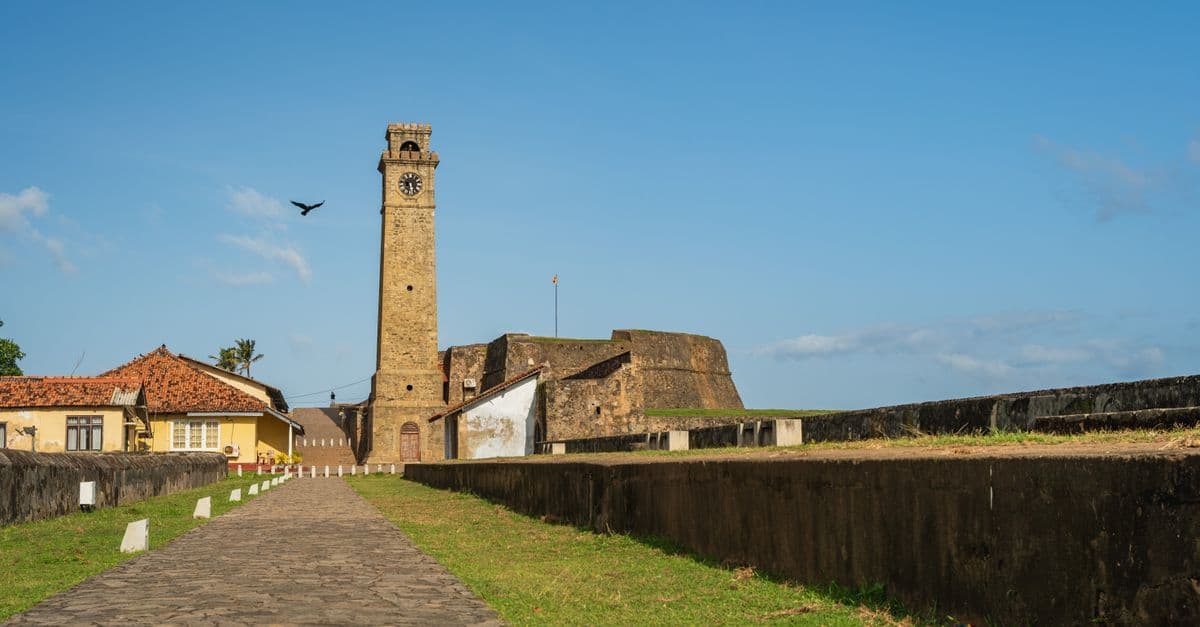
Quick Answer: best time to visit sri lanka
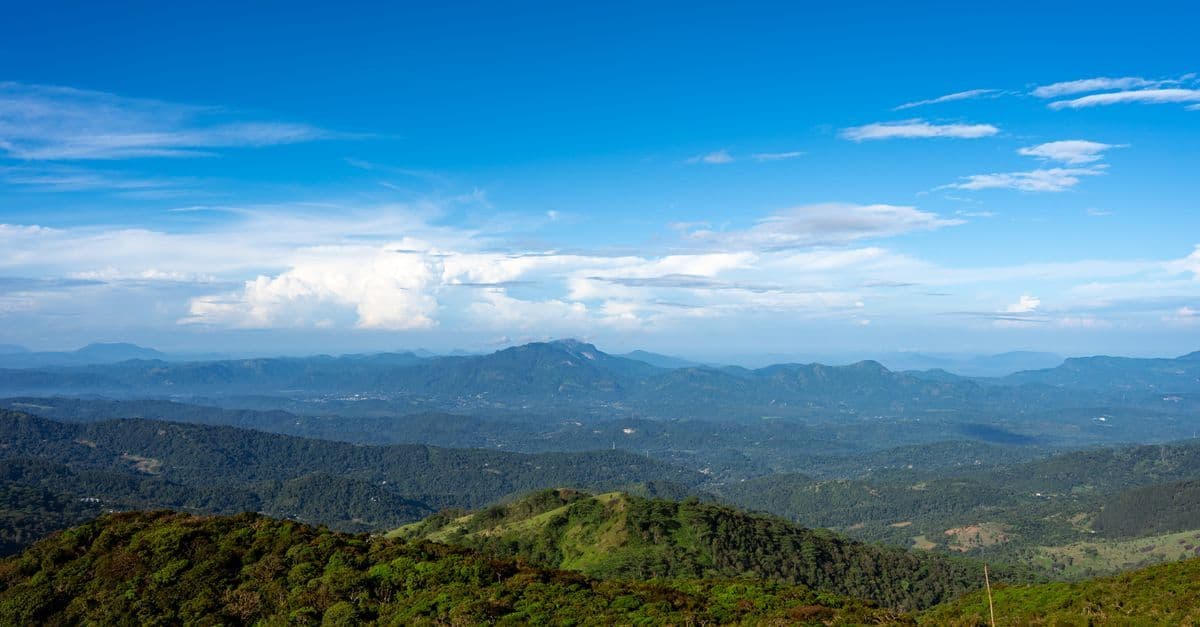
Sri Lanka runs on two separate dry seasons, not one. The island's geography splits it into distinct climate zones, each with its own optimal travel window.
No single month wins island-wide.
Lowland temperatures hold steady between 27 and 32°C all year tui.co.uk. The hill country (Ella, Kandy, Nuwara Eliya) cools to 15 to 25°C, a spirited contrast to coastal heat that makes a three-night detour worthwhile at almost any time of year.
Key fact: HelloRoam's Sri Lanka eSIM runs on Mobitel's 4G network, with a 5GB plan priced at ~£6.54 for 30 days, covering a fortnight of navigation and messaging without data anxiety.
UK school holidays align unusually well with Sri Lanka's two-window system. July and August, the peak British travel period, lands squarely in the east coast's dry season. Christmas and February half-term drop into the south coast at its best. Easter is the animated slot: the Cultural Triangle is excellent, the east coast is building momentum, and return fares sit below their Christmas highs.
The full picture requires understanding which monsoon arrives when and why.
eSIM for Sri Lanka: Check current plans and pricing.
Quick answer: best time to visit Sri Lanka at a glance
Sri Lanka doesn't have one rainy season. It has two distinct monsoons, arriving from opposite directions and drenching different coasts at entirely different times of year. Most travel guides collapse this into a single "May to September" warning. That description applies only to the south-west coast, and it leaves the east coast's calendar completely unaddressed.
The Yala monsoon (May to August) sweeps up from the south-west, battering Colombo, Galle, and Ella with heavy afternoon downpours and cloud-draped hills. The Maha monsoon (October to January) rolls in from the north-east, soaking Trincomalee, Jaffna, and the northern coast responsibletravel.com.
One coast's rainy season is another coast's high season.
When Galle is wet, Arugam Bay is sunny. When Trincomalee's seas are rough with monsoon swell, Mirissa sits flat and blue. The two coasts operate on a dynamic cycle of opposite weather, giving UK travellers a workable window at almost any point in the year.
The wettest months across the whole island are May, June, and October. At these points the two monsoon systems briefly overlap, and no region entirely escapes rain. Even then, it rarely writes off a full day: downpours tend to be lively and concentrated, intense afternoon bursts followed by clearing skies rather than the relentless grey that sidelines most destinations.
If your itinerary centres on Arugam Bay or Trincomalee, May to August is your window, not a warning. Plan the base around whichever coast is dry, and the rest of the itinerary follows naturally. Which coast you're sleeping on decides which season to book.
What is the rainy season in Sri Lanka?
Sri Lanka has two distinct monsoons, not one blanket rainy season, and knowing which is which saves you from booking the wrong coast at the wrong time. The Yala monsoon soaks the south and west from May to August; the Maha monsoon drenches the north and east from October to January lonelyplanet.com.
Picture Galle in June: rain hammering the old fort walls, gutters running fast, the promenade deserted. Three hours away, Trincomalee's beaches are dry, calm, and perfectly swimmable. That's the weather reality most "rainy season" labels miss.
The Yala monsoon: May to August
The Yala, or south-west monsoon, sweeps in around late May and punishes Colombo, Galle, and the hill country around Ella with heavy afternoon downpours. Mornings can still be bright, but by mid-afternoon the skies turn grim. May and June are the wettest months for the south and west coast, with roads through Ella occasionally flooding and trails turning slick.
The Cultural Triangle around Sigiriya and Anuradhapura mostly escapes the worst of it, which is one reason cultural itineraries hold up well through the Yala period. Nuwara Eliya, higher in the hills, catches the heaviest rainfall of any inland town during this stretch.
The Maha monsoon: October to January
The Maha, or north-east monsoon, arrives from October and targets Trincomalee and Jaffna through to January. While the north and east get the soaking, the south and west coast shifts into peak season: clear skies, dry evenings, and the price hikes that follow. Arugam Bay's surf season peaks precisely during these months.
October is the wettest month island-wide, caught in a brief overlap where both monsoons share the calendar.
One coast is always dry. The other isn't. Never both at once.
So there's no universally bad time to visit Sri Lanka. Book Galle and Mirissa between December and March; pivot east to Arugam Bay and Nilaveli from April. Understanding which monsoon is active, and where, is the single most useful thing you can know before booking flights.
Best time to visit Sri Lanka by region
South coast, east coast, hill country, Cultural Triangle: each zone follows its own seasonal clock. Galle and Mirissa peak December to March kuoni.co.uk. Arugam Bay and Trincomalee come alive April to September responsibletravel.com. The hill country runs clearest February to April. Sigiriya and Anuradhapura hit their driest twice: February to April, then again July to September.
Here's how each zone breaks down:
Hill country: altitude changes the maths
Kandy, Ella, and Nuwara Eliya sit at elevation, pulling temperatures into the 15-25°C range lonelyplanet.com. That feels genuinely brisk after a few days at sea level. February to April is the clearest window: dry air, lively mornings, and conditions that turn a hike up Ella Rock into a proper enjoyable day out rather than a sweaty endurance test. By May the Yala monsoon edges into the highlands and mist settles into the valleys. Atmospheric in its own right, but not ideal if your itinerary leans heavily on walking.
Nuwara Eliya sits cooler still than Ella. Pack a layer even in March.
Cultural Triangle: the most forgiving zone
Sigiriya, Anuradhapura, and Polonnaruwa all sit in Sri Lanka's natural dry zone, so none of them closes seasonally. The dry zone historically receives far less rainfall than the south-west year-round, which kept these cities agriculturally active for centuries. February to April and July to September deliver the clearest mornings for a Sigiriya dawn climb kuoni.co.uk. Starting before 7am is standard advice regardless of month, since the descent becomes considerably hotter by mid-morning. November brings more cloud and fewer tourists, a trade-off that suits travellers who find peak-season crowds tiring rather than energising.
No single region switches off. Monsoon reshuffles the priority order, not the access.
Region decides your destination. Month decides what you pay for it and how many other travellers booked the same idea.
Compare eSIM plans for Sri Lanka — See 2026 pricing →
The best time to visit Sri Lanka month by month
The best beach weather and the cheapest flights don't overlap. December to March is peak season on the south coast, with return fares from London reaching £900 to £1,400 over Christmas and New Year. April and September offer the most practical value: fares drop to around £550 to £750 from London and more of the island opens up at the same time.
December to March: peak season, peak prices
The south and west coast (Galle, Mirissa, Unawatuna) is at its most animated December through March tui.co.uk. Beaches are at their driest, UK winter sun demand is high, and hotel rates track airline fares upward. The February half-term falls in this window, which concentrates British families on the south coast and pushes up prices at popular guesthouses. Booking three months out is standard for most dates; Christmas travel realistically needs six months of lead time.
April and May: the sharpest value window
April opens up more of the island than most visitors expect. The south coast is transitioning out of its prime window, the east coast is waking up, and fares sit in the competitive band. Three options work particularly well for April travel:
- Cultural Triangle (Sigiriya, Anuradhapura): at its driest before summer heat builds
- Hill country: pre-monsoon clear days and good walking conditions
- East coast: Arugam Bay surf starts building from April through June
Mid-April brings the Sinhala New Year, a dynamic local festival most pronounced in Kandy and the hill country towns. Worth timing a visit around if you're based inland.
May to August: the east coast's moment
This is where most UK travellers have the wrong picture. The east coast is fully open: Arugam Bay, Trincomalee's natural harbour, and Nilaveli beach. The south coast sits under cloud. Far fewer British tourists make this journey, which means less competition for good accommodation and a less pressured version of the country overall. Arugam Bay surf peaks June to August.
The west coast is wet in July. The east coast isn't.
September and October: another underused window
The east coast is winding down, the south coast freshening up. Safari conditions at Yala National Park hold through October. October half-term falls in this window, making it a useful option for families who want reliable cultural and wildlife access without the December to March pricing structure.
Once the season is confirmed, two more variables sharpen the picture: the wildlife calendar and Sri Lanka's monthly festival culture.
Wildlife, Poya days and festivals: timing your visit to Sri Lanka
Yala, Mirissa, and Rekawa beach all follow different seasonal clocks. Blue whales gather off Mirissa November to April, with December to March the most reliable window. Leopard sightings at Yala National Park peak February to June. Turtle nesting runs March to September at Rekawa and Kosgoda beach, where hatchery teams work through the night at peak season.
What catches most visitors completely off guard is Poya. Sri Lanka observes a public holiday on every full moon, 12 to 13 times a year. On Poya days, alcohol sales stop island-wide: hotel bars, restaurant wine lists, supermarkets. Most temples fill with pilgrims. It's worth pulling up a lunar calendar before you finalise evening plans, particularly if sundowner bars or beach restaurants feature prominently in your itinerary.
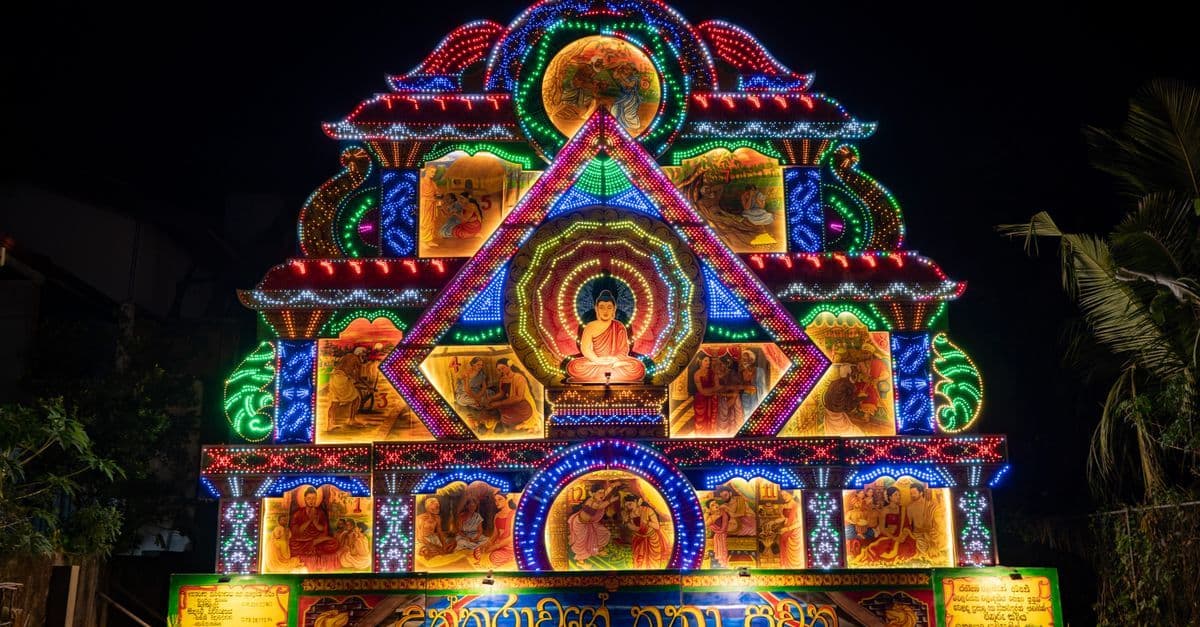
The Kandy Esala Perahera, held late July to August, is one of Asia's most energetic processions: dozens of elephants in full regalia, Kandyan dancers, fire performers, and drummers moving through the city over ten evenings. Kandy accommodation fills months in advance. This isn't a festival you slot in at the last minute.
Poya closes the bar. Perahera fills the streets.
Yala's leopards are never guaranteed, but February to June coincides with dry conditions that push wildlife to open grassland and waterholes, improving sighting chances considerably. Whale watching off Mirissa runs as half-day harbour trips. The December to March window carries the strongest odds for blue whales specifically; outside that window sightings are possible but less consistent.
One practical detail most guides leave out entirely: staying connected once you've landed matters more than many travellers expect, in a country where maps, tuk-tuk apps, and accommodation confirmations all depend on live data to work.
Staying connected in Sri Lanka: eSIM, SIM cards and mobile data
4G coverage is solid across Sri Lanka's main tourist areas. Dialog and Mobitel, the island's two dominant operators, reach Colombo, Galle, Kandy, Ella, and the east coast resorts reliably. Monsoon rain doesn't meaningfully disrupt mobile signal quality. The practical question is how you skip the airport queue and get data sorted.
Option 1: Buy a local SIM on arrival
Tourist SIMs are available at Bandaranaike International Airport (CMB) and at Dialog and Mobitel stores across the island. The catch: passport registration is required at the point of purchase. Airport kiosks are functional and fairly brisk, but queues build quickly when several international flights land within the same hour. Budget 15 to 30 minutes if you arrive during a busy evening window.
Coverage holds up through the hill country, along the southern coastal road, and in Cultural Triangle towns like Sigiriya and Dambulla. Signal thins in the deeper national park interiors, where most visitors have other things to focus on.
Option 2: Activate a travel eSIM before departure
An eSIM (a digital SIM profile that installs via QR code on your home Wi-Fi) cuts out the airport kiosk entirely. Your phone connects to Mobitel the moment it picks up signal in Sri Lanka.
No registration queue. No paperclip.
Compatible devices include iPhone 14 and later, Samsung Galaxy S-series from 2021 onwards, and most Google Pixel models. A quick Settings check before purchase takes under a minute.
HelloRoam offers Sri Lanka plans on the Mobitel 4G network, starting at ~£3.15 for 1GB over 7 days. The 3GB 30-day plan runs ~£4.34, a practical choice for a two-week trip with moderate data use.
Key fact: HelloRoam's Sri Lanka plans run on Mobitel 4G, from ~£3.15 for 1GB across 7 days to ~£11.23 for 10GB across 30 days.
UK carrier roaming tariffs typically charge per day for Sri Lanka, depending on your plan. An eSIM converts that into a fixed cost you choose before the departure gate.
One question UK travellers nearly always ask before booking: is a week actually enough?
Is 7 days long enough in Sri Lanka?
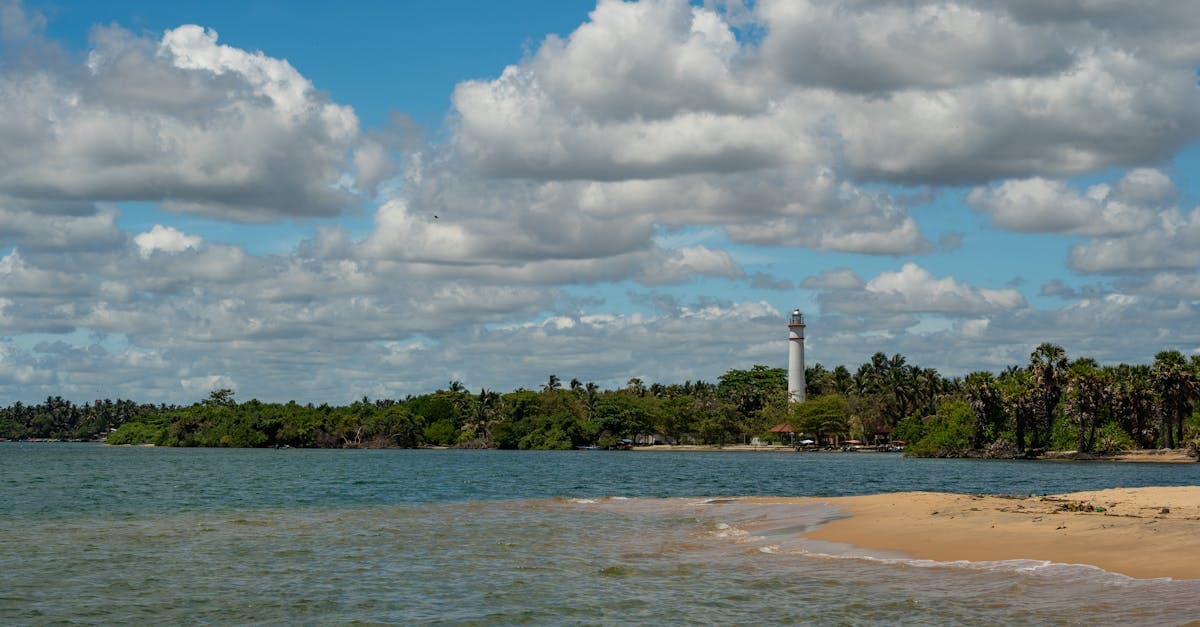
Seven days in Sri Lanka is workable, but only if you avoid the coast-to-coast impulse and commit to one circuit. Cramming the south coast, the hill country, and the Cultural Triangle into a single week turns a holiday into a highlights reel with no room to breathe.
The classic 7-day south circuit: Colombo arrival, Galle for two nights, Mirissa or Tangalle for the beaches, the overnight train to Ella, then Kandy before flying home. It's satisfying, fits neatly within the south coast's dry window, and runs without feeling perpetually rushed. Sigiriya stays for the next trip.
Ten to fourteen days changes the arithmetic. That window lets you combine the south coast with a genuine Cultural Triangle excursion (Sigiriya, Polonnaruwa, Dambulla) and still carry a recovery day when the Colombo to Ella train runs late.
It does, sometimes.
Sri Lanka vs Bali
Bali comes up in most trip-planning conversations at this price point and flight time from the UK. Sri Lanka offers leopards in Yala, blue whales off Mirissa, layered Buddhist history at Polonnaruwa and Anuradhapura, and a hill country rail journey that earns its reputation. Bali leans towards beach clubs, a well-developed nightlife circuit, and a more straightforward tourist infrastructure. Neither is a wrong choice; they suit different travellers with different expectations.
Before you fly: your ETA
UK citizens require an Electronic Travel Authorisation (ETA) before arrival. Sort it online before you book the hotel; it takes under two minutes and covers stays up to 30 days. The airport is the wrong moment to discover you need one.
Reviewed by HelloRoam's editorial team. Last updated: 05 June 2026.
Get Connected Before You Go


Frequently Asked Questions
Sri Lanka has no single best month due to its two-monsoon system. December to March is best for the south and west coast, April to September for the east coast, and February to April for the hill country.
Sri Lanka has two monsoons, not one. The Yala monsoon (May to August) brings rain to the south and west coast, while the Maha monsoon (October to January) soaks the north and east coast.
Seven days suits a focused trip covering one or two zones. Sri Lanka spans four distinct regions — south coast, east coast, hill country, and Cultural Triangle — each with its own travel time requirements for a fuller experience.
Sri Lanka suits travellers seeking beach, wildlife, and culture in one trip. It offers two alternating dry coastlines, hill country towns cooling to 15 to 25°C, leopard safaris at Yala, and ancient ruins accessible almost year-round.
The south and west coast, including Galle, Mirissa, and Unawatuna, is at its best from December to March. This is peak season with the driest weather, though hotel rates and return flights from the UK reach their highest levels.
Arugam Bay is best from April to September, with surf peaking June to August. This is the east coast's dry season, offering calm conditions and fewer crowds than the south coast high season.
The Yala, or south-west monsoon, arrives around late May and brings heavy afternoon downpours to Colombo, Galle, and the hill country through August. Mornings can still be bright, but afternoons turn wet across the south and west.
The Maha, or north-east monsoon, arrives in October and soaks Trincomalee, Jaffna, and the northern coast through January. While the north and east are wet, the south and west coast shifts into its peak dry season.
The Cultural Triangle — Sigiriya, Anuradhapura, and Polonnaruwa — is best visited February to April or July to September. These windows offer the clearest mornings for a Sigiriya dawn climb, with low to moderate crowd levels.
October is the wettest month island-wide as both monsoons briefly overlap. Safari conditions at Yala National Park remain strong through October, and the south coast begins to freshen up ahead of its December peak season.
Lowland temperatures in Sri Lanka hold steady between 27 and 32°C year-round. The hill country, including Ella, Kandy, and Nuwara Eliya, is cooler at 15 to 25°C, offering a refreshing contrast to the coastal heat.
Poya is a public holiday on every full moon in Sri Lanka, occurring 12 to 13 times a year. On Poya days, alcohol sales stop island-wide, affecting hotel bars, restaurant wine lists, and supermarkets.
The Kandy Esala Perahera runs over ten evenings in late July to August, featuring dozens of elephants, Kandyan dancers, fire performers, and drummers. Kandy accommodation fills months in advance, so early booking is essential.
Both work well. A local SIM requires passport registration and 15 to 30 minutes at an airport kiosk. A travel eSIM can be activated on home Wi-Fi before departure, skipping the airport queue entirely.
4G coverage is solid across Sri Lanka's main tourist areas. The two dominant operators reliably cover Colombo, Galle, Kandy, Ella, and east coast resorts. Signal thins only in deeper national park interiors.
April is an excellent value window. The Cultural Triangle is at its driest, the hill country has good pre-monsoon walking conditions, and the east coast is opening up. UK fares drop significantly compared to the December to March peak.
Blue whales gather off Mirissa from November to April, with December to March the most reliable window. Trips run as half-day harbour excursions, and sightings outside this peak period are possible but less consistent.
Sources
- The best time to visit Sri Lanka — lonelyplanet.com
- Best time to visit Sri Lanka — responsibletravel.com
- When is the best time to visit Sri Lanka — tui.co.uk
- Best Time To Visit Sri Lanka | Sri Lanka Weather By Month — kuoni.co.uk