

Quick answer: the best flip phones right now
The best flip phone right now depends on what you actually mean by "flip phone." Samsung's Galaxy Z Flip 7 leads the premium foldable category at ~£1,099 samsung.com. The Motorola Razr 50 Ultra offers a spirited alternative at ~£799. For something simpler, the Nokia 2660 Flip handles calls and texts cleanly for under £60.
Prices span from roughly £45 for the most stripped-back clamshell to over a thousand pounds for the current flagship foldable pricespy.co.uk. Remarkable range for a category united by a single mechanical trait.
A Nokia 2660 and a Galaxy Z Flip 7 share a hinge. That's about it. Which one you need comes down to a question most buyers don't stop to answer first: what exactly is a flip phone, and which version suits your life?
What is a flip phone?
A flip phone is any hinged clamshell device that folds in half. In 2026, that definition covers two genuinely different products, and mixing them up is a brisk way to spend money on the wrong thing.
Foldable smartphones like the Samsung Galaxy Z Flip 7 or Motorola Razr 50 Ultra run full Android, support 5G, and accept eSIM: the built-in digital SIM you activate by scanning a QR code, with no physical card to insert or lose. They compress to roughly half a standard handset's height when folded. Battery life is typically one to two days. Prices start in the mid-£400s.
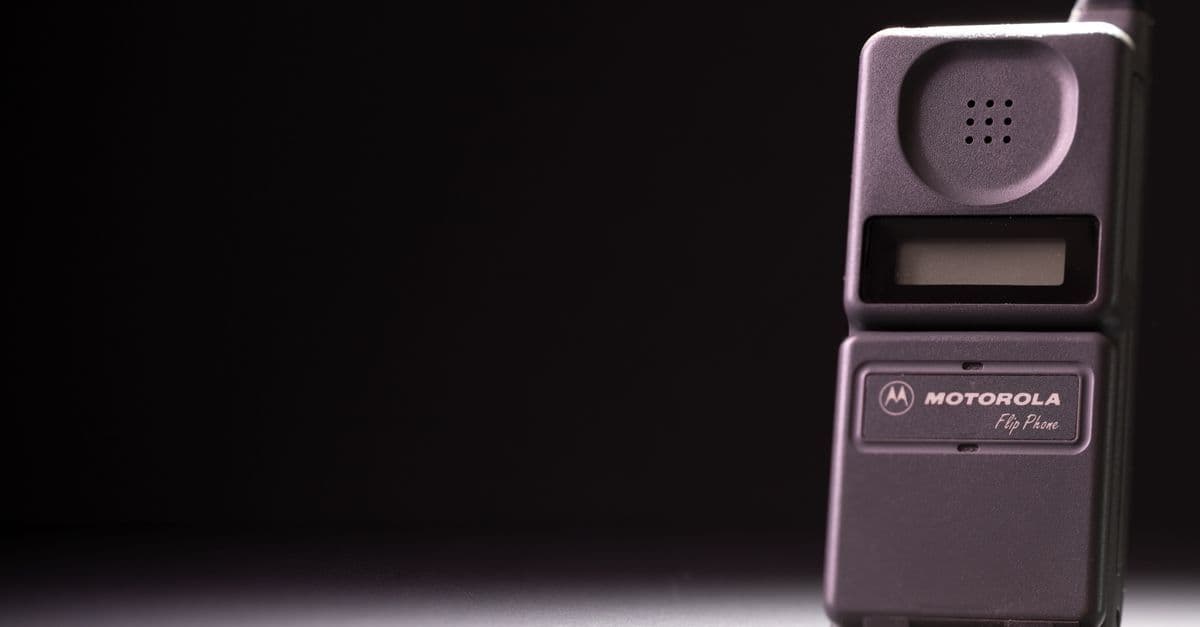
Basic clamshell feature phones like the Nokia 2660 Flip or Doro 7030 follow an animated logic of simplicity. Numeric keypad. Calls and texts. A battery that runs for up to two weeks on a charge. No apps, no eSIM, no internet access. Prices stay under £80.
Neither type is better. They serve entirely different lives.
Here's the quick breakdown:
- Foldable smartphones: full Android, 5G and eSIM support, pocket-sized when folded, priced from the mid-£400s, daily charging required
- Basic feature phones: up to two weeks of battery life, prices under £80, calls and texts only, no eSIM or 5G available
With the categories clear, the best models in each tier fall into place.
The best flip phones to buy in 2026
The Samsung Galaxy Z Flip 7 is the standout foldable flip phone for UK buyers in 2026, with a noticeably larger cover screen than its predecessor and eSIM support straight out of the box. Below it, the Motorola Razr range offers capable alternatives at lower price points. At the other end of the market entirely, Nokia and Doro clamshell feature phones continue to sell in serious volume.
Samsung Galaxy Z Flip 7
The flagship foldable this generation gets an expanded cover screen: you can reply to messages, skip tracks, or handle notifications without opening the device at all. It's eSIM-ready and 5G-capable, stocked by Carphone Warehouse and available directly from Samsung UK carphonewarehouse.com. At the flagship pricing noted in the table above, it's the clear pick if you want the most capable foldable currently on sale.
Motorola Razr 50 Ultra
A sharp competitor to the Z Flip 7 at roughly £300 less. The Razr 50 Ultra carries eSIM support, a competitive cover screen, and full 5G connectivity. It's the most dynamic alternative for anyone who wants a foldable smartphone without committing to top-tier pricing.
Motorola Razr 40
The entry point for eSIM-capable foldables in the UK, and arguably the most interesting option for travellers. At the entry-level foldable price noted in the table above, you still get 5G and eSIM support, which means loading a travel data plan before you leave home is genuinely straightforward. Scan a QR code, wait a couple of minutes, and you're set before boarding. Browse All eSIM Plans to check what's available for your next destination.
The Motorola Razr 40 gives you 5G connectivity and eSIM support at the lowest price point in the foldable flip phone category.
Nokia 2660 Flip and Doro 7030
Basic clamshell feature phones continue to move in serious volume across the UK. The Nokia 2660 Flip comes in under £60 at Argos and Carphone Warehouse argos.co.uk, with battery life measured in days rather than hours. The Doro 7030 adds a dedicated SOS emergency button and costs a touch more, making it the default recommendation for older users or as a practical gift.
Neither supports eSIM. Neither connects to 5G. That is entirely the point.
Gen Z's reasons for choosing a flip phone go considerably further than these specs, though.
Why do Gen Z want flip phones?
Gen Z want flip phones primarily for a mix of nostalgia and novelty. They've never owned one before, which makes the clamshell feel genuinely fresh rather than retro. That's a more energetic driver than most tech coverage gives it credit for.
The compact form factor matters considerably. A folded Galaxy Z Flip 7 fits in a back pocket or small bag in a way that a standard large-screen slab simply doesn't. For a generation that's grown up with phones getting progressively bigger and flatter, something pocketable carries real appeal.
Cover screens play a deliberate role too. The Z Flip 7's enlarged cover screen means you can check a notification, control music, or set a timer without opening the device. That adds friction to mindless scrolling, and that friction is intentional. Digital wellbeing is something Gen Z actively talk about, and a phone that makes doomscrolling slightly harder is a lively selling point.
Then there's the fashion dimension. Flat rectangles all look the same. A clamshell doesn't.
Camera quality has become more competitive as well. Modern foldable cameras suit the short-form social content Gen Z creates, narrowing the gap with standard flagship cameras. Two years ago, that gap was enough to put off serious phone photographers. It's smaller now.
For travellers choosing between a foldable and a feature phone, though, the decision carries direct connectivity consequences that go well beyond aesthetics.
Flip phones for travel: eSIM, roaming and staying connected

The travel connectivity story for flip phones splits cleanly by category. Foldable smartphones in the Galaxy Z Flip and Motorola Razr lines support eSIM, a digital SIM embedded directly in the device that replaces the physical card. Basic clamshell feature phones, the Nokia 2660 and Doro 7030 among them, take a physical SIM only.
No eSIM, no exceptions.
That distinction carries real weight since Brexit reversed free EU roaming for UK travellers. EE, Vodafone and O2 now charge between £2 and £3 per day for EU roaming, or sell it as an add-on pass you buy before departure. Forget to activate one and the charges start the moment your plane lands. A spare physical SIM from a local kiosk sidesteps the fees, but only if your phone has a free SIM slot and you fancy queuing at arrivals.
Foldable flip phones offer a cleaner route. The Galaxy Z Flip series has supported eSIM from the Z Flip 3 onwards, covering every model since 2021 samsung.com. The Motorola Razr 50 and Razr 40 are both eSIM-capable too. HelloRoam's plans are compatible with all eSIM-capable foldable flip models. The Z Flip 7's expanded cover screen makes QR code scanning brisk: you can confirm the profile installation on the external display while the phone stays folded. Scan before you board, the profile installs, and you land with data already live.
Basic feature phones change the calculation. Frequent international travel on a Nokia 2660 or Doro 7030 means managing physical SIMs for each destination, or absorbing your carrier's daily roaming rate. For a quick trip where hotel Wi-Fi covers the basics, that's workable. A two-week multi-country itinerary is another matter.
Which raises the practical question: which phone should you actually buy?
How to choose the right flip phone for you
Your situation determines this more than any spec sheet. Four use cases map onto two phone types, and getting the match right avoids a lot of post-purchase regret.
- Simplicity, under £100: Basic clamshell. The Nokia 2660 or Doro 7030. Large buttons, a durable build, and a phone bill measured in pence per month rather than pounds. Battery lasts for days. No apps to learn.
- Android, apps and a decent camera: Foldable. The Motorola Razr 40 sits at the entry point for the foldable flip phone range, at the price referenced earlier in this guide, offering full Google services and 5G. The Z Flip 7 goes further if you want a bigger cover screen and an upgraded camera experience.
- Frequent traveller: Any foldable in this guide. eSIM support is non-negotiable for international travel, and basic clamshell phones don't offer it, as covered above. Every foldable here does.
- Elderly users or accessibility needs: Feature phone, without question. The Doro 7030 specifically: loud speakers, a tactile numeric keypad, an SOS call button, and a learning curve measured in minutes. The glass hinge on foldables is more fragile too, which matters for everyday handling.
A few common questions remain worth answering directly.
Frequently asked questions about flip phones
The most common flip phone questions cluster around three topics: discontinuation fears, Apple rumours, and whether any of it is worth the money. The answers are more straightforward than online debate tends to suggest.
Why are flip phones being discontinued?
Basic clamshell feature phones aren't disappearing, but the market has narrowed as smartphones became affordable for most users. Manufacturers like Doro continue releasing new models, targeting older adults and minimalist buyers. The category is specialised now, not extinct.
Is Apple bringing out a flip phone?
No confirmed launch date exists as of mid-2026. Apple hasn't announced a clamshell device, though patents and supply chain speculation have circulated for years. Any future Apple foldable would almost certainly support eSIM, given the company's strong push toward the standard across its iPhone range since the XS.
Why do Gen Z want flip phones?
Gen Z want flip phones for nostalgia, compactness, and a cover screen that handles notifications without requiring the phone to be opened. It is a deliberate choice around screen-time management, not a passing trend borrowed from nostalgia alone.
The value question comes up most often.
Is a flip phone worth buying?
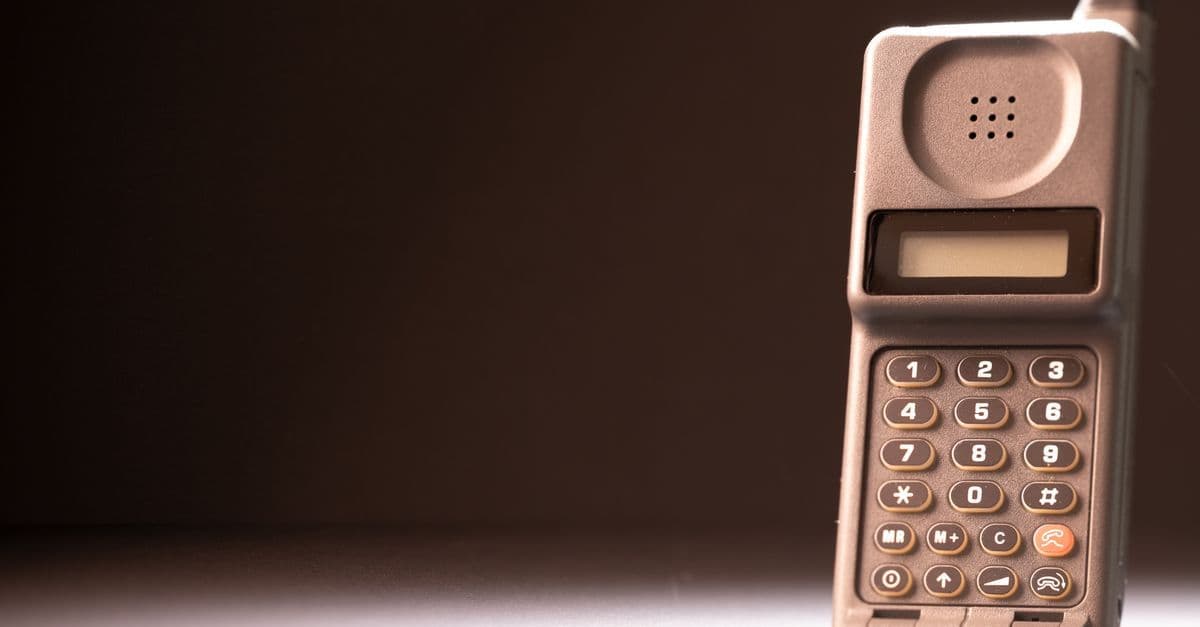
Yes, for most buyers, provided the type matches the use case. Buying the wrong category is where money goes to waste: a foldable for someone who wanted simplicity, or a feature phone for someone expecting a full smartphone experience.
Foldable flip phones earn their price tag if you travel regularly, value compact design, and plan to keep the device for at least two years. The Galaxy Z Flip 7's full Android, capable camera, and eSIM support give you a genuine smartphone in a genuinely pocketable form. A fortnight abroad with a travel eSIM loaded before departure keeps UK carrier daily charges out of the equation entirely.
That said, a short city break where hotel Wi-Fi covers your needs doesn't justify a travel eSIM purchase at all. The foldable remains the right phone choice, but the data savings case is strongest on trips of a week or longer, or when crossing multiple countries.
Feature phones are honest value for their audience. A Doro 7030 suits an older user who wants calls, texts, and an SOS button without a touchscreen to navigate. It does that job well.
Premium foldables ask one honest question: do you use your phone enough each day to justify the cost? If yes, the form factor makes a compelling case. Apple's position on clamshells adds another dimension to that picture.
Is Apple bringing out a flip phone?
No confirmed Apple clamshell iPhone exists as of July 2026. Apple hasn't announced one, and no verified release date has been set.
That said, the rumours won't quit. Industry analysts and supply-chain leaks have circulated reports of a foldable iPhone in development for several years now. The speculation is brisk enough that it's become a fixture of tech media cycles, appearing with fresh credibility roughly every six months.
Apple's pattern here is instructive.
The company rarely enters a new form factor first. It waited until the smartwatch market had proved itself before launching Apple Watch. It let other manufacturers battle through the early rough edges of tablets before the iPad arrived and reset the category. Foldables may be following the same script.
Samsung's Galaxy Z Flip series and Motorola's Razr range have spent several years working out the engineering kinks: crease visibility, hinge durability, software optimisation for the folded display. If Apple is watching and waiting for that groundwork to mature, it's doing exactly what it usually does.
When an Apple flip phone does arrive, it will likely command a serious premium and reshape the market overnight. Until then, Samsung and Motorola have the clamshell space to themselves.
Reviewed by HelloRoam's editorial team. Last updated: 15 July 2026.
Get Connected Before You Go





Frequently Asked Questions
Gen Z want flip phones for nostalgia, compactness, and cover screens that handle notifications without opening the device. The format adds friction to mindless scrolling, making it a deliberate screen-time management choice rather than a passing trend.
Yes, provided the type matches your use case. Foldable flip phones suit frequent travellers wanting a compact smartphone, while basic clamshell phones suit older users who need calls and texts only.
Basic clamshell feature phones have not disappeared, but the market narrowed as smartphones became affordable. Manufacturers continue releasing new models targeting older adults and minimalist buyers. The category is specialised now, not extinct.
No confirmed Apple clamshell iPhone exists as of July 2026 and no release date has been announced. Supply-chain speculation has circulated for years, and any Apple foldable would almost certainly support eSIM.
A flip phone is any hinged clamshell device that folds in half. In 2026 this covers foldable smartphones with full Android and eSIM support, and basic feature phones offering calls and texts only.
Foldable smartphones run full Android, support 5G and eSIM, and require daily charging. Basic clamshell phones handle calls and texts only, last up to two weeks on a charge, and cost under £80.
Foldable flip phones such as the Samsung Galaxy Z Flip series and Motorola Razr range support eSIM. Basic clamshell feature phones accept a physical SIM only and have no eSIM functionality.
Yes. Foldable flip phones in the Galaxy Z Flip and Motorola Razr ranges are eSIM-compatible. Scan your provider's QR code before departure and the data plan activates automatically when you land abroad.
Since Brexit ended free EU roaming, UK carriers now charge between £2 and £3 per day for EU roaming or sell add-on passes. Forgetting to activate a pass means charges begin the moment your plane lands.
Frequent travellers should choose a foldable flip phone, as all support eSIM for loading travel data plans before departure. Basic clamshell phones use physical SIMs only and cannot use travel eSIM plans.
Scan the QR code from your travel eSIM provider, confirm the profile installation, and data activates without needing a physical SIM card. You can complete this before boarding so data is live on arrival.
Flip phone prices range from around £55 for a basic clamshell feature phone to over £1,099 for a premium foldable flagship. Entry-level foldable smartphones with eSIM and 5G support start in the mid-£400s.
Basic clamshell feature phones last up to two weeks on a single charge. Foldable smartphones like the Galaxy Z Flip 7 require daily charging, typically lasting one to two days depending on usage.
Yes. Foldable flip phones support eSIM, letting you load a local data plan before departure by scanning a QR code. Basic clamshell phones lack eSIM, making them better suited to short trips where hotel Wi-Fi covers your needs.
A basic clamshell feature phone is recommended, particularly models offering an SOS emergency call button, loud speakers, a tactile numeric keypad, and a simple interface with a minimal learning curve.
A cover screen is a small external display on a closed foldable flip phone that lets you check notifications, control music, or set timers without opening the device, helping reduce unnecessary screen time.
Sources
- Galaxy Z — samsung.com
- pricespy.co.uk — pricespy.co.uk
- Flip Phones — argos.co.uk
- Flip Phones and Folding Phones Deals — carphonewarehouse.com
- The Best Flip Phones — mobiles.co.uk
- Flip phone buying guide across price ranges UK — mobiles.co.uk