

Quick answer: best flip phones at a glance
The flip phone category covers two very different product types. Here are the four picks that make sense for most buyers.
Every foldable here ships with native eSIM support. That's the practical difference when you're travelling: scan a QR code before you board and you're connected on arrival, without paying Vodafone or EE's roaming day rates. The Nokia 2660 is a solid calls-and-texts device, but it drops eSIM entirely, so trips abroad mean a physical SIM swap at the airport. Before you buy, check the eSIM Compatible Devices guide to confirm your exact handset is supported.
Now for what these categories actually mean.
What is a flip phone in 2026?
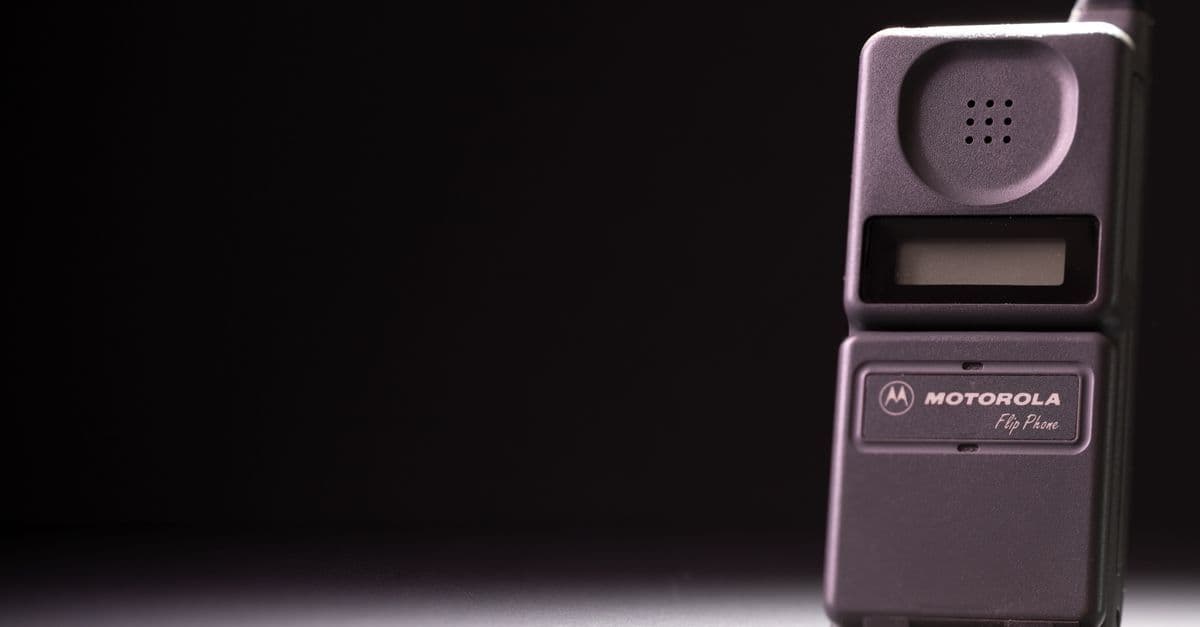
A flip phone is any clamshell device that folds on a central hinge. In 2026, that definition covers two products so different from each other that buying the wrong type is a genuine risk.
The first type is the foldable smartphone. Handsets like the Samsung Galaxy Z Flip 7 and Motorola Razr 60 Ultra run full Android, support 5G and eSIM, and fold open to the size of a standard phone samsung.com. As the table above shows, prices span from under £500 to well over £1,000. These are proper smartphones in compact bodies, complete with app stores, mobile payments, decent cameras, and a battery that needs charging daily.
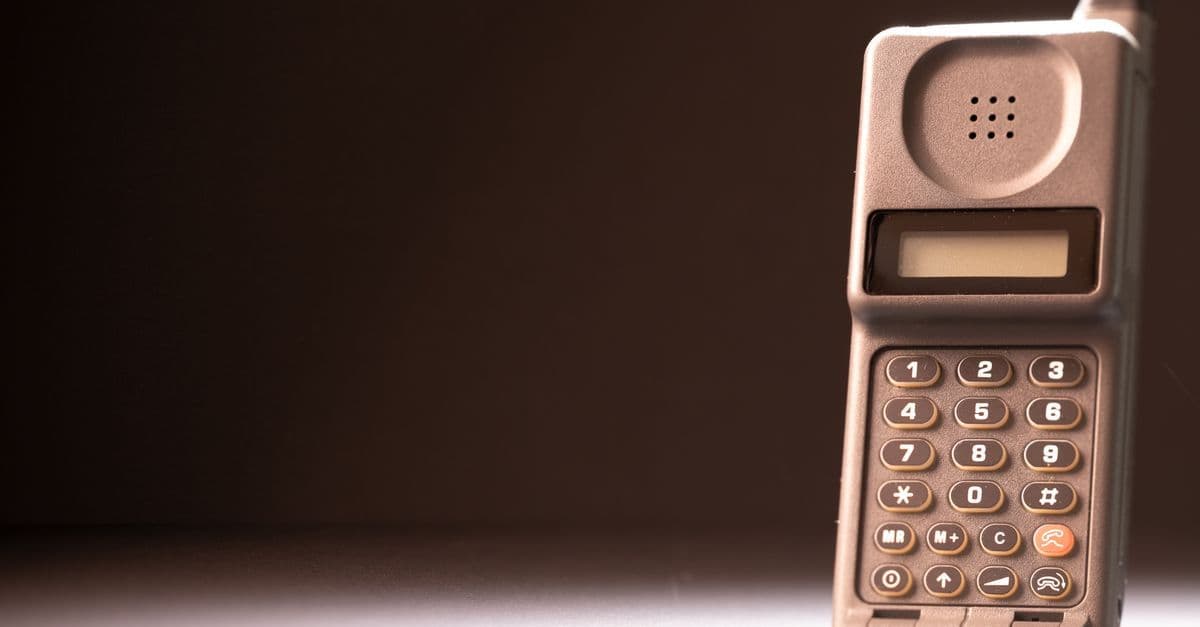
The second type is the basic feature phone. The Nokia 2660 Flip and Doro 7030 handle calls and texts, run stripped-down firmware, and cost under £80 argos.co.uk. Battery life stretches well past a week. There's no 5G, no eSIM, no app store. The appeal is simplicity, either for an older relative who wants a straightforward handset or for someone deliberately trimming screen time.
Here's the bit most guides skip: the category you choose determines every spec that follows. A foldable's cover screen size is meaningless if you're buying for an elderly parent. A feature phone's week-long battery sounds appealing until you remember it can't run Google Maps.
Category clear. Here are the best picks across both.
The best flip phones you can buy today
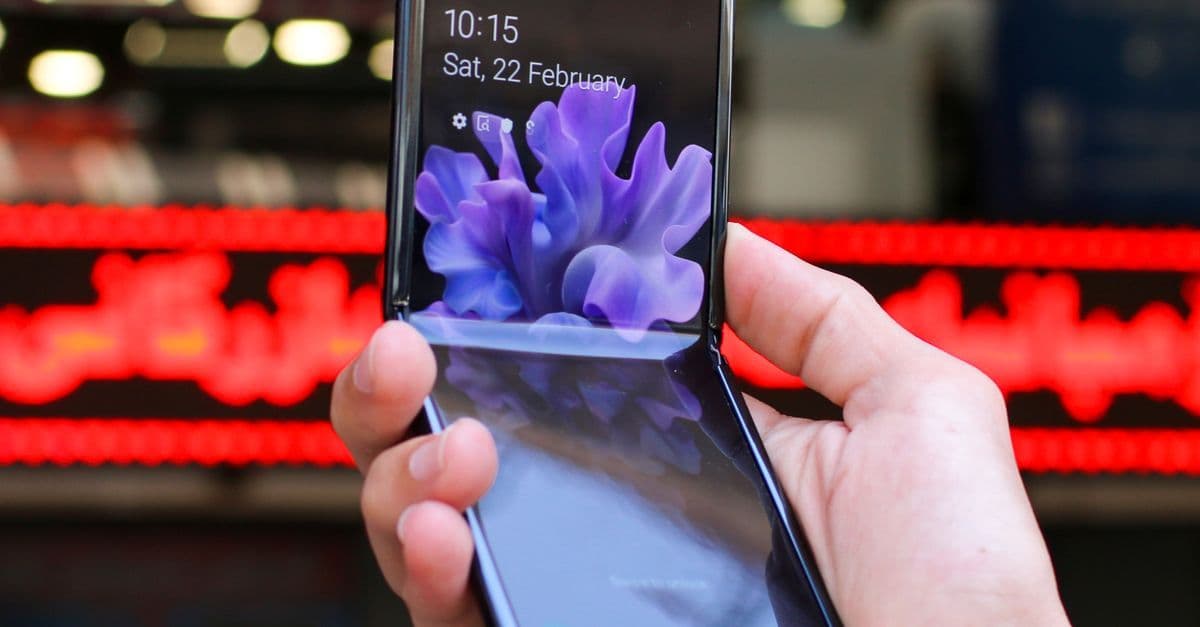
Six flip phones genuinely worth your money exist right now, ranging from foldables that open to full Android screens to basic clamshells that last a week on a charge. Foldables lead on features. Feature phones win on simplicity. Specs side by side first, then each pick in detail.
Flip phone specs compared
The Z Flip 7 and Razr 60 Ultra sit at the top partly because of those cover displays. Both are large enough to read messages, control music, and handle notifications without unfolding the handset at all. The Razr 60 delivers 5G and eSIM at the foldable entry price, which is a reasonable trade-off for most buyers. The Nokia and Doro drop both features entirely. Serviceable handsets for daily home use, but not the pick if you travel regularly.
The individual verdicts follow.
Best overall flip phone: Motorola Razr 60 Ultra
The Motorola Razr 60 Ultra is the strongest all-round foldable flip phone in the UK right now stuff.tv. The cover display is large enough to handle messages, navigation, and music controls without opening the phone, which changes daily use in ways a specification sheet doesn't capture.
Pricing runs from the figure noted in the comparison above up to around £899, depending on storage tier and retailer carphonewarehouse.com. The Snapdragon 8 Elite chip matches what you'll find in flagship slab phones released in late 2025, so there's no performance penalty for the folding form factor.
Battery life is solid. Not a compromise you'll notice on a normal working day.
Full eSIM and dual SIM are confirmed on the Razr 60 Ultra. That combination matters for travellers: run your UK number on the physical SIM for banking alerts from Monzo or Revolut, activate a destination eSIM alongside it, and both lines stay live simultaneously without touching the handset.
The camera is competitive with flagship alternatives at this price. Not just for a foldable.
Samsung's alternative offers tighter ecosystem integration, worth considering if your other devices are Galaxy hardware.
Best Samsung flip phone: Samsung Galaxy Z Flip 7
Samsung's Galaxy Z Flip 7 launched in May 2026 samsung.com, and the detail reviewers flagged immediately was the cover screen: it's noticeably larger than the Flip 6, enough to shift how you interact with the phone across a normal day. That's not a minor spec bump.
UK pricing runs from the figure shown in the comparison table up to around £1,099 carphonewarehouse.com. That's a significant outlay, but seven years of guaranteed Android software updates samsung.com shift the cost-per-year calculation considerably. Spread the premium over the support window and it compares more favourably than the sticker price suggests.
eSIM support has been confirmed across all Z Flip models from the Z Flip 3, which covers every unit sold since 2021 samsung.com. No exceptions.
The decision framework here is reasonably clean. If you're already in Samsung's ecosystem with a Galaxy tablet or smartwatch, One UI ties the experience together in ways that justify the extra spend. If you're not, the Razr 60 Ultra delivers comparable hardware for less without asking you to commit to a single manufacturer's walled garden.
Tighter budget? The Razr 60 closes the gap considerably.
Best affordable flip phone: Motorola Razr 60
The Motorola Razr 60 makes a candid case at the entry-level tier: 5G, eSIM support, and a folding display for around the entry-level price listed earlier up to ~£549, depending on retailer carphonewarehouse.com. Travel-ready hardware without the flagship bill.
The cover screen is smaller than the Ultra model. That's the real trade-off, not the processor or the camera, which both perform capably at this price.
Not every buyer needs a foldable.
For buyers who genuinely need only calls and texts, the Nokia 2660 Flip costs around £45 argos.co.uk and does exactly that. No Android, no app store, no eSIM. Battery life stretches to days rather than hours. Physical number buttons you can find without looking. It's the right tool for a specific job, and there's nothing wrong with buying accordingly.
If your budget stretches into the foldable bracket, 5G and eSIM come as standard across this tier. You're not paying extra to get travel-ready connectivity.
Unsure which tier suits you? That decision framework is next.
How to choose the right flip phone
The right flip phone depends on two factors: whether you need full smartphone functionality and your budget. Foldables and feature phones don't overlap in capability, price, or connectivity, so identifying which category fits your needs first simplifies every comparison that follows.
Step 1: Match the budget to the category
Under £100, the answer is a basic feature phone. Nokia and Doro both make reliable clamshell options with large buttons, loud speakers, and battery life measured in days rather than hours argos.co.uk. None support eSIM or 5G. For the right buyer, that's completely fine.
From around £450 upwards, foldable Android phones bring 5G, eSIM, a full app store, and a cover display as standard. Spending more buys a larger cover screen and a faster processor, not a fundamentally different product.
Step 2: Take eSIM seriously if you travel
For any traveller heading to EU destinations, eSIM support is the detail that saves money. Post-Brexit, EE, Vodafone UK, and O2 each charge roaming fees in EU countries. A destination eSIM, scanned and installed before boarding, sidesteps those charges entirely.
Dual SIM means your UK number stays live on the physical SIM while data runs through the travel eSIM. That matters for two-factor authentication texts and banking app approvals while you're abroad.
Every foldable flip in this guide supports dual SIM. Basic feature phones do not.
Step 3: Decide how much cover screen matters to you
Cover screen size drives daily usability more than most buyers expect before they've owned one. The Z Flip 7 and Razr 60 Ultra both carry large cover displays that handle notifications and quick replies without unfolding. The Razr 60's cover screen is more limited. Basic flip phones have none at all.
HelloRoam covers eSIM plans across 190+ destinations. Check which foldable flip phones are compatible before you buy at eSIM Compatible Devices.
Flip phone eSIM support: staying connected when you travel
Foldable flip phones support eSIM; basic clamshell feature phones don't. The Galaxy Z Flip 7, the Razr 60 Ultra, and the Razr 60 all carry eSIM support as standard samsung.com. Nokia and Doro models use physical SIM cards only.
Common myth: you need a plastic SIM card from an airport kiosk before you can get connected abroad.
You don't. A travel eSIM activates via QR code at home, before you leave. Your phone registers on a local network the moment it lands. No kiosk queue, no fumbling with a paperclip.
Post-Brexit, the bill is the problem. EE, Vodafone UK, and O2 apply daily roaming fees across Europe on most standard contracts, running to around £2-3 per day. Fair-use caps bite mid-holiday, and the full cost only appears on your statement when you're home unpacking.
The practical fix on a foldable flip phone: a dual-SIM setup. Your physical UK SIM stays active for bank authentication texts and two-factor codes. A travel eSIM handles data alongside it. Both flagship models covered in this guide support that arrangement natively.
The sequence that works: confirm your device is eSIM-capable, select a travel eSIM plan for your destination, scan the QR code at home on Wi-Fi, and set the profile to activate on arrival. By the time the cabin crew collects cups on descent, your connection is queued.
If you're already on Three's Feel At Home plan or have a contract with a solid EU roaming allowance, check your data cap before buying a travel eSIM. For trips under three days with hotel Wi-Fi available, your existing plan may cover it. For anything longer, the maths favours a travel eSIM.
New hardware on the horizon adds further options soon.
What flip phones are coming next?
Apple is the most discussed upcoming entrant to the flip phone market, with a clamshell iPhone circulating in the rumour cycle for several years and some analysts pointing to a 2026 or 2027 launch. No confirmed specs or UK pricing have been announced as of mid-2026.
Google and OnePlus both have foldable handsets in various stages of development. Neither has confirmed a clamshell-format launch, but both brands are clearly watching the Z Flip and Razr category.
The global foldable market has grown at around 25% annually since 2022. Buyers comparing current models against what's coming need to know the timeline before committing. Treat the Apple clamshell as a likely eventual addition to Apple's lineup, not an imminent purchase decision.
One characteristic the next wave of flagships almost certainly shares: eSIM as standard. As of mid-2026, eSIM is already a baseline feature on every premium foldable that ships. That trend is only going one way.
The practical read: the flip phone category isn't shrinking. It's gaining entrants. Waiting for an Apple clamshell could mean waiting a year or more. The hardware available now is capable and well-reviewed. For most buyers, the current shortlist is the right starting point.
Common questions about flip phones answered below.
Frequently asked questions about flip phones
The questions below cover what most flip phone buyers actually want to know but rarely find answered clearly in one place. Each answer is specific. Start with the one that matches your situation.
Why do Gen Z want flip phones?
Gen Z gravitates towards foldable flip phones for reasons that go beyond specs. The answer surprises people expecting a purely tech explanation.
The folded size is genuinely pocketable. The cover screen shows notifications without inviting a full scroll. TikTok and Instagram don't load naturally on a small exterior display, so opening the phone becomes a deliberate choice. For a generation acutely aware of screen time, that friction is the feature.
A folded flip phone also looks nothing like the rectangular slab everyone else carries. That distinction matters more than the spec sheet to many under-25 buyers.
Worth buying for everyone else? That question is next.
Is a flip phone worth buying?
Yes, for the right person. Foldable flip phones match flagship slab phones on specs, so you skip the performance trade-off. The premium price gets you genuine pocketability and a cover screen that handles notifications without unfolding.
Feature phones are a different calculation. Right for calls and texts. Wrong if you need apps, data, or navigation.
Buy one if the form factor fits how you actually live. A slab handset costs less and involves fewer compromises if you just want a capable smartphone.
Apple's potential entry changes the calculus slightly.
Is Apple bringing out a flip phone?
No confirmed Apple flip phone exists as of June 2026. Supply chain reporting suggests a clamshell iPhone prototype is in development, with the earliest realistic launch in late 2026 or 2027.
The detail worth watching: Apple has shipped eSIM on every iPhone since the 12 series, so any clamshell model would almost certainly drop the SIM tray entirely.
A clamshell iPhone would likely push Samsung and Motorola harder on pricing. For now, Android foldables own this category. The broader question is whether the category itself is growing or contracting.
Are flip phones being discontinued?
The category is splitting, not dying. If you need a basic flip phone, you can still find Nokia and Doro models at UK retailers, though new releases in that segment have slowed considerably.
Foldable flip smartphones are heading in the opposite direction. The segment has grown since 2022, with Samsung and Motorola both shipping new models annually.
Two trajectories: premium foldables expanding, budget feature phones contracting. Both still exist. The question is which direction your needs and budget point.
Reviewed by HelloRoam's editorial team. Last updated: 23 June 2026.
Get Connected Before You Go


Frequently Asked Questions
Gen Z favours flip phones for pocketable size, reduced screen time, and distinct style. The cover screen shows notifications without triggering a full scroll session, making phone use a deliberate choice.
Yes, for the right buyer. Foldable flip phones offer 5G, eSIM, and a compact form from around £449. Basic feature phones suit calls-and-texts users and cost under £80 with week-long battery life.
Foldable flip phones are not being discontinued. The global foldable market has grown around 25% annually since 2022, and Apple, Google, and OnePlus are all developing entries into the category.
Apple has not confirmed a clamshell iPhone as of mid-2026. Analysts point to a possible 2026 or 2027 launch based on ongoing rumours, but no confirmed specs or UK pricing have been announced.
The Motorola Razr 60 Ultra is rated the strongest all-round foldable flip phone in the UK at around £799, offering a large cover display, dual SIM, eSIM support, and flagship-level performance.
Yes. The Samsung Galaxy Z Flip 7, Motorola Razr 60 Ultra, and Motorola Razr 60 all support eSIM as standard. Basic feature phones like the Nokia 2660 Flip use physical SIM cards only.
Yes. Foldable flip phones with eSIM let you install a travel eSIM via QR code before departure, bypassing UK carrier daily roaming fees that can reach around £2-3 per day across Europe.
Dual SIM lets you run two numbers simultaneously. Keep your UK SIM active for banking texts and two-factor codes while a travel eSIM handles data abroad. All foldable flip phones in this guide support it.
Foldable flip phones start from around £449 for the entry-level Motorola Razr model. Mid-range options reach £799, and premium Samsung alternatives cost up to approximately £1,099.
Basic clamshell feature phones cost around £45-70 and handle calls and texts only. They offer no eSIM, no 5G, and no app store, but provide week-long battery life and large physical buttons.
Scan the provider's QR code on Wi-Fi before you travel. Your phone registers on a local network on arrival with no airport kiosk visit or physical SIM card swap required.
Yes. Samsung confirmed eSIM support across all Z Flip models from the Z Flip 3 onwards, covering every unit sold since 2021. The Z Flip 7 supports both eSIM and dual SIM as standard.
Samsung guarantees seven years of Android software updates for the Galaxy Z Flip 7, making the premium purchase price more competitive when spread across the full support window.
Foldable flip phones run full Android with 5G, eSIM, and app stores from around £449. Feature flip phones handle calls and texts only, cost under £80, and offer week-long battery life with no smartphone features.
Yes, with a dual SIM foldable flip phone. Your physical UK SIM stays live for bank authentication and two-factor codes while the travel eSIM handles data. All foldable models in this guide support this.
Sources
- stuff.tv — stuff.tv
- Galaxy Z — samsung.com
- Flip Phones — argos.co.uk
- Flip Phones and Folding Phones Deals — carphonewarehouse.com
- The Best Flip Phones — mobiles.co.uk