

Best flip phones in the UK at a glance
The UK flip phone market divides into two completely distinct categories, and the gap between them is wider than a price difference. Premium foldable smartphones fold along a flexible OLED hinge, run full Android, and sit between roughly £449 and £1,099, with eSIM support built in carphonewarehouse.com. Basic clamshell phones use a rigid hinge and a numeric keypad, run on firmware built for calls and texts, and come in at around £30 to £80.
For 2026, the Samsung Galaxy Z Flip 7 is the best overall choice: an expanded cover screen, full 5G, and eSIM support make it the most complete package on this list stuff.tv. The Motorola Razr 60 brings eSIM capability to the lower end of the foldable price range, making it the obvious entry point for buyers who want a foldable without paying flagship prices.
Two categories, one name, almost nothing shared.
What is a flip phone in 2026?
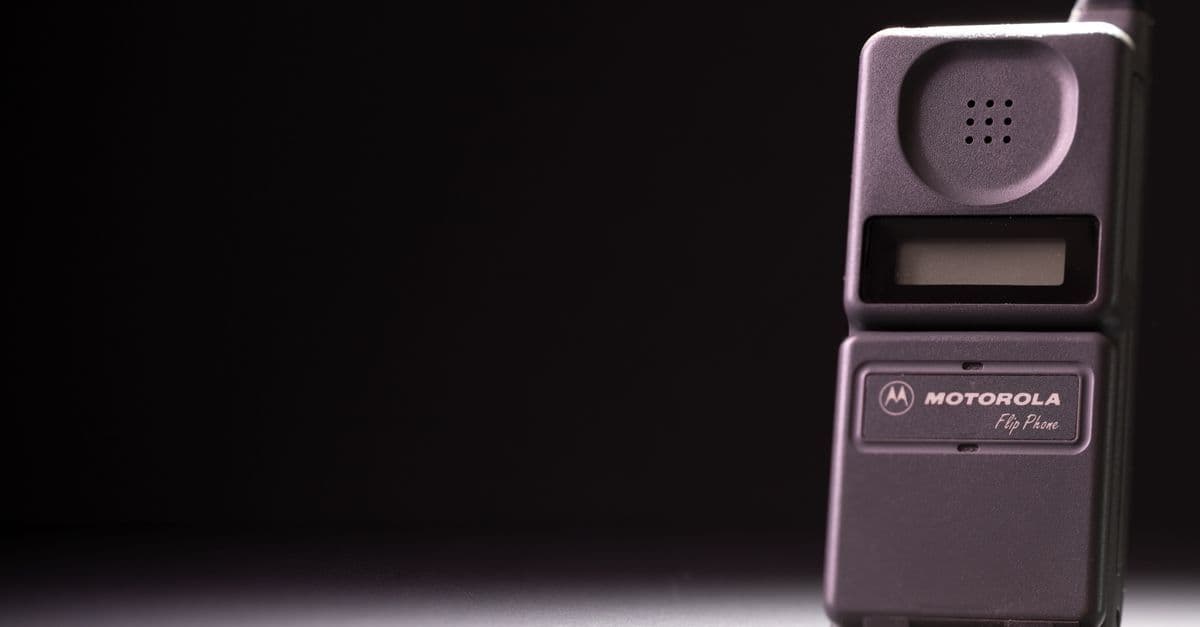
A flip phone is any handset that folds along a horizontal hinge. In 2026, that single description covers two radically different devices. One is a full Android smartphone with a flexible OLED screen and 5G connectivity. The other is a basic feature phone with a numeric keypad and firmware designed for calls and texts. The name is identical. The experience is not.
Modern foldable flip phones close to roughly half the height of a standard Android device. Open them and you have a full-size display; fold them and they slip into a jacket pocket with room to spare. They run the same apps as any other Android phone, support eSIM (a built-in digital SIM activated by a QR code) for switching travel plans without handling a physical card, and connect via 5G. The cover screen on recent models lets you check notifications and shoot photos without unfolding the device at all.
Classic clamshells are built on the opposite premise: simplicity.
Nokia's 2660 Flip and similar handsets use a numeric keypad, a compact external display, and firmware covering calls, texts, and a basic address book. They run for days between charges, take seconds to set up, and have no app store. For people who want a second phone, a gift for an older family member, or a deliberate break from screens, that stripped-back approach is the whole point.
Two types of flip phone, in plain terms:
- Foldable smartphone: full Android, flexible OLED display, eSIM-capable, folds to pocket size
- Basic clamshell: numeric keypad, calls and texts only, no data plan required, multi-day battery
UK search traffic for "flip phone" divides almost equally between people searching for foldable Androids and people searching for basic clamshells. Two completely different buying decisions, one search term.
Once the split is clear, picking becomes straightforward.
Best flip phones to buy right now
Four devices cover the realistic buying choices for UK flip phone buyers in 2026. Three are eSIM-capable foldable Androids with 5G. One is a basic clamshell for calls and texts only. The choice narrows quickly once you know whether you need full smartphone functionality, a stronger camera, or something far simpler.
How the three foldables differ on screen and camera:
- Samsung Galaxy Z Flip 7: largest and most functional cover screen, flagship Android performance
- Motorola Razr 60 Ultra: strongest camera system of the three, cover screen included
- Motorola Razr 60: entry-level cover screen, solid daily Android performance, full eSIM support
Samsung Galaxy Z Flip 7
The Z Flip 7 is the benchmark for this category. The cover screen expanded considerably in the 2026 model: it handles messages, music controls, and camera access without opening the phone. Full 5G and eSIM mean it works on every major UK network and accepts a travel eSIM without touching a SIM tray. For European trips, that matters in a practical way. EE, Vodafone, and Three all charge for EU roaming since Brexit, typically per day or within a capped bundle. A travel eSIM activated before departure sidesteps that entirely.
Motorola Razr 60 Ultra
A noticeably stronger camera than the Z Flip 7 at a lower price point. The Razr 60 Ultra is the better pick for buyers who shoot frequently carphonewarehouse.com. Hinge action is solid, the cover screen handles daily notifications, and 5G and eSIM are both included.
Not the flagship, but not far off.
Motorola Razr 60
The most affordable eSIM-capable foldable on the current UK market carphonewarehouse.com. Android runs smoothly for everyday tasks, and a travel eSIM installs directly from the phone's settings menu. Before any European trip, Browse All eSIM Plans from HelloRoam to compare data options for your destination.
Nokia 2660 Flip
Seven days of battery. A numeric keypad. Large keys and a loud speaker. The Nokia 2660 does not do apps, mobile data, or 5G. It does calls, texts, and emergency contacts reliably, and the price puts it firmly in gifting territory for older family members or for anyone consciously stepping back from smartphones. No eSIM means international data is simply not an option argos.co.uk.
eSIM support separates the travellers from the rest.
Do flip phones support eSIM?
Foldable flip phones support eSIM (the digital SIM profile embedded in your handset's chip, replacing the physical plastic card). Basic clamshells don't. That split is absolute, and it matters a great deal for anyone planning to travel.
Samsung has included eSIM in every Galaxy Z Flip from the Z Flip 3 onwards, released in 2021 samsung.com. The current Z Flip 7 carries it as standard. Motorola's Razr 60 and Razr 50 both support UK eSIM profiles. Buy any current foldable and eSIM support comes included.
The part that surprises most buyers: you don't have to choose between your UK number and a travel data plan. Dual SIM lets you run both simultaneously.
The setup works consistently across Z Flip and Razr models:
- Keep your UK physical SIM in the card tray for calls, texts, and bank verification codes
- Open Settings, go to Mobile Data or Connections, and tap "Add eSIM"
- Scan the QR code from your eSIM provider to load the profile
- Set mobile data to route through the travel eSIM, leaving the physical SIM active for calls
Your contacts reach you on the same UK number throughout. The travel eSIM handles data costs on local rates, separately and independently.
Basic clamshells, including the Nokia 2660 Flip and Doro 7030, carry no eSIM hardware at all argos.co.uk. No workaround exists. They're calls-and-texts devices by design, which suits certain buyers well. For anyone who travels with their phone and cares about avoiding roaming costs, a foldable is the only realistic option.
Knowing eSIM support exists is one thing. Using it to sidestep post-Brexit roaming charges is where things get more interesting.
Staying connected with a flip phone abroad

A travel eSIM on a foldable flip phone sidesteps the daily-fee model entirely. Post-Brexit, using your UK SIM in the EU costs money. EE, Vodafone, and O2 all charge between £2 and £3 per day across EU destinations. That's not a small-print detail; it's a recurring daily fee for data you've already paid for at home.
How those options compare structurally:
The practical approach: install the eSIM profile at home before departure, set it as your default data connection, and keep your UK physical SIM active alongside it.
That second SIM matters more than it first appears.
Banks and payment apps send verification texts to your UK number. If you use Monzo, Revolut, or Wise for travel money, those authentication codes arrive on the physical SIM just as normal. Two-factor logins work. Calls home work. The travel eSIM handles data on local rates; your UK number runs everything else.
HelloRoam's eSIM supports the Galaxy Z Flip 7 and the current Razr series. Purchase a plan, scan the QR code, and the profile installs in a few minutes over home Wi-Fi the evening before you travel.
One practical step worth doing early: activate at home, not in the departures lounge. Airport Wi-Fi at most terminals is slow and inconsistent. Your home broadband is steady. Getting the profile installed the night before means data is live from the moment you land, not the moment you track down a usable signal on arrival.
EE's roaming add-on and Three's Feel At Home work well for short trips to a single EU destination. Stretch across multiple countries or push past five days, and a dedicated travel eSIM becomes the cheaper option.
The foldable flip phone's travel capability is part of a broader picture. Understanding who's actually buying these devices explains why the category is growing.
Why do Gen Z want flip phones?
Flip phones in 2026 count under-35s as their primary buyer group, and the reasons run considerably deeper than any fondness for the Motorola Razr V3 era that most people assume is driving the trend. Skip the nostalgia framing.
Pocketability explains a large share of the demand. A decade of progressively larger handsets trained consumers to accept phones that barely fit in a front pocket.
A foldable flip reverses that completely. Folded, the Z Flip 7 sits cleanly in a jeans pocket or a small bag. Unfolded, the display is full-sized. The expected trade-off between fragility and convenience turns out not to bother most users in practice.
The retro aesthetic is real and it resonates online. Opening one at a table generates the kind of social media attention a standard slab phone stopped earning years ago. That reaction isn't incidental; it factors into why these devices sell at premium prices to a demographic that treats the phone itself as something worth being seen with.
The wellness angle is less obvious but it tracks. The Z Flip 7's cover screen lets you check notifications, respond to messages, and control playback without opening the phone fully. For some users, screen time drops noticeably. The physical act of folding and unfolding creates a small pause between impulse and action that a flat phone can't replicate.
None of this involves compromise on smartphone capability. Full Android, every app, 5G connectivity. A foldable flip isn't a feature phone wearing fashionable clothes; it's a complete smartphone that happens to fold.
The buying data tells a more interesting story than the surface-level nostalgia narrative.
Is a flip phone worth buying?
Yes, but the answer depends on which type you mean. Premium foldables give you a full smartphone folded to shirt-pocket size. Basic clamshells give you weeks of battery and buttons you can actually feel without looking. Neither is a bad choice if you're buying the right one for the right job.
The foldable case is straightforward. You're getting a flagship-grade Android device, not a compromise. Pocketability is the genuine differentiator: the Galaxy Z Flip 7 folds to roughly half the height of a standard handset, which matters if you're tired of phones that won't fit a jacket pocket. The trade-off is price, and hinge longevity.
That hinge deserves scrutiny before you buy.
Foldable hinges have improved substantially since the early generations, but they remain the component most likely to need attention over a three-to-five-year ownership period. Check the warranty terms carefully and understand what's actually covered. Repair costs on foldables run high outside the warranty window, and not every manufacturer applies the same coverage mobiles.co.uk.
Basic clamshells sit in a narrower lane. The battery advantage is real: a week or more between charges suits older adults and anyone who finds daily charging a chore. The infrastructure concern is also real: UK operators have been winding down the 2G and 3G networks most basic flip phones depend on. A handset that works fine today may lose service in a few years as those networks close further.
Then there's Apple. Analyst filings suggest an iPhone Flip is in development, with launch windows cited somewhere between 2027 and 2028. As of June 2026, Apple has confirmed nothing: no product name, no confirmed specs, no price. If you're holding out for it, you're looking at the better part of two years before anything is official.
The practical conclusion: buy what's available now. Foldables are mature, capable devices. Basic clamshells still serve their purpose, but their network future is less certain than the modest price tag implies.
Reviewed by HelloRoam's editorial team. Last updated: 02 June 2026.
Get Connected Before You Go





Frequently Asked Questions
Gen Z favour foldable flip phones for pocketability, retro appeal, and a wellness angle: the cover screen lets them check notifications without fully opening the phone, helping reduce screen time.
Yes, for most buyers. Foldable flip phones are fully capable Android smartphones with genuine pocketability. Basic clamshells offer long battery life but face uncertain network futures as 2G and 3G wind down.
Basic clamshell flip phones rely on 2G and 3G networks that UK operators are gradually shutting down. A handset working today may lose service within a few years as those networks close further.
Analyst filings suggest an iPhone Flip is in development, with a possible launch between 2027 and 2028. As of June 2026, Apple has confirmed nothing: no product name, confirmed specs, or price.
Foldable flip phones run full Android with flexible OLED screens and 5G, priced from around £449. Basic clamshells use a numeric keypad for calls and texts only, costing around £30 to £80.
Yes, all current foldable flip phones include eSIM support. This lets you install a travel data plan digitally without swapping a physical SIM card, making it ideal for international travel.
Yes. Foldable flip phones support dual SIM, so your UK physical SIM stays active for calls and texts while the travel eSIM handles data. Bank verification codes and calls from home work normally.
Go to Settings, then Mobile Data or Connections, and tap Add eSIM. Scan the QR code from your travel eSIM provider to load the profile, keeping your UK physical SIM active alongside it.
Activate at home the night before departure, not at the airport. Home broadband is more reliable than airport Wi-Fi, and installing the profile beforehand means data is live the moment you land.
EE, Vodafone, and O2 charge between £2 and £3 per day for EU roaming. Three's Feel At Home applies a monthly data cap with no daily fee. A travel eSIM avoids daily charges entirely.
The Motorola Razr 60 Ultra has the strongest camera system among current UK foldable flip phones, making it the best pick for frequent shooters at a lower price than the flagship model.
The Motorola Razr 60 is the most affordable eSIM-capable foldable in the UK at around £449. It runs full Android and supports travel eSIM profiles directly via the phone's settings menu.
No. Basic clamshell flip phones have no eSIM hardware and no mobile data capability. They are designed for calls and texts only, making them unsuitable for international data use abroad.
The main drawbacks are price and hinge longevity. Foldable hinges have improved but remain the component most likely to need attention over time, and repair costs outside warranty can be high.
The Samsung Galaxy Z Flip 7 is the best overall choice for 2026, with an expanded cover screen, full 5G, and eSIM support. It works on every major UK network and accepts travel eSIM profiles.
Yes. Basic clamshells offer large keys, a loud speaker, and up to seven days of battery life, making them well suited to older adults or anyone who wants a simple, reliable phone for calls and texts.
Sources
- stuff.tv — stuff.tv
- Galaxy Z — samsung.com
- Flip Phones — argos.co.uk
- Flip Phones and Folding Phones Deals — carphonewarehouse.com
- The Best Flip Phones — mobiles.co.uk