

[]
Quick answer: top things to do in Rome at a glance
Rome's five essential sights divide into two camps: those that punish you for not booking ahead, and those that cost nothing and queue for nothing. The Colosseum, Vatican Museums, and Borghese Gallery fall firmly in the first camp. The Pantheon and Trastevere belong to the second.
Both the Colosseum and Vatican Museums offer free entry days: the first Sunday of each month for the Colosseum, the last Sunday for the Vatican. Both fill quickly and require planning around your trip dates. Book the Borghese Gallery slot as soon as your itinerary is fixed; it sells out faster than any other Rome attraction. The detail behind each choice follows.
The must-do things to do in Rome's ancient heart
[]
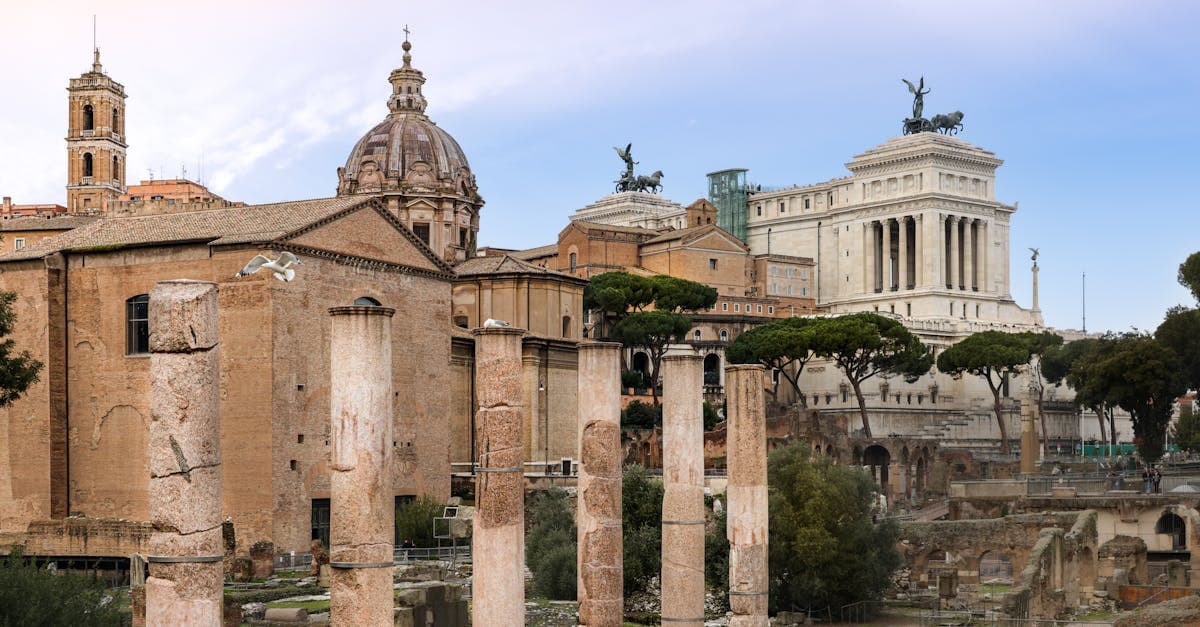
Three connected ancient sites share a single combined ticket: the Colosseum, Roman Forum, and Palatine Hill bundled for one online booking. The Vatican Museums and St Peter's Basilica require a separate trip across the Tiber. Both halves of Rome's ancient core deserve at least a half-day each.
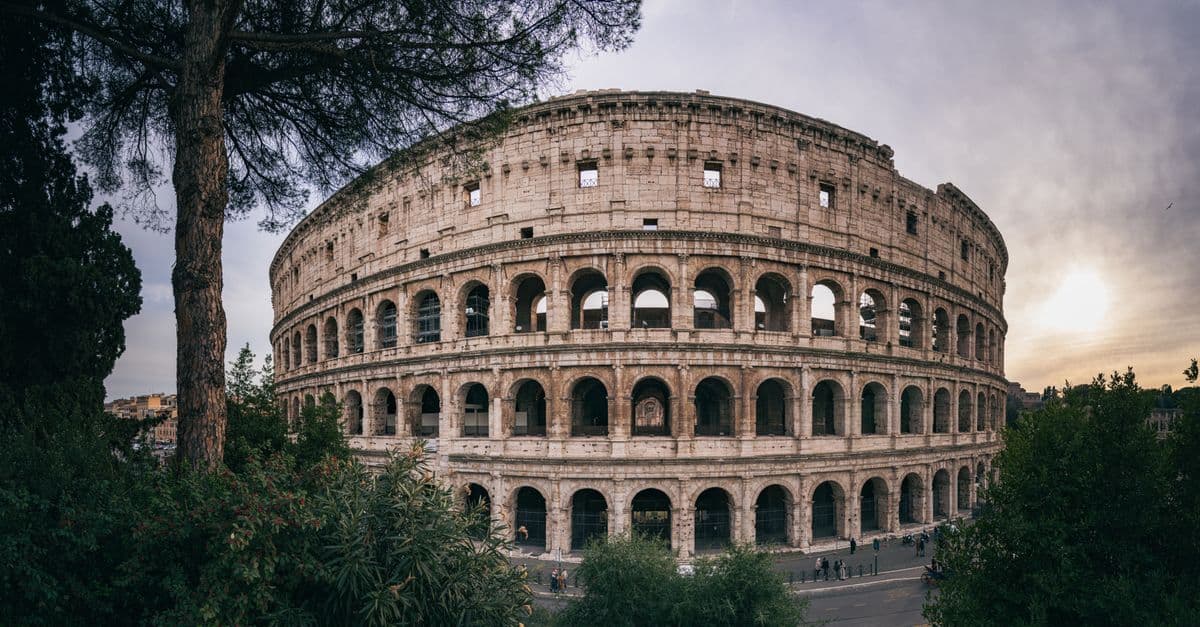
The Colosseum is Italy's single most-visited paid heritage site, drawing 7.6 million visitors in 2023 per the Italian Ministry of Culture. That figure explains the booking situation. Walk-up queues stretch for hours, particularly between June and September. Online tickets, at the combined ticket price of ~€18, include timed entry to all three sites. Buy them before you travel; it's the most sensible pre-trip decision for any Rome itinerary.
The Arena Floor, partially restored in 2023 and extended through 2024, is bookable as a paid add-on. For anyone drawn to Roman gladiatorial history, it significantly changes how the site reads. For the visitor wanting the standard circuit, it isn't necessary.
The Palatine Hill, which towers above the Forum and served as Rome's most prestigious residential address for centuries, is included in the same ticket. Most visitors exhaust themselves at the Colosseum end and never reach it. The quieter Palatine rewards patience.
Vatican and St Peter's
Vatican Museums online tickets cost ~€17, undercutting the ~€20 door price. The walk-up queue makes that saving feel considerably more significant. Book 4 to 6 weeks ahead in summer; demand has remained strong in 2026 following the 2025 Jubilee year. Allow 3 to 4 hours: the Sistine Chapel sits at the end of a long gallery route, and there's no way to shortcut directly to it.
St Peter's Basilica costs nothing to enter.
That fact gets buried in most Rome guides. One of the world's most architecturally significant churches, housing Michelangelo's Pietà and Bernini's baldachin, charges no entry fee. The queue moves faster than the Colosseum's. First-time visitors consistently report the interior scale as one of the trip's genuine surprises, in a way photographs rarely convey.
Rome's ancient core is only the beginning.
Things to do in Rome beyond the tourist trail
[]
Rome's main off-trail sights are Testaccio market, Trastevere, Castel Sant'Angelo, Campo de' Fiori, and Piazza Navona, most free to enter and none requiring advance booking. The neighbourhoods west and south of the historic centre carry these experiences at little cost and no queue. Rome beyond the headline sites rewards patience and an unscheduled afternoon; most first-timer guides skip them entirely.
The Testaccio market sells at non-tourist prices, fills with Rome residents rather than visitors, and closes before early afternoon. It's layered in a way the tourist-focused areas around Termini are not: butchers alongside coffee bars, the whole thing operating at a pace that has nothing to do with sightseeing. The covered market building is modern; the atmosphere decidedly isn't.
Trastevere is the reliable evening recommendation, and it earns the reputation. The neighbourhood's narrow cobbled streets and lit trattorias function best after 7pm, when the dinner crowds arrive and the atmosphere turns genuinely lived-in. Entry costs nothing; the neighbourhood asks only for a slow pace and comfortable shoes.
Castel Sant'Angelo, the circular riverside fortress Hadrian built as his mausoleum in the 2nd century AD, charges ~€15 for entry. The rooftop view down the Tiber towards St Peter's dome is the most generous elevated perspective in central Rome, and considerably less crowded than the views around the Colosseum.
Two of Rome's most-photographed piazzas charge no entry fee:
- Campo de' Fiori: a morning market until around midday, then an increasingly lively evening square
- Piazza Navona: Bernini's Fountain of the Four Rivers at its centre, reliable cafe seating around the perimeter, and no queue at any hour
Moving between these spots on foot is the logical approach. For reliable mobile data when navigation matters, post-Brexit visitors should check their UK tariff before flying: EE, Vodafone UK, and Three all charge daily roaming fees in Italy. An eSIM for Italy sidesteps those charges, activating before boarding. That frees up budget for a second Negroni at Campo de' Fiori.
Now: what does visiting Rome actually cost from the UK?
Are there free things to do in Rome?
Several of Rome's headline attractions charge nothing at all. St. Peter's Basilica is always free, no ticket and no booking required. The Colosseum opens free of charge on the first Sunday of each month, with the Forum and Palatine Hill included under the same scheme. Vatican Museums follow the same logic on the last Sunday of the month.
The practical catch: those free Sundays draw enormous queues. Arriving before opening gives you a fighting chance, but expect to share the experience with several thousand others who had exactly the same idea.
The one exception
The Pantheon dropped from the free list in 2023, when Rome introduced a small entry charge. It's the lowest-priced major sight in the city now, but it no longer sits in the entirely-free bracket.
When to go free vs. when to pay
- Colosseum, first Sunday: Worth it for an unhurried visit. The Arena Floor add-on carries its own separate charge, so budget accordingly if you want it.
- Vatican Museums, last Sunday: Queue from early morning. The Sistine Chapel will be as packed as it gets on any day of the year.
- St. Peter's Basilica: Free on any day within opening hours. The dome climb costs extra, but the basilica itself doesn't.
If your trip falls on a free-entry Sunday and you can absorb the crowd pressure, use it. If your time in Rome is limited and queues eat into the itinerary, pay for a timed slot and walk straight in.
The decision is that simple.
Data costs, however, are a different matter.
Staying connected in Rome: eSIMs and data for UK travellers
Post-Brexit, Italy is no longer part of any UK carrier's free roaming zone. EE, O2, and Vodafone now charge between £1 and £2 per day to use your UK allowance there. Three's Feel At Home scheme covers Italy, but applies a data cap before throttling kicks in. A four-night Rome trip can put a meaningful charge on your next phone bill.
The myth: EU roaming still works the way it did before 2022
It doesn't.
Many UK travellers assume the old arrangement holds, with no extra charge and full domestic speeds across Europe. That ended with Brexit, and each UK carrier rebuilt roaming differently: some with zone-based day passes, some with monthly bolt-ons, all with an additional line item. The specific charge varies by plan, but there's always one.
An eSIM (a digital SIM profile built into your phone, with no physical card required) bypasses the carrier roaming system entirely. It connects your phone to a local Italian network without touching your UK plan or triggering a day-rate charge. Your phone connects to a Roman network at Fiumicino before you've reached the luggage carousel.
What HelloRoam offers for Italy
HelloRoam Italy plans provide access to Italian networks without UK carrier surcharges. You pre-pay for a data allocation; there's no per-day billing and no surprise line item when you get home.
A single overnight stay with reliable hotel WiFi is a reasonable case for leaning on a roaming day pass from your existing UK carrier. For anything longer, or any trip that depends on maps, navigation, and data away from your hotel, a dedicated Italy eSIM is the more considered option.
One thing worth sorting before you fly: bookings.
Do I need to pre-book things to do in Rome?
For the Colosseum, Vatican Museums, and Borghese Gallery, advance booking isn't optional in any practical sense. All three run on timed-entry systems, and in peak season, the morning slots you actually want fill weeks before your visit. Arriving without a ticket is a gamble on some of the most-visited sites in Europe.
The Colosseum is the most competitive. In July and August, the better time slots sell out four to six weeks ahead. Turning up on the day without a booking means joining a queue that can run to two or three hours, with no guarantee of the window you want.
Borghese Gallery: the rule with no exceptions
Borghese Gallery admits no walk-ins, without exception.
Every visit requires a pre-booked timed slot, capped at two hours per group. It's the most intimate of Rome's major museums, which also makes it the most difficult to access at short notice. Book through the official Borghese system as soon as your trip is confirmed.
The case for a guided Colosseum tour
Guided tours of the Colosseum run from €35 to €75, against the standard combined ticket rate of ~€18 for self-entry. That premium buys skip-the-line access, expert commentary, and entry to sections off the general circuit. For a first-time visitor with three or four days in the city, the additional cost frequently saves the same amount of time.
Where you can still walk in
The Pantheon takes walk-in visitors outside its busy morning window. St. Peter's Basilica needs no advance booking and no entry fee.
Timing your trip matters as much as booking it.
What is the best time to visit Rome?
April to May and September to October suit UK visitors best. The heat stays manageable, queues at the Colosseum and Vatican thin considerably compared to high summer, and Rome's cobbled streets are walkable without hunting for shade every ten minutes.
July and August are the wrong call for most visitors.
Temperatures breach 35°C regularly, Vatican lines form well before the gates open, and the lanes around Campo de' Fiori become nearly impassable by mid-morning. Rome draws between 7 and 9 million international visitors each year; a disproportionate share choose those eight weeks, and the city's narrow streets absorb every one of them.
Winter is more rewarding than the reputation suggests. November through March brings mild daytime temperatures, hotel rates lower than the spring and autumn windows, and queues at the Borghese Gallery or Pantheon that take minutes rather than an hour.
The exception is the Christmas and New Year fortnight, when prices climb and Rome fills with domestic visitors. Outside that window, January and February are low-key: St. Peter's Basilica on a cool February morning is a quieter, more layered experience than anything the summer schedule offers.
The 2026 calendar has a specific advantage. The 2025 Catholic Jubilee Year drove substantial investment in Rome's public spaces: restored piazzas, improved pedestrian access near the Vatican, and better crowd management around the Forum. Those upgrades now serve visitors while Jubilee pilgrim numbers have settled back from their peak.
For UK travellers departing from Heathrow, Gatwick, or Stansted, the mid-September to mid-October window pairs well with school half-term and tends to offer more competitive airfares than August. Book early; these routes fill steadily from late August onwards.
Target late April or early October. Both windows deliver the Rome worth travelling for.
Reviewed by HelloRoam's editorial team. Last updated: 10 June 2026.
Get Connected Before You Go


Frequently Asked Questions
Yes. Online combined tickets cost around €18 and include the Roman Forum and Palatine Hill. In peak season, popular morning slots sell out four to six weeks ahead. Walk-up queues can run two to three hours.
Online tickets cost around €17, compared to around €20 at the door. The Vatican Museums are free on the last Sunday of each month, but queues on those days are among the longest of the year.
Yes, St. Peter's Basilica is always free with no ticket or booking required. The dome climb costs extra, but the basilica itself — housing Michelangelo's Pietà and Bernini's baldachin — charges no entry fee.
April to May and September to October offer the best conditions: manageable temperatures, moderate crowds, and walkable streets. July and August regularly exceed 35°C and bring peak visitor numbers to Rome's narrow lanes.
The Pantheon charges around €5 for entry since introducing a fee in 2023. Walk-in visitors are usually fine outside busy morning windows. It is the lowest-priced major paid sight in Rome.
Yes — the Borghese Gallery admits no walk-ins without exception. Every visit requires a pre-booked timed slot capped at two hours, and it sells out faster than any other Rome attraction. Book as soon as your trip is confirmed.
The combined ticket covers the Colosseum, Roman Forum, and Palatine Hill for around €18 online. An Arena Floor upgrade is available for approximately €8 extra. Timed entry applies to all three sites under one booking.
Yes, the Colosseum opens free of charge on the first Sunday of each month, including the Roman Forum and Palatine Hill. These free Sundays draw enormous queues, so arriving before opening is strongly advised.
Yes. Post-Brexit, Italy is no longer in most UK carriers' free roaming zones. Major UK networks typically charge between £1 and £2 per day to use your UK allowance in Italy, with some applying a data cap before throttling.
An eSIM is a digital SIM profile built into your phone that connects to a local Italian network without triggering UK carrier roaming charges. You pre-pay for a data allocation with no per-day billing and no surprise charges on return.
St. Peter's Basilica is always free. The Colosseum and Vatican Museums offer free entry on their respective first and last Sundays of each month. Trastevere, Campo de' Fiori, and Piazza Navona also cost nothing to enter.
Trastevere is the most-recommended evening neighbourhood. Its narrow cobbled streets and lit trattorias are best experienced after 7pm, when the dinner crowds arrive and the atmosphere becomes genuinely lived-in. Entry is free.
Allow 3 to 4 hours for the Vatican Museums. The Sistine Chapel sits at the end of a long gallery route with no shortcut to it. Book tickets 4 to 6 weeks ahead in summer to secure your preferred time slot.
Guided tours run from €35 to €75 against the standard €18 self-entry ticket. The premium buys skip-the-line access, expert commentary, and entry to sections off the general circuit — often saving equivalent time for first-time visitors.
Visit the Colosseum on the first Sunday and the Vatican on the last Sunday of each month for free entry. St. Peter's Basilica is always free. The Pantheon at around €5 is the lowest-priced major paid sight.
July and August are Rome's busiest and hottest months, with temperatures regularly above 35°C. Vatican queues form before the gates open, and streets near popular piazzas become nearly impassable by mid-morning.
November to March brings mild temperatures, low crowds, and lower hotel rates than spring or autumn. Avoid the Christmas and New Year fortnight, when prices rise and the city fills with domestic visitors.
Castel Sant'Angelo charges around €15 for entry. The rooftop offers the most generous elevated view in central Rome, looking down the Tiber towards St Peter's dome, and is less crowded than Colosseum-area viewpoints.
Sources
- 15 Very Best Things to Do in Rome, Italy (Ultimate City Travel Guide) — handluggageonly.co.uk
- MY FAVORITE THINGS TO DO IN ROME — youshouldgohere.com (2024)
- compassroam.com — compassroam.com
- culturalwednesday.co.uk — culturalwednesday.co.uk
- THE 10 BEST Things to Do in Rome (2026) — tripadvisor.co.uk