

Quick answer: top things to do in Tokyo at a glance
Five experiences define a credible Tokyo visit: Senso-ji Temple in Asakusa, Shibuya Crossing, Tsukiji Outer Market, teamLab Planets Toyosu, and Shinjuku's yakitori alleys. Three nights is the realistic minimum; four is more honest. With £1 buying around 190 to 200 JPY in 2026, the value case for UK visitors is as strong as it's been in decades.
Tokyo holds more Michelin stars than any other city in the world. That fact alone reframes what a meal out means here: not a special occasion, just Tuesday.
Japan's 4G and 5G coverage is excellent across all five areas. Free public Wi-Fi exists but proves patchier at street level than most tourist boards suggest. An eSIM for Japan from HelloRoam starts at ~£2.76 for 1GB on KDDI/au's 5G network, valid 7 days. Three's Feel At Home and EE Roam Abroad both apply fair-use caps in Japan; a dedicated eSIM removes that uncertainty before you board.
Key fact: HelloRoam's entry Japan plan covers 1GB for 7 days at ~£2.76, running on KDDI/au's 5G network.
Each of those five highlights earns its place for a different reason. Here's what actually makes them worth the flight.
The Tokyo experiences British travellers actually rate
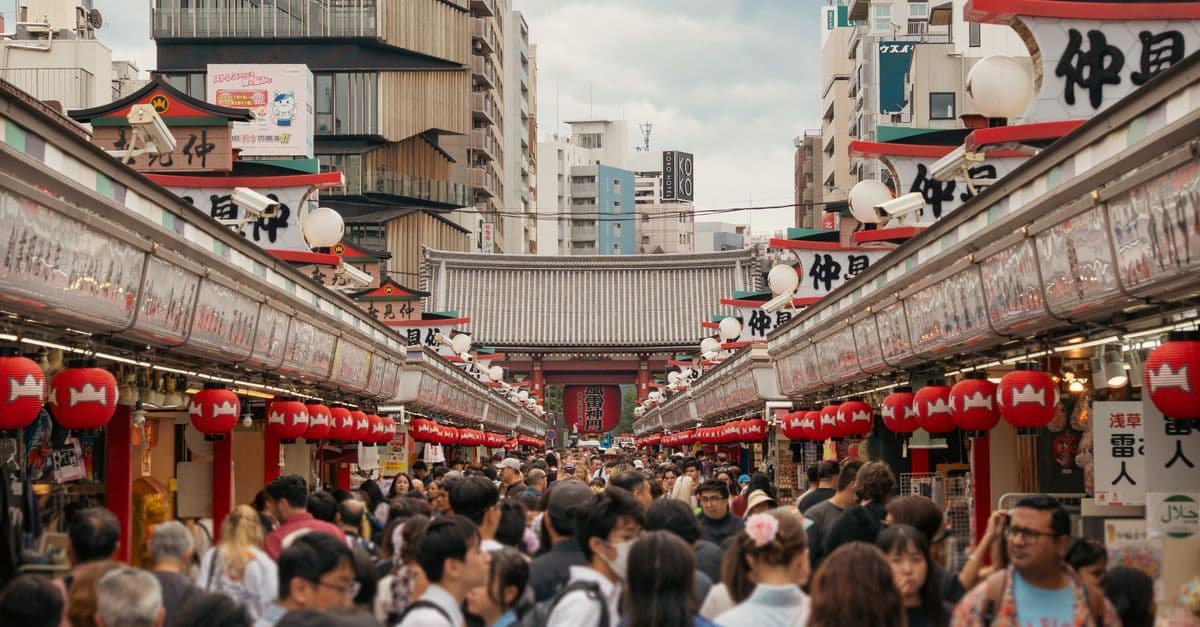
Senso-ji Temple at dawn is free, uncrowded, and genuinely affecting in a way midday visitors never get to see. Shibuya Crossing handles roughly 3,000 pedestrians per green light. Tsukiji Outer Market serves breakfast sushi under £10. teamLab Planets Toyosu repays the advance booking. Shinjuku's yakitori alleys are the local evening circuit most first-timers walk straight past.
Senso-ji: go before the crowds arrive
The temple never closes. Walk the Nakamise-dori shopping arcade before 8am and you get stone lanterns still lit, incense smoke rising in the cool morning air, and almost nobody else in the frame. By 10am it's a different experience entirely. No entrance fee. No booking required.
Shibuya Crossing: more than the shot
Three thousand pedestrians per green light sounds like a statistic. Standing inside it feels like choreography. The Starbucks above the crossing gives you the aerial shot that fills every travel feed; the basement izakayas around Dogenzaka give you the evening Tokyo's office workers are actually having. Go to both. They're ten minutes apart on foot.
Tsukiji and teamLab Planets
The wholesale fish auction moved to Toyosu in 2018. Tsukiji's outer market stayed open, and breakfast there is still one of the best-value meals available in any major city. The tuna rolls are superb. Book a counter seat at one of the stalls before the morning rush thickens.
TeamLab Planets sits in nearby Toyosu, an easy tube ride from the outer market. It's a digital art installation that's easier to experience than to describe. Book tickets before you travel; it sells out routinely.
Shinjuku's yakitori alleys
Memory Lane (Omoide Yokocho) earns its reputation. Golden Gai, a few streets over, is denser and stranger: around 200 tiny bars, most seating fewer than ten people, each with its own particular character. Both are best entered around 8pm. Order whatever the person next to you is having.
Where you base yourself shapes how much of this fits into a single trip. The neighbourhood question comes next.
Tokyo's neighbourhoods: which area suits your trip?
Five districts cover the range for most British visitors to Tokyo. Asakusa suits temple-seekers and those watching their accommodation budget; Shinjuku works for anyone who wants a central base; Shibuya appeals to the fashion-forward crowd; Shimokitazawa draws those actively avoiding tourist circuits; and Ueno fits families and museum-goers well.
Choosing a base
Asakusa is the practical first choice for most UK visitors. Hotels run cheaper here than in Shinjuku or Shibuya, the architecture stays low-rise and old-city in feel, and you wake up within walking distance of Senso-ji. The trade-off: evenings in Shibuya or Shinjuku mean roughly 30 minutes on the tube back. Factor that into late-night plans.
Shinjuku resolves the transport question entirely. Every major rail line passes through Shinjuku Station, making it the most practical hub for day trips out of the city too. It's the logical base for anyone whose itinerary spans more than one neighbourhood.
Shimokitazawa and Ueno are niche picks, but the right ones for specific travellers. Shimokitazawa suits visitors who've done Tokyo before and want something quieter and genuinely local. Ueno works if the National Museum circuit is central to the trip, or if a ryokan stay is on the agenda.
All five neighbourhoods share one practical requirement: you'll need data to navigate reliably between them. Google Maps handles Tokyo's tube system without complaint, but needs a live connection to do so. Sort that before you board.
How do I get mobile data in Tokyo?
Japan has excellent 4G and 5G coverage across greater Tokyo. NTT Docomo and KDDI/au cover the city's 23 wards with minimal dead zones. Signal holds inside the metro, on the Yamanote Line, and at both Narita and Haneda airports.
One thing to sort before boarding: Three's Feel At Home and EE's Roam Abroad schemes don't cover Japan. Without an alternative in place, your UK SIM defaults to roaming add-on charges from the moment you land.
Key fact: HelloRoam's Japan eSIM runs on KDDI/au's 5G network across greater Tokyo and requires no physical SIM card.
The options, in order of convenience:
- eSIM before you fly. Scan the QR code on home Wi-Fi and the profile installs automatically. HelloRoam's Japan plan runs on KDDI/au's 5G network with no SIM swap required and no airport queue. Activate the night before departure and you're connected the moment you clear customs at Narita.
- Airport SIM kiosk. Available at Narita Terminal 2 and Haneda International Arrivals. Worth considering for stays of three weeks or longer, where a 30-day plan costs less per gigabyte. Expect queues, particularly after long-haul arrivals at weekends.
Compare eSIM plans for Japan — See 2026 pricing →
- Pocket Wi-Fi rental. A single device that connects several phones at once, which works well for groups. The overhead is the return: you must drop the unit at an airport counter before departure or post it back.
- Free Wi-Fi. 7-Eleven, FamilyMart, and most Tokyo Metro stations carry open networks. Adequate for a quick map check, not reliable enough for live navigation between districts.
Three of those options get you online in minutes.
Now for the part most travellers underestimate: what that exchange rate actually does to your daily spend.
What does the weak yen mean for your Tokyo budget?
The yen's multi-decade weakness makes Tokyo genuinely affordable for British travellers in ways it hasn't been for a generation. The gap between Tokyo and comparable European cities shows up from the first day's spending.
Where your money goes further
Everyday food is the headline. A bowl of ramen at a standing counter costs roughly £4 to £5. A full convenience store lunch from 7-Eleven or FamilyMart (onigiri, miso soup, a cold drink) runs around £2 to £3. Build a realistic day: two meals, transport, one paid attraction, and you're looking at £40 to £55.
Lower per day, typically, than Paris or Amsterdam.
A mid-range hotel in Shinjuku runs £60 to £90 per night for a clean, well-located room. Capsule hotels and guesthouses bring that down considerably. Tokyo also has more Michelin-starred restaurants than any other city in the world, and several of those stars sit above standing ramen counters rather than white-tablecloth rooms.
What costs more than you'd expect
Flights from London are the largest fixed cost, and booking late rarely helps. Cherry blossom season and golden week (late April to early May) push hotel rates sharply higher.
Japan runs heavily on cash: many smaller restaurants, shrines, and market stalls don't take cards. A Monzo or Revolut travel card handles ATM withdrawals without the foreign transaction fees most high-street bank cards add abroad.
Premium omakase dinners and immersive art experiences add up quickly on a longer itinerary. Plan for those separately rather than absorbing them into your daily average.
The honest framing: once you're there, Tokyo regularly surprises British visitors on the low side. Book the flights well in advance and the day-to-day budget is manageable.
Budget settled. Safety is the question most people ask next.
Is Tokyo safe for solo British travellers?
Tokyo ranks among the three safest major cities in the world by most crime indices. Violent crime is rare, pickpocketing is almost unheard of, and lost property frequently ends up handed in at police koban (neighbourhood police boxes). The streets feel as settled at midnight as they do at noon.
The fears that don't hold up
Myth: Tokyo is unsafe for solo female travellers. Tokyo is consistently rated among the safest cities globally for independent female travel. Most women who visit report significantly less ambient wariness than they carry in London or Madrid.
Myth: The language barrier creates risk. Google Maps handles navigation reliably across the city. English signage covers the major metro stations and almost every transport interchange. It's a manageable city from the first afternoon.
Myth: High tourist volumes mean higher crime. Tokyo's crime statistics haven't tracked its visitor numbers. The FCO carried no specific warnings for the city as of mid-2026.
The actual risks
Two genuine hazards, and neither involves other people.
Metro complexity catches many first-timers. Tokyo runs 13 subway lines across two operators (Tokyo Metro and Toei), and getting the wrong train is easy on day one. The network does have logic once you see the colour-coded map, but arriving jet-lagged at Shinjuku Station with 50 exits is genuinely disorientating. A downloaded offline map and a pre-loaded IC card (a contactless transit card that works across all lines) resolve most of this before you reach the hotel.
Summer heat is the other concern. July and August regularly exceed 32°C with high humidity. Structuring those months around early-morning temples, midday air-conditioning, and evening street food markets is the sensible approach.
When to visit matters more than whether it's safe. That's the last question to settle.
When is the best time to visit Tokyo?
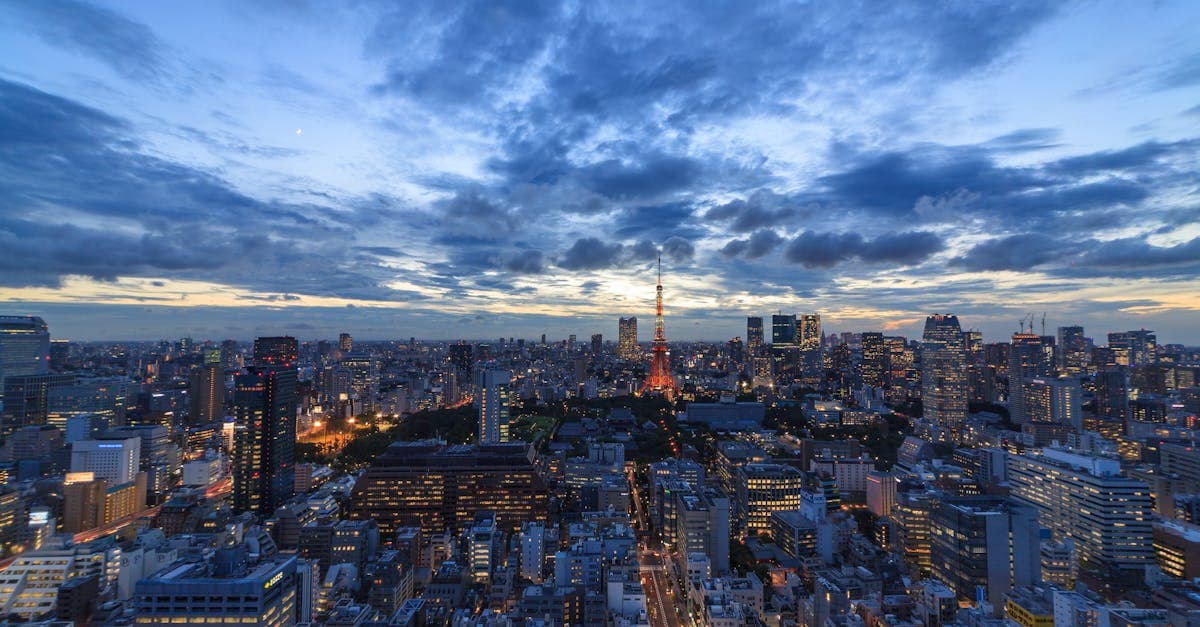
The best time to visit Tokyo depends on what you're optimising for. Late March to early April brings cherry blossom across Ueno Park and Shinjuku Gyoen, and the colour is as vivid as the photos suggest. November delivers autumn foliage with noticeably fewer crowds than spring. January and February offer the lowest fares of the year, with clear winter skies and a good chance of seeing Mount Fuji from the city. Every season makes a credible case.
Cherry blossom (late March to early April): Book accommodation six months ahead. Flights to Tokyo fill fast for this window, and hotels in central wards price up sharply. The planning is front-loaded, but cherry blossom in Shinjuku Gyoen is among the more striking seasonal spectacles in East Asia.
Autumn (November): Rikugien Garden goes deep red and gold from mid-November. Crowds are thinner than spring, and the weather stays mild and walkable. If blossom season timing stresses you out, this is the quieter version of the same visual reward.
Summer (July to August): Hot and humid. The festival calendar compensates: Sumida River fireworks, Obon celebrations, and neighbourhood matsuri (local street festivals) run across both months. Pack light, carry a folding fan, and lean into it.
Winter (December to February): Festive illuminations in Marunouchi and Omotesando, emptier queues at most attractions, and the year's cheapest fares. An underrated window.
Golden Week is not your friend.
That period (late April to early May) is Japan's domestic peak holiday. Trains are packed, hotels sell out, and prices spike. Skip it unless you booked everything months ago.
Pick your season, lock the flights, and the rest of Tokyo's logistics fall into place.
Get Connected Before You Go

Frequently Asked Questions
The five must-sees are Senso-ji Temple, Shibuya Crossing, Tsukiji Outer Market, teamLab Planets Toyosu, and Shinjuku's yakitori alleys. Three to four nights is the realistic minimum.
A realistic day covering two meals, transport, and one paid attraction costs around £40 to £55. The weak yen makes Tokyo notably cheaper than comparable European cities like Paris or Amsterdam.
In 2026, £1 buys approximately 190 to 200 Japanese yen, making Tokyo one of the best-value major cities for British visitors in a generation.
Major UK carrier roaming schemes do not cover Japan. Without an alternative arranged before travel, your UK SIM defaults to expensive roaming charges from the moment you land.
An eSIM purchased before departure is the most convenient option, installing via QR code on home Wi-Fi with no SIM swap needed. Airport SIM kiosks, pocket Wi-Fi rentals, and free station Wi-Fi are alternatives.
Japan has excellent 4G and 5G coverage across Tokyo's 23 wards with minimal dead zones. Signal holds inside the metro, on the Yamanote Line, and at both Narita and Haneda airports.
Late March to early April for cherry blossom, November for autumn foliage, and January to February for cheapest fares and clear skies. Avoid Golden Week in late April to early May.
Cherry blossom typically peaks in late March to early April. Book accommodation at least six months ahead as hotels fill quickly and prices rise sharply during this period.
Yes, teamLab Planets Toyosu sells out routinely. Book tickets before you travel to Tokyo as walk-up entry on the day is not reliable.
Asakusa suits budget-conscious first-timers; Shinjuku is the most practical transport hub for day trips; Shibuya appeals to shoppers. Your best base depends on budget and what you want nearby.
Visit before 8am to experience Senso-ji with minimal crowds, lit stone lanterns, and rising incense smoke. Entry is free with no booking required at any time of day.
Tokyo ranks among the three safest major cities globally. Violent crime is rare, pickpocketing almost unheard of, and lost property is frequently handed in at local neighbourhood police boxes.
Tokyo is consistently rated among the safest cities globally for solo female travel. Most visitors report feeling significantly less ambient wariness than they would in London or Madrid.
Tokyo runs 13 subway lines across two operators. A downloaded offline map and a pre-loaded IC contactless transit card, which works across all lines, resolves most navigation challenges on arrival.
Japan runs heavily on cash. Many smaller restaurants, shrines, and market stalls do not accept cards. Carry local currency and use a travel card without foreign transaction fees for ATM withdrawals.
Tsukiji Outer Market is renowned for breakfast sushi including excellent tuna rolls served at counter stalls. It remains one of the best-value meals in any major city, typically under £10.
Omoide Yokocho and Golden Gai are the standout evening areas. Golden Gai has around 200 tiny bars, most seating fewer than ten people, each with its own character. Both are best entered around 8pm.
July and August regularly exceed 32 degrees Celsius with high humidity. Plan early-morning temple visits, seek air-conditioned spaces at midday, and enjoy the busy summer festival calendar in the evenings.
Sources
- travelbabbo.com — travelbabbo.com
- Complete Travel Guide: Best Things To Do in Tokyo, Japan — travelwithmansoureh.com
- neverendingvoyage.com — neverendingvoyage.com
- THE 10 BEST Things to Do in Tokyo (2026) — tripadvisor.co.uk
- 20 unique things to do in Tokyo, Japan — packthesuitcases.com
- Tokyo City Guide - What to do in Tokyo — japan-guide.com
- Tokyo for First-Timers — heartmybackpack.com