

Your Barcelona holiday at a glance
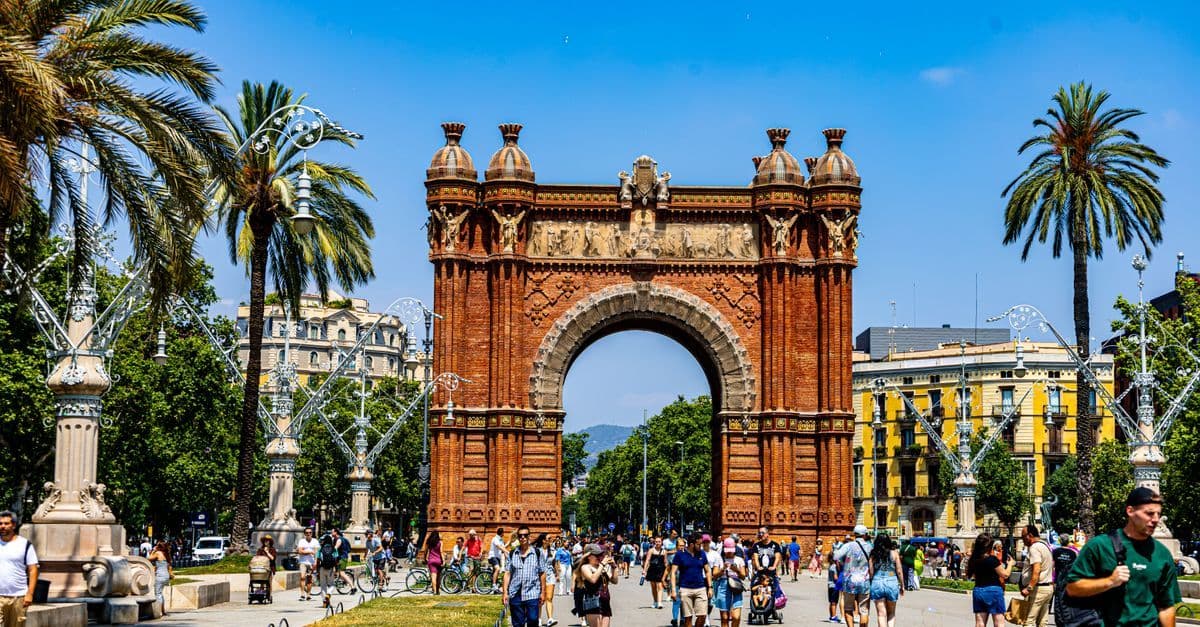
April and May are the best months to save on a Barcelona holiday. Temperatures sit in the low-to-mid 20s°C, the main sights are accessible without extended queues, and flight and hotel prices haven't caught up to summer demand. September and October run a close second: the sea holds its summer warmth, crowds thin out noticeably, and the city settles into a more relaxed pace that regular visitors tend to prefer.
That gap between spring or autumn and peak summer, in price and experience, is wider in Barcelona than in most comparable European destinations. It's worth understanding before you search for flights.
June through August tells a different story. Temperatures push into the 28-32°C range, the tourist population swells, and the city runs at full capacity. Hotel prices spike, the Sagrada Família queue stretches around the block before it opens, and La Barceloneta becomes more crowd management than seaside relaxation. If this is your only window, it's still a good trip. Pre-book everything, arrive at headline sights before 9am, and build the tourist intensity into your expectations from the start.
School holidays are the main pressure point. July and August prices move sharply with UK term calendars, and even a week's timing difference can affect flight costs noticeably. The same itinerary, a fortnight earlier or later, often books at a meaningfully different rate.
November through February keeps Barcelona mild at 10-15°C. It's the cheapest and quietest time to visit. You won't swim at La Barceloneta, but the Gothic Quarter in winter, with available café seats and galleries you can actually move around in, has an unhurried quality that summer visitors never get to experience. The city stays lively in a quieter, more everyday sense that a lot of repeat visitors end up preferring.
The decision framework, then: April-May for the best all-round conditions. Late September-October for a warm sea without August crowds. November-February if budget is the main constraint. July-August if the school calendar leaves no room to manoeuvre.
Dates settled, the question becomes what to actually do with them.
eSIM for Spain: Compare eSIM options for your trip.
When is the best time for a Barcelona holiday?
April and May are the best months for a Barcelona holiday, with temperatures in the low-to-mid 20s°C and headline sights accessible without extended queues. Within any visit, the difference between a rewarding morning at those attractions and a frustrated one comes down to when you arrive in the day, not where you go.
Start with the Sagrada Família. Gaudí's still-unfinished basilica is extraordinary from almost any angle, but skip the walk-up queue by pre-booking timed entry online before you fly. In peak summer months, doors-open slots disappear days in advance.
Park Güell follows the same logic. The monumental zone, home to the famous tiled terrace and Gaudí's mosaic salamander, requires a pre-booked timed-entry ticket. Entry to the surrounding hillside park is free, which catches out a lot of first-timers expecting to wander straight in without planning.
The Gothic Quarter rewards an early start. By mid-morning, the narrow lanes between the Cathedral and the Barri Gòtic fill with tour groups and rolling luggage. An hour exploring at 8am, when Barcelona is still at breakfast, is worth three hours at noon. El Born, a few streets east, maintains a more dynamic neighbourhood feel throughout the day: independent bookshops, the Mercat de Santa Caterina, and the Born Cultural Centre housed in a striking 19th-century iron market hall.
Gràcia, the residential neighbourhood north of the Eixample, rarely features in standard first-timer itineraries. It probably should. The streets are quieter, terrace cafés feel local rather than tourist-facing, and the animated Mercat de l'Abaceria brings a spirited weekend energy that the more stage-managed parts of the city rarely match.
MACBA, Barcelona's contemporary art museum in El Raval, offers free entry after 3pm on Sundays. If your trip crosses a weekend, it's a sharp way to spend an afternoon in one of the city's better collections without paying admission.
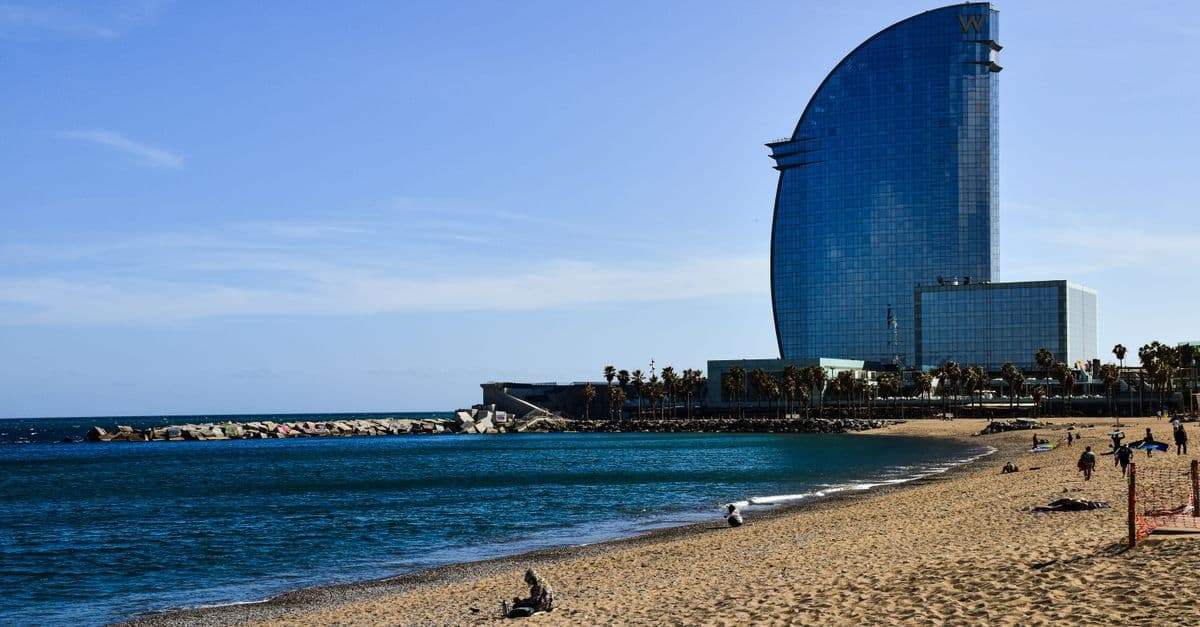
La Barceloneta beach is ten minutes on the Metro from the Gothic Quarter and undeniably good. In July and August it hits peak capacity by mid-morning; go early or after 6pm for a more manageable stretch of sand. Visit in May or October and you'll find warm water and a fraction of the summer crowd.
With the sightseeing plan in place, the next question is what it's all going to cost.
What to do in Barcelona: the sights worth your time
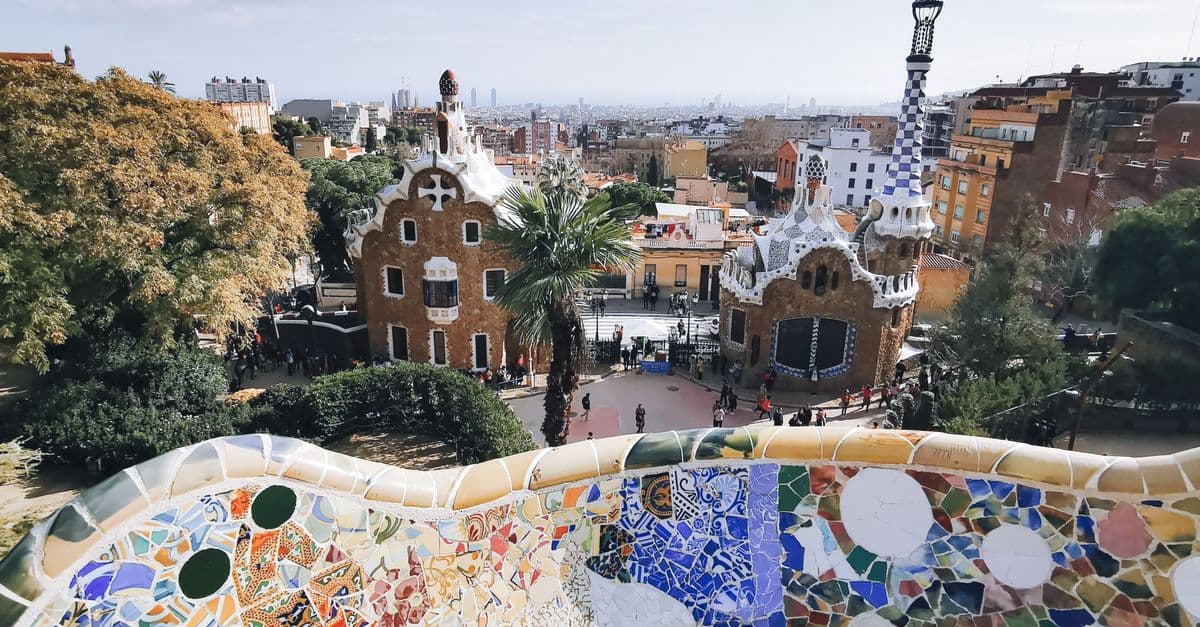
Barcelona's must-see sights include Sagrada Família, Park Güell's monumental zone, the Gothic Quarter, El Born, Gràcia, and La Barceloneta beach. Several require timed-entry tickets bought well in advance; the rest simply reward getting there before the crowds. The city is compact, which makes the logistics more manageable than they first appear.
Marble-cool shade inside Sagrada Família's nave, morning light filtering through blue and amber stained glass, hits completely differently when you haven't queued in July heat for an hour first.
Book ahead or get turned away
Sagrada Família is the centrepiece of any Barcelona holiday, and high summer is merciless for walk-up visitors. Pre-book timed entry online; peak-season slots sell out weeks ahead, sometimes more than a month in advance. The towers cost extra on top of general admission, so decide at checkout rather than at the door. It's the one booking worth making from home, without exception.
Park Güell splits into free and ticketed sections. The outer hillside is open without charge and worth an hour in its own right, but Gaudí's mosaic terrace and colonnaded hall (the monumental zone) require a separate timed-entry ticket. Book it alongside Sagrada Família and you'll save yourself a wasted journey up the hill.
MACBA, Barcelona's contemporary art museum on Plaça dels Àngels, admits visitors free every Sunday from 3pm. The permanent collection covers post-war and contemporary art; the building's striking white facade, designed by Richard Meier, is worth a look even from the square outside.
Work the neighbourhoods on foot
The Gothic Quarter is magnificent at 8am.
By 11am the streets near the cathedral are gridlocked with tour groups, and the narrow lanes lose their character fast. Arrive early, step off the obvious routes, and you'll find quiet courtyards and small plazas that the tourist circuit barely reaches.
El Born and Gràcia offer a noticeably different pace. Both barrios have independent shops, proper local lunch spots, and far fewer souvenir stalls than the Gothic Quarter. Gràcia in particular has a village-within-a-city character that most first-timers only discover on a return trip. Half a day in either neighbourhood evaporates quickly.
La Barceloneta beach runs long and flat along the waterfront. In July and August it packs out shoulder-to-shoulder from mid-morning. Hit it before 9am or head north to Bogatell or Mar Bella, where the crowds thin considerably and there's room to actually put down a towel.
The Gaudí sights earn the headlines, and they're worth the advance planning. The neighbourhoods are where the city's actual character lives.
How much does a Barcelona holiday cost?
A Barcelona holiday sits cheaper than you'd expect for a city this popular. Mid-range daily spending runs around €120-€150 per person, covering a hotel, sit-down meals, a few attractions, and drinks. Cut that back with hostels, free beaches, and smart eating and €60-€80 per day is workable. There's one line item, though, that catches most UK visitors off guard.
The tourist tax. Barcelona levies an additional per-person, per-night charge on top of your accommodation rate. It runs roughly €3.25-€4.00 each evening and doesn't appear in the headline price on most booking platforms. A week for two people adds around €45-€56 at checkout. Not ruinous, but it matters when two hotels look identical on screen and you're trying to compare them fairly.
Accommodation
Decent hotels and guesthouses start at around €40-€60 per night. Mid-range properties run €100-€200, with Eixample and El Born offering the best return on that spend, particularly if you want walkable access to both the Gothic Quarter and the beach. Read the total price rather than the nightly rate: the tourist levy doesn't always appear until the final checkout screen.
Eating and drinking
The most animated value in the city is the menu del día: a three-course set lunch at roughly €12-€15 at virtually every sit-down restaurant. Starter, main, dessert, and often a drink included. This is how locals eat at midday. Skip the pricey tourist-menu boards on Las Ramblas (generally double the cost for half the quality) and hunt for handwritten chalkboards on side streets in El Born or Gràcia.
Dinner shifts the economics sharply. Mid-range restaurants charge €15-€25 per person in the evening, without the set-menu safety net. Plan your main meal at lunch and the rest of the day follows more cheaply by default.
One cost UK visitors rarely factor in: mobile data. Getting caught out on roaming charges adds a real and unexpected line to the holiday spend.
Staying connected in Barcelona: eSIM, SIM and wifi
Barcelona's 4G and 5G coverage across the city centre is strong. An eSIM (a built-in digital SIM activated by QR code, with no physical card required) lets you skip carrier roaming charges entirely and connect directly on Orange or Movistar's 5G network across the city. Post-Brexit, UK carriers no longer include free EU roaming as standard, which catches more travellers off guard than it should.
EE, Vodafone UK, and Three each handle Spain differently. Some add a daily roaming bolt-on at £2-£5 per day; others require activating a separate roaming package before you leave. If you're not certain what your tariff covers in Spain, check with your carrier before you pack.
The alternative is brisk and uncomplicated.
An eSIM profile installs in roughly two minutes. Scan a QR code before you fly and the profile sits ready to activate on landing. Your UK number stays live for calls and bank verification texts via Wi-Fi calling; the eSIM handles mobile data on the local network independently.
HelloRoam's Spain plans start at ~£2.07 for unlimited data with a 2GB daily high-speed allowance, running on Orange and Movistar's networks across Barcelona. For a full week away, the 5GB 30-day plan at ~£6.26 covers most travellers comfortably without needing to think about data again. Both plans support hotspot sharing if you need a second device online.
Key fact: HelloRoam's Spain eSIM provides coverage on Orange and Movistar's 5G networks across Barcelona, with plans from ~£2.07.
What about café wifi?
Barcelona has plenty of free wifi: coffee shops in El Born, hotel lobbies, and beach bars along La Barceloneta all offer it. Reliability varies. The signal at a packed beachfront terrace can be patchy; a quiet neighbourhood café in Gràcia often does better. For navigation, contactless payments, and anything time-sensitive, mobile data is the sound fallback.
Connectivity sorted. Most questions UK travellers still have tend to cluster around safety, what to watch out for on the ground, and entry rules.
Is Barcelona safe for UK tourists?
Barcelona is broadly safe for UK tourists. The city's main security risk is opportunistic theft, not violent crime, and it concentrates in specific, well-known areas. Know where those are and you can move around the rest of the city without much difficulty.
Where pickpockets operate
Las Ramblas and La Boqueria market have the highest concentration of theft in the city. Both draw enormous visitor crowds, which provides ideal cover for bag-snatchers and phone thieves. The Metro, particularly around the Liceu and Drassanes stops on Line 3, and La Barceloneta beach are other active zones. The approach is sensible and costs nothing: keep valuables in front pockets, use a cross-body bag that zips, and don't leave your phone face-up on café tables.
Bag on the back of the chair is an invitation. Local residents know this; most tourists learn it on arrival.
The overtourism context
Barcelona has been at the centre of significant anti-tourism sentiment in recent years. Residents in Barceloneta, the Gothic Quarter, and Gràcia have organised protests pushing back on the impact of mass tourism on housing costs and neighbourhood character. This doesn't translate into hostility toward individual visitors, but it rewards a certain courtesy: eating at neighbourhood restaurants rather than the naff tourist traps on Las Ramblas, keeping noise down in residential streets late at night, and treating the city as somewhere people actually live year-round.
Treat it as a real place and it responds in kind.
Emergency contact
Spain's emergency number is 112, covering police, ambulance, and fire services. It connects in English. Keep your travel insurance policy number in a proper, accessible place before you travel: most UK policies require you to call within 24 hours of a medical incident.
Safety covered, the last piece is entry requirements and what UK passport holders need to sort before they fly.
Do I need a visa for Barcelona from the UK?
No visa required. UK passport holders can enter Spain, and the wider Schengen zone, for up to 90 days in any 180-day rolling period without any advance application. Brexit changed the travel relationship significantly, but it didn't introduce a visa requirement for short stays.
Your passport must be less than 10 years old on the day you travel, not just in-date. Plenty of UK travellers have been caught at check-in by a passport they renewed early, which restarted the 10-year clock before the previous one had expired. Check the issue date, not the expiry.
The 90-day Schengen allowance covers all 27 member states combined. A week in France and a fortnight in Italy both count against the same total, not separate country limits.
One thing to verify before you book: ETIAS (Europe's pre-entry travel authorisation scheme for non-EU visitors, comparable to the US ESTA online registration system) has been in development for some time. As of mid-2026, confirm whether it's in effect, since the launch date shifted repeatedly. If it's live, expect a short online form and a modest fee, valid for multiple trips.
No consulate queue, no appointment, no lengthy application. Just a valid passport and, if ETIAS is running, ten minutes online before departure.
Reviewed by HelloRoam's editorial team. Last updated: 17 July 2026.
Get Connected Before You Go


Frequently Asked Questions
April and May offer the best all-round conditions, with temperatures in the low-to-mid 20s°C, manageable crowds, and lower flight and hotel prices than peak summer.
November through February is the cheapest and quietest time to visit, with mild temperatures of 10-15°C and significantly lower accommodation and flight costs.
July and August are extremely busy. Temperatures hit 28-32°C, hotel prices spike, and popular sights like Sagrada Família have queues stretching around the block before opening.
Yes, pre-booking timed entry online is essential. In peak summer, slots sell out weeks or months in advance. Tower access costs extra and must be selected at checkout.
The outer hillside park is free, but Gaudí's monumental zone — the mosaic terrace and colonnaded hall — requires a separate pre-booked timed-entry ticket.
Mid-range travellers spend around €120-€150 per person per day on a hotel, meals, and attractions. Budget travellers can manage on €60-€80 daily using hostels and free sights.
Barcelona levies a per-person, per-night charge of roughly €3.25-€4.00 on top of accommodation rates. It often doesn't appear until the final booking checkout screen.
The menu del día is a three-course set lunch available at most sit-down restaurants for around €12-€15, typically including a starter, main, dessert, and often a drink.
No visa is required. UK citizens can visit Spain and the wider Schengen zone for up to 90 days in any 180-day rolling period without any advance visa application.
Your passport must be less than 10 years old on the day you travel, not just in-date. Passports renewed early may be older than they appear, causing issues at check-in.
Barcelona is broadly safe. The main risk is opportunistic theft rather than violent crime, concentrated on Las Ramblas, La Boqueria market, the Metro, and La Barceloneta beach.
Las Ramblas, La Boqueria, the Liceu and Drassanes Metro stops, and La Barceloneta beach have the highest theft rates. Keep valuables in front pockets and use a zipped cross-body bag.
Spain's emergency number is 112, covering police, ambulance, and fire services. It operates in English and is free to call from any phone.
Post-Brexit, UK carriers no longer include free EU roaming as standard. Some add a daily bolt-on at £2-£5; others require activating a separate roaming package before you travel.
An eSIM is a built-in digital SIM activated by scanning a QR code — no physical card needed. It connects to local 4G/5G networks in Barcelona, bypassing carrier roaming charges entirely.
Budget eSIM plans for Spain typically start from around £2-£3 for short trips, with 5GB 30-day plans available from around £6, running on established local networks.
Many cafés, hotel lobbies, and beach bars offer free wifi, but reliability varies. Mobile data is a more dependable fallback for navigation, payments, and time-sensitive tasks.
El Born and Gràcia offer a local feel with independent shops and authentic restaurants. Visit the Gothic Quarter before 9am to explore its narrow lanes before tour groups arrive.
Sources
- Barcelona Holidays 2026/2027 — tui.co.uk
- Barcelona Holidays 2026 / 2027 — onthebeach.co.uk
- Barcelona Holidays 2026 / 2027 — easyjet.com
- Barcelona holidays - Get great offers for cheap holidays — booking.com
- Barcelona Holidays | ATOL Protected 2026/2027 — loveholidays.com
- Barcelona Holidays and City Breaks 2026/2027 — britishairways.com