

Is Egypt Safe to Visit in 2026? A Guide for British Travellers
Quick Answer: is egypt safe to visit
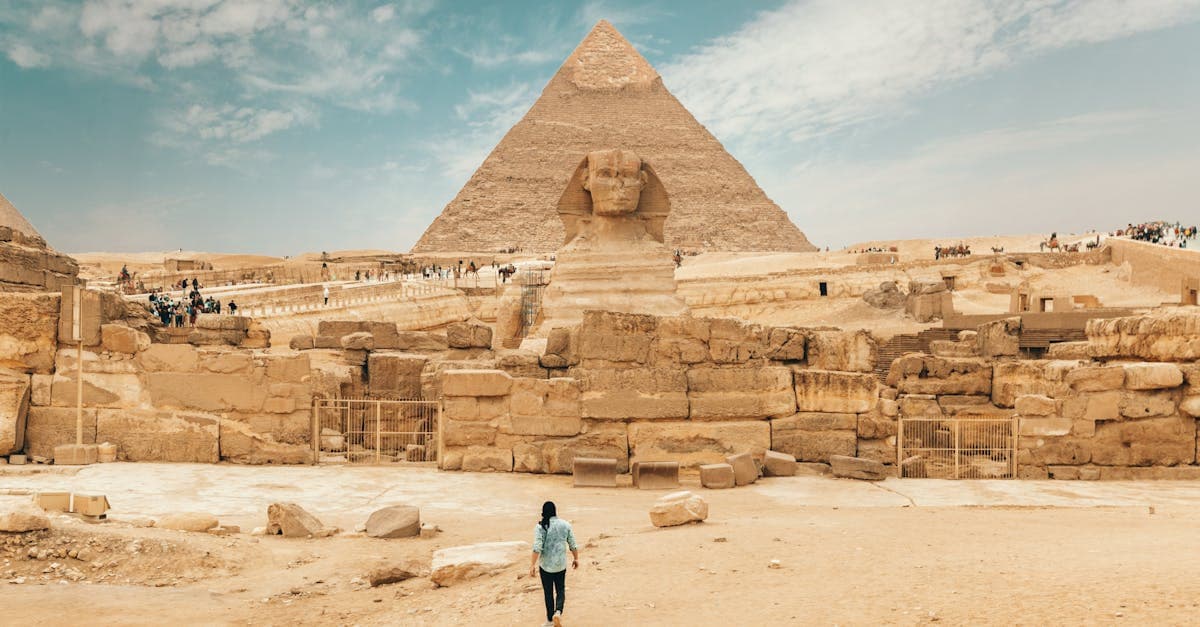
Egypt is safe to visit for the vast majority of tourists. The Foreign, Commonwealth and Development Office (FCDO) permits travel to all main tourist destinations, including Cairo, Luxor, Aswan, Hurghada, and South Sinai resorts. Specific border regions carry full travel restrictions. For most British travellers booking a Nile cruise or Red Sea holiday, the answer is a straightforward yes.
Is Egypt safe to visit in 2026?
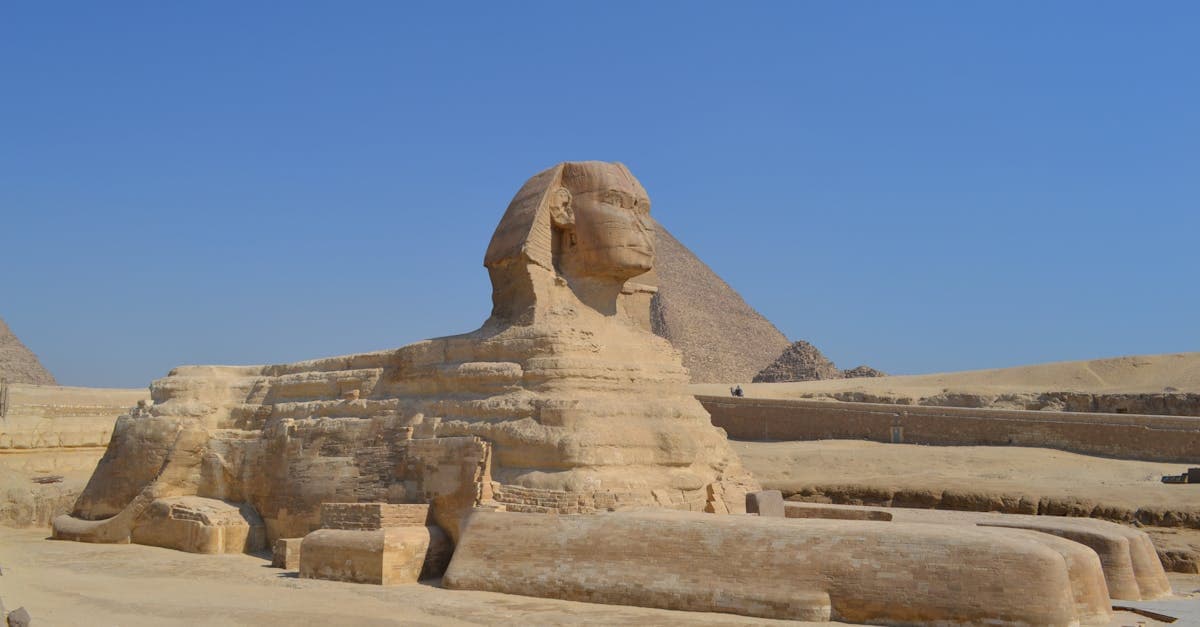
Yes. The FCDO permits travel to Egypt's main tourist areas, and approximately 700,000 to 900,000 British nationals visit each year, making the UK one of Egypt's top five source markets gov.uk. Egypt recorded around 14.9 million international visitors in 2023, a record at the time, and the government is targeting 30 million arrivals by 2028 thetimes.com.
The terrorism threat rating is HIGH gov.uk, which sounds alarming until you read what it actually means in practice. No mainstream tourist site or resort has been attacked since the 2015 Metrojet bombing near Sharm el-Sheikh thetimes.com. That's more than a decade without an incident at the kind of places British tourists actually visit: the Valley of the Kings, the Egyptian Museum, the Red Sea coast.
Direct UK flights to Sharm el-Sheikh are operating again (details in the Sharm and Red Sea section below), and that resumption signals measured confidence, not a casual sign-off.
Crime in tourist zones is generally low. The FCDO describes petty theft and scams as the most common risks gov.uk, broadly comparable to levels British travellers encounter at home. Tourist Police are visible at major sites and reachable on 126.
Staying connected matters here. Having mobile data means access to maps, translation apps, and emergency contacts at any moment. For a short break, an eSIM for Egypt from HelloRoam starts at ~£3.94 for 1GB on Orange's 5G network, valid for 7 days, with no SIM swap required at Cairo airport.
The nuance is in the map, not the headline.
Which parts of Egypt are safe to visit?
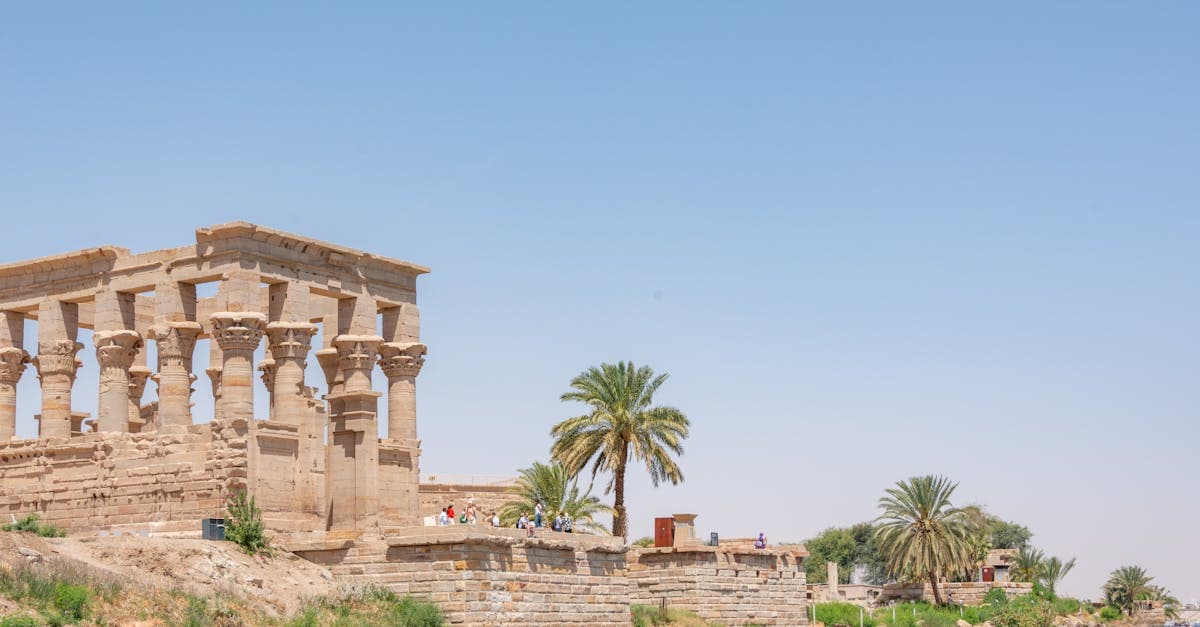
Cairo, Luxor, Aswan, Hurghada, and the South Sinai resorts including Sharm el-Sheikh all carry no FCDO travel restrictions. These are the destinations that account for the vast bulk of British tourism to Egypt, and the FCDO's position on each is clear: travel is permitted.
The picture changes sharply in specific regions. Four zones carry formal travel warnings, and understanding exactly where they sit is what separates a well-planned trip from an avoidable risk.
The FCDO's current restrictions, as of April 2026, are:
- Avoid all travel: North Sinai Governorate, the Egypt-Libya border zone, and the Egypt-Sudan border zone. These areas have active security concerns with no tourist infrastructure.
- Avoid all but essential travel: The Western Desert interior, away from the main tourist corridors. Day trips from Luxor to the Valley of the Kings are unaffected.
- Partial restrictions: The eastern part of Ismailiyah Governorate has specific exclusion areas. Check the current map on gov.uk before travelling through this region.
- Disputed territory: The Hala'ib Triangle and Bir Tawil sit in a contested zone between Egypt and Sudan. Avoid both.
Key fact: The FCDO lists North Sinai, the Egypt-Libya border, and the Egypt-Sudan border as "advise against all travel" zones as of April 2026.
The FCDO page at gov.uk is the authoritative live source. It updates when circumstances change, which generic travel sites rarely do. Bookmark it, not a blog post.
North Sinai and the border zones need separate treatment.
North Sinai, border zones and the Western Desert
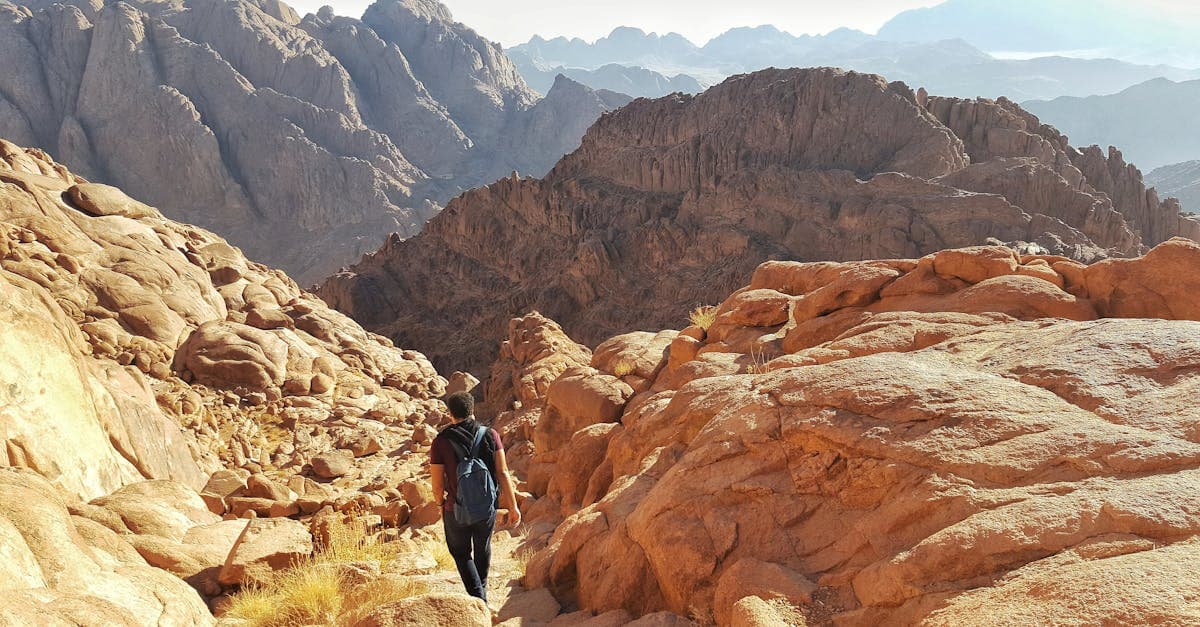
North Sinai carries a full FCDO "advise against all travel" designation gov.uk. An active insurgency has made the region a genuine no-go area for tourists, and this isn't a precautionary flag: it reflects an ongoing security situation with no prospect of change in the near term. There is no tourist infrastructure there, no reason to visit, and no ambiguity in the advice.
The Egypt-Libya border zone is similarly restricted. Armed groups operate in the area, and the absence of any tourist foothold means there's no practical reason a traveller would find themselves there by accident. The restriction applies to the border strip, not to the Mediterranean coast resorts further north.
The Egypt-Sudan border zone carries the same full restriction. Overland crossings via this route are not a realistic option for British travellers.
The Western Desert interior sits one category down: "advise against all but essential travel." This matters for travellers planning off-road desert expeditions. Standard tourist itineraries, including day trips from Cairo to the Western Desert oases at Siwa or Bahariya, sit outside the restricted zone, but check the specific boundaries on gov.uk before booking anything remote.
South Sinai sits in an entirely different category. The resorts at Sharm el-Sheikh, Dahab, and Nuweiba are not subject to the same restrictions as the north. That distinction is the one most travellers get wrong.
Sharm el-Sheikh, Dahab and the Red Sea coast
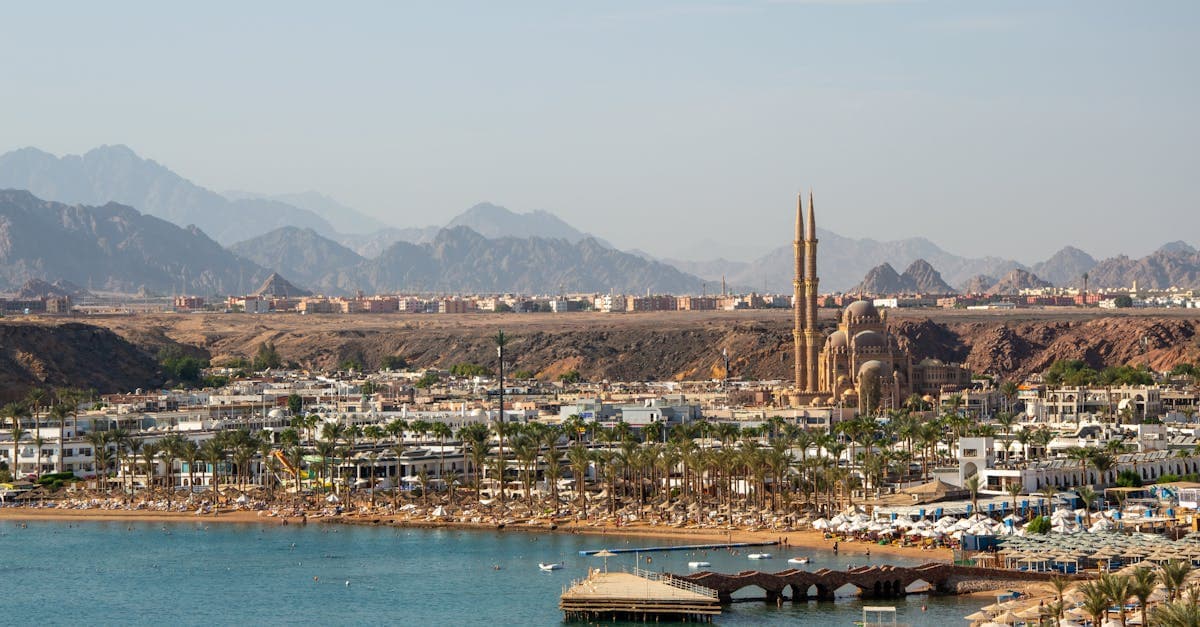
The South Sinai resorts, including Sharm el-Sheikh, Dahab, and Nuweiba, are fully open to British tourists. The FCDO permits travel within the resort perimeter around Sharm, and direct UK flights resumed in October 2023 after eight years of suspension gov.uk. That resumption required sign-off from both the FCDO and the UK Civil Aviation Authority, a structured risk assessment rather than instinct, and it stands as the clearest official confidence signal available to British travellers planning the region.
One practical detail catches many visitors off guard. If you arrive at Sharm on a Sinai-only visa, available free on arrival at the airport, your movement is limited to the resort perimeter. It doesn't cover Cairo, Luxor, or anywhere on the Egyptian mainland. Travellers planning to combine Sharm with a Nile itinerary need a standard e-Visa arranged beforehand.
Hurghada and Marsa Alam sit on the western Red Sea coast and carry no FCDO travel restrictions at all. For many UK families, they're the more straightforward option: direct charter flights, well-established resort infrastructure, and uncomplicated logistics.
Tourist Police operate visibly at all major Red Sea sites. Save the number 126 before you land.
Day-to-day life in the resorts is genuinely calm. Dahab draws independent divers and backpackers; Marsa Alam suits those after quieter liveaboard itineraries. The infrastructure is well-worn for British visitors, in the best sense of that phrase.
Beyond the resort map, the day-to-day reality for Brits across Egypt tells a more layered story.
Is it safe for Brits to go to Egypt?
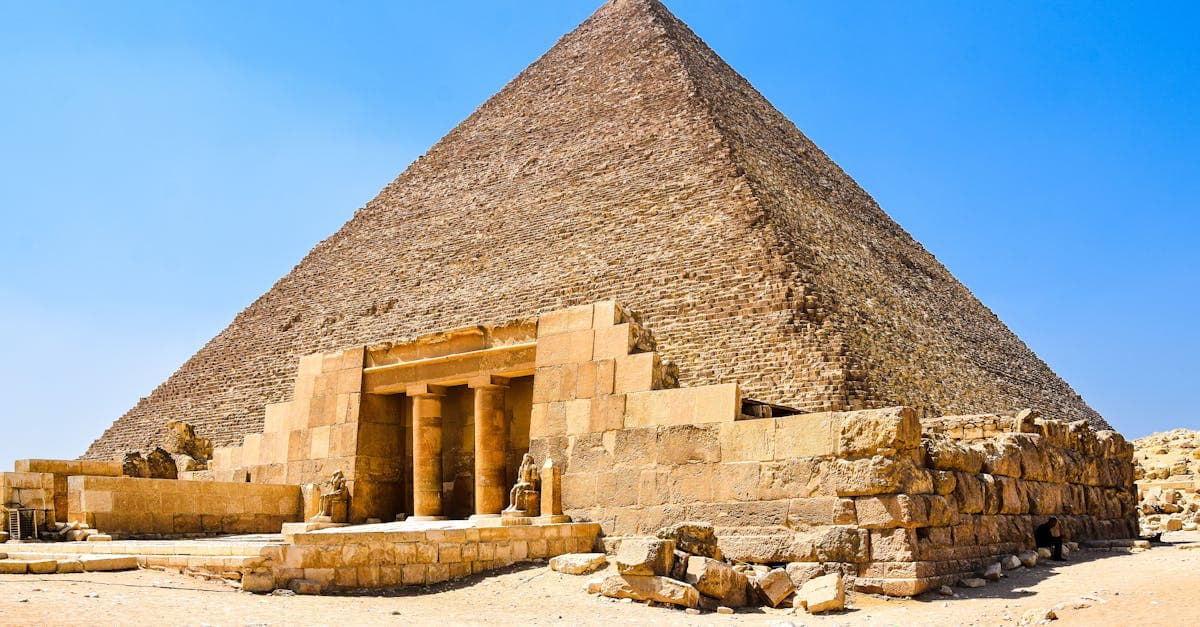
The picture for British nationals is broadly reassuring. The UK is one of Egypt's top five source markets, with hundreds of thousands of British nationals visiting each year. The FCDO describes crime levels in resort areas as comparable to popular UK holiday destinations gov.uk. Organised violence targeting tourists is not the primary risk for the overwhelming majority of visitors.
The question of whether Egypt is safe to visit often gets tangled in the terrorism rating, so the myth worth dismantling is this: Egypt is not uniquely hazardous for Western travellers. There's no credible evidence of heightened targeting of British nationals specifically. The real risks are petty theft, taxi overcharging, and persistent touts at major archaeological sites, all recognisable from holidays across southern Europe and North Africa. Frustrating at times. Rarely threatening.
Solo female travellers face a more nuanced calculation. Modest dress is practical advice away from resort pools and beaches. Booking licensed, verified guides for visits to the Pyramids or Luxor Temple reduces unwanted attention considerably. The ticket queue for Karnak Temple moves slowly in the midday heat; a guide who knows the system and the layout makes the difference between a flustered hour at the gate and a smooth entrance. These are thoughtful precautions, not reasons to reconsider the trip.
LGBTQ+ travellers need a more careful approach. Same-sex relations carry legal risk under Egyptian law gov.uk, and public displays of affection are inadvisable in all contexts. A low profile is not optional.
For most British visitors, the day-to-day experience involves friendly local curiosity, competitive haggling through the narrow lanes of a souk, and genuinely extraordinary history at every turn. Cairo's sheer density (the traffic, the call to prayer echoing off pale stone buildings, the apparent chaos that resolves into distinct neighbourhoods once you slow down) is its own kind of spectacle. Luxor arrives differently: the Nile corniche at dusk, the first sight of Karnak's pylons rising beyond the palm line, the way the scale of the columns doesn't quite settle until you're standing between them. Quieter than Cairo, but no less intense. Security is visible and functional at every main tourist site. The risk profile is manageable; knowing which zones to avoid and which habits to carry handles most of it.
Scams deserve more detail before you pack.
Common scams and how to avoid them

The most common scams targeting tourists in Egypt fall into four categories: transport overcharging, unsolicited guide services, inflated prices for animal rides, and persistent shop diversions. None involve violence. A few measured habits eliminate most of the risk before it starts.
Taxis and ride apps. Agree the fare before you get in. Every time, without exception. In Cairo, meters are frequently claimed to be broken, and negotiation is standard. Ride-hailing apps with fixed upfront pricing offer a reliable, workable alternative that removes the argument entirely.
Papyrus shops and perfume boutiques. The approach follows a familiar pattern: helpful directions, a useful shortcut, a friendly conversation. The destination is always a relative's shop. Politely declining and continuing to walk is the only effective response.
Camel and horse rides at Giza or Luxor. The quoted price at the start rarely matches the amount demanded at the end. Agree the full cost clearly before mounting, in writing or in front of witnesses.
Unofficial guides at major sites. Licensed guides carry verifiable government-issued identification. Unlicensed ones are persistent, and the "quick tour" rarely ends as agreed. Book through verified operators arranged before you arrive.
Offline maps downloaded before arrival reduce reliance on strangers for directions. That single habit cuts a surprising amount of friction from a typical day.
Regional tensions add a separate, specific layer worth addressing directly.
Is Egypt safe to visit right now?
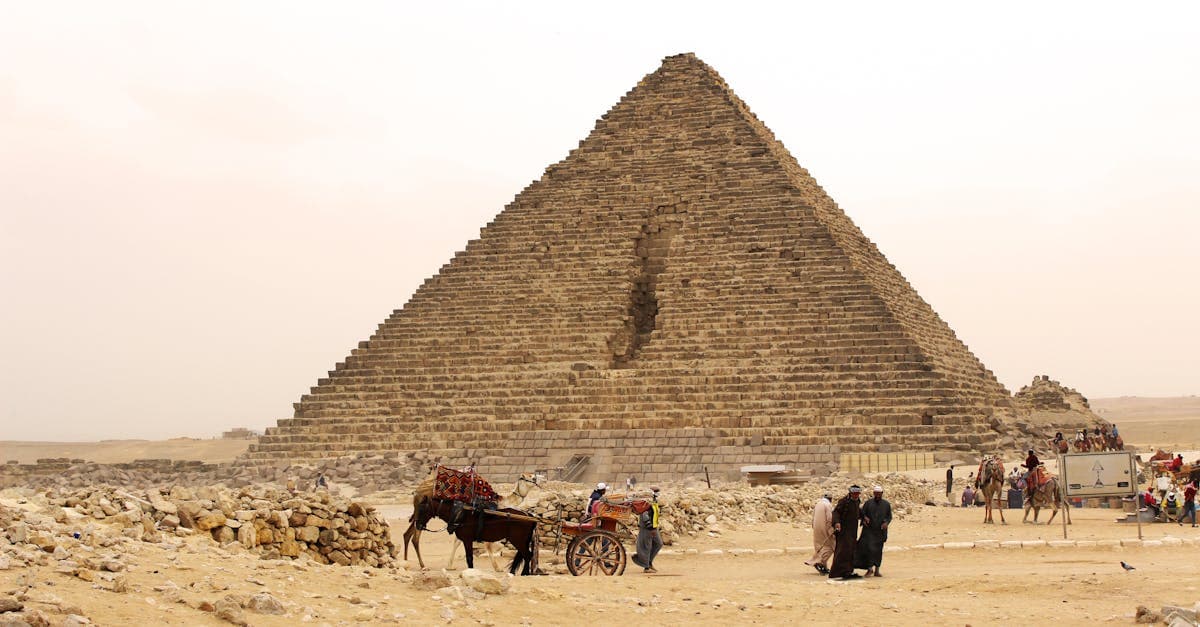
As of early 2026, no significant attacks have occurred at mainstream tourist sites in 2024 or 2025 thetimes.com. Egyptian security maintains a visible presence at Cairo's major landmarks, at Karnak Temple in Luxor, and across the Red Sea resort areas. The FCDO terrorism threat rating for Egypt remains HIGH gov.uk, which reflects assessed intent and regional context rather than a record of recent incidents at visitor destinations.
That distinction matters. A HIGH threat rating applies to dozens of countries, including France and Spain. It directs travellers to stay alert in crowded public spaces. It does not advise against the trip.
Egyptian authorities have reinforced security infrastructure around visitor sites. Checkpoints, uniformed officers, and screening at major attractions are standard. The presence is visible enough to notice and systematic enough to function as genuine reassurance.
The record visitor numbers from 2023 reflected genuine traveller confidence, not naivety. Tourists were returning to Egypt well before UK direct flights to Sharm resumed; by the time British airlines were back in the air, regional demand had already been building for years.
One layer of the safety picture remains to address: where Egypt sits relative to the active conflict to its east.
Is Egypt safe to visit amid regional conflict?
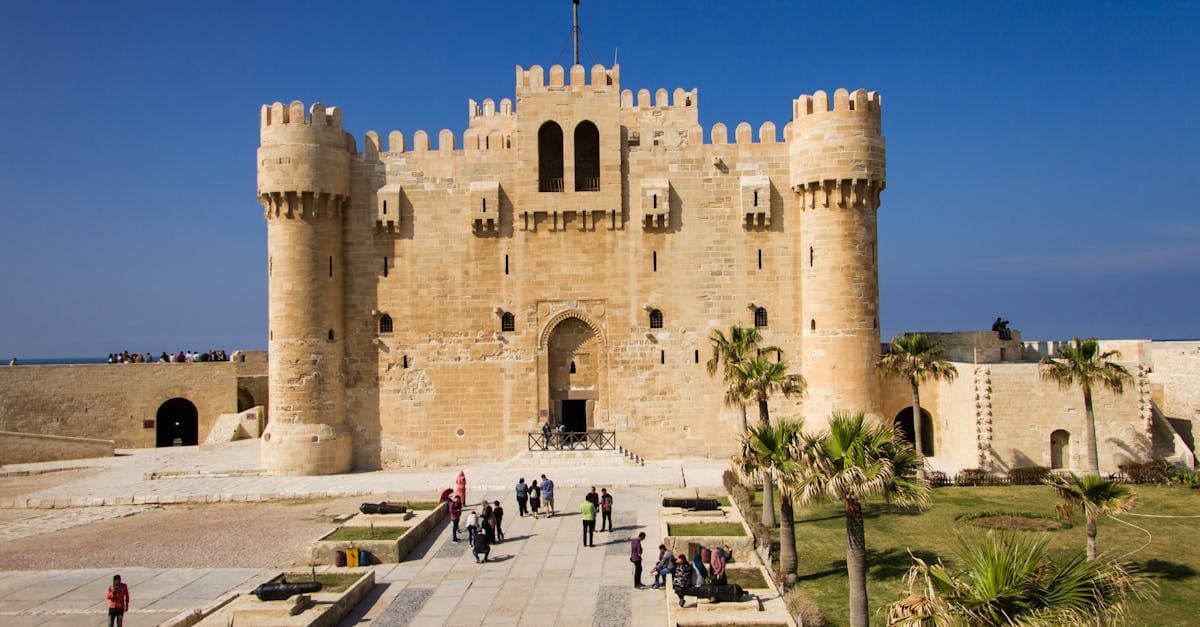
Egypt is not a party to the conflict in Gaza or the broader Iran-Israel tensions cntraveller.com. As of April 2026, Cairo operates as a diplomatic intermediary: it hosts ceasefire negotiations, maintains open channels with multiple parties, and has done so without becoming a military target itself. That geopolitical role keeps Egypt politically visible but militarily uninvolved.
For tourists still weighing whether Egypt is safe to visit amid regional tensions, the practical picture across Cairo, Luxor, Aswan, and the Red Sea coast is clear. No meaningful threat to any mainstream tourist destination has emerged from regional tensions. Egyptian security has intensified its presence at major sites since late 2023, not scaled it back.
One scenario changes the calculation immediately.
If your itinerary involves the Rafah border crossing, or if you have friends or family in an active conflict zone, contact the FCDO before making any travel decisions. The Rafah situation is categorically distinct from the rest of Egypt, and it requires current guidance rather than general reassurance.
Egypt has navigated proximity to regional conflict since the Camp David Accords of 1978 without destabilising its tourism economy. That track record held through the 2011 Arab Spring and the more turbulent years of 2014 and 2015. The 2026 picture is consistent with that pattern, not an exception to it.
With the risk picture settled, the practical questions, including insurance, vaccinations, and visas, are the ones worth working through next.
Before you travel: health, insurance and FCDO essentials
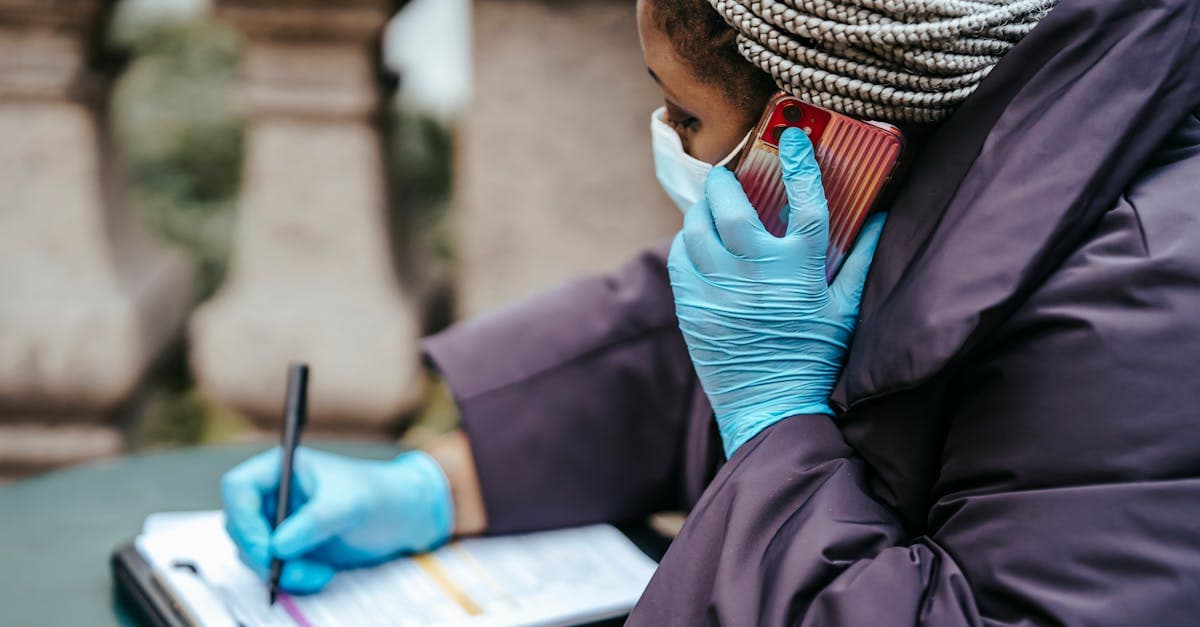
Travel insurance is the first task, not an afterthought. Before you buy, check two things: that Egypt is covered explicitly, and that terrorism cover is included rather than excluded. Budget single-trip policies often remove the terrorism clause silently; policies from mainstream insurers with FCDO-recognised destinations typically retain it. If yours excludes it, switch or upgrade before booking anything else.
No vaccinations are mandatory for entry from the UK gov.uk. NHS travel health services recommend hepatitis A and typhoid for all Egypt visits, and both are available through GP surgeries with adequate notice. Arrange them early; some courses require multiple doses over several weeks.
Your passport needs at least six months' validity beyond your planned entry date. Check that now, not at the check-in desk.
The e-Visa is the tidiest entry option. Apply at visa2egypt.gov.eg for around $25 USD; confirmation typically arrives within a few business days. Arrival visas are available at Cairo, Hurghada, Sharm el-Sheikh, and Luxor airports, but the online application removes the queue and the uncertainty.
Register with FCDO TravelAware before departure. The registration takes under two minutes, and it means the FCDO can reach British nationals directly if circumstances in Egypt change while you're there. Leave your itinerary, accommodation names, and travel dates with someone at home before you fly.
A practical point many guides skip: tap water is unsafe throughout Egypt. Bottled water is inexpensive and available everywhere, but it adds up over a fortnight if you don't account for it.
Staying connected ties all of this practical safety advice together.
Staying safe and connected in Egypt
In Egypt, mobile data is infrastructure rather than a luxury. An active connection means working maps through Cairo's medina, real-time translation at Luxor's ticket offices, and a direct line to the Tourist Police or your travel insurer without depending on hotel Wi-Fi at the wrong moment.
British travellers have two realistic options: a local Egyptian SIM bought at the airport, or a travel eSIM activated before departure. The difference comes down to timing.
A local SIM is a sensible choice if you're spending several weeks and will pass through Cairo airport anyway. The registration process is straightforward; the queue adds roughly 20 minutes, which matters considerably less at noon than at 2am after a delayed charter flight from Gatwick.
Key fact: HelloRoam's Egypt eSIM plans run on Orange's 5G network, with options from a 1GB short-stay plan up to 20GB for extended trips.
The eSIM route means your Egyptian data is live before you clear customs. For a standard two-week visit, the 5GB/30-day plan at ~£16.19 is the practical pick for most travellers. See all current eSIM for Egypt plans before you fly.
Avoid unsecured public Wi-Fi at major tourist sites. Networks at Giza and the temple complexes are convenient but unencrypted; run a VPN before accessing banking or sensitive accounts on them.
One question still sends most people to this page.
Should I cancel my Egypt holiday?
The FCDO travel advice page would say so explicitly if Egypt's mainstream tourist destinations posed an unacceptable risk to British visitors, and it doesn't. Provided your itinerary stays within Cairo, Luxor, Aswan, Hurghada, or the South Sinai resorts, there's no FCDO basis to cancel.
The decision is binary, not nuanced.
The restricted zones are covered in detail earlier in this guide. If your itinerary stays within the mainstream tourist circuit, the FCDO gives you no basis to cancel. If a restricted zone appears on your route, reroute or remove that segment.
Insurance and airline policies are separate questions requiring separate answers. Some policies cover cancellation if the FCDO status changes after you book; others only trigger if the destination reaches "advise against all travel." Read the policy wording rather than assuming. Airlines apply their own criteria for refunds versus credits, and those definitions vary significantly between carriers.
Revisit the FCDO Egypt travel advice page two to three weeks before departure. If the status holds, the trip stands.
Reviewed by HelloRoam's editorial team. Last updated: 24 April 2026.
Get Connected Before You Go

Frequently Asked Questions
Yes, Egypt is safe for tourists at mainstream destinations as of early 2026. No significant attacks have occurred at major tourist sites in 2024 or 2025. Egyptian security maintains a visible presence at Cairo landmarks, Karnak Temple, and Red Sea resorts, and the FCDO permits travel to all main tourist areas including Cairo, Luxor, Aswan, and Hurghada.
Yes, Egypt is broadly safe for British nationals. The UK is one of Egypt's top five source markets, with hundreds of thousands of Brits visiting each year. The FCDO describes crime in resort areas as comparable to popular UK holiday destinations, and organised violence targeting tourists is not the primary risk for the vast majority of visitors.
The article does not specifically address an Iran conflict, but as of early 2026 the FCDO permits travel to all of Egypt's main tourist destinations. No attacks have occurred at mainstream tourist sites in 2024 or 2025. Travellers should always check the latest FCDO travel advice at gov.uk before departing, as guidance can be updated in response to regional developments.
For trips to mainstream destinations such as Cairo, Luxor, Aswan, Hurghada, or South Sinai resorts, cancellation is not warranted based on current FCDO guidance. Around 700,000 to 900,000 British nationals visit Egypt each year, and no tourist sites have been attacked since 2015. Check the FCDO page at gov.uk for the most current advice before making any decision.
The FCDO advises against all travel to North Sinai Governorate, the Egypt-Libya border zone, and the Egypt-Sudan border zone as of April 2026. The Western Desert interior is rated as advise against all but essential travel. All major tourist destinations including Cairo, Luxor, Aswan, Hurghada, and South Sinai resorts carry no travel restrictions.
Yes, direct UK flights to Sharm el-Sheikh resumed in October 2023 after eight years of suspension, following sign-off from both the FCDO and the UK Civil Aviation Authority. The South Sinai resorts including Sharm el-Sheikh, Dahab, and Nuweiba are fully open to British tourists.
British travellers visiting Sharm el-Sheikh can obtain a free Sinai-only visa on arrival at the airport, but this limits movement to the resort perimeter and does not cover Cairo, Luxor, or mainland Egypt. Travellers planning a broader itinerary need to arrange a standard e-Visa before travelling.
Egypt's terrorism threat rating is HIGH, but this reflects assessed intent and regional context rather than a record of recent incidents at tourist destinations. A HIGH rating applies to dozens of countries including France and Spain, and it directs travellers to remain alert in crowded public spaces rather than advising against the trip.
Cairo carries no FCDO travel restrictions and is safe to visit for tourists. Security is visible and functional at all major sites including the Egyptian Museum and the Pyramids at Giza. The most common risks are petty theft, taxi overcharging, and persistent touts at archaeological sites rather than any threat of organised violence.
Yes, Hurghada carries no FCDO travel restrictions. It is a well-established Red Sea resort with direct charter flights from the UK, strong tourist infrastructure, and visible Tourist Police. The FCDO describes crime levels in resort areas like Hurghada as broadly comparable to popular UK holiday destinations.
The most common scams involve taxi overcharging, unsolicited guide services, inflated prices for camel or horse rides at Giza or Luxor, and diversions to shops posing as helpful local recommendations. None involve violence. Agreeing fares before entering any taxi, using ride-hailing apps with fixed pricing, and booking licensed guides in advance eliminates most of the risk.
Solo female travellers can visit Egypt safely with some thoughtful precautions. Modest dress is practical advice away from resort pools and beaches, and booking licensed, verified guides for visits to major sites such as the Pyramids or Luxor Temple significantly reduces unwanted attention. These are manageable precautions rather than reasons to avoid the trip.
LGBTQ+ travellers need to take a careful approach in Egypt. Same-sex relations carry legal risk under Egyptian law, and public displays of affection are inadvisable in all contexts. Maintaining a low profile is not optional and is strongly recommended by the FCDO.
Egypt recorded approximately 14.9 million international visitors in 2023, a record at the time, and the government is targeting 30 million arrivals by 2028. Between 700,000 and 900,000 British nationals visit each year, making the UK one of Egypt's top five source markets.
Having mobile data in Egypt gives you access to maps, translation apps, and emergency contacts at any moment. eSIM plans for Egypt start from around £3.94 for 1GB and require no SIM swap at the airport. Save the Tourist Police number 126 before you land, and download offline maps before arrival to reduce reliance on strangers for directions.
Yes, Dahab is safe to visit. It is located in South Sinai and carries no FCDO travel restrictions, unlike North Sinai. The resort is popular with independent divers and backpackers and is well within the areas the FCDO permits British travellers to visit.
Sources
- Egypt — gov.uk
- Egypt — gov.uk
- Is it safe to travel to Egypt right now? Latest advice — thetimes.com
- cntraveller.com — cntraveller.com