

Table of content
- Your Barcelona Holiday Guide: Planning, Costs, and What to Know in 2026
- Quick answer: is Barcelona a good holiday destination in 2026?
- Why a Barcelona holiday works for UK travellers
- What is the best month for a Barcelona holiday?
- Is 3 days too long in Barcelona?
- Where to stay on a Barcelona holiday (and what to avoid)
- Where to avoid staying in Barcelona?
- Barcelona holiday costs: a realistic 2026 budget
- Staying connected on your Barcelona holiday
- Things to do on a Barcelona holiday: beyond the obvious
Your Barcelona Holiday Guide: Planning, Costs, and What to Know in 2026
Quick answer: is Barcelona a good holiday destination in 2026?
Yes. Barcelona is one of Europe's most complete short-haul destinations for UK travellers: city culture, beaches, architecture, and serious food within a two-hour flight. Around 30 million people visit annually, with roughly 2 million from the UK, making Spain's second city one of the most travelled European routes from Britain.
Direct flights from London take around 2 hours 10 minutes. Services also run from Manchester, Edinburgh, Birmingham, and Bristol, which makes a long weekend as viable as a full week away.
Entry is straightforward. No visa is needed for stays up to 90 days within any 180-day Schengen period. Your passport must be valid for the duration of your stay and issued within the last 10 years; that second condition catches some travellers by surprise. ETIAS, the EU's pre-travel authorisation scheme, was expected to launch in 2026. Verify the current status before booking.
One cost worth building in early: mobile data. Spain has some of the lowest mobile data prices in Western Europe, and sorting a local eSIM-budget-travel)-vs-sim)) before you fly avoids the roaming charges UK carriers tend to add quietly. HelloRoam's eSIM for Spain starts from ~£2.28 per day, running on Orange and Movistar's 5G networks, with no contract or commitment required.
The headline figures are reassuring. Timing, though, shapes the entire character of the trip.
Why a Barcelona holiday works for UK travellers
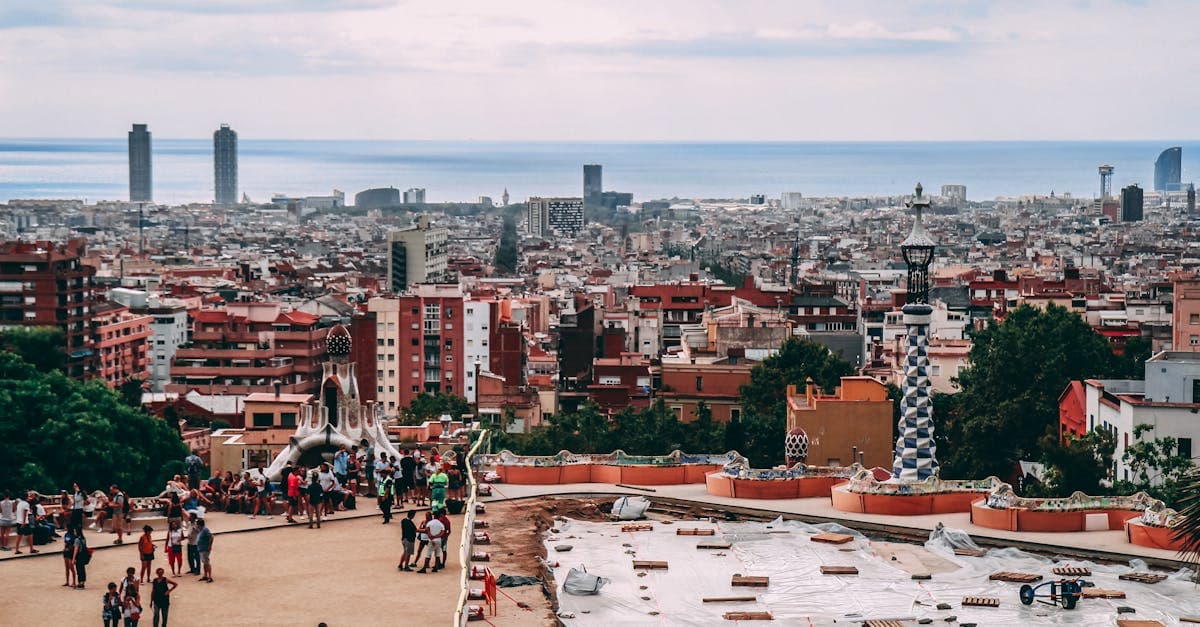
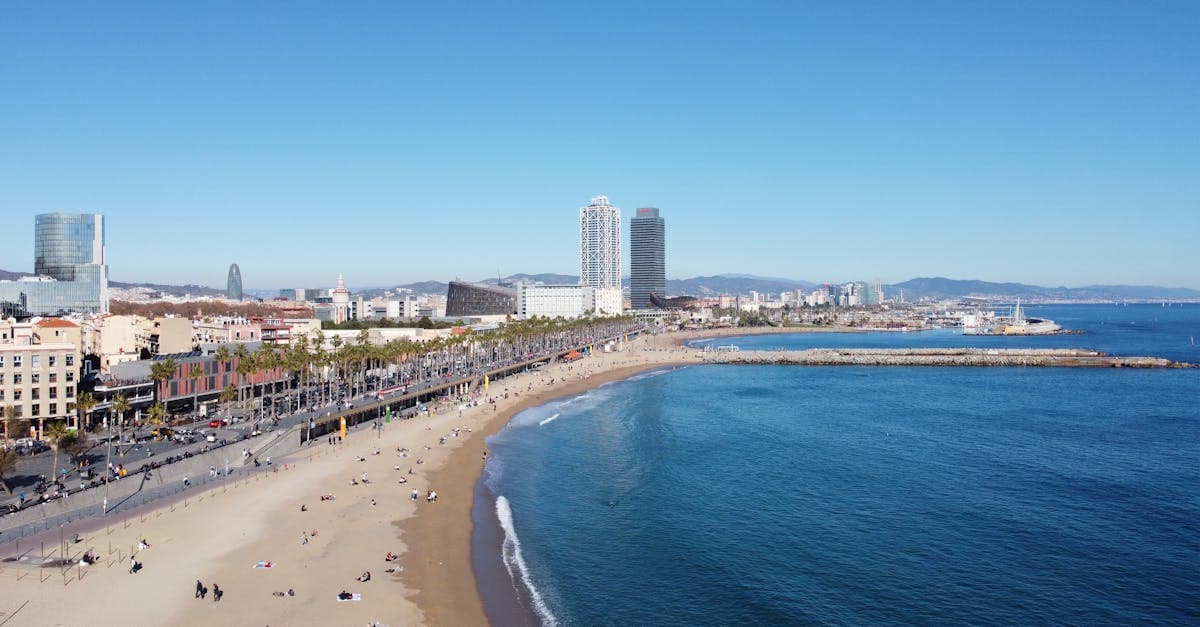
Barcelona does something most European cities can't: it pairs a world-class urban offer with a genuine, swimmable beach, both within roughly 20 minutes of each other by metro. The sea reaches 24 to 25°C from July through September, and the food scene and architecture rank among the best in any European capital. According to British Airways, Barcelona represents a perfect beach holiday meets city break, a combination rare enough among European short-haul destinations to be worth stating plainly britishairways.com.
That breadth is the practical argument. Spend a morning at the Sagrada Família, lunch in El Born's natural wine bars, and still make it to Barceloneta beach before the afternoon crowds thin. No compromises, no separate resort booking.
Las Ramblas is worth walking once — though in August, the smell of hot tarmac and overheated terraces drifts across every pavement café, and the human density makes it more endurance than pleasure. The neighbourhoods surrounding it are where the trip actually happens. Gràcia, uphill from the tourist circuit, has the feel of a separate village: tiled squares where the late-afternoon clatter of chairs and conversation carries across the plaza, independent cafés, and a pace that belongs to its residents as much as its visitors. Poblenou, once industrial and slowly reclaimed by creative studios and gallery spaces, rewards those who wander off the itinerary.
The flight length changes the economics of the trip. A route that takes just over two hours from London, with regular services from most UK regional airports, means a Barcelona long weekend isn't a compromise. You arrive with a full first day ahead of you.
A couple of entry checks are worth confirming before you travel. Post-Brexit, your passport must satisfy Schengen rules on both validity and issue date. Barcelona airport is also rolling out the EU's EES biometric system, the Entry/Exit System, which involves fingerprinting and a photograph on your first Schengen crossing. The process adds some border time, but it's a one-off registration.
None of that changes the fundamental pull of the destination. The question that shapes the whole experience is when you choose to go.
What is the best month for a Barcelona holiday?
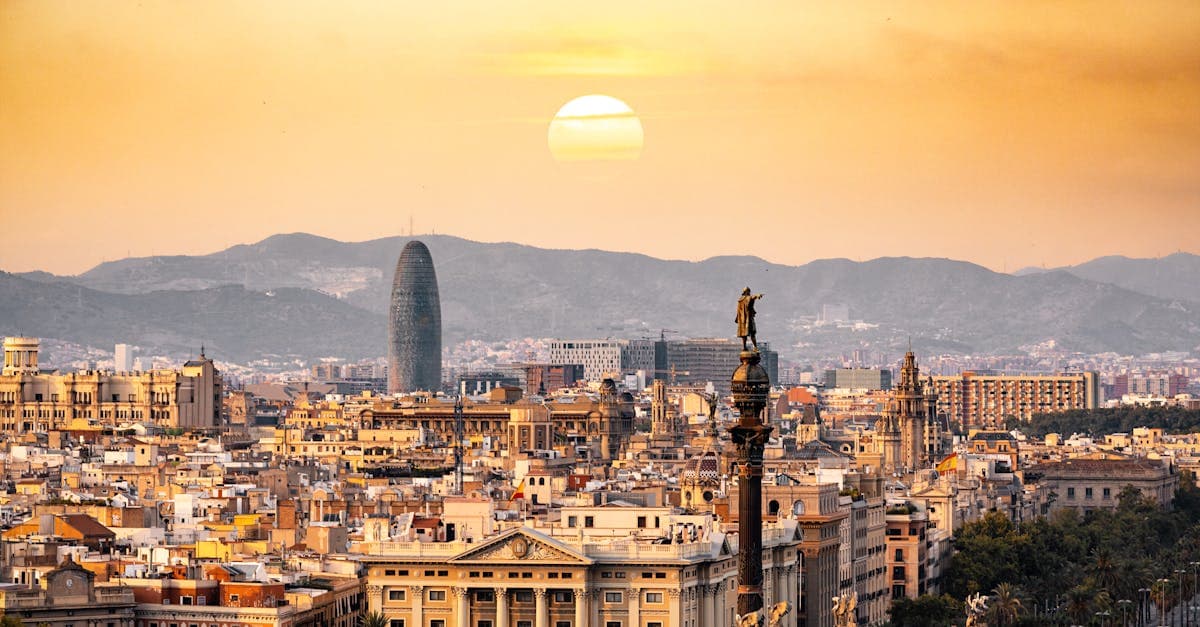
May to June and September to October are the optimal windows. Weather is warm without being oppressive, crowds are manageable, and accommodation prices in the shoulder months run around 20 to 40 per cent below the summer peak. For most UK travellers with any flexibility in their dates, these four months represent the most considered choice.
July and August bring peak heat, averaging around 29°C, and peak everything else: prices, queues, and density at every major attraction. Sagrada Família, which draws around 4.5 million visitors a year, sells out its timed entry slots weeks in advance during the summer. The atmosphere is lively and the beaches are in full swing, but the experience comes at a measurable cost.
January deserves a mention. Average highs of around 13°C make the beach useless but the city perfectly functional: museums quiet, restaurants with actual availability, and accommodation priced more reasonably. For a culture-focused long weekend with no interest in swimming, January is a sharp, often overlooked option.
The sea becomes swimmable from June. August is the warmest month for anyone prioritising time in the water. September extends the swimming season while the city shifts back toward something approaching normal human density.
If your dates are even slightly flexible, shifting from late July to mid-September changes the character of the trip considerably. Prices drop, the main attractions become bookable at shorter notice, and the neighbourhoods feel like somewhere people actually live.
Once you've fixed the dates, the question becomes how long to actually go for.
Is 3 days too long in Barcelona?
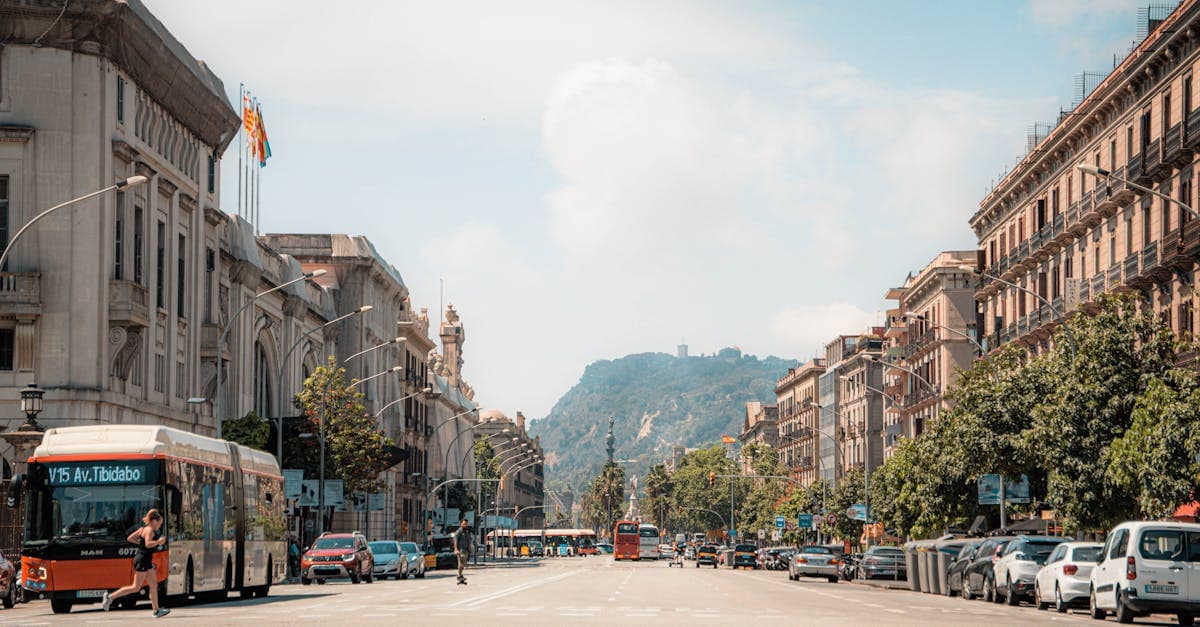
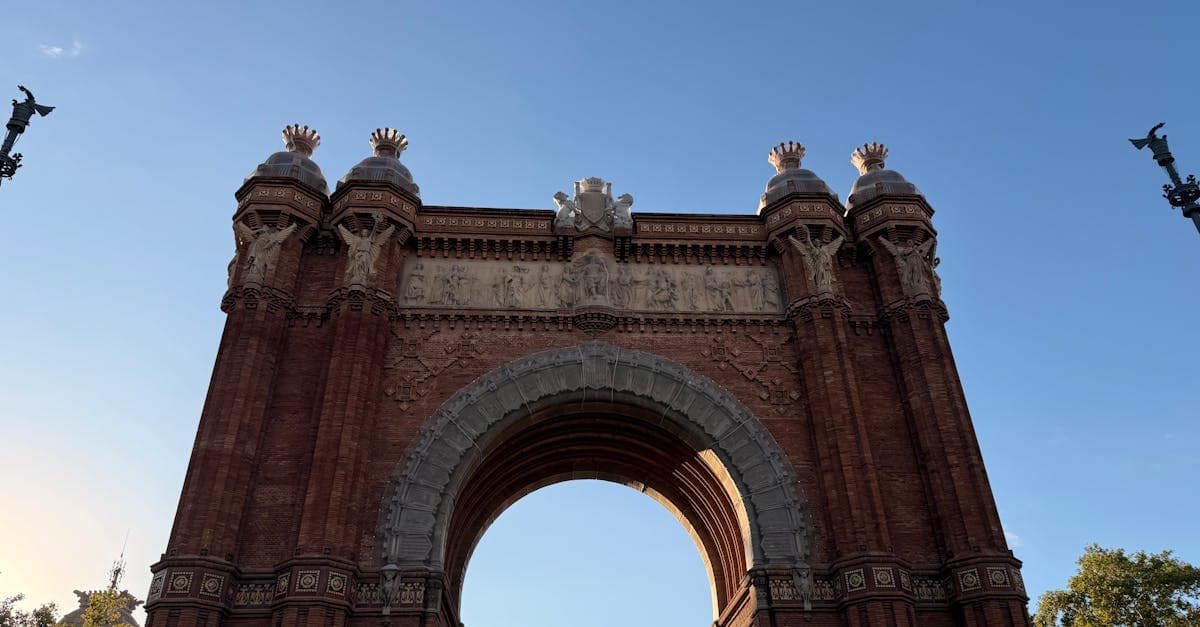
Three days is not too long. It's closer to the minimum that makes sense for a first visit. Sagrada Família, Park Güell, and the Gothic Quarter each take the better part of a half day done properly, which fills your itinerary without rushing and leaves room for an excellent lunch.
Sagrada Família alone warrants two to three hours and requires pre-booking; entry starts from €26 for basic access. Park Güell's monumental zone costs €10 per adult and benefits from an early morning slot before the group tours arrive. The Gothic Quarter is dense enough to get usefully lost in, with Roman ruins, the Santa Maria del Mar basilica, and enough narrow streets to fill an afternoon.
Five days changes what's possible. El Born, Gràcia, Poblenou, and the waterfront each have enough character to justify an afternoon spent wandering without a fixed plan. The city rewards that approach.
Day trips are a separate calculation. Sitges, the elegant coastal town south of the city by train, or Montserrat, the striking mountain monastery inland, each justify adding an extra day to your itinerary. Neither is essential on a short visit, but both are well worth the addition if time allows.
From the UK, a long weekend of three to four nights is entirely sensible given the short flight. You're not losing meaningful time to transit.
Where you base yourself shapes how efficiently those days unfold.
Where to stay on a Barcelona holiday (and what to avoid)
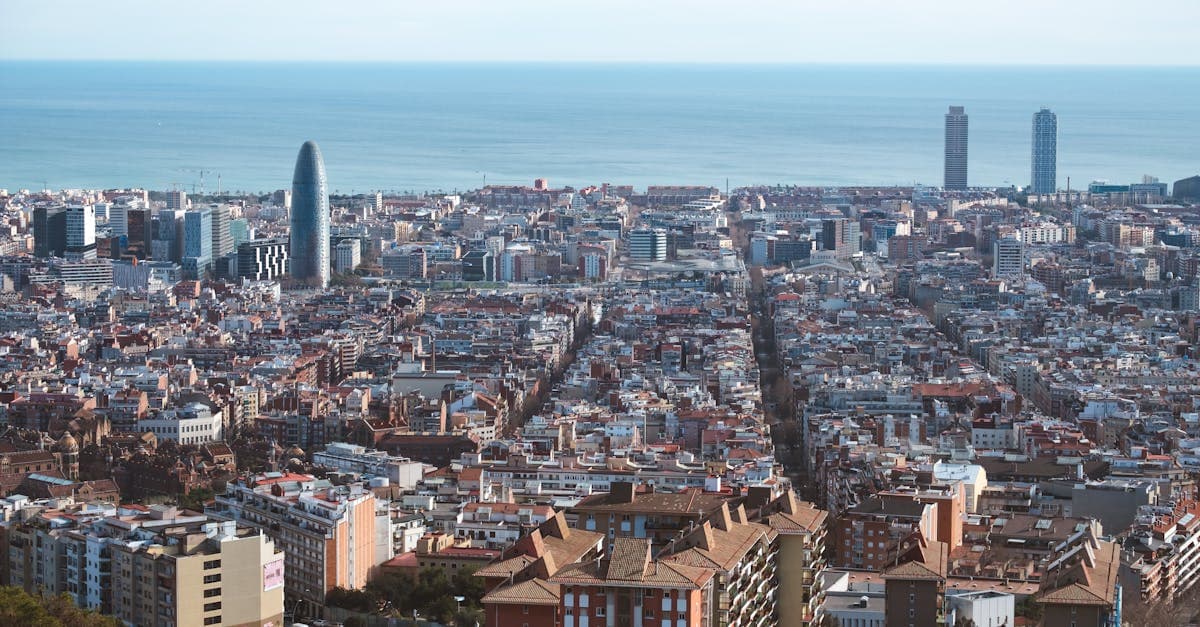
Eixample, El Born, Gràcia, Poblenou, and Barceloneta are the five areas that consistently deliver for UK travellers in Barcelona. Each neighbourhood has a distinct character, and one deserves a second look before booking.
Eixample sits at the city's heart, built on an orderly grid that makes navigation intuitive from day one. Metro connections are solid, and the wide, tree-lined streets feel manageable rather than chaotic. Boutique and mid-range hotels cluster around Passeig de Gràcia, placing Gaudí's architecture within walking distance of most rooms.
El Born offers something more layered. Independent restaurants, wine bars, and the Picasso Museum fill a compact medieval quarter that still functions as a working neighbourhood. Evenings here carry a different character to Eixample: less polished, noticeably more lived-in.
Gràcia suits longer stays or visitors who find city centres wearing. Quieter streets, village-scale plazas, and a residential pace reward travellers who want to feel settled rather than processed. The metro to central sights is a short ride.
Poblenou is the considered answer for anyone who finds Las Ramblas intolerable. A former industrial district now full of design studios and local cafés, it's cheaper on accommodation and feels properly independent.
Barceloneta delivers beach access without compromise on proximity. The trade-off: weekend noise, tourist-priced bars, and a party atmosphere that runs later than most guests expect.
For the best free view in the city, Bunkers del Carmel outperforms every paid rooftop bar in Barcelona. The old anti-aircraft battery above Gràcia gives a 360-degree panorama worth a dedicated half-morning.
Some pockets of the city carry specific risks that booking platforms rarely mention.
Where to avoid staying in Barcelona?
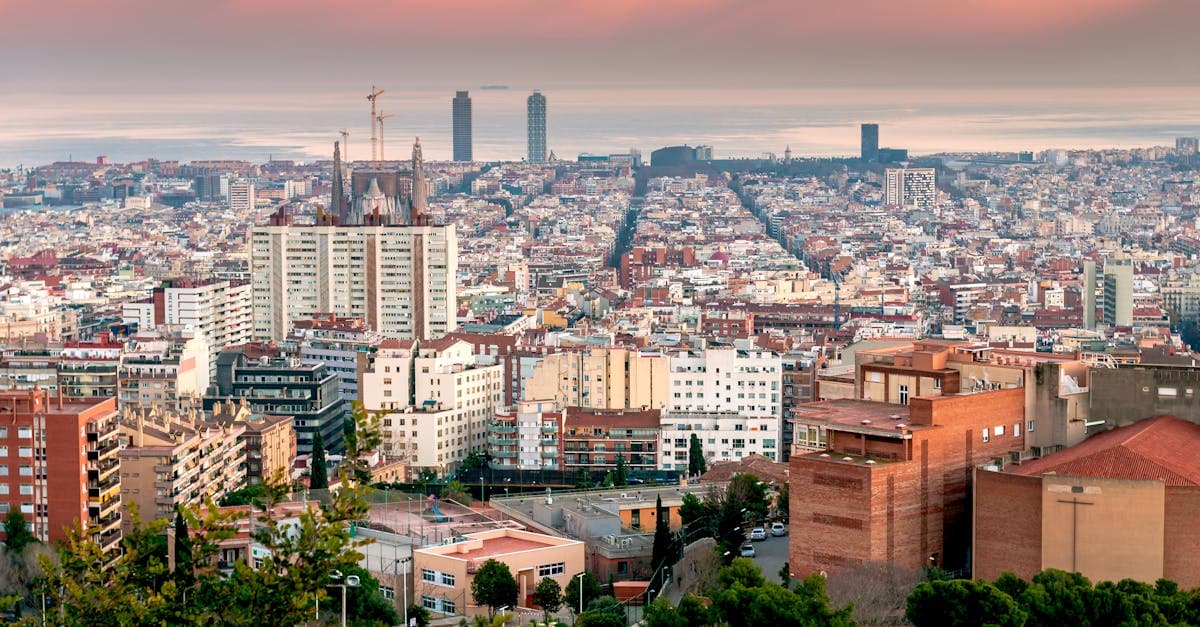
The "no-go area" framing overstates the reality. Barcelona doesn't have zones that are genuinely off-limits. It has specific pockets where particular problems concentrate, and those are worth knowing before you confirm a booking.
Lower Raval is the most frequently cited concern, and it's misrepresented in both directions. The district as a whole is lively and multicultural. The streets immediately south of Carrer de Sant Pau see consistently higher reports of bag snatching and opportunistic phone theft, particularly after dark. The issue is specific streets, not the entire neighbourhood.
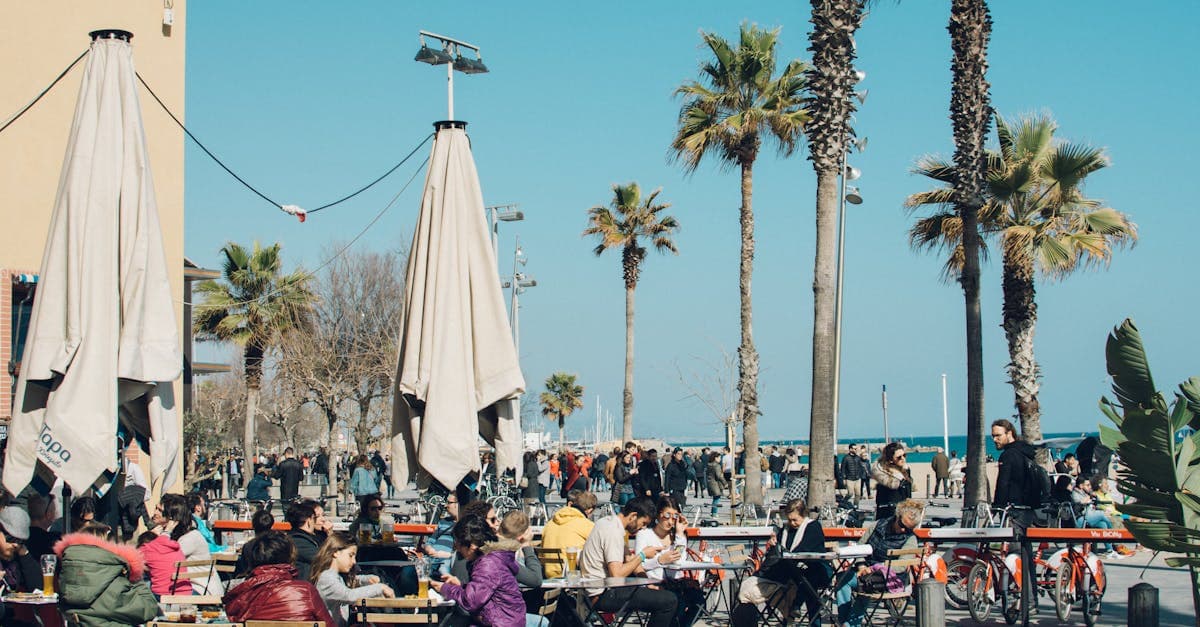
Barceloneta beachfront isn't unsafe. It's overpriced and loud at weekends. Seafront bars charge tourist rates without tourist quality, and Friday nights bring a stag-party atmosphere that surprises visitors expecting something quieter.
The more practical risk in 2026 involves unlicensed accommodation. Barcelona's city council has been actively pursuing illegal tourist lets since the 2024 crackdown legislation passed, and properties operating without a valid tourist licence face enforced closures. Booking through an unlicensed listing can mean arriving to a flat you cannot access, with no legal recourse and no helpful platform support. ATOL-protected packages through established operators provide a layer of financial protection that independent bookings cannot loveholidays.com.
Before confirming any booking, check the property's proximity to the nearest Metro stop. Some "central Barcelona" listings sit further from useful connections than the map thumbnail suggests.
Accommodation is just one slice of the overall budget, and it's not always where the real surprises land.
Barcelona holiday costs: a realistic 2026 budget
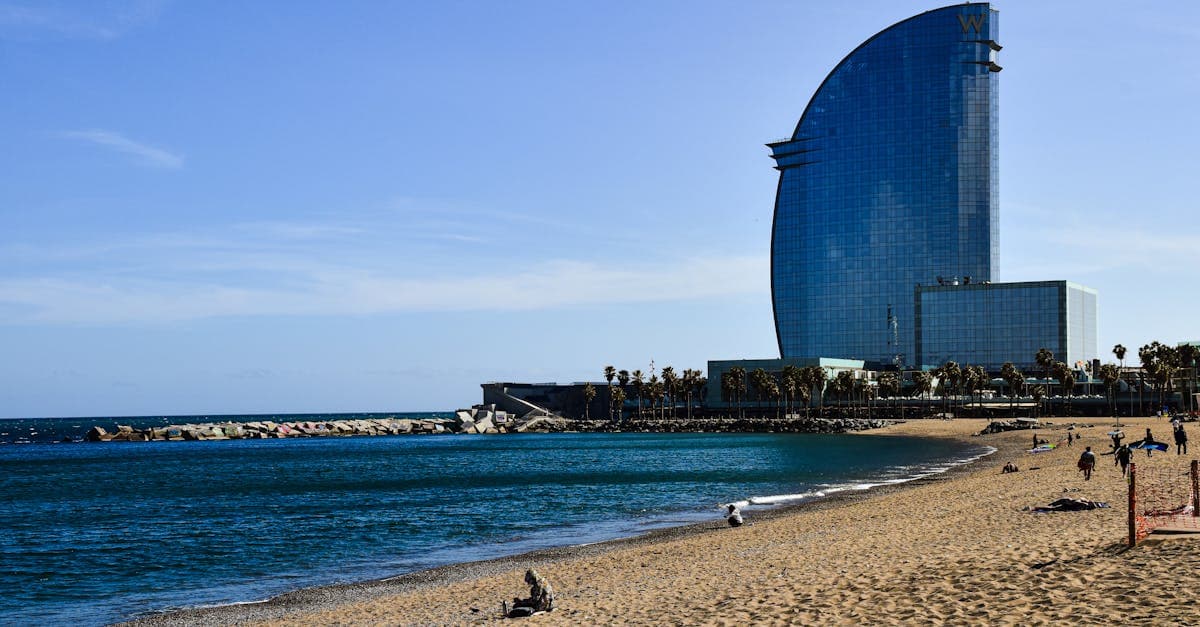
A budget Barcelona holiday package from the UK starts at around £450 per person for seven nights in shoulder season, flights and a three-star hotel included, with several operators listing low deposits from £19 per person onthebeach.co.uk loveholidays.com. Do it yourself, with independently booked flights and a mid-range hotel, and the all-in cost typically lands between £1,000 and £1,300 per person.
Those headline figures leave several lines blank. The tourist tax runs from €3.25 to €6.75 per person per night, added at checkout depending on your accommodation category. Book a boutique property in Eixample at the higher rate and four nights adds €27 per person before you've ordered a single menu del día, a line that rarely appears on booking summaries until the final confirmation.
Getting from El Prat airport into the city costs €6.75 on the Aerobus or €5.15 on Metro L9, which takes roughly 25 minutes to central stops. The T-Casual ten-trip metro card costs €11.35 and covers most Metro and bus journeys, which most seven-night visitors find sufficient.
Pre-booking attractions is the budget discipline that pays off most. The Sagrada Família entry fee and the Park Güell monumental zone, both covered earlier in this guide, are cheaper online than at the gate. In peak season, both sell out weeks in advance. That part visitors consistently underestimate.
Then there's the line most holiday spreadsheets skip entirely. Some UK carriers apply daily roaming add-ons for Spain that can reach £2 per day. Over a week, that charge sits quietly in the background until the bill arrives home. It's a cost that surprises people who haven't checked their plan before flying.
The phone bill is one cost most holiday guides quietly skip.
Staying connected on your Barcelona holiday
Spain's retail mobile data costs rank among Western Europe's lowest, with prices between €0.20 and €0.60 per gigabyte at the network level. The challenge is accessing those rates before you land, rather than from an overpriced kiosk in arrivals.
Step 1: Check what your current carrier already includes.
Three's Feel At Home covers Spain at no extra charge, within fair-use limits. EE Roam Abroad and Vodafone UK both offer daily add-ons for Spanish travel. If your existing plan covers Spain at a sensible daily rate, a two- or three-night trip likely needs nothing else.
Step 2: For a week or longer, an eSIM is the more careful option.
An eSIM installs via QR code in a few minutes, no physical SIM swap required. Activated at home before you fly, it connects automatically to Orange or Movistar's networks on arrival. No fumbling with a SIM tray at the airport, no waiting in a kiosk queue.
HelloRoam's Spain eSIM plans start at ~£2.36 for 1GB over seven days, with a 3GB 30-day option at ~£6.71 on 5G-capable networks. For a standard week with Maps, WhatsApp, app-based metro tickets, and live queue checks at Sagrada Família, the 3GB plan covers most needs without rationing.
Step 3: Keep your UK number active alongside it.
Banks send SMS verification codes to your home number, and those don't arrive on a Spanish data eSIM. A dual-SIM setup handles this cleanly: one physical SIM active for UK texts, one eSIM managing Spanish data. Most recent iPhones and Android flagships support this natively.
Airport SIM kiosks at El Prat exist for emergencies. They're more expensive than pre-trip options and cost 20 minutes of your arrival.
Key fact: Spain eSIM plans connect through Orange and Movistar's networks with 5G support, from ~£2.36, with no contract required.
With data sorted before boarding, Barcelona's practical tools — real-time metro maps, restaurant finders, navigation — all work from the moment you clear the Border Force queue. Browse eSIM for Spain plans before you fly.
Things to do on a Barcelona holiday: beyond the obvious
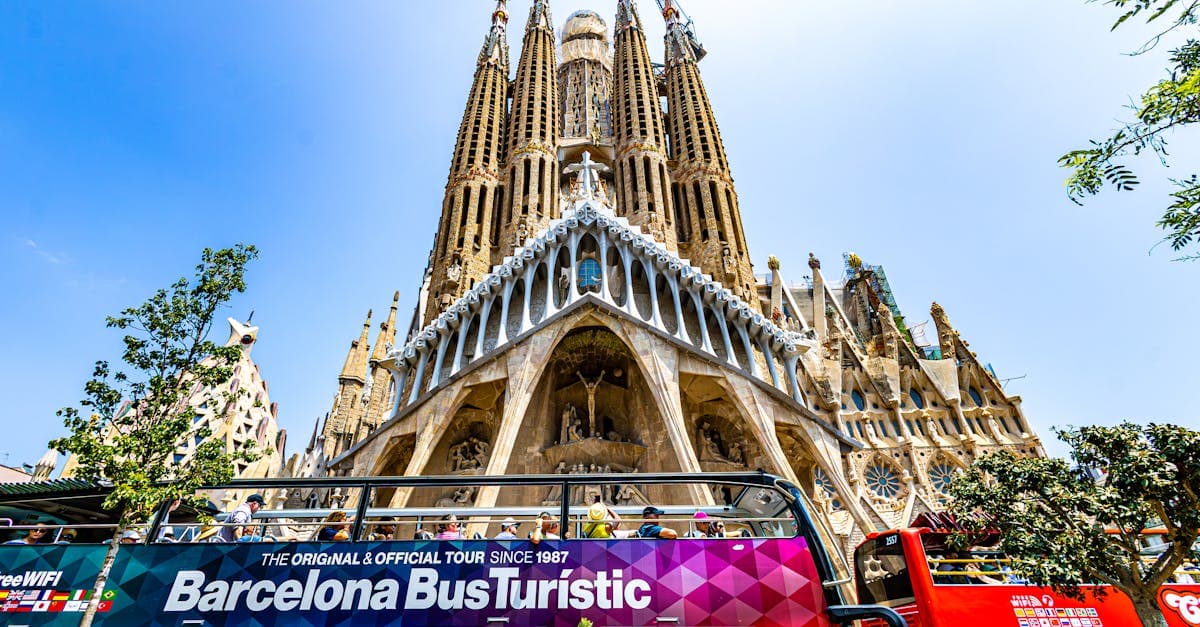
A Barcelona holiday built around its headline attractions is worth every euro, provided you go in with a plan. Book the Sagrada Família weeks ahead: the basic entry starts at €26, but the towers upgrade (from €36) is the one worth having, lifting you above the city's roofline in a way the nave floor simply can't replicate.
Park Güell's monumental zone costs €10 and requires timed entry. Miss the booking and you're locked outside the mosaic terraces with everyone else who didn't read the small print. The free areas around the perimeter are pleasant enough, but they're not why you came.
The Gothic Quarter costs nothing to walk and rewards a slower pace. Roman foundations sit beneath medieval streets, visible through glass panels in the pavement. It's deeply layered in a way few city centres are.
Gràcia is the neighbourhood most guidebooks mention and then underserve. No queues, proper local bars, and in August the Festa Major turns the streets into open-air parties that residents actually attend.
Barceloneta is free, and the sea is swimmable from June through September. The Bunkers del Carmel offers some of the most considered panoramic views in the city, at zero cost, with far fewer people than Tibidabo.
Half a day covers El Born market and the Picasso Museum comfortably. Budget both: the market is free to enter, the museum requires a ticket booked in advance.
Book the big two early, sort your data before the gate, and the rest tends to fall into place. Barcelona punishes the unprepared — sold-out towers, kiosk queues, unlicensed flats — but it rewards everyone else with a city that earns the journey every time. For those weighing up packages versus independent booking, easyjet.com and tui.co.uk both list Barcelona among their leading European city break destinations for 2026 easyjet.com tui.co.uk.
Reviewed by HelloRoam's editorial team. Last updated: 20 April 2026.
Get Connected Before You Go

Frequently Asked Questions
Three days is not too long — it is closer to the minimum that makes sense for a first visit. Sagrada Família, Park Güell, and the Gothic Quarter each take the better part of a half day done properly, which fills your itinerary without rushing and still leaves room for a proper lunch. Five days opens up neighbourhoods like El Born, Gràcia, and Poblenou, and makes day trips to Sitges or Montserrat viable additions.
Yes, Barcelona is one of Europe's most complete short-haul destinations, combining world-class architecture, a genuine swimmable beach, a serious food scene, and vibrant neighbourhoods within a two-hour flight from the UK. Around 30 million people visit annually, with roughly 2 million from the UK alone. The short flight time means even a long weekend delivers a full, unhurried trip.
May to June and September to October are the optimal windows for most travellers. Weather is warm without being oppressive, crowds are manageable, and accommodation prices in these shoulder months run around 20 to 40 per cent below the summer peak. July and August bring peak heat averaging around 29°C alongside the highest prices and longest queues, while January suits culture-focused visits with quiet museums and lower costs.
The streets immediately south of Carrer de Sant Pau in Lower Raval see higher reports of bag snatching and opportunistic phone theft, particularly after dark — the issue is specific streets rather than the whole neighbourhood. Barceloneta beachfront is not unsafe but is overpriced and loud at weekends, with a party atmosphere that surprises visitors expecting something quieter. It is also worth avoiding unlicensed accommodation, as properties without a valid tourist licence face enforced closures, which can mean arriving to find a flat you cannot access.
No visa is required for UK travellers visiting Barcelona for stays up to 90 days within any 180-day Schengen period. Your passport must be valid for the duration of your stay and issued within the last 10 years — the issue-date condition catches some travellers by surprise. ETIAS, the EU's pre-travel authorisation scheme, was expected to launch in 2026, so you should verify its current status before booking.
Direct flights from London to Barcelona take around 2 hours 10 minutes. Services also run from Manchester, Edinburgh, Birmingham, and Bristol, making a long weekend as viable as a full week away. The short flight time means you typically arrive with a full first day ahead of you.
A budget Barcelona holiday package starts at around £450 per person for seven nights in shoulder season, flights and a three-star hotel included. Booking independently with flights and a mid-range hotel typically lands between £1,000 and £1,300 per person. Additional costs to factor in include the tourist tax of €3.25 to €6.75 per person per night and pre-booked attraction entry fees.
Barcelona's tourist tax runs from €3.25 to €6.75 per person per night, added at checkout depending on your accommodation category. It is rarely included in headline booking prices and only appears on the final confirmation. For a four-night stay in a higher-category property, this can add €27 per person before any other spending.
The Aerobus from El Prat airport costs €6.75 and is a straightforward option, while Metro Line L9 costs €5.15 and takes roughly 25 minutes to central stops. Once in the city, a T-Casual ten-trip metro card costs €11.35 and covers most Metro and bus journeys, which most seven-night visitors find sufficient for getting around.
Yes, pre-booking is strongly recommended for Barcelona's main attractions. Sagrada Família draws around 4.5 million visitors a year and sells out its timed entry slots weeks in advance during summer; entry starts from €26. Park Güell's monumental zone costs €10 per adult and benefits from an early morning slot — both are cheaper online than at the gate and can sell out entirely in peak season.
Eixample is a strong choice for first-time visitors, sitting at the city's heart on an orderly grid that makes navigation intuitive from day one, with solid Metro connections and Gaudí's architecture within walking distance. El Born suits those wanting a more characterful, lived-in base with independent restaurants and wine bars. Gràcia works well for longer stays or travellers who find city centres wearing, offering a quieter, village-scale pace with easy metro access to central sights.
Barcelona does not have zones that are genuinely off-limits, but specific pockets see higher rates of bag snatching and opportunistic phone theft, particularly in the streets immediately south of Carrer de Sant Pau in Lower Raval after dark. The main practical risks are petty theft in crowded tourist areas rather than serious crime. Standard precautions — keeping bags close, being aware on Las Ramblas and at busy metro stations — are sufficient for most visitors.
The sea in Barcelona reaches 24 to 25°C from July through September, making it comfortably swimmable across those months. The sea becomes swimmable from June, and September extends the swimming season while the city is noticeably less crowded than in August. January through spring is too cold for most swimmers, though the beaches remain pleasant for walking.
Spain's retail mobile data costs rank among Western Europe's lowest, but some UK carriers apply daily roaming add-ons for Spain that can reach £2 per day, adding up quietly over a week without a roaming-inclusive plan. Sorting a local eSIM before you fly is a cost-effective alternative, with budget eSIM plans for Spain starting from around £2.28 per day running on 5G networks with no contract required. Checking your carrier's roaming terms before travelling is the simplest way to avoid an unexpected charge on your return.
January is an often-overlooked option for a culture-focused trip, with average highs of around 13°C making the beach impractical but the city perfectly functional. Museums are quiet, restaurants have genuine availability, and accommodation is priced more reasonably than at any other point in the year. It suits travellers with no interest in swimming who want to see the main sights without the crowds or premium pricing of warmer months.
Sources
- Barcelona Holidays 2026/2027 — tui.co.uk
- Barcelona Holidays 2026 / 2027 — onthebeach.co.uk
- Barcelona Holidays 2026 / 2027 — easyjet.com
- Barcelona holidays - Get great offers for cheap holidays — booking.com
- Barcelona Holidays | ATOL Protected 2026/2027 — loveholidays.com
- Barcelona Holidays and City Breaks 2026/2027 — britishairways.com